Attractions and Places To See around Badajoz - Top 10
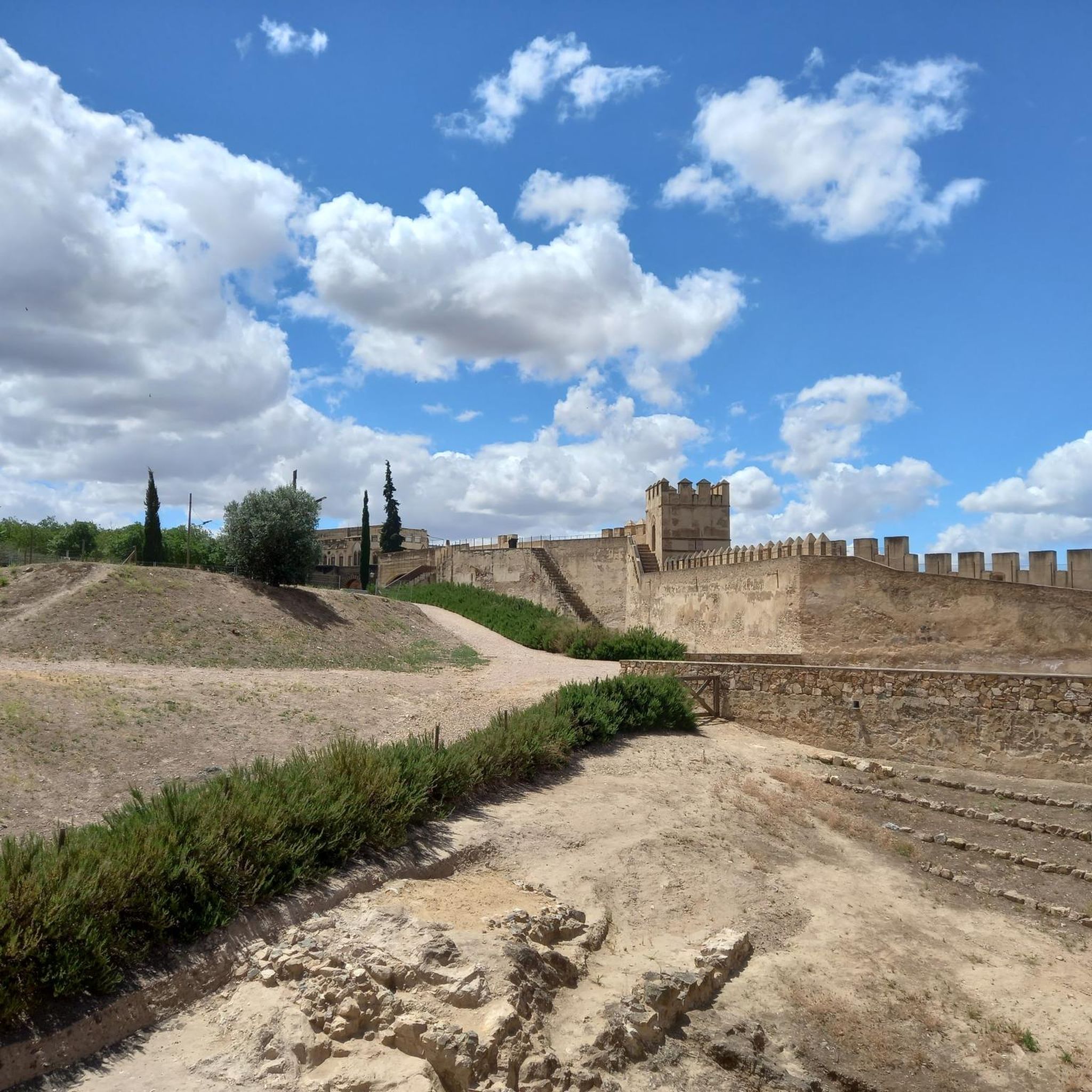
Best attractions and places to see around Badajoz include a rich array of historical and cultural sites. The city is situated on the Guadiana River, featuring ancient fortresses and significant landmarks such as the Alcazaba. The surrounding region offers natural spaces, including parks and historical structures like castles and bridges. Visitors can explore a blend of historical architecture and natural landscapes.
Best attractions and places to see around Badajoz
- The most popular attractions is Baden Bridge, a bridge that…
Last updated: October 11, 2026
Nogales Castle
Highlight • Castle
Translated by Google •
Tip by

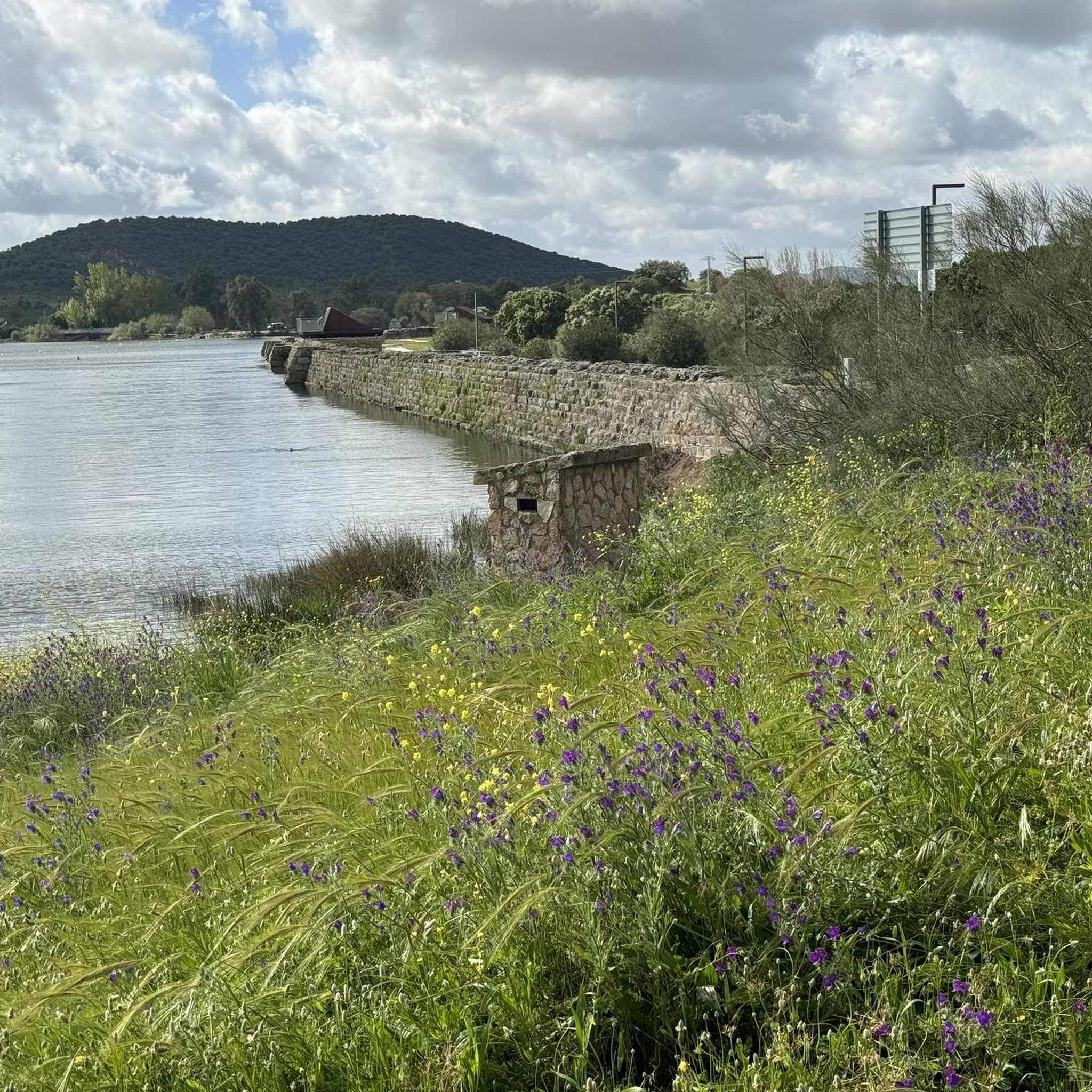
Baden Bridge
Highlight • Bridge
Translated by Google •
Tip by

Sign up now to discover places like this
Get recommendations on the best single tracks, peaks, & plenty of other exciting outdoor places.
Battle of Albuera Memorial Mosaic
Highlight • Monument
Translated by Google •
Tip by

Corte de Peleas
Highlight • Settlement
Translated by Google •
Tip by

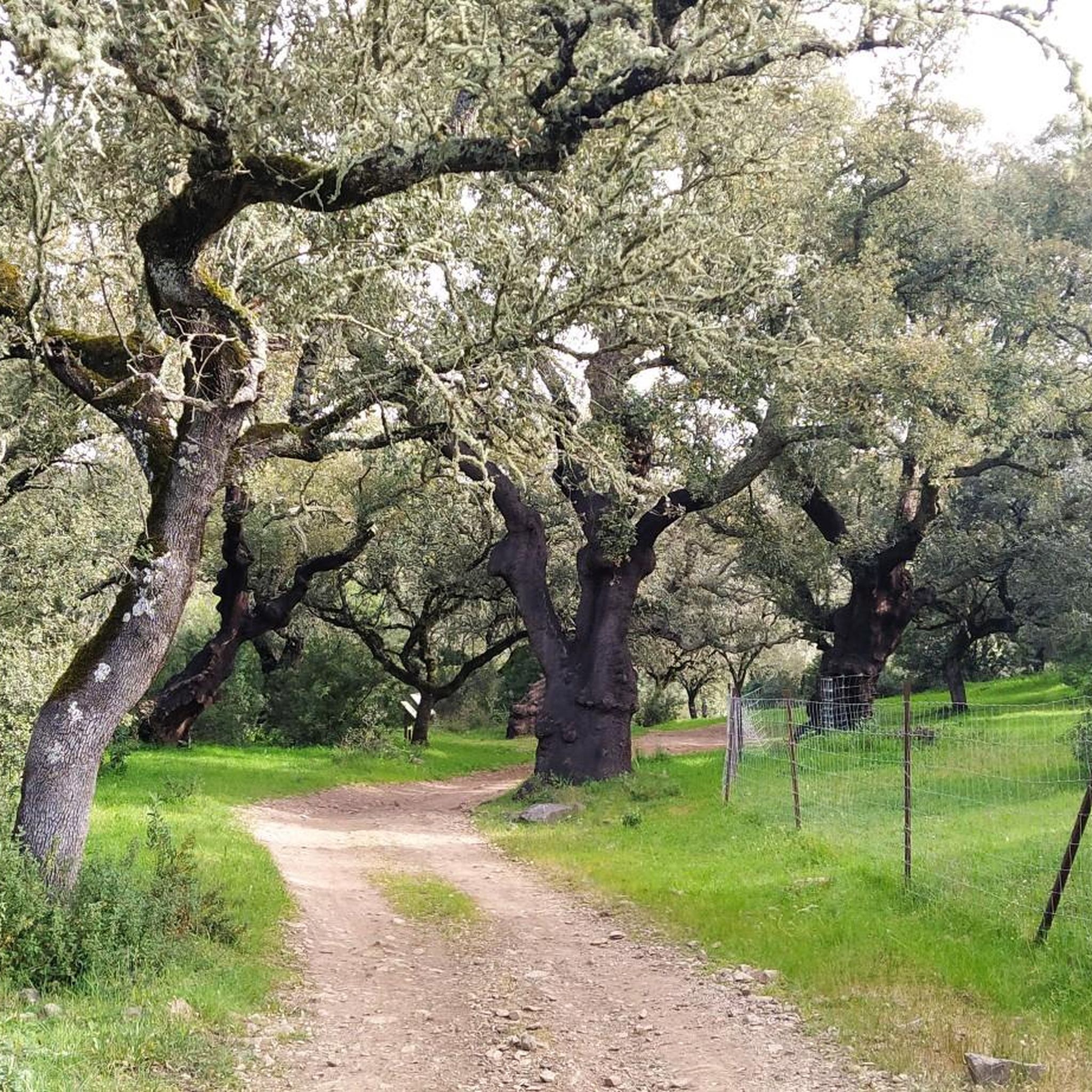
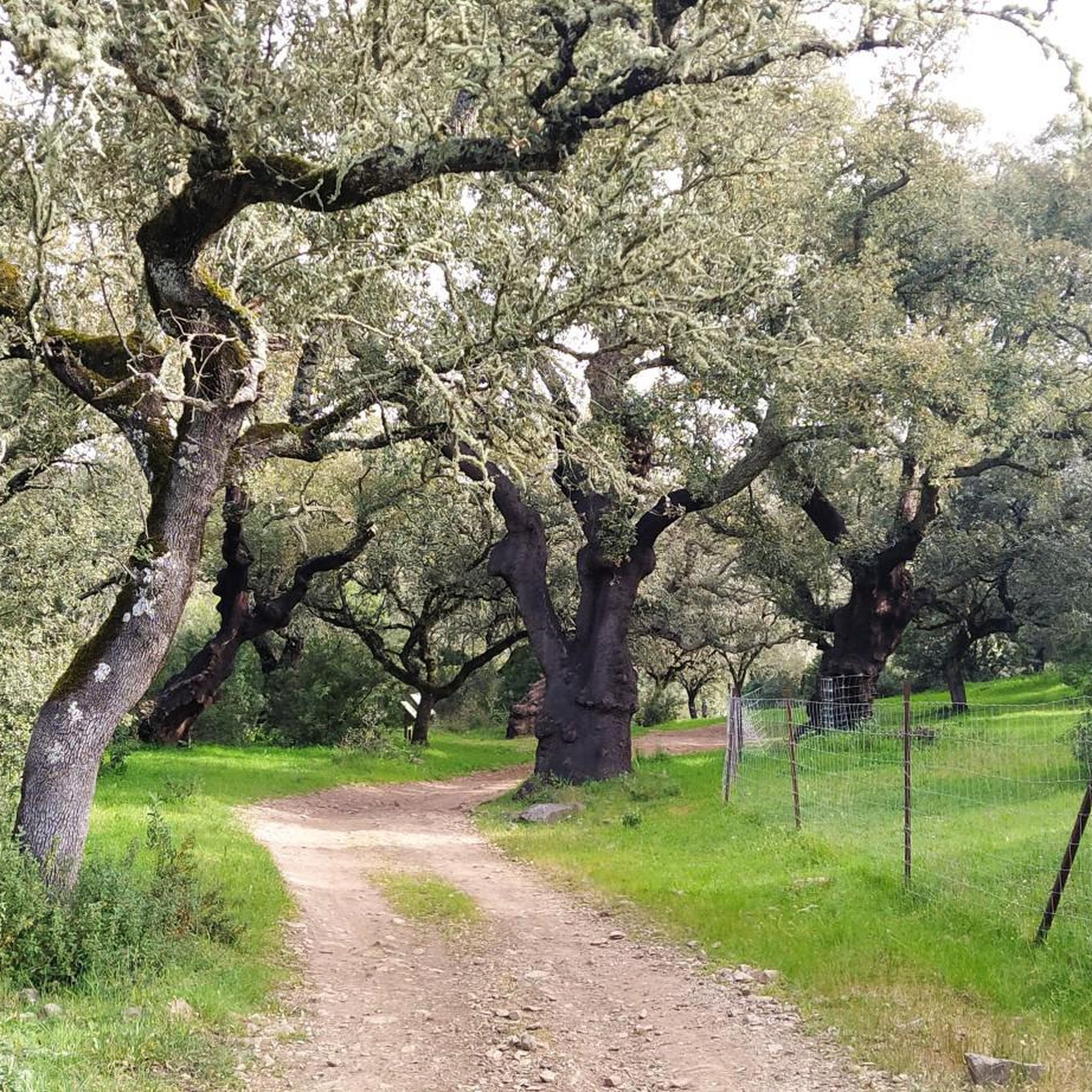
Route of the Twelve Apostles (Centenary Cork Oaks)
Highlight (Segment) • Natural Monument
Translated by Google •
Tip by

Talavera La Real
Highlight • Settlement
Translated by Google •
Tip by
Nogales Castle and Church of San Cristóbal
Highlight • Castle
Translated by Google •
Tip by

Montijo Canal between Gévora and Montijo
Highlight (Segment) • Cycleway
Tip by

Church of San Pedro, Almendral
Highlight • Religious Site
Translated by Google •
Tip by
Church Square of Entrín Bajo
Highlight • Settlement
Translated by Google •
Tip by
Start today with a free account
Your next adventure awaits.
Tips from the Community

The Montijo Canal is an important hydraulic infrastructure of about 63 kilometers located in the province of Badajoz, in Extremadura (Spain), which flows through the Guadiana river valley.
0
0

Paved and flat road make for easy and fast cycling
1
0

The fortress has a 35-metre-high keep and a perimeter wall with cylindrical towers at the corners. Originally, the castle had a drawbridge that allowed access through a moat, although this no longer exists. The castle was restored by the Junta de Extremadura at the end of the 20th century, preserving its structure and historical elements.
7
0

This quiet town of less than 600 inhabitants is a good place to stop and enjoy one of the two squares it has.
0
0
This small town of just over 1,200 residents is surrounded by agricultural land similar to other small towns in the area. The church in the center stands out as an interesting landmark to visit.
0
0
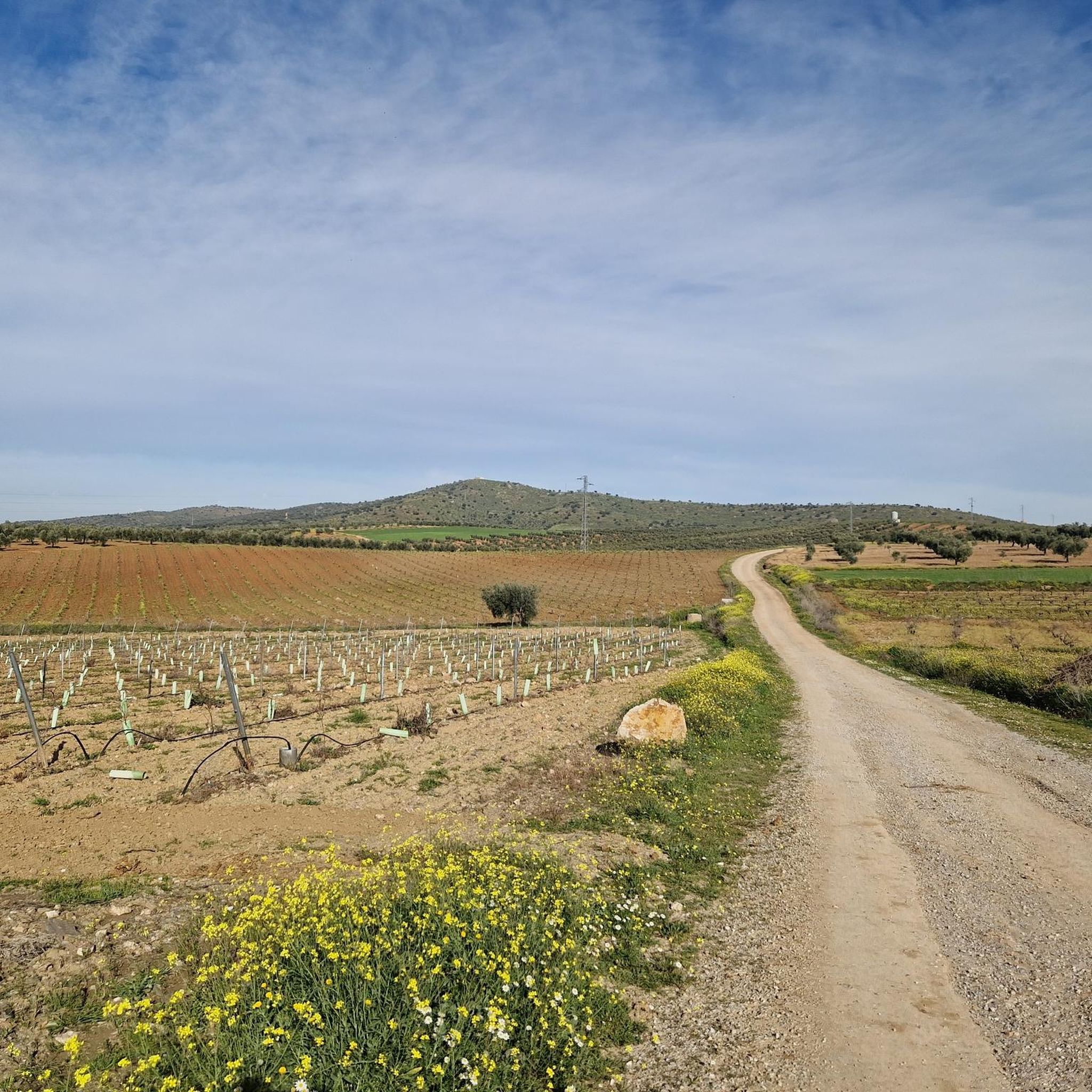
This small town for many years was nothing more than a few families living in the area. However, it began to grow in the 1850s and had more than 1,700 residents by 1920. Currently, there are a little more than 1,200 residents who work mainly in the area's agriculture, which is grapes and olive trees. This means that the area around the town is full of fields and trails that are nice to explore.
0
0
This small city of just over 5,000 inhabitants is located just a few kilometers from Badajoz. It is surrounded by agricultural fields and the Talavera la Real Air Base. With all the fields around, it is a good place to start a mountain bike ride to explore the area.
0
0

In 1811, in the War of Independence, the famous battle of La Albuera took place. As a reminder of that battle, you can see, on Avenida de Extremadura, two large mosaics commemorating it, which was the beginning of the end of the French invasion of Spanish territory.
2
1
Frequently Asked Questions
What historical landmarks define Badajoz's rich past?
Badajoz is rich in history. You can explore the impressive Alcazaba de Badajoz, a 12th-century Moorish fortress offering panoramic city views. Don't miss the 16th-century Puerta de Palmas, a historic city gate, and the unique fortress-like Badajoz Cathedral. Further afield, the 15th-century Nogales Castle is a significant defensive structure.
Where can I experience the cultural side of Badajoz, including museums and squares?
For a cultural immersion, visit Plaza Alta, known for its historic architecture and Mudejar houses. The Provincial Archaeological Museum, located within the Alcazaba, showcases over 15,000 artifacts. You can also explore the Extremadura and Ibero-American Museum of Contemporary Art (MEIAC) or the Museum of Fine Arts of Badajoz (MUBA). The Plaza de España, home to the Cathedral and Palacio Municipal, is another vibrant central square.
Are there any notable castles or fortresses to visit in the region?
Yes, the region boasts several impressive defensive structures. The most prominent is the Alcazaba de Badajoz within the city. Outside the city, you can visit Nogales Castle, a well-preserved 15th-century medieval fortress with a 35-meter-high keep. Another related site is Nogales Castle and Church of San Cristóbal, offering both historical and religious interest.
What natural attractions are there in and around Badajoz?
Badajoz offers several natural features. The Guadiana River flows through the city, with scenic walking paths along its banks. For a green escape, visit Parque de Castelar. Further afield, the Caves of Fuentes de León are a Natural Monument with impressive geological formations, and the ancient Roman Cornalvo Dam is now part of a natural park. You can also explore the Route of the Twelve Apostles (Centenary Cork Oaks), a natural monument featuring ancient cork oaks.
Are there opportunities for hiking or walking near Badajoz?
Absolutely. The area around Badajoz offers various trails. The Route of the Twelve Apostles provides beautiful and picturesque trails through cork oak forests. For more structured routes, you can find numerous running and walking trails. Explore options like the 'Running loop from Lobón' or 'Chicaspiernas River loop from La Albuera' on the Running Trails around Badajoz guide.
Can I go cycling around Badajoz?
Yes, the region is suitable for cycling. There are dedicated guides for different cycling types. For mountain biking, consider routes like 'Castillo de Nogales a Castillo de Salvatierra' or the 'Route of the Twelve Apostles Loop' found in the MTB Trails around Badajoz guide. Road cyclists can explore routes such as 'View of Feria Castle – Dehesa Extremeña loop from Nogales' or 'Talavera La Real – Balcony of Extremadura loop' in the Road Cycling Routes around Badajoz guide.
What family-friendly attractions are available in Badajoz?
Badajoz offers several family-friendly spots. The Battle of Albuera Memorial Mosaic is an educational and accessible monument. The Baden Bridge provides photo opportunities and a nearby picnic area. Settlements like Corte de Peleas and Talavera La Real offer charming environments to explore, and Parque de Castelar has a playground for children.
Are there any viewpoints offering panoramic views in Badajoz?
For stunning views, head to the Alcazaba de Badajoz, which offers expansive panoramas of the city and the Guadiana River. Nogales Castle, situated on a small hill, also provides excellent views of the surrounding region. Additionally, the Baden Bridge is a good spot for taking photos of the river and landscape.
What are some charming towns or settlements to visit near Badajoz?
Beyond the city, you can explore quaint settlements. Corte de Peleas is a small town surrounded by agricultural fields, perfect for exploring. Talavera La Real is another settlement worth visiting. The village of Nogales, home to its historic castle, and Church Square of Entrín Bajo offer glimpses into local life and history.
What is the best time of year to visit Badajoz for sightseeing?
The best time to visit Badajoz for sightseeing is typically during the spring (April to June) and autumn (September to October). During these months, the weather is pleasant, with milder temperatures, making it ideal for exploring historical sites and enjoying outdoor activities without the intense heat of summer.
Are there any hidden gems or lesser-known spots worth visiting in the Badajoz region?
Beyond the main attractions, consider visiting the Jayona Mine, a former iron ore mine converted into a geo-ecological interest area with a unique microclimate. The Convento de San José and Plaza de San José offer a quiet, historically charming spot. For a unique natural experience, the Caves of Fuentes de León are a must-see for their geological formations.
Most popular routes around Badajoz

Get inspired with the komoot mobile app


Didn’t find what you were looking for?
Are you keen on exploring more awesome places nearby? Browse our guides:
Explore more
Still not found the Highlight you’re looking for? See guides of the top attractions in other regions:
