Top 7 Mountain Passes around Alta Ribagorça
Mountain passes around Alta Ribagorça are situated in the Catalan Pyrenees, a region characterized by dramatic mountainous landscapes, glacial lakes, and extensive forests. This area offers challenging hikes and provides a connection to its natural and historical heritage. The passes serve as vital links between valleys and offer diverse terrain for exploration. Visitors can experience high-altitude environments and panoramic views across the Pyrenees.
Best mountain passes around Alta Ribagorça
- The most popular mountain passes is Collet de Contraix, a challenging mountain pass that is the highest point on the Carros de Foc route. It features rocky slopes and boulder fields, offering panoramic views of Pyrenean peaks.
- Another must-see spot is Port de Caldes, a challenging mountain pass with views of the Aneto glaciers and the Estany de Sant Maurici Valley. It connects the Colomèrs region with the Travessani region and is a crossing point for the Carros de Foc.
- Visitors also love Port de Rius Mountain Pass, a challenging mountain pass connecting the Vall d'Aran with Alta Ribagorça. It serves as a crossing point for the Carros de Foc and GR 11.18, and is part of the classic Montardo ascent route.
- Alta Ribagorça is known for challenging mountain passes and scenic viewpoints. The region offers a variety of mountain passes to see and explore, ranging from high-altitude routes to intermediate climbs.
- The mountain passes around Alta Ribagorça are appreciated by the komoot community, with 8 highlights featuring 12 photos and 17 upvotes.
Last updated: August 6, 2026
Port de Caldes
Highlight • Mountain Pass
Showing Translation
Tip by

Port de Rius Mountain Pass
Highlight • Mountain Pass
Crossing point for the Carros de Foc and GR 11.18 crossing as well as the classic Montardo ascent route (2837m) from La Restanca. Another option is to climb the Tuc de Monges (2698m) along its NE ridge.
Translated by Google •
Tip by

Sign up now to discover places like this
Get recommendations on the best single tracks, peaks, & plenty of other exciting outdoor places.
Sign up for free
Collet de Contraix
Highlight • Mountain Pass
Tip by

Castellàs Track
Highlight • Trail
The landscape is unmatched and the type of terrain simple in this section.
Translated by Google •
Tip by

Collada de Dellui
Highlight • Mountain Pass
Translated by Google •
Tip by
Boí Taüll Mountain Pass
Highlight • Mountain Pass
Translated by Google •
Tip by

Coll de la Creu de Pervés
Highlight • Mountain Pass
Translated by Google •
Tip by

Port de Colomèrs
Highlight • Mountain Pass
From the beginning of spring, wear a cap or hat and sun protection, as well as water and appropriate mountain shoes.
Translated by Google •
Tip by

Portella Negra
Highlight • Mountain Pass
Showing Translation
Tip by

Start today with a free account
Your next adventure awaits.
Login or Signup
Popular around Alta Ribagorça
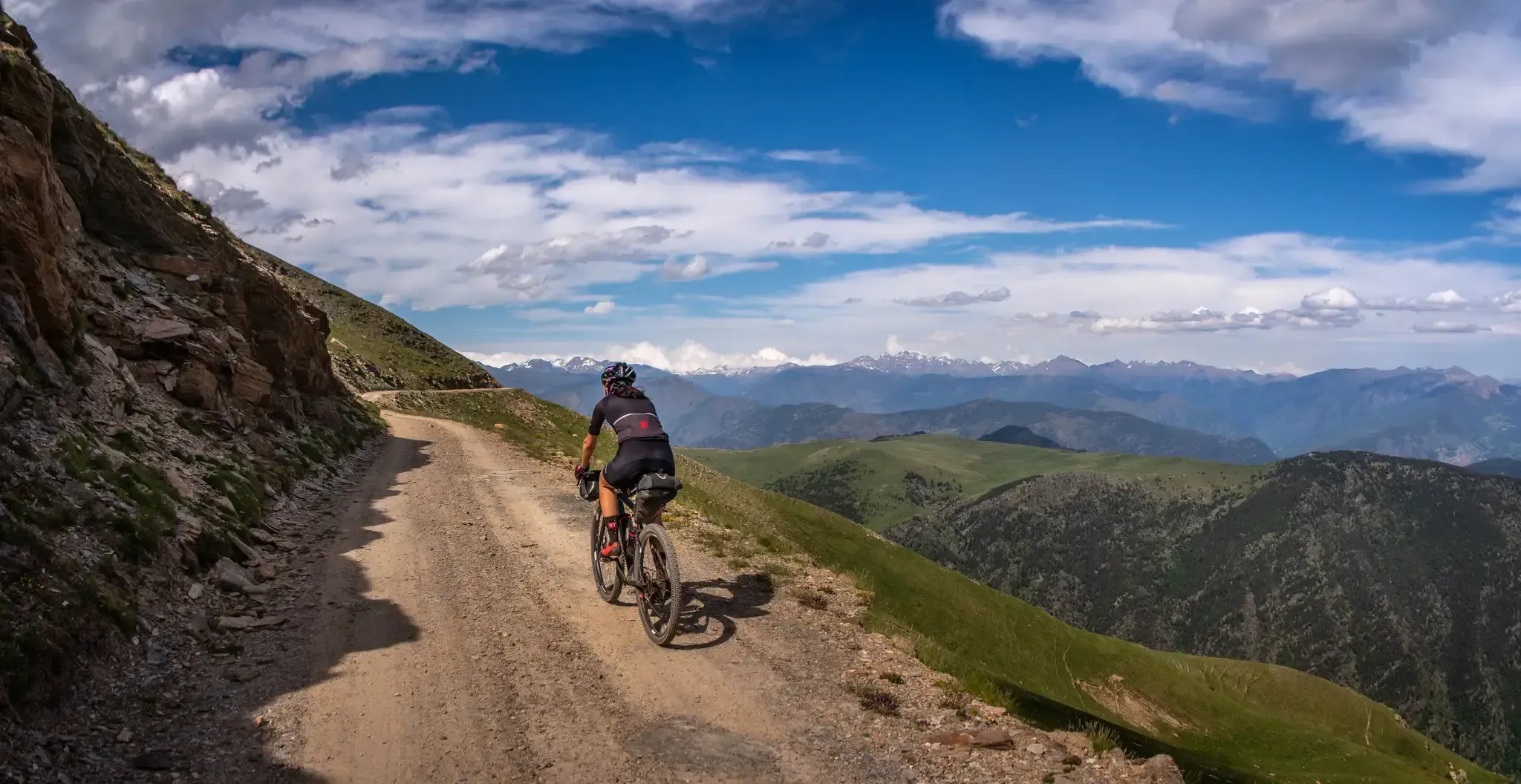
Pedals de Foc – An adventure through the Catalan Pyrenees
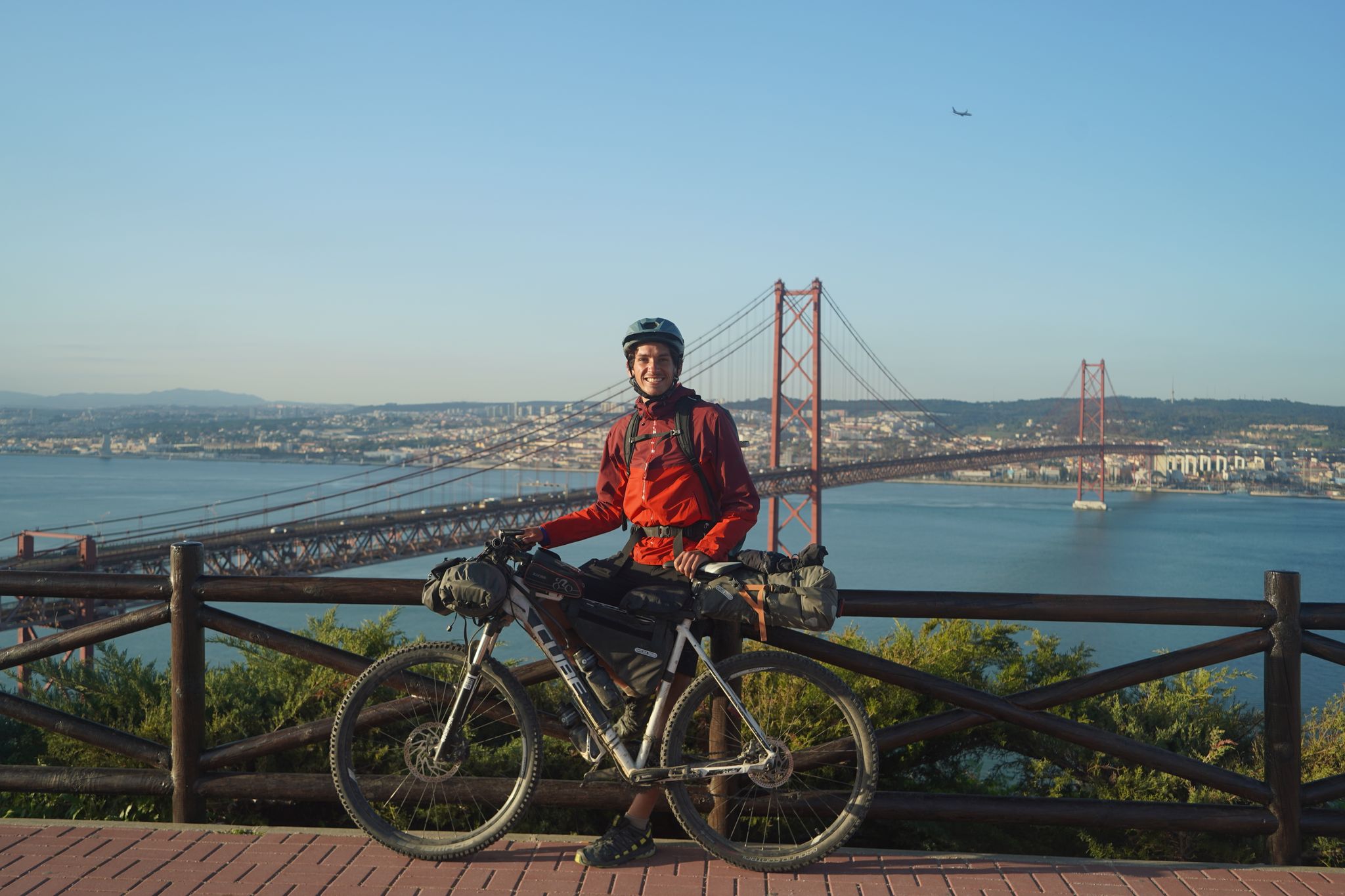
Road to Lisbon – bikepacking the Alps, Pyrenees and Picos de Europa
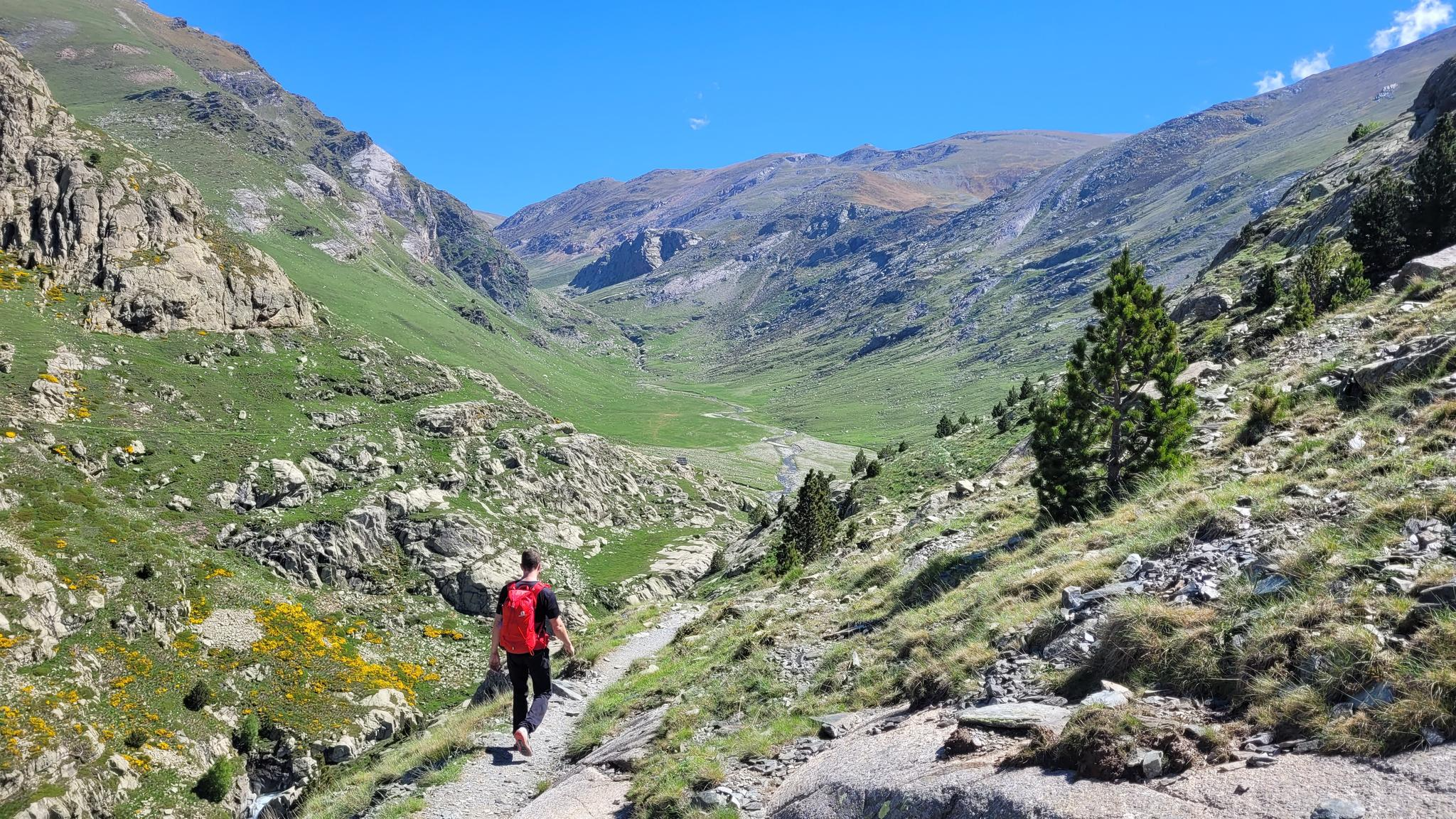
10 hikes with teenagers — Catalan paradises
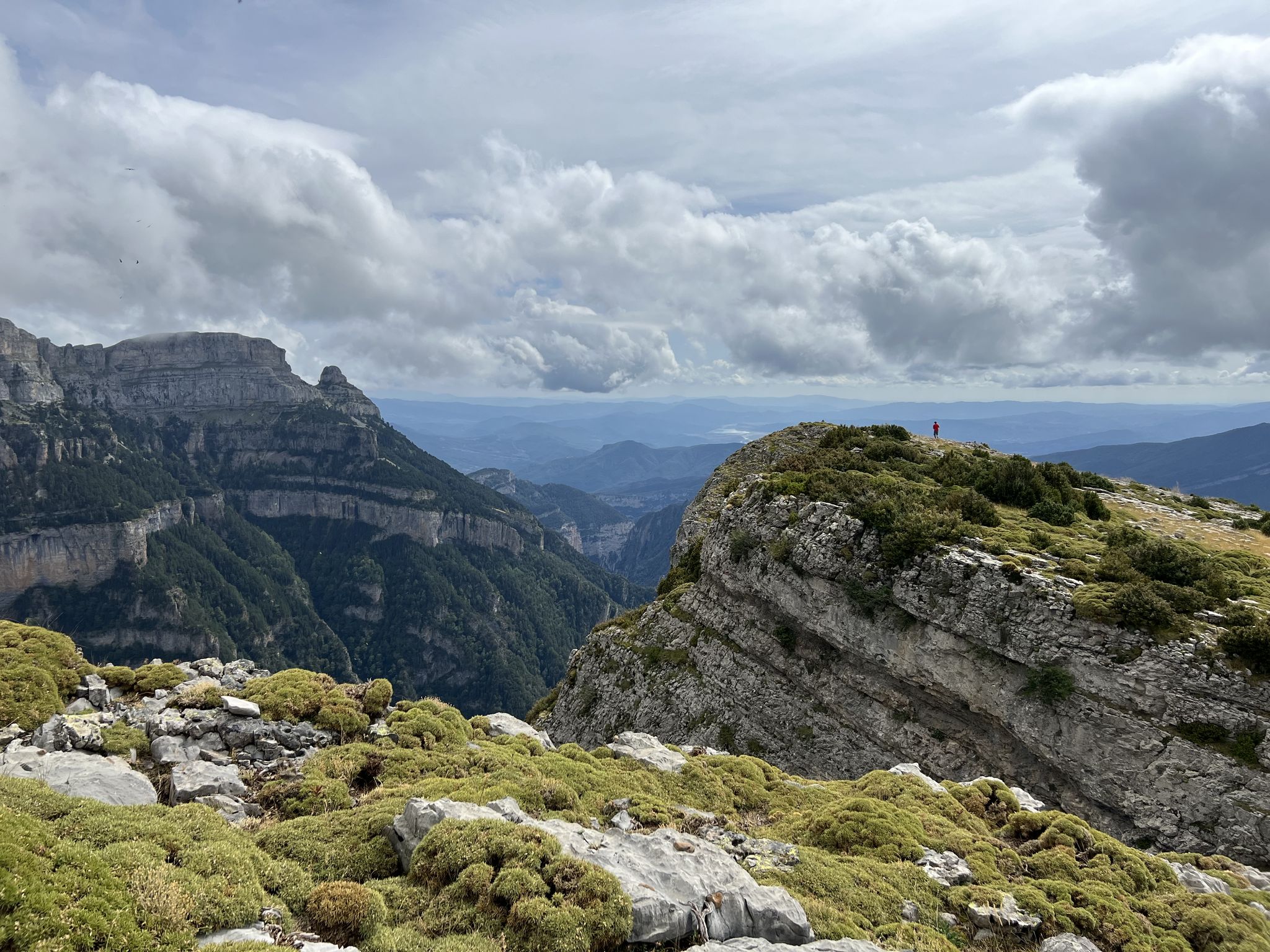
Summit conquests and idyllic mountain lakes – Spanish Pyrenees
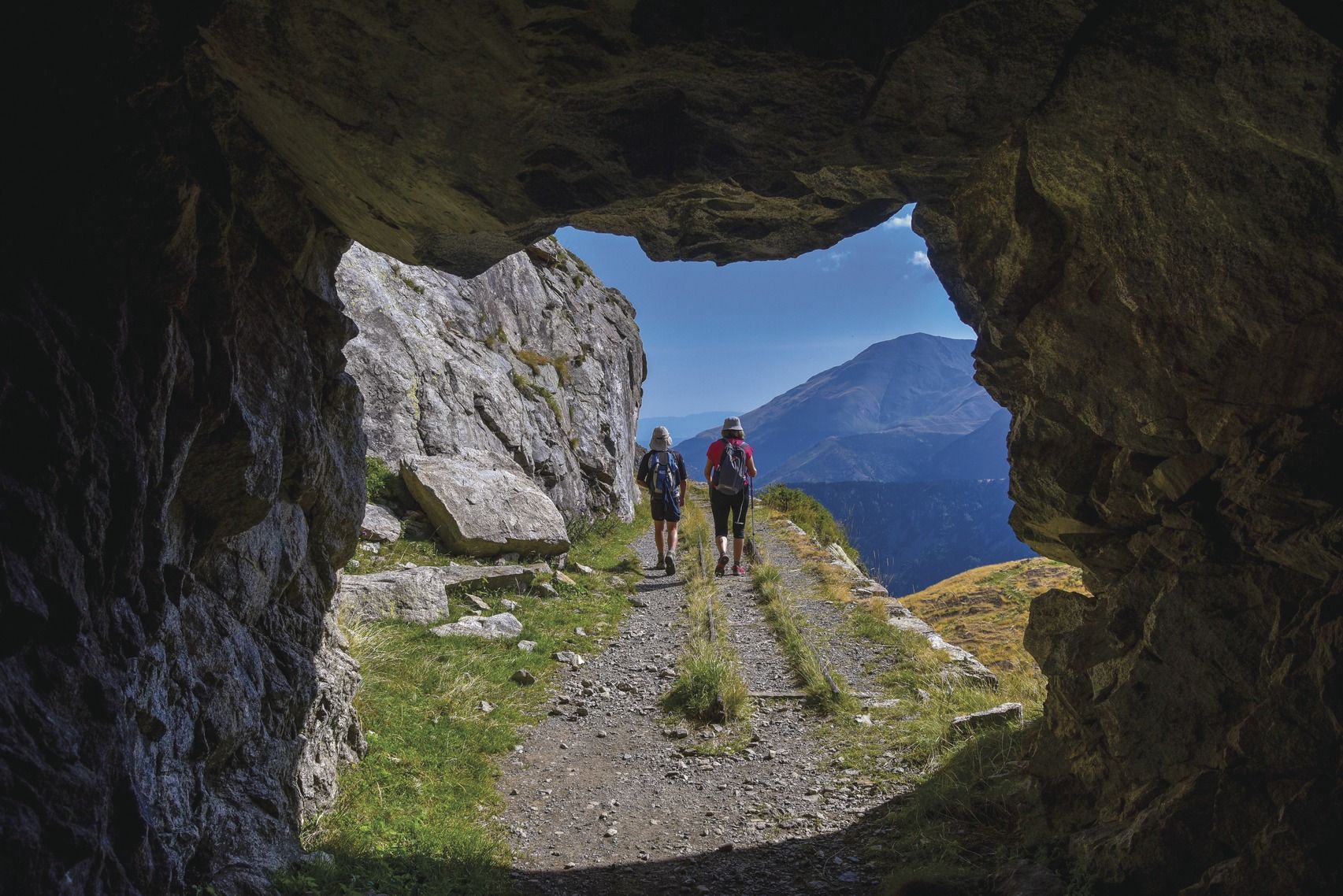
Six spectacular circular tours to discover Catalonia
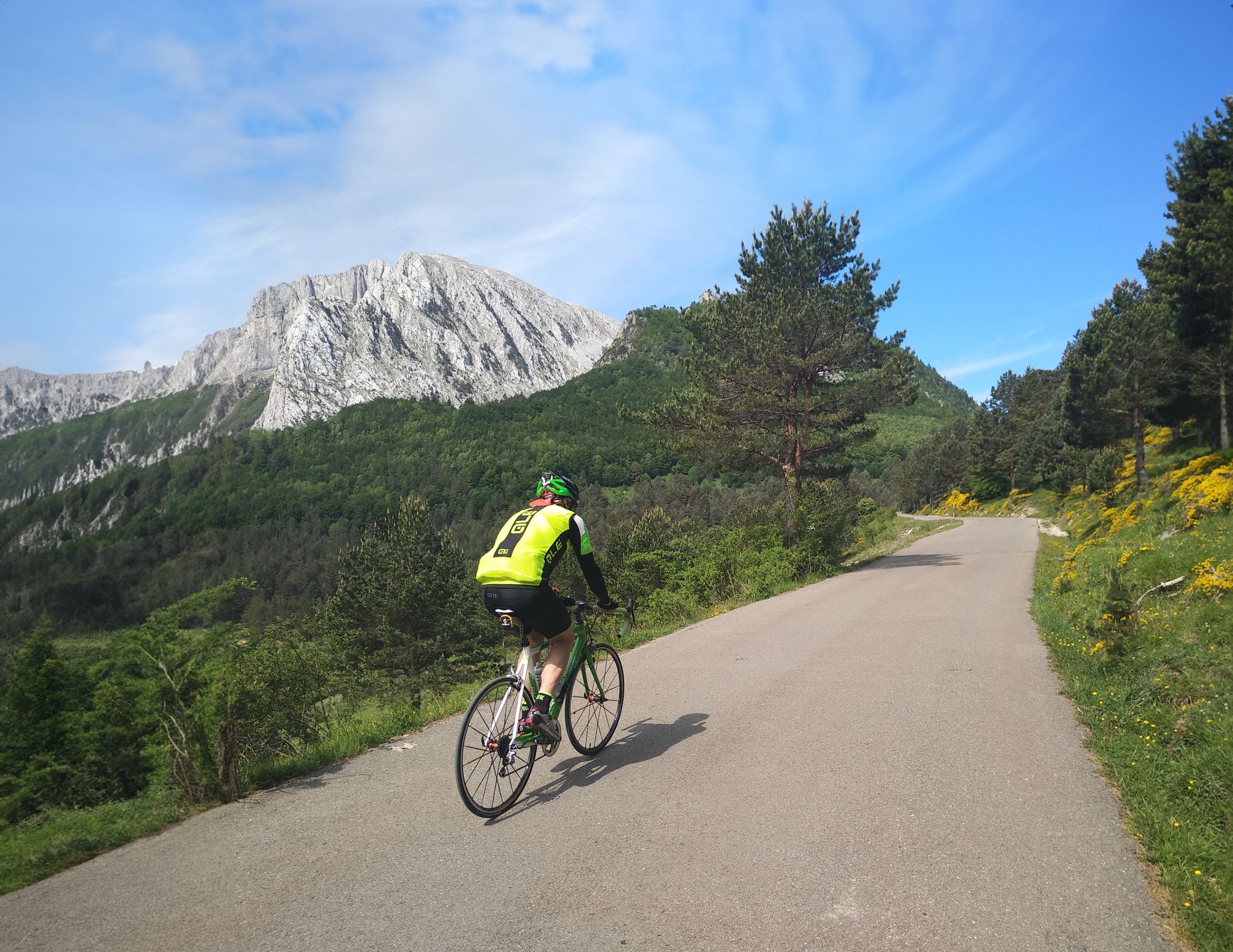
The Bay of Biscay to the Mediterranean — southern Pyrenees cycle tour
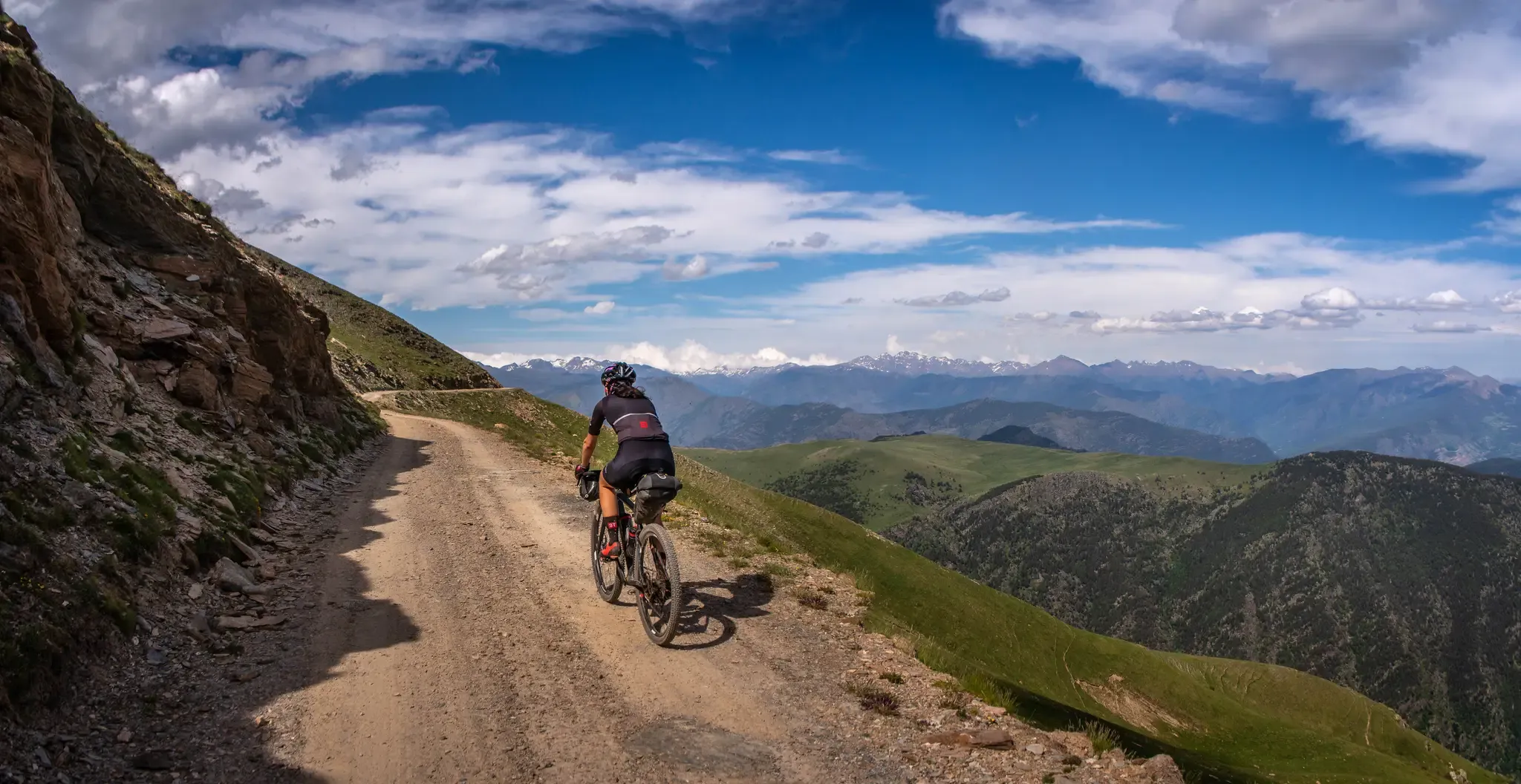
A high-altitude journey – Transpirenaica MTB
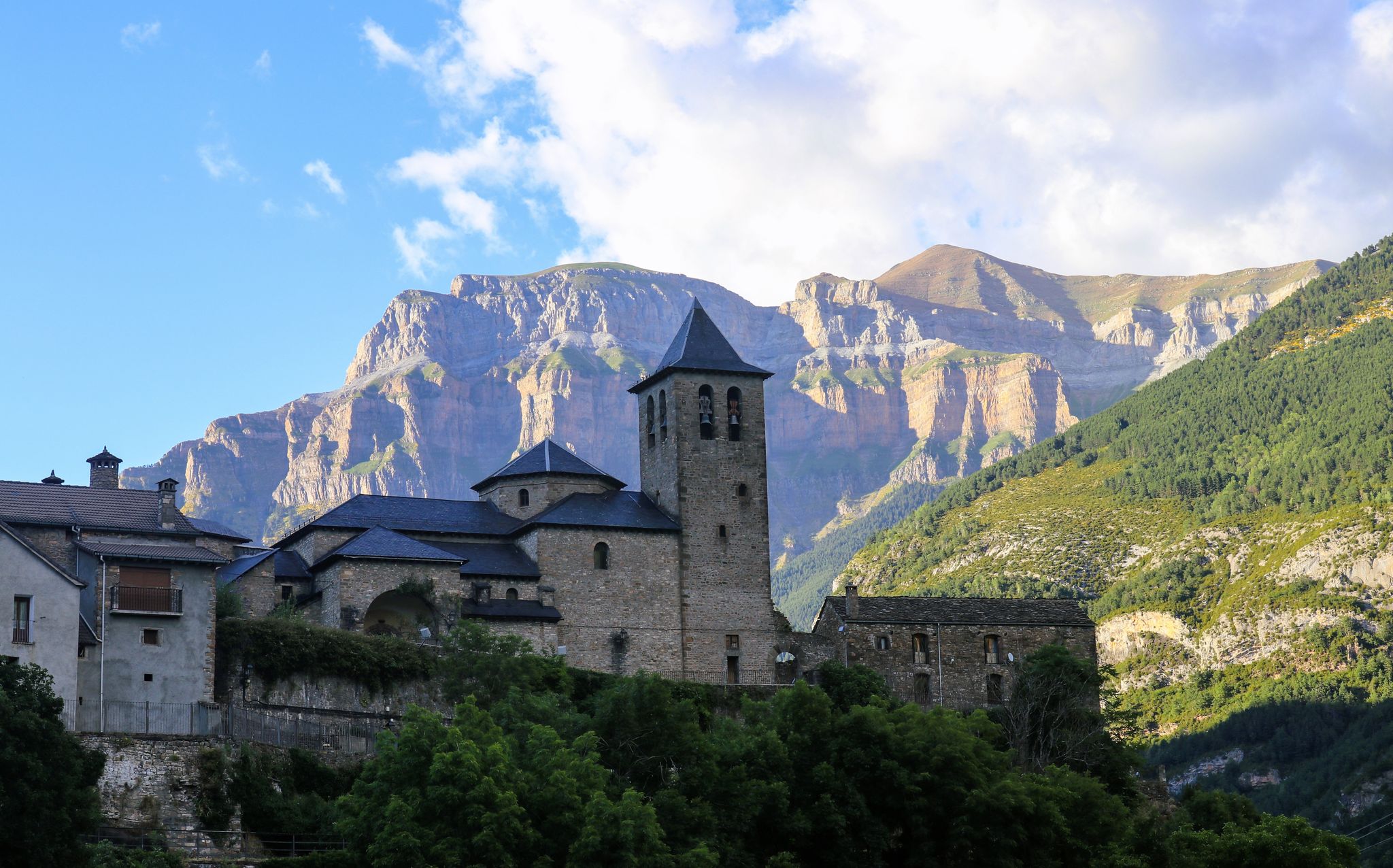
Between summits and villages – magical Pre-Pyrenees Trail (GR 15)
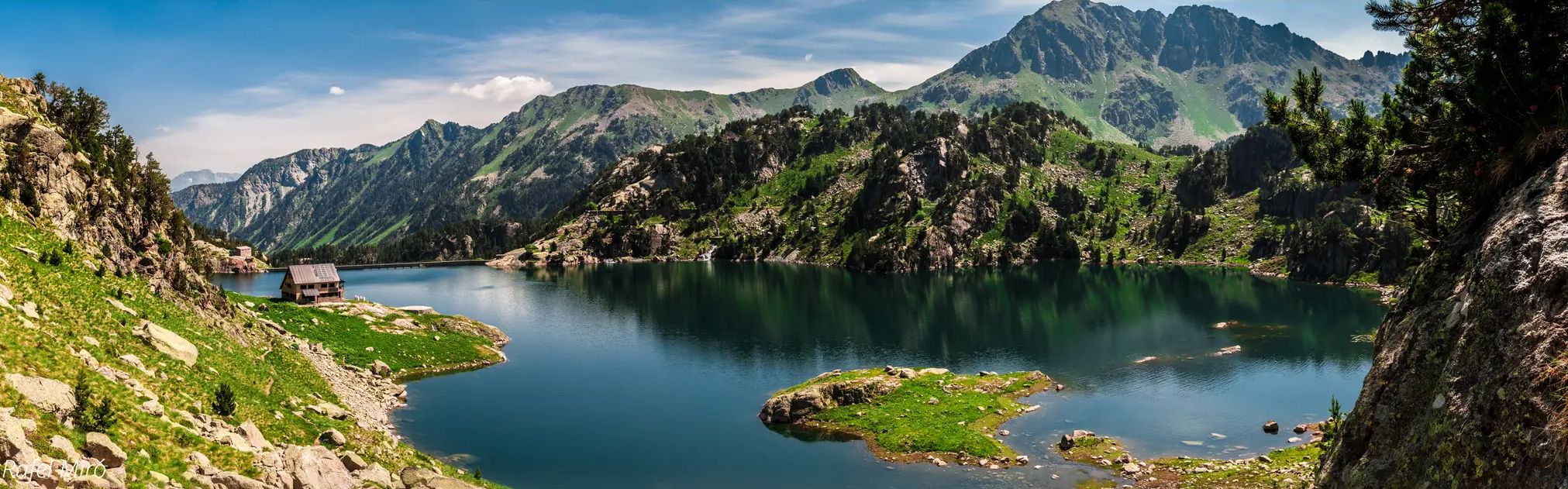
Aigüestortes lakes and mountain huts – Carros de Foc Plus
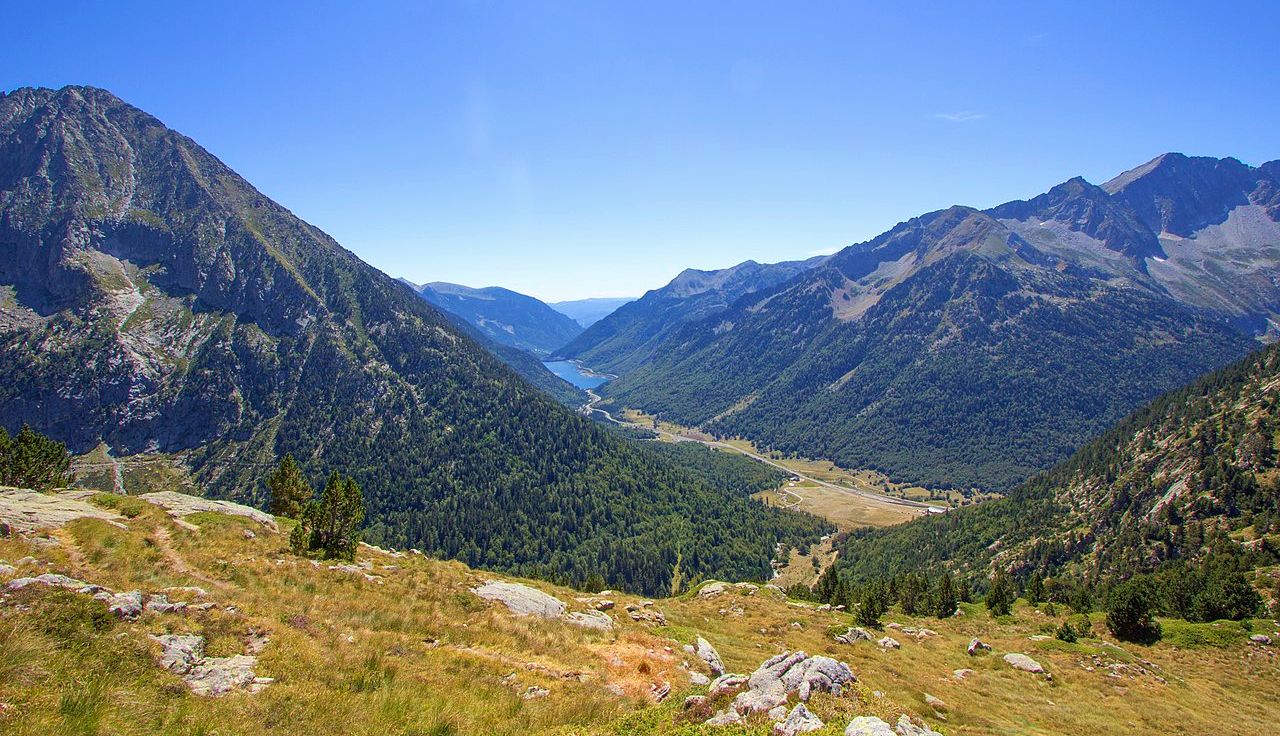
A pilgrimage through the Aragonese Pyrenees – Marian Trail (GR 17)
Other adventures around Alta Ribagorça


Tips from the Community

This small pass, about 1 hour up from Taüll, opens up the view to the mountains of the Aigüestortes National Park.
0
0

Very difficult passage, you have to be careful
0
0

Really shitty gravel. Hard with a gravel bike, better with mtb
0
0

The Castellàs track is to be enjoyed on two wheels, whether you are touring Pedals de Foc or another BTT route. The landscape is unmatched and the type of terrain simple in this section.
1
0

Mountain pass with a distance of about 12 km and a percentage of 4%. The climb from Pont de Suert goes around the Faiada de Malpàs.
1
0


To get to the port of Colomèrs we will have to face a significant positive slope. It is very important to take into account the weather conditions, since until well into the month of June we can find snowfields from 2400 meters above sea level. In case of snow, the use of crampons and ice axes is recommended if necessary. From the beginning of spring, wear a cap or hat and sun protection, as well as water and appropriate mountain shoes.
1
0

the Port de Rius or Coret de Oelhacrestada as it is known in Aranès (2475m) is a mountain pass that connects the Vall d'Aran with the Alta Ribagorça, specifically the areas of Travessani and Restanca. Crossing point for the Carros de Foc and GR 11.18 crossing as well as the classic Montardo ascent route (2837m) from La Restanca. Another option is to climb the Tuc de Monges (2698m) along its NE ridge.
1
1
Frequently Asked Questions
What are some of the most challenging mountain passes in Alta Ribagorça?
Alta Ribagorça is known for its challenging mountain passes. Among them, Collet de Contraix is particularly notable as the highest point on the Carros de Foc route, featuring rocky slopes and massive boulder fields. Other challenging passes include Port de Caldes, which offers views of the Aneto glaciers, and Port de Rius Mountain Pass, a crossing point for the Carros de Foc and GR 11.18.
Which mountain passes offer the best panoramic views in Alta Ribagorça?
Many passes in Alta Ribagorça provide stunning vistas. Collet de Contraix offers impressive panoramic views of spiky-topped Pyrenean peaks within Aigüestortes i Estany de Sant Maurici National Park. Port de la Bonaigua is also praised for its breathtaking scenery across the Pyrenees, while Port de Rus provides rewarding views of both slopes from its summit.
What is the best time of year to visit the mountain passes in Alta Ribagorça?
The best time to visit the mountain passes in Alta Ribagorça for hiking is typically during the summer months (June to September) when the weather is generally stable and the passes are free of snow. Some passes, like Port de la Bonaigua, are accessible year-round by road, though winter weather can cause closures and requires appropriate gear for snow activities.
Are there any family-friendly mountain passes or trails in Alta Ribagorça?
While many passes in Alta Ribagorça are challenging, some areas offer more accessible sections or nearby trails suitable for families. For instance, the approach to Port de Rus from Capdella initially follows a riverside wood and wide grassy valley, which can be enjoyed by families before the steeper ascent. Always check specific route details for difficulty and suitability for children.
Can I find amenities like cafes or restaurants at the mountain passes?
Amenities vary by pass. At the summit of Port de la Bonaigua, you can find a café/restaurant, especially convenient for those traveling by road. For other high-altitude passes like Coll de Contraix or Port de Rus, amenities are typically limited to mountain refuges along the multi-day hiking routes, so it's essential to carry your own supplies.
What kind of terrain can I expect on the mountain passes in Alta Ribagorça?
The terrain on Alta Ribagorça's mountain passes is diverse and often challenging. You can expect rocky slopes, massive boulder fields, and scree, particularly on high-altitude passes like Collet de Contraix and Port de Rus. Lower sections might feature riverside woods and grassy valleys, but ascents to the passes often involve steep, rugged paths requiring sure-footedness.
Are there opportunities for cycling or motorbiking on these passes?
Yes, Port de la Bonaigua is a very popular route for motorbike enthusiasts and cyclists. It is accessible by the paved C-28 road, known for its curvy nature and hairpin turns, offering a relatively gentle and manageable ascent. Other passes like Boí Taüll Mountain Pass also offer great cycling opportunities, especially in summer.
What outdoor activities can I do near the mountain passes in Alta Ribagorça?
Beyond exploring the passes themselves, Alta Ribagorça offers a wealth of outdoor activities. You can find numerous mountain hikes, waterfall hikes, and gravel biking routes. The region is also home to the Aigüestortes i Estany de Sant Maurici National Park, providing opportunities for multi-day treks like the Carros de Foc.
Are there any mountain passes with historical significance in the region?
Port de la Bonaigua holds historical significance as it was one of the few routes to access the Aran Valley from other parts of Spain, serving as a vital link between Esterri d'Àneu and Vielha e Mijaran. This highlights its past importance for trade and communication in the Pyrenees.
How long do hikes typically take to complete on these mountain passes?
The duration of hikes varies significantly depending on the specific pass and your starting point. For example, the hike to Port de Rus from Capdella takes approximately 3 hours and 30 minutes one way, covering a height difference of 1,186 meters. Passes like Collet de Contraix are part of multi-day routes like the Carros de Foc, requiring several days to complete the full circuit.
Where can I find parking for trailheads leading to Alta Ribagorça's mountain passes?
Parking availability varies. For passes accessible by road, like Port de la Bonaigua, there is parking directly at the summit. For passes reached via hiking trails, such as Port de Rus, you would typically find parking in nearby villages like Capdella, which serve as starting points for the trails. Always check local information for specific trailhead parking options.
What makes Port de Rus a unique hiking experience?
The hike to Port de Rus offers an immersive experience through diverse landscapes, starting from Capdella. It progresses from riverside forests to wide, grassy valleys, passing a spectacular waterfall within the Aigüestortes i Estany de Sant Maurici National Park. The challenging final ascent culminates in rewarding panoramic views, and it serves as a gateway to further exploration, connecting with the GR11 long-distance footpath.
Most popular routes around Alta Ribagorça
Most popular attractions around Alta Ribagorça

Get inspired with the komoot mobile app


Didn’t find what you were looking for?
Find even more amazing mountain passes around Alta Ribagorça organized by region:
Explore more
See even more epic mountain passes by checking out these guides around Alta Ribagorça:
