Top 20 Caves around Valles Occidental
Best caves around Valles Occidental are found within a region characterized by diverse natural landscapes, including the Sant Llorenç del Munt massif and the Collserola mountain ranges. The area features significant geological formations, such as conglomerate monoliths and ancient rock shelters. Historically, many caves in this region have served various purposes, from religious sites to cattle shelters. Valles Occidental offers a range of natural and historical sites for exploration.
Best caves around Valles Occidental
- The most popular caves is Font…
Last updated: May 11, 2026
Morral del Drac
Highlight • Natural Monument
Translated by Google •
Tip by

Hermitage of Santa Agnès
Highlight • Religious Site
Translated by Google •
Tip by

Sign up now to discover places like this
Get recommendations on the best single tracks, peaks, & plenty of other exciting outdoor places.
Sign up for free
Cau dels Emboscats Cave
Highlight • Cave
Translated by Google •
Tip by

Sescorts Caves
Highlight • Cave
Translated by Google •
Tip by

Avenc de Can Pèlags
Highlight • Cave
Curious abyss of 15 m. of depth used as a cistern, in Sant Llorenç del Munt.
A circular depression about 7 meters in diameter leads to a …
Translated by Google •
Tip by

Simanya Cave
Highlight • Cave
Translated by Google •
Tip by

The Cave Near Can Coll
Highlight • Cave
Translated by Google •
Tip by

Hort dels Monjos Cave
Highlight • Cave
Translated by Google •
Tip by
Font de la Tosca and Degotalls
Highlight • Waterfall
Translated by Google •
Tip by
Font Soleia Trail (Monks–Cave of the Souls)
Highlight (Segment) • Trail
Translated by Google •
Tip by
Sign up for free to discover even more caves around Valles Occidental.
Sign up for free
Already have an account?
Start today with a free account
Your next adventure awaits.
Login or Signup
Popular around Valles Occidental
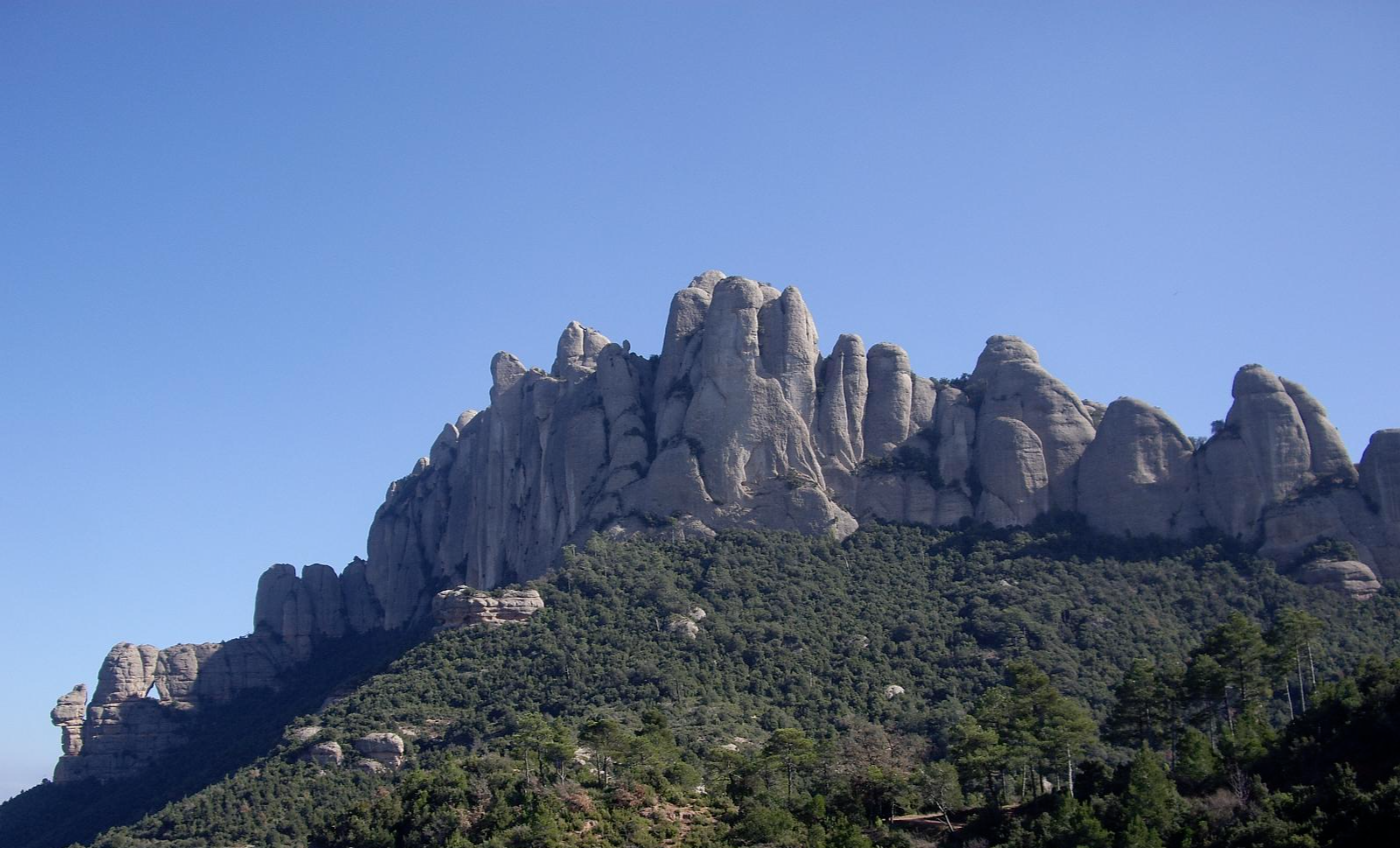
The Pilgrims' Road to Montserrat - GR 96
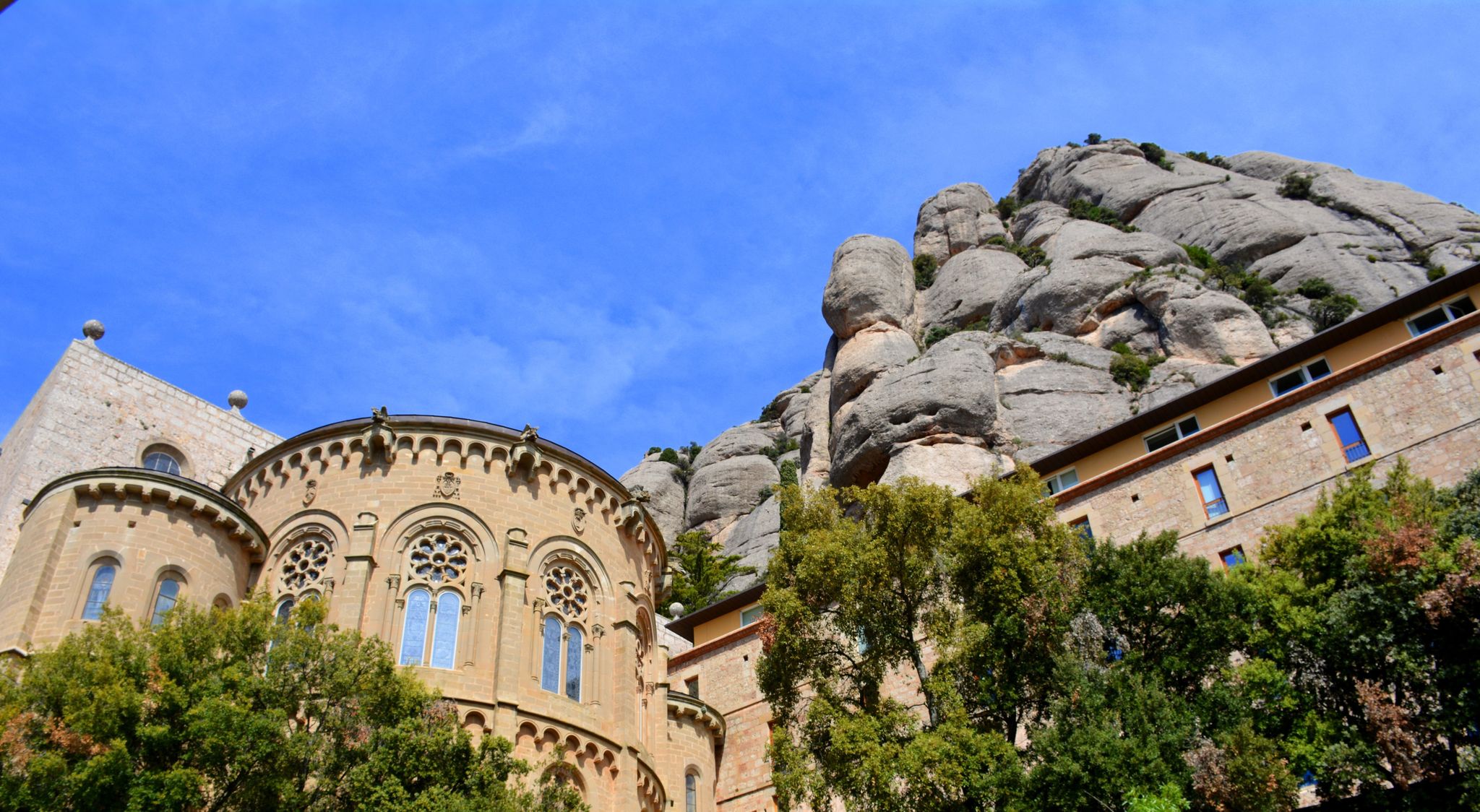
From the city to the forests – Camí Romeu de Montserrat (GR 96)
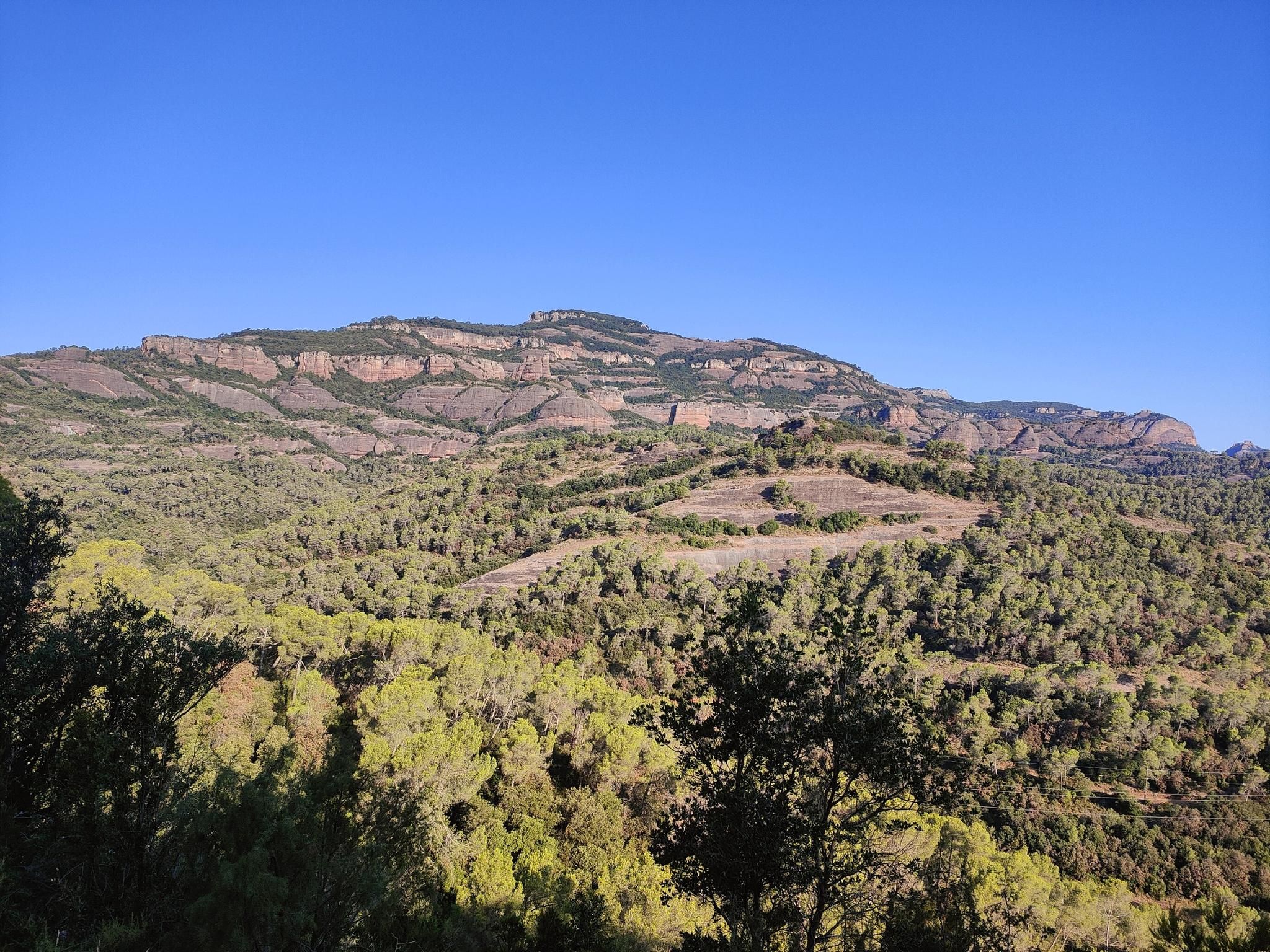
Spaces to breathe – loop of the Vallès Natural (GR 173)
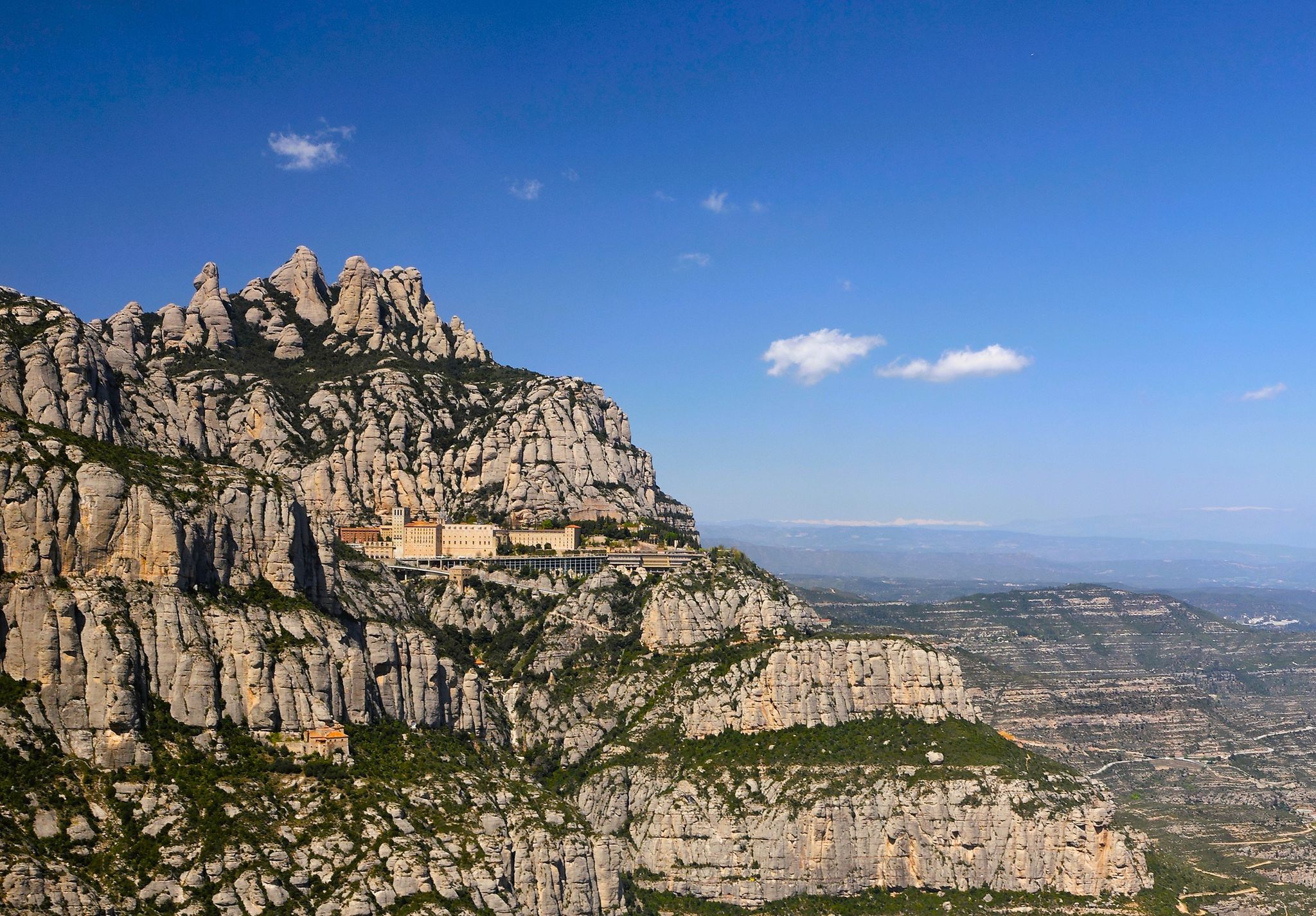
The Magic Mountain — Barcelona-Montserrat Trail (GR 6)
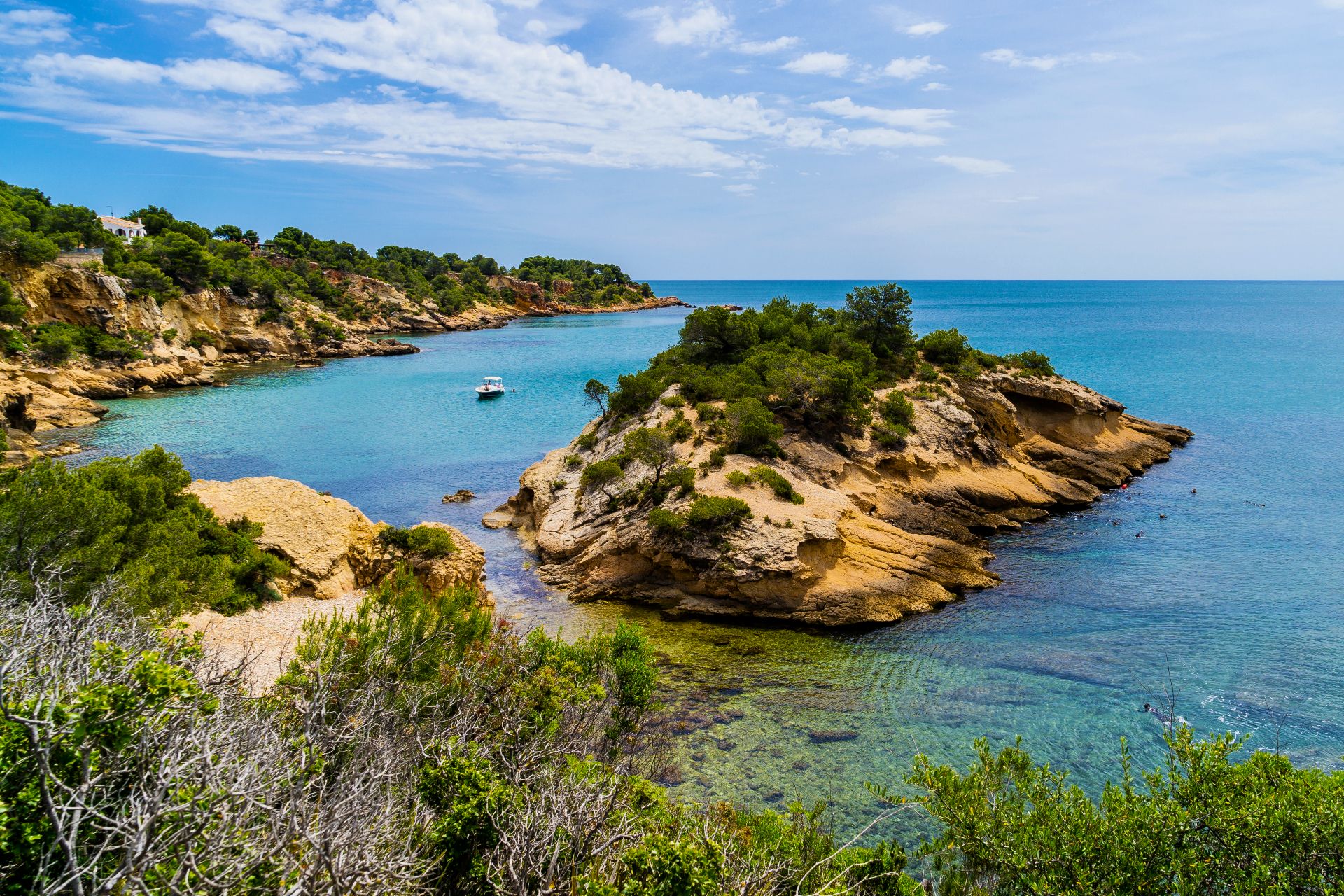
The Catalan coast on foot – Mediterranean Path (GR 92)
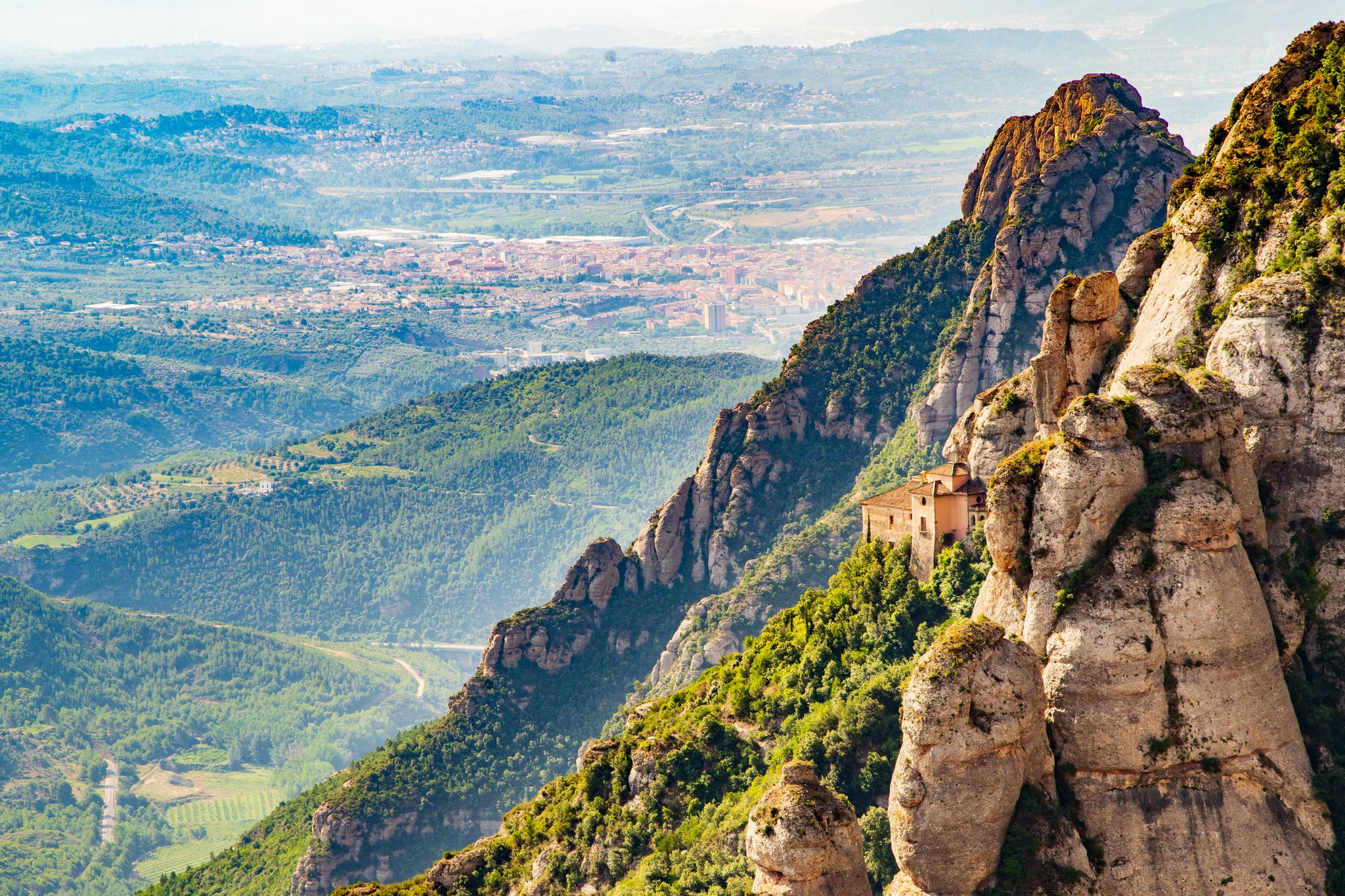
The Barcelona Arch – Natural Parks Trail (GR 5)
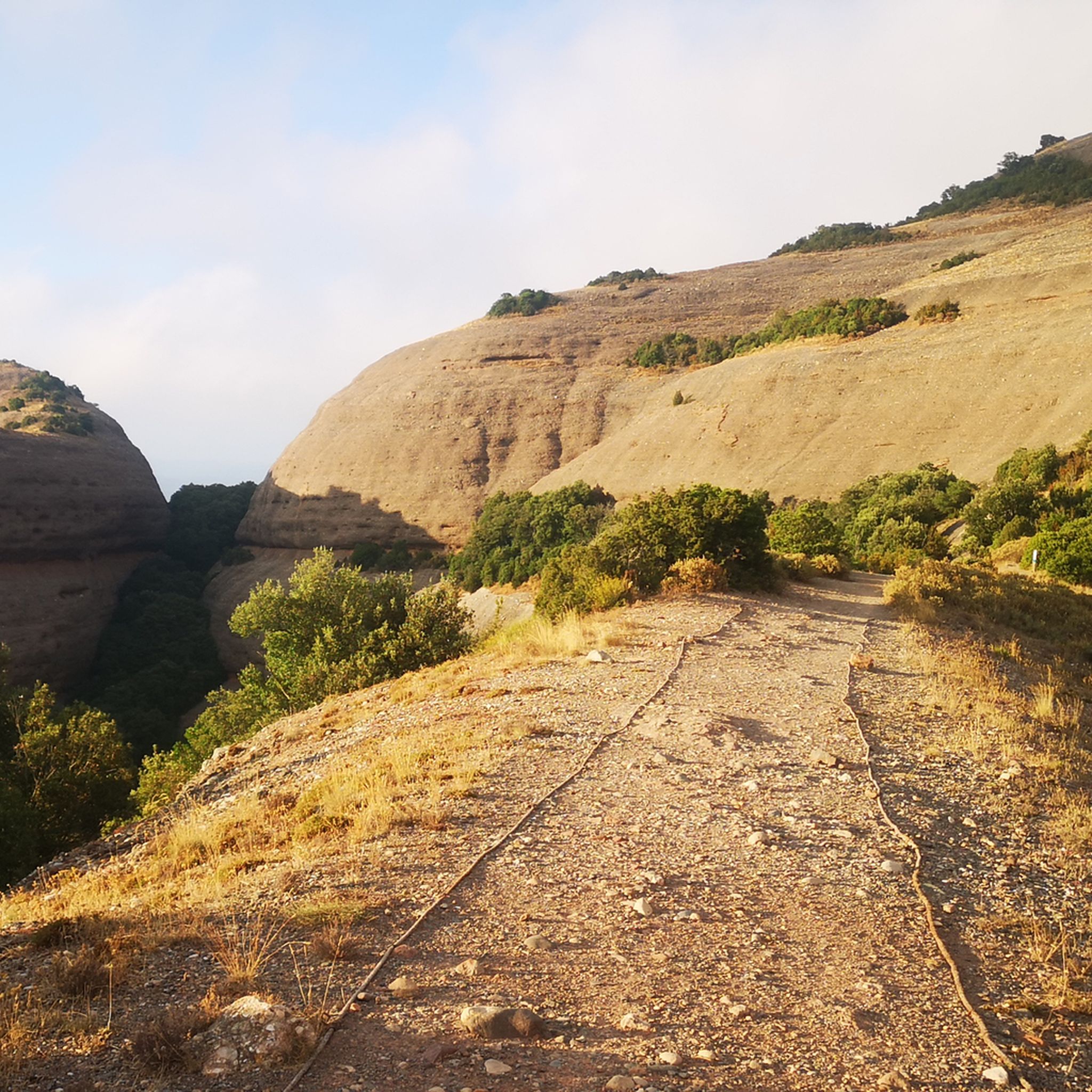
Hiking around Valles Occidental
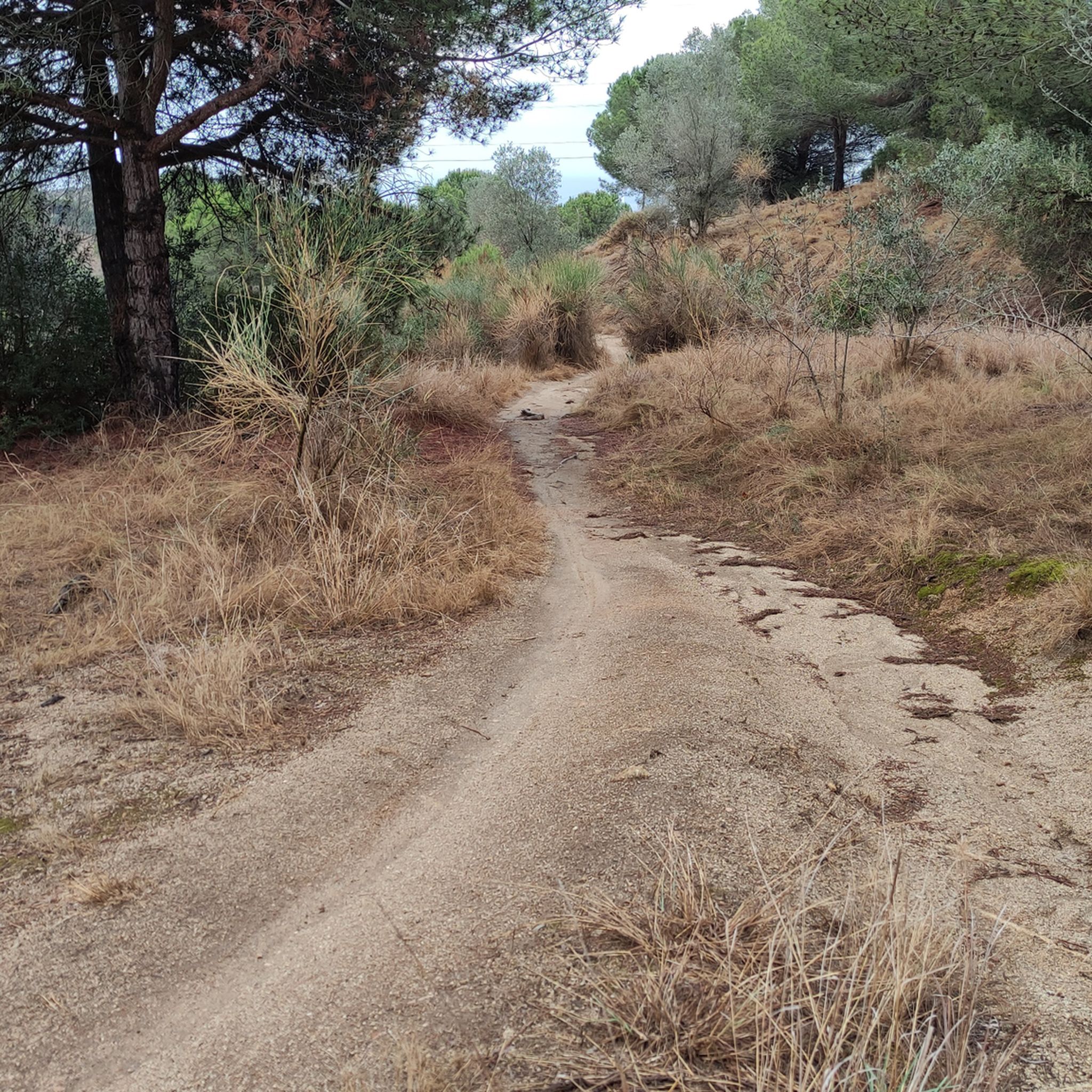
MTB Trails around Valles Occidental
Road Cycling Routes around Valles Occidental
Cycling around Valles Occidental
Other adventures around Valles Occidental


Tips from the Community

Lots of natural beauty and lush forest just a short distance from the city of Sabadell. Spectacular.
0
0


Natural environment to explore it with peace of mind.
1
0

The Cau dels Emboscats is one of the cavities that served as a refuge during the civil war. Specifically, several people hid from Sant Llorenç Savall. The situation of the cave was kept secret for many years after the end of the conflict. It wasn't until October 28, 1956, that Biel Dalmau, from the Mas de les Oliveres, explained its location and history to Josep Maria Torras Homet. The mouth is very irregular. It opens in the form of a chasm that falls on an inclined floor. Then there is a 2 meter ledge leading to the main gallery parallel to the cliff and about 20 meters long. In the middle of the gallery there is a large window that forms a kind of side room poured into the steeply sloping cliff. The cavity ends in an elbow and a small room, where small stalactite formations and parietal crusts can be observed.
0
0

The Sescorts caves, also called Les Corts and Los Estables, are located below the Morral del Drac, on the path that goes from the Estenalles pass to La Mola. The caves are close to the Coma de l'Abella cliff, at the foot of the Petanta Rock. They were used a few years ago to keep cattle and we can still find the roof quite smoky from the fire on the ground that they made. There are 7 small cavities with an approximate length of 25 meters. From inside there are views of the monastery of Sant Llorenç del Munt, at the top of the summit of La Mola.
1
0
The Cova de L'Hort dels Monjos and the three cavities on the right hand side are located on the eastern slope of Roca Colom, in an area known as Horts dels Monjos, where there is an abundance of soil rich in substrate and where the community of monks from the old monastery of Sant Llorenç del Munt cultivated.
4
0
The Simanya cave is the largest cavity in the Sant Llorenç massif, with a length of 372 m and a large and easily accessible entrance with a mouth of more than 10 m. Known and inhabited since ancient times, there are some descriptions of adventurers who penetrated the deepest part, with almost magical descriptions that corroborated local legends of the presence of dragons or underground cities. The first scientific speleological exploration was carried out in 1911, and it was also archaeologically excavated in 1911 and 1930. The entrance gallery is almost 100 m deep. The second branch that goes out to the left, at Pas de l'Oca, is divided into two more galleries. In rainy periods, many pools of water form there, making it difficult to visit. The cave was formed in the first erosive stages of the massif. In 1911, ceramics from the Eneolithic, Iberian and medieval periods were found there. In the thirties of the last century, more profitable excavations were carried out, although with unscientific archaeological criteria.
0
0
Frequently Asked Questions
What are some popular caves to explore in Valles Occidental?
Visitors frequently enjoy Font de la Tosca and Degotalls, a natural monument where water emerges from a cave in a lush forest setting. Another popular spot is Morral del Drac, known for its unique geological features and local legends. The Sescorts Caves, historically used for sheltering cattle, also offer scenic views of the Sant Llorenç del Munt monastery.
What kind of geological features can I expect to see in the caves of Valles Occidental?
The region is characterized by diverse natural landscapes, including conglomerate monoliths and significant rock formations. For example, Morral del Drac is a large rock formation with a cave inside, and Font de la Tosca and Degotalls features a waterfall emerging from a cave.
What is the historical significance of caves in Valles Occidental?
Many caves in Valles Occidental have served various purposes throughout history. Some, like the Sescorts Caves, were used for sheltering cattle. The Hermitage of Santa Agnès is a chapel built under a rock, documented from the 14th century, highlighting religious and historical uses.
Are there family-friendly caves to visit in Valles Occidental?
Yes, some caves are suitable for families. The Cave Near Can Coll is categorized as family-friendly, offering an accessible experience within a forest setting. Additionally, the area around Turó de Montcada i Reixac, which features caves, is also considered family-friendly for its trails and views.
What is the typical difficulty level for exploring caves in Valles Occidental?
The difficulty varies. Some caves, like The Cave Near Can Coll, are family-friendly and likely easy. Others, such as Morral del Drac and Cau dels Emboscats Cave, are categorized as challenging, suggesting more demanding exploration. Many highlights are marked as intermediate, indicating a moderate level of effort.
What outdoor activities can I do near the caves in Valles Occidental?
The Valles Occidental region offers a variety of outdoor activities. You can find numerous running trails, including routes like the Montserrat Trail. There are also many easy hikes, such as the Turo de Magarola loop, and extensive cycling routes that explore the natural parks and riverbanks.
Are there hiking trails near the caves in Valles Occidental?
Yes, the area around the caves is rich with hiking opportunities. You can explore easy hikes like the Hermitage of the Torre del Canonge loop near Font de la Tosca. For more challenging options, the region also features trails that lead to highlights like Morral del Drac and Sescorts Caves.
What do visitors enjoy most about the caves and natural sites in Valles Occidental?
Visitors appreciate the natural beauty and lush environments, often close to urban areas, as seen at Font de la Tosca and Degotalls. The geological formations, historical significance, and panoramic views from sites like Turó de Montcada i Reixac are also highly valued. Many enjoy the sense of exploration and the legends associated with places like Morral del Drac.
Do I need special equipment to explore the caves in Valles Occidental?
While some caves are easily accessible, others, especially those marked as 'challenging' like Cau dels Emboscats Cave or Avenc de Can Pèlags, may require appropriate footwear, lighting, and potentially other caving gear. For easier explorations, comfortable walking shoes are generally sufficient.
Are there any hidden gem caves in Valles Occidental that are less known?
While the guide highlights popular spots, exploring areas like Simanya Cave or Hort dels Monjos Cave might offer a more secluded experience. These are often found along intermediate trails within the natural parks, providing a sense of discovery away from the most frequented sites.
What is the best time of year to visit the caves in Valles Occidental?
The Valles Occidental region generally offers pleasant weather for outdoor activities for much of the year. Spring and autumn typically provide mild temperatures, ideal for exploring both the caves and the surrounding trails. Summer can be warm, so early mornings or late afternoons are preferable, while winter visits might require warmer clothing, especially for longer explorations.
Are there any caves in Valles Occidental with unique historical or cultural connections?
Yes, the Hermitage of Santa Agnès is a notable example, being a chapel built under a rock and documented since the 14th century. This site offers a direct link to the region's religious and architectural history, nestled within a natural cave setting.
Most popular routes around Valles Occidental
Most popular attractions around Valles Occidental

Get inspired with the komoot mobile app


Didn’t find what you were looking for?
Discover more caves around Valles Occidental region by region:
Explore more
Extend your search for the best caves by checking out these guides of the top ones around Valles Occidental:
