Attractions and Places To See around Campos - Top 20
Best attractions and places to see around Campos are primarily centered around the historic Canal de Castilla and its associated landmarks. This region in Spain is characterized by its significant man-made waterways, historical sites, and settlements along the Camino de Santiago. It offers a blend of cultural heritage and opportunities for outdoor activities like cycling along the canal. The area provides insights into Spanish Enlightenment-era engineering and pilgrimage routes.
Best attractions and places to see around Campos
- The most popular…
Last updated: September 26, 2026
Canal de Castilla
Highlight • River
Translated by Google •
Tip by

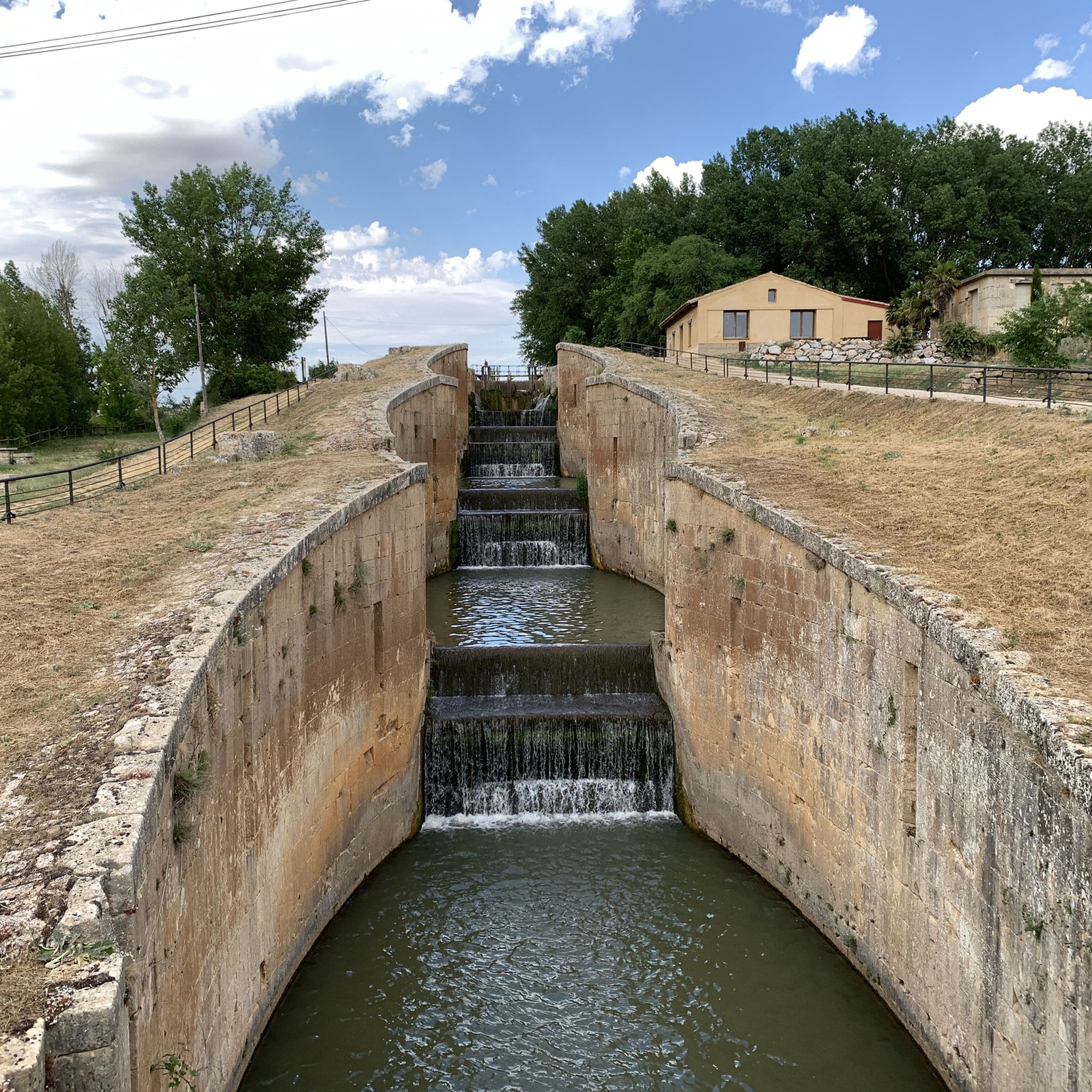
Quadruple Lock of the Canal de Castilla
Highlight • Monument
In total, the locks save almost 15 meters of difference in level.
Translated by Google •
Tip by

Sign up now to discover places like this
Get recommendations on the best single tracks, peaks, & plenty of other exciting outdoor places.
Pilgrim Statue in Carrión de los Condes
Highlight • Monument
Translated by Google •
Tip by

Church of Santa María la Blanca in Villalcázar de Sirga
Highlight • Religious Site
It can be …
Translated by Google •
Tip by

Bodegas de Moratinos
Highlight • Structure
Translated by Google •
Tip by

Scenic Section of the Canal de Castilla
Highlight (Segment) • Structure
It coincides with the Camino Frances de Santiago and with the EV1 EuroVelo route.
Translated by Google •
Tip by
Frómista
Highlight • Settlement
Here the itineraries of the Camino de Santiago and the Canal de Castilla intersect, so that it …
Translated by Google •
Tip by
Casa Grande de Palencia
Highlight • Historical Site
Initially, the …
Translated by Google •
Tip by
Monastery of San Zoilo
Highlight • Religious Site
Translated by Google •
Tip by
Province of Palencia Border Marker on the Camino de Santiago
Highlight • Monument
Translated by Google •
Tip by

Sign up for free to discover even more attractions around Campos.
Already have an account?
Start today with a free account
Your next adventure awaits.
Popular around Campos
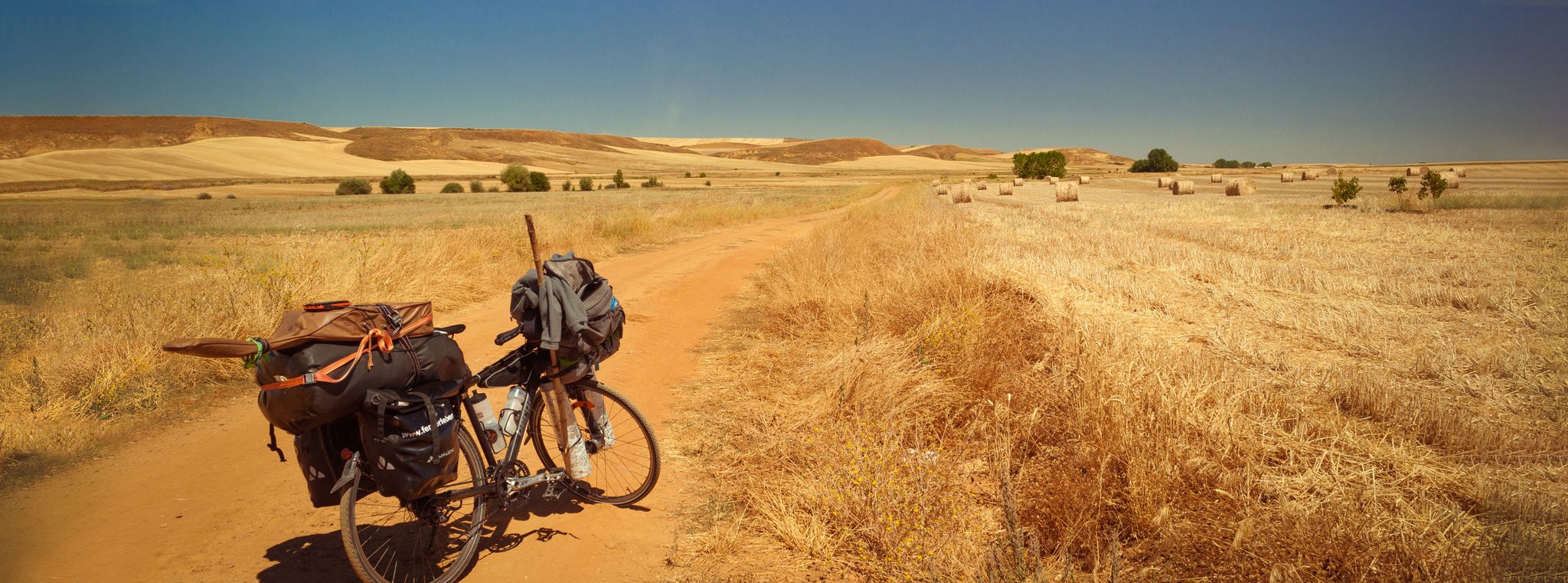
Camino Francés and Camino Finisterre – Cycling pilgrimages in Spain
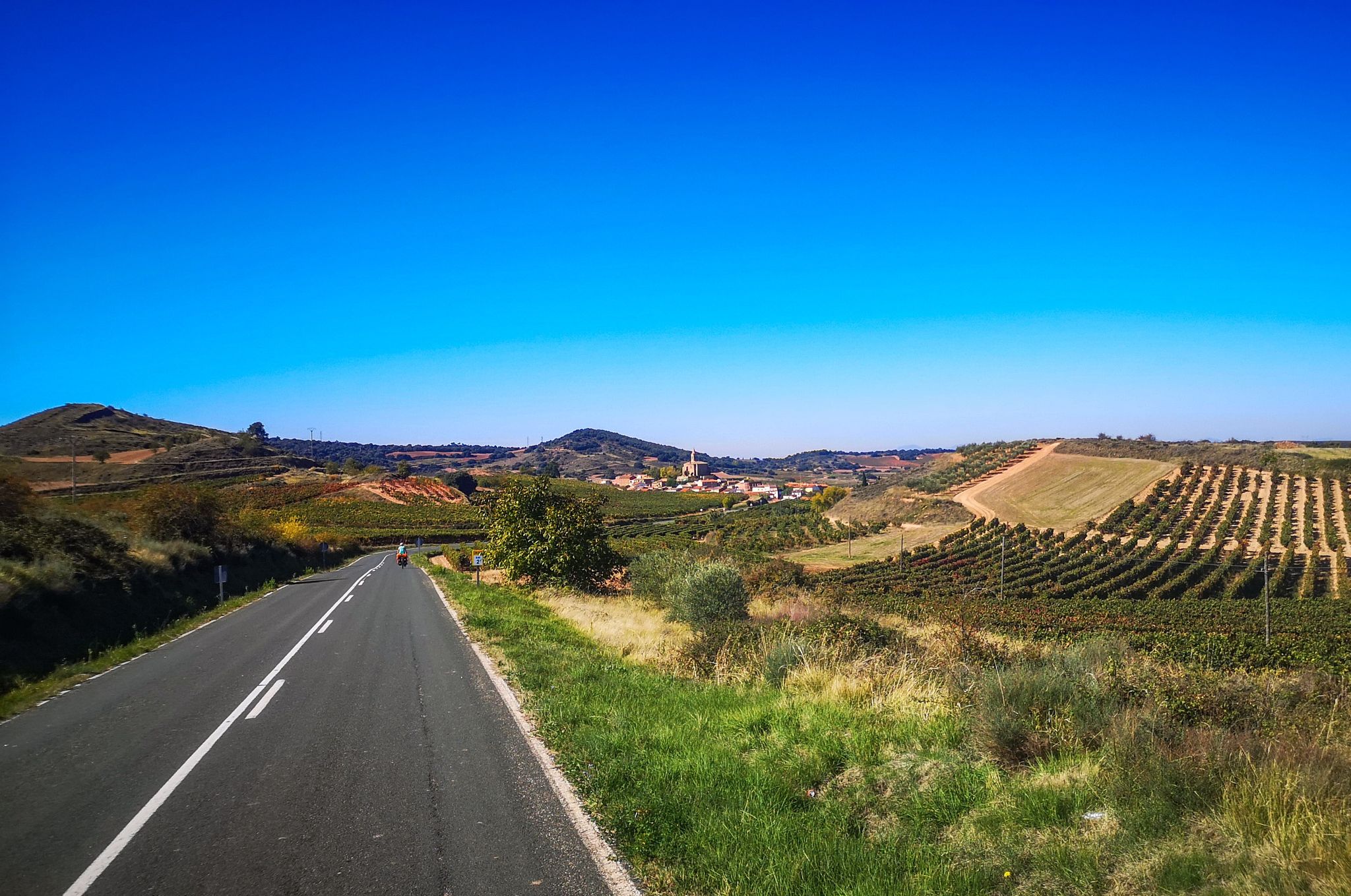
Santiago de Compostela – A journey through northern Spain (10 days)
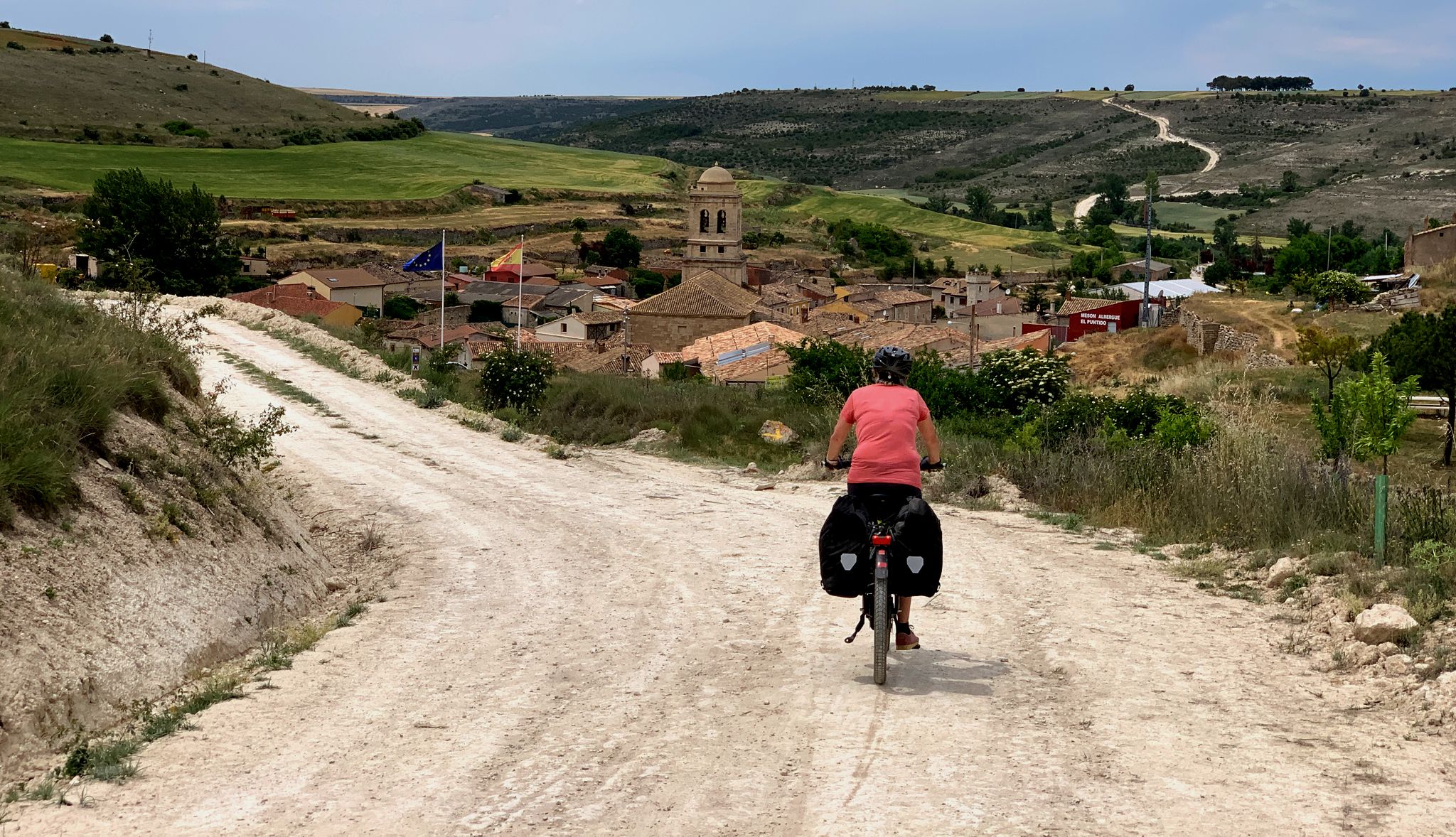
The Pilgrim Route — EuroVelo 3 through Spain
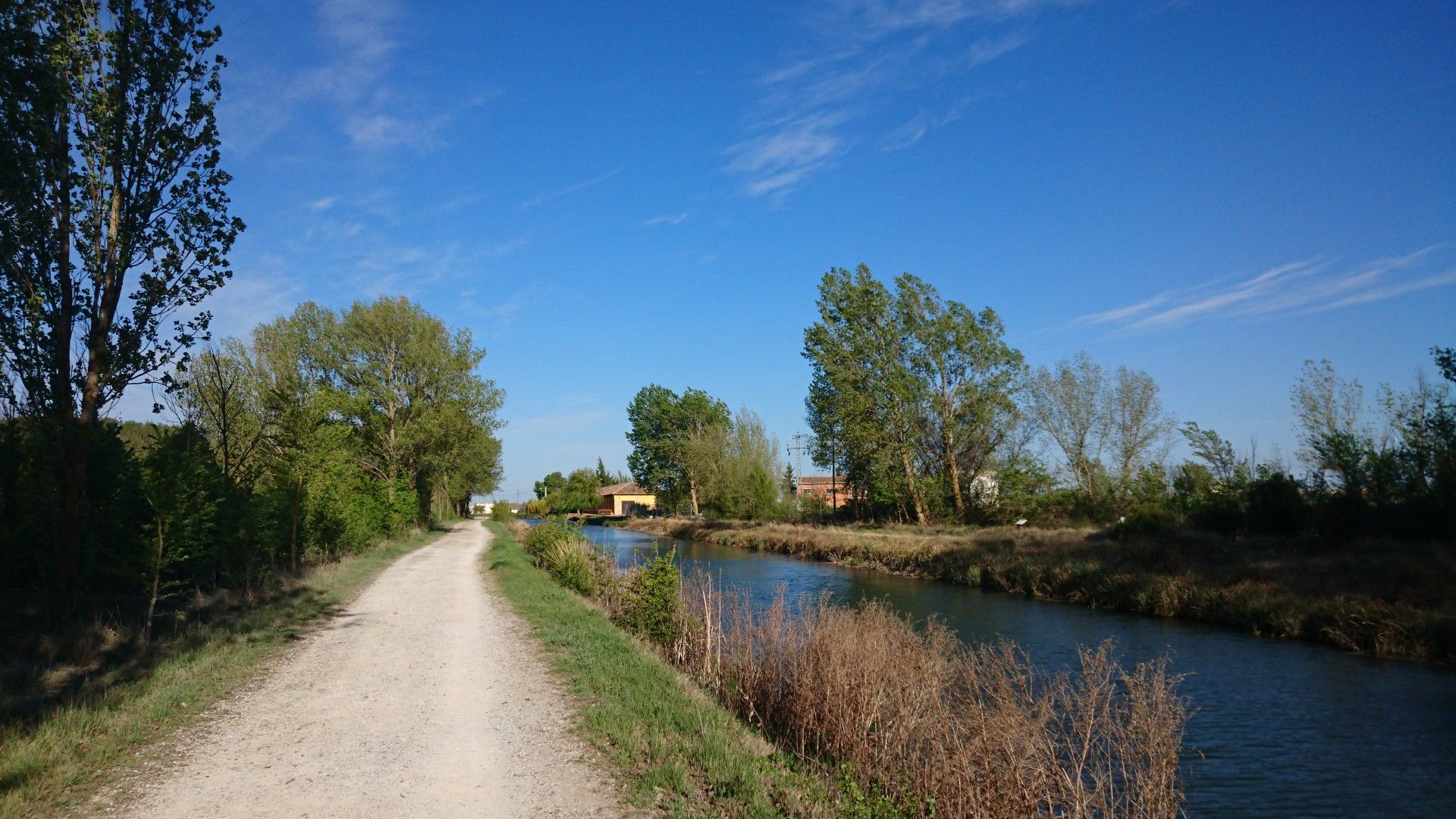
The history of civil engineering — the Castille Canal by bike
Road Cycling Routes around Campos
MTB Trails around Campos
Hiking around Campos
Cycling around Campos
Running Trails around Campos

Gravel biking around Campos
Other adventures around Campos


Tips from the Community

A short, pleasant stretch to walk because the water cools the air a little.
1
1

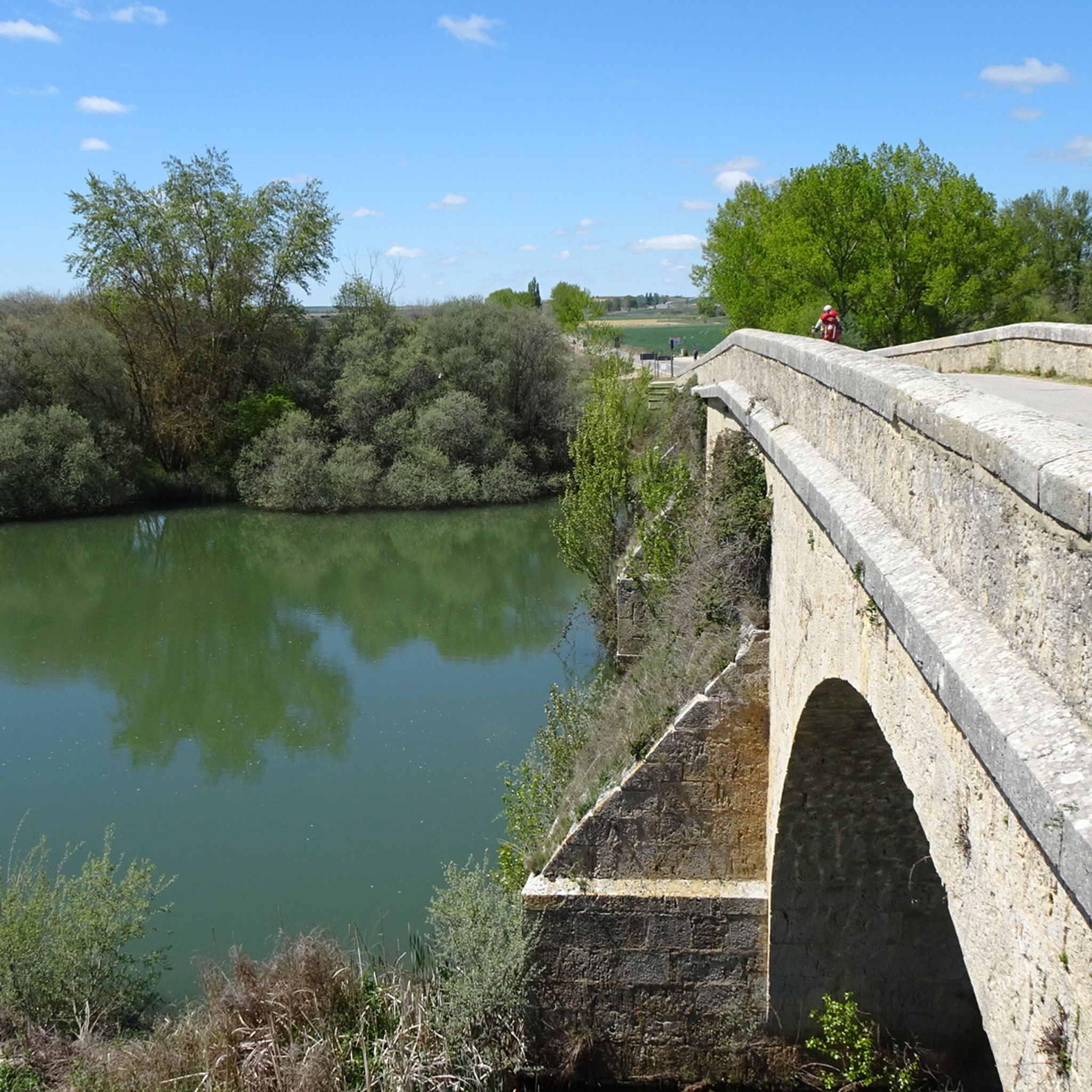
The Fitero Bridge, also known as the Itero Bridge, is a historic 11th-century Romanesque construction that crosses the Pisuerga River and connects the towns of Itero de la Vega (Palencia) and Itero del Castillo (Burgos). This bridge marks the provincial border between Palencia and Burgos, and was also formerly the border between the kingdoms of Castile and León.
1
0
The Statue of the Pilgrim in Carrión de los Condes is an emblematic monument located in Plaza Piña Merino, right at the entrance to the town if you're coming from Frómista, right on the Camino de Santiago. This bronze sculpture represents a traditional pilgrim, dressed in a cape and hat, and carrying the Jacobean symbols: the shell, the staff, and the calabash. It is a life-size figure that pays tribute to the thousands of pilgrims who pass through this historic town in Palencia each year.
2
0
The Statue of the Pilgrim in Carrión de los Condes is an emblematic monument located in Plaza Piña Merino, right at the entrance to the town if you're coming from Frómista, right on the Camino de Santiago. This bronze sculpture represents a traditional pilgrim, dressed in a cape and hat, and carrying the Jacobean symbols: the shell, the staff, and the calabash. It is a life-size figure that pays tribute to the thousands of pilgrims who pass through this historic town in Palencia each year.
1
0

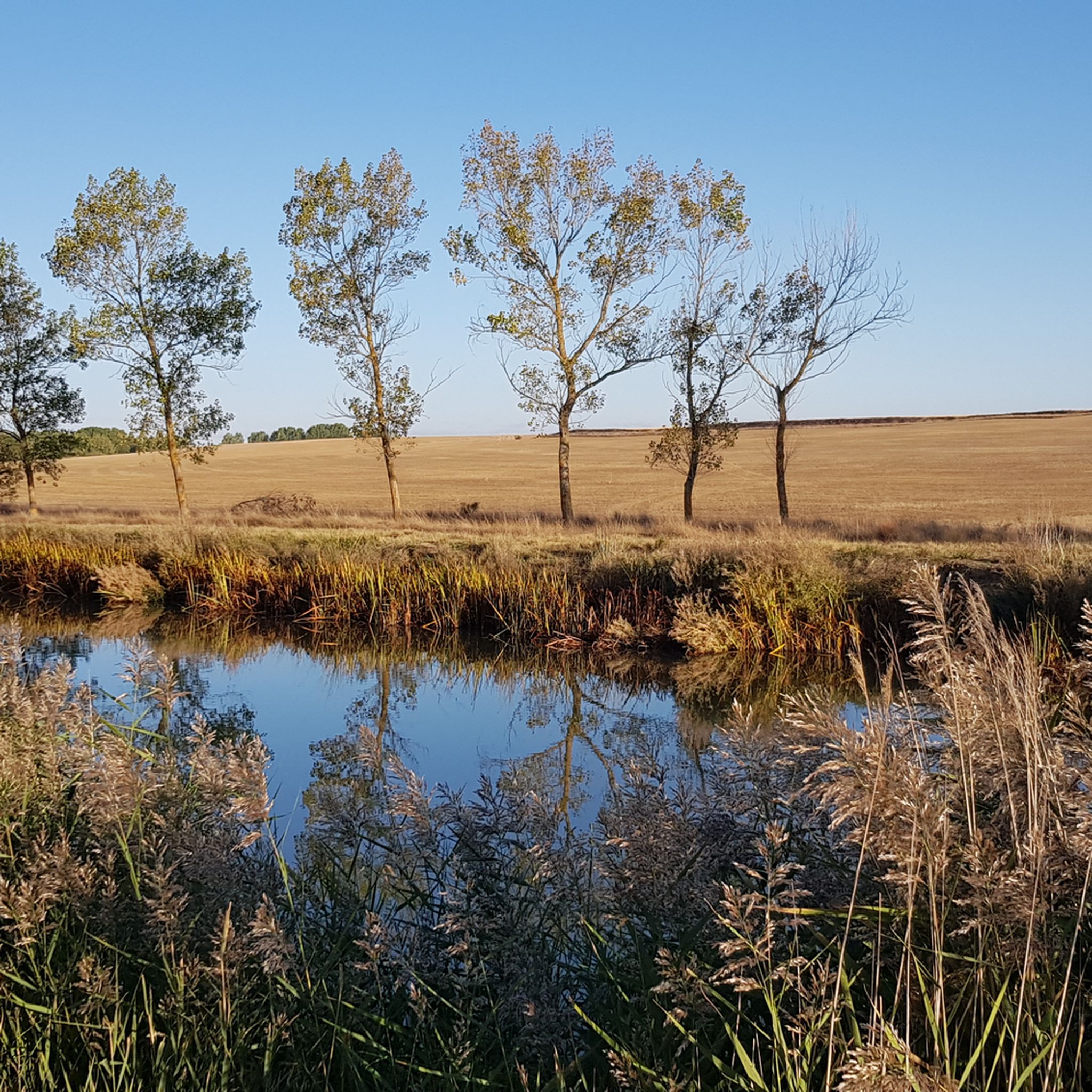
Beautiful sunrise on the Way of St. James
2
1

boundary stone.
1
1

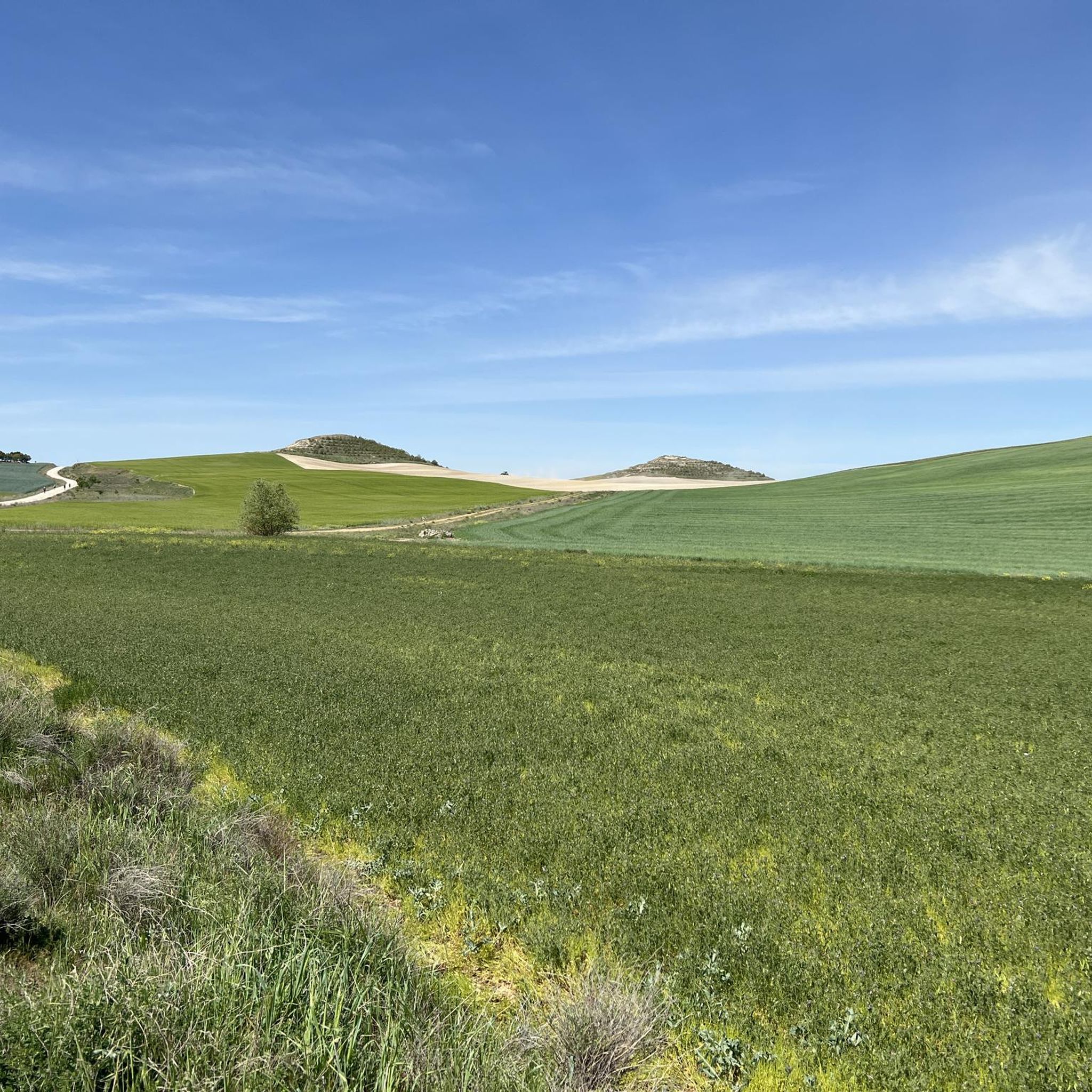
On the approximately 800-kilometer route through northern Spain – perhaps even earlier in France – the pilgrim has repeatedly crossed borders that may have held significant significance in the past, and some still do today from a regional political perspective. However, for us, who are striving toward the tomb of the Apostle James, the "Credencial" was the only important identification document, and pilgrimage routes – like the heavens – have always been borderless.
5
0

Santa Maria la Blanca is a temple-fortress of Templar origin dating back to the 12th century.
3
1
Frequently Asked Questions
What are the main historical attractions to explore around Campos?
The region around Campos is rich in historical sites, primarily centered around the Canal de Castilla, a significant work of the Spanish Enlightenment. You can visit the Quadruple Lock of the Canal de Castilla near Frómista, an impressive engineering marvel. Other notable historical sites include the settlement of Frómista itself, where the Camino de Santiago intersects the Canal, and the Monastery of San Zoilo.
Are there family-friendly activities or attractions near Campos?
Yes, many attractions around Campos are suitable for families. The Canal de Castilla and its Quadruple Lock are considered family-friendly, offering interesting sights and opportunities for walks or cycling. The town of Frómista, with its historical context, also welcomes families. Additionally, the Casa Grande de Palencia is listed as a family-friendly historical site.
What outdoor activities can I do near the attractions in Campos?
The area around Campos is ideal for outdoor activities, especially along the Canal de Castilla. You can enjoy cycling on routes like the 'Canal de Castilla – circular desde Palencia por Monzón de Campos' or 'Vía Aquitania – circular desde Carrión de los Condes (EV3)'. For running, there are trails such as the 'Canal de Castilla Trail' or the 'Sotillo de los Canónigos and Isla Dos Aguas Parks Loop'. Gravel biking is also popular, with routes like the 'Puente Mayor de Palencia – Casa Grande de Palencia loop'. You can find more details on these activities in the cycling guide, running guide, and gravel biking guide for Campos.
Are there any natural features or scenic spots to visit around Campos?
While the region is known for its man-made Canal de Castilla, the canal itself offers scenic sections for walking and cycling. The Scenic Section of the Canal de Castilla is particularly popular, coinciding with the Camino Frances de Santiago and the EV1 EuroVelo route. Although not a natural feature, the Bodegas de Moratinos are unique underground caves that offer a different kind of natural-historical experience.
What is the significance of the Camino de Santiago in the Campos area?
The Camino de Santiago plays a significant role in the Campos area, as it intersects with the Canal de Castilla in towns like Frómista, making it a popular stopover for pilgrims. You'll also find monuments like the Pilgrim Statue in Carrión de los Condes, commemorating the journey of those walking the Camino.
Where can I find religious buildings or sites of worship near Campos?
The region features several significant religious buildings. In Frómista, the Romanesque church of San Martín de Tours is a must-see. The Monastery of San Zoilo is another important historical and religious site. Additionally, the Santa María del Camino Church is a notable religious building in the area.
Are there any wheelchair accessible attractions around Campos?
Yes, the Pilgrim Statue in Carrión de los Condes is listed as wheelchair accessible, offering an opportunity for all visitors to experience this emblematic monument on the Camino de Santiago.
What do visitors enjoy most about the attractions around Campos?
Visitors particularly appreciate the unique engineering of the Quadruple Lock of the Canal de Castilla, often described as one of the most ingenious works of the entire canal complex. The scenic beauty of the Canal de Castilla itself, especially where it coincides with the Camino de Santiago, is also highly valued for its peaceful atmosphere and historical significance.
Can I find places to eat or stay near the attractions in Campos?
The town of Frómista is a good option, offering various services including bars and ATMs, and is considered a good place for accommodation. The Casa Grande de Palencia also includes facilities and a restaurant, providing options for dining and potentially lodging.
What is the best way to explore the Canal de Castilla and its surroundings?
The Canal de Castilla is best explored by cycling or walking. Many sections are designated cycle paths, and the area is popular for both touring bicycles and gravel biking. Walking along the canal also offers a pleasant way to experience its historical significance and scenic beauty. The Scenic Section of the Canal de Castilla is particularly recommended for these activities.
Are there any bridges or architectural marvels to see along the Canal de Castilla?
Yes, the Canal de Castilla features several architectural marvels. The most prominent is the Quadruple Lock of the Canal de Castilla, an impressive system of locks. Additionally, the Puente Mayor de Carrión de los Condes is a significant historical bridge in the area, offering both historical interest and scenic views.
Most popular routes around Campos
Most popular attractions around Campos

Get inspired with the komoot mobile app


Didn’t find what you were looking for?
Are you keen on exploring more awesome places nearby? Browse our guides:
Explore more
Still not found the Highlight you’re looking for? See guides of the top attractions in other regions:
