Routes

Planner

Features

Updates

App

Login or Signup

Get the App

Login or Signup

Login or Signup

Routes
Places to see
Spain
Castile and León
Burgos

Merindades

Attractions and Places To See around Merindades - Top 20

Best attractions and places to see around Merindades, a region in the north of the Burgos province, offers a diverse landscape of mountains, rivers, waterfalls, caves, and gorges. This area is rich in history, featuring numerous castles, monasteries, churches, and Romanesque architecture. Visitors can explore natural wonders and historical sites that reflect its unique geographical position.

Best attractions and places to see around Merindades

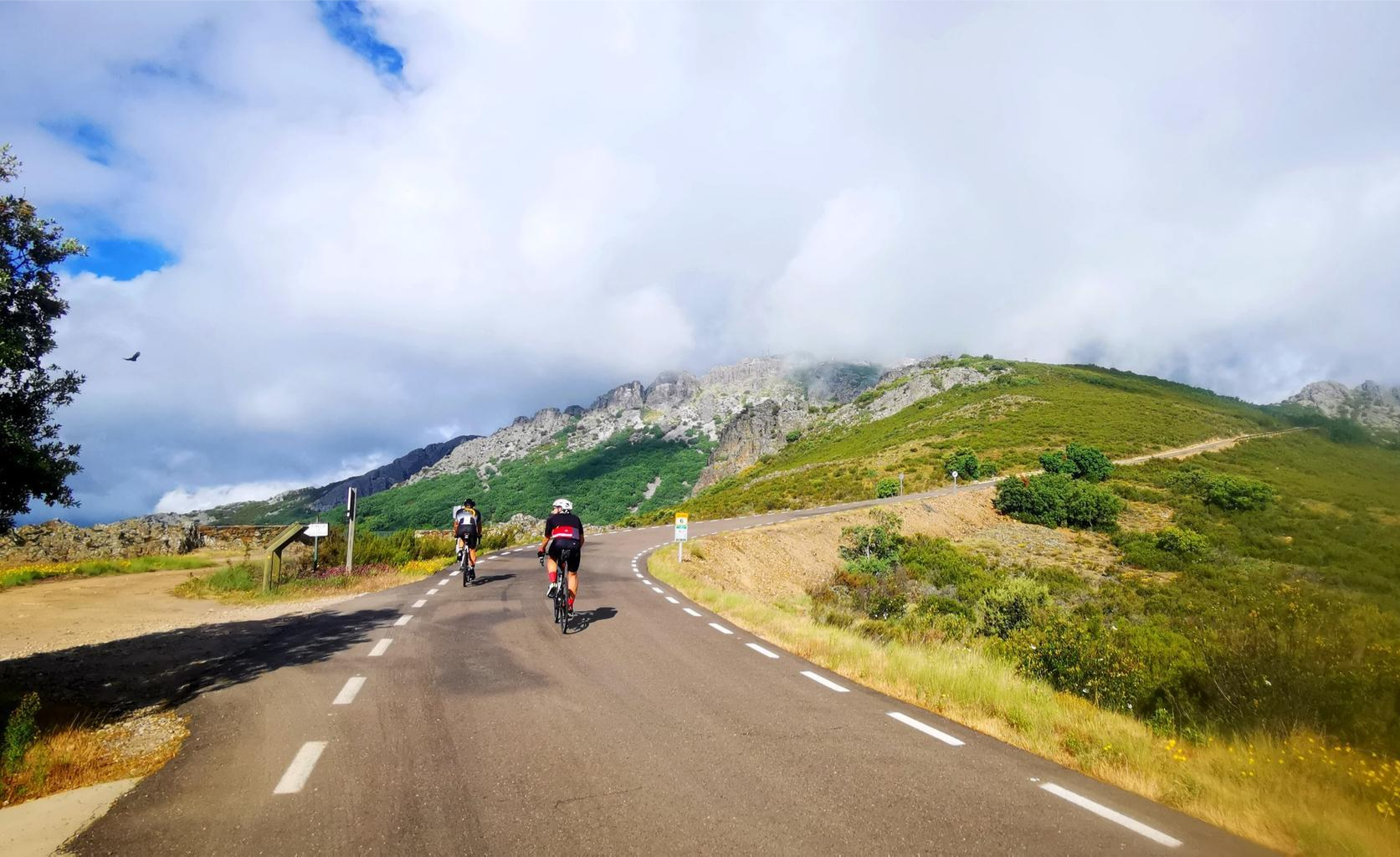
  • The most popular attractions is Estacas de Trueba Pass, a mountain pass that offers an easy and long route with good views of the valley. It features ancient signage made by hand with Castilian stone.
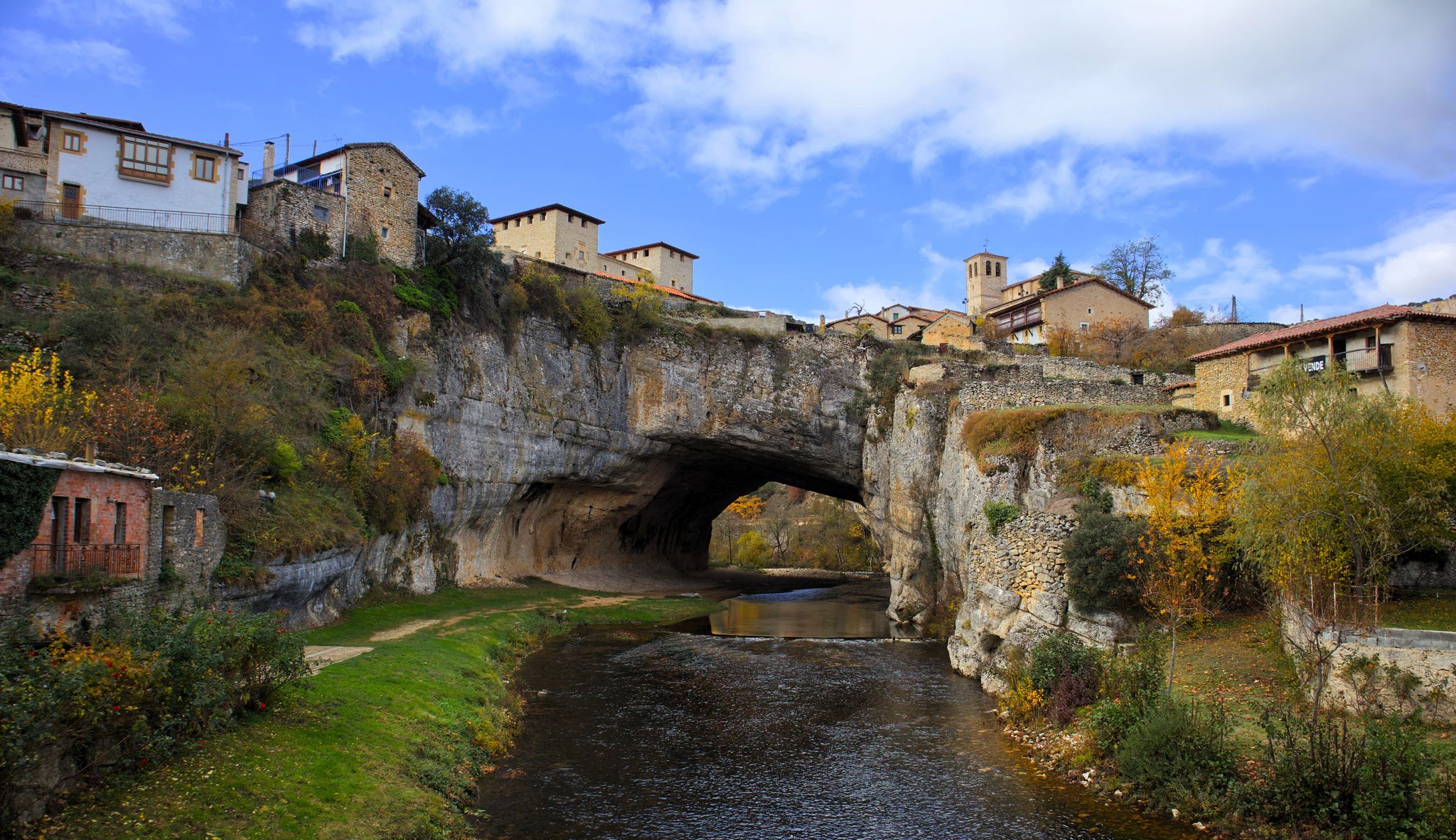
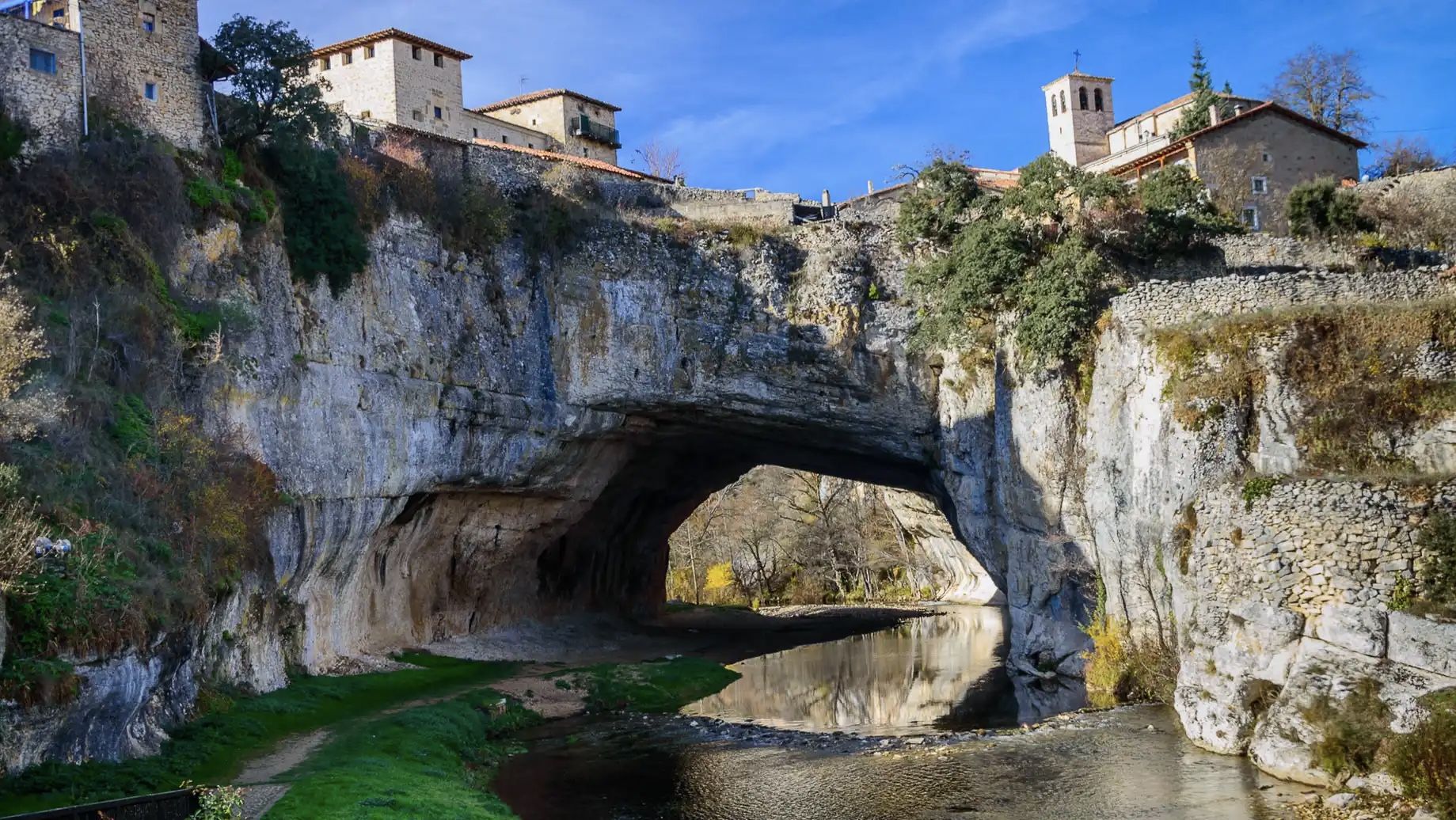
  • Another must-see spot is Natural Rock Arch of Puentedey, a natural monument where the Nela River has carved a passage through stone. This arch forms the foundation for some of the village's houses.
  • Visitors also love Puentedey, a natural monument and settlement. This small village is built on a natural stone bridge created by the Nela River.
  • Merindades is known for its natural monuments, historical sites, and mountain passes. The region offers a variety of attractions to see and explore, from karst systems to medieval towns.
  • The attractions around Merindades are appreciated by the komoot community, with more than 70 upvotes and over 60 photos shared by visitors.

Last updated: May 9, 2026

Natural Rock Arch of Puentedey

Highlight • Natural Monument

This is considered one of the most beautiful towns in Spain and for good reason. It is crossed by the Río Nela and where the houses are built above a natural cave that has created the passage of the river by making a hole in the stone itself. You can not miss it!

Translated by Google •

Tip by

See hikes here

Send to Phone

Save

La Sía Pass

Highlight • Mountain Pass

very windy, wrap up well

Translated by Google •

Tip by

Save

Sign up now to discover places like this

Get recommendations on the best single tracks, peaks, & plenty of other exciting outdoor places.

Sign up for free

Puentedey

Highlight • Natural Monument

The name of this small village of only 50 inhabitants means "Bridge of God". His most photographed image is the natural stone bridge created by the Nela River. On the arch the town was created. In 2022, the association The Most Beautiful Towns in Spain announced that Puentedey was added to its list.

Translated by Google •

Tip by

Save

Castro Valnera Summit

Highlight • Summit

Castro Valnera is a beautiful, formidable mountain with its 1,718 meters. It is the highest in the eastern sector of the Cantabrian mountain range.

Translated by Google •

Tip by

Save

Views of Pico del Fraile

Highlight • Summit

This rocky peak is vertical on all its flanks, which makes it necessary to use leather straps during the ascent. It was first climbed in 1924 by Ángel Sopeña, precursor of climbing in the Basque Country.

Its name comes from its resemblance to the figure of an abbot.

Translated by Google •

Tip by

Save

Villarcayo

Highlight • Settlement

Stage 2. Villarcayo/Trespaderne
97 kilometers. 1,370 positive meters.


In the old Villarcayo-Horna station there are many remains and curiosities of the railway heritage of the old Santander-Mediterranean line. An old machine parked next to the track, the water tanks, the platforms, the point changes and the buildings attached to the railway service dismantled in 1985. The Natural Trail continues through Cigüenza, with a new bridge over the Nela, and continues through a fantastic valley crossing the meanders of the Nela through Tubilla, Escanduso and Escaño to the curious railway station of Brizuela , which preserves some rails, the railway building and a pleasant grass “pavement” between the platforms. Puentedey is another attractive stop to go down to the bed of the Nela and see the impressive natural tunnel that the river bed has carved under the town. The old train track also passes through another tunnel under the town and continues through the spectacular canyon that the Nela River has carved at the foot of the Muelas de Dulla. In Quitanabaldo the track deviates along the Ruta de los Sentidos towards Soncillo to complete the stage following the Ebro Natural Path but still has to travel one of the emblematic sections of the Santander-Mediterranean Natural Path to the Tunnel of Engaña. At the Nela bridge, the Cidad Dosante detour leaves to the left, the main route crosses the imposing bridge, passes through the Pedrosa de Valdeporres station and goes up to the entrance of the Engaña Tunnel. The area is a forest jungle of birch, oak, beech, maple, hazel and bushes of all kinds in a place steeped in history. The construction of the tunnel in the bowels of the Cantabrian Mountains was essential to complete the railway line; it took 17 years and hundreds of workers, most of them political prisoners, to drill the seven kilometers of gallery between Burgos and Cantabria, a work that had never been It was used for the passage of trains, however it was used for several decades to exchange goods between the two slopes of the mountain range by private vehicles, until landslides in the interior complicated transit and it was permanently closed.

The traveling cycle route returns along the same path to Quintanabaldo and deviates from the Santander-Mediterranean Natural Path along the Route of the Senses GR-85. From this point on, the technical level for gravel bikes increases, there are sections with uneven surfaces, high slopes, narrow paths and several points in the Ebro canyon where it is necessary to load the bike to overcome some walkways. In reality, everything is cyclable except for the walkways, which are easy to navigate in a few minutes on foot, and it is worth it to travel a fantastic stretch of the Ebro Natural Trail through the Manzanedo and Valdivieso valleys. The GR-85 goes up from Quintabaldo along a fairly steep track to the town of Villabáscones de Bezana, a gem of popular architecture hidden in the Pisas beech forest. In the town you have to continue along the road to Soncillo, a good place to regain strength after the climb from the Nela valley. The gravel trip continues along the Alto de la Hoya road and begins an enjoyable descent through the towns of the Trifón River valley, all asphalt, without traffic, between mountains sculpted by a capricious and suggestive nature. In Lándraves there are signs of the Palancas Gorge, one of the natural wonders of the area. The Route of the Senses passes through the canyon but on gravel it is not recommended. The descent continues through Cueva de Manzanedo and finally reaches the bank of the Ebro in Manzanedo, connecting with the Ebro Natural Trail. The route changes banks and continues for about ten kilometers along technical and entertaining trails surrounding livestock meadows and private farms. Cyclability is one hundred percent with patience and skill on this type of narrow and bumpy paths, a complication can be mud during times of heavy rain. The alternative would be to continue along the road to Incinillas and then along the N-232 to Puente del Aire.

Translated by Google •

Tip by

Save

Trespaderne

Highlight • Trail

Stage 3. Trespaderne/Burgos
74.5 kilometers. 480 positive meters.


The third day of the gravel adventure has little description and no possibility of confusion, it follows the same section of the Santander-Mediterranean Natural Trail as the first stage to the city of Burgos. The Trespaderne exit passes again over the medieval bridge and connects with the railway line at the old station, equipped with benches and a recreation area. Now there are 350 meters of positive slope to the Peñahorada pass, but you barely notice it, the surface is magnificent and the kilometers fly by. The natural fantasies of the Ebro and Oca canyons end in Oña, gateway to La Bureba and its peaceful villages nestled between hills of saline marl and primitive volcanic materials, giving the landscape a particular atmosphere of shapes, reliefs, colors and textures in the Homino River plain.

The Poza de la Sal detour is highly recommended, it is close to the old railway station, it would be unforgivable to pass through the door and not stop to see this medieval town declared a Historical-Artistic Site in 1982, which was also the birthplace of the naturalist Félix Rodríguez de the fountain. The salt flats are an extraordinary set of industrial architecture at the foot of the Páramo de Masa with notable geological, ethnographic, historical and cultural interest. They have been exploited since the Iron Age until recent times. And a walk through the historic center is also essential, an interesting example of popular architecture and medieval streets staggered around the castle hill, with remains of the original wall and several doors that gave access to the interior of the town, the best known. and monumental is the Arco de la Concepción or Puerta del Conjuradero, between Plaza Nueva and Plaza Vieja.

Translated by Google •

Tip by

Save

Hermitage of San Bernabé of Ojo Guareña

Highlight • Religious Site

I recommend it

Translated by Google •

Tip by

Save

Stage 3. Trespaderne/Burgos
74.5 kilometers. 480 positive meters.


The third day of the gravel adventure has little description and no possibility of confusion, it follows the same section of the Santander-Mediterranean Natural Trail as the first stage to the city of Burgos. The Trespaderne exit passes again over the medieval bridge and connects with the railway line at the old station, equipped with benches and a recreation area. Now there are 350 meters of positive slope to the Peñahorada pass, but you barely notice it, the surface is magnificent and the kilometers fly by. The natural fantasies of the Ebro and Oca canyons end in Oña, gateway to La Bureba and its peaceful villages nestled between hills of saline marl and primitive volcanic materials, giving the landscape a particular atmosphere of shapes, reliefs, colors and textures in the Homino River plain.

The Poza de la Sal detour is highly recommended, it is close to the old railway station, it would be unforgivable to pass through the door and not stop to see this medieval town declared a Historical-Artistic Site in 1982, which was also the birthplace of the naturalist Félix Rodríguez de the fountain. The salt flats are an extraordinary set of industrial architecture at the foot of the Páramo de Masa with notable geological, ethnographic, historical and cultural interest. They have been exploited since the Iron Age until recent times. And a walk through the historic center is also essential, an interesting example of popular architecture and medieval streets staggered around the castle hill, with remains of the original wall and several doors that gave access to the interior of the town, the best known. and monumental is the Arco de la Concepción or Puerta del Conjuradero, between Plaza Nueva and Plaza Vieja.

The trip continues through the Burebana plain to the Peñahorada pass and the tunnels that save the La Serrezuela canyon, entering the path into the peasant plain of the Ubierna valley. The passage through Sotopalacios always brings excitement because the old railway does not cross many towns, it always passes glancingly. In the Villalonquéjar Industrial Park you have to change the outbound route slightly to make it easier to go through the roundabouts and enter the bike lane that leads directly to La Estación without passing through the historic center. The bike path is well indicated outside the street carriageways, it passes over the Arlanzón bridge and continues parallel to the river to the starting point in the gardens of the old North Station, where we end the intense gravel bikepacking trip. of three days in the north of the province of Burgos.

Translated by Google •

Tip by

Save

Estacas de Trueba Pass

Highlight • Mountain Pass

Ancient signage made by hand with Castilian stone

Translated by Google •

Tip by

Save

Sign up for free to discover even more attractions around Merindades.

Sign up for free

Already have an account?

Start today with a free account

Your next adventure awaits.

Login or Signup

Popular around Merindades

Legendary climbs - Ports of La Vuelta a España
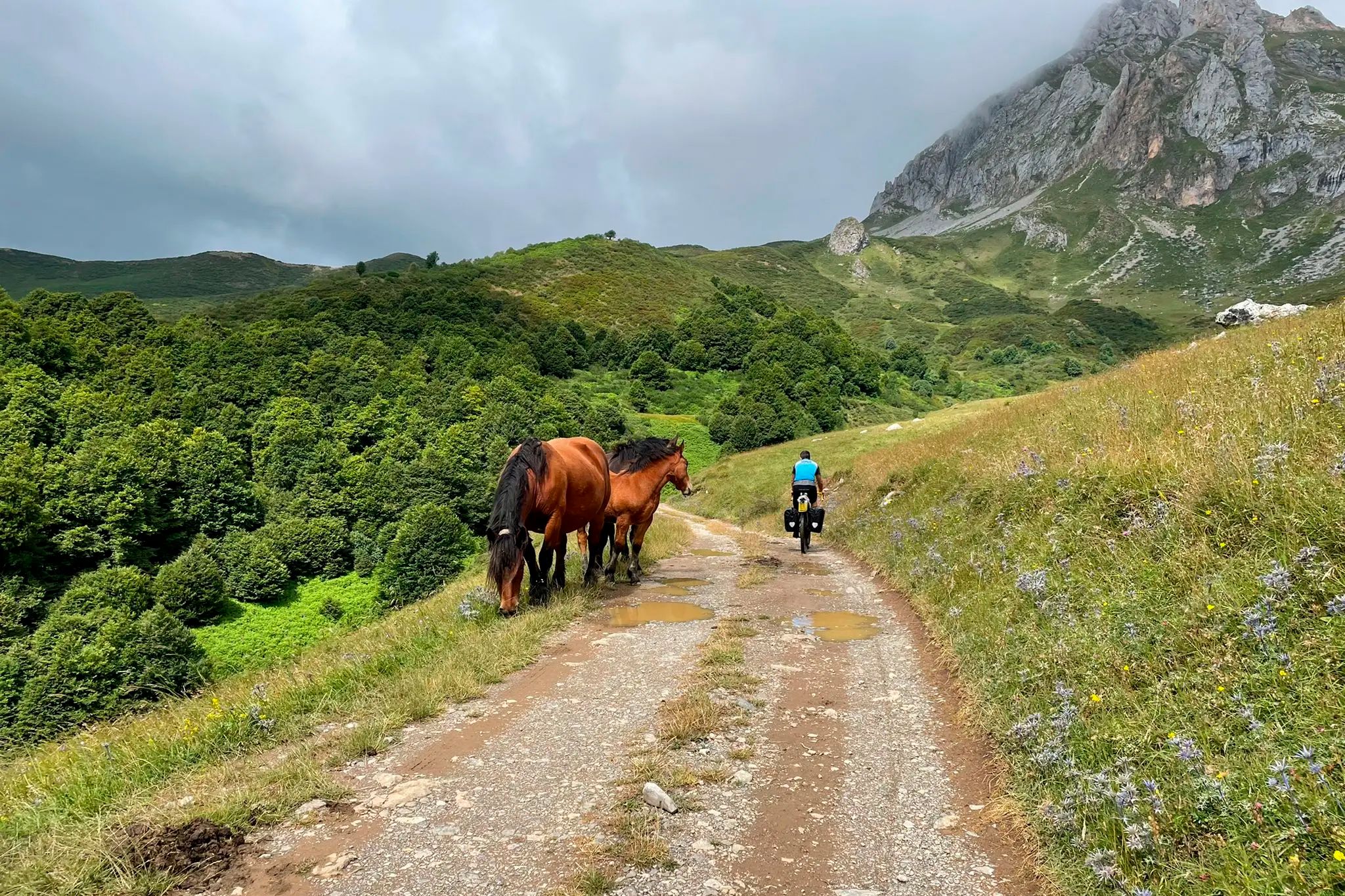
TransCantabrica – Extreme mountain biking in northern Spain
Endless valleys and historic villages – Route of the Senses (GR 85)
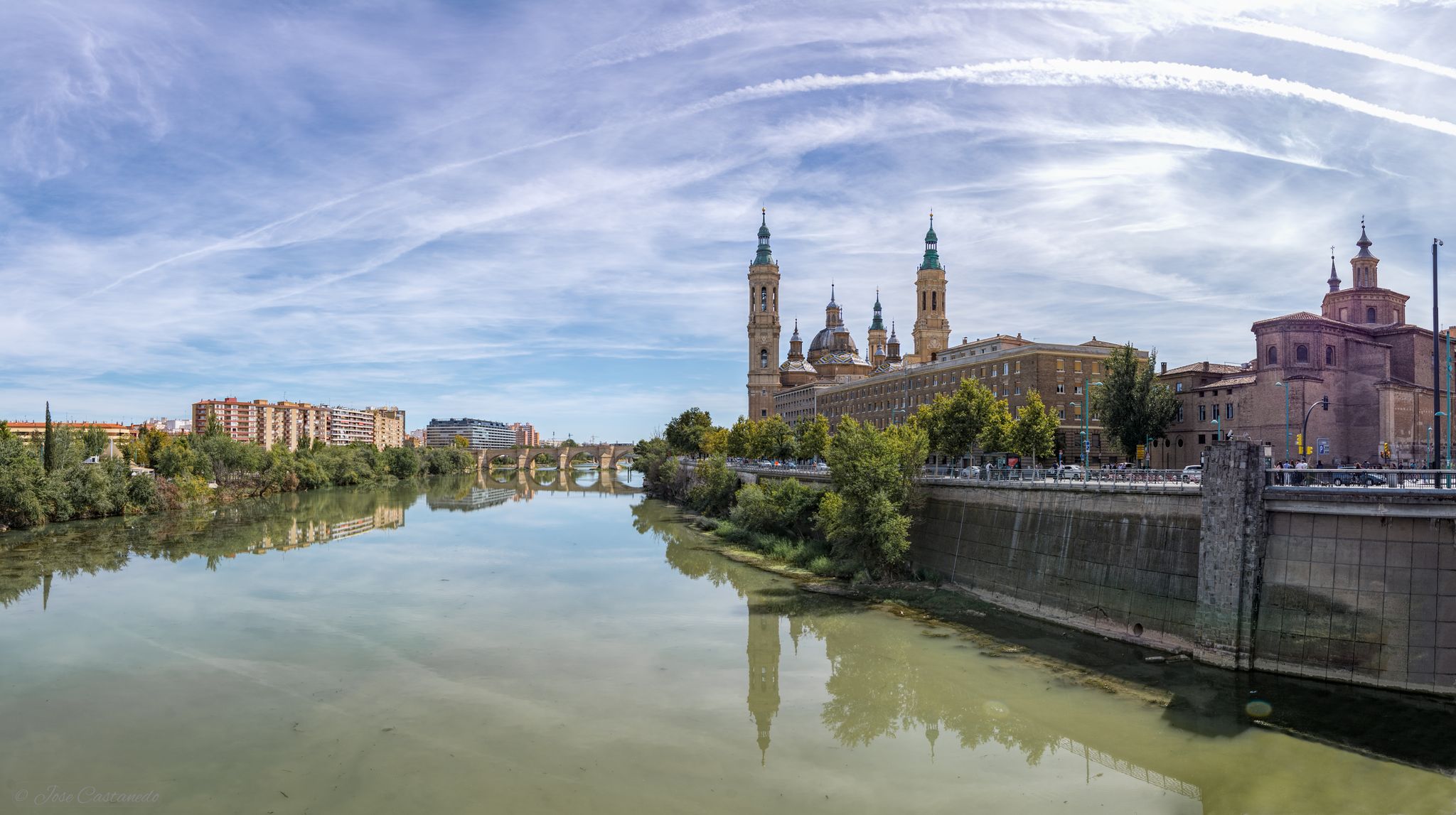
A river getaway – Ebro Natural Trail (GR 99)
An epic getaway – Santander-Mediterráneo Nature Trail
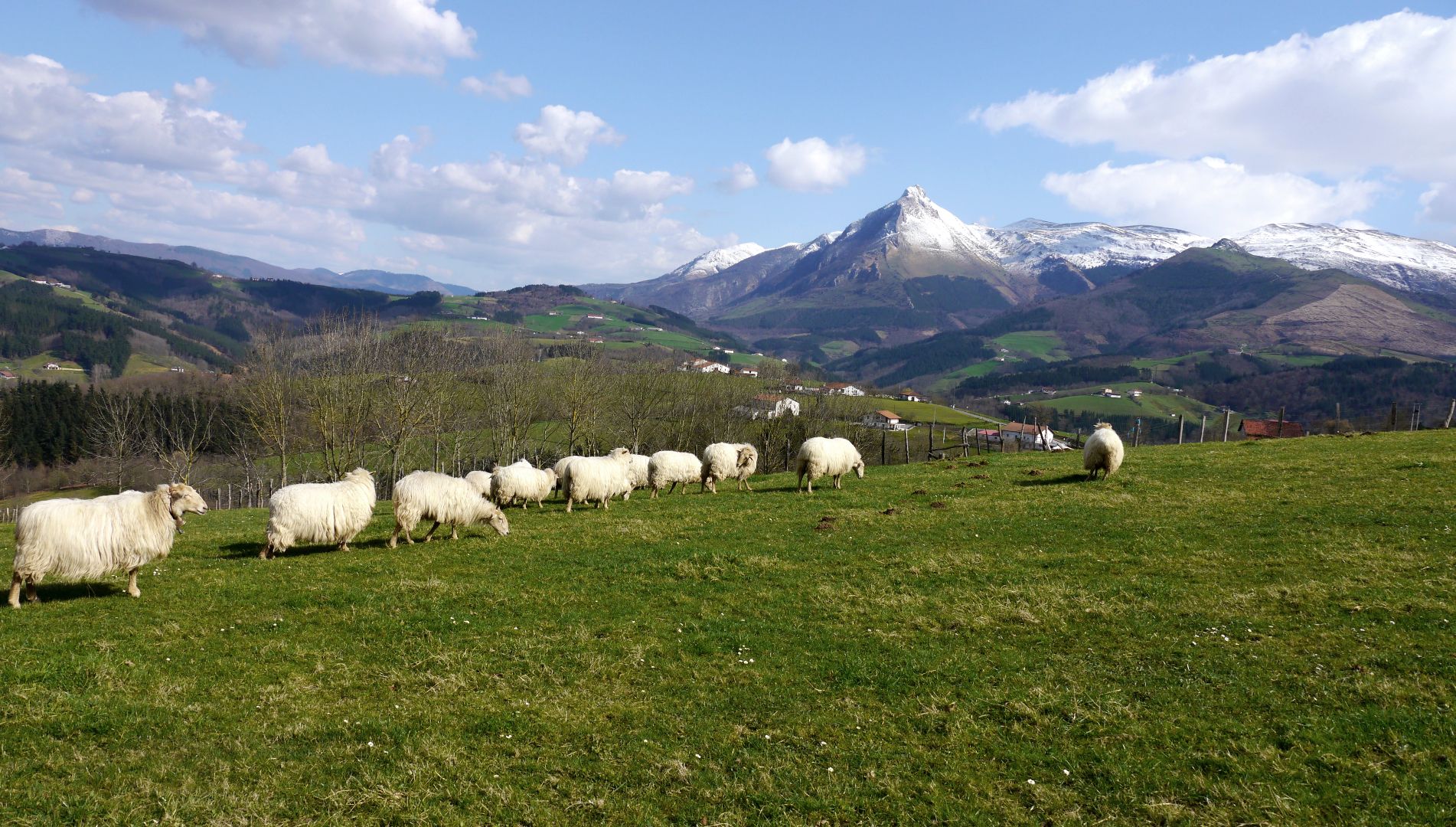
Mountains with tradition in Spain’s Basque Country – Shepherd's Path (GR 282)
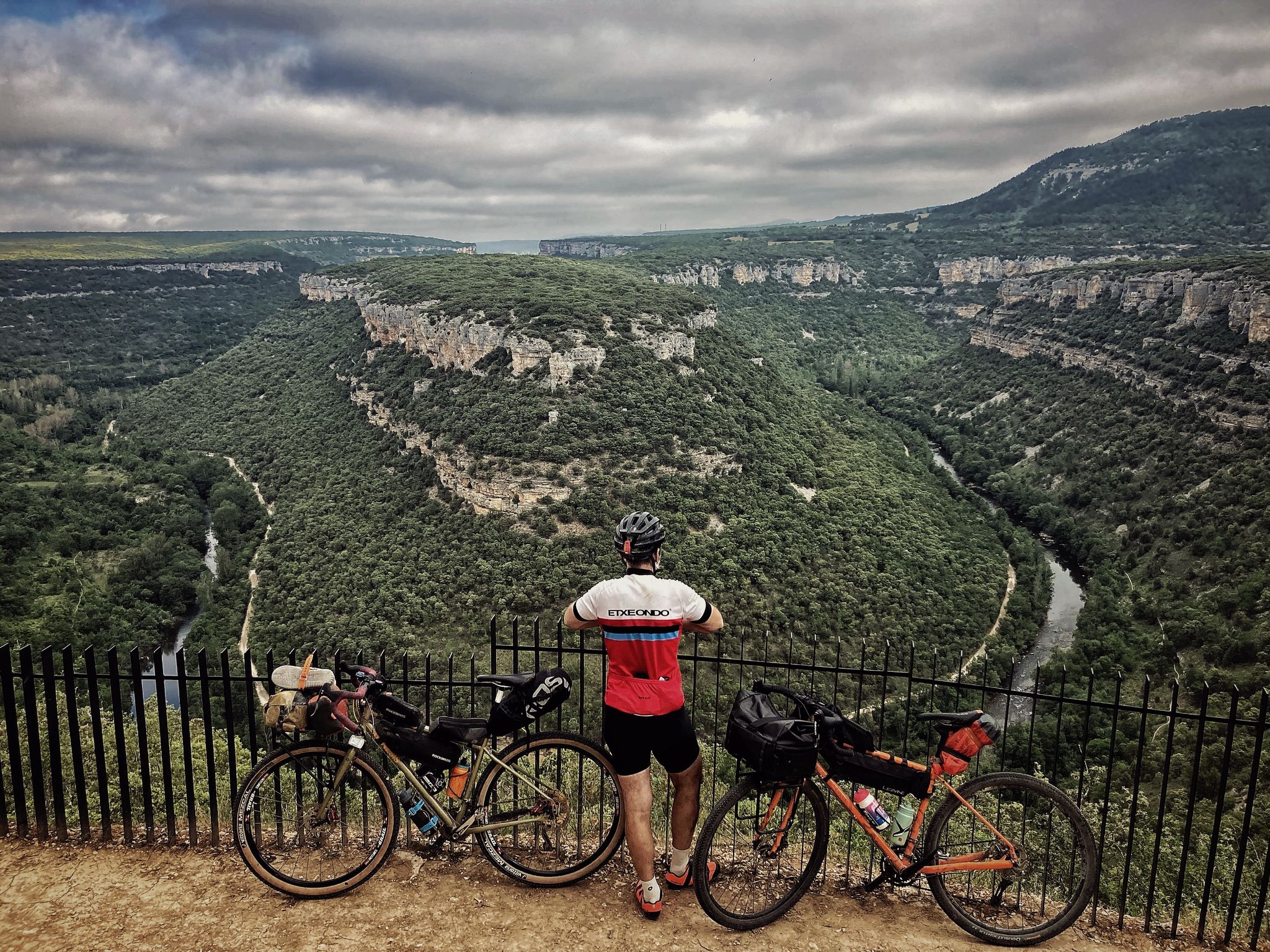
Spain's great river by bike – the Ebro Nature Trail
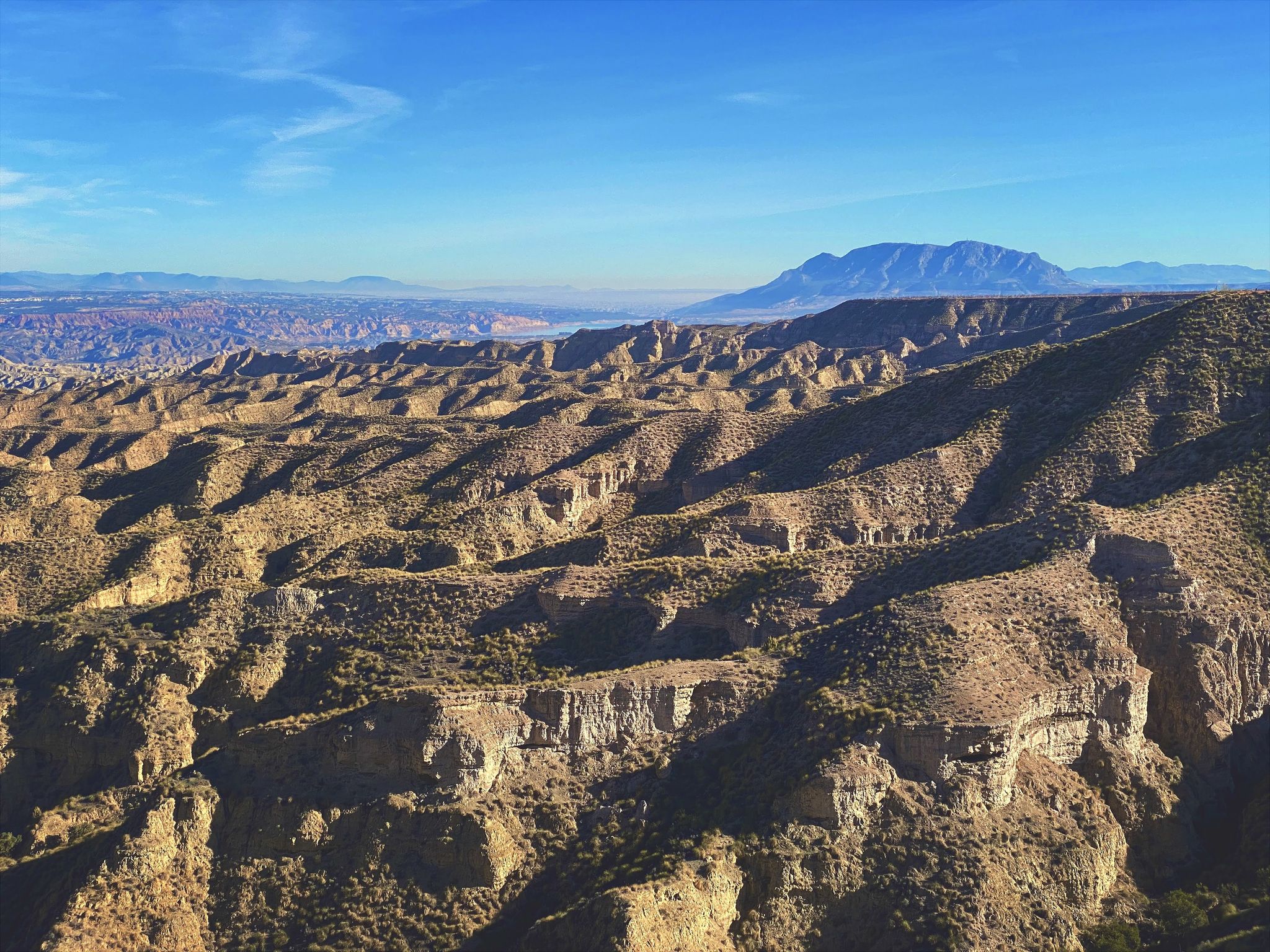
Discover Spain by gravel — a selection of must-see routes
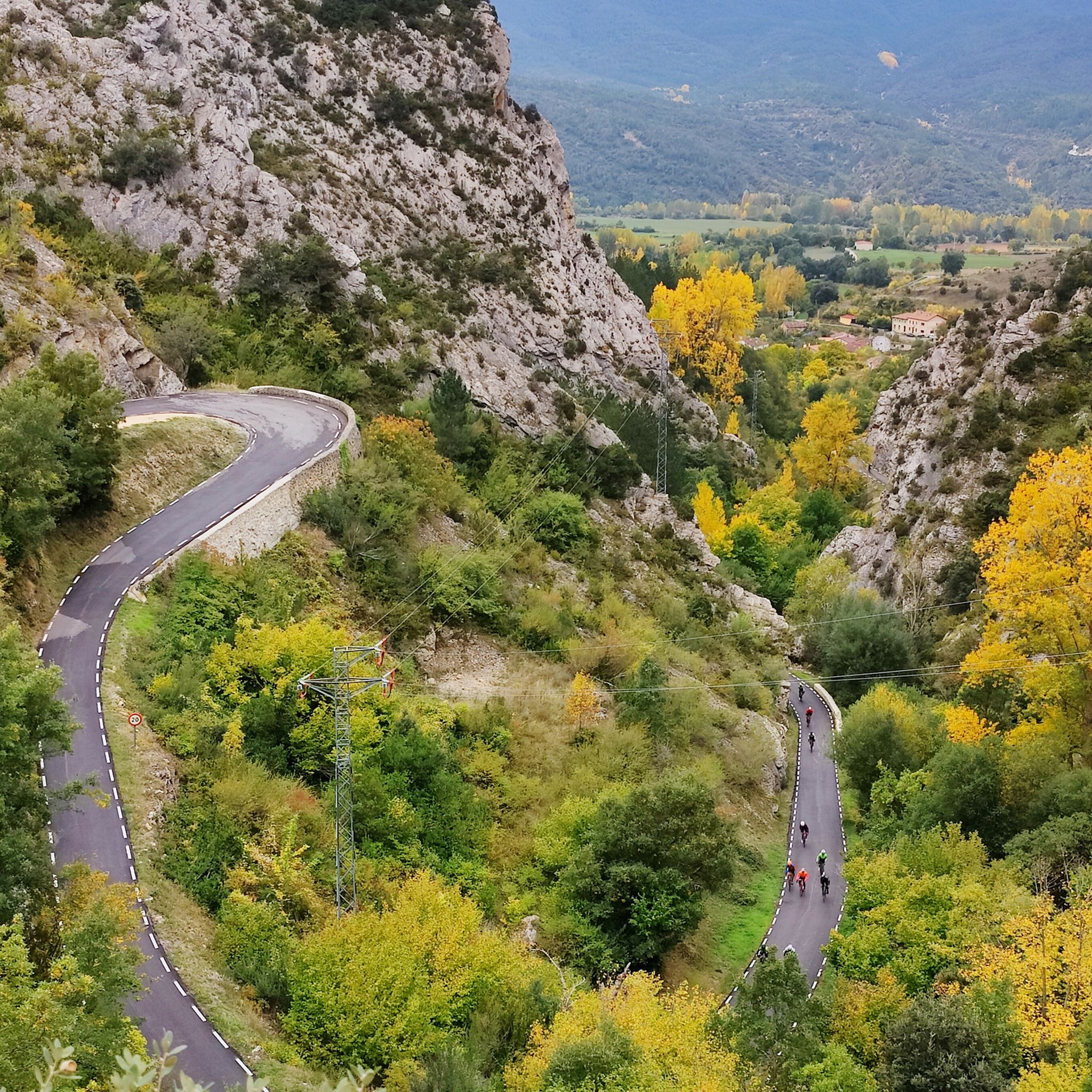
Road Cycling Routes around Merindades
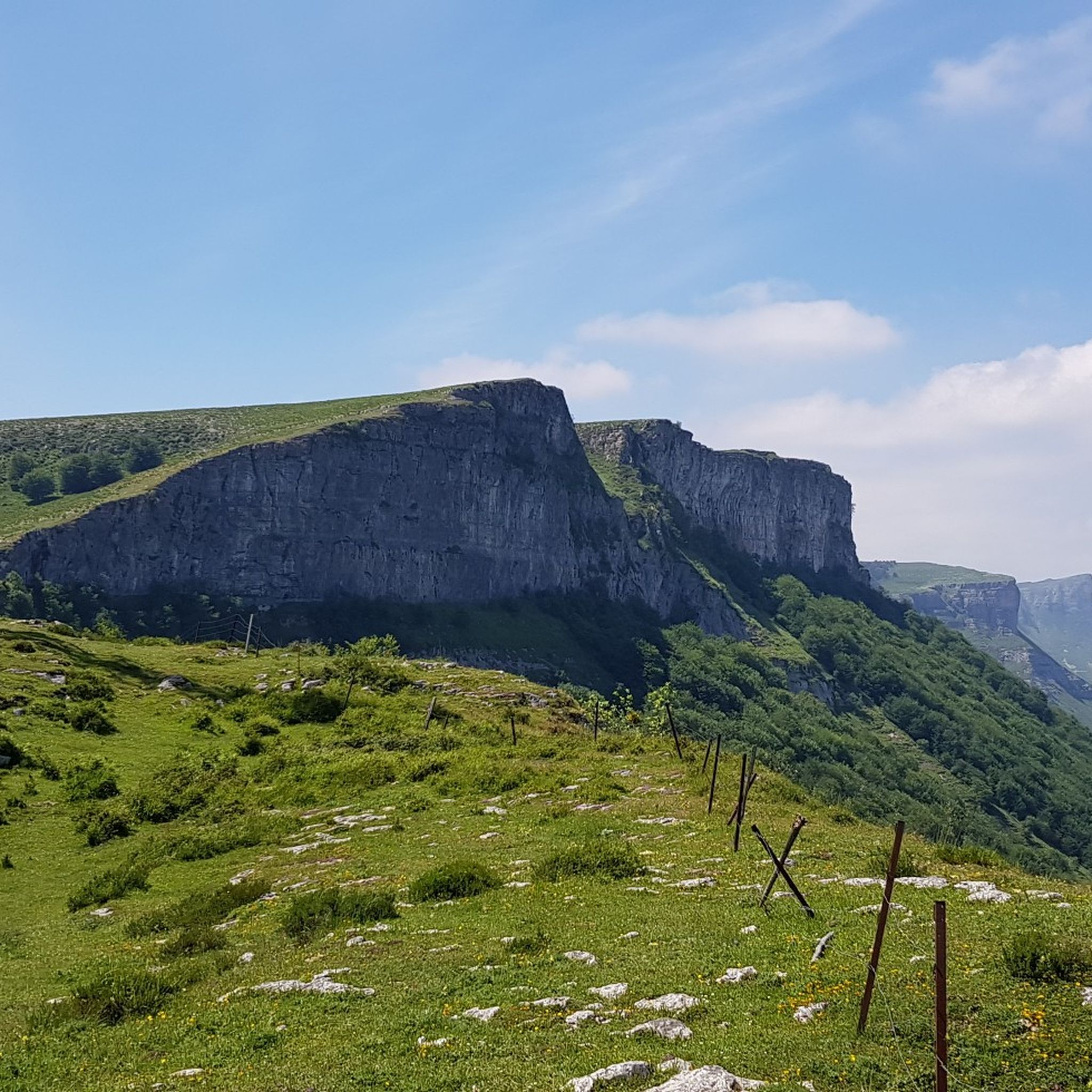
Hiking around Merindades

Other adventures around Merindades

Legendary climbs - Ports of La Vuelta a España

Road Cycling Collection by

Ana- Remoteana

Tips from the Community

George Malcolm
February 2, 2026, Trespaderne

Camping spot

0

0

Aitor
September 6, 2025, Villarcayo

carry water, but go to a village to the fountain and if possible don't go on a very sunny day...

Translated by Google

0

0

Sara
August 18, 2025, Trespaderne

Next to the greenway, a good place to rest and get supplies in town.

Translated by Google

0

0

Ideal for taking a dip on hot days!

Translated by Google

1

0

Sara
February 27, 2025, Puentedey

A very charming place!

Translated by Google

0

0

A demanding but VERY beautiful route. The Estacas de Trueba pass is absolutely spectacular!

Translated by Google

0

0

nice descent, from mass moor, to right valley

Translated by Google

0

0

This is the best-known image of the famous town of Puentedey.

Translated by Google

1

0

Frequently Asked Questions

What are the most impressive natural wonders to explore in Merindades?

Merindades is home to several remarkable natural sites. Don't miss the Natural Rock Arch of Puentedey, a unique natural bridge carved by the Nela River, which forms the foundation for parts of the village. The Ojo Guareña Karstic Complex is another highlight, featuring one of the world's largest cave systems and the Hermitage of San Bernabé built into a cave. You can also witness the majestic Salto del Nervión, the largest waterfall on the Iberian Peninsula, especially after heavy rains, and explore the dramatic cliffs of the Ebro Canyon.

Where can I discover the rich history and cultural heritage of Merindades?

The region is steeped in history. Visit Frías, known as Spain's smallest city, with its striking castle and medieval bridge. Medina de Pomar offers an interesting historic center with the impressive Velasco Castle. Oña boasts significant monumental heritage, including the Monastery of San Salvador. Don't miss the unique Romanesque and Gothic hermitage of San Pantaleón de Losa, built into a rock formation, or the historical salt flats of Poza de la Sal. The historical regional capital, Villarcayo, also offers a pleasant stroll and houses the Merindades Romanesque Museum.

Are there family-friendly attractions around Merindades?

Yes, many attractions in Merindades are suitable for families. The village of Puentedey, with its natural rock arch and charming setting, is a popular choice for all ages. Exploring the accessible parts of the Ojo Guareña Karstic Complex, including the Hermitage of San Bernabé, can also be an engaging experience for families. Many of the region's easier hiking trails, such as those leading to waterfalls or viewpoints, are also great for family outings.

What kind of outdoor activities can I do near these attractions?

Merindades offers a wide range of outdoor activities. You can find numerous hiking trails, from easy walks to more challenging routes. For example, there are easy hikes like the Nacimiento del Cadagua Trail or loops around the Salto del Nervión viewpoint. The region is also popular for running, with routes like the Ermita y Cuevas de San Bernabé circular trail. Mountain biking enthusiasts can explore extensive trails, such as the Ojo Guareña y El Ventanón circular route. For more details on routes, check out the easy hikes, running trails, and MTB trails guides for Merindades.

What is the best time of year to visit Merindades for outdoor activities and sightseeing?

The best time to visit Merindades largely depends on your preferred activities. Spring and autumn are ideal for hiking and exploring natural features like waterfalls, as the weather is mild and the landscapes are vibrant. The Salceda Waterfall, for instance, is particularly stunning in these seasons. Summer is great for enjoying the region's rivers and perhaps some wild swimming, though it can be warmer. Winter offers a different charm, especially for those interested in snowy landscapes, but some higher passes might be less accessible.

Are there any notable viewpoints or scenic passes in Merindades?

Absolutely. The Estacas de Trueba Pass offers an easy route with excellent views of the valley and features ancient hand-made signage. Another significant pass is La Sía Pass, known for its aesthetic appeal and often populated by cattle. For more challenging views, the Castro Valnera Summit provides impressive panoramic vistas, as do the Views of Pico del Fraile, which are truly spectacular.

What do visitors enjoy most about the attractions in Merindades?

Visitors frequently praise the unique blend of natural beauty and historical charm. The picturesque village of Puentedey, with its natural stone bridge, is often highlighted as one of Spain's most beautiful towns. The ancient signage at Estacas de Trueba Pass and the stunning views from various summits are also highly appreciated. The community often shares photos and upvotes, indicating a strong appreciation for the region's diverse landscapes and rich heritage.

Can I find Romanesque architecture in Merindades?

Yes, Merindades is rich in Romanesque architecture. You'll find numerous Romanesque churches and hermitages scattered throughout the region, particularly in areas like the Valdivielso Valley. Notable examples include the churches of San Lorenzo in Vallejo and Santa María de Siones in Mena Valley. The Hermitage of San Pedro de Tejada is another significant site. The town of Villarcayo even hosts the Merindades Romanesque Museum, offering deeper insight into this architectural style.

Are there any hidden gems or lesser-known spots worth visiting in Merindades?

Beyond the main attractions, Merindades holds several hidden gems. The Monastery of Santa María de Rioseco, a 13th-century Cistercian abbey now in ruins, offers a serene and beautiful setting next to the Ebro River. The Tobera Waterfalls and the Peñón waterfall on the Jerea River are also less frequented but equally stunning natural spots. Exploring the smaller villages and their unique local architecture can also lead to delightful discoveries.

What kind of landscapes can I expect to see in Merindades?

Merindades boasts an incredibly diverse landscape, situated at the transition zone between the northern plateau, the Ebro valley, and the Cantabrian mountain range. You can expect to see rugged mountains, lush beech forests in areas like the Mena Valley, winding rivers, dramatic gorges, and impressive waterfalls. The region is also characterized by unique karstic formations, such as those found in Ojo Guareña, and picturesque valleys like Valdivielso, offering a rich tapestry of natural beauty.

Are there any specific towns or settlements that are particularly scenic or historically significant?

Several towns stand out for their beauty and history. Puentedey is renowned for its unique natural bridge and charming houses. Frías, Spain's smallest city, offers a captivating medieval atmosphere with its castle and hanging houses. Medina de Pomar is the main town, featuring a historic center with traditional wooden balconies and the impressive Velasco Castle. Espinosa de los Monteros is known for its rich medieval history, churches, towers, and palaces. These towns provide a glimpse into the region's past and architectural heritage.

Most popular routes around Merindades

Road Cycling Routes around Merindades

Most popular attractions around Merindades

Natural Monuments

Store rating

Get inspired with the komoot mobile app

With a free komoot account, you can easily find, customize, and navigate endless outdoor adventures.

or

Join komoot Now

Store rating

Didn’t find what you were looking for?

Are you keen on exploring more awesome places nearby? Browse our guides:

Merindad De Cuesta-UrriaMedina De PomarJunta De TraslalomaVillarcayo De Merindad De Castilla La ViejaJunta De Villalba De LosaValle De MenaValle De ValdebezanaAlfoz De BriciaValle De LosaBerberanaMerindad De ValdeporresValle De ManzanedoEspinosa De Los MonterosMerindad De MontijaMonumento Natural De Ojo GuareñaMerindad De SotoscuevaValdegovíaLic Ojo GuareñaMerindad De ValdivielsoAlfoz De Santa GadeaValle De ZamanzasValle De TobalinaArijaTrespaderneJurisdicción De San ZadornilMonumento natural del Monte SantiagoZona De Especial Protección Para Las Aves Embalse Del Ebro

Explore more

Still not found the Highlight you’re looking for? See guides of the top attractions in other regions:

Nearby adventure guides

Things to Do around Medina De Pomar

background

Get ready to conquer new peaks

Sign up for Free

Explore
RoutesRoute plannerFeaturesHikesMTB TrailsRoad cycling routesBikepackingSitemap
Download the app
Follow Us on Socials

© komoot GmbH

Privacy Policy