Attractions and Places To See around Mancha Alta - Top 20
Best attractions and places to see around Mancha Alta include a diverse landscape of expansive plains, traditional villages, and significant historical sites. This region in Castilla-La Mancha, Spain, is characterized by its natural beauty and cultural heritage. Visitors can explore ancient Roman ruins, medieval castles, and natural reserves. The area offers a variety of experiences for those interested in history and outdoor exploration.
Best attractions and places to see around Mancha Alta
- The most popular attractions is Hoz del Cigüela…
Last updated: May 11, 2026
Segóbriga Archaeological Park
Highlight • Historical Site
Translated by Google •
Tip by

Hoz del Cigüela
Highlight • Gorge
Translated by Google •
Tip by

Sign up now to discover places like this
Get recommendations on the best single tracks, peaks, & plenty of other exciting outdoor places.
Sign up for free
Monastery of Uclés
Highlight • Religious Site
From Madrid starts a famous pilgrimage route called the …
Translated by Google •
Tip by

Views of the Castle of Puebla de Almenara
Highlight • Viewpoint
Translated by Google •
Tip by
Monastery of Uclés and Castle
Highlight • Religious Site
Translated by Google •
Tip by
The Amphitheatre
Highlight • Historical Site
Translated by Google •
Tip by
Castillo de Garcimuñoz
Highlight • Castle
Translated by Google •
Tip by

Segóbriga
Highlight • Historical Site
Translated by Google •
Tip by
House of Silvanus
Highlight • Historical Site
Translated by Google •
Tip by
Huete
Highlight • Settlement
Translated by Google •
Tip by
Sign up for free to discover even more attractions around Mancha Alta.
Sign up for free
Already have an account?
Start today with a free account
Your next adventure awaits.
Login or Signup
Popular around Mancha Alta
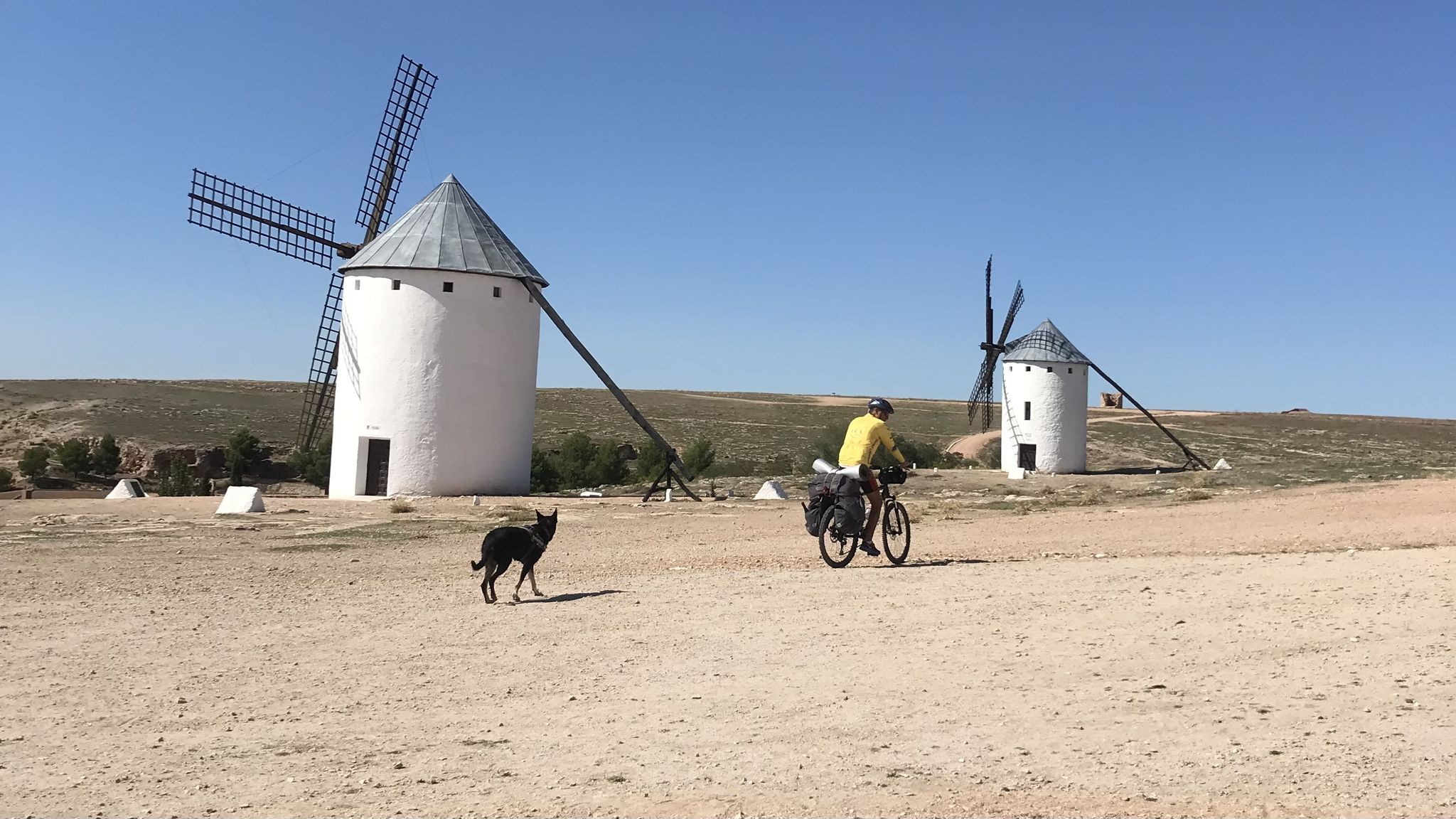
Don Quixote's route – The knight of the sorry face
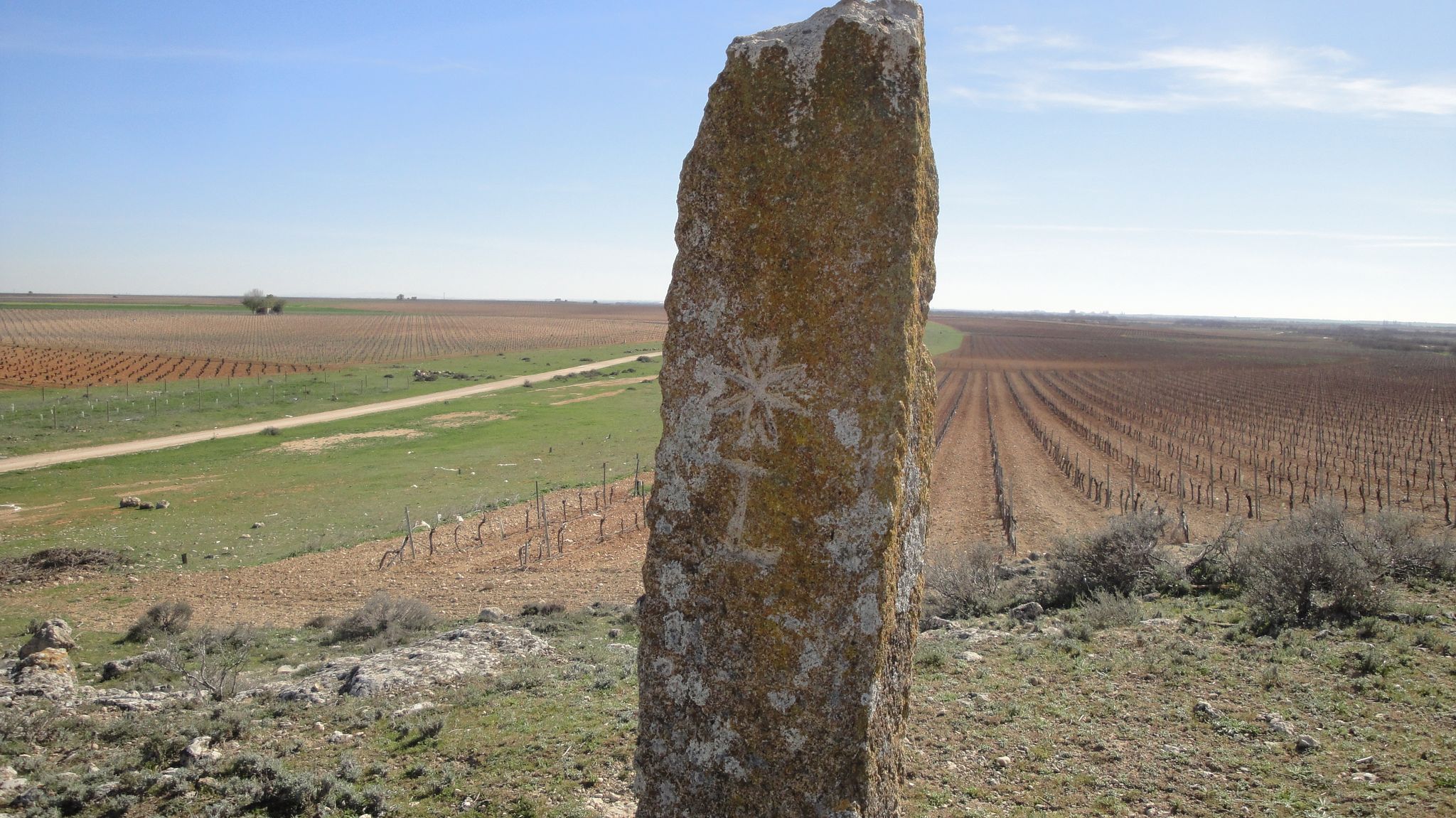
The Reconquest of La Mancha on Foot - Camino Natural del río Riánsares
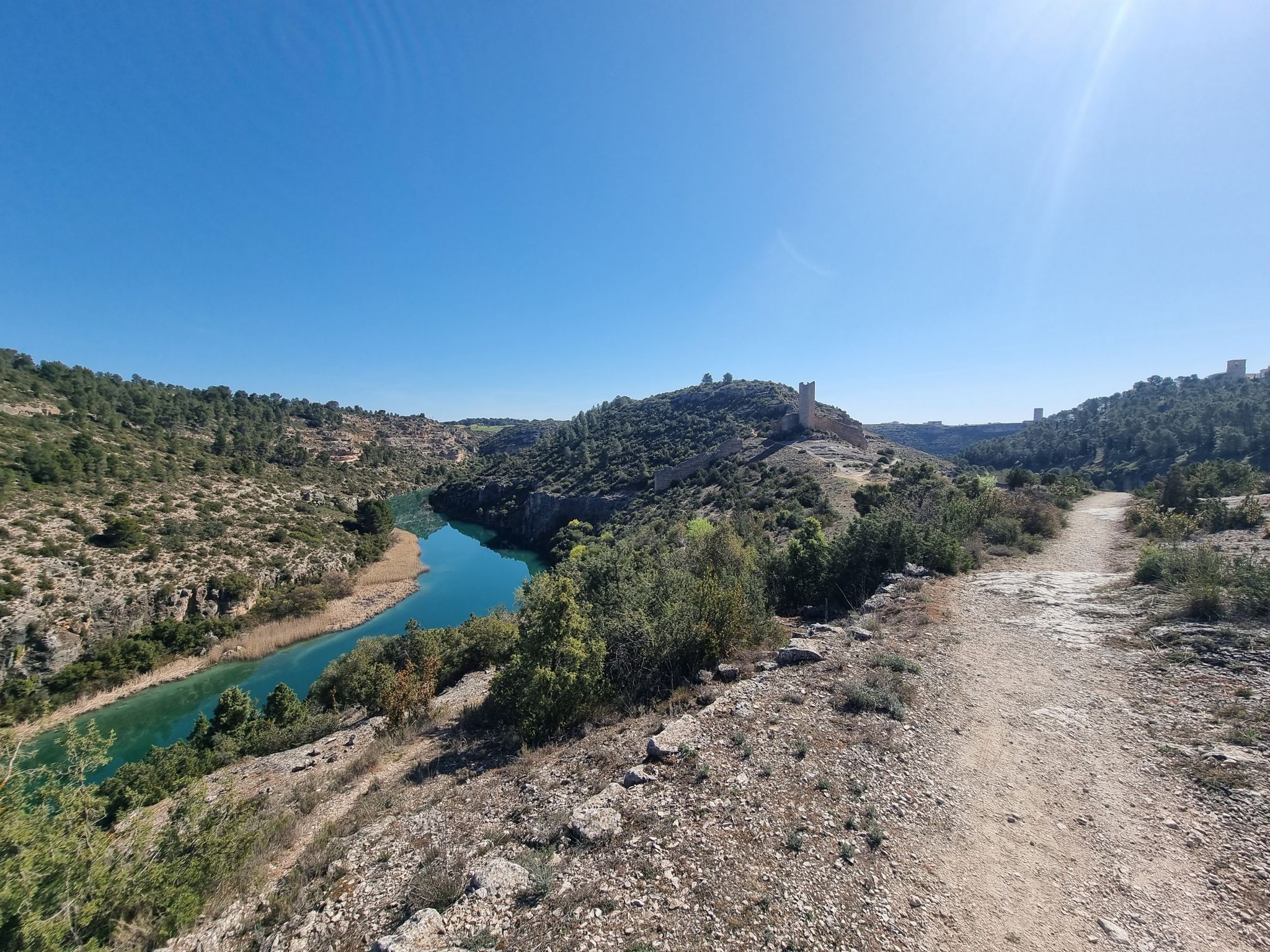
A gravel bike adventure between Madrid and Valencia
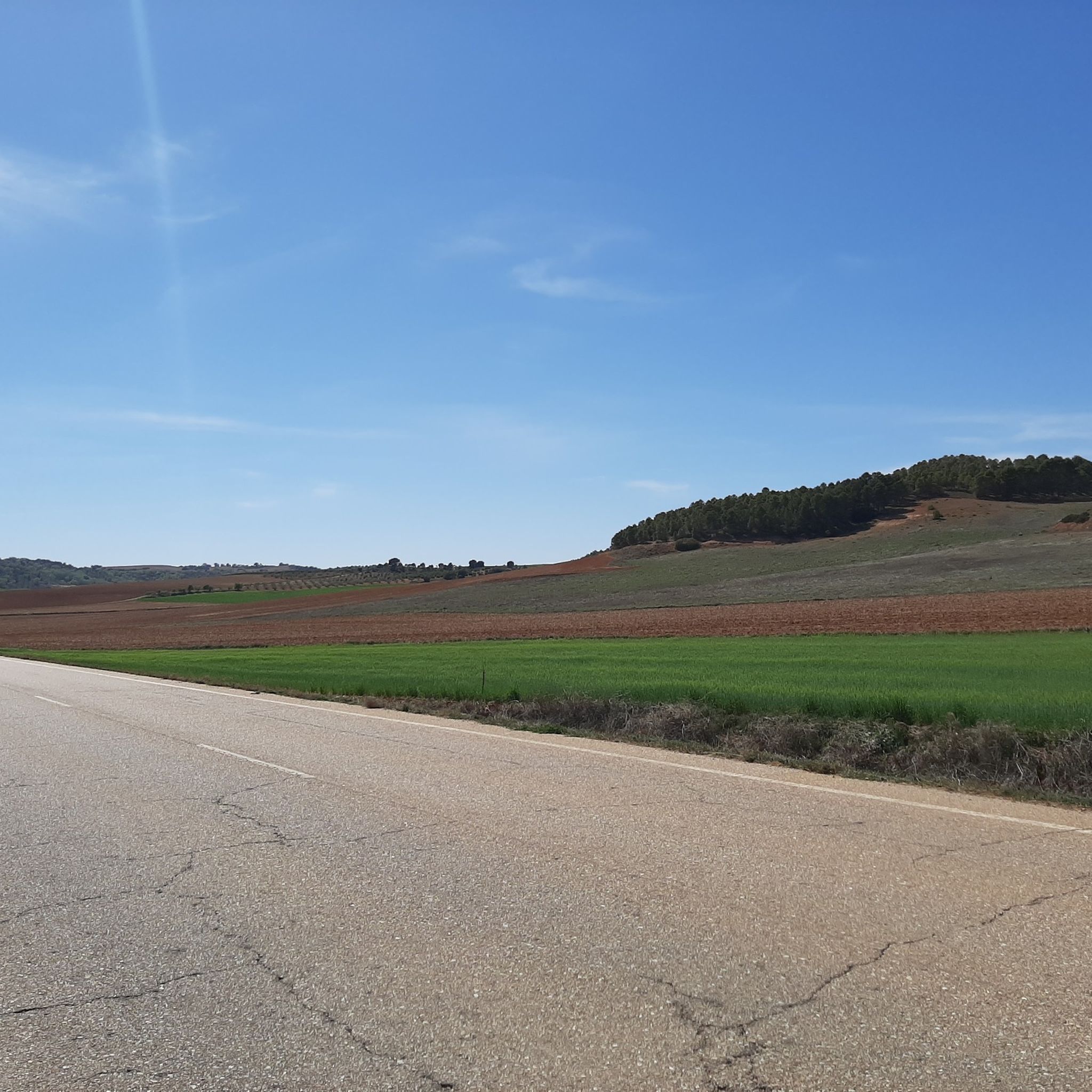
Road Cycling Routes around Mancha Alta
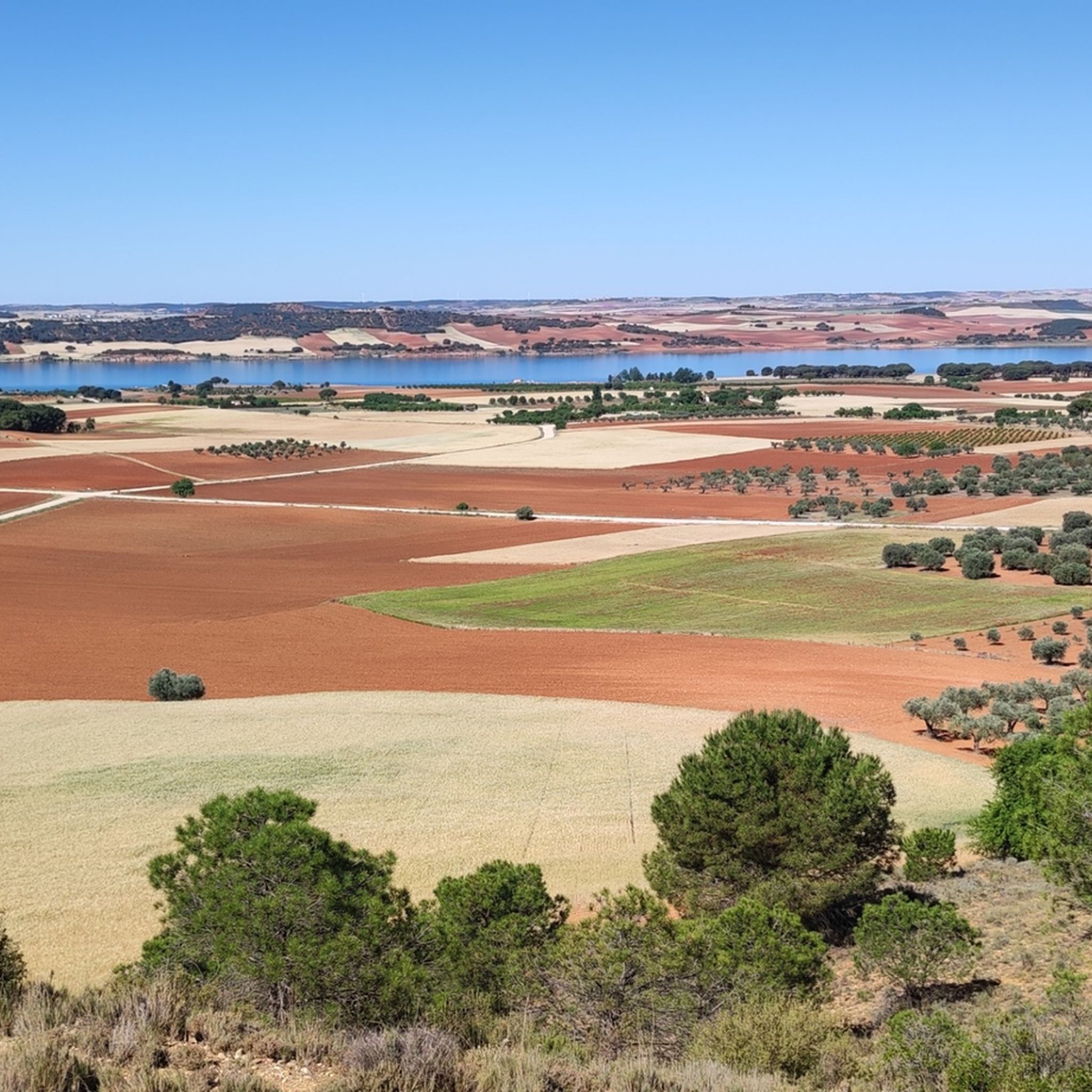
Hiking around Mancha Alta
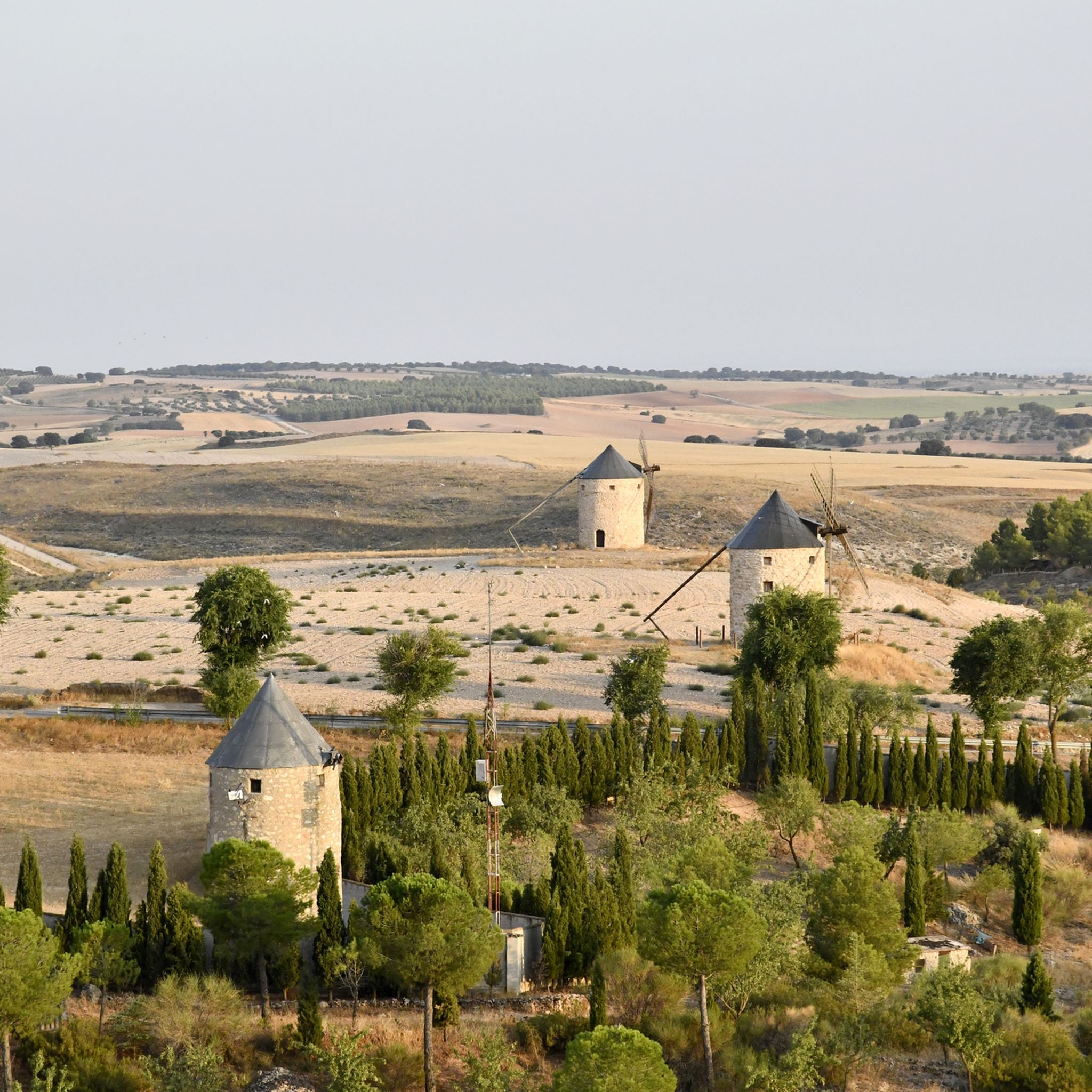
MTB Trails around Mancha Alta
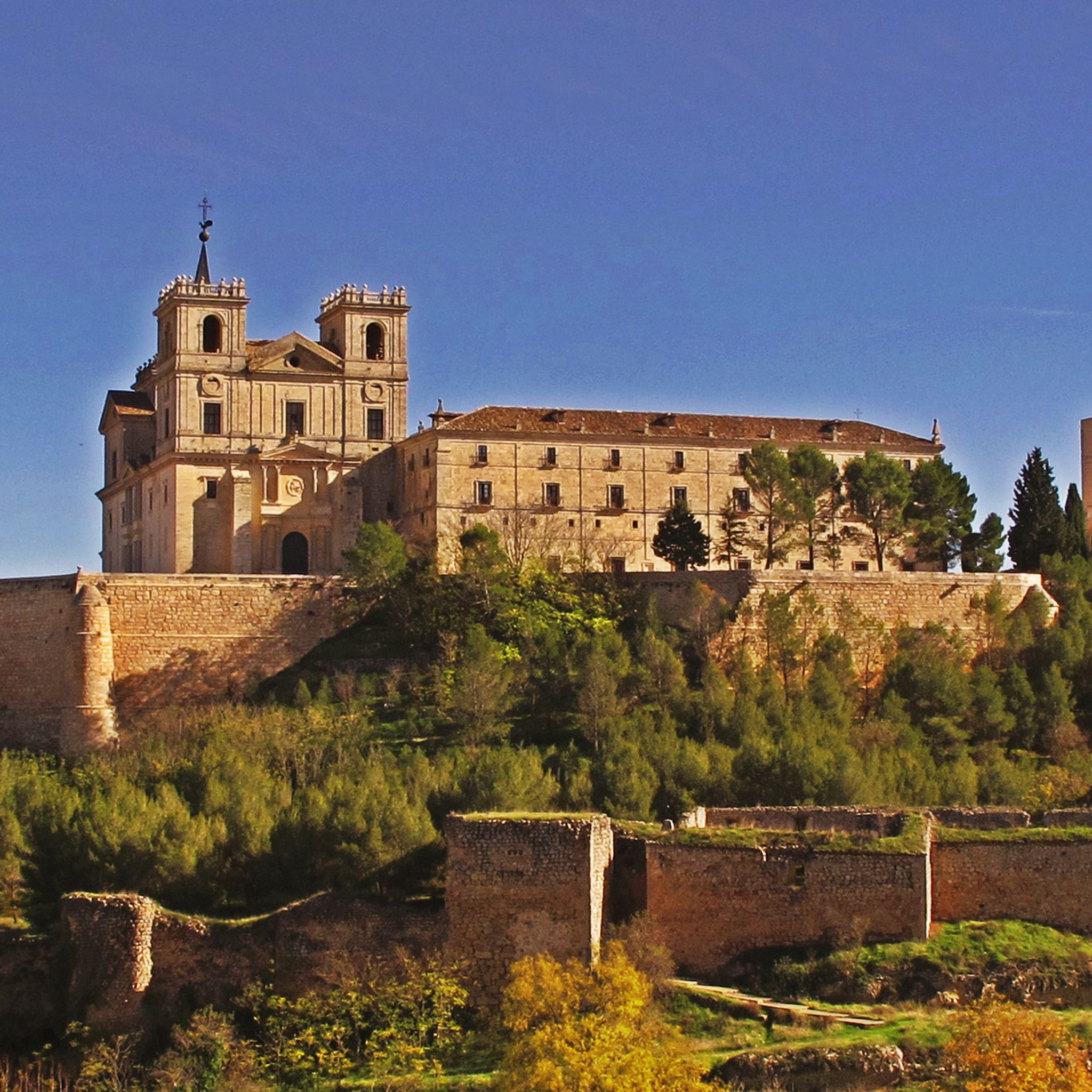
Cycling around Mancha Alta
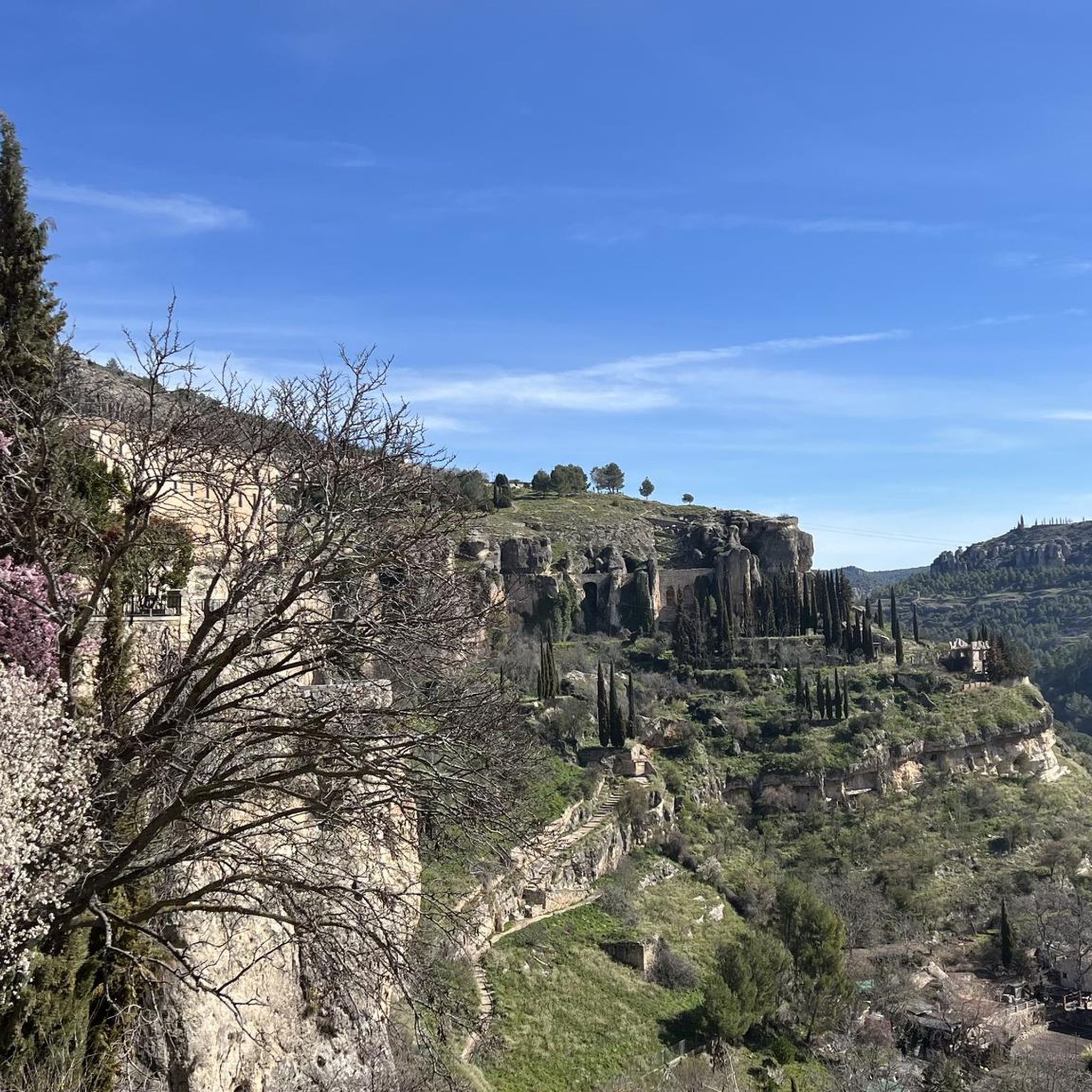
Running Trails around Mancha Alta

Gravel biking around Mancha Alta
Other adventures around Mancha Alta


Tips from the Community

It is worth making a stop to contemplate this beautiful landscape formed by the Cigüela River.
0
0

You have to climb up to the antenna of the hermitage of the Virgin of Mercy, along the road on the side of the hermitage, it is a tough 400 meters but it is worth it.
0
0

The Monastery welcomes you at the top of the village with a stunning view from the road leading to Uclés. After a long bike ride, it is a good reward.
0
0

The Segóbriga Archaeological Park is a fascinating historical site located in Saelices, in the province of Cuenca, Spain. This park allows visitors to explore the ruins of the ancient Roman city of Segóbriga, which was an important urban center in the region during the 2nd century BC and beyond. Among the most notable archaeological remains are an amphitheater, a theater, thermal baths, aqueducts, homes and other public and private buildings that offer a detailed insight into daily life in Roman times. In addition, the park has an Interpretation Center that provides additional information and historical contexts to enrich the visit. 🌄🚶♀️😎🚴🚵
12
0
The Amphitheatre of the Segóbriga Archaeological Park is one of the most impressive buildings on the site. Built between the 1st and 2nd centuries AD, this amphitheatre could seat around 5,500 spectators. It was the largest building in the city and was used for gladiator shows, animal fights and other public events. The amphitheatre has an irregular elliptical shape, with a length of 75 metres and an arena measuring 40 x 34 metres. Despite having been looted over the centuries, its good preservation is partly due to the fact that it was used as a granary and corral for animals.
23
0
The Casa de Silvano is one of the outstanding structures in the Segóbriga Archaeological Park, located in Saelices, Cuenca. This house, dating back to the 3rd century, is best known for its mosaic. The park itself is a historical and cultural site that allows visitors to explore the ancient Roman city of Segóbriga, founded in the 2nd century BC and once an important urban center in the region. The park features a wide range of archaeological ruins, including an amphitheater, a theater, thermal baths, aqueducts, and several dwellings, including the Casa de Silvano. Visitors can tour these spaces and learn about the daily life of the inhabitants of Segóbriga through information panels and guided tours.
21
0
The Segóbriga Archaeological Park is a fascinating historical site located in Saelices, in the province of Cuenca, Spain. This park allows visitors to explore the ruins of the ancient Roman city of Segóbriga, which was an important urban center in the region during the 2nd century BC and beyond. Among the most notable archaeological remains are an amphitheater, a theater, thermal baths, aqueducts, homes, and other public and private buildings that offer a detailed insight into daily life in Roman times. In addition, the park has an Interpretation Center that provides additional information and historical contexts to enrich the visit. 🌄🚶♀️😎 🐶 DOGFRIENDLY-SE ADMITENTE DOGS
23
0

It is a route that can be done perfectly on a mountain bike or on foot, as it does not entail any danger. In my case I found lush vegetation that sometimes hid the path, but otherwise it is highly recommended.
14
0
Frequently Asked Questions
What historical sites can I explore in Mancha Alta?
Mancha Alta is rich in history. You can visit the fascinating Segóbriga Archaeological Park, an ancient Roman city with an amphitheater, theater, and thermal baths. Another significant site is the Monastery of Uclés and Castle, a historic seat of the Order of Santiago. The Roman Site of Valeria also preserves impressive vestiges of ancient life. Additionally, the town of Huete offers a vast historical heritage, including the Castillo de Luna.
Are there any iconic landmarks related to Don Quixote in the region?
Yes, the iconic Windmills of Campo de Criptana are strongly associated with Don Quixote's adventures and are a must-see. Some of these mills still preserve their original 16th-century mechanisms, and several house museums. They also offer panoramic views of the La Mancha plains.
What natural attractions are there for nature lovers?
Nature enthusiasts will enjoy the Hoz del Cigüela, a beautiful gorge along the Cigüela River with large walls. The Laguna de El Hito, a Natural Reserve, is a vital ecological site and a refuge for migratory birds. Further afield, the Lagunas de Ruidera Natural Park offers 16 interconnected lakes, ideal for activities like kayaking, swimming, and hiking.
What kind of outdoor activities can I do near the attractions in Mancha Alta?
Mancha Alta offers various outdoor activities. You can enjoy gravel biking on routes like the 'Tarancón – Churrería-Cafetería La Fuente loop' or 'Campos del Paraíso Reservoir – Carrascosa del Campo loop'. For running, trails such as 'La Atalaya – running circular by Mora Encantada' are popular. Road cycling routes include 'From Taracón to Castillo de Fuentidueña de Tajo'. You can find more details and routes in the dedicated guides for Gravel biking around Mancha Alta, Running Trails around Mancha Alta, and Road Cycling Routes around Mancha Alta.
Are there family-friendly attractions in Mancha Alta?
Yes, several attractions are suitable for families. The Segóbriga Archaeological Park is listed as family-friendly and offers an educational experience. The town of Huete and the Arco de la Malena and Church of Nuestra Señora de la Asunción, Tarancón are also noted as family-friendly. Exploring the Windmills of Campo de Criptana can also be an engaging activity for all ages.
Where can I find the best viewpoints in Mancha Alta?
For stunning panoramic views, visit Views of the Castle of Puebla de Almenara, which offers a great perspective of a medieval fortification in ruins. Another excellent spot is Views of Verdelpino de Huete. The Windmills of Campo de Criptana also provide expansive views of the La Mancha plains.
What is the best time to visit Mancha Alta for outdoor activities?
The region's climate suggests that spring and autumn are generally the best times for outdoor activities like hiking and cycling. Summers can be very hot, especially on the expansive plains, so it's advisable to avoid strenuous activities during the hottest parts of the day in July and August. Winters are milder but can be chilly.
Can I visit the attractions with my dog?
Yes, the Segóbriga Archaeological Park is dog-friendly, allowing you to explore the ancient Roman ruins with your canine companion. Always check specific regulations for other sites or natural reserves before visiting with pets.
Are there any charming villages or castles to visit?
Beyond the major historical sites, the Sierra and Mancha Alta of Cuenca are dotted with picturesque villages featuring traditional architecture and cobblestone streets. You can also explore medieval castles such as the Monastery of Uclés and Castle, Castillo de Garcimuñoz, and Luján Castle. The castles of Alarcón and Belmonte are also notable in the broader region.
What kind of terrain can I expect on hiking trails in Mancha Alta?
The region offers diverse landscapes. You'll find extensive plains, green valleys, and some mountainous areas. Trails can range from relatively flat paths suitable for walking or mountain biking, such as those along the Hoz del Cigüela, to more challenging routes with steep slopes, like the climb to the Views of the Castle of Puebla de Almenara.
Most popular routes around Mancha Alta
Most popular attractions around Mancha Alta

Get inspired with the komoot mobile app


Didn’t find what you were looking for?
Are you keen on exploring more awesome places nearby? Browse our guides:
Explore more
Still not found the Highlight you’re looking for? See guides of the top attractions in other regions:
