The best walks and hikes around Serrania Baja
4.3
(210)
1,364
hikers
40
hikes
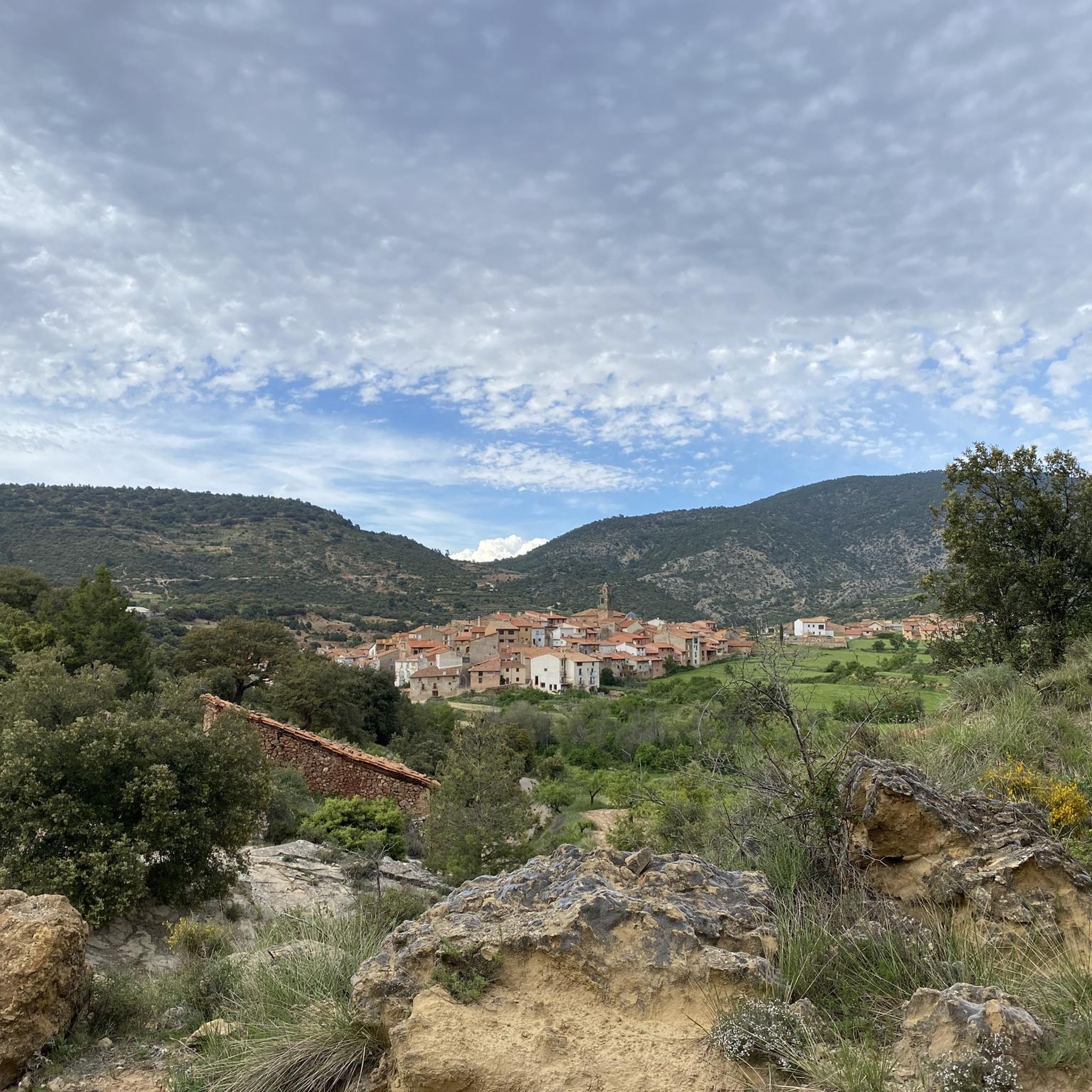
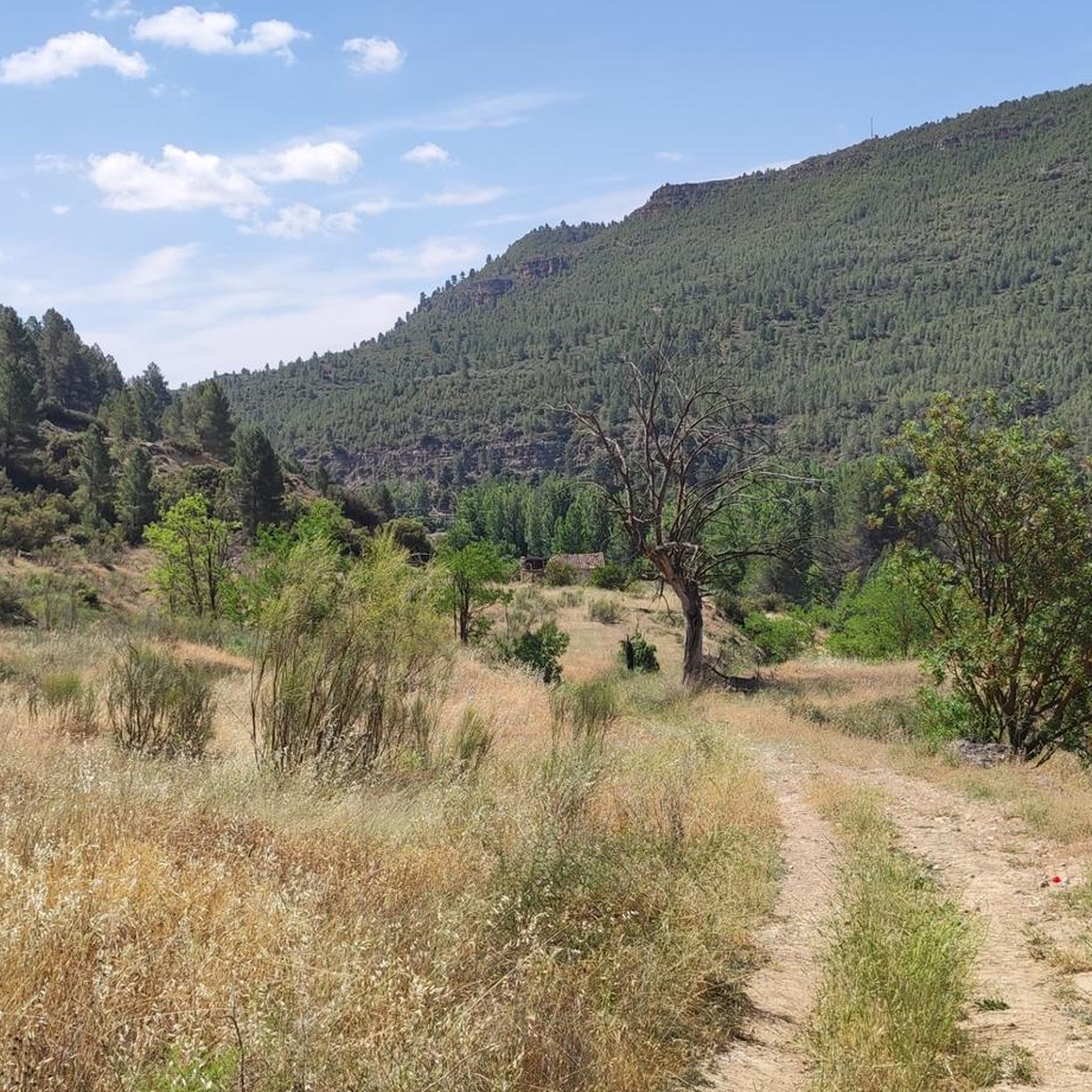
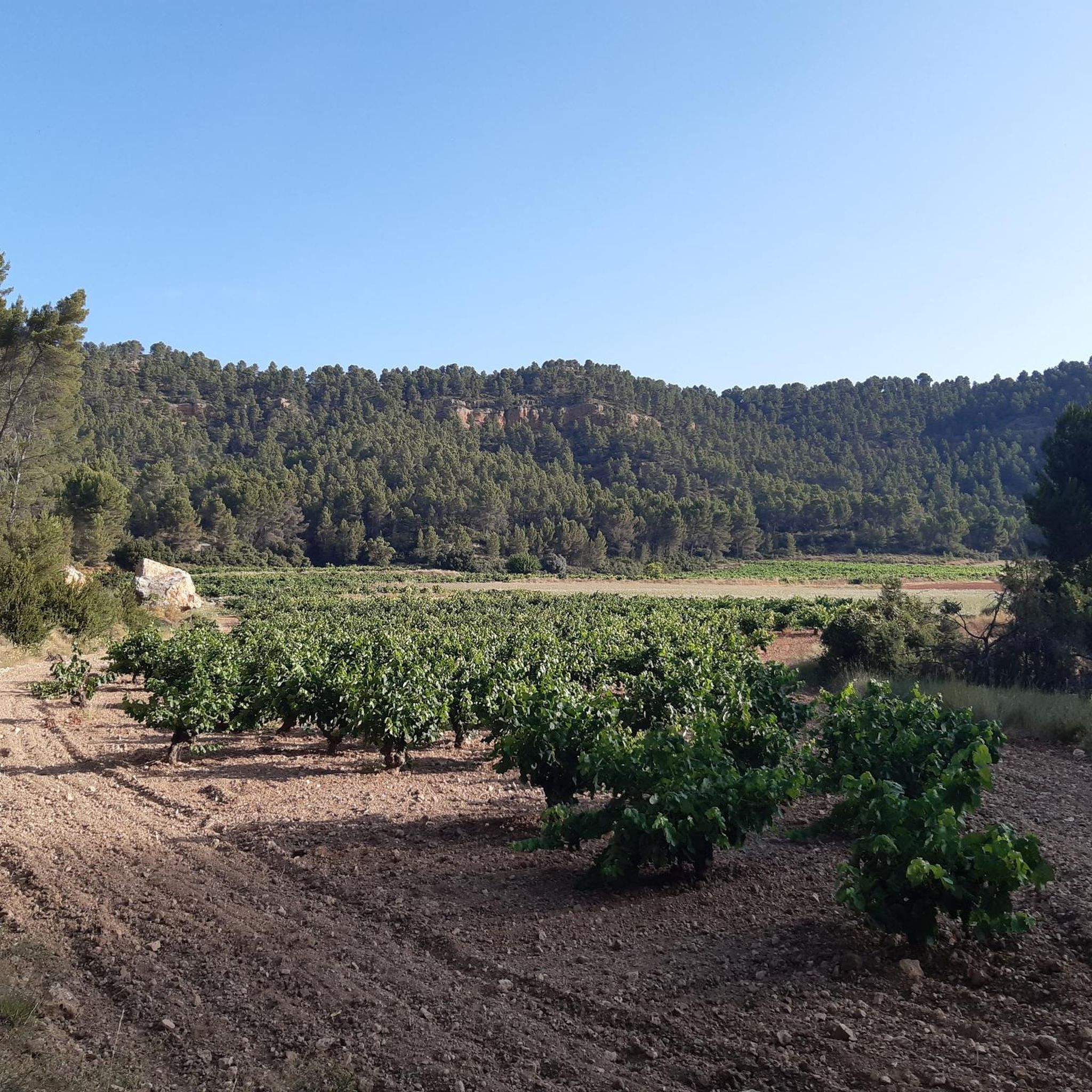
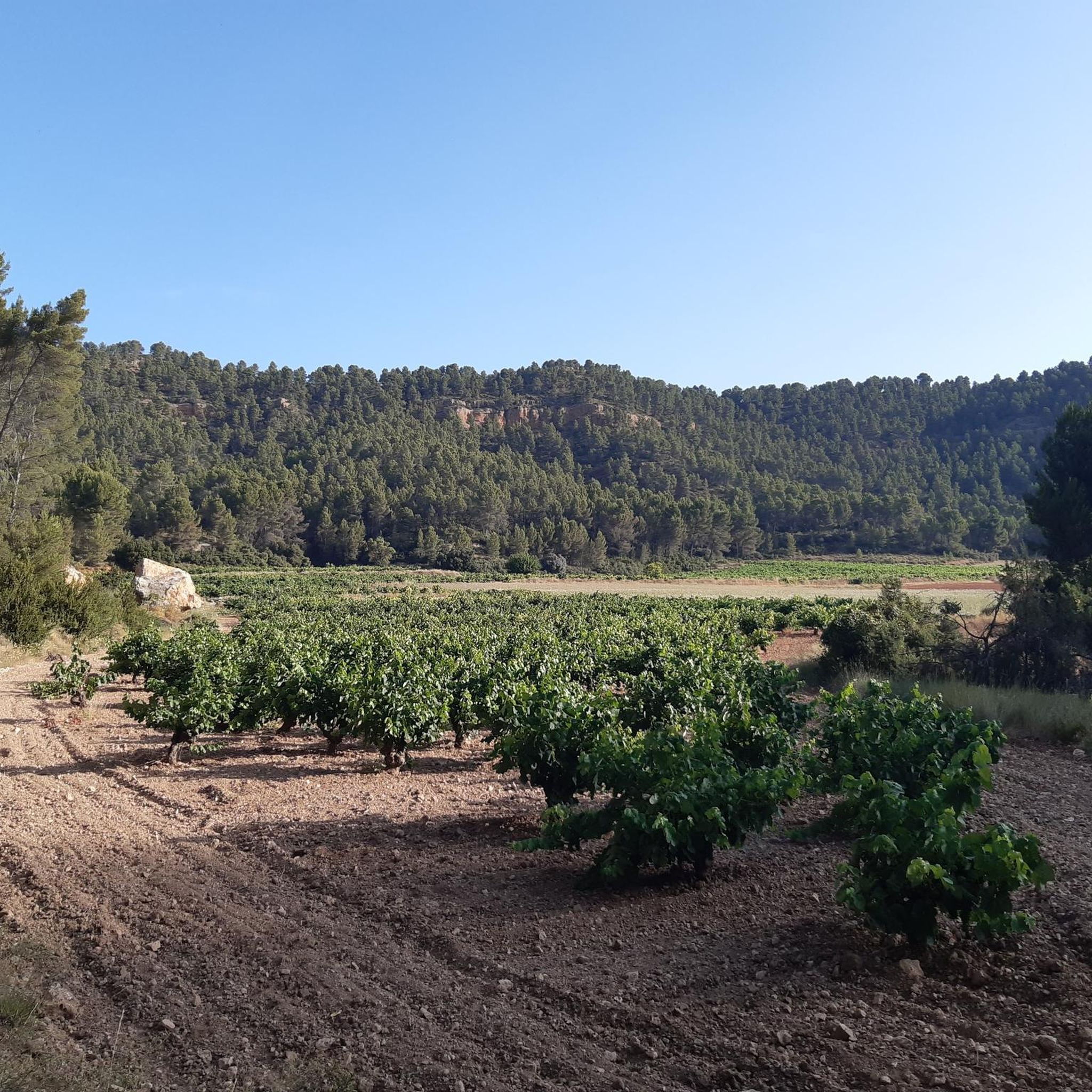
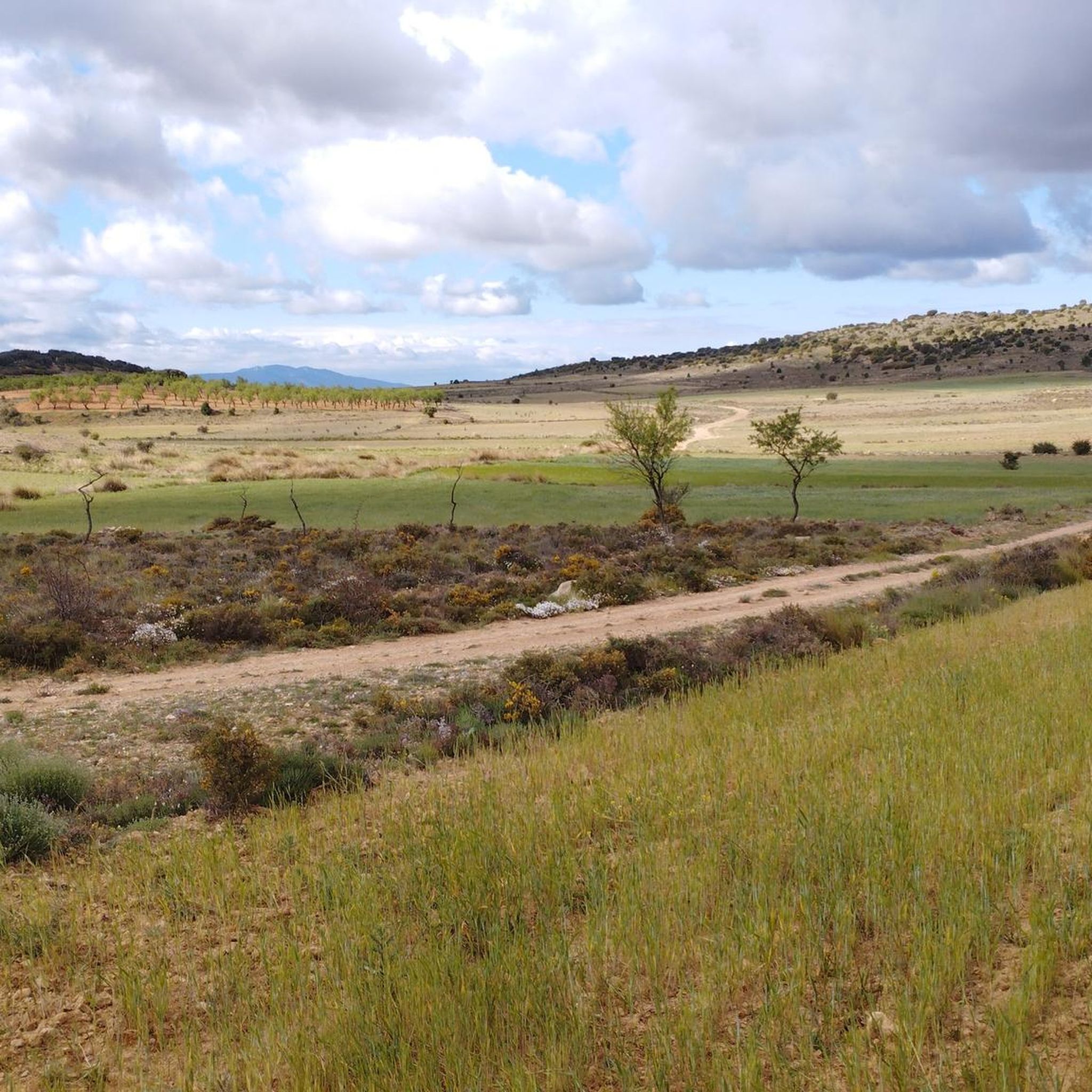
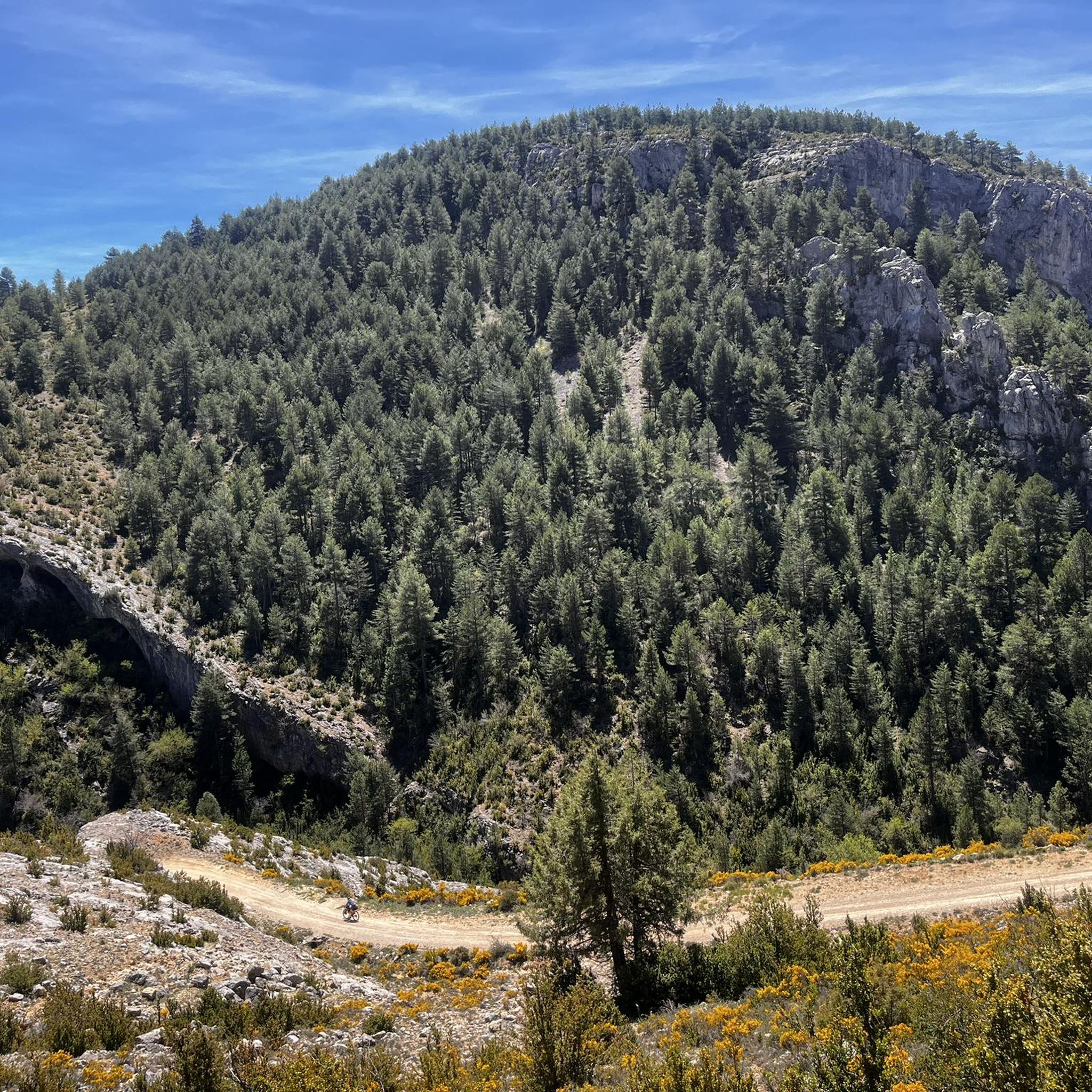
Hiking around Serrania Baja offers diverse natural landscapes characterized by unique geological formations and abundant water features. The region features fascinating karst topography, sculpted by water and wind, resulting in distinct rock formations and sinkholes. Important rivers like the Júcar and Escabas carve spectacular gorges and create lush environments, while extensive forests of Scots pine, Black pine, and oak cover much of the area. This varied terrain provides a range of hiking experiences.
Best hiking trails in Serrania Baja
- The…
Last updated: October 10, 2026
2.0
(2)
3
hikers
7.00km
01:56
120m
120m
Easy hike. Great for any fitness level. Easily-accessible paths. Suitable for all skill levels.
4.0
(2)
4
hikers
16.6km
04:46
390m
390m
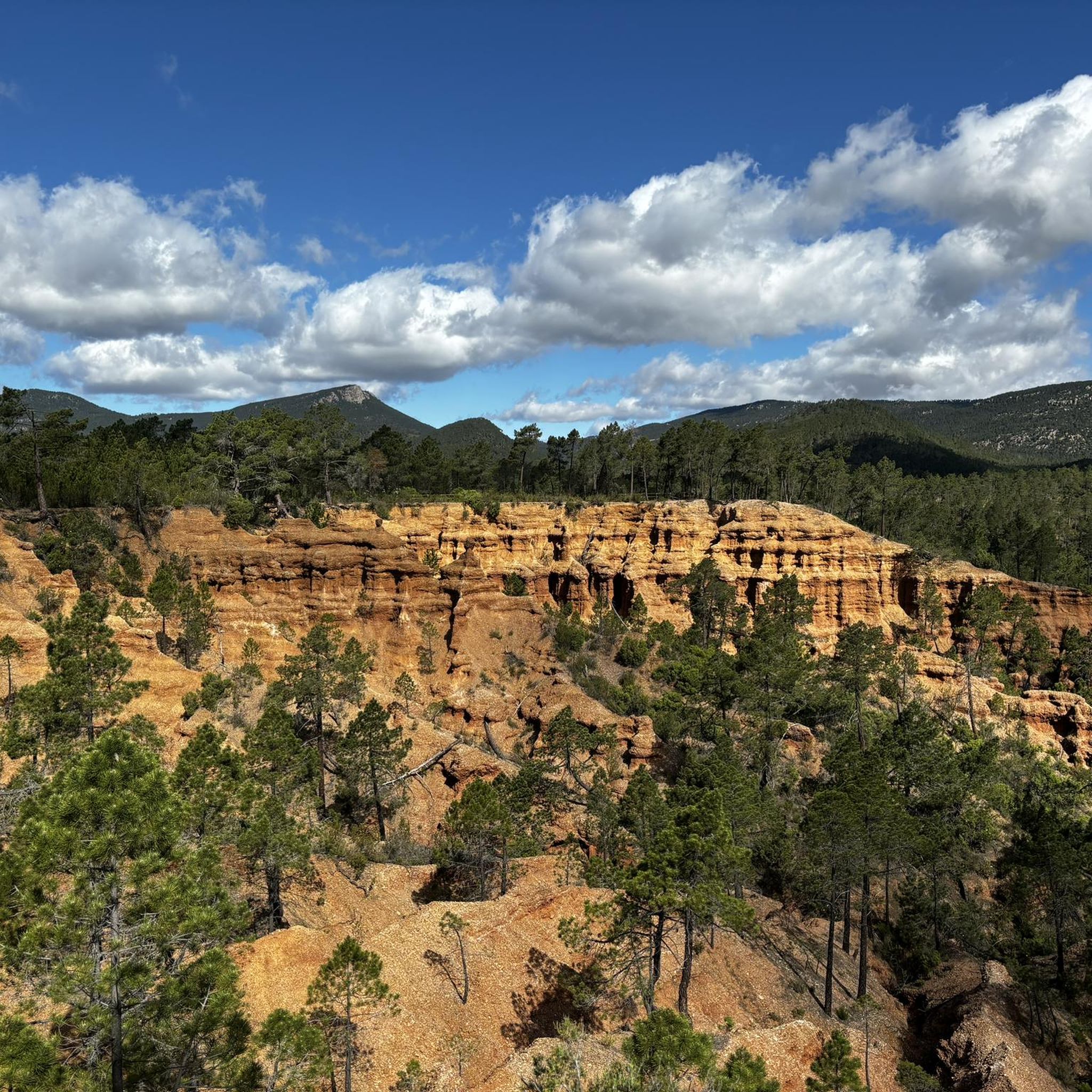
This moderate 10.3-mile (16.6 km) circular hike through El Rodenal de Boniches features unique red sandstone formations and waterfalls.

5.0
(1)
5
hikers
14.3km
04:02
300m
300m
Hike the moderate 8.9-mile Sendero del Agua (PR-CU 11) from Santa Cruz de Moya, exploring water features and Turia River views.
5.10km
01:23
70m
70m
Hike an easy 3.2-mile (5.1 km) circular route around the colorful karstic lagoons of Cañada del Hoyo, including Laguna del Tejo and La Gitan
4.7
(3)
5
hikers
11.9km
03:35
370m
370m
Hike the moderate La Sierra Trail, a 7.4-mile (11.9 km) circular route near Talayuelas with viewpoints like Mirador del Pulpitejo.
3.0
(2)
5
hikers
6.23km
01:41
80m
80m
Hike the easy 3.9-mile Riverbed of the Ojos de Moya – circular from Garabella (PR-CU 110) trail, following the tranquil river.
5.0
(1)
3
hikers
Moderate hike. Good fitness required. Easily-accessible paths. Suitable for all skill levels.
2
hikers
11.1km
03:05
190m
190m
Moderate hike. Good fitness required. Easily-accessible paths. Suitable for all skill levels.
3.59km
01:03
100m
100m
Explore the Old villa of Moya, an easy 2.2-mile (3.6 km) circular hike from El Arrabal through ancient ruins and historical sites.
27.3km
07:57
700m
700m
Hike the difficult 17.0-mile Aldeas de Higueruela circular route from Santa Cruz de Moya, featuring pine forests and views.
Get access to more routes and recommendations from other explorers.
Already have an account?
Our route recommendations are based on thousands of hikes, rides, and runs completed by other people on komoot.
Start today with a free account
Your next adventure awaits.
Other adventures around Serrania Baja


Tips from the Community

The El Vallecillo area in Santa Cruz de Moya, in the province of Cuenca, is an impressive natural place known for its scenic beauty and peaceful surroundings. This area is located in the Serranía Baja de Cuenca and is famous for its waterfalls, rivers and recreational areas.
2
0
16th century Trinitarian Monastery transformed into a charming hotel that offers all the comforts.
6
0

Castle of Cañada del Hoyo that was a watchtower of Muslim origin. Free access.
2
0
The most impressive lagoon of this lagoon complex, it is recommended to do the whole tour. The name comes from a legend of the two gypsy families who lived in bad relations, but two young people (a boy and a girl) from the families fell in love; After one of the families fled to prevent the couple from meeting, the gypsy woman drowned in the lagoon.
2
0

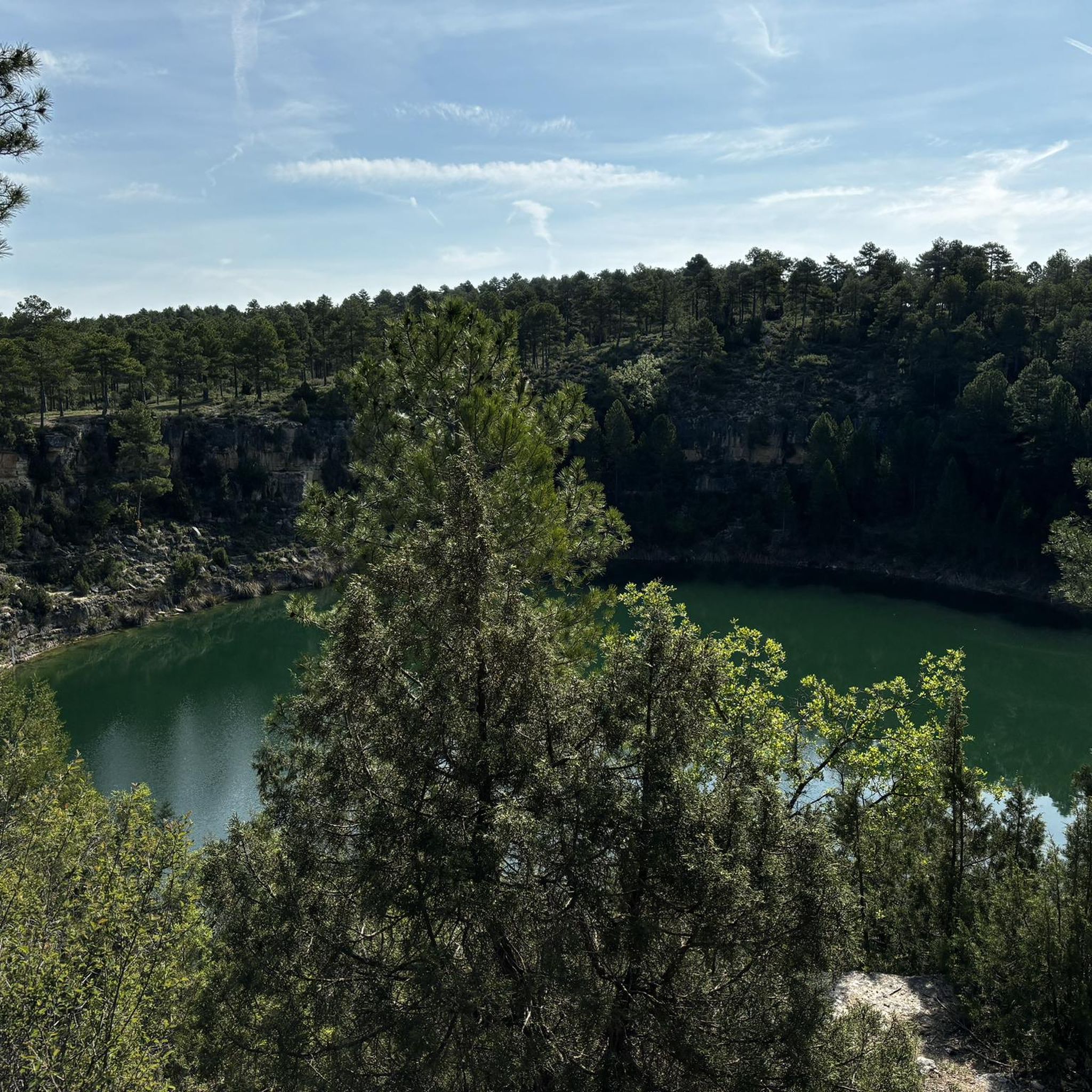
The set of the lagoons of Cañada del Hoyo is an itinerary that runs through a beautiful landscape with several lagoons to visit. The Tejo lagoon next to the Gitana lagoon are the closest to the car park and you can visit them in a short distance of a couple of kilometres.
0
1
As it passes through the province of Cuenca, the Cabriel River offers several natural waterfalls that are worth visiting. One of them is the one known as El Traqueiro, a waterfall less than 2 km from the town of Boniches, a very quiet and picturesque place that you can reach by an entertaining path bordering the river.
1
0
Built in the 16th century, the Monastery offers the possibility of staying and enjoying nature in this area of the Cuenca mountains. It works as a hotel and restaurant after its restoration a few years ago and you can tour the Sanctuary as well as its facilities and surroundings. You can check the official website for more information: https://www.monasteriodetejeda.com/?gclid=CjwKCAiAzp6eBhByEiwA_gGq5N8px4EoGZ8CPnW41RP0gl7obKNdmJGpfqEhCZ9HiQ6GXuS0fSQQORoC1e4QAvD_BwE
2
0
Its name is due to the fact that it is located on the homonymous hill, it was originally conceived as a defensive watchtower. After Alfonso VIII's conquest of the territory of Cuenca, the watchtower was enlarged to become the castle that can be seen today.
2
0
Frequently Asked Questions
What kind of hiking trails can I find in Serrania Baja?
Serrania Baja offers a diverse range of hiking experiences, from easy riverside paths to more challenging routes through varied terrain. You'll encounter dramatic karst landscapes, lush river valleys, and extensive forests of Scots pine, Black pine, and oak. The region is known for its unique geological formations, including fascinating rock formations and sinkholes, as well as spectacular gorges carved by rivers like the Júcar and Escabas.
How many hiking trails are available in Serrania Baja?
There are over 25 hiking trails documented in Serrania Baja, catering to various skill levels. This includes 12 easy routes, 13 moderate routes, and 1 more challenging trail, ensuring options for every hiker.
Are there any family-friendly hiking options in Serrania Baja?
Yes, Serrania Baja has several easy trails suitable for families. A great option is the Lagunas de Cañada del Hoyo – circular by laguna del Tejo, la Parra and la Gitana, which is just over 3 miles (5 km) long and explores beautiful lake environments. The area around Laguna de Uña is also ideal for families, offering picturesque paths.
Can I find hikes that feature waterfalls or significant water features?
Absolutely. Water is a defining element of Serrania Baja. The Sendero del Agua – circular from Santa Cruz de Moya via La Olmeda and the Turia river (PR-CU 11) follows the scenic Turia river. You can also explore the Natural Monument of Las Chorreras, known for its beautiful waterfalls, or visit the Nacimiento del Río Cuervo, where water flows over moss-covered stalactites, creating stunning cascades that can even freeze in winter.
What are some notable natural landmarks or viewpoints to see while hiking?
Serrania Baja is rich in natural landmarks. The region is famous for its karst landscapes, including the Ciudad Encantada and Los Callejones de Las Majadas, which feature unique rock formations resembling figures. For breathtaking panoramic views, consider visiting the Ventano del Diablo (Devil's Window) overlooking the Júcar canyon, or the Mirador del Tío Cogote. The Mirador del Pulpitejo – circular from Talayuelas via the Sierra Trail also offers impressive vistas.
Are there any circular hiking routes in Serrania Baja?
Yes, many of the trails in Serrania Baja are circular, offering convenient starting and ending points. Examples include the popular Sendero del Agua – circular from Santa Cruz de Moya, the River walk of the Vencherque River - circular from Villar del Humo, and the Riverbed of the Ojos de Moya – circular from Garabella.
What is the best time of year to go hiking in Serrania Baja?
The Serranía de Cuenca region, including Serrania Baja, is beautiful year-round. Spring and autumn offer pleasant temperatures and vibrant colors, ideal for hiking. In winter, the Nacimiento del Río Cuervo's waterfalls can freeze, creating a stunning spectacle. Summers are generally warm, making riverside trails particularly appealing.
What do other hikers enjoy most about hiking in Serrania Baja?
The trails in Serrania Baja are highly rated by the komoot community, with an average score of 4.2 stars from over 80 reviews. Hikers often praise the dramatic karst landscapes, the tranquility of the lush river valleys, and the diverse forests. Many appreciate the variety of routes available for different ability levels.
Are there any historical sites or old towns I can visit near the hiking trails?
Yes, beyond the natural wonders, the area offers a glimpse into traditional ways of life. You can explore the Old Town of Moya, a historical site that provides cultural context to the region. The Old villa of Moya – circular from El Arrabal is a short, easy hike that takes you through this historic area.
Are there any challenging hikes for experienced trekkers?
While many routes are easy to moderate, Serrania Baja does offer more challenging options. For experienced trekkers, the Aldeas de Higueruela – circular from Santa Cruz de Moya (PR-CU 13) is a difficult trail spanning over 17 miles (27 km) with significant elevation gain, providing a demanding and rewarding experience.
Can I expect to see wildlife or diverse flora during my hike?
Serrania Baja boasts one of the best forest masses in the center of the Iberian Peninsula, featuring mixed woodlands of Scots pine, Black pine, oak, and ancient juniper. These forests are home to a variety of wildlife, including deer, wild boars, and mouflons. It's also a habitat for vultures and other raptors, making it a great spot for nature observation.
Are there any trails that explore the unique geological formations of the region?
Yes, the region is famous for its karst topography. While not a specific route in our guide, areas like Ciudad Encantada and Los Callejones de Las Majadas are prime examples of these unique rock formations. Many trails, such as El Rodenal de Boniches - circular by El Traqueiro and Pozo de las Mulas (PR-CU 66), will take you through forested areas where you can observe these natural wonders.
Most popular routes around Serrania Baja
Most popular attractions around Serrania Baja

Get inspired with the komoot mobile app


Didn’t find what you were looking for?
Check out more Hikes throughout Serrania Baja below and find the perfect route in your destination.
Explore more
Browse the best Hikes in other regions.
