The best road cycling routes around Etang De Lachaussée
4.3
(41)
610
riders
36
rides
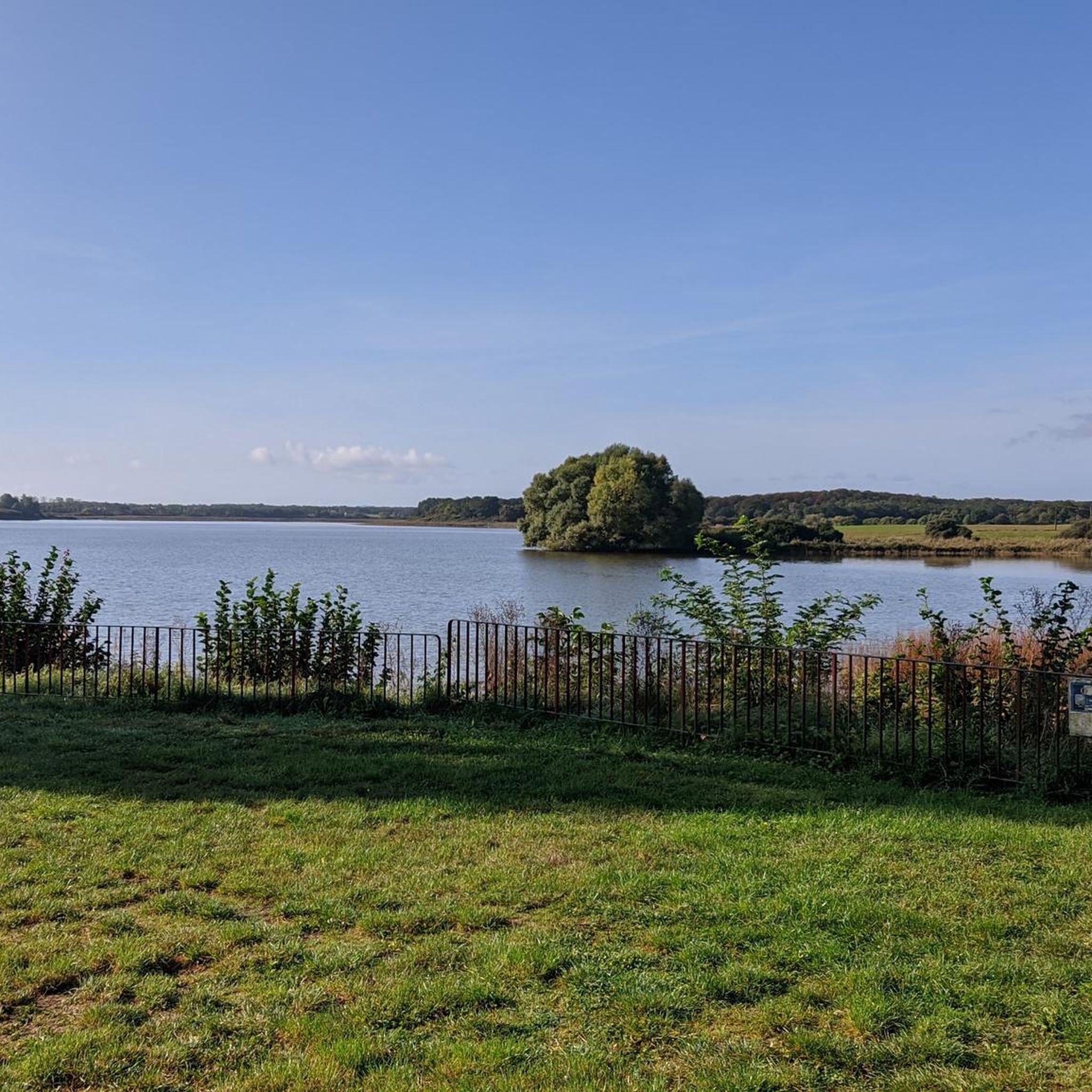
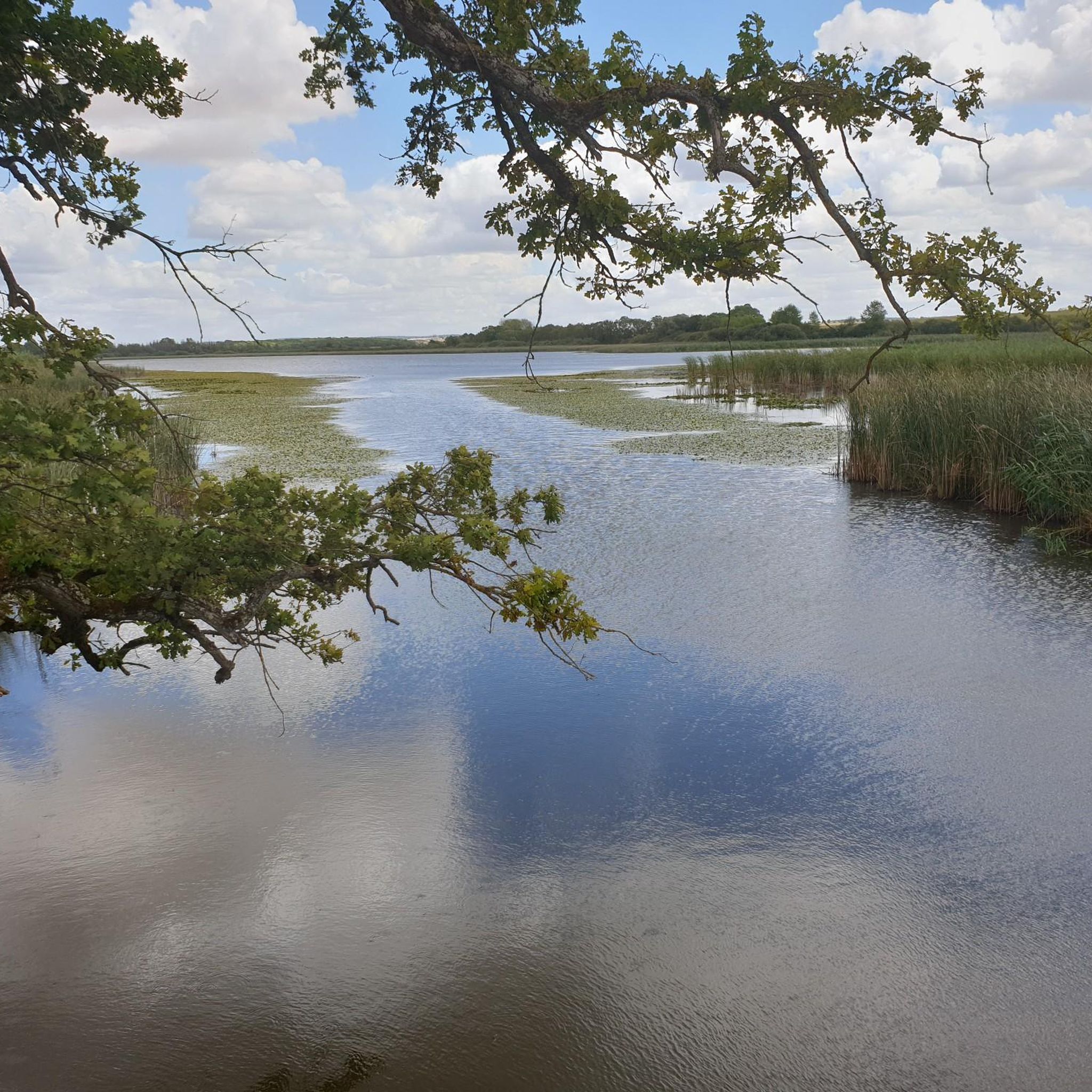
Road cycling routes around Etang De Lachaussée are characterized by a unique blend of water, forest, and open meadows within the Lorraine Regional Natural Park. The centerpiece is the 300-hectare Etang de Lachaussée, a large fish-farming pond surrounded by extensive wetlands and reed beds. The terrain is generally flat with mostly paved surfaces, making it suitable for various skill levels. Cyclists can explore routes along the pond's dikes and through surrounding forests, experiencing minimal elevation changes.
Best road cycling routes…
Last updated: May 25, 2026
7
riders
59.3km
03:14
530m
530m
Moderate road ride. Good fitness required. Mostly well-paved surfaces and easy to ride.
4.0
(1)
4
riders
59.9km
03:28
470m
470m
Moderate road ride. Good fitness required. Mostly well-paved surfaces and easy to ride.

Sign up for free
4.6
(5)
34
riders
38.3km
01:33
220m
220m
Easy road ride. Great for any fitness level. Mostly well-paved surfaces and easy to ride.
4.7
(14)
27
riders
Moderate road ride. Good fitness required. Mostly well-paved surfaces and easy to ride.
4.0
(2)
16
riders
Moderate road ride. Good fitness required. Mostly well-paved surfaces and easy to ride.
Get access to more routes and recommendations from other explorers.
Sign up for free
Already have an account?
Our route recommendations are based on thousands of hikes, rides, and runs completed by other people on komoot.
Start today with a free account
Your next adventure awaits.
Login or Signup
Tips from the Community

It's wonderful to cycle with the racing bike
0
0

Founded around 708 by Count Wulfoalde, this Benedictine abbey became an important religious and cultural centre in Lorraine. The abbey was under the protection of Charlemagne and flourished under Abbot Smaragdus in the 9th century. Today, you can still visit the abbey church of Saint-Michel, home to the masterpiece La Pâmoison de la Vierge by Ligier Richier. The 18th-century monastery library houses thousands of ancient works and is one of the most beautiful in the region.
7
0
This former abbey church forms the historic heart of Saint-Mihiel. Originally built in the 9th century, it took on its current form during major renovations in the 17th and 18th centuries. Inside, you can admire a magnificent baroque organ (1679–1681), colourful stained glass windows and the masterpiece La Pâmoison de la Vierge by sculptor Ligier Richier. A place where art, history and spirituality come together.
5
0
Lac de Madine is an artificial lake of almost 10 km², created in the 1970s as a water reservoir for the city of Metz. It is located in the heart of the Lorraine Regional Nature Park and is part of the Natura 2000 network for its ecological value. The lake has two islands, 250 hectares of forest and 42 km of shoreline. In addition to its role in the drinking water supply, it is an important recreational area with two main sites: Nonsard-Lamarche and Heudicourt-sous-les-Côtes. Visitors will find marinas, beaches, cycle and walking routes, restaurants and nature reserves.
8
0
The current church of Montsec was built in 1929, replacing an older church dating from 1723 that was badly damaged during the First World War. The original church had been restored in 1900, but was completely destroyed during the fighting around the Saint-Mihiel salient. The new church is dedicated to Saint Lucy, patron saint of light, and is a symbol of reconstruction in a village that was almost completely destroyed between 1914 and 1918.
6
0
Saint-Mihiel is picturesquely situated on the Meuse, on the edge of the Lorraine Regional Nature Park. The town grew around a Benedictine abbey, founded in the 8th century, and flourished during the Renaissance. Visit the abbey with its impressive library, the Museum of Sacred Art, and the Saint-Michel church. Wander the charming streets, admire the sculptures of Ligier Richier, and taste local specialities such as the “croquets” and “rochers de Saint-Mihiel”. A town full of history, culture and character.
7
2

Next to the silhouette of the German soldier is the letter he wrote to his mother and sisters during the First World War. It offers insight into how soldiers lived and how their lives were organized during this troubled time.
2
0

Saint-Mihiel is one of those towns in the Meuse with a unique charm. You'll discover beautiful Renaissance facades there. Don't miss a detour to the Saint-Étienne church to see its superb Entombment, as well as the former Benedictine abbey, which reveals an impressive 18th-century library.
2
1
Frequently Asked Questions
What are the difficulty levels of road cycling routes around Etang De Lachaussée?
The Etang De Lachaussée area offers a range of road cycling routes suitable for various skill levels. You'll find 8 easy routes, 24 moderate routes, and 3 difficult routes. The terrain is generally flat with mostly paved surfaces, making it accessible for many cyclists.
Are there circular road cycling routes available around Etang De Lachaussée?
Yes, many of the road cycling routes around Etang De Lachaussée are circular, allowing you to start and finish at the same point. For example, the Lac de Madine loop from Saint-Julien-lès-Gorze is a popular circular option covering 36.3 miles (58.5 km).
What is the typical length of road cycling routes in the Etang De Lachaussée area?
Route lengths vary, offering options for different preferences. You can find shorter rides, such as the Lac de Madine – Saint Lucy's Church loop from Vigneulles-lès-Hattonchâtel at 23.8 miles (38.3 km), or longer excursions like the View of Verdun – Monthairons Castle loop from Vigneulles-lès-Hattonchâtel, which is 60.8 miles (97.9 km).
What kind of landscapes can I expect to see while road cycling around Etang De Lachaussée?
The region is characterized by a unique blend of water, forest, and open meadows. You'll cycle along the dikes of the 300-hectare Etang de Lachaussée, through extensive wetlands with reed beds, and past rich forests and damp meadows. The area is a designated Regional Natural Reserve, offering diverse aquatic and terrestrial flora and fauna.
Are there any specific points of interest or landmarks along the road cycling routes?
While cycling, you can pass by significant natural features and historical sites. The routes often provide views of the large Etang de Lachaussée itself. You might also encounter the ancient 'Old Oak' tree along discovery trails, or pass by historical points of interest like those on the Lac de Madine – Saint Lucy's Church loop. The Domaine du Vieux Moulin is also a notable spot near the pond.
Can I spot wildlife while road cycling in the Etang De Lachaussée area?
Absolutely. The Etang De Lachaussée is a significant site for nature observation, especially for birdwatching. The wetlands attract numerous water birds, including rare species like the Little Bittern, Purple Heron, and Eurasian Bittern. In autumn, hundreds of common cranes use the pond as a migratory stopover. Cycling through these natural areas offers excellent opportunities for wildlife spotting.
Are there family-friendly road cycling options around Etang De Lachaussée?
Yes, the generally flat terrain and mostly paved surfaces make many routes suitable for families. The area is known for 'easy bike rides' with minimal elevation changes, providing a peaceful and immersive experience for cyclists of all ages. Look for routes designated as 'easy' for the most family-friendly options.
What do other road cyclists enjoy the most about road cycling in Etang De Lachaussée?
The area is highly rated by the komoot community, with an average score of 4.5 stars from over 40 reviews. Cyclists often praise the tranquil environment, the scenic beauty of the lake and surrounding wetlands, and the well-maintained, mostly paved surfaces that make for enjoyable rides. The diverse landscapes of water, forest, and open meadows are frequently highlighted.
Is parking available for road cyclists near Etang De Lachaussée trailheads?
While specific parking areas are not always explicitly listed for every trailhead, starting points like the Domaine du Vieux Moulin, which is a hub for activities around the pond, typically offer parking facilities. Additionally, the presence of bicycle racks at some bird observatories indicates consideration for cyclists in the area.
Are there any cafes or places to get refreshments along the road cycling routes?
The Domaine du Vieux Moulin, located near the Etang de Lachaussée, offers local products and catering, making it a convenient stop for refreshments. While specific cafes directly on every route might be limited, planning your ride to pass through or near villages and key attractions will provide opportunities for breaks.
How many road cycling routes are available in the Etang De Lachaussée region?
There are over 35 road cycling routes available for exploration in the Etang De Lachaussée region. This includes a variety of options ranging from easy to difficult, ensuring there's a suitable ride for every cyclist.
Most popular routes around Etang De Lachaussée

Get inspired with the komoot mobile app


Explore more
Browse the best Road cycling routes in other regions.
