The best road cycling routes around Lac De L'Aigle
4.2
(57)
1,204
riders
149
rides
Road cycling around Lac De L'Aigle, located near Mauriac in France, offers diverse terrain for cyclists. The region is characterized by dramatic river gorges, dense forests, and agricultural fields, particularly around the Dordogne and Rhue river valleys. Cyclists encounter varied elevation changes, including challenging climbs and picturesque routes alongside water bodies like the Barrage de l'Aigle. These natural features provide a dynamic landscape for road cycling routes.
Best road cycling routes around Lac De L'Aigle
- The most popular road cycling…
Last updated: May 18, 2026
5.0
(1)
13
riders
35.9km
01:46
530m
530m
Moderate road ride. Good fitness required. Mostly well-paved surfaces and easy to ride.
24
riders
91.8km
04:27
1,260m
1,260m
Hard road ride. Very good fitness required. Mostly well-paved surfaces and easy to ride.

Sign up for free
9
riders
35.6km
01:39
410m
410m
Moderate road ride. Good fitness required. Mostly well-paved surfaces and easy to ride.
4.0
(1)
6
riders
35.2km
02:01
660m
660m
Moderate road ride. Good fitness required. Some segments of this route may be unpaved and difficult to ride.
27
riders
Moderate road ride. Good fitness required. Mostly well-paved surfaces and easy to ride.
Get access to more routes and recommendations from other explorers.
Sign up for free
Already have an account?
Our route recommendations are based on thousands of hikes, rides, and runs completed by other people on komoot.
Start today with a free account
Your next adventure awaits.
Login or Signup


Tips from the Community


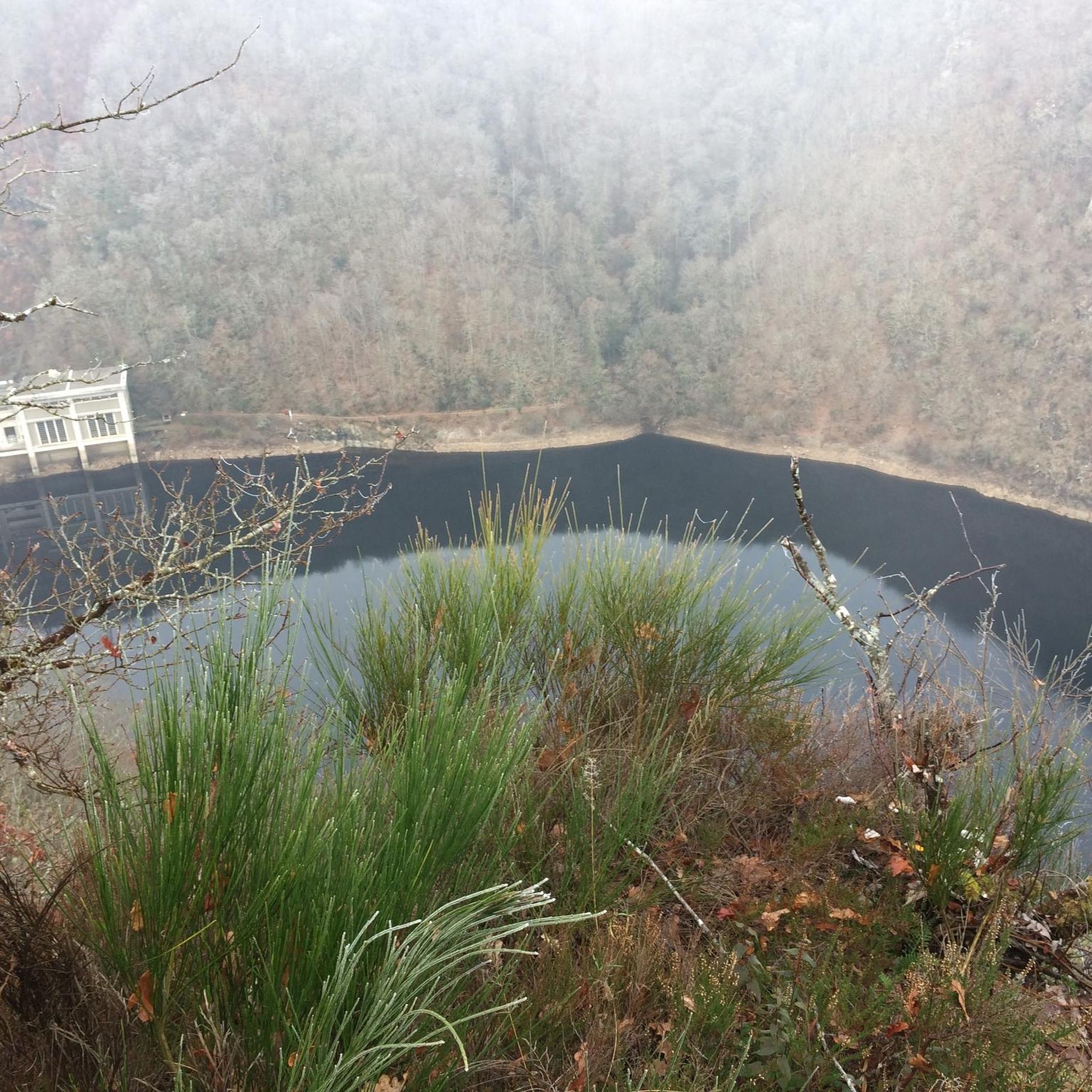
Beautiful road and beautiful descent to reach the dam. Very steep and busy road to leave there
0
0


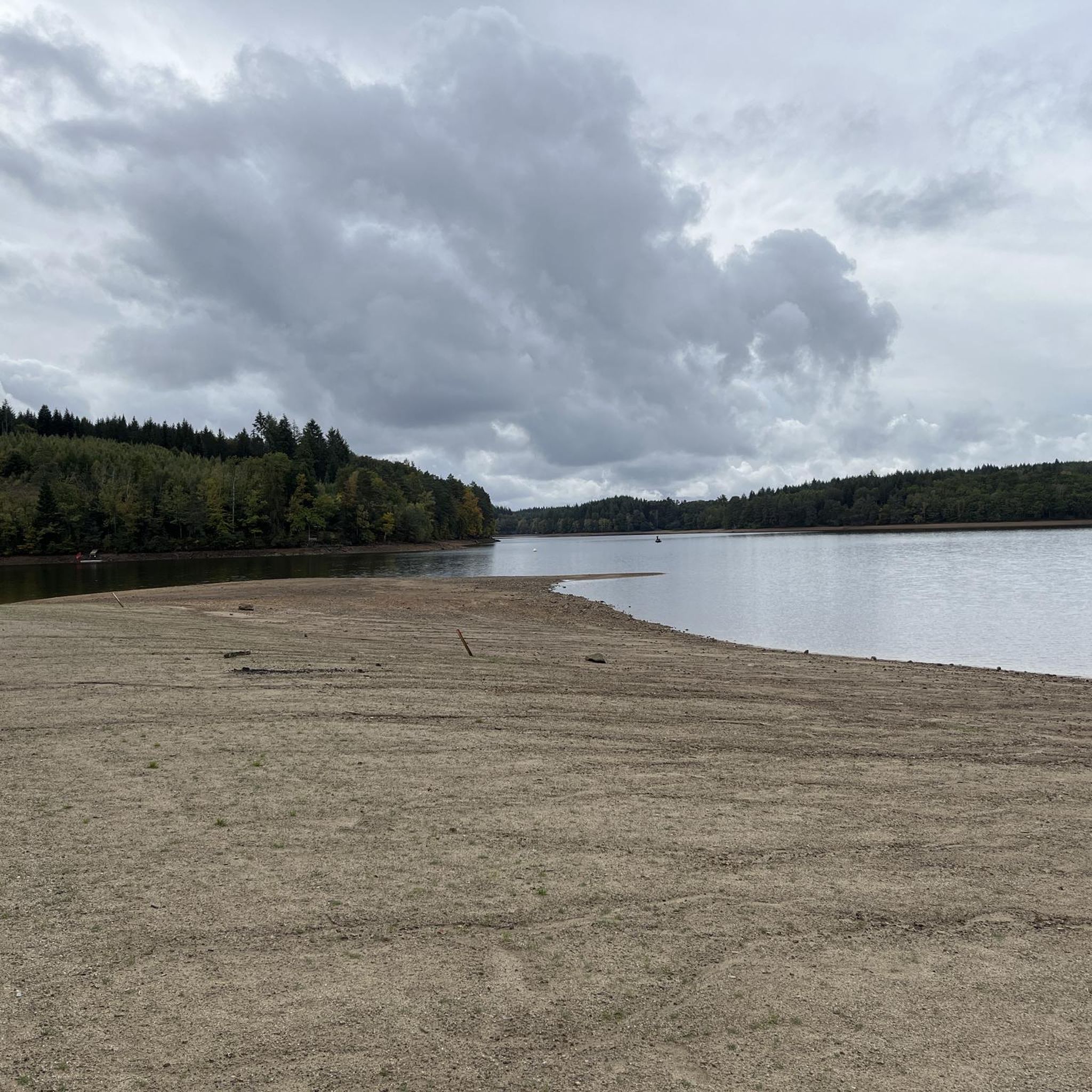
This natural area is designed for swimming (supervised in July and August), fishing, and other fun activities for children: games, water slide. It is also possible to walk around the body of water on a marked trail.
0
0

With a beautiful view from the bridge over the confluence of the rivers La Triouzoune and La Dordogne
0
0

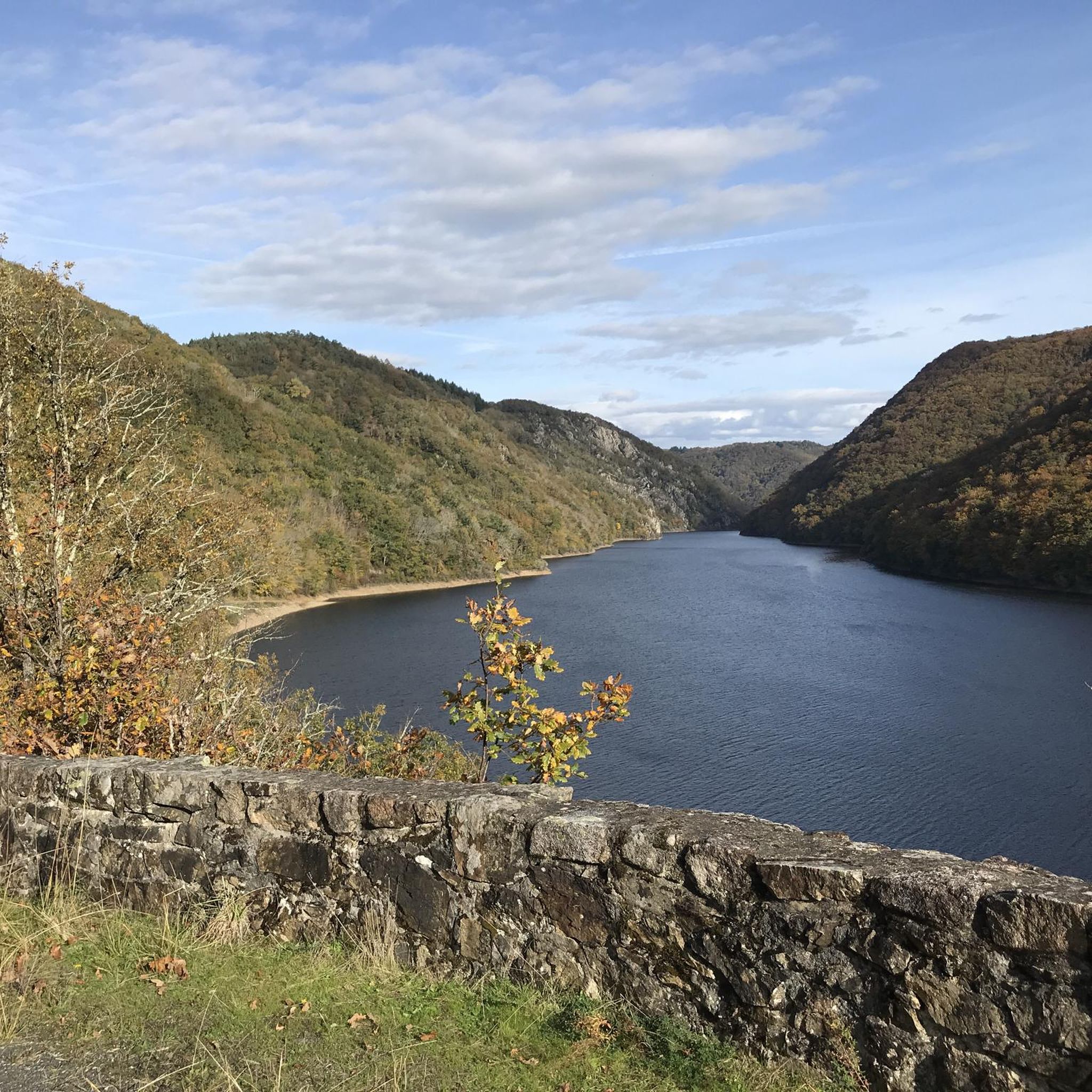
Magnificent cornice road overlooking the Dordogne.
0
0

Salers is a municipality in the Cantal department in the Auvergne-Rhône-Alpes region. The town is a completely preserved small town from the Renaissance period, with private and public buildings, city walls, defensive towers and a church. It was included in the association of the most beautiful villages in France. Despite its small population of around 300 inhabitants, the town is a historical, cultural and agricultural center in the sparsely populated mountain region of the Monts du Cantal. Source: https://de.wikipedia.org/wiki/Salers
3
0
Frequently Asked Questions
How many road cycling routes are available around Lac De L'Aigle?
There are over 160 road cycling routes available around Lac De L'Aigle. These routes cater to various skill levels, with a good mix of moderate and difficult options, alongside some easier rides.
What kind of terrain can I expect when road cycling around Lac De L'Aigle?
The Lac De L'Aigle region, particularly around the Dordogne and Rhue river valleys, is characterized by dramatic river gorges, dense forests, and agricultural fields. You can expect varied elevation changes, including challenging climbs and picturesque routes alongside water bodies like the Barrage de l'Aigle.
What is the best time of year for road cycling in the Lac De L'Aigle region?
The best time for road cycling around Lac De L'Aigle is typically from spring to autumn (April to October). During these months, the weather is generally mild and pleasant, making for ideal conditions to explore the region's diverse landscapes and challenging ascents.
Are there road cycling routes suitable for beginners around Lac De L'Aigle?
Yes, while the region is known for its challenging terrain, there are some easier road cycling routes available. For example, the Route along the Sumène – Village de Saignes loop from Veyrières is a moderate 19.8-mile (31.8 km) path that follows the Sumène river, offering a more accessible experience.
Where can I find challenging road cycling routes near Lac De L'Aigle?
The Lac De L'Aigle area offers numerous challenging routes with significant elevation gains. A notable difficult route is the Salers – Saint-Paul-de-Salers loop from Arches, which spans 57.0 miles (91.8 km) and features over 1,200 meters of climbing. Many routes explore the dramatic gorges and valleys of the Upper Dordogne, providing demanding rides.
Are there any circular road cycling routes in the Lac De L'Aigle area?
Yes, many of the road cycling routes around Lac De L'Aigle are designed as loops, allowing you to start and finish at the same point. Examples include the The Barrage de l'Aigle – Dordogne Gorges loop from Latronche and the Greenway in Sumène-Artense loop from Champagnac.
Is there parking available near the road cycling routes around Lac De L'Aigle?
Parking is generally available in the towns and villages that serve as starting points for many routes, such as Arches, Veyrières, Latronche, and Champagnac. These locations often have designated parking areas suitable for cyclists.
How can I access the road cycling routes around Lac De L'Aigle using public transport?
Public transport options in this rural region of France can be limited. While some local bus services connect larger towns, direct access to specific route starting points might require planning. It's often more convenient to drive to a starting point or consider cycling from a nearby town with better transport links.
Are there places to eat or stay near the road cycling routes in Lac De L'Aigle?
Yes, the towns and villages throughout the Lac De L'Aigle region, such as Mauriac, Salers, and Saignes, offer various options for accommodation, including hotels, guesthouses, and B&Bs. You'll also find local restaurants, cafes, and bakeries where you can refuel during or after your ride.
Are there family-friendly road cycling routes around Lac De L'Aigle?
For families, it's best to look for the easier, shorter routes with less elevation gain. While dedicated car-free paths are limited, some moderate routes, especially those following river valleys or greenways like parts of the Greenway in Sumène-Artense loop from Vendes, might be suitable for older children or those with some cycling experience.
Can I bring my dog on the road cycling routes around Lac De L'Aigle?
While dogs are generally welcome in the French countryside, road cycling routes are primarily designed for human cyclists. If you wish to bring your dog, it's usually best to use a specialized dog trailer or ensure your dog is well-trained to run alongside a bike safely, especially on quieter roads. Always be mindful of traffic and local regulations.
What do other road cyclists enjoy the most about road cycling in Lac De L'Aigle?
The road cycling experience around Lac De L'Aigle is highly rated by the komoot community, with an average score of 4.2 stars from over 60 reviews. Cyclists often praise the dramatic river gorges, dense forests, and the varied terrain that offers both challenging climbs and picturesque routes alongside water bodies like the Barrage de l'Aigle.
Most popular routes around Lac De L'Aigle

Get inspired with the komoot mobile app


Explore more
Browse the best Road cycling routes in other regions.
