Top 19 Castles around Aisne
Best castles around Aisne are found throughout the department, which boasts a rich history reflected in its impressive fortresses and châteaux. The region offers diverse landscapes, from river valleys to rolling hills, providing scenic backdrops for these historical sites. Many castles are strategically located on bluffs or near waterways, showcasing their historical significance and offering panoramic views. These sites provide insight into medieval military architecture and aristocratic life.
Best castles around Aisne
- The most popular castles is Coucy Castle, a castle that was once a formidable medieval fortress, built in the 13th century. Its ruins offer a powerful glimpse into medieval military architecture.
- Another must-see spot is Septmont Keep, a medieval tower, part of a former castle that served as a residence for the bishops of Soissons. Visitors can explore the grounds and climb the keep for impressive views.
- Visitors also love La Ferté-Milon, an unfinished castle commissioned by Louis of Orléans at the end of the 14th century. Its monumental unfinished facade stands as a testament to architectural aspirations.
- Aisne is known for medieval fortresses, unfinished castles, and private estates. Visitors can explore ruins, impressive keeps, and sumptuously decorated interiors.
- The castles around Aisne are appreciated by the komoot community. The guide features 21 highlights, with 47 upvotes and 20 photos from the community.
Last updated: July 20, 2026
Coucy Castle
Highlight • Castle
Translated by Google •
Tip by

Septmont Keep
Highlight • Castle
Translated by Google •
Tip by

Sign up now to discover places like this
Get recommendations on the best single tracks, peaks, & plenty of other exciting outdoor places.
Sign up for free
La Ferté-Milon
Highlight • Historical Site
Other monuments you can visit in La Ferté-Milon include the Saint-Nicolas Church, with its 16th-century stained-glass windows depicting scenes from the life of Christ and a vision of the Apocalypse, and the Church of Our Lady, dating from the 12th to the 16th centuries, where the famous fable writer Jean de La Fontaine married Jean Racine's cousin.
Literature enthusiasts should definitely visit the Jean Racine Museum, dedicated to the life and work of the famous playwright, which houses many memorabilia from his paternal grandmother's house, where the writer spent his childhood.
Translated by Google •
Tip by

Laon Gate (Coucy-le-Château-Auffrique)
Highlight • Other
Translated by Google •
Tip by

Vic-sur-Aisne Castle
Highlight • Castle
Translated by Google •
Tip by
Notre-Dame de Plomion Church
Highlight • Religious Site
Translated by Google •
Tip by
Ruins of the Château de Fère-en-Tardenois
Highlight • Castle
Tip by
Marne Riverside Path in Château-Thierry
Highlight • Cycleway
Translated by Google •
Tip by

Château de Château-Thierry
Highlight • Castle
Translated by Google •
Tip by

From November 1, 2023, the site will host the Cité internationale de la langue française.
Translated by Google •
Tip by

Sign up for free to discover even more castles around Aisne.
Sign up for free
Already have an account?
Start today with a free account
Your next adventure awaits.
Login or Signup
Popular around Aisne
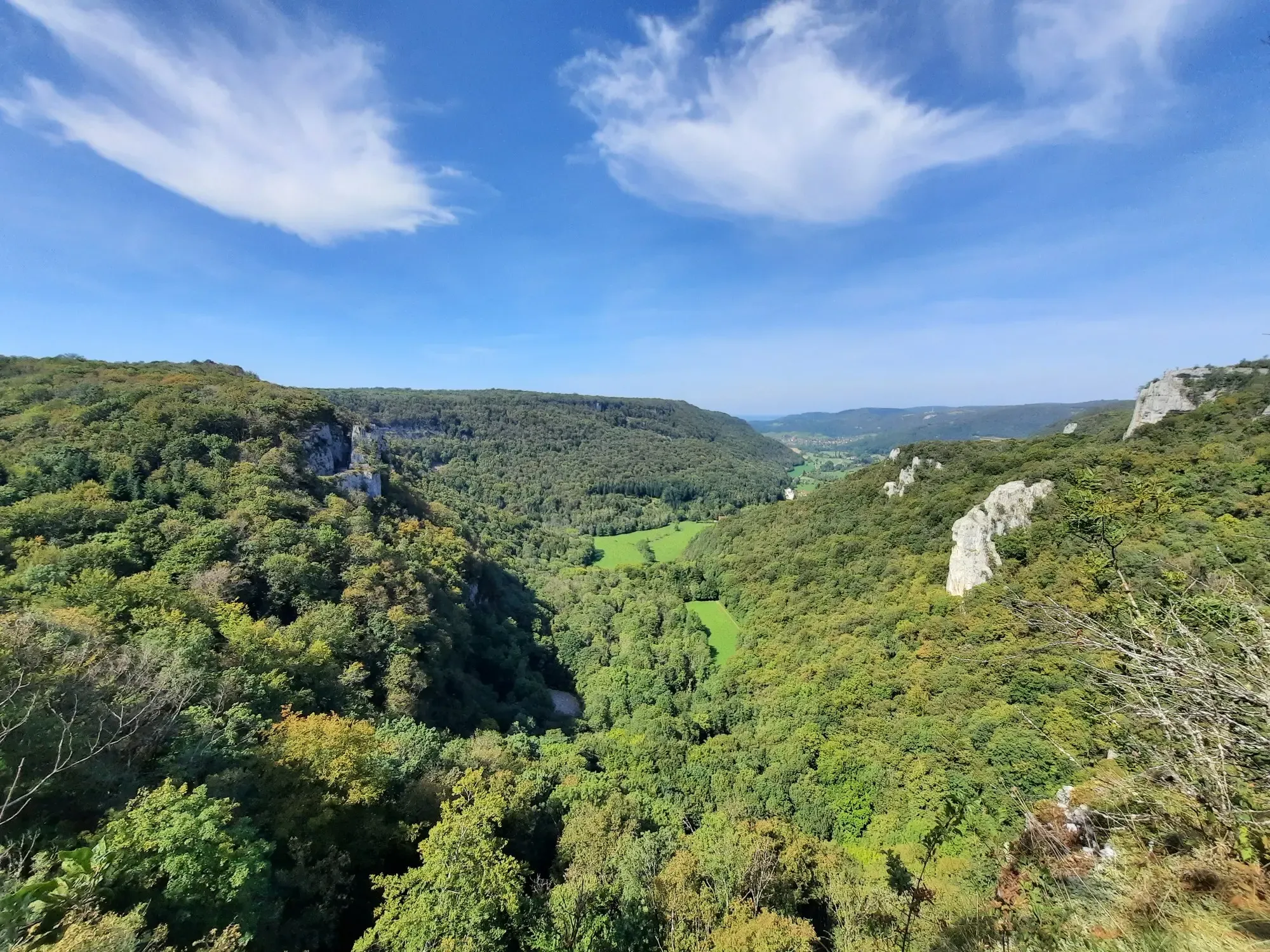
The Ardennes Trail (GR 14) – From Paris to the Belgian border
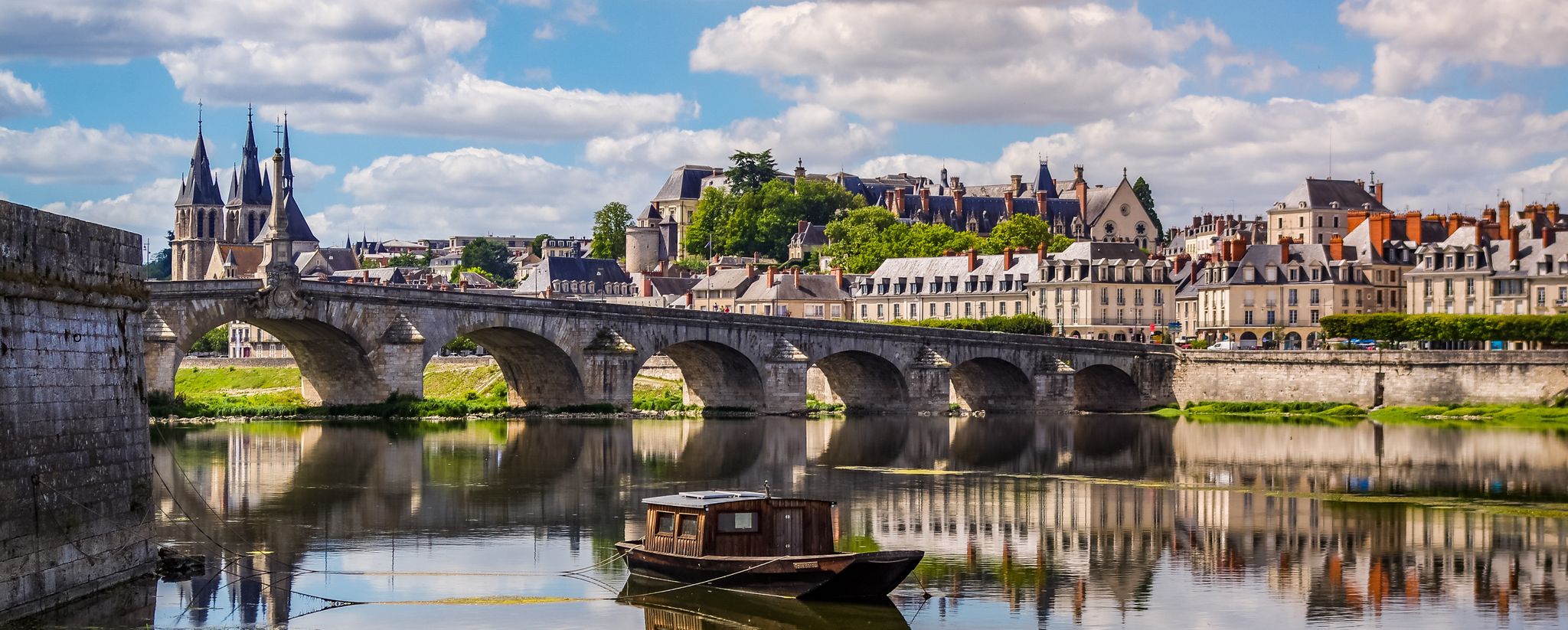
EuroVelo 3 – A cycling pilgrimage from Norway to France
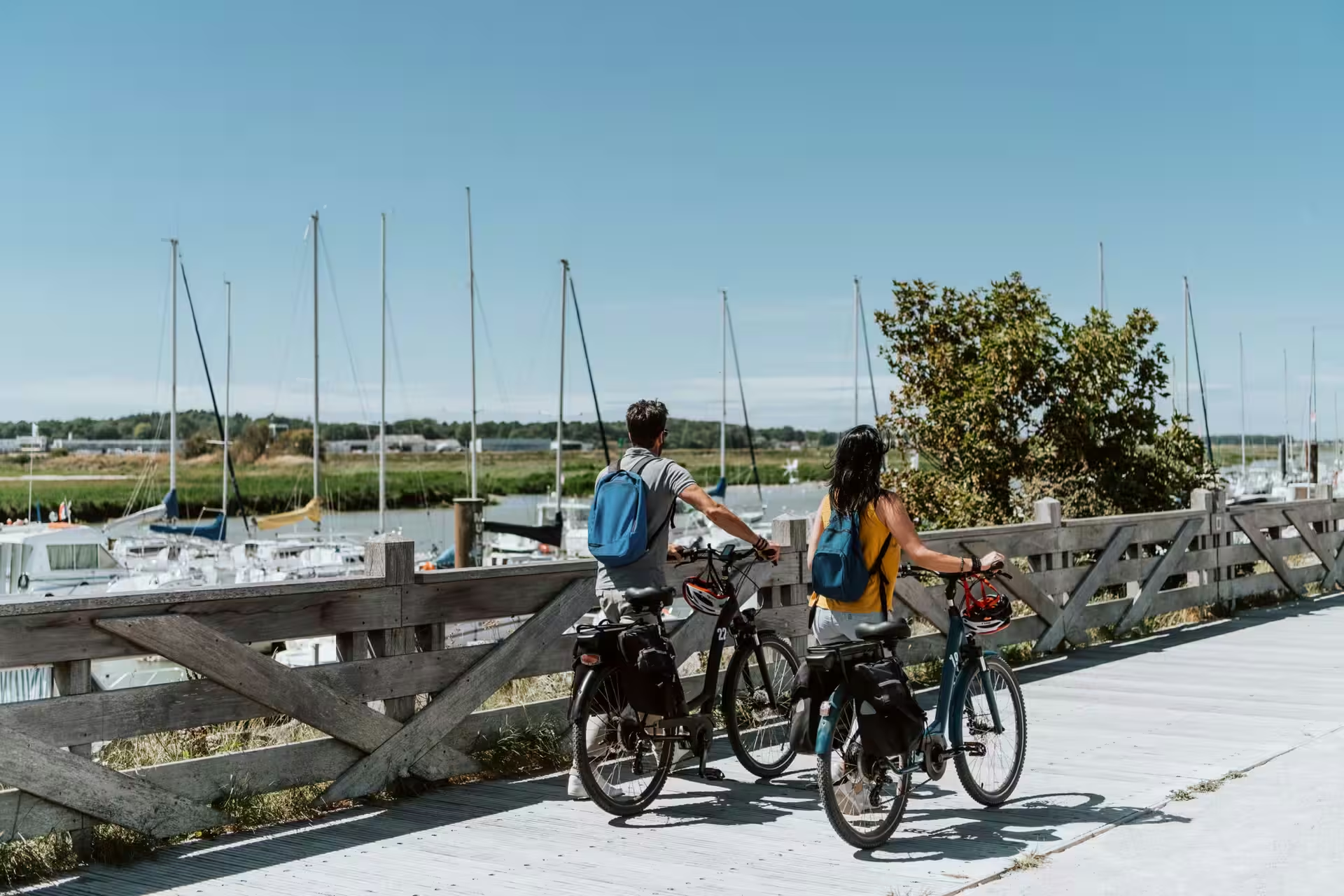
Routes in Hauts-de-France for cycling enthusiasts
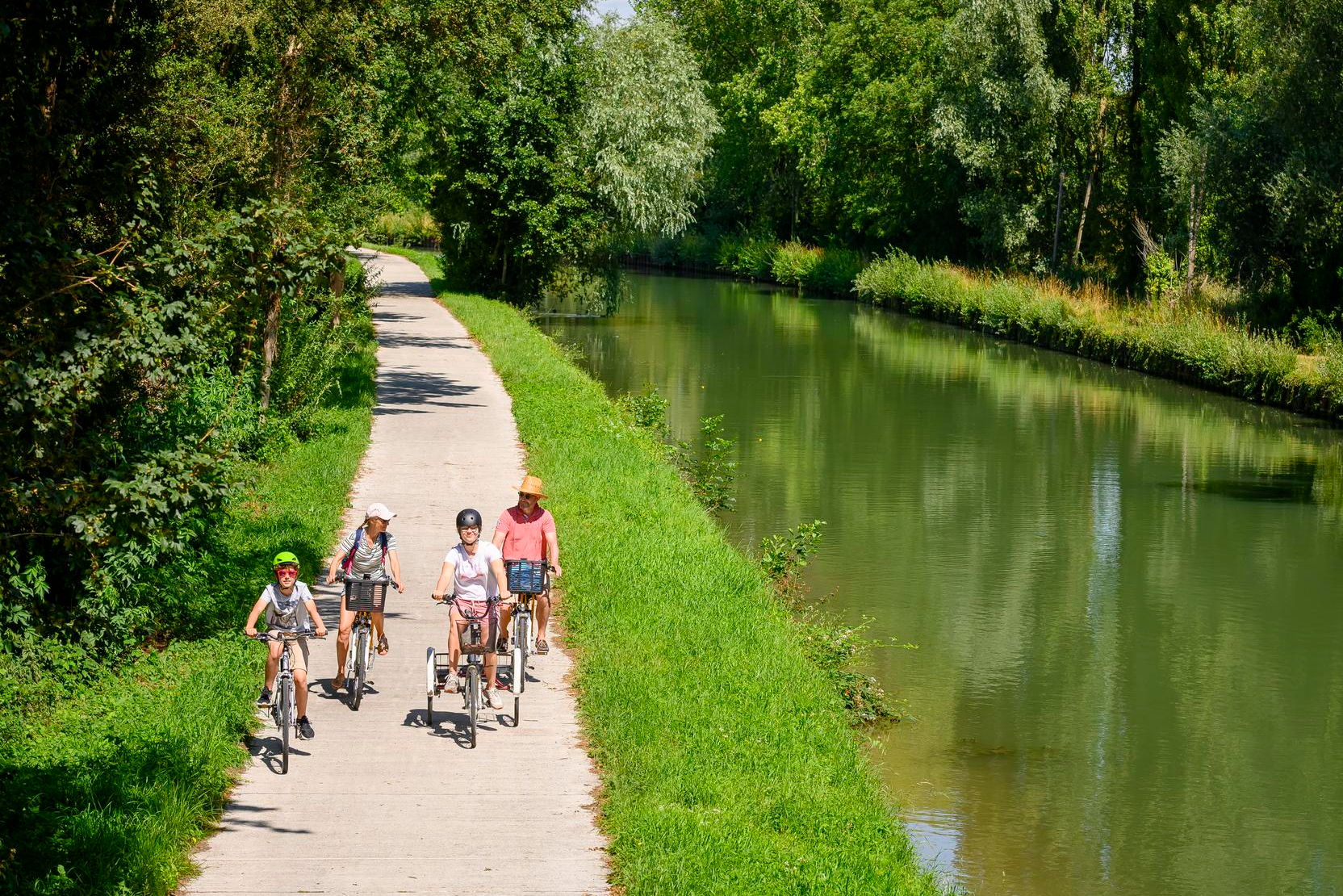
Cycling routes in Hauts-de-France for beginners and families
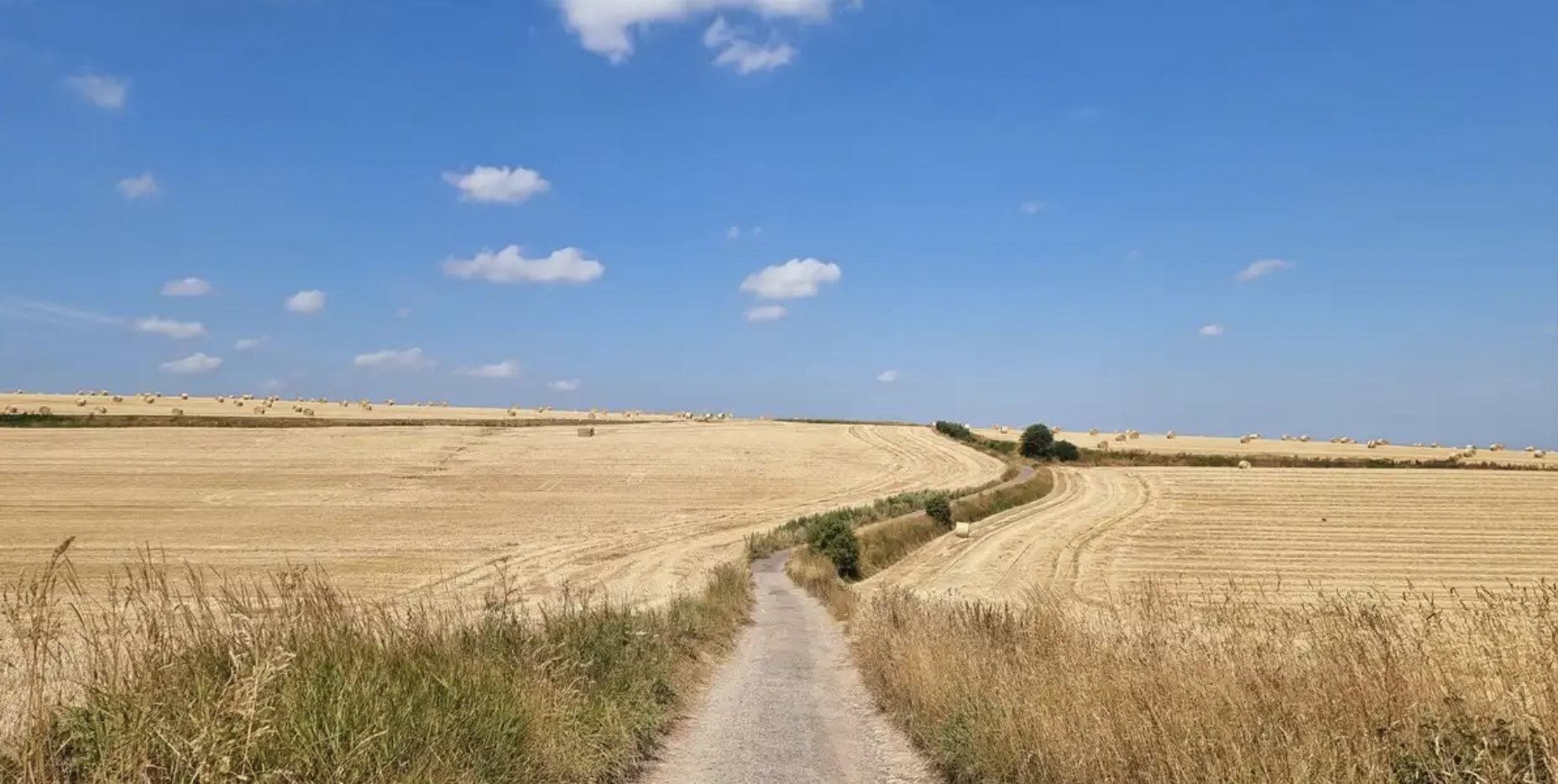
In the footsteps of History — GR 145, the Via Francigena
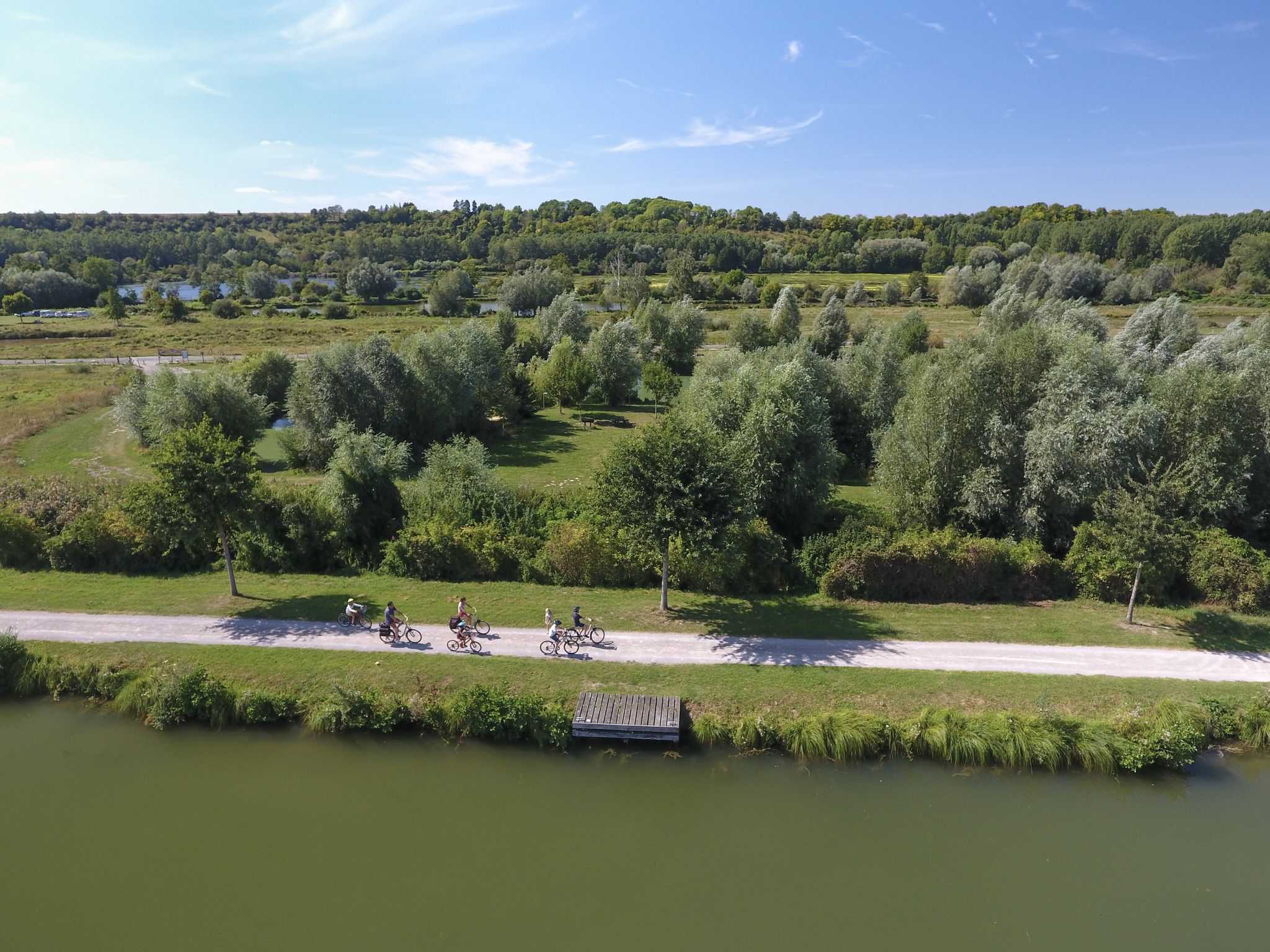
Along the river — La Véloroute Vallée de Somme V30
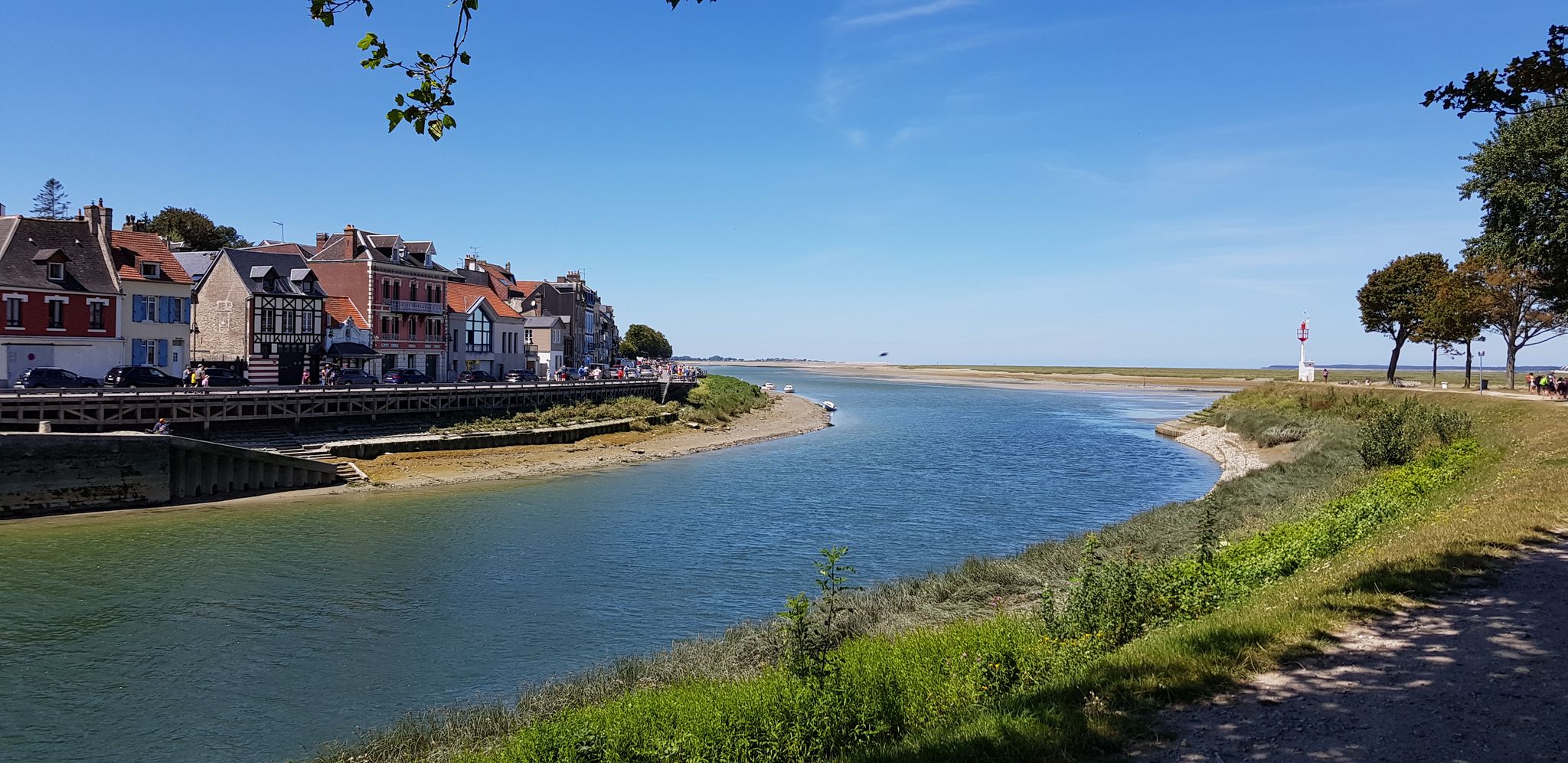
Riding the long river of Picardy — the Somme Valley Cycle Route
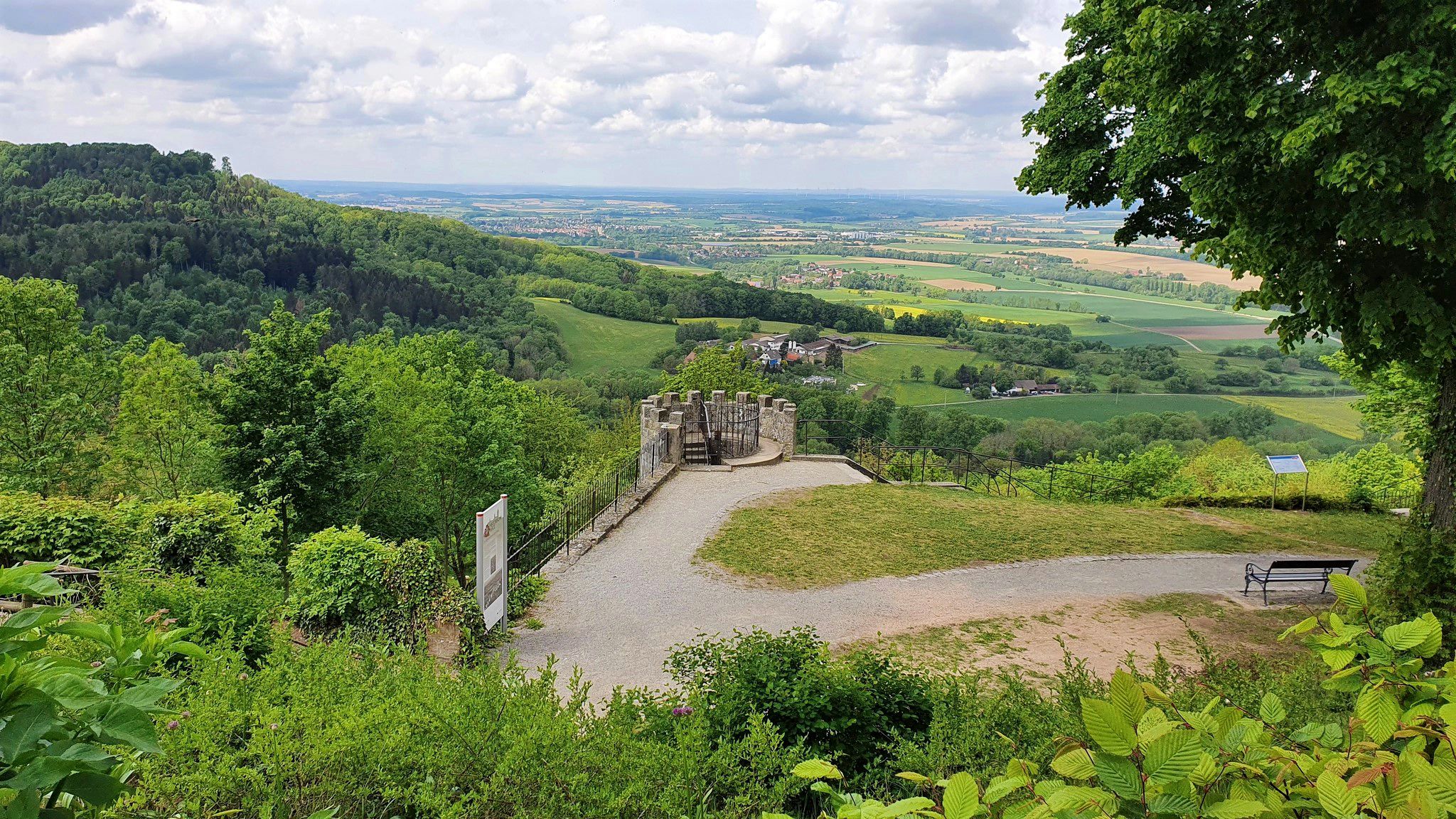
A cycling adventure from Paris to Prague – Pan-European Cycle Route
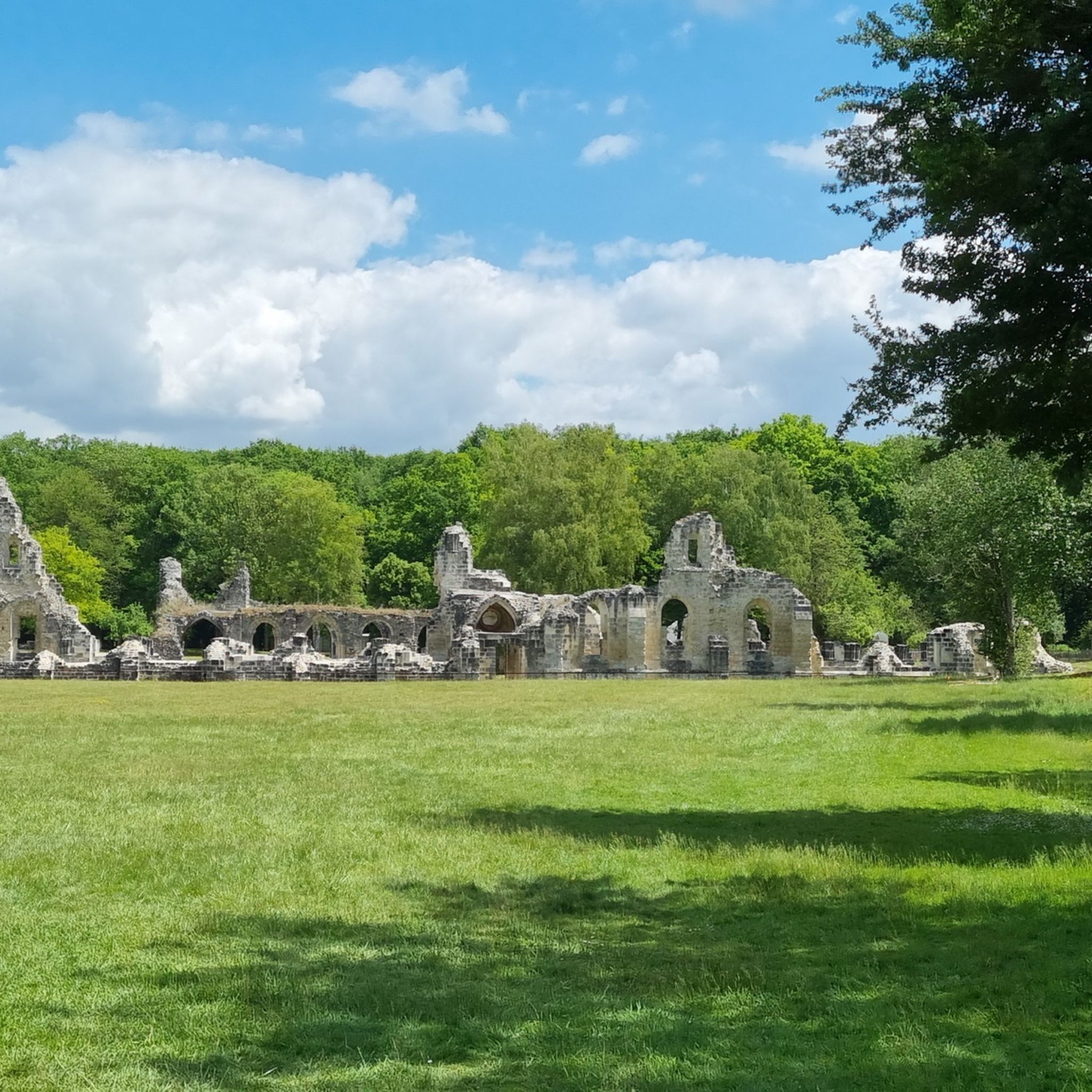
Hiking around Aisne
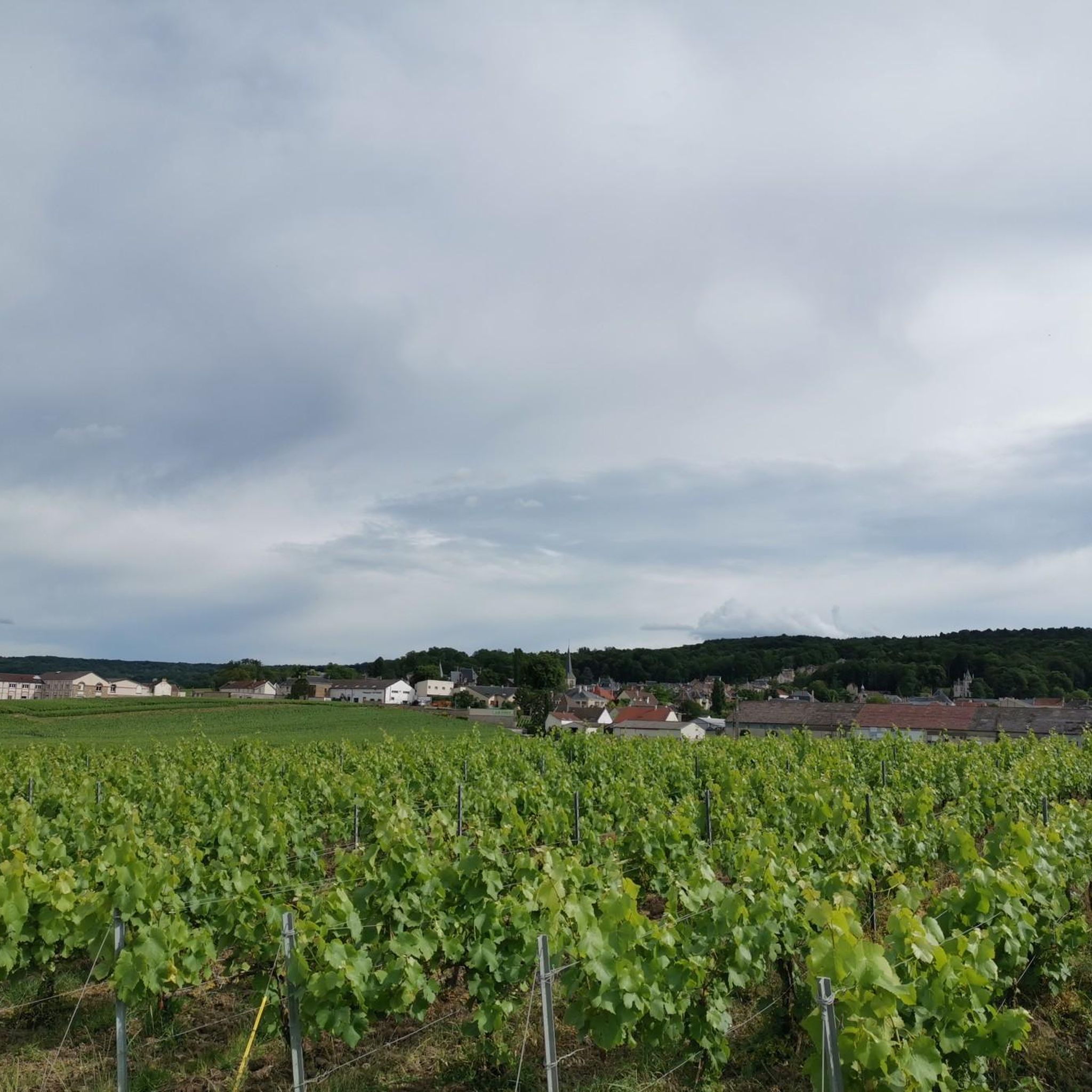
Running Trails around Aisne
Other adventures around Aisne


Tips from the Community

The faithful trust in the help of the Mother of God – who in France is always venerated under the title “Notre-Dame” (which corresponds to the German name “Our Lady”) – was expressed by the French nun, mystic and Doctor of the Church, Saint Thérèse of Lisieux (religious name Thérèse of the Child Jesus and the Holy Face, 1873 to 1897) as follows: “In trials or difficulties I turn to Mother Mary, whose gaze alone is enough to dispel all fear.”
0
0

The Château de La Ferté-Milon is an unfinished castle in La Ferté-Milon, France. It was commissioned by Louis of Orléans at the end of the 14th century but was never completed due to his death. The castle is known for its long façade and the remains of a gateway, which are now a popular attraction. The castle is a reminder of the grandeur Louis of Orléans envisioned, but also of the ravages of time. It is a popular destination for tourists and history and architecture enthusiasts.
0
0
Located in the Aisne region, Septmonts Castle was originally the country residence of the bishops of Soissons. Built between the 12th and 16th centuries, it retains several original features, such as the so-called Saint-Louis Room. Visitors can discover a 14th-century keep and square tower, as well as a 16th-century Renaissance pavilion. Bombed during the First World War, Septmonts Castle is now classified as a historical monument for its chapel and keep, and an inscription for the rest of the buildings. The impressive keep is over forty meters high and consists of seven stories of complex architecture. Septmonts Castle itself is adorned with a park featuring an arboretum and an orchard. The entire complex is open to the public, and the Renaissance residence also hosts temporary exhibitions. Every June, the site hosts the Pic'Arts rock festival concerts.
6
0
Nestled on the banks of the Ourcq River, in the shadow of the ruins of the impressive fortress, lies the charming town of La Ferté-Milon. La Ferté-Milon Castle was founded at the end of the 14th century but was never completed due to the assassination of the Duke of Orléans in 1407. Nevertheless, you'll find interesting remains here, such as the impressive façade with its window openings, the machicolations, and the low reliefs, the most remarkable of which depicts the Coronation of the Virgin. Magnificent views over the Ourcq valley can be admired from the castle's forecourt... Other monuments you can visit in La Ferté-Milon include the Saint-Nicolas Church, with its 16th-century stained-glass windows depicting scenes from the life of Christ and a vision of the Apocalypse, and the Church of Our Lady, dating from the 12th to the 16th centuries, where the famous fable writer Jean de La Fontaine married Jean Racine's cousin. Literature enthusiasts should definitely visit the Jean Racine Museum, dedicated to the life and work of the famous playwright, which houses many memorabilia from his paternal grandmother's house, where the writer spent his childhood.
5
0

Bakery, bar, tobacconist... Perfect for starting and finishing a hike
0
0
Ideal for starting a hike
1
0

In the heart of the village of Vic-sur-Aisne, surrounded by a leafy park and overlooking the Aisne valley, lies the imposing Château de Vic-sur-Aisne. What today appears to be an elegant country house, bears in its walls the traces of a turbulent past. Originally built on the foundations of a medieval castrum, the estate grew in the 17th century into a stately castle, with symmetrical facades, round towers and an impressive thirteen-metre high keep — a remnant from the 13th century. The architecture reflects the transition from defensive structure to residential comfort: robust, but refined. The gardens, partly in French style with straight lines and box hedges, partly in English landscape style with winding paths and romantic corners, invite you to stroll and contemplate.
8
0

Frequently Asked Questions
What is the best time of year to visit the castles in Aisne?
The castles in Aisne are enjoyable year-round, but spring and summer (April to September) offer the most pleasant weather for exploring the grounds and participating in outdoor activities. During these months, sites like Coucy Castle often host historical spectacles, and the parks around castles like Septmont Keep are ideal for picnics. Some castles, like Septmonts, even host events like the Pic'Arts rock festival in June.
Are there family-friendly castles to visit in Aisne?
Yes, several castles in Aisne offer activities suitable for families. Septmont Keep, for example, has a park with an arboretum and orchard perfect for children to explore. The Château de Condé-en-Brie offers family activities like treasure hunts in its park and even a magic mirror. The ruins of Coucy Castle also provide a vast space for imaginative play and exploration of medieval architecture.
Are there hiking trails near the castles in Aisne?
Absolutely. The Aisne region is excellent for combining castle visits with outdoor activities. For instance, you can explore the area around Coucy Castle with a moderate hike like the 'Château de Coucy — loop from Coucy-le-Château-Auffrique'. Other options include the 'Circuit of the Ramparts of Laon' or the 'Château de Vauxbuin loop'. You can find more hiking routes in the region by visiting the Hiking around Aisne guide.
What outdoor activities can I do near these castles?
Beyond hiking, the Aisne region offers various outdoor activities. Near many castles, you can find gravel biking routes, such as 'Vauclair Abbey – Lake Ailette loop from Craonne' or 'Coucy-le-Château-Auffrique – Château de Coucy loop from Osly-Courtil'. The Marne Riverside Path in Château-Thierry is also a great option for cycling or a leisurely stroll. For more details on cycling, check out the Gravel biking around Aisne guide.
What should I know before visiting Château de Coucy?
Château de Coucy is a formidable medieval fortress, largely in ruins today, but its imposing vestiges offer a powerful glimpse into 13th-century military architecture. It's known for its immense scale and panoramic views of the Ailette valley. The site also includes the well-preserved Porte de Laon, a medieval gate. Visitors often find it a great place for a cultural and historical experience, with historical spectacles in the summer. Check the official website for specific opening hours, as it's often open from two o'clock daily.
Are the castles in Aisne accessible for all visitors, including those with wheelchairs?
Accessibility varies by castle. While many historical sites, especially ruins like Coucy Castle, may have uneven terrain, some areas or paths might be more accessible. For example, the Marne Riverside Path in Château-Thierry is wheelchair accessible. It's always recommended to check the specific accessibility information for each castle directly before your visit, especially for older structures.
How much time should I allocate for visiting the castles in Aisne?
The time needed depends on the castle and your interest. For extensive ruins like Château de Coucy, you might spend 2-3 hours exploring the site and enjoying the views. Smaller keeps or private estates like the Château de Condé-en-Brie, especially with guided tours or family activities, could also take a few hours. For a quick stop at an architectural marvel like La Ferté-Milon, an hour might suffice. Planning a full day for 1-2 major sites is a good approach.
Are there any less-known or 'hidden gem' castles to explore in Aisne?
Beyond the most prominent sites, the Aisne region holds several intriguing, perhaps less-crowded, historical locations. The Ruins of the Château de Fère-en-Tardenois offer a glimpse into past grandeur. The Château de Condé-en-Brie, a private estate, provides a unique experience with its lavishly decorated interiors and rich history, often feeling more intimate than larger public sites. These can offer a quieter, more personal exploration of the region's heritage.
Can I visit the castles in Aisne with my dog?
Policies regarding dogs vary significantly between castles. While outdoor areas and parks, such as the one at Septmont Keep, might be dog-friendly, access to castle interiors is generally restricted for pets. It's best to check the specific rules for each castle you plan to visit beforehand to ensure a smooth trip with your canine companion.
Are there amenities like cafes or restaurants near the castles?
Yes, many castles are located near towns or villages that offer amenities. For example, near Coucy-le-Château-Auffrique, you can find options like the Hotel Restaurant Belle Vue, which offers a beautiful view of the city. Larger towns like Château-Thierry also provide various dining choices. It's advisable to check local listings for cafes and restaurants in the immediate vicinity of the specific castle you are visiting.
What makes the Donjon de Septmonts unique?
The Donjon de Septmonts is celebrated for its unique architectural design, considered unparalleled in France. This 47-meter-high medieval tower, part of a former castle, blends military and residential functions with seven floors, a spiral staircase, and an oratory. It's a striking example of the princely style of the late 14th century. The site also features a 16th-century Renaissance pavilion and a park with an arboretum and orchard, making it a distinctive visit.
What is special about the Château de La Ferté-Milon?
The Château de La Ferté-Milon is unique because it is an unfinished castle. Commissioned by Louis of Orléans in the late 14th century, construction ceased after his death, leaving behind a magnificent, yet incomplete, 200-meter long and 38-meter high facade. This monumental structure stands as a testament to the architectural aspirations of the late medieval period and offers a fascinating aesthetic, showcasing what might have been a grand palace rather than purely a defensive structure.
Most popular routes around Aisne
Most popular attractions around Aisne

Get inspired with the komoot mobile app


Didn’t find what you were looking for?
Explore Aisne’s best castles region by region:
Explore more
Looking for the best castles somewhere else? Discover other guides around Aisne:
