Top 20 Castles around Maasgouw
Best castles around Maasgouw are found in the municipality of Maasgouw, nestled in the province of Limburg, Netherlands. This region is characterized by its location near the Maas river and its rich history, reflected in numerous castles. The area offers a blend of cultural heritage and natural landscapes, with many castles situated amidst scenic surroundings. Exploring these historical sites provides insight into the region's past.
Best castles around Maasgouw
- The most popular castles is Daelenbroeck Castle, a castle that…
Last updated: October 10, 2026
Daelenbroeck Castle
Highlight • Castle
Translated by Google •
Tip by

Hillenraad Castle
Highlight • Castle
Translated by Google •
Tip by

Sign up now to discover places like this
Get recommendations on the best single tracks, peaks, & plenty of other exciting outdoor places.
Historic Center of Stevensweert
Highlight • Historical Site
Translated by Google •
Tip by

Montfort Castle
Highlight • Castle
Translated by Google •
Tip by
Ohé en Laak Castle
Highlight • Castle
Translated by Google •
Tip by

Sign up for free to discover even more castles around Maasgouw.
Already have an account?
Start today with a free account
Your next adventure awaits.
Popular around Maasgouw
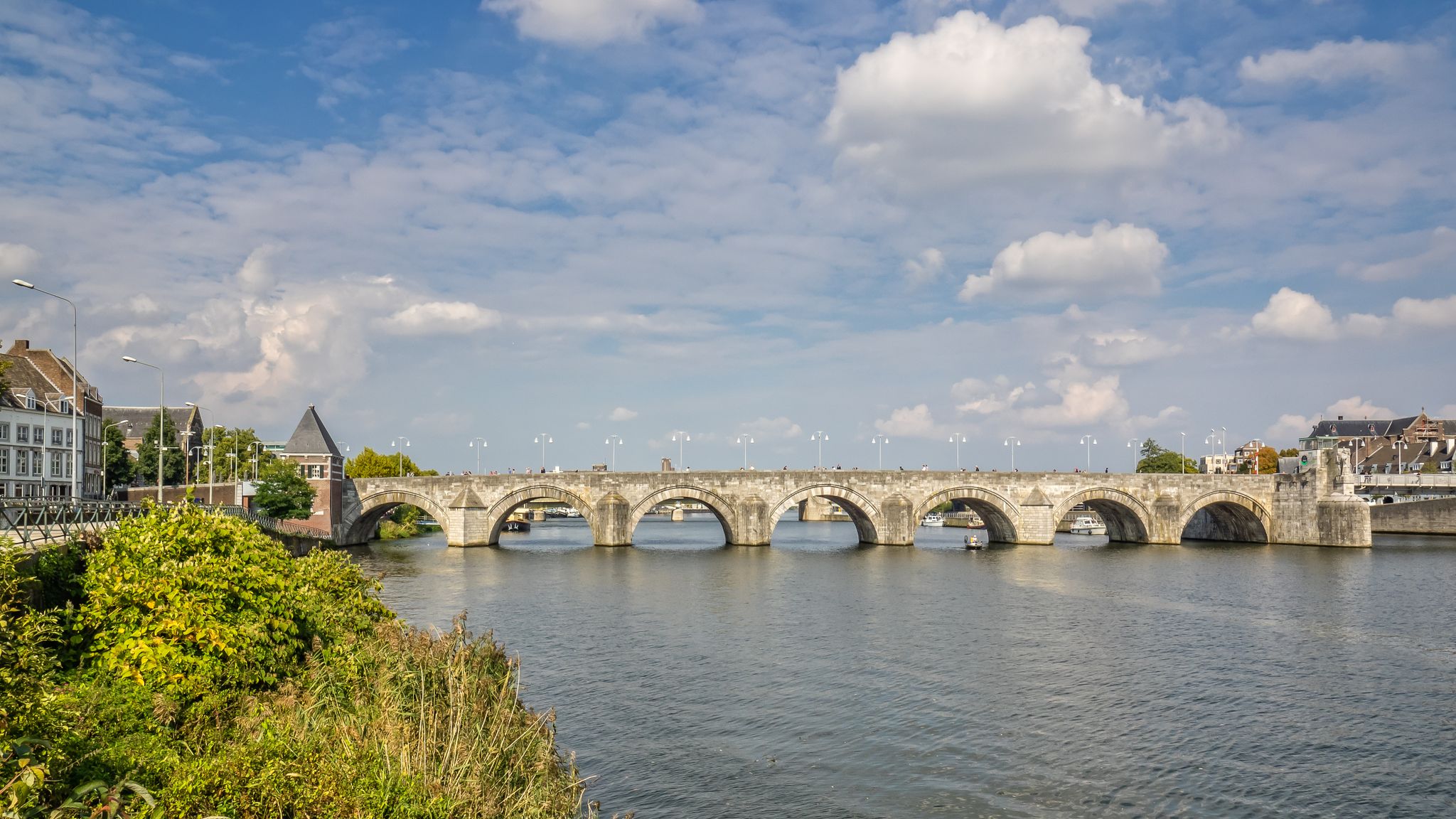
LF Maasroute – From Maastricht to Rotterdam along the Meuse River
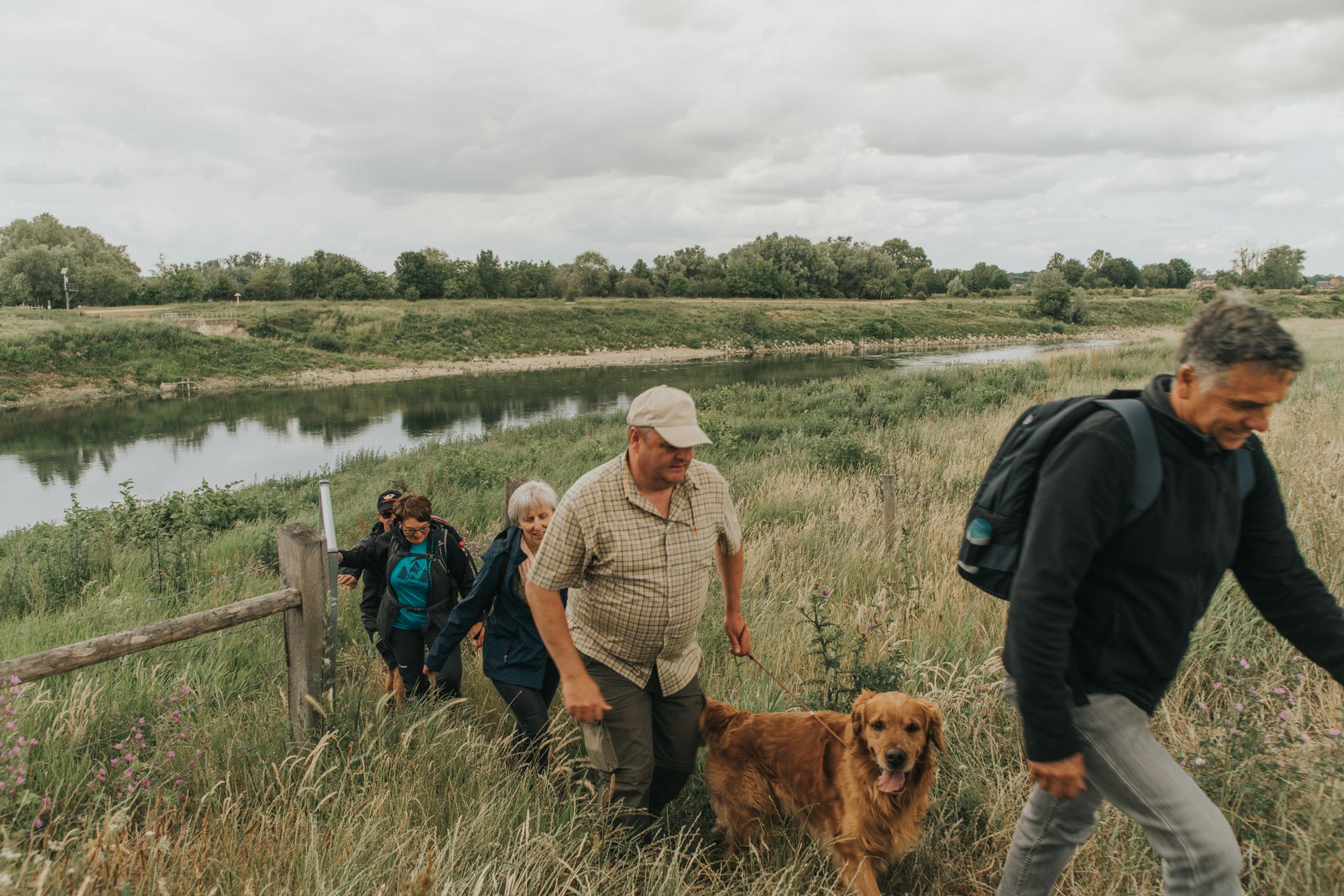
Discover the wild river - 6 hiking days in RivierPark Maasvallei (LAW)
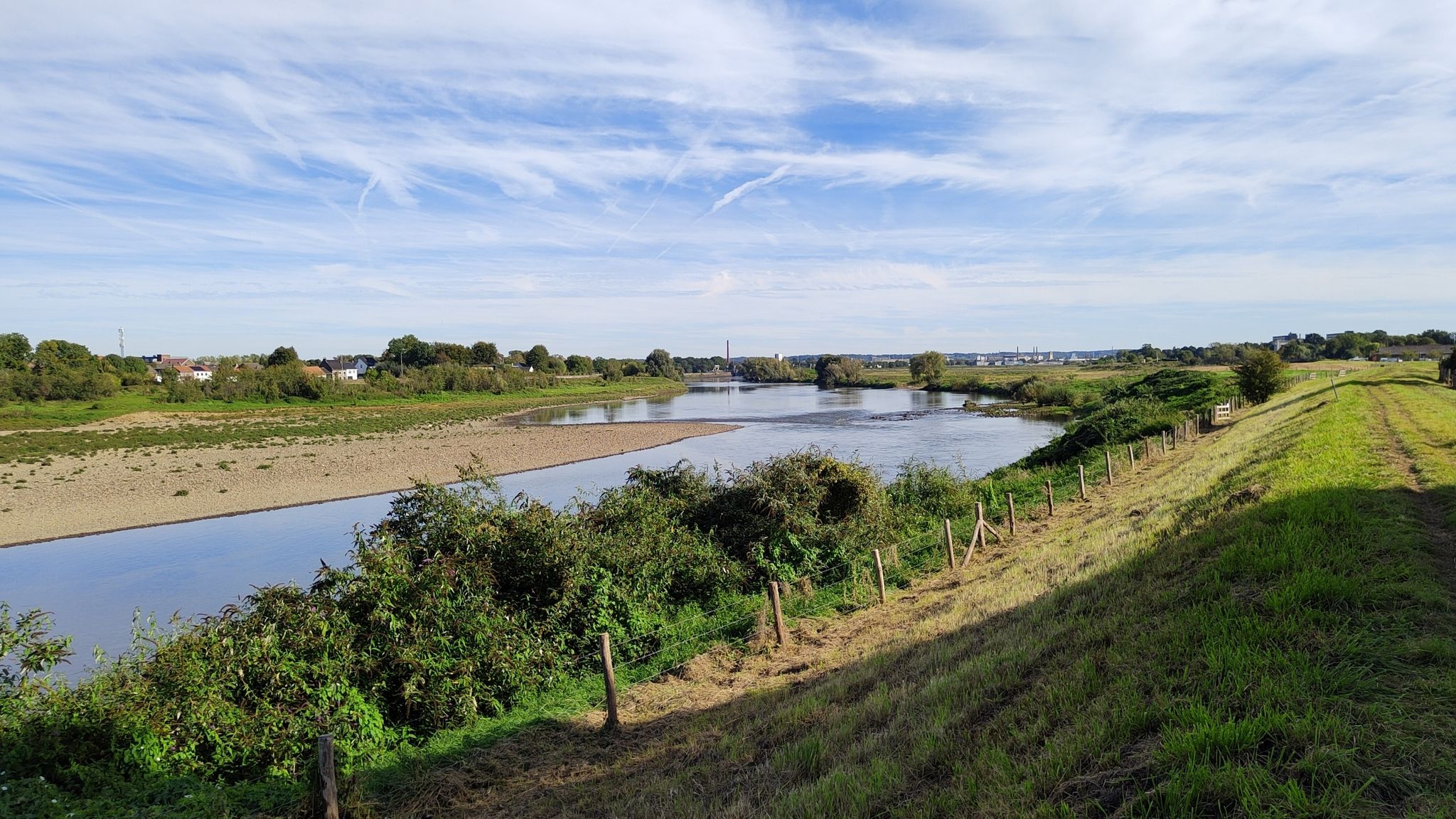
Discover the river nature – 6 hikes in RivierPark Maasvallei (LAW)
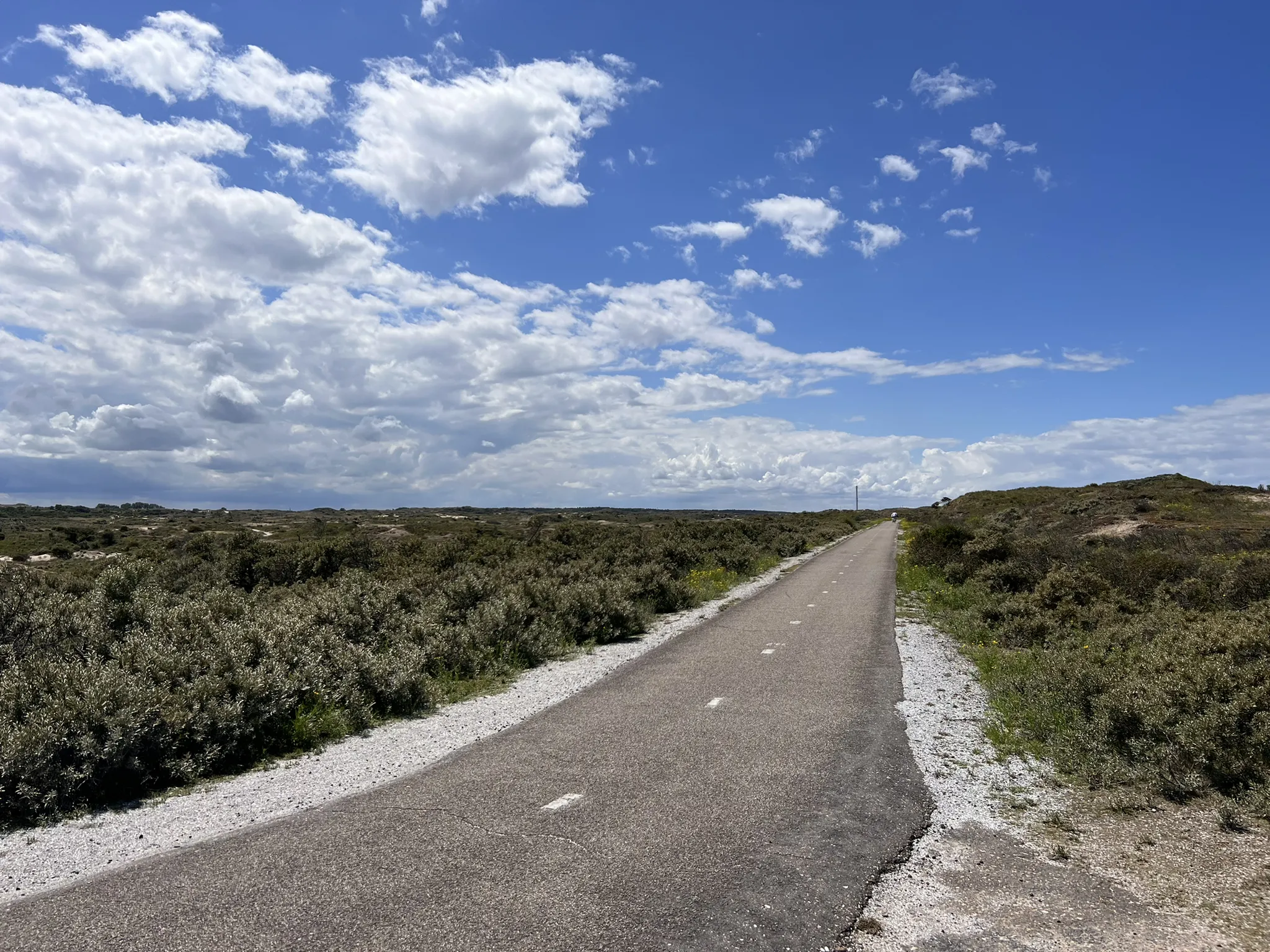
The Tour of the Netherlands – The ultimate cycling route in 21 stages
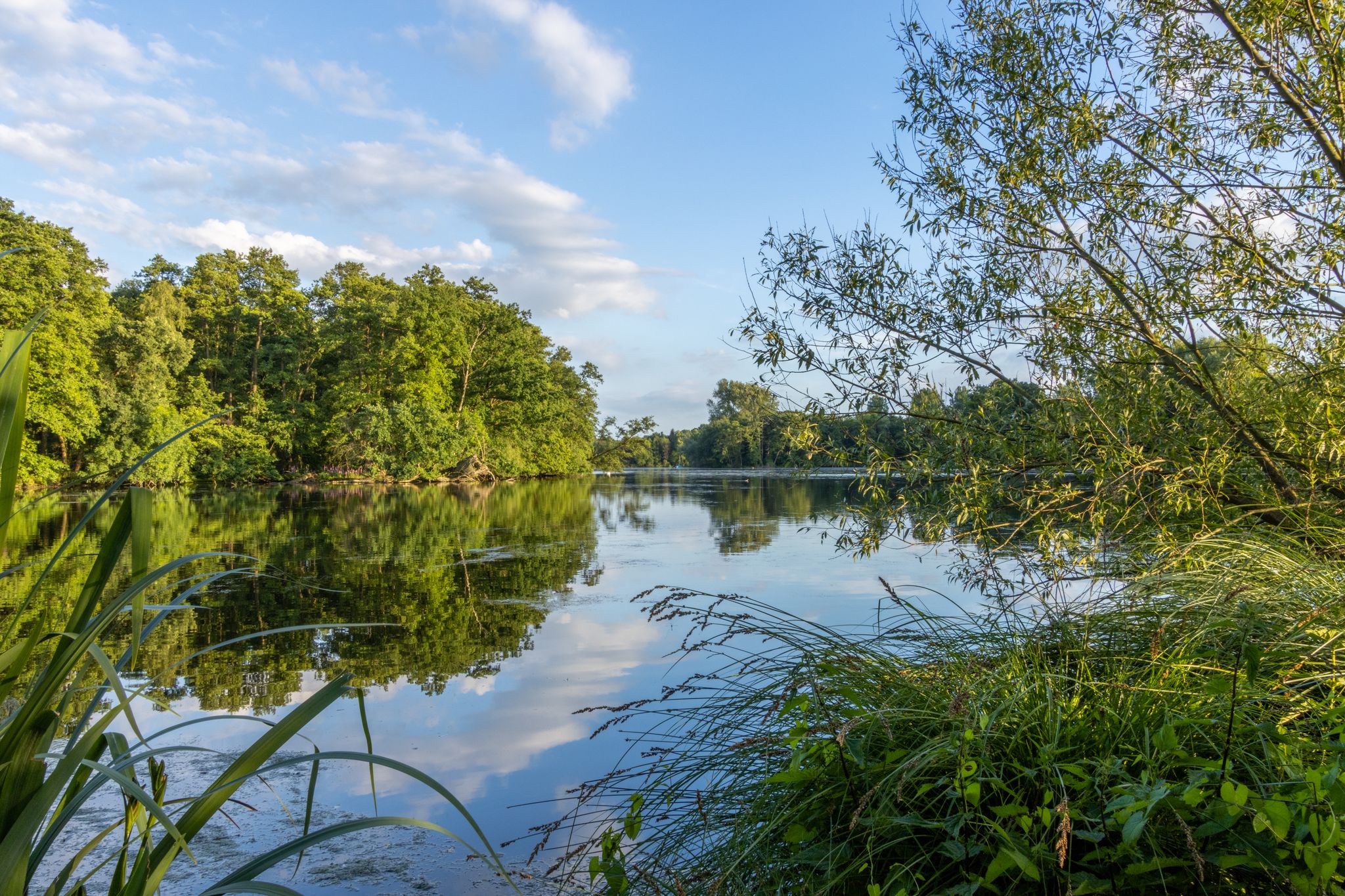
Water.Hike.World. - Premium Hiking Trails
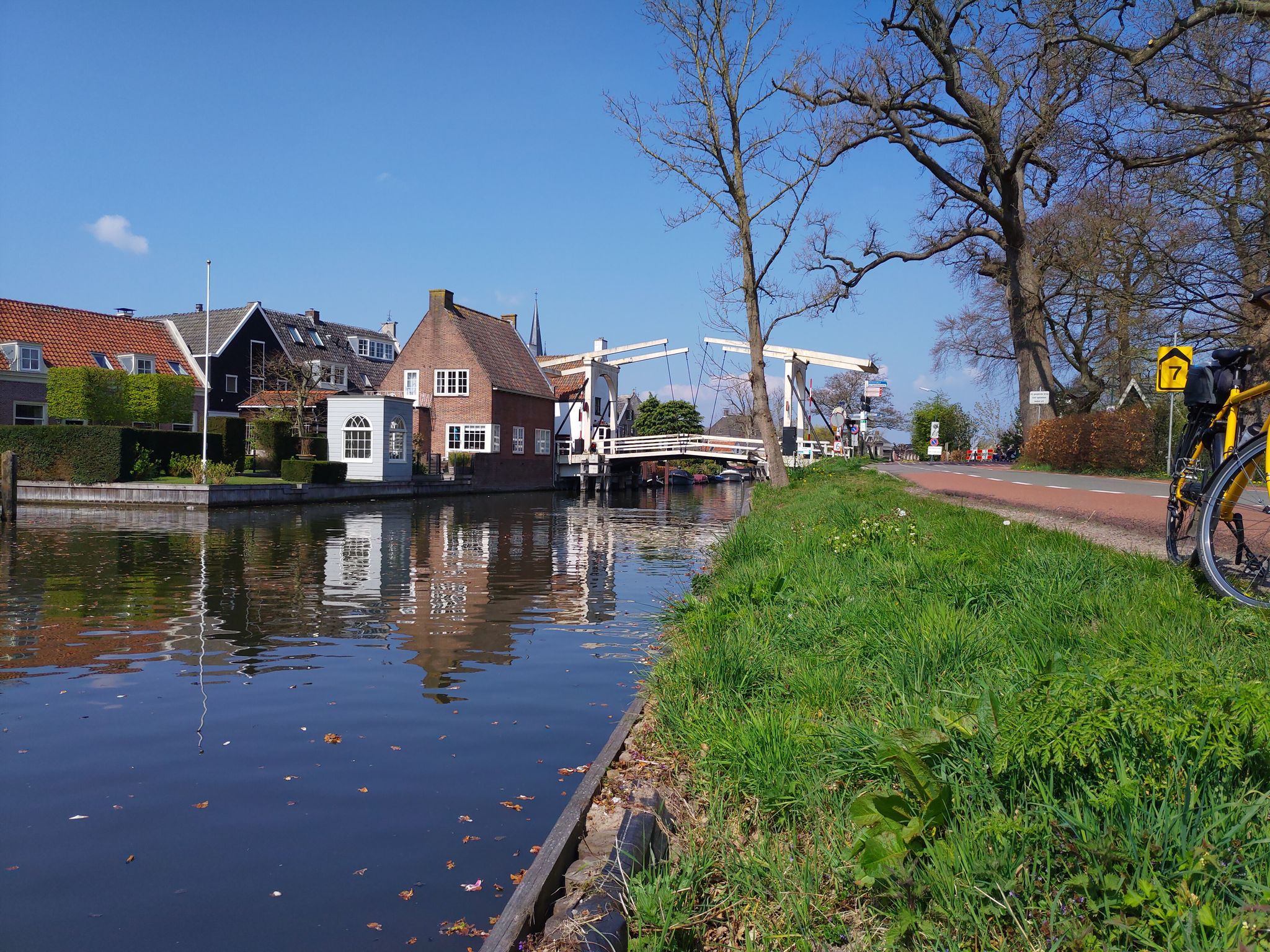
Fantastic cycling along Dutch waterways — LF7 Overland
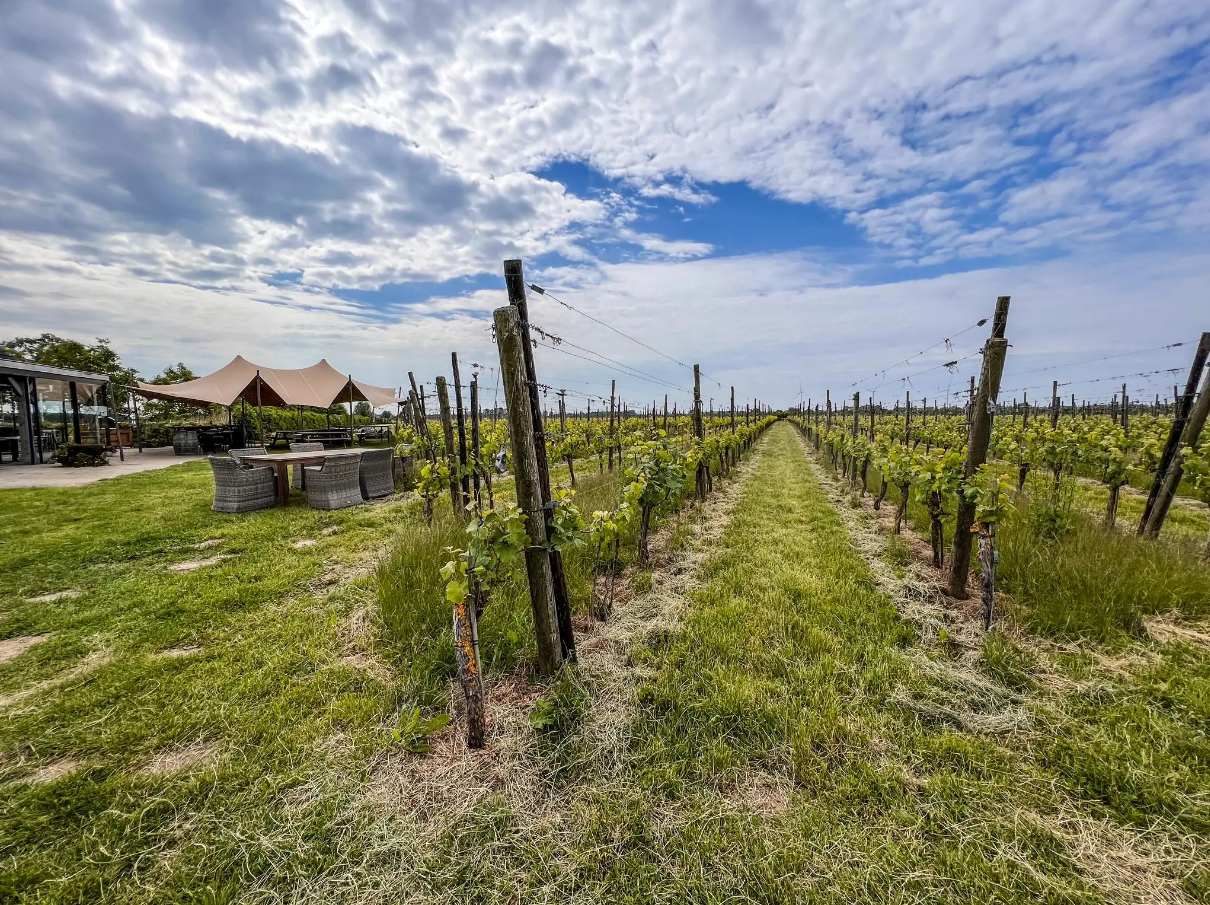
Hike and wine – walking through vineyards in the Netherlands
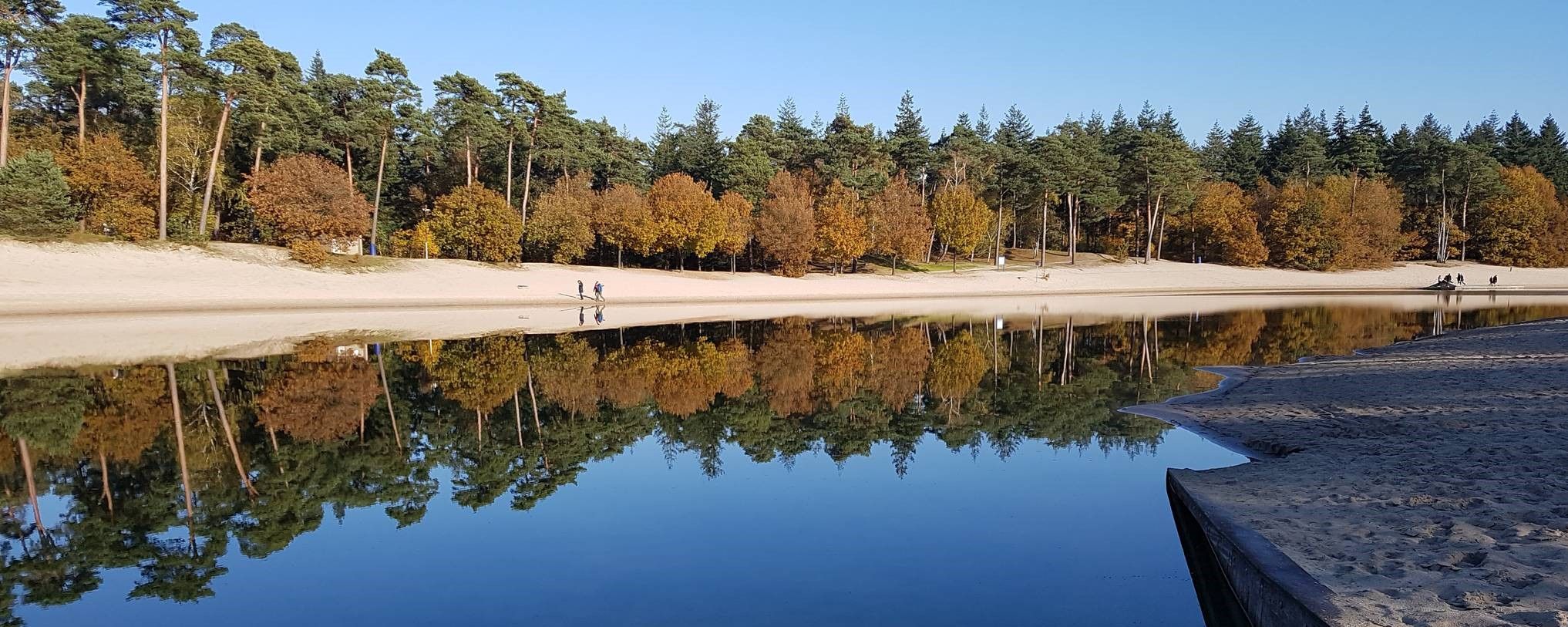
Hiking and swimming - Paths with a refreshing end
Hiking around Maasgouw
Cycling around Maasgouw
Other adventures around Maasgouw


Tips from the Community

Kasteel Hillenraad has the appearance of a seventeenth or eighteenth-century building, but its core is older. The castle is first mentioned in archival documents in 1380 and was then owned by the nobleman Dirk van Oost. He came from Oost Castle near Maastricht and was somehow related to the lords of Swalmen. He is mentioned in Swalmen from 1379 and shortly thereafter also bought the ancestral seat of the lords of Swalmen, which is now known as the Ouborg. Since then, Hillenraad has always remained in the family. However, the family sometimes took on a different name through inheritance in the female line. The original building had a round tower at the back. In the seventeenth century, this had to make way for the addition of a large hall. Later, two wings were added to the sides and finally, in the eighteenth century, four towers were added at the corners. After the French period, the castle was no longer inhabited by the family and fell into considerable disrepair. When Count Herman Wolff Metternich (1887-1956) inherited Hillenraad in 1909, he began a major restoration. He saved the castle from ruin. Source and more info: https://www.archiefroermond.nl/nl/roermonds-verleden/verhalen/een-andere-geschiedenis/prachtige-plekjes/kasteel-hillenraad There are information boards near the castle and you can see quite a bit from the outside. The stately avenues in the forest are also connected to the castle, and there is also something to discover there. More about the Hillenrader Bossen at https://www.komoot.com/nl-nl/highlight/7695125
5
0

Ohé en Laak is located together with Stevensweert on the Island in the Maas, a (former) island between two river arms of the Maas, just west of the town of Echt at an altitude of approximately 26 meters. The old right arm is the Oude Maas. Due to sand and gravel excavations at various places on the island, several lakes have been created around the village, including the Dilkensplas, the Schroevendaalse plas, the Teggerse plas and most recently the Molenplas. Since the twentieth century, these have been used for water recreation and as a nature reserve, which is why the place attracts many tourists. There is a small marina. Laak consists entirely of ribbon development, located along a road that runs parallel to the Maas. Ohé has both a section with ribbon development and a part with concentrated development. From 1925 to 1934, the Juliana Canal was constructed, which forms an additional barrier between the island and the mainland. A few bridges provide the connection.
7
0

During the Eighty Years' War, the original village of Stevensweert was expanded into a fortified town by the Spanish in 1633. An earthen wall with seven bastions and five ravelins was built. Part of Stevensweert is under town protection. The fortifications can still be seen in the city's unique street pattern. Be sure to take a look at the Stevensweert-Ohé en laak regional museum. In 2007, the reconstruction of a small part of the fortifications began based on historical maps of a bastion, a rave line and the associated north side of Stevensweert.
17
0
Today's Stevensweert arose in the early Middle Ages on an island in the Meuse, with the eastern branch being the Old Meuse. This domain initially belonged to the County of Loon and since 1243 to the Oberg. From 1253 it belonged to the Ambt Montfort. In 1543 Obergelre came to the Habsburg Monarchy and thus became Spanish Obergelr. The late Gothic sculptor Jan van Steffeswert was probably born here at the end of the 15th century. The original village was converted into a fortress town in 1633 by the Spanish general Francisco de Moncada. An earthen wall with seven bastions and five rave lines was built around the place. In 1702, Stevensweert was besieged by the states, causing severe damage to the castle and the fortress becoming state property. From 1716 Stevensweert finally came into state hands and belonged to Staatsober-Gelre. Stevensweert has retained its heptagonal perimeter and geometric street pattern to this day. The original fortification wall was destroyed in 1874. In 1882 the island bridge was built over the Oude Maas, connecting the island to the mainland. In 1922 the Roermond - Sittard tram line was completed and Stevensweert received a tram stop. Five trams ran in both directions every day and a journey to Roermond station took 24 minutes. In 1937 the tram line was broken up and bus services took over passenger transport. With the construction of the Juliana Canal (1925-1934), Stevensweert was again on an elongated island, which was only connected to the shore by a few bridges and therefore always still had a more or less isolated situation. After the Second World War, gravel extraction was added, which created a number of puddles. In 2007, the reconstruction of a small part of the fortifications began based on historical maps of a bastion, a rave line and the associated north side of Stevensweert.
13
0

The fortified town of Stevensweert has everything to be counted among the most beautiful villages in Limburg: history, beauty, atmosphere and located in a beautiful part of the Netherlands. The biggest attraction of Stevensweert is the village center itself. This is one of the most picturesque villages you will find in Limburg. Specific buildings worth mentioning are the former town hall, which now houses the Streekmuseum Stevensweert/Ohé en Laak, the eighteenth-century St. Stephen's Church and the striking former Reformed Church. This monumental building now serves as a wedding location and a place where events are organized, such as concerts.
9
1

A nice place with gastronomy surrounded by water.
3
1

Montfort Castle dates back to 1260 and for centuries was one of the largest castles in the Netherlands. It was built by Hendrik van Gelre on a ridge in the water-rich Vlootbeek valley.
6
0
The castle has acted as a film set several times. For example for the feature film "Sjors en Sjimmie en het Zwaard van Krijn" (1977), by Henk van der Linden. The castle also played a role in a short feature film "The Legend of the Lady Without a Head" based on a legend about the wife of Wilhelm van Vlodrop, Cecilia van Hamal.
8
0
Frequently Asked Questions
Which castles in Maasgouw are open to the public?
While many castles in Maasgouw are privately owned, Daelenbroeck Castle offers a restaurant and outdoor spaces. Montfort Castle has a terrace open in good weather and offers guided visits. Kasteel Aldenghoor is fully intact and open for overnight stays, dining, and events. Kasteel Baexem operates partly as a Bed & Breakfast and offers guided tours by appointment.
Are there any castles in Maasgouw that offer accommodation or dining?
Yes, Daelenbroeck Castle features a restaurant with idyllic outdoor spaces. Kasteel Aldenghoor allows visitors to stay overnight, dine, and host events within its historic walls. Kasteel Baexem also operates partly as a Bed & Breakfast, offering rooms and an idyllic country house for rent.
What kind of historical significance do the castles in Maasgouw hold?
The castles in Maasgouw showcase a rich history, with origins dating back to the 10th or 11th century for structures like Kasteel Horn. Many, like Hillenraad Castle, are 14th-century moated castles. The region features medieval ring-wall castles, moated castles, and 17th-century manor houses, each reflecting distinct architectural styles and historical periods.
Can I explore the grounds or parks around the castles?
Yes, the park surrounding Kasteel Horn, a medieval ring-wall castle, is freely accessible for walkers. While Hillenraad Castle itself is not open to the public, it is set within a palace park. Kasteel Aldenghoor also boasts a beautiful garden and terrace for guests.
Are there family-friendly activities or castles suitable for families in Maasgouw?
Several castles in Maasgouw are noted as family-friendly. Daelenbroeck Castle and Montfort Castle are listed as family-friendly. The Historic Center of Stevensweert, which includes historical sites and fortifications, is also family-friendly and offers insights into the region's past.
What outdoor activities can I do near the castles in Maasgouw?
The Maasgouw region offers various outdoor activities. You can find numerous cycling routes, including road cycling and gravel biking, that pass by or near these historical sites. For example, explore routes like 'Panoramic view of the Meuse – Old Lock on the Peelrandbeek loop from Horn' for gravel biking or 'View of the Meuse – View of Thorn loop from Stevensweert' for road cycling. There are also running trails available, such as 'Grote Heg Drawbridge – Koningssteen Nature Reserve loop from Grensmaas'. You can find more details on these activities in the Gravel biking around Maasgouw, Road Cycling Routes around Maasgouw, and Running Trails around Maasgouw guides.
Are there any unique features or artistic elements in Maasgouw's castles?
Kasteel Baexem stands out with its unique botanical garden featuring a natural swimming pond. Its music room showcases murals by the renowned artist Matthijs Röling, blending authentic historical details with modern comfort. Kasteel Het Geudje, though privately owned, is architecturally significant with its marlstone construction, stepped gables, and Maasland Renaissance style brickwork.
What natural landscapes or features can be found near the castles?
The castles in Maasgouw are often set amidst scenic surroundings. Kasteel Horn is built on a natural elevation near the Maas river, and its park offers tranquil walks. The area around Ohé en Laak Castle, located on a former island in the Maas, features several lakes created by gravel extraction, now used for water recreation and as nature reserves.
What is the best way to experience the history of Maasgouw's castles?
To experience the history, consider visiting castles that offer public access or guided tours. Montfort Castle offers guided visits, and Kasteel Baexem provides guided tours by appointment. Exploring the Historic Center of Stevensweert, a former Spanish fortress, also provides deep historical context with its preserved fortifications and unique street pattern.
Are there any castles that have been used as film sets?
Yes, Montfort Castle has served as a film set multiple times, including for the feature film 'Sjors en Sjimmie en het Zwaard van Krijn' and a short film based on a local legend.
What do visitors particularly enjoy about the castles in Maasgouw?
Visitors appreciate the historical significance and the scenic beauty surrounding the castles. For instance, Daelenbroeck Castle is praised for its wonderful setting and excellent cuisine with dreamy, idyllic outdoor spaces. The unique character and historical atmosphere of places like Kasteel Aldenghoor and Kasteel Baexem are also highly valued.
Most popular routes around Maasgouw
Most popular attractions around Maasgouw

Get inspired with the komoot mobile app


Explore more
Looking for the best castles somewhere else? Discover other guides around Maasgouw:
