The best cycling routes around Embalse del Ebro
4.9
(24)
435
riders
56
rides
Touring cycling routes around Embalse del Ebro traverse a landscape characterized by the expansive reservoir, verdant mountain pastures, and deep river gorges. The region, situated between the Cantabrian Mountains and the Burgos province, offers diverse terrain for cyclists. Routes often follow the reservoir shoreline, pass through mixed forests, and feature roads carved into rock faces. Historical sites, including submerged villages and Romanesque churches, are integrated into the natural environment.
Best touring cycling routes around Embalse del Ebro
- The most popular…
Last updated: June 1, 2026
10
riders
49.4km
03:07
510m
510m
Hard bike ride. Very good fitness required. Mostly paved surfaces. Suitable for all skill levels.
4.3
(3)
8
riders
19.8km
01:14
200m
210m
Moderate bike ride. Good fitness required. Mostly paved surfaces. Suitable for all skill levels.

Sign up for free
11
riders
38.9km
03:57
1,080m
1,080m
Hard bike ride. Very good fitness required. You may need to push your bike for some segments of this route.
4.5
(2)
5
riders
35.7km
02:21
500m
500m
Hard bike ride. Very good fitness required. Mostly paved surfaces. Suitable for all skill levels.
5.0
(3)
6
riders
24.1km
01:29
230m
230m
Moderate bike ride. Good fitness required. Mostly paved surfaces. Suitable for all skill levels.
Get access to more routes and recommendations from other explorers.
Sign up for free
Already have an account?
Our route recommendations are based on thousands of hikes, rides, and runs completed by other people on komoot.
Start today with a free account
Your next adventure awaits.
Login or Signup
Tips from the Community

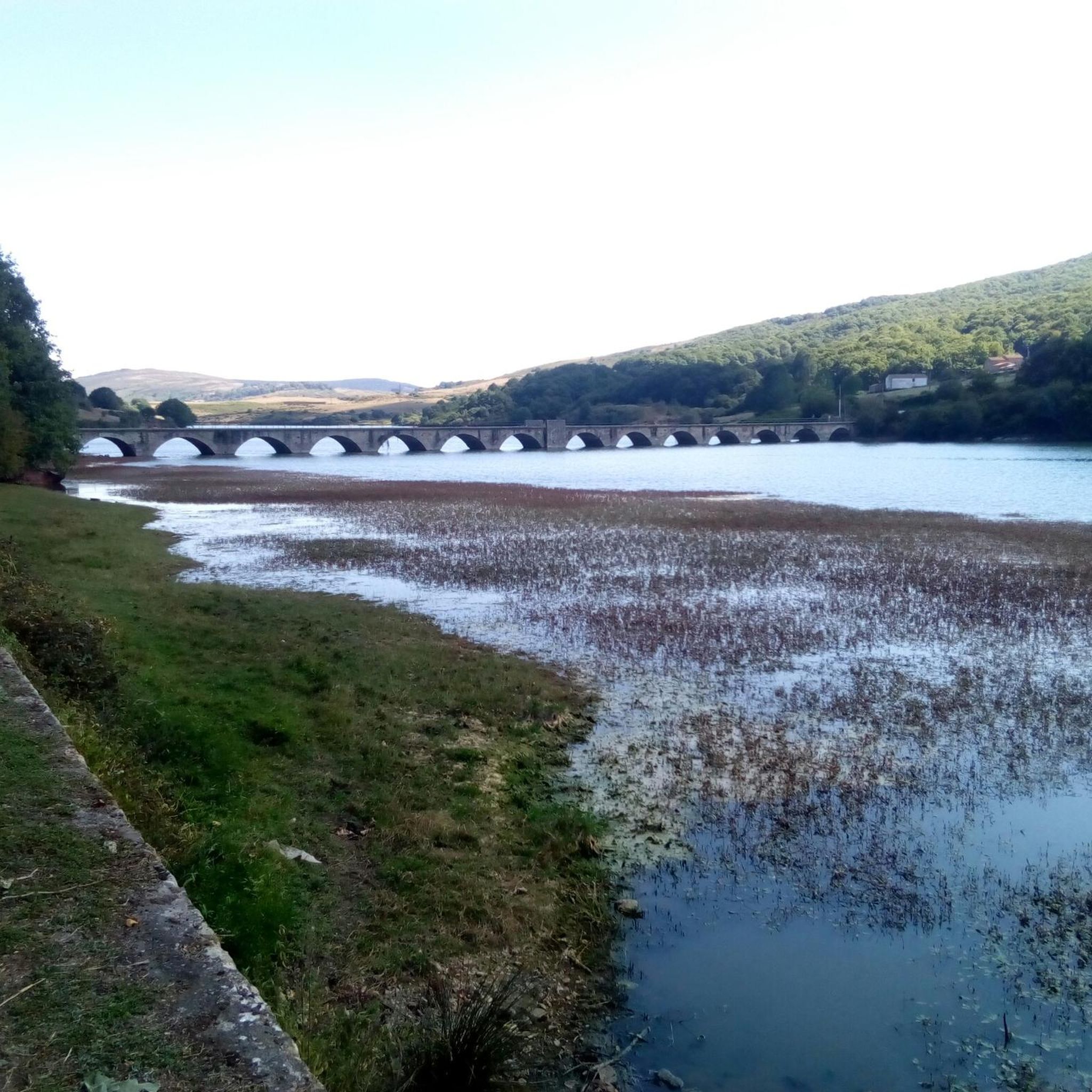
Extraordinary views of the Robla train bridge with its spectacular arches and the beautiful panorama of the Ebro reservoir in the background.
1
0

Arroyo is a small and pleasant town full of services on the banks of the Ebro reservoir.
1
0

Wonderful place where you can see perfect views of the bridge and one of the entrances to the reservoir.
0
0
The port of Carrales is a mountain pass in the Cantabrian mountain range (Spain), which connects the Burgos municipalities of Alfoz de Bricia, Valle de Valdebezana, and the Cantabrian Valderredible, in the transition zone between the northern sub-plateau and the mountains cantabrian
0
0
Small town located at the foot of the Ebro Reservoir and notable for its church located in the middle of the town.
1
0

Located between high mountains far from the sea, the fascinating thing about this city is that it dates back to the Middle Ages, with an old town with interesting monuments to visit. The structure that stands out the most is the church of San Sebastián in the old center of the city. Furthermore, in the Town Hall Square you can see a set of ashlar buildings, built in the 16th and 17th centuries. Don't forget to try the city's most typical sweet, calf, which is a puff pastry with caramelized sugar.
1
0
It is considered the main Roman city that existed in ancient Cantabria. It has an exhibition area where the most significant objects recovered during the archaeological excavations of this Roman city and other sites in Cantabria are exhibited, explaining all of them within their historical context. You can take a guided tour of the site.
1
0
If you are going to visit the area, the ornithological center is the first obligatory stop. It can guide you about the most interesting things around the reservoir. They tell you about the birds that populate the Ebro Reservoir and where you can observe them (more than 70 species of waterfowl). They offer you two different routes. Each itinerary will be interpreted by the Center's specialized guide service.
1
0
Frequently Asked Questions
What kind of terrain and difficulty can I expect on touring cycling routes around Embalse del Ebro?
The Embalse del Ebro region offers a diverse cycling experience. You'll find routes traversing verdant mountain pastures, deep river gorges, and the expansive reservoir shoreline. Some sections feature roads carved into rock faces, adding to the dramatic scenery. While there are 4 easy and 11 moderate routes, the majority (41 out of 56) are classified as difficult, often involving significant elevation gain. For example, the Bike loop from La Costana covers 24.1 miles (38.9 km) with over 1000 meters of ascent.
Are there any family-friendly touring cycling routes suitable for beginners around Embalse del Ebro?
Yes, while many routes are challenging, there are options suitable for families and beginners. The region offers 4 easy and 11 moderate touring cycling routes. These paths often provide gentler gradients and less demanding distances, allowing for a more relaxed exploration of the reservoir's surroundings and charming villages. Look for routes with lower elevation gains and shorter distances for a more comfortable family outing.
What are some notable landmarks or natural features I can see along the touring cycling routes?
The Embalse del Ebro area is rich in both natural beauty and historical sites. You can cycle past the impressive Ebro Dam, enjoy the views from Rutón Bridge, or stop at Arija Beach. The region is also known for its dramatic canyons and gorges, ancient mixed forests like Monte Hijedo, and the poignant sight of the visible bell tower of the submerged church of Villanueva de las Rozas. The La Robla Train Bridge is another interesting historical landmark.
Are there any circular touring cycling routes around Embalse del Ebro?
Yes, many of the touring cycling routes around Embalse del Ebro are designed as loops, allowing you to start and end at the same point. For instance, the View of the Robla Train Bridge – La Robla Train Bridge loop from Arija is a moderate 12.5-mile (20.1 km) circular path, offering scenic views and a convenient return to your starting location. Another option is the Aurora Fountain – Historic Center of Reinosa loop from Llano, a more challenging 30.7-mile (49.5 km) route.
What is the best time of year to go touring cycling in the Embalse del Ebro region?
The Embalse del Ebro region offers pleasant cycling conditions during spring, summer, and early autumn. Spring brings lush green landscapes and comfortable temperatures, while summer is ideal for enjoying the reservoir and water sports, though it can be warmer. Early autumn provides cooler weather and beautiful fall foliage, making it a great time for longer tours. The area's diverse natural environments, from mountain pastures to forests, are enjoyable across these seasons.
What do other touring cyclists enjoy most about cycling in Embalse del Ebro?
The Embalse del Ebro area is highly rated by the komoot community, with an average score of 4.8 stars from over 20 reviews. Cyclists often praise the diverse landscapes, which include expansive reservoir views, challenging mountain pastures, and impressive gorges. The combination of natural beauty with historical sites like Romanesque churches and charming villages also contributes to a rewarding experience.
Are there opportunities to observe wildlife or birds while cycling around Embalse del Ebro?
Absolutely. The Embalse del Ebro is a significant natural area, recognized as a National Waterfowl Reserve and part of the Natura 2000 network. It's a paradise for aquatic birds, making it an excellent spot for birdwatching, especially around the reservoir's wetlands. Cyclists might also spot eagles and vultures in the canyons and gorges, and other wildlife within the well-preserved mixed forests like Monte Hijedo.
Are there any routes that pass through historical villages or offer cultural insights?
Yes, the region is dotted with historical and cultural points of interest. Many routes connect charming villages and towns. You can encounter remnants of ancient civilizations, including Roman sites and medieval towers. The bell tower of the submerged church of Villanueva de las Rozas is a poignant historical sight. For a route that explores historic centers, consider the Aurora Fountain – Historic Center of Reinosa loop from Llano.
How many touring cycling routes are available in the Embalse del Ebro area?
There are 56 touring cycling routes available for exploration around Embalse del Ebro. These routes cater to various skill levels, with options ranging from easy paths to more challenging rides with significant elevation changes, ensuring there's something for every touring cyclist.
Can I find routes that offer dramatic views of canyons or gorges?
Yes, the cycling paths in the Embalse del Ebro region frequently pass through impressive canyons and gorges, offering dramatic views. Some sections even feature roads carved directly into the rock, enhancing the unique experience. These areas are also prime spots for observing local wildlife like eagles and vultures.
Is there a route that offers views of the Ebro Reservoir and its surroundings?
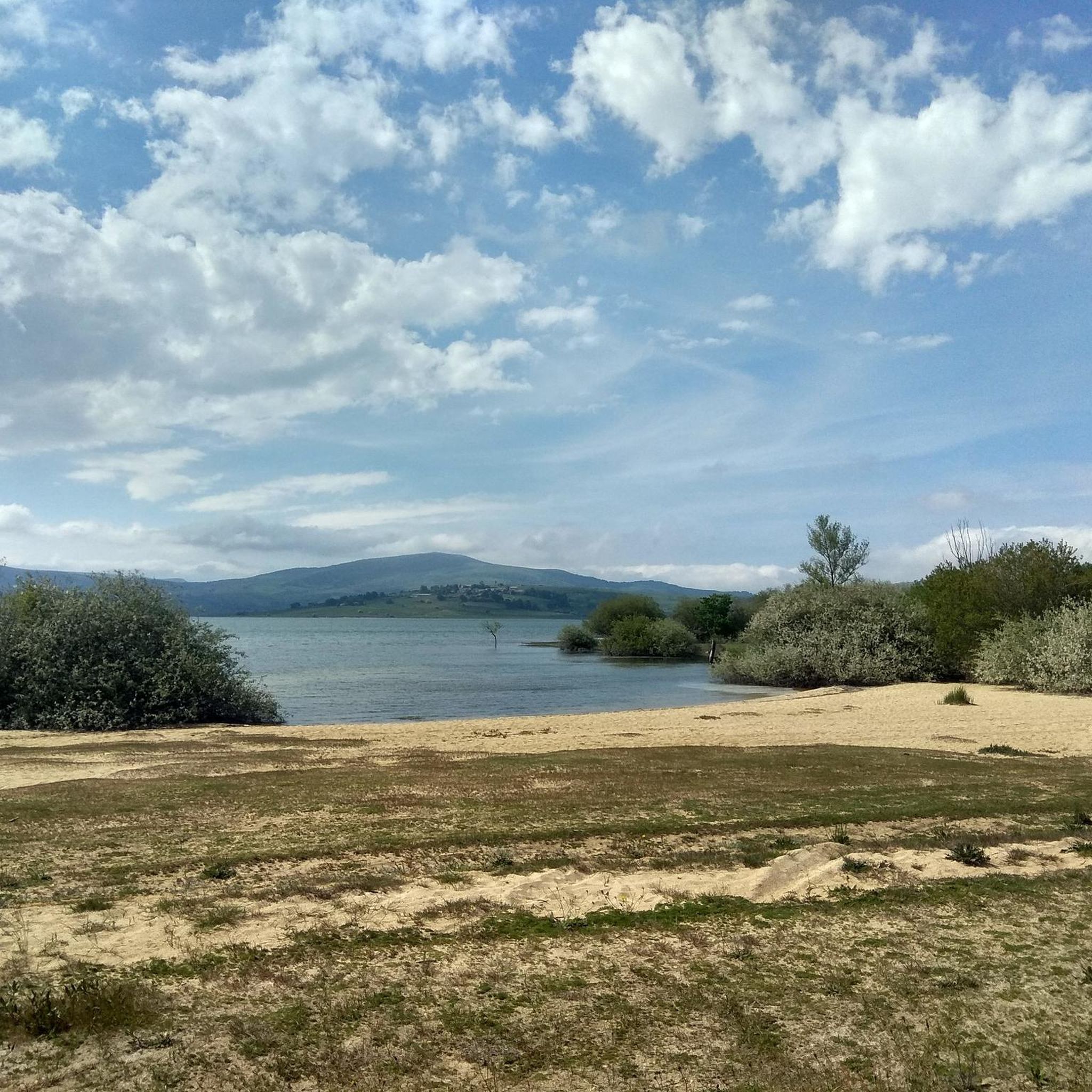
Many routes provide expansive views of the Ebro Reservoir, often referred to as Pantano de Arija. You can cycle along the shoreline, taking in the vastness of this 'mini-sea.' The View of the Robla Train Bridge – Puerto de Carrales loop from Arija offers scenic vistas that include parts of the reservoir and the surrounding natural landscape.
Are there any routes that take me through forested areas?
Yes, the region boasts diverse natural environments, including well-preserved mixed forests. The routes along the Ebro often pass through areas like Monte Hijedo, which features ancient oak and beech trees, providing a shaded and scenic cycling experience. These forested sections offer a different kind of beauty compared to the open reservoir views.
Most popular routes around Embalse del Ebro
Most popular attractions around Embalse del Ebro

Get inspired with the komoot mobile app


Explore more
Browse the best Cycling routes in other regions.
