The best road cycling routes around Embalse del Negratín
4.5
(2)
151
riders
13
rides
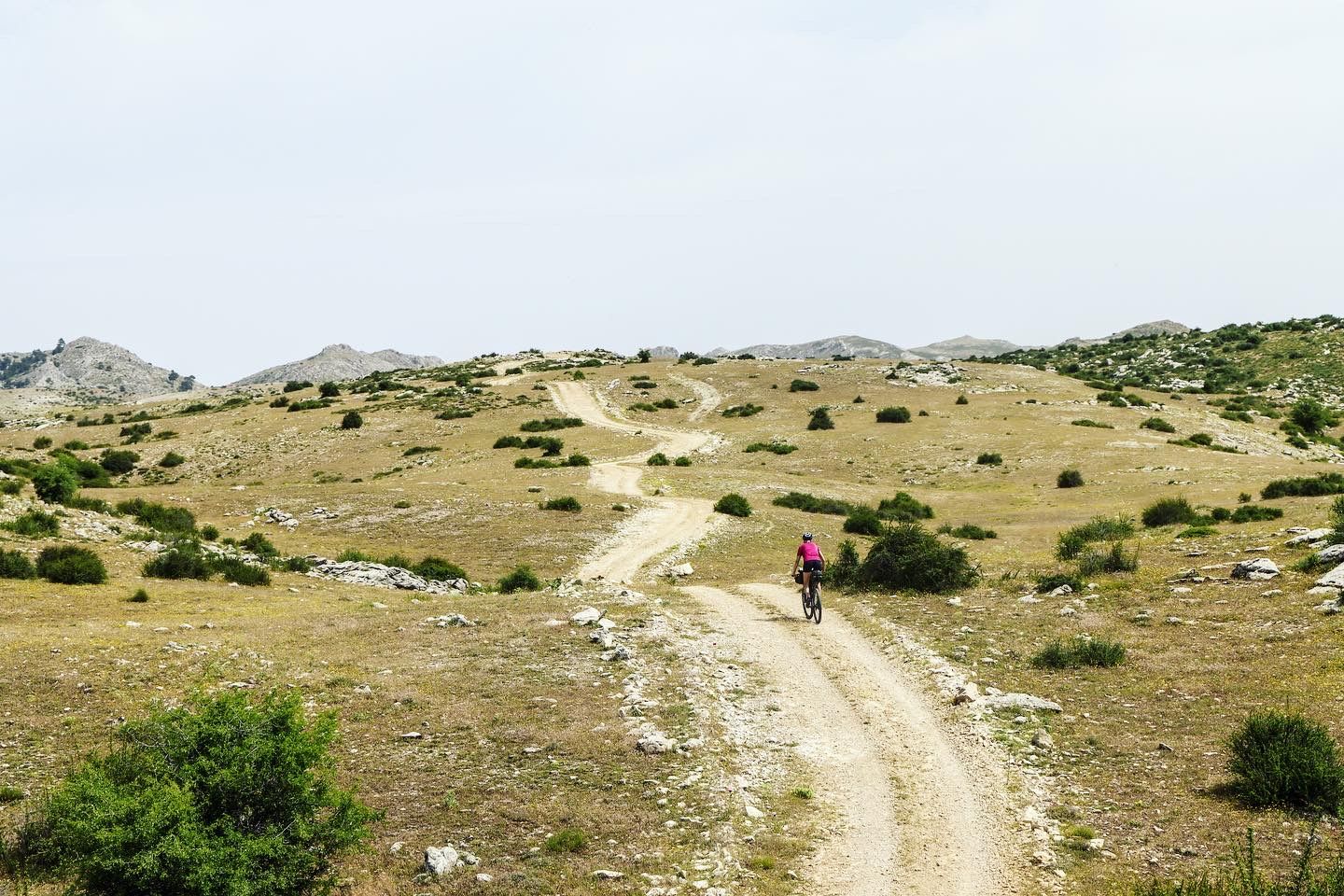
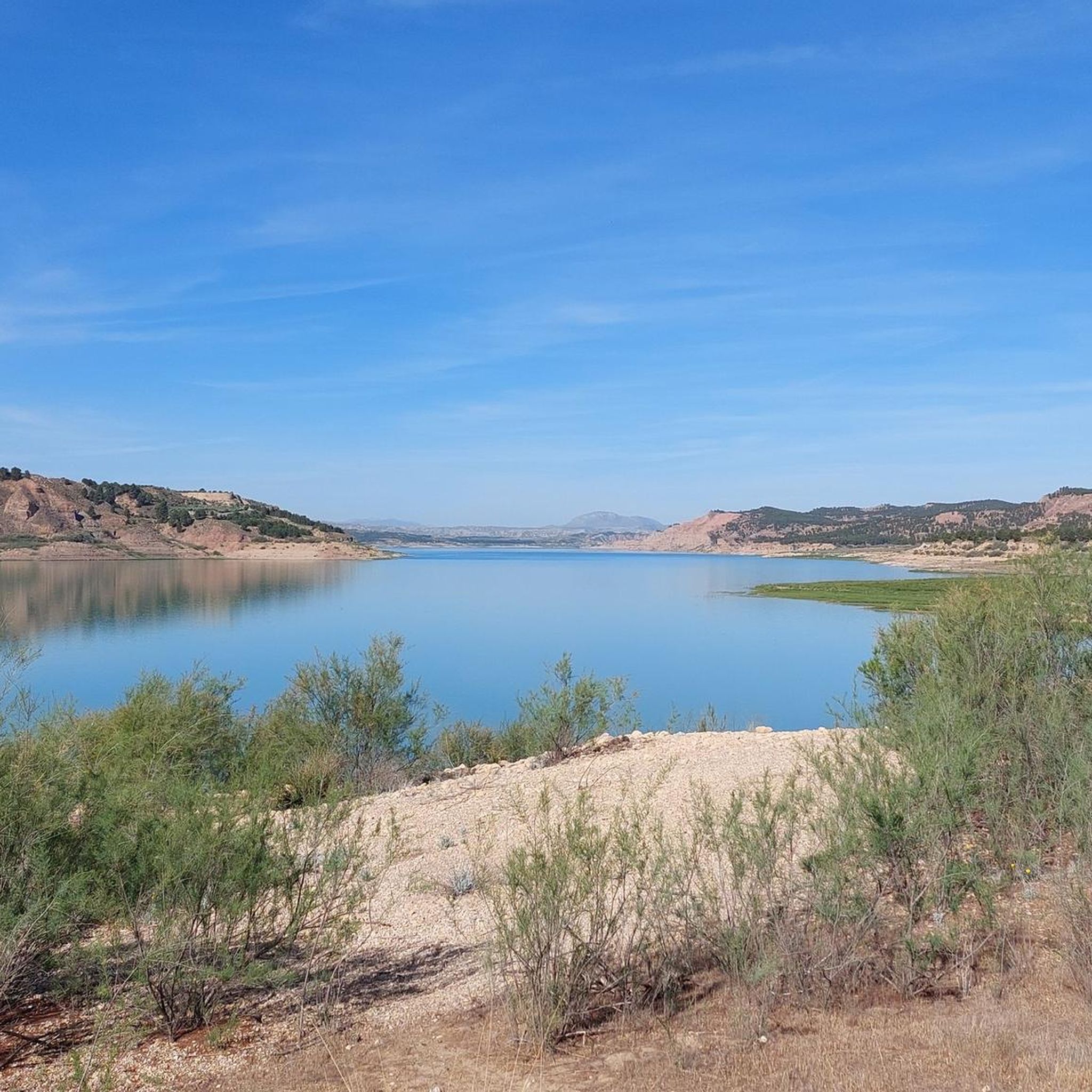
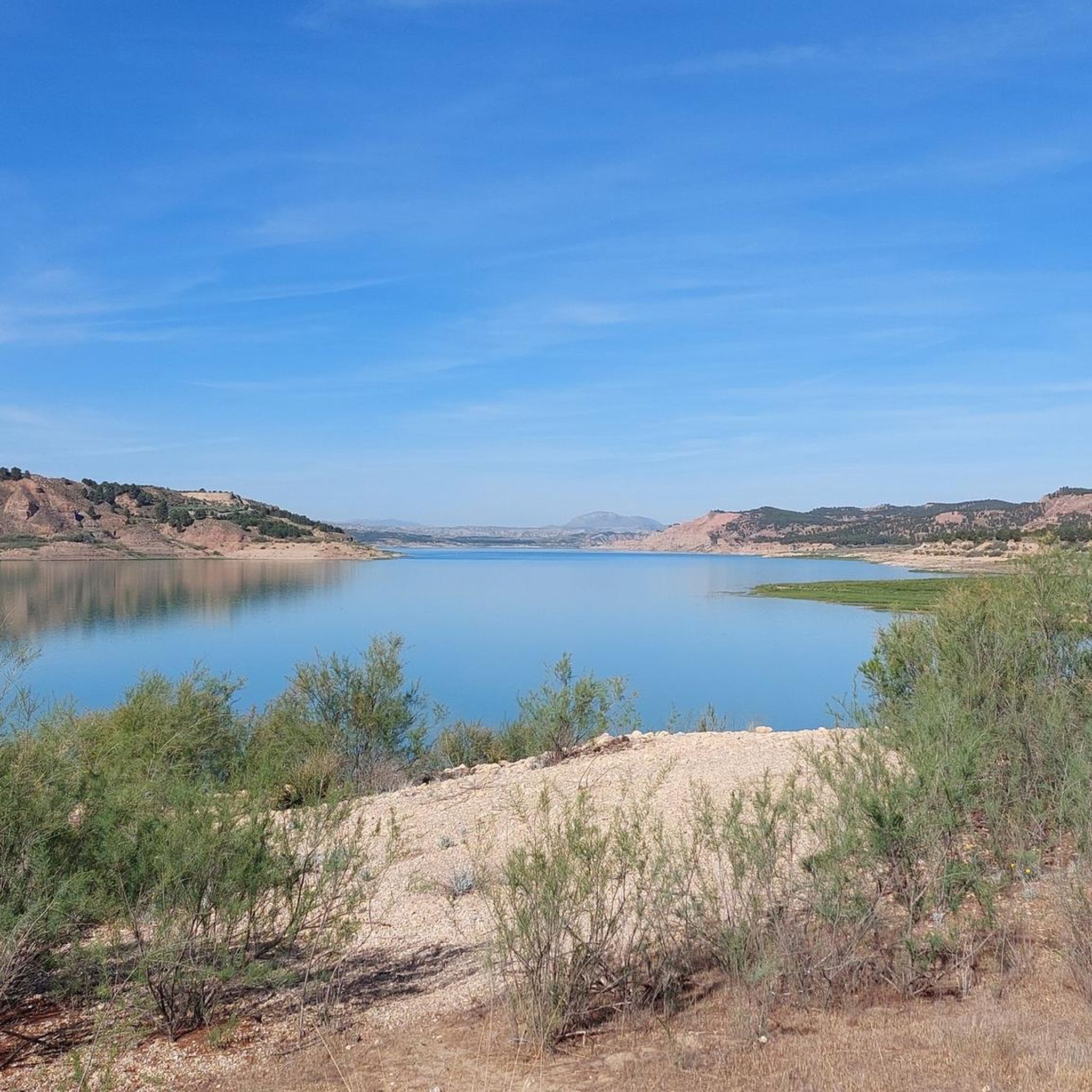
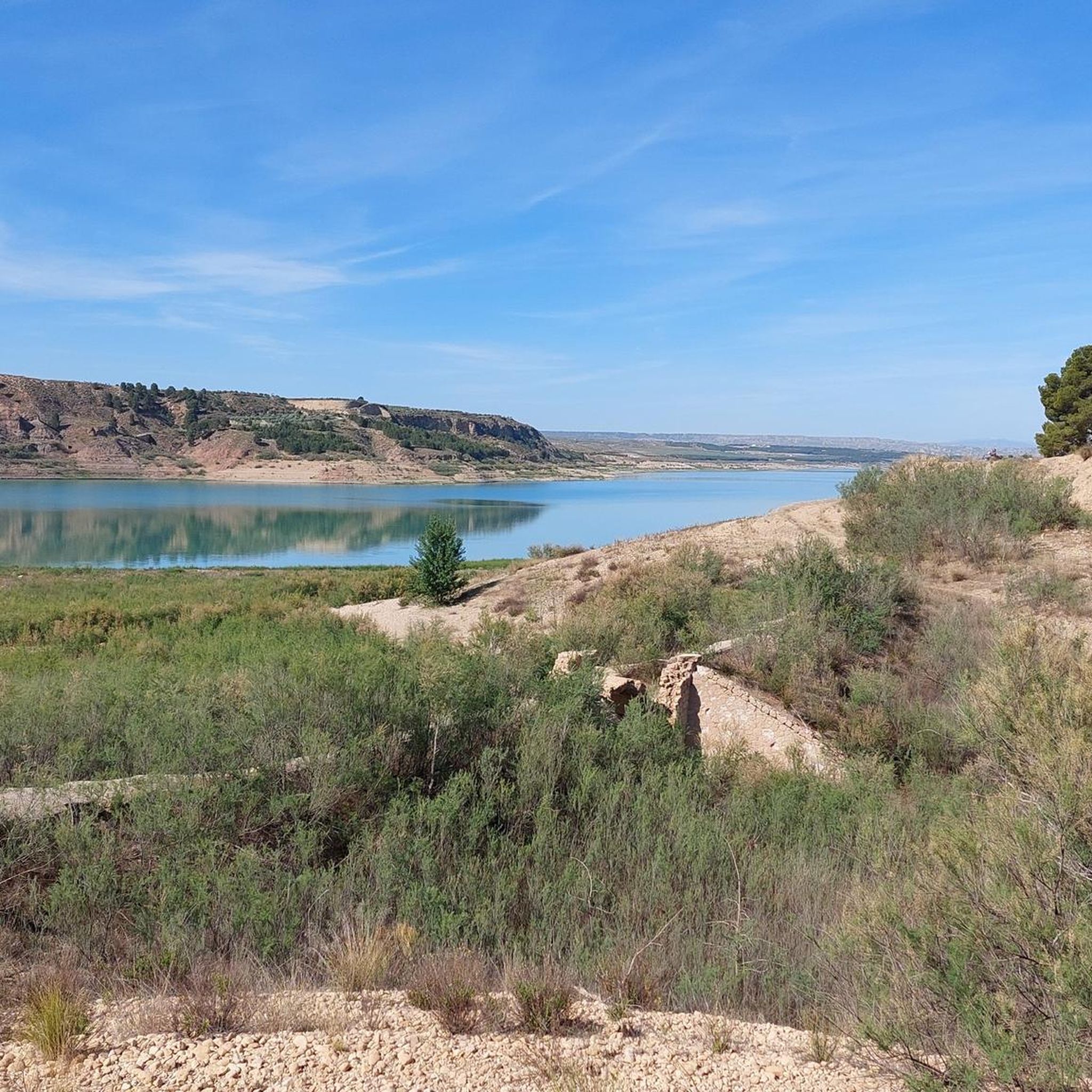
Road cycling routes around Embalse del Negratín traverse a landscape characterized by the reservoir's turquoise waters, dramatic badlands, and deep canyons. The terrain features a mix of paved surfaces with varying elevation gains, offering diverse challenges for road cyclists. From many vantage points, riders can observe the arid surroundings and distant views of the Sierra Nevada mountains. This region provides a unique backdrop for road cycling, blending natural features with engaging routes.
Best road cycling routes around Embalse del Negratín
…Last updated: October 13, 2026
2
riders
55.8km
02:41
710m
710m
Moderate road ride. Good fitness required. Mostly well-paved surfaces and easy to ride.
23
riders
30.6km
01:39
500m
500m
Moderate road ride. Good fitness required. Some segments of this route may be unpaved and difficult to ride.

11
riders
62.9km
03:17
720m
720m
Moderate road ride. Good fitness required. Mostly well-paved surfaces and easy to ride.
5.0
(1)
6
riders
94.7km
04:38
1,190m
1,190m
Hard road ride. Very good fitness required. Some segments of this route may be unpaved and difficult to ride.
20
riders
95.3km
05:06
1,700m
1,700m
Hard road ride. Very good fitness required. Some segments of this route may be unpaved and difficult to ride.
Get access to more routes and recommendations from other explorers.
Already have an account?
Our route recommendations are based on thousands of hikes, rides, and runs completed by other people on komoot.
Start today with a free account
Your next adventure awaits.


Other adventures around Embalse del Negratín

Tips from the Community


A town located in the southeast of the province, at the foot of the Sierra de Cazorla and facing the olive-growing countryside. Birthplace of the painter Rafael Zabaleta, to whom he has dedicated a museum with a large part of his work. It is a colorful collection of narrow streets with white houses in which the church of San Pedro and San Pablo, the church of the hospital, the Arco de la Manquita de Utrera and the Arco de Los Santos or del Señor stand out.
11
0

It is the most important monument in the city. It was built in the Nasrid period between the 13th and 15th centuries and consists of a tower, two sections of wall, a cistern and a parapet next to it.
8
0

Baza is a city whose municipal area is the largest in the province of Granada, whose population centers depend on it: Baúl (where the section of the greenway begins), La Jamula and Benacebada.
6
0

Everything is going well until the Vía Verde draws a large arc towards the south, enters the large channel of the Rambla de Baza and the Caniles iron bridge appears. The central planks have disappeared and you have to walk carefully along the sides. A sign at the entrance to the bridge recommends the parallel lane to avoid unnecessary risks. The tall chimney of the old Nuestra Señora de las Mercedes sugar factory announces the arrival at the Caniles station, which had an important weight in railway trade from its inauguration, in 1894, until the middle of the 20th century, when the decline of the road that connected Andalusia and the Levant. The buildings have been restored and converted into the Geodiversity Interpretation Center of the Granada Altiplano. In Baza you have to leave the route of the Greenway and visit the historical complex, passing by the Fuente de los Caños Dorados, the Plaza Mayor, the Barrio de San Juan, the alleys of the Jewish quarter, the Old Butcher Shops, the Arrabal de Marzuela , even entering the Arab Baths, and taking the opportunity to have some local delicacies and recover energy for the rest of the stage.
0
0

The Bastetano municipality is the largest in all of Granada and includes the population centers of Baza (municipal, regional capital of the entire Granada Altiplano and seat of its own judicial district), Baúl, La Jamula, Río de Baza and Benacebada. The city has a rich historical and artistic heritage that reflects its different cultures. Its shield and flag are official symbols that represent its history and tradition. 🌿🏰
1
0

Bluer than blue. The water in this landscape - breathtaking
2
0

Beautiful locality that gives its name to Hoya de Baza since this town is located north of the mountain range that also bears its name. The Sierra de Baza.
0
0
Frequently Asked Questions
What kind of terrain can I expect on road cycling routes around Embalse del Negratín?
The terrain around Embalse del Negratín is diverse, featuring mostly paved surfaces with varying elevation gains. You'll encounter dramatic badlands, deep canyons, and stunning turquoise waters of the reservoir. Many routes include both uphill and downhill sections, providing an engaging experience for road cyclists.
Are there road cycling routes suitable for different fitness levels?
Yes, the area offers a range of road cycling routes catering to various fitness levels. While there are no easy routes listed, you can find 6 moderate and 5 difficult routes. For example, the Castillo de Freila – Zújar loop from Zújar is a moderate 30.5 km ride, while the Negratín Reservoir – El Portillo Reservoir loop from Bácor is a challenging 88 km route.
What natural features or landmarks can I see while road cycling in the region?
The region is rich in unique natural features. You can cycle past the surreal turquoise waters of the reservoir, dramatic badlands, and impressive canyons, especially near the Gorafe Desert. Notable landmarks include the Hoodoos of Cuevas del Campo, which are striking geological formations, and the Roman Baths of Negratín (Zújar thermal pool), offering a unique relaxation spot.
Are there any circular road cycling routes available?
Yes, many routes around Embalse del Negratín are circular. For instance, the Plain of the Caves of Campo - circular via the Negratín Reservoir is a moderate 62.9 km loop that takes you through unique geological formations. Another option is the challenging Negratín Reservoir – Puerto de Tíscar loop from Bácor.
What are the best times of year for road cycling around Embalse del Negratín?
The region experiences a Mediterranean climate with hot, dry summers and mild winters. Spring and autumn generally offer the most pleasant temperatures for road cycling, avoiding the intense heat of summer. Winter can also be appealing, especially for visiting the thermal waters, but be prepared for cooler temperatures.
Can I find routes with panoramic views of the Sierra Nevada mountains?
Absolutely. From various points around Embalse del Negratín, cyclists can enjoy breathtaking panoramic views of the Sierra Nevada mountains, which are sometimes still snow-capped. The dramatic landscapes of the badlands and the reservoir itself also provide spectacular vistas.
What do other road cyclists say about the routes in Embalse del Negratín?
The road cycling routes in Embalse del Negratín are highly rated by the komoot community, with an average score of 5.0 stars from over 2 reviews. Cyclists often praise the striking turquoise waters, dramatic badlands, and the distant views of the Sierra Nevada, highlighting the unique backdrop for their rides.
Are there any villages or towns to explore along the road cycling routes?
Yes, some routes pass through or near charming local villages. For example, the Castillo de Freila – Zújar loop from Zújar provides an engaging ride through the area, passing by local villages like Freila, known for its cave houses and castle ruins.
What is the longest road cycling route available in the area?
One of the longest and most challenging routes is the Zújar – Negratín Reservoir loop from Casa Bella Teepees, which covers approximately 94.8 km and features significant elevation gain, typically taking around 4 hours and 37 minutes to complete.
Are there any viewpoints around the reservoir that are accessible by road bike?
Yes, there are several viewpoints around the reservoir, such as the Negratín Overlook, which offer spectacular panoramic views of the water and surrounding badlands. Many road cycling routes are designed to take advantage of these scenic spots.
How many road cycling routes are available around Embalse del Negratín?
There are 11 dedicated road cycling routes available around Embalse del Negratín on komoot. These include 6 moderate and 5 difficult options, offering a good variety for experienced road cyclists.
Most popular routes around Embalse del Negratín
Most popular attractions around Embalse del Negratín

Get inspired with the komoot mobile app


Explore more
Browse the best Road cycling routes in other regions.
