The best road cycling routes in Çanakkale
150
riders
13
rides
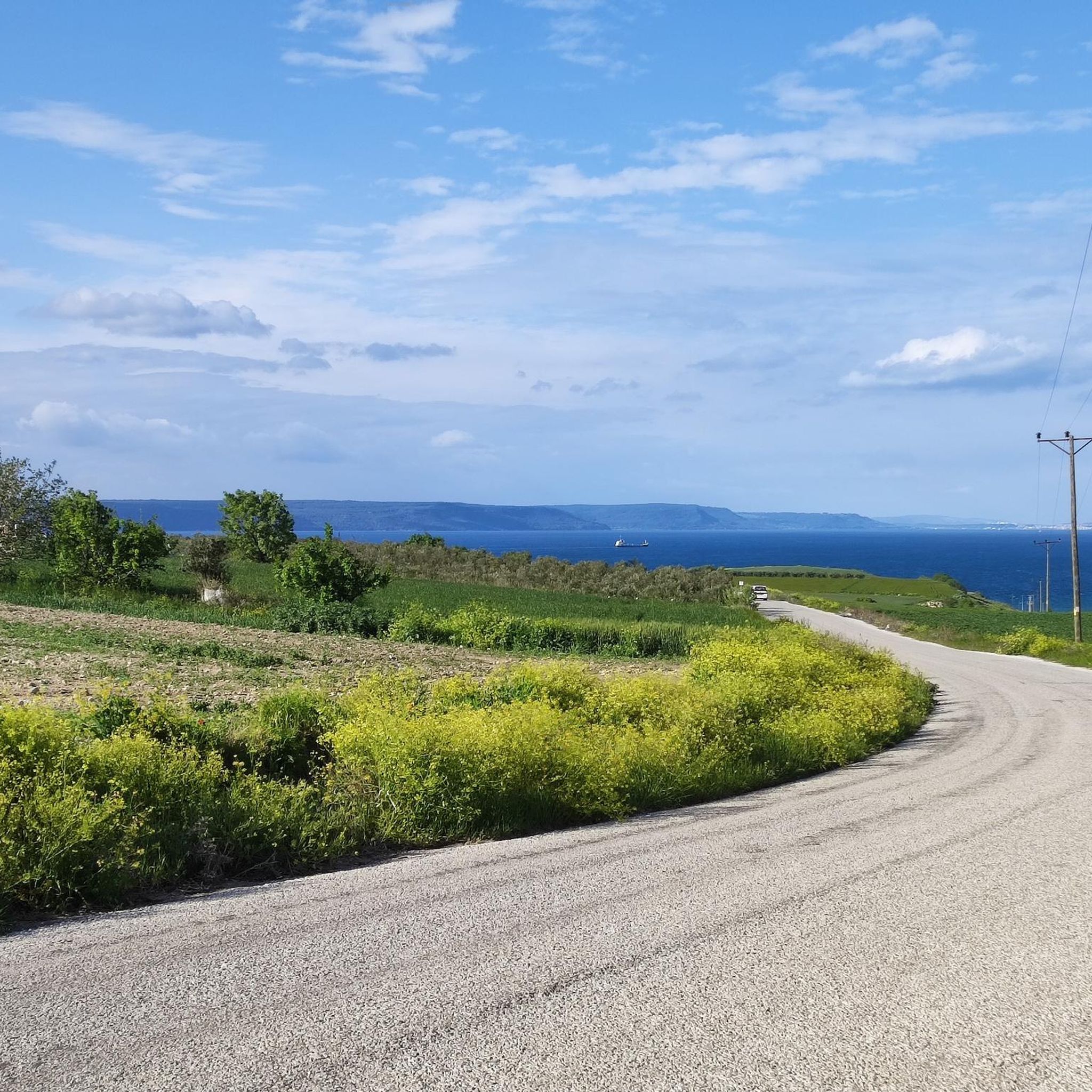
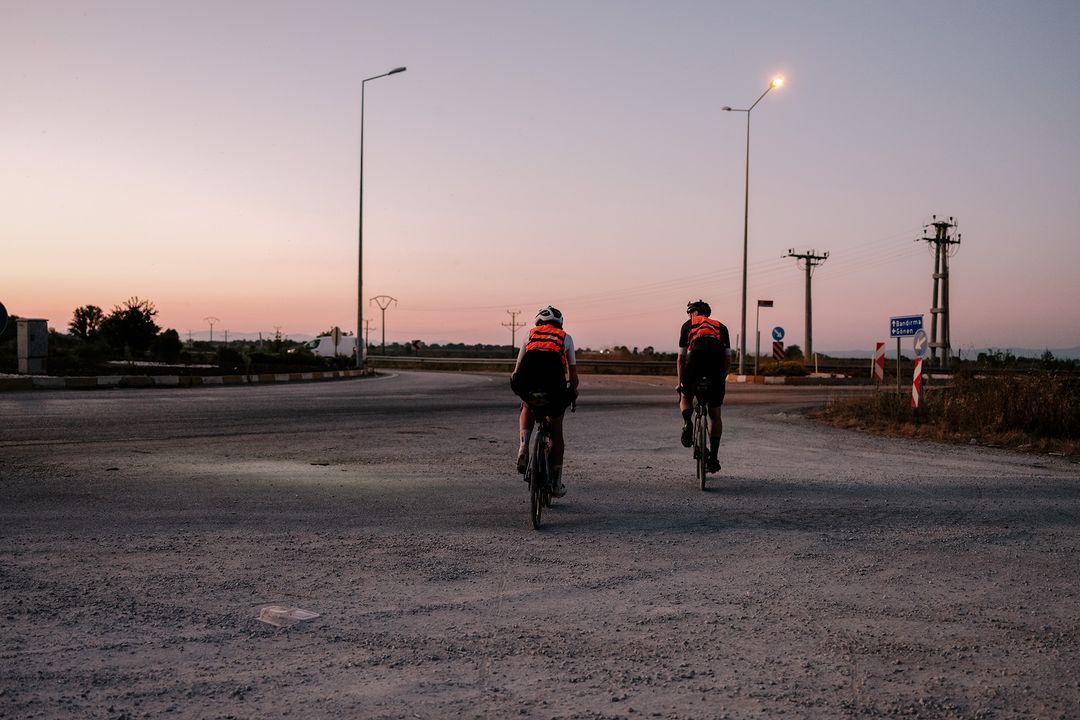
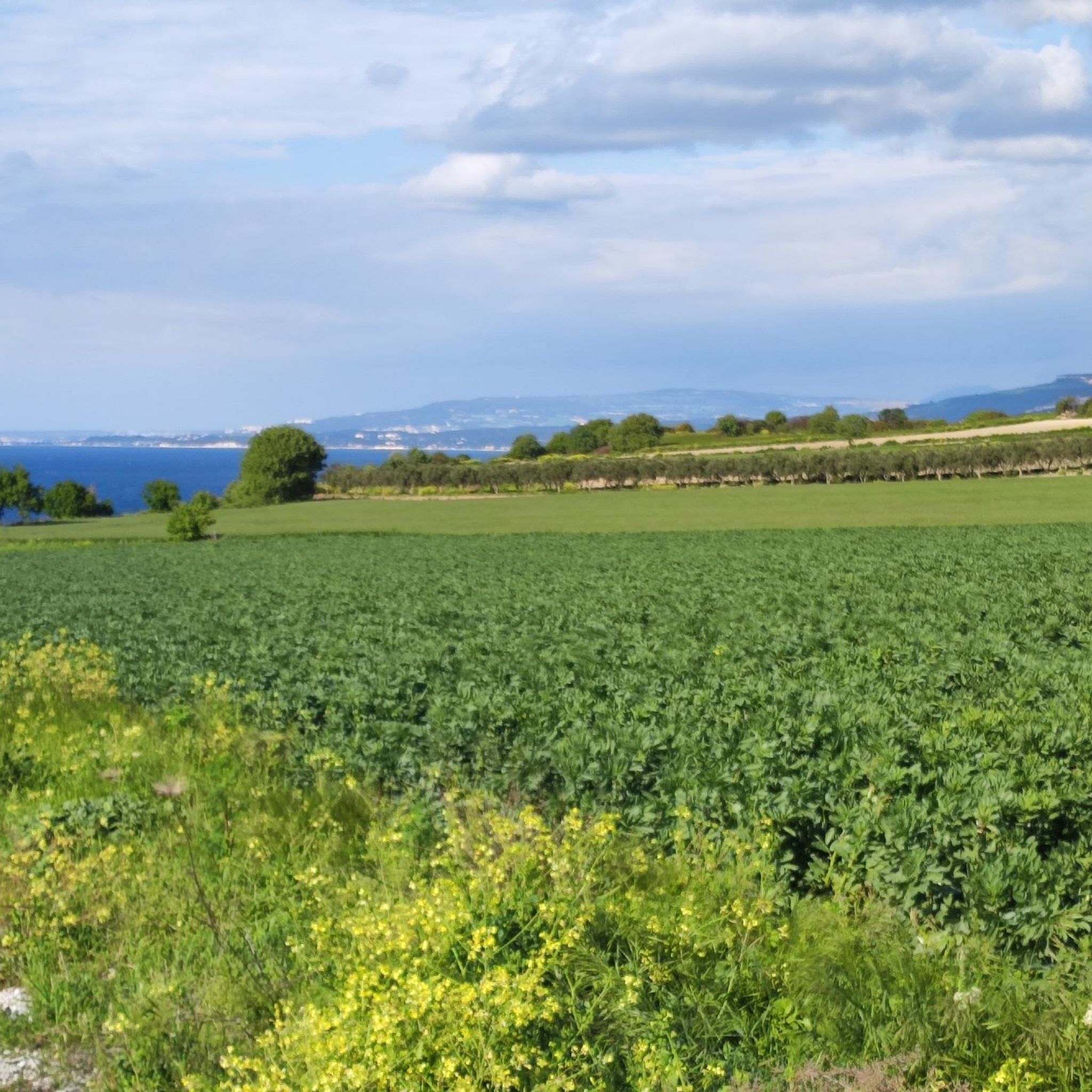
Road cycling routes in Çanakkale traverse a diverse landscape, characterized by the Gallipoli Peninsula, the Dardanelles Strait, and islands like Bozcaada and Gökçeada. The region offers varying elevations, from coastal roads to routes with significant climbs, often exceeding 2,900 feet. Cyclists can expect a mix of well-paved surfaces, with some segments potentially unpaved, passing through vineyards and olive groves.
Best road cycling routes in Çanakkale
- The most popular road cycling route is ANZAC Cove – Kilitbahir Castle loop from Kilitbahir…
Last updated: May 15, 2026
32
riders
85.4km
03:49
900m
900m
Hard road ride. Very good fitness required. Mostly well-paved surfaces and easy to ride.
23
riders
57.0km
02:50
880m
880m
Moderate road ride. Good fitness required. Mostly well-paved surfaces and easy to ride.

Sign up for free
19
riders
55.2km
02:46
890m
890m
Moderate road ride. Good fitness required. Mostly well-paved surfaces and easy to ride.
16
riders
90.8km
04:05
900m
900m
Hard road ride. Very good fitness required. Mostly well-paved surfaces and easy to ride.
5.0
(1)
17
riders
35.8km
01:39
430m
430m
Moderate road ride. Good fitness required. Some segments of this route may be unpaved and difficult to ride.
18
riders
49.8km
02:10
460m
460m
Moderate road ride. Good fitness required. Mostly well-paved surfaces and easy to ride.
7
riders
42.2km
02:09
680m
680m
Moderate road ride. Good fitness required. Mostly well-paved surfaces and easy to ride.
10
riders
40.0km
01:47
410m
410m
Moderate road ride. Good fitness required. Mostly well-paved surfaces and easy to ride.
2
riders
32.2km
01:22
260m
260m
Easy road ride. Great for any fitness level. Mostly well-paved surfaces and easy to ride.
2
riders
50.9km
02:18
530m
530m
Moderate road ride. Good fitness required. Mostly well-paved surfaces and easy to ride.
Get access to more routes and recommendations from other explorers.
Sign up for free
Already have an account?
Our route recommendations are based on thousands of hikes, rides, and runs completed by other people on komoot.
Start today with a free account
Your next adventure awaits.
Login or Signup
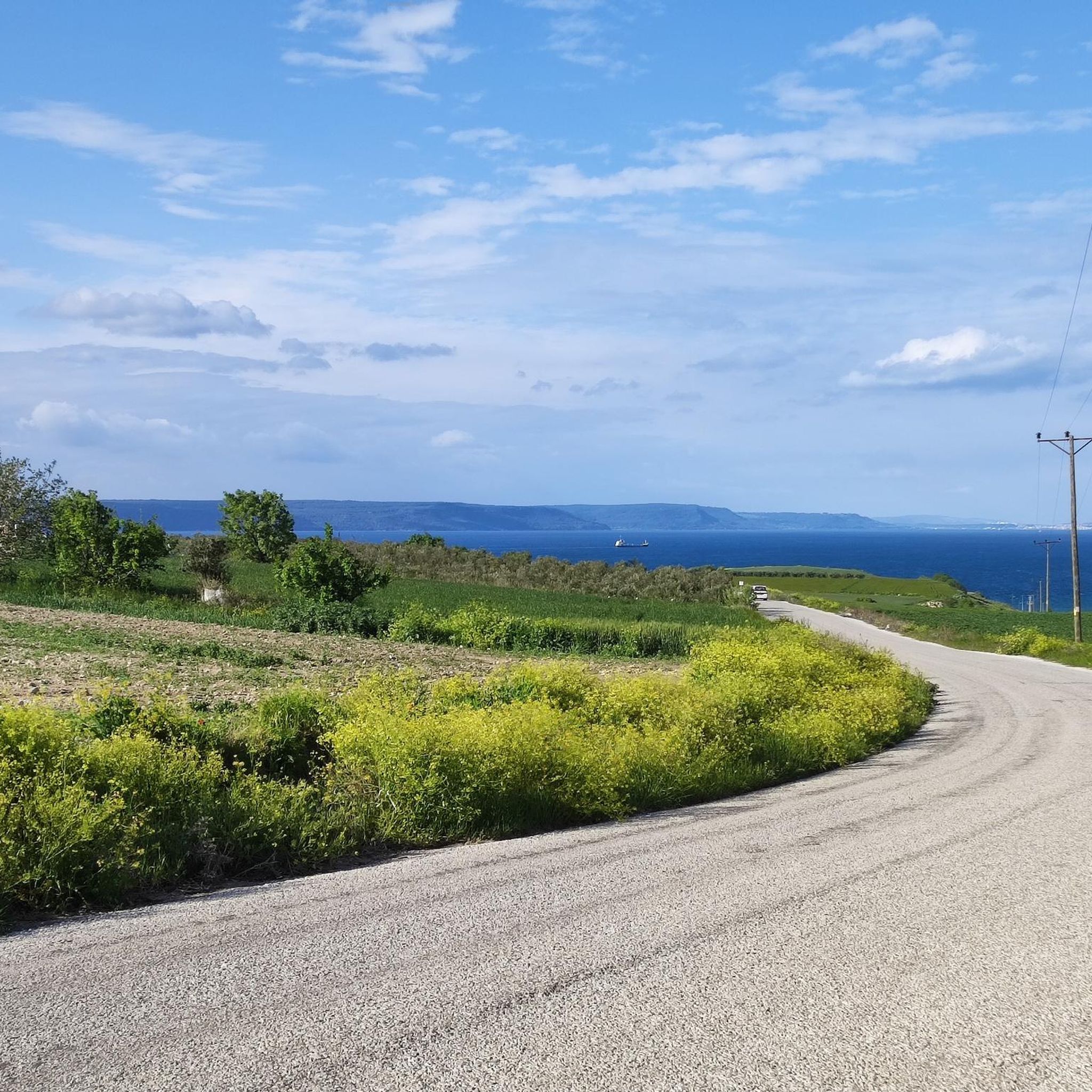
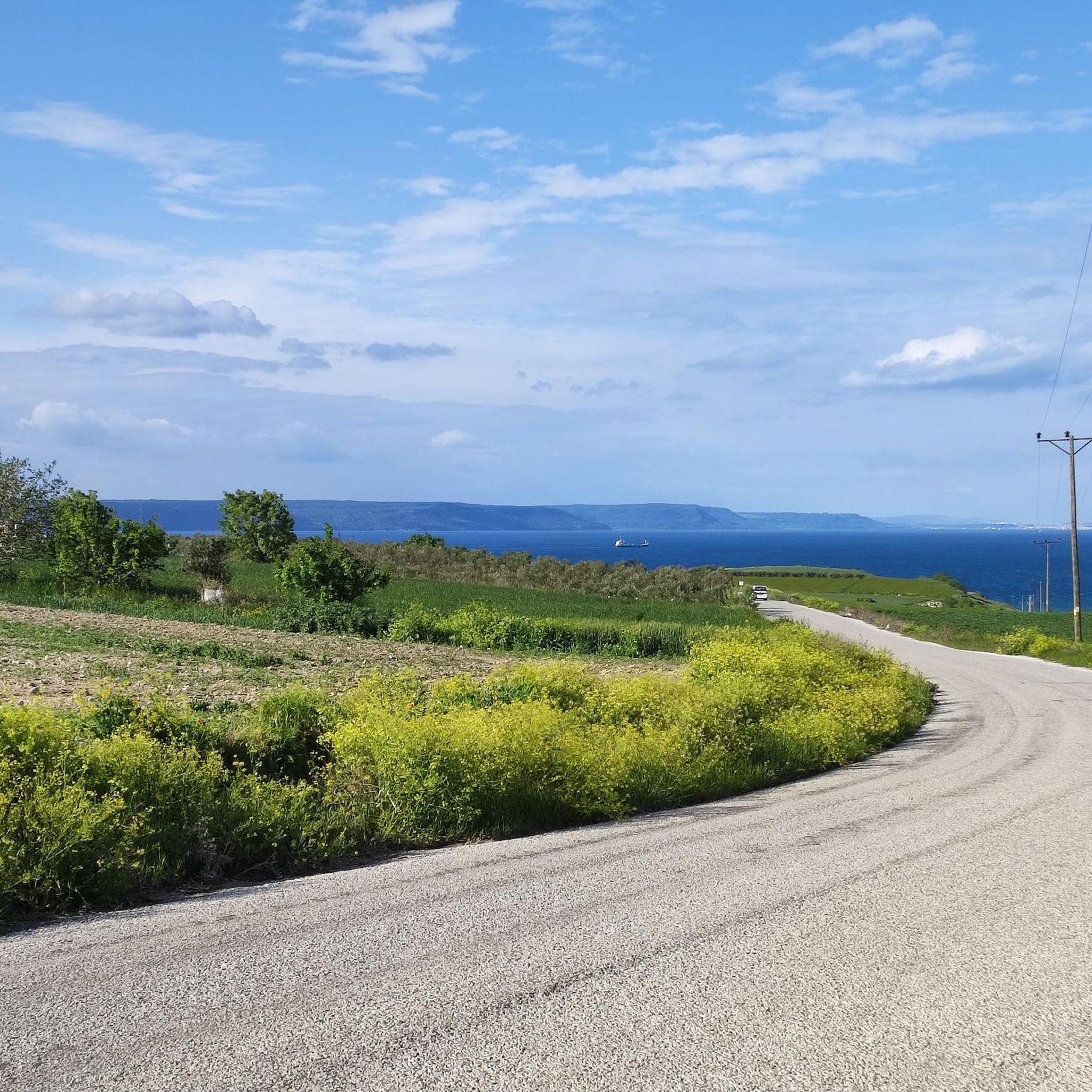
Other adventures in Çanakkale

Tips from the Community

Kilitbahir Castle is a fortress located on the European side of the Dardanelles Strait in Türkiye. The castle was built by Ottoman Sultan Mehmed II in 1463, and it served as a key defensive position during the Ottoman Empire's rule of the area. The castle played an important role in the Gallipoli Campaign of the First World War, as it commanded a strategic position overlooking the entrance to the Dardanelles. During the campaign, the Allies attempted to pass their ships through the strait, but were met with fierce resistance from the Ottoman defenders, including those at Kilitbahir Castle. Today, Kilitbahir Castle is a popular tourist attraction, and visitors can explore the castle's various towers, walls, and courtyards, as well as enjoy panoramic views of the Dardanelles and the surrounding area. The castle has been restored and renovated over the years, and it now houses a museum displaying Ottoman artifacts and weaponry.
0
0
ANZAC Cove is a small cove on the Gallipoli peninsula in Turkey, which became famous as the landing place for Australian and New Zealand troops during the First World War. The name "ANZAC" stands for Australian and New Zealand Army Corps. On April 25, 1915, the ANZACs, along with British and French troops, landed at Gallipoli in an attempt to open up the Dardanelles Strait and gain access to the Black Sea. The ANZACs were tasked with securing the beachhead at what is now known as ANZAC Cove. The landing was heavily opposed by the Turkish defenders, and the ANZACs suffered heavy losses. Despite the difficult landing, the ANZACs managed to hold on to their position at ANZAC Cove for eight months, until they were finally evacuated in December 1915. The campaign at Gallipoli was ultimately a failure, with over 130,000 casualties on both sides. Today, ANZAC Cove is a popular tourist destination and a site of pilgrimage for Australians and New Zealanders, who gather there every year on April 25 to commemorate ANZAC Day and to remember the sacrifices made by their ancestors during the First World War.
0
0
The monument, which is the most visited main point of the Gallipoli Peninsula, is located on the Old Fortress Cape. As a result of a project competition, the project prepared by Doğan Erginbaş, İsmail Utkular and Feridun Kip was selected among 37 projects and the foundation of the monument was laid on April 17, 1954. The Çanakkale Martyrs' Monument, which was opened to visitors on August 21, 1960, the 45th anniversary of the Second Anafartalar Victory, symbolizes and commemorates all the soldiers who were martyred in the Çanakkale Battles. In the words of its architect Doğan Erginbaş, the monument represents the collective ascension of our martyrs from all geographies. On its feet are reliefs reflecting the moments of the battle. Every year on March 18, citizens and dignitaries from all over the country gather at the monument for commemorative ceremonies. The symbolic cemeteries located at the back of the monument were opened to visitors in 2007. In the cemetery, there are the names of 59,408 martyrs who were martyred during the Çanakkale Battles and whose names have been identified so far. In front of the symbolic martyrdom, there is a 45 meter long relief reflecting the battle period. After passing the relief, at the beginning of the symbolic martyrdom, there is a grave of unknown soldiers and a marble inscription with the words of Mustafa Kemal Atatürk for the Allied soldiers in 1934. The skull of a Turkish soldier, which was said to have been taken to Australia by an Anzac soldier after the battles of Arıburnu, was returned to Turkey on March 10, 2003 and was buried at the present spot with an official ceremony on March 18, 2003.
0
0
Frequently Asked Questions
What kind of terrain and scenery can I expect on road cycling routes in Çanakkale?
Çanakkale offers a diverse landscape for road cycling. You'll find routes traversing the poignant Gallipoli Peninsula, offering views of the Dardanelles Strait, and winding through picturesque vineyards and olive groves. The islands of Bozcaada and Gökçeada also provide unique coastal and inland cycling experiences. While many surfaces are well-paved, some segments may be unpaved, adding to the adventure.
Are there road cycling routes that pass by historical sites or notable landmarks in Çanakkale?
Yes, many routes in Çanakkale blend athletic pursuit with cultural immersion. For instance, the ANZAC Cove – Kilitbahir Castle loop from Kilitbahir Kalesi offers views of historical sites along the Gallipoli Peninsula. You can also explore routes near the Trojan Horse Statue or the ancient ruins of Troy, a UNESCO World Heritage Site, which are accessible from various cycling paths.
What are the difficulty levels of road cycling routes in Çanakkale?
Çanakkale caters to a range of fitness levels. The region features 2 easy routes, 8 moderate routes, and 3 difficult routes. You can find everything from relatively flat coastal paths to challenging rides with significant elevation gains, some exceeding 2,900 feet.
Can I go road cycling on the islands of Çanakkale, like Bozcaada or Gökçeada?
Absolutely. Islands like Bozcaada and Gökçeada offer unique cycling experiences. Routes such as the Çeşme loop from Uğurlu explore the scenic landscapes of these islands, providing varied terrain and breathtaking views. The Roadbike loop from Bozcaada is another popular option.
Are there any easy or family-friendly road cycling routes in Çanakkale?
Yes, Çanakkale offers easy road cycling options suitable for beginners or families. One such route is the ANZAC Cove loop from Bigalı, which is classified as easy and covers a distance of about 32 km with moderate elevation.
What is the best time of year for road cycling in Çanakkale?
The best time for road cycling in Çanakkale is generally during the spring and autumn months. The weather is milder, making for more comfortable rides. Summers can be quite hot, especially in July and August, while winters can bring cooler temperatures and some rainfall.
Are there circular road cycling routes available in Çanakkale?
Yes, many of Çanakkale's road cycling routes are designed as loops, allowing you to start and end at the same point. Examples include the ANZAC Cove – Kilitbahir Castle loop from Kilitbahir Kalesi and the Çeşme – Şadırvan loop from Gökçeada, which are popular choices for exploring the region.
What do other road cyclists enjoy most about road cycling in Çanakkale?
The komoot community frequently praises Çanakkale for its unique blend of historical significance and diverse natural beauty. Cyclists often highlight the reflective moments along historical trails, the charming backdrop of vineyards and olive groves, and the varied terrain that caters to all levels.
Are there any long-distance or advanced road cycling routes in Çanakkale?
For advanced cyclists seeking longer distances and more significant climbs, Çanakkale has several challenging options. Routes like the ANZAC Cove – Kilitbahir Castle loop from Bigalı Kalesi cover over 90 km with substantial elevation gain, providing a demanding yet rewarding experience.
Can I find cafes or restaurants near the road cycling routes in Çanakkale?
Yes, as you cycle through Çanakkale, especially in more populated areas or near historical sites and villages, you will find opportunities to stop at local cafes and restaurants. These establishments often offer a chance to refuel and experience local cuisine, particularly on the islands and along the Gallipoli Peninsula.
What are some of the most scenic road cycling routes in Çanakkale?
Many routes offer stunning scenery. The island loops, such as the Çeşme loop from Uğurlu, provide breathtaking coastal views. Routes through the Gallipoli Peninsula also offer poignant and picturesque landscapes, combining natural beauty with historical depth.
How many road cycling routes are available in Çanakkale on komoot?
Komoot features 13 distinct road cycling routes in Çanakkale, offering a wide range of experiences from easy rides to challenging climbs across diverse landscapes.
Most popular attractions in Çanakkale

Get inspired with the komoot mobile app


Didn’t find what you were looking for?
Check out more Road cycling routes throughout Çanakkale below and find the perfect route in your destination.
Explore more
Browse the best Road cycling routes in other regions.
