Attractions and Places To See around Grafton - Top 20
Best attractions and places to see around Grafton include a variety of historical sites, charming market towns, and scenic routes through the English countryside. The area features ancient monuments, picturesque waterways, and pathways built on former railway lines. Visitors can explore a rich tapestry of heritage and natural beauty, offering diverse experiences for those interested in history and outdoor activities.
Best attractions and places to see around Grafton
- The most popular attractions is Combe Gibbet, a man-made monument that…
Last updated: July 15, 2026
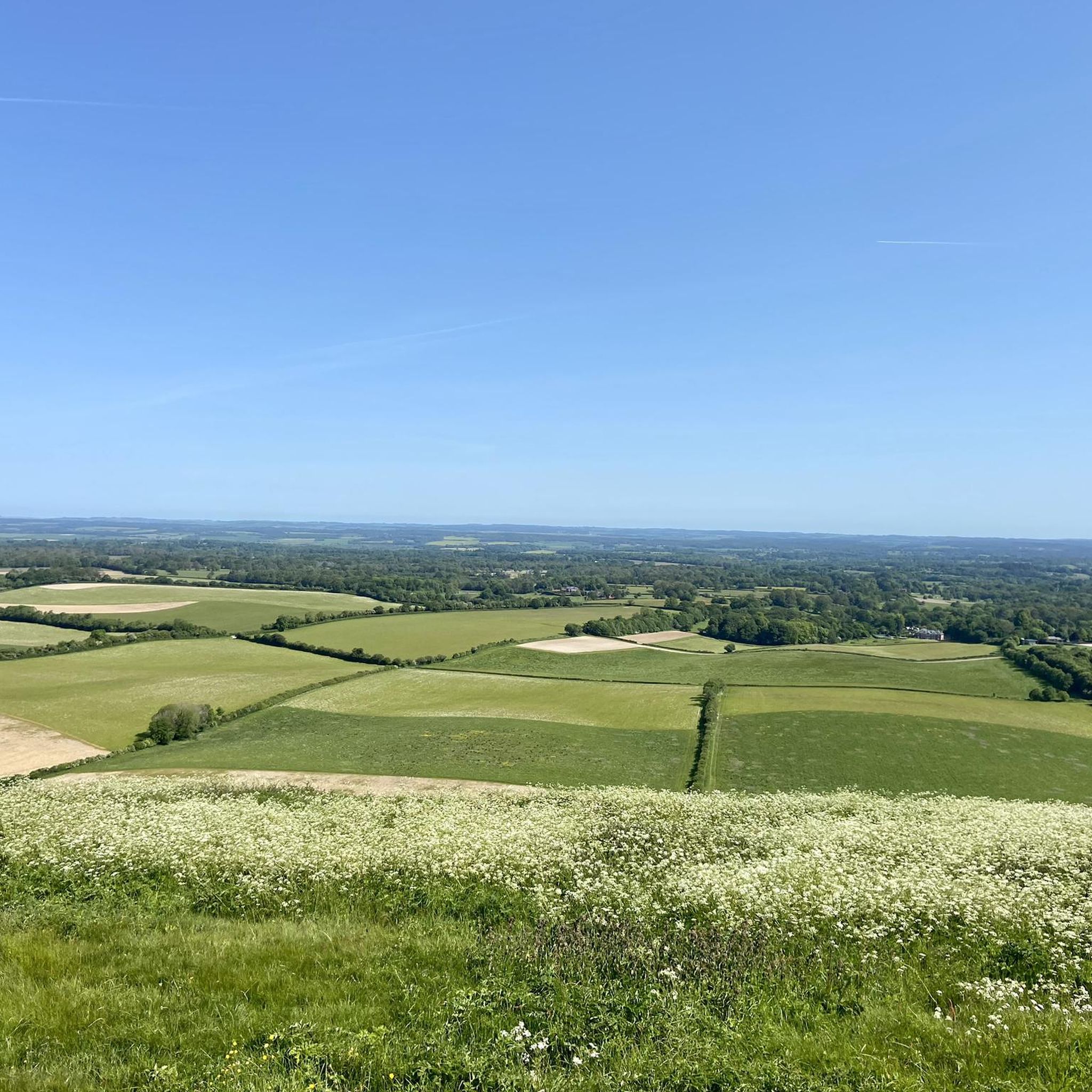
Combe Gibbet
Highlight • Monument
Tip by

Marlborough Town Centre
Highlight • Settlement
Small, sweet shops and cafés, nice houses and alleys make …
Translated by Google •
Tip by

Sign up now to discover places like this
Get recommendations on the best single tracks, peaks, & plenty of other exciting outdoor places.
Sign up for free
The Polly Tearooms, Marlborough
Highlight • Settlement
Tip by

Crofton Locks and Pumping Station
Highlight • Rest Area
Tip by

Chiseldon and Marlborough Railway Path
Highlight (Segment) • Cycleway
Tip by

Sign up for free to discover even more attractions around Grafton.
Sign up for free
Already have an account?
Start today with a free account
Your next adventure awaits.
Login or Signup
Tips from the Community

The Polly Tea Rooms and restaurant is indeed one of the best-known addresses in the city. - Traditional tea room with history since 1912 in the heart of the High Street. - Known for Cream Tea, homemade scones, cakes, and classic British breakfast and lunch dishes. - Typical English ambiance with historical flair – ideal for a tea break during a city stroll. - The bakery produces bread, scones, and pastries on-site.
1
0
- Stroll along the exceptionally wide High Street – it is considered one of the widest high streets in England and is the heart of the town. - Admire the historic buildings, small boutiques, and independent cafés. The atmosphere is typically English market town. - Visit the historic The Merchant’s House, one of the most interesting historic buildings in town. - Take a short detour to the River Kennet and the small parks behind the High Street. - If you are there on a Wednesday or Saturday, the weekly market is worth a visit.
1
0

Pretty town - about 8 pubs but none of them in the Good Beer Guide. Which tells its own story.
1
0


Replacements and Legacy: The original gibbet from 1676 eventually deteriorated. The current gibbet is actually the seventh to stand on the site. Previous versions were replaced due to rotting, being struck by lightning, vandalism, or being blown down by strong winds. The current replica was erected in 1992. While the gibbet was only ever used for the display of George Bromham and Dorothy Newman, its grim history has made it a local landmark and a popular spot for walkers, hang-gliders, and paragliders, offering expansive views across Berkshire, Hampshire, and Wiltshire. The story of the murders even inspired a 1948 silent film called "The Black Legend," made by a young John Schlesinger.
2
0
The Gibbet's Purpose: After their execution, their bodies were brought back to Inkpen and prepared for public display. A large, double gibbet was hastily erected on the long barrow. The bodies of George and Dorothy, bound in chains, were then displayed on either side of the gibbet on March 6, 1676, as a stark and gruesome warning to the local community to deter similar crimes. The location was chosen due to its prominence and being on the border of the two parishes, as there was a dispute over which parish should bear the cost of the gibbet.
2
0
The Murders and Gibbeting: The Crime: George Bromham, a married farm labourer from Combe, and Dorothy Newman, a widow from Inkpen, were having an illicit affair. To be together, they murdered George's wife, Martha Bromham, and their son, Robert. Accounts vary, but it's believed they waylaid Martha and Robert and beat them to death with staves near where the gibbet now stands. One dramatic, though likely far-fetched, version suggests George killed his wife by thrusting her head into a hornet's nest. The Witness: The crime was reportedly witnessed by a villager known as "Mad Thomas," who alerted the authorities. Trial and Execution: George Bromham and Dorothy Newman were tried at Winchester Assizes. They were found guilty and hanged in Winchester on March 3, 1676.
2
0

Beautiful lil town, some lovely walks through the trees too
1
0
Frequently Asked Questions
What historical sites can I visit around Grafton?
The area around Grafton is rich in history. You can explore Combe Gibbet, a 17th-century monument with a fascinating, albeit macabre, past and wonderful views. Another significant historical site is Crofton Locks and Pumping Station, featuring a historic pumping station and a set of nine locks on the Kennet and Avon Canal. The nearby Marlborough Town Centre also boasts a history dating back to at least 2400 BC, with a prehistoric tumulus in the Marlborough College grounds.
Are there any ancient or prehistoric sites nearby?
Yes, the Marlborough Town Centre area has a rich ancient history. Within the grounds of Marlborough College, you can find a prehistoric tumulus, also known as the Marlborough Mound, which dates back to approximately 2400 BC. Legend suggests it might be the burial site of Merlin.
What outdoor activities can I do near Grafton?
The Grafton area offers a variety of outdoor activities. You can enjoy hiking on trails like the 'View of the North Wessex Downs' or along the Kennet & Avon Canal. For cyclists, there are dedicated MTB trails and the Chiseldon and Marlborough Railway Path. Explore more options on the Hiking around Grafton and MTB Trails around Grafton guide pages.
Are there walking or hiking trails around Grafton?
Absolutely. The region offers several walking and hiking opportunities. Popular routes include the 'View of the North Wessex Downs' loop from Wilton Windmill and various paths along the Kennet & Avon Canal, such as the 'Kennet & Avon Canal – Crofton Pumping Station loop'. The Chiseldon and Marlborough Railway Path also provides a well-maintained, traffic-free route for walking. For more details, see the Hiking around Grafton guide.
Can I go cycling near Grafton?
Yes, cycling is a popular activity here. The Chiseldon and Marlborough Railway Path is a dedicated cycleway, part of National Cycle Route 482, offering a mostly flat, well-surfaced route on a disused railway line. There are also various mountain biking trails available, ranging from easy to difficult. Find more routes on the MTB Trails around Grafton guide page.
What natural features can I see around Grafton?
The area is known for its picturesque English countryside. You can enjoy wonderful views from Combe Gibbet on Gallows Down. The Kennet and Avon Canal, particularly around Crofton Locks, provides important habitat for wildlife, including swans, ducks, and moorhens. The surrounding Wiltshire countryside offers idyllic scenery for exploration.
Are there family-friendly attractions in the Grafton area?
Yes, several attractions are suitable for families. Marlborough Town Centre offers independent shops and cafes, perfect for a leisurely stroll. Crofton Locks and Pumping Station features a cafe, picnic area, and opportunities to see wildlife, making it an engaging spot for all ages. The Polly Tearooms in Marlborough is also a charming spot for a family treat.
Where can I find a nice place for coffee or a meal?
The Marlborough Town Centre is an excellent choice, with many cafes and independent shops. Specifically, The Polly Tearooms in Marlborough is highly recommended for its traditional cakes and teas with an old-fashioned charm. Additionally, Crofton Pumping Station has a cafe on-site, perfect for a break during your visit.
What do visitors enjoy most about the attractions around Grafton?
Visitors particularly appreciate the blend of history and natural beauty. The panoramic views from Combe Gibbet are a highlight, as is the charming atmosphere of Marlborough Town Centre with its unique shops and cafes. The historic engineering and wildlife at Crofton Locks and Pumping Station also receive high praise.
Are there any easy walking trails suitable for all abilities?
Yes, there are several easy walking trails. The Chiseldon and Marlborough Railway Path is mostly flat with a good surface, making it accessible. Other easy options include routes like 'Wilton Windmill – Wilton Duck Pond loop' and sections of the Kennet and Avon Canal Towpath. You can find more easy routes on the Easy hikes around Grafton guide page.
Can I see any unique engineering marvels in the area?
Indeed. The Crofton Locks and Pumping Station is a notable engineering marvel. It features a set of nine locks designed by John Rennie and a historic pumping station that once reliably filled the Kennet and Avon Canal with water at its highest points. It's home to one of the oldest working steam engines in the world.
Most popular routes around Grafton
Most popular attractions around Grafton

Get inspired with the komoot mobile app


Explore more
Still not found the Highlight you’re looking for? See guides of the top attractions in other regions:
