The best mountain hikes around Lake Lei
4.0
(2)
13
hikers
2
hikes
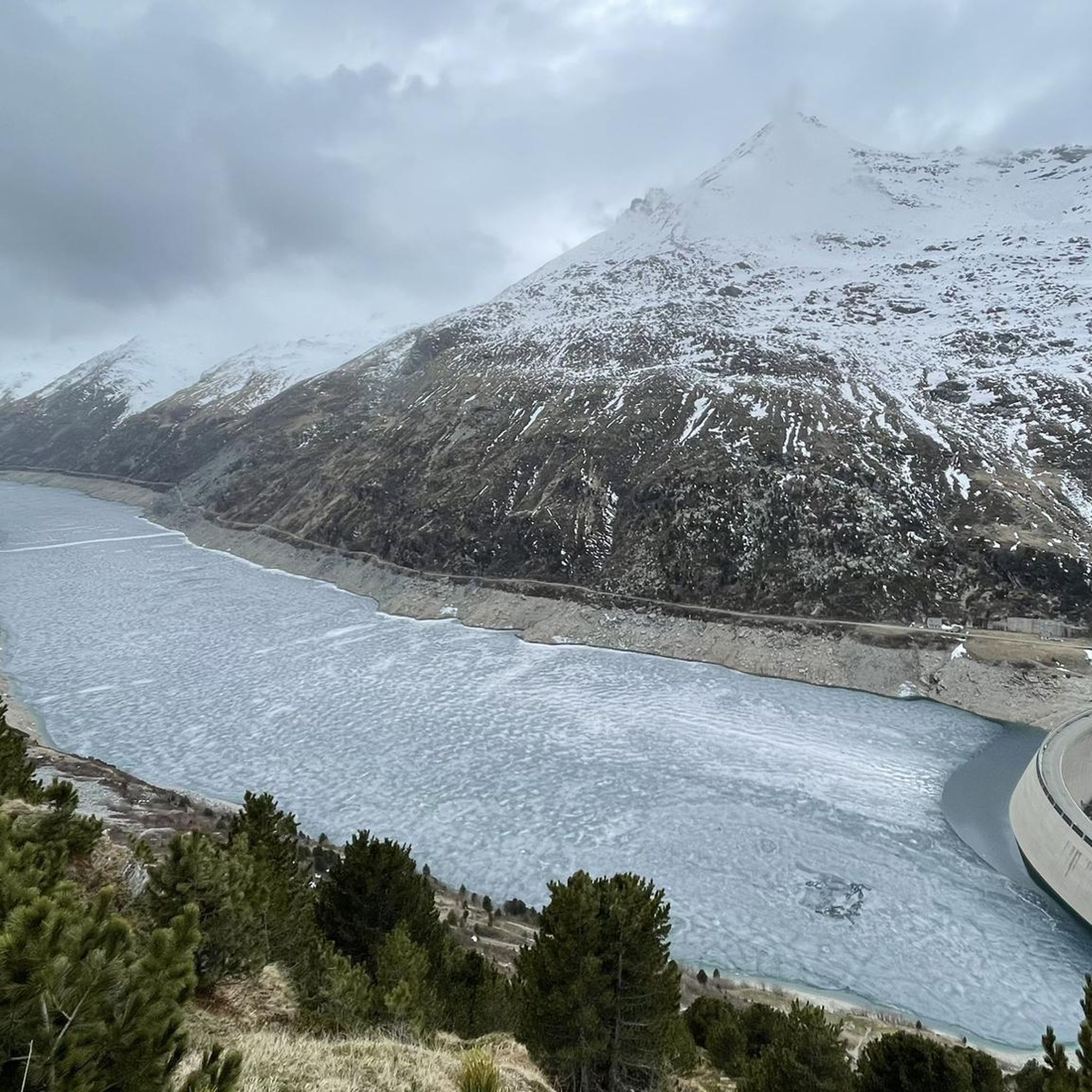
Mountaineering routes around Lake Lei are characterized by high alpine terrain, featuring a series of challenging ascents and descents through rugged landscapes. The region is defined by its mountain lakes, such as Lago Nero and Lago Azzurro, and offers routes that often lead to elevated bivouacs or scenic viewpoints. These trails navigate through exposed sections and rocky paths, typical of the Central Alps.
Best mountaineering routes around Lake Lei
- The most popular mountaineering route is Lake Emet – Lago Nero…
Last updated: May 24, 2026
4
hikers
11.1km
05:22
780m
790m
Hard mountaineering route. Very good fitness required. Sure-footedness, sturdy shoes and alpine experience required.
9.23km
05:05
850m
850m
Hard mountaineering route. Very good fitness required. Sure-footedness, sturdy shoes and alpine experience required.

Sign up for free
4.0
(2)
6
hikers
10.6km
05:30
860m
870m
Hard mountaineering route. Very good fitness required. Sure-footedness, sturdy shoes and alpine experience required.
3
hikers
11.5km
05:28
840m
840m
Hard mountaineering route. Very good fitness required. Sure-footedness, sturdy shoes and alpine experience required.
Our route recommendations are based on thousands of hikes, rides, and runs completed by other people on komoot.
Start today with a free account
Your next adventure awaits.
Login or Signup

Tips from the Community

Difficult to reach summit, especially during the descent phase for about 500 meters from the summit and 200 meters of altitude difference.
1
0

Since, as is often the case, the pass signs are completely covered with stickers, taking photos in front of them is no longer fun. Alternatively, you can use the boundary stone to take a "proof photo." On the other side of the road, there's another, smaller stone with the elevation: 2113 m.
0
0

Been there today. It doesn’t get much better than this!!!
0
1


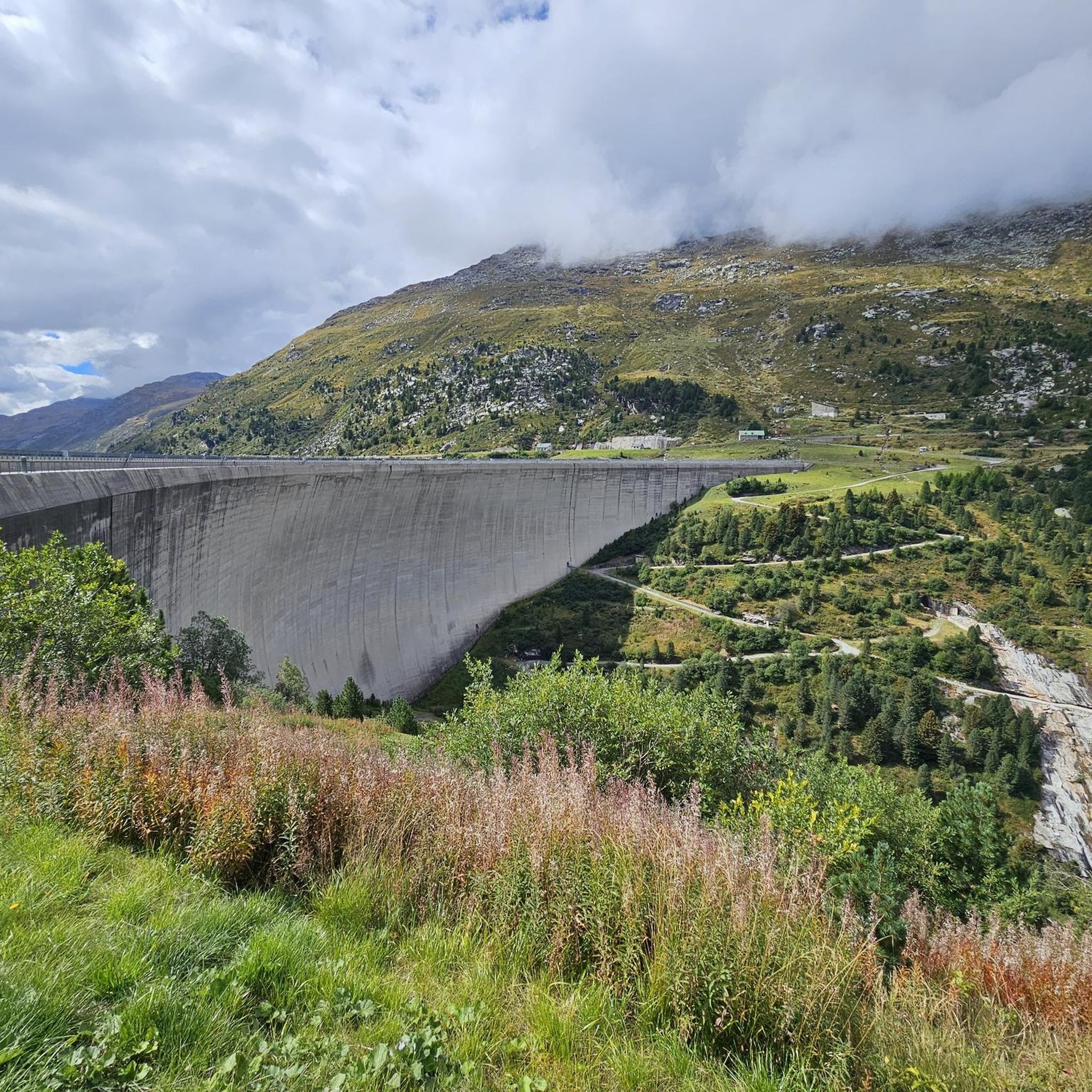
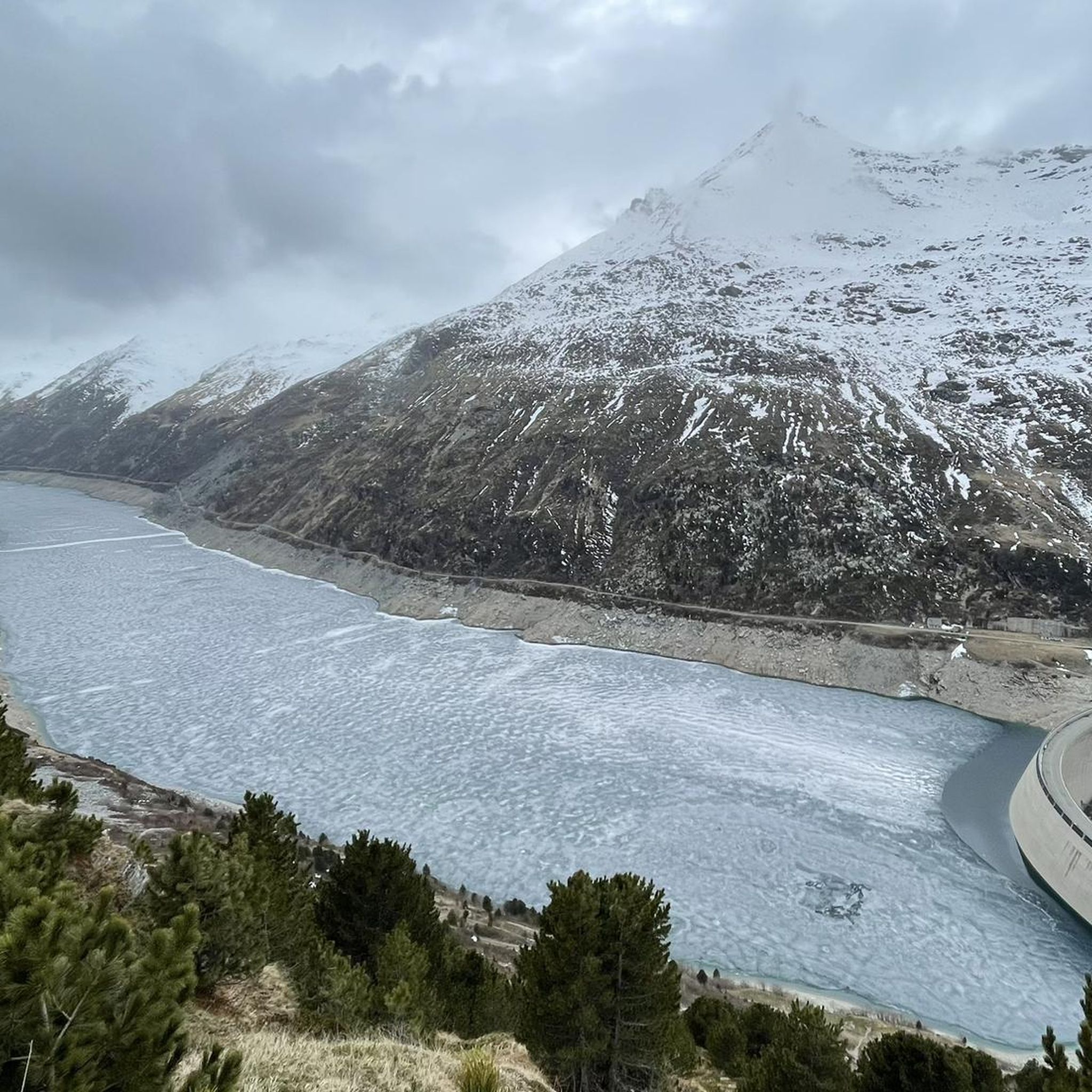
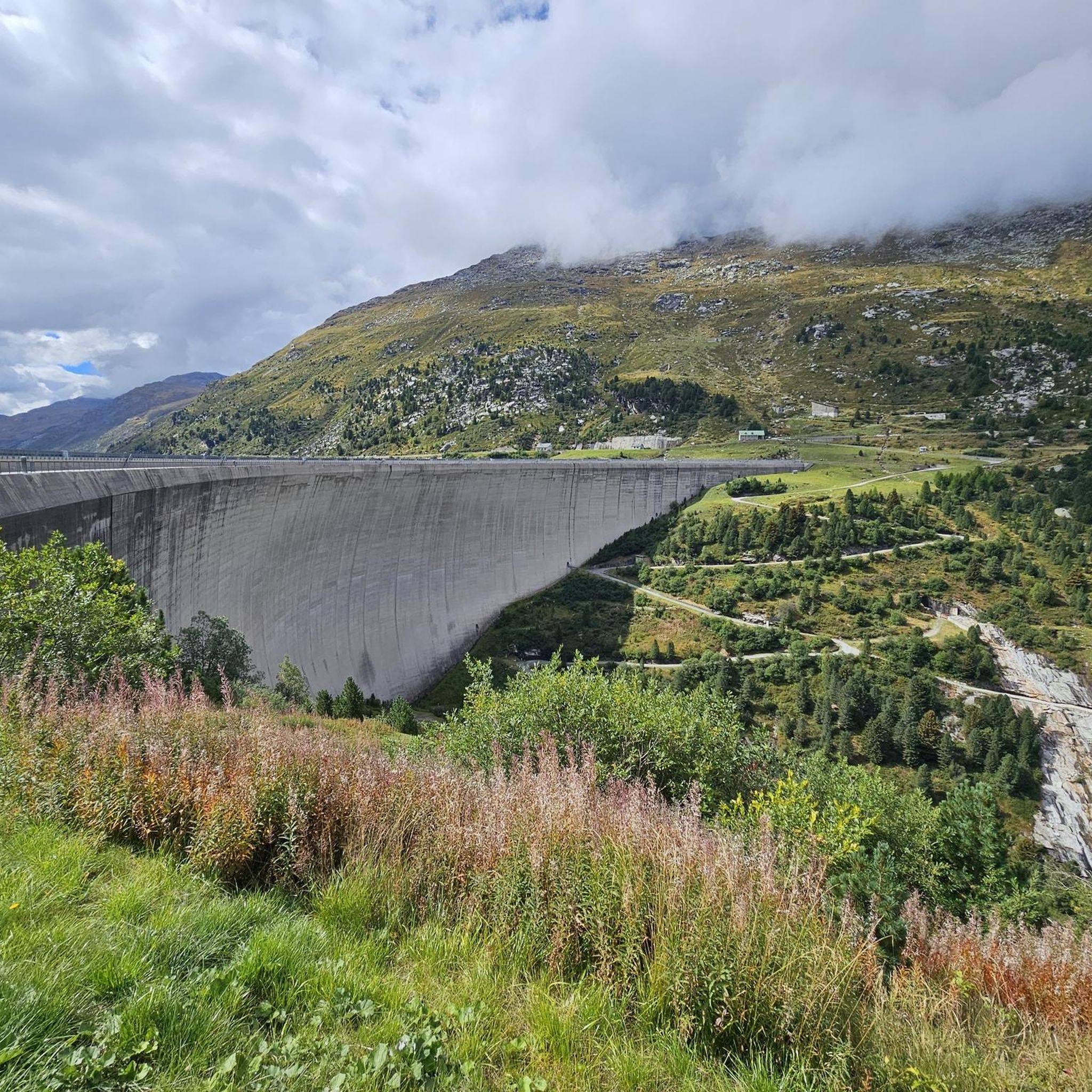
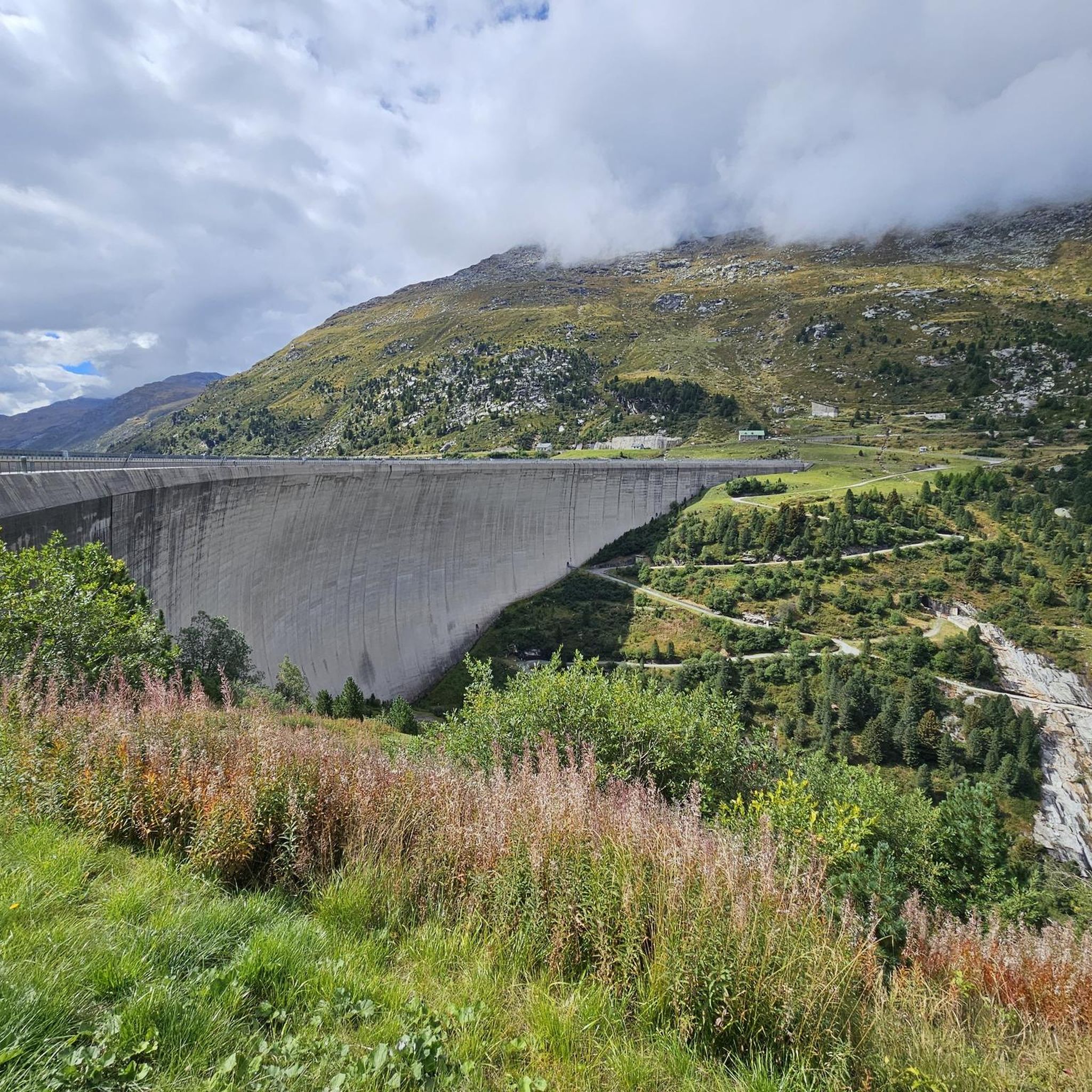
Montespluga SO The mountain village of Montespluga is located at an altitude of 1908 m above sea level at the beginning of the Val San Giacomo (also called Valle Spluga), about three kilometers from the summit of the Splügen Pass. The place originated in a hollow rich in water and pastures, where the Valle Spluga meets the Val Loga, near the border peaks of the area such as Pizzo Tambo. In 1927, the construction of the dam about 2 kilometers south of Montespluga began, damming the Torrente Liro to form the Lago di Montespluga below the village. The village with its few houses, restaurants, hotels, and shops on the pass road and the old customs building "La Casa" has hardly changed. Until 1841, it housed the only hospice on the Splügen Pass and the only place of worship, the chapel of San Francesco d’Assisi. The latter was consecrated in 1832, the year after the completion of the new road to the Splügen Pass in 1822. As early as 1767, the apostolic nuncio in Switzerland and later Cardinal Luigi Valenti Gonzaga had granted permission to set up a small chapel in the hospice. Since the opening of the San Bernardino Tunnel, the pass has no longer been kept open in winter. The village, which consists of three streets (Via Dogana, Via Ferrè, and Via Val Loga), can be cut off from both Italy and Switzerland. Montespluga is the starting point for numerous hiking, mountaineering, and ski touring destinations in the surrounding mountains and a stage destination on the cross-border long-distance hiking trail Via Spluga. Text / Source: wikipedia.org https://de.wikipedia.org/wiki/Montespluga
11
0
Splügen Pass / Passo dello Spluga The Splügen Pass has been proven to have been used since prehistoric times. There are also references to this in Roman times, e.g. the Itinerarium Antonini, a Roman road map from around 300 AD. The very close connections between the bishoprics of Chur and Como ran over the Splügen Pass. As early as 1396, there was evidence of significant customs revenues at Splügen. The expansion of the Viamala Gorge promoted its boom. The movement of goods was carried almost exclusively by packhorses, which meant frequent reloading. Transit traffic formed an important part of the flourishing economy. As late as 1798, the Austrian Field Marshal von Bellegarde wrote: "The largest train of goods from Milan to Germany goes over this pass, but mostly on horses and mules." Between 1818 and 1823, the first road that was passable for freight wagons and stagecoaches was built at the same time as the San Bernardino, and to a large extent it still follows the same route as it was then. After that, freight volumes and international passenger traffic over the Splügen increased several times over and reached their peak in the mid-1850s. The opening of the Alpine railways (1867 Brenner, 1872 Mont Cenis) had already reduced transit traffic over the Splügen. The opening of the Gotthard Railway in 1882 brought Graubünden transit traffic to a virtual standstill. A large wave of emigration was a direct result. The decades-long efforts to build a Splügen railway ultimately failed. The construction of the national road with a car tunnel at the San Bernardino opened up new perspectives. The Splügen Pass has been closed in winter since World War II. Text / Source: Interest Group for Alpine Passes IAP, PO Box 11, 6491 Realp https://www.alpen-paesse.ch/de/alpenpaesse/spluegenpass/
11
0
Splügen Pass (Alpine crossing (2113 m) Alpine crossing (2113 m) on the border between the Rheinwald in the Hinterrhein valley and the Italian Val San Giacomo (St. Jakobstal). The village of Splügen at the northern starting point, mentioned around 840 as cella in speluca, gave the pass its name. Italian Passo dello Spluga, Romanesque Pass dal Spleia. In the Middle Ages, the Splügen Pass was also known as Colmen d'Orso and Urschler. At the same time as the San Bernardino, the first road that was open to freight wagons and carriages was built between 1818 and 1823. After the Simplon and before the Gotthard, the Lower Road was thus the second Swiss "artificial road" across the Alps. For the route from Chur over the San Bernardino to Bellinzona, the Kingdom of Sardinia-Piedmont was responsible for a large part of the costs, in addition to the canton of Graubünden. The The Lombardo-Venetian Kingdom saw this as a threat to the volume of traffic over the Splügen Pass and in return had a road built at its own expense across the national border to the village of Splügen. This road essentially corresponded to the route still used at the beginning of the 21st century. On the north side, according to the plans of engineer Carlo Donegani, the road no longer led through the avalanche slope of the Altberg. On the south side, an almost completely new route was chosen below Monte Spluga to Campodolcino, bypassing the Cardinell Gorge. Many galleries and refuge houses were built at regular intervals, especially on the south side. After the devastating flood damage of 1834, the road was rebuilt in some places. In 1841, the first mountain house with the customs station was built on the north side (2022 m). Text / Source: Historical Dictionary of Switzerland (HLS) https://hls-dhs-dss.ch/de/articles/008823/2013-01-10/
13
0

Frequently Asked Questions
What kind of terrain can I expect on mountaineering routes around Lake Lei?
Mountaineering routes around Lake Lei feature high alpine terrain with challenging ascents and descents. You'll navigate rugged landscapes, exposed sections, and rocky paths, typical of the Central Alps. The region is also known for its beautiful mountain lakes, such as Lago Nero and Lago Azzurro.
Are there any circular mountaineering routes in the Lake Lei area?
Yes, several routes offer a circular experience. For example, you could explore the Lake Emet – Lago Nero loop from Montespluga, which is 11.4 km long, or the Lago Nero – Bivacco Suretta loop from Montespluga, covering 8.9 km. Another option is the Mountain lake – Lago Azzurro loop from Montespluga, a shorter 6.9 km trail.
What is the best season for mountaineering around Lake Lei?
The best season for mountaineering around Lake Lei is typically from late June to early October. During this period, snow has usually melted from higher elevations, and weather conditions are generally more stable, offering clearer paths and better visibility. Always check local weather forecasts before heading out.
Are there any less-trafficked mountaineering routes for a quieter experience?
While the region is popular, you can often find quieter moments on routes like the Laghetti del Tamburello – Montespluga Village loop from Montespluga. This 10.9 km route offers stunning views and a sense of solitude, especially during weekdays or outside of peak season.
How long do mountaineering routes around Lake Lei typically take?
The duration varies depending on the route and your pace. For instance, the Lake Emet – Lago Nero loop from Montespluga typically takes around 5 hours 27 minutes, while the Mountain lake – Lago Azzurro loop from Montespluga can be completed in about 3 hours 32 minutes. Most difficult routes range from 3.5 to 6 hours.
What are some scenic viewpoints or natural attractions along the routes?
The routes are rich with natural beauty. You'll encounter stunning mountain lakes like Lago Nero, Lago Azzurro, and Lake Emet. Many trails also lead to elevated bivouacs or panoramic vistas, offering expansive views of the surrounding alpine peaks and valleys. The entire region is characterized by its dramatic high-altitude scenery.
What is the community's feedback on mountaineering in Lake Lei?
The mountaineering routes around Lake Lei are highly rated by the komoot community, with an average score of 4.5 stars from over 3 reviews. Users often praise the challenging nature of the trails, the breathtaking alpine scenery, and the rewarding views of the high-altitude lakes and bivouacs.
Are there options for beginner mountaineers around Lake Lei?
The mountaineering routes around Lake Lei are primarily designed for experienced mountaineers, characterized by their difficult grading, significant elevation gain, and exposed alpine terrain. There are no routes currently listed as easy or moderate, so beginners should approach with caution and consider guided options or alternative areas.
Can I find places to eat or drink near the trailheads?
Montespluga, the common starting point for many routes, is a small village where you might find limited options for refreshments, especially during the main season. It's always advisable to carry sufficient food and water for your mountaineering trip, as amenities on the trails themselves are non-existent.
Is parking available at the trailheads for Lake Lei mountaineering routes?
Yes, Montespluga serves as a primary starting point for many routes and typically offers parking facilities. However, during peak season, parking can fill up quickly, so it's recommended to arrive early, especially for longer routes.
Are there any specific permits required for mountaineering in the Lake Lei area?
Generally, no specific permits are required for day mountaineering trips in the Lake Lei area. However, it's always good practice to check with local tourist information centers or park authorities for any updated regulations, especially if you plan an overnight stay in a bivouac or hut.
What should I know about winter mountaineering around Lake Lei?
Winter mountaineering in the Lake Lei area is extremely challenging and should only be attempted by highly experienced individuals with appropriate gear and knowledge of avalanche safety. The high alpine terrain becomes significantly more hazardous with snow and ice. It is crucial to consult local avalanche forecasts and consider hiring a certified mountain guide.
Most popular routes around Lake Lei

Get inspired with the komoot mobile app


Explore more
Browse the best Mountain Hikes & Routes in other regions.
