The best road cycling routes around Bütschwil-Ganterschwil
4.4
(277)
4,357
riders
12
rides
Road cycling routes around Bütschwil-Ganterschwil traverse a landscape characterized by rolling hills and river valleys, offering varied terrain for cyclists. The region features moderate climbs and descents, often following the Thur river and passing through agricultural areas and small villages. Elevations typically range from gentle slopes to more challenging ascents, providing diverse road biking experiences.
Best road cycling routes around Bütschwil-Ganterschwil
- The most popular road cycling route is Lichtensteig – St. Peterzell Village Center loop from Bütschwil, a 30.9…
Last updated: November 17, 2026
3.0
(1)
99
riders
49.7km
02:36
800m
800m
Moderate road ride. Good fitness required. Mostly well-paved surfaces and easy to ride.
4.4
(5)
62
riders
33.4km
01:37
460m
460m
Moderate road ride. Good fitness required. Mostly well-paved surfaces and easy to ride.

31
riders
64.6km
03:16
1,030m
1,030m
Hard road ride. Very good fitness required. Mostly well-paved surfaces and easy to ride.
4.0
(1)
36
riders
50.5km
02:32
790m
790m
Moderate road ride. Good fitness required. Mostly well-paved surfaces and easy to ride.
19
riders
59.7km
02:52
760m
760m
Moderate road ride. Good fitness required. Mostly well-paved surfaces and easy to ride.
Get access to more routes and recommendations from other explorers.
Already have an account?
Our route recommendations are based on thousands of hikes, rides, and runs completed by other people on komoot.
Start today with a free account
Your next adventure awaits.
Tips from the Community

Lichtensteig - The capital of Toggenburg The semicircular town was founded around 1200 by the Counts of Toggenburg on a rocky outcrop above the Thur and was dependent on the Abbey of St. Gallen from 1468; since 1803 it has been the capital of the Neutoggenburg district. Lichtensteig is located in the Thur valley. The old town nestles in a semicircle around the mountain and was originally protected by ditches and walls. The gates were demolished in 1828. When a river carves its way over thousands of years, it does not always leave only valleys behind. Because sometimes the water encounters harder opponents, as in Steigrüti. Here, surrounded by fields and forests, lies the Äulischlucht gorge. You can spend a whole day in the Äulischlucht. The old town hall, mentioned in 1534, was renovated in the 17th century. The Türmchenhaus and the 'Glocke' were originally parts of a patrician house in the Hauptgasse from 1583. The renovation dates from 1766. Staircase on the back of the 'Glocke'. In the north of the town is the Loreto Chapel, built in 1677-80, a baroque complex with a prothyrum crowned by turrets. The historic center of Lichtensteig is unique. Since the 13th century, residential and commercial buildings have grown into an organic whole that delights architecture lovers: in the alleys, almost a dozen shops, restaurants, and cafés invite you to stroll and browse. And at events like the Jazz Days or the Christmas market, the old town does not become a backdrop, but remains a central part of the action. The historic old town of Lichtensteig was awarded by the Council of Europe in 1975 for the exemplary maintenance of the place. The preservation and beautification of the townscape is still very important today. Text / Source: Die schönsten Schweizer Dörfer - Via Ciani 5, CH-6900 Lugano https://swissvillages.org/lichtensteig/?lang=de
3
0

Lichtensteig is the only historic small town in Toggenburg. It was founded around 1228 by the Counts of Toggenburg and is picturesquely situated on a rocky spur above the Thur river. The well-preserved old town with its arcades, narrow alleys, and burgher houses is under national protection and received the Wakker Prize in 2023 for its exemplary townscape preservation. In the Middle Ages, Lichtensteig was an important market town and, from 1468 to 1798, the administrative seat of the bailiff of the Abbey of St. Gallen. Worth seeing are the old town, the ruins of Neu-Toggenburg above the town, the Toggenburg Museum, as well as the numerous cafés, small shops, and cultural events such as the Lichtensteig Jazz Days. Historically interesting is also the fact that the Toggenburger Bank, founded in 1863 – a predecessor of today's UBS – originated in Lichtensteig.
2
0

Wonderful little town with many hidden little highlights. Simply beautiful😃
1
0

Small town with a well-preserved historic old town.
1
0

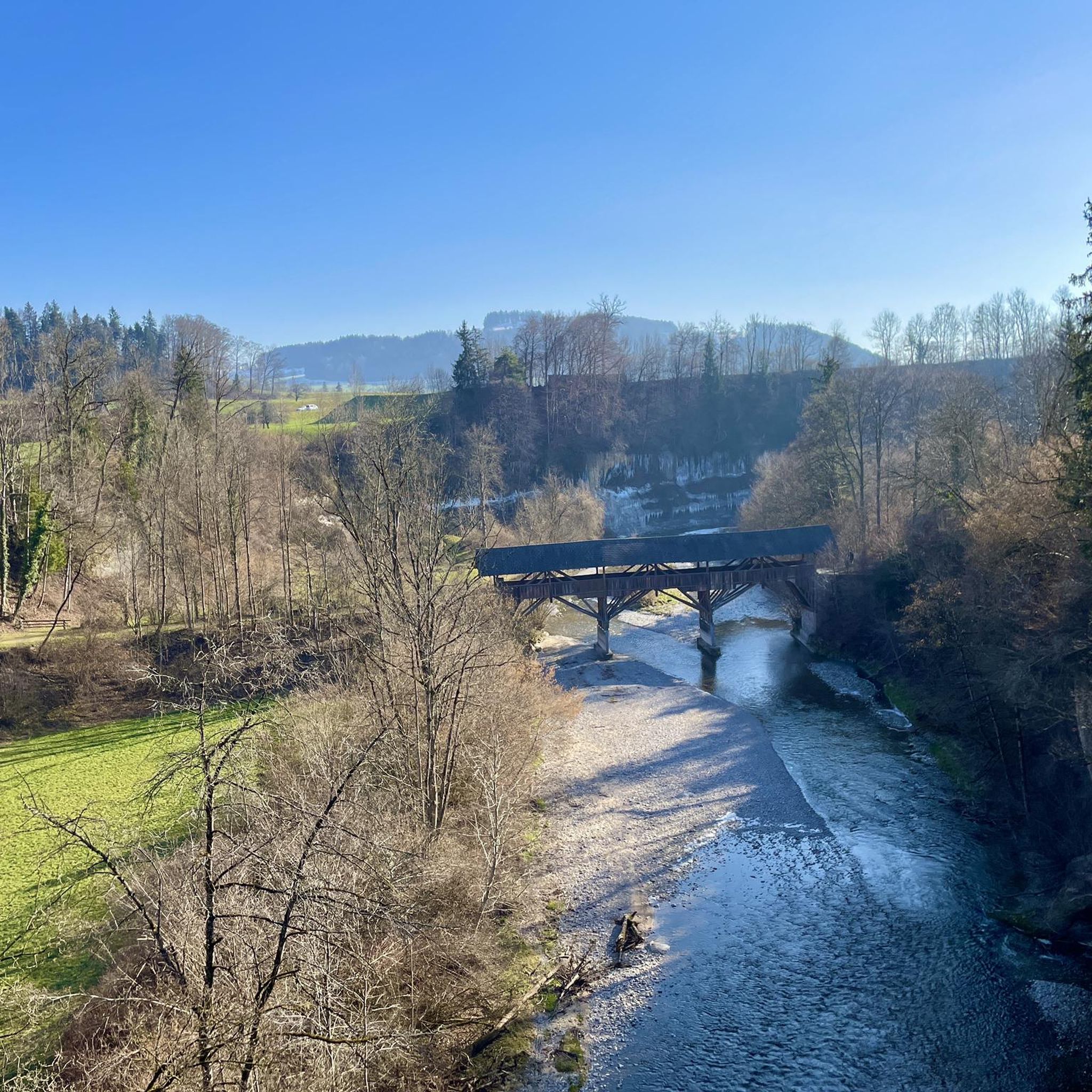
A wooden bridge that tells a long story and offers many views of nature.
1
0

Beautiful view of the old bridge
0
0

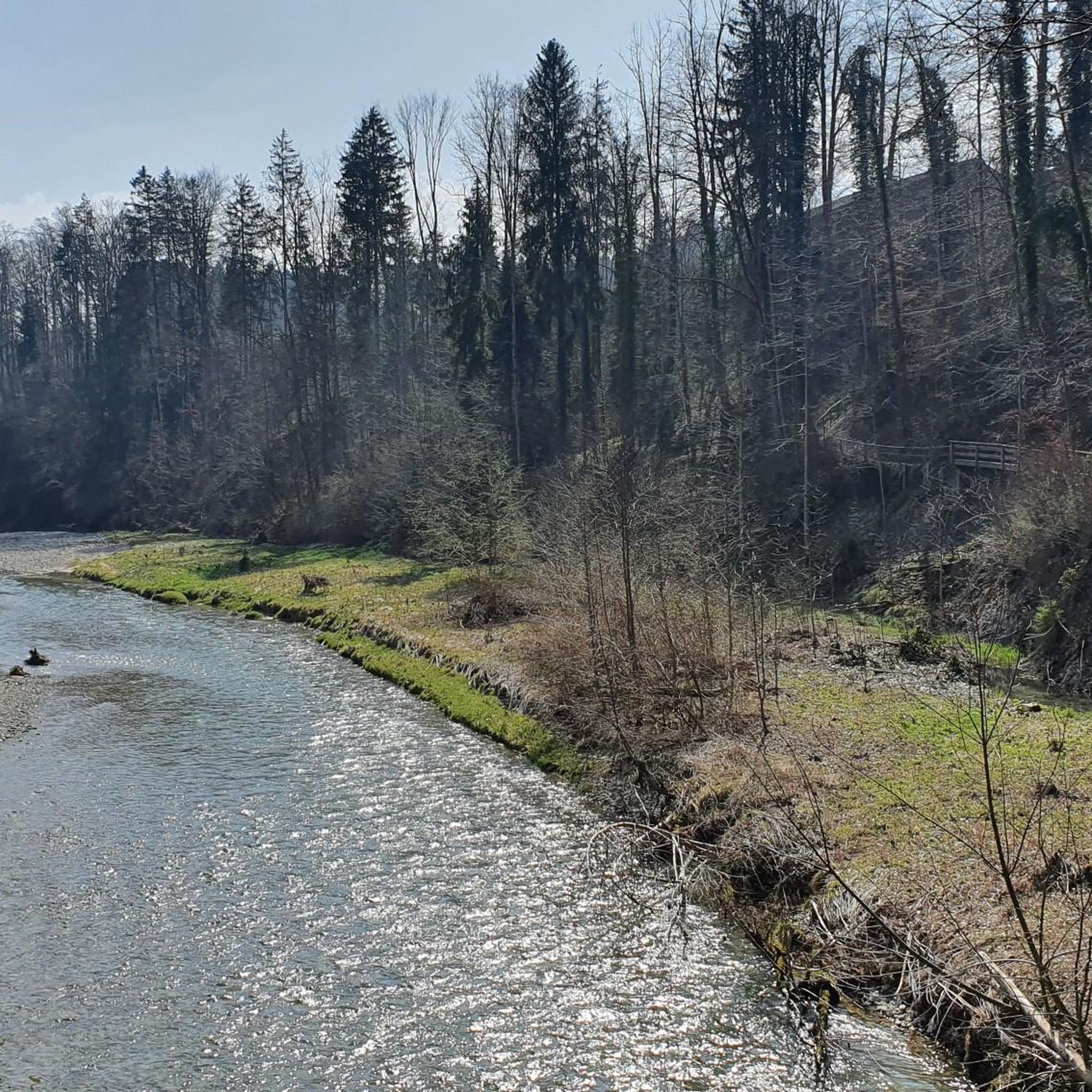
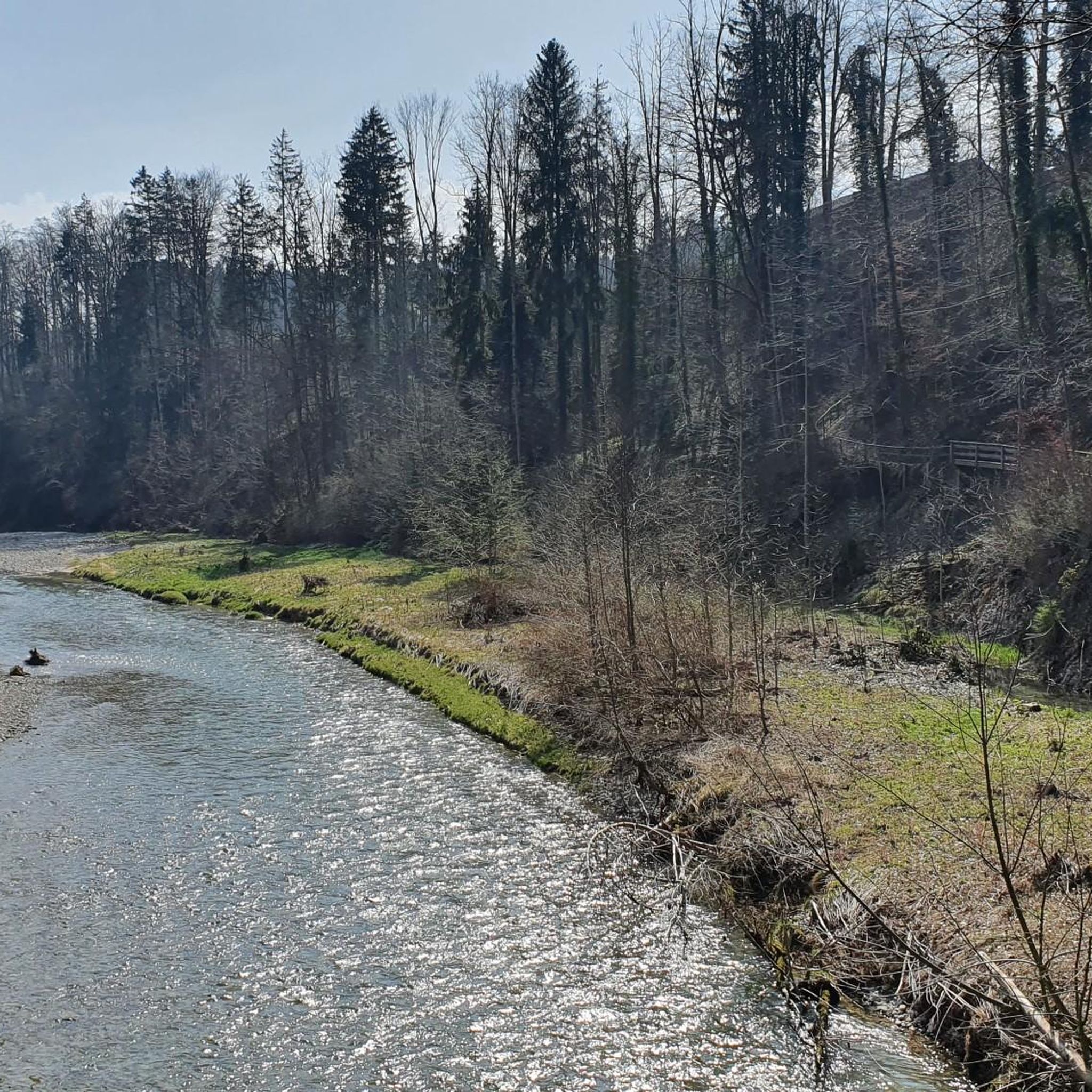
It is a completely normal wide road, not a forest road.
3
0

Almost worth the trip!
0
0
Frequently Asked Questions
What are the typical difficulty levels for road cycling routes in Bütschwil-Ganterschwil?
The road cycling routes in Bütschwil-Ganterschwil are primarily characterized by moderate climbs and descents, traversing rolling hills and river valleys. Most routes, specifically 9 out of 12, are rated as moderate, with 3 routes considered difficult, offering varied experiences for cyclists.
What kind of distances and elevation gains can I expect on road cycling routes around Bütschwil-Ganterschwil?
You can expect a range of distances and elevation gains. For instance, the Lichtensteig – St. Peterzell Village Center loop from Bütschwil covers about 49.7 km with over 800 meters of elevation gain. A more challenging option like the Magdenau Cistercian Abbey – Thur Wooden Bridge loop from Bütschwil extends to 64.7 km with over 1000 meters of ascent.
Are there any family-friendly road cycling options in Bütschwil-Ganterschwil?
While the region's routes generally feature rolling hills and moderate climbs, making them suitable for cyclists with some experience, there are no specific routes designated as 'easy' in the current selection. However, the varied terrain allows families with older children or those comfortable with moderate distances and elevations to enjoy the scenic countryside.
What are some scenic viewpoints or landmarks I can see along the road cycling routes?
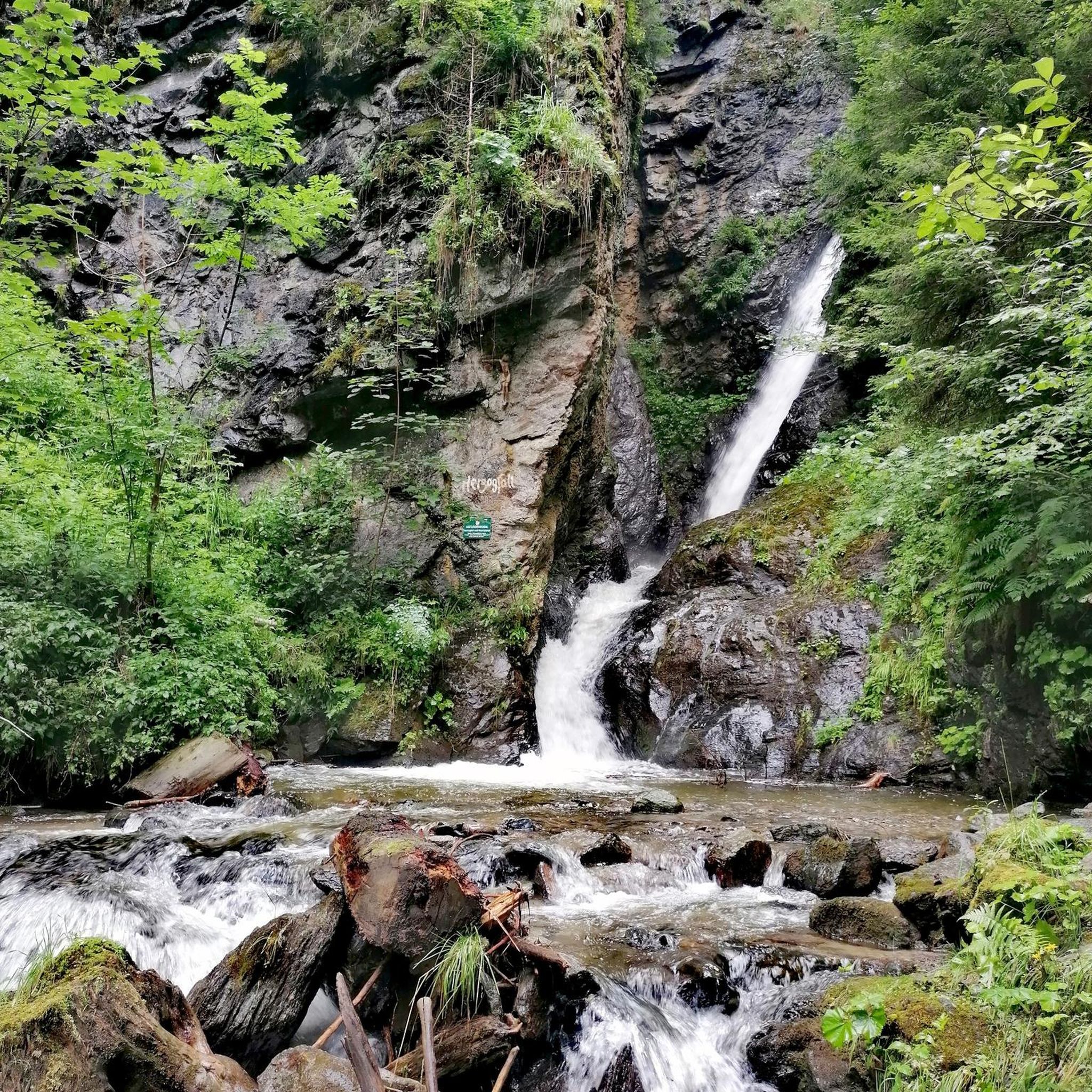
Many routes offer views of the surrounding countryside, river valleys, and agricultural areas. You might encounter notable landmarks such as the Wissbach Gorge and Historic Power Plant or the Giessenfall Waterfall. The Anzenwil Covered Wooden Bridge – Covered Wooden Bridge loop from Bütschwil specifically highlights a notable covered wooden bridge.
Are there any challenging road cycling routes for experienced riders?
Yes, for experienced riders seeking a challenge, there are routes with significant elevation gains. For example, the Magdenau Cistercian Abbey – Thur Wooden Bridge loop from Bütschwil is rated as difficult, covering 64.7 km with over 1000 meters of climbing. There are 3 difficult routes in total, offering more demanding experiences.
What is the best season for road biking in Bütschwil-Ganterschwil?
The region is generally pleasant for road cycling from spring through autumn. During these seasons, the weather is typically mild, and the landscape is vibrant. Summer offers longer daylight hours, while spring and autumn provide cooler temperatures and beautiful scenery, especially along the river valleys and through agricultural areas.
Are there any loop road cycling routes available?
Yes, many of the road cycling routes in Bütschwil-Ganterschwil are designed as loops, allowing you to start and finish at the same point. Examples include the Lichtensteig – St. Peterzell Village Center loop from Bütschwil and the Anzenwil Covered Wooden Bridge – Covered Wooden Bridge loop from Bütschwil.
What do other road cyclists say about the routes in Bütschwil-Ganterschwil?
The road cycling routes in Bütschwil-Ganterschwil are highly rated by the komoot community, with an average score of 4.0 stars from 5 reviews. Cyclists often praise the varied terrain, which includes rolling hills, river valleys, and forested sections, providing diverse and engaging experiences.
How many road cycling routes are available in Bütschwil-Ganterschwil?
There are 12 distinct road cycling routes available around Bütschwil-Ganterschwil, offering a good selection for various skill levels and preferences.
Are there any historical sites or points of interest along the road cycling routes?
Yes, some routes pass by historical sites. For instance, the Magdenau Cistercian Abbey – Thur Wooden Bridge loop from Bütschwil leads through river valleys and past historical sites, including the Magdenau Cistercian Abbey itself. You might also encounter other local points of interest like the Brudertobel Cave with Waterfall.
What kind of terrain defines road cycling in Bütschwil-Ganterschwil?
Road cycling in Bütschwil-Ganterschwil is defined by a mix of rolling hills, picturesque river valleys, and occasional forested sections. The routes often follow the Thur river and pass through agricultural areas and small villages, providing a varied and engaging landscape.
Most popular routes around Bütschwil-Ganterschwil
Most popular attractions around Bütschwil-Ganterschwil

Get inspired with the komoot mobile app


Explore more
Browse the best Road cycling routes in other regions.
