The best walks and hikes around Riserva naturale Lago di Burano
4.1
(61)
359
hikers
29
hikes
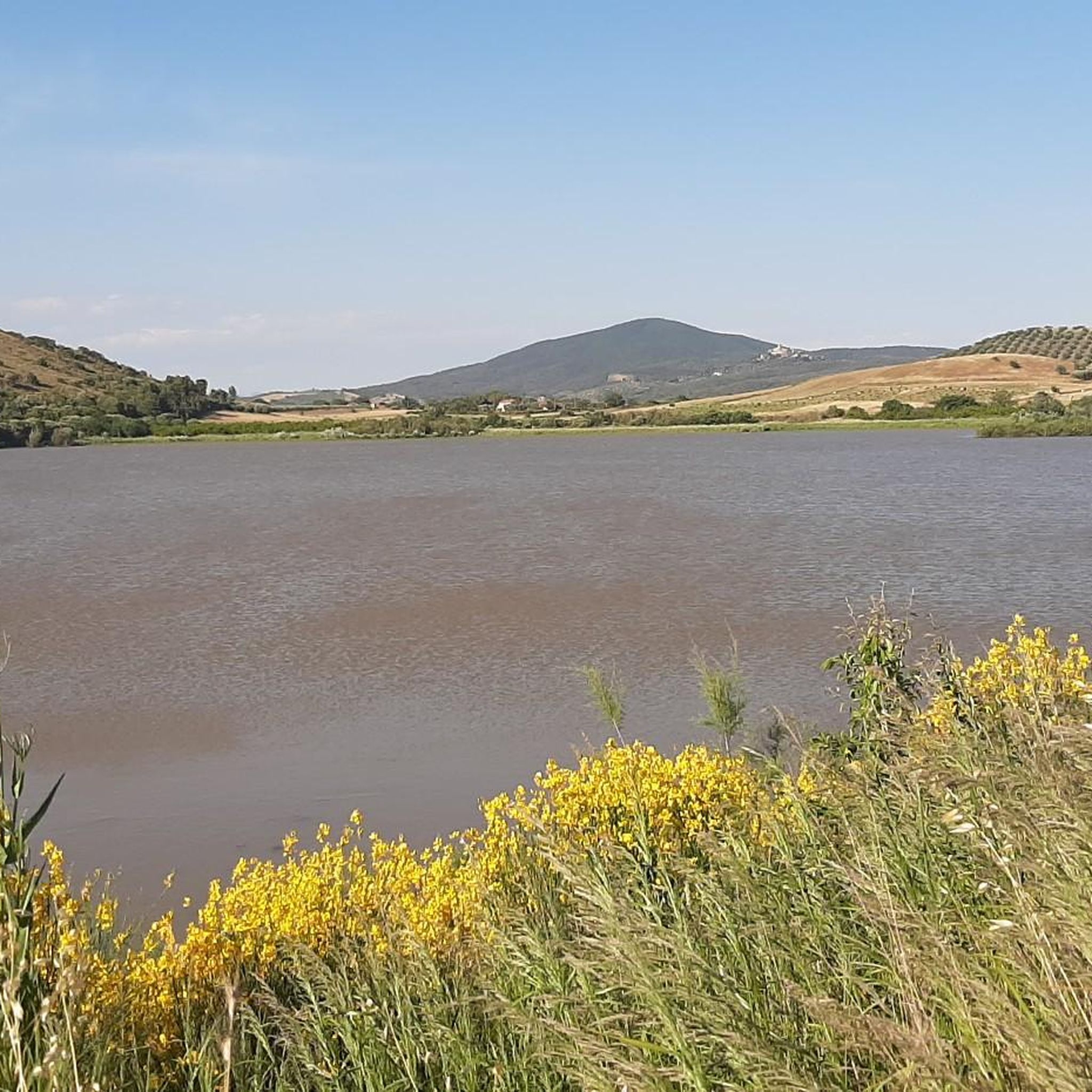
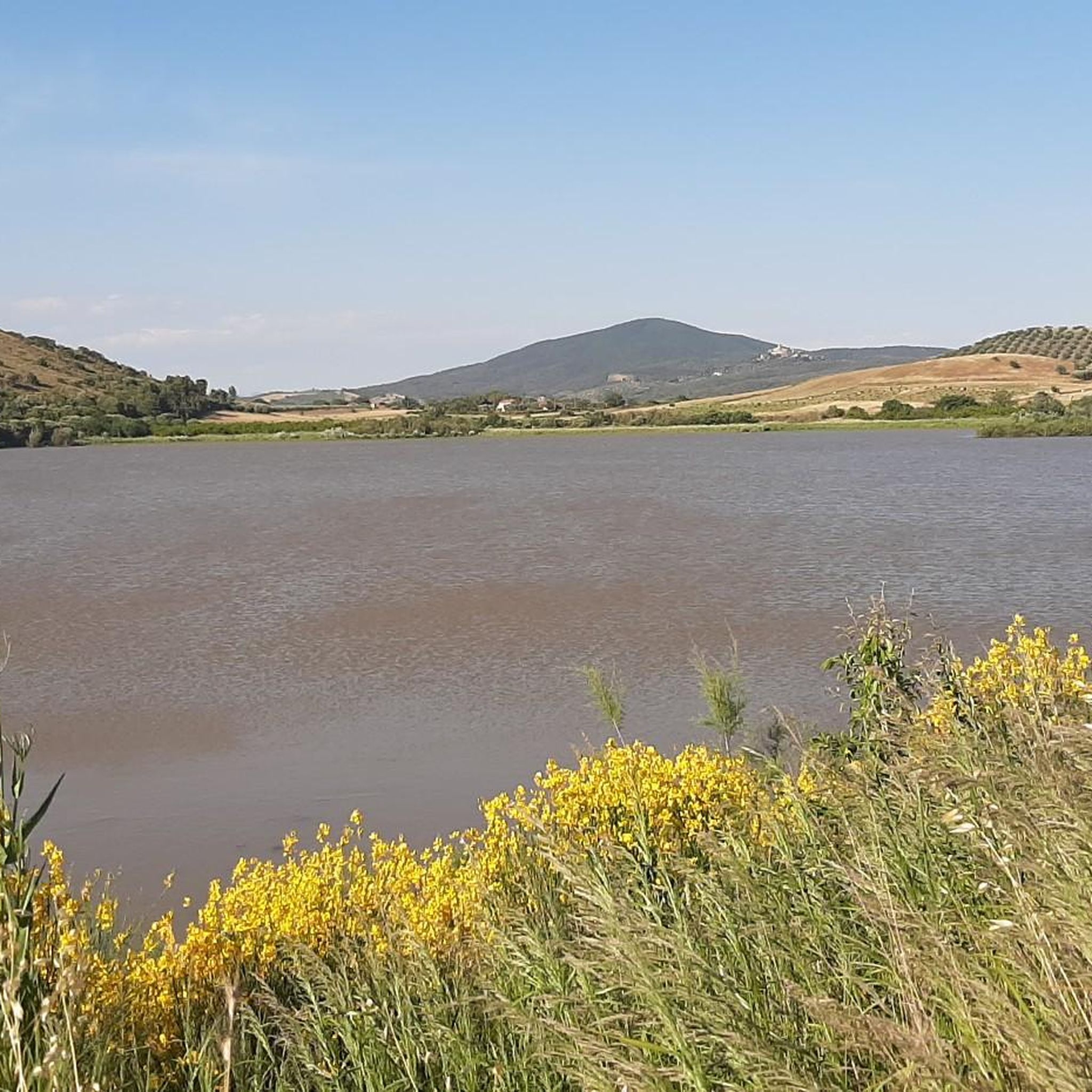
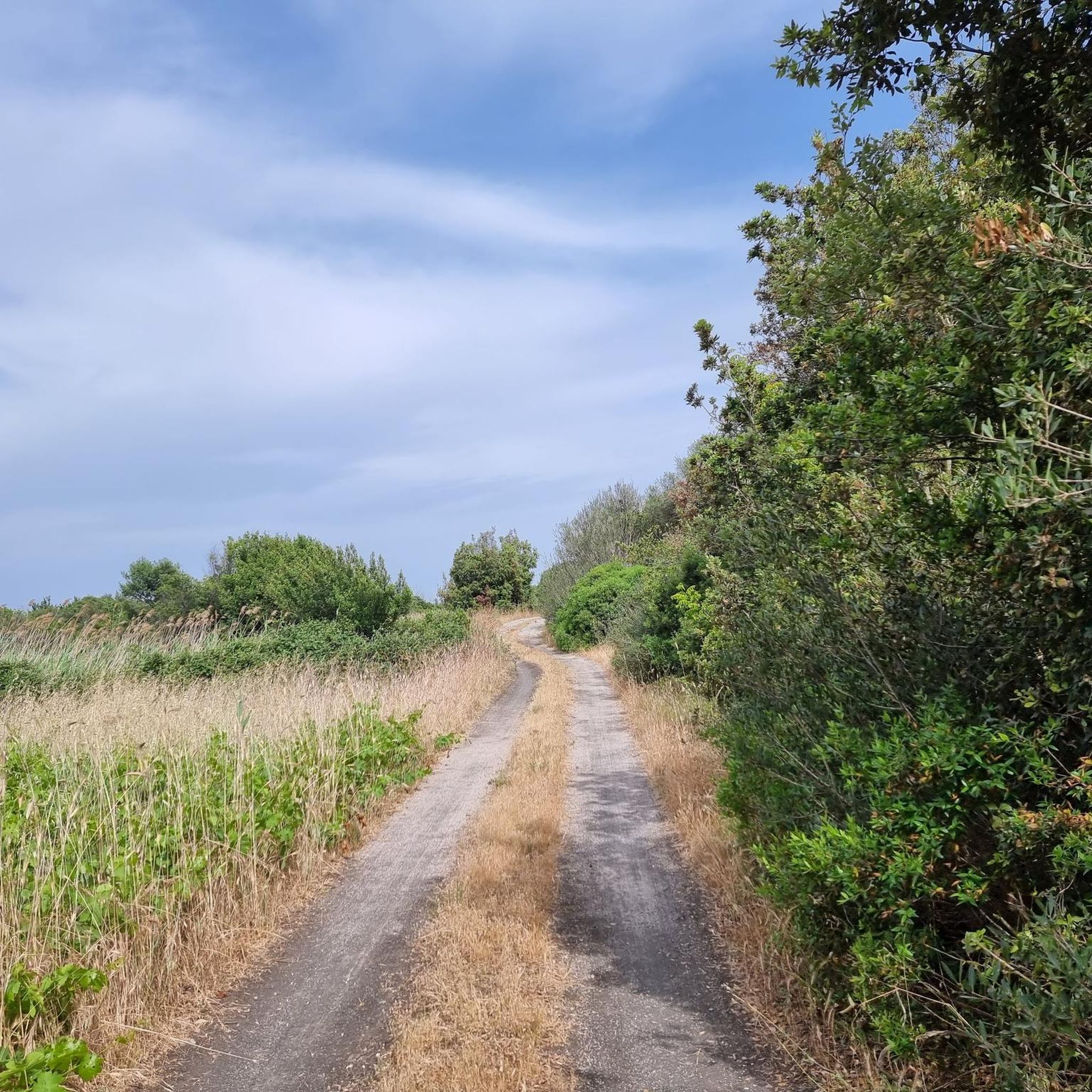
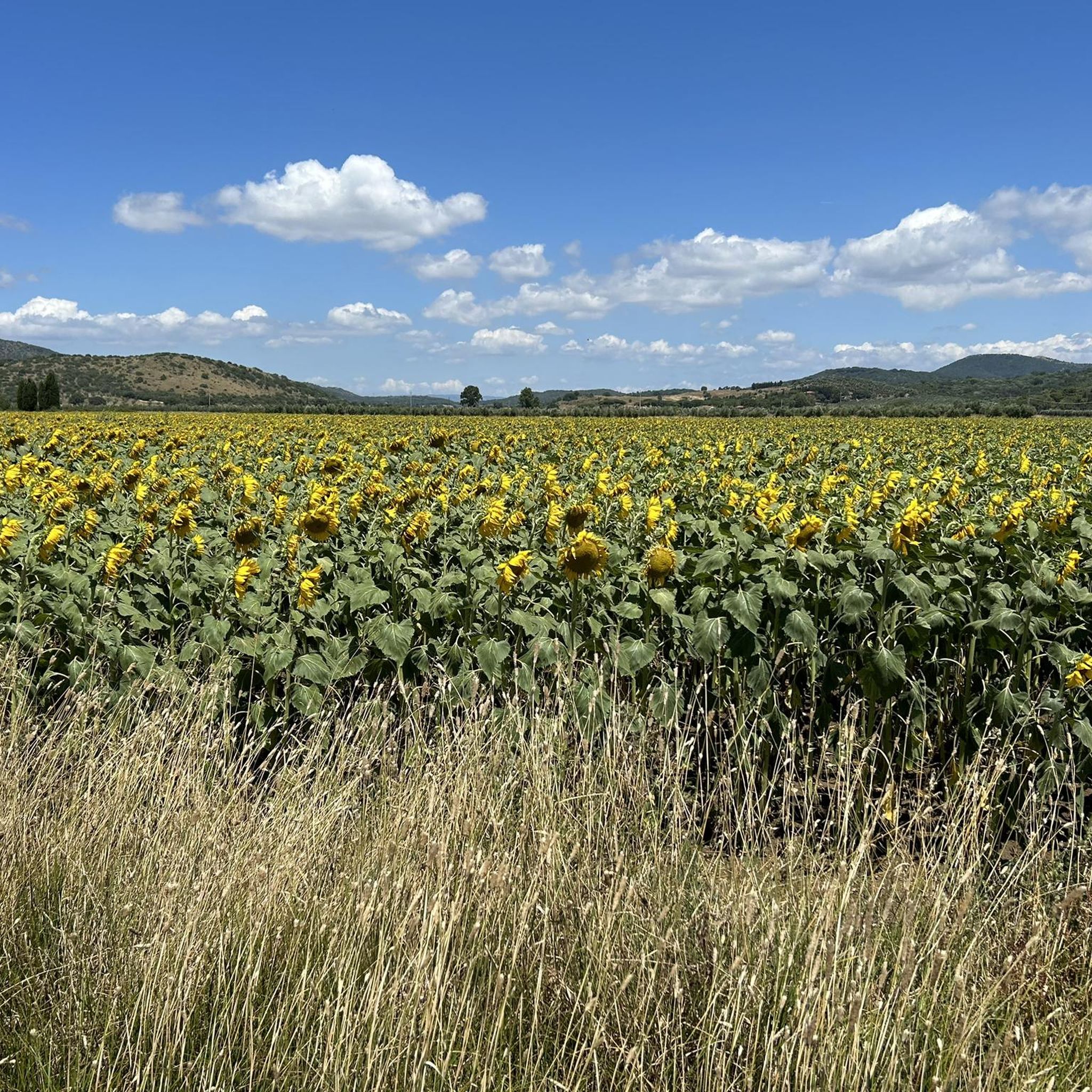
Hiking around Riserva naturale Lago di Burano offers routes through a protected area characterized by a shallow coastal lake and a strip of sandy dunes separating it from the Tyrrhenian Sea. The landscape includes pioneering vegetation on the dunes, dense Mediterranean scrub, and wetlands fringed with reeds. Trails often provide views of the diverse ecosystems, from coastal areas to inland scrub, with minimal elevation changes across much of the reserve.
Best hiking trails around Riserva naturale Lago di Burano
- The…
Last updated: May 12, 2026
4.7
(3)
5
hikers
9.12km
02:35
200m
200m
Moderate hike. Good fitness required. Easily-accessible paths. Suitable for all skill levels.
13
hikers
4.83km
01:13
10m
10m
Easy hike. Great for any fitness level. Easily-accessible paths. Suitable for all skill levels.

Sign up for free
5.0
(1)
1
hikers
7.73km
02:07
120m
120m
Moderate hike. Good fitness required. Easily-accessible paths. Suitable for all skill levels.
3.0
(1)
9
hikers
7.78km
02:14
180m
180m
Moderate hike. Good fitness required. Easily-accessible paths. Suitable for all skill levels.
4.5
(22)
89
hikers
21.7km
05:45
200m
200m
Hard hike. Very good fitness required. Easily-accessible paths. Suitable for all skill levels.
Get access to more routes and recommendations from other explorers.
Sign up for free
Already have an account?
Our route recommendations are based on thousands of hikes, rides, and runs completed by other people on komoot.
Start today with a free account
Your next adventure awaits.
Login or Signup
Popular around Riserva naturale Lago di Burano

Tips from the Community

The church of San Nicola is located in Capalbio, in the province of Grosseto, in the small square in front of the Aldobrandesca fortress, in the historic center of the village.
1
0
The central square: a real gem
0
0
Argentario seen from the walls of Capalbio
0
0
beautiful to take a walk at dawn...
0
0
I recommend taking a nice walk along the walls of the village: beautiful views and unique photographic glimpses
0
0
Curious Mural: Totally Unexpected
0
0

Spray well with mosquito spray!!!
0
0

The ancient Roman city of Cosa stands on a rocky promontory formed by two hills, separated by a vast saddle. Founded by the Romans in 273 BC. after the victory over the allied forces of the Etruscan cities of Volsinii and Vulci in 280 BC, it included a large part of the Vulci territory, including the coast. The Latin colony of Cosa thus controlled a large geographical area. The name derived from the older one of Cusi or Cusia, referring to a small Etruscan center located in present-day Orbetello. The strategic position and nature of a fortress, evident from the imposing walls, were necessary to face the threat of Carthaginian naval power and to maintain control over the newly conquered Etruscan territories. In the urban heart, a dense grid of streets intersect at right angles, defining rectangular blocks for settlers' homes and larger areas for public buildings. The city's port, Portus Cosanus, was built at the foot of the promontory, with a coastal lagoon behind it, today represented by Lake Burano. Between the 12th and 14th centuries, the region came under the alternating rule of the Aldobrandeschi, the Republic of Orvieto and finally the Republic of Siena, which destroyed it in 1329.
1
0
Frequently Asked Questions
Are there easy hiking trails suitable for beginners or families in Riserva naturale Lago di Burano?
Yes, the reserve offers several easy trails perfect for beginners or families. These routes typically feature minimal elevation gain and allow for a relaxed exploration of the natural surroundings. For example, the Torre della Tagliata loop from La Torba is an easy 3.0 miles (4.8 km) path offering coastal views.
What kind of natural landscapes can I expect to see while hiking in the reserve?
Hiking in Riserva naturale Lago di Burano immerses you in diverse landscapes. You'll encounter sandy dunes with pioneering vegetation, dense Mediterranean scrub featuring juniper and myrtle, and wetlands fringed with reeds around the shallow coastal lake. The area is a unique blend of coastal and wetland ecosystems.
Are there any historical or notable landmarks to discover on the trails?
Yes, the area around Riserva naturale Lago di Burano features interesting historical elements. You can explore routes that pass by ancient ruins, such as the What is Ansedonia – Ancient City of Cosa loop from La Torba, which leads through ancient Roman ruins. The 16th-century Torre di Buranaccio, a coastal watchtower, also adds a historical touch to the landscape and is often accessible with guides.
Is Riserva naturale Lago di Burano a good place for birdwatching?
Absolutely. Riserva naturale Lago di Burano is an internationally important wetland and a paradise for birdwatchers. The trails are equipped with watchtowers and observation decks, allowing you to spot over 300 different bird species, including wild ducks, flamingos, ospreys, and various herons, especially during winter migration.
What is the best time of year to go hiking in Riserva naturale Lago di Burano?
The best times to visit for hiking and to experience the full splendor of the reserve are autumn and spring. During these seasons, the environment is particularly vibrant, and the weather is ideal for outdoor activities, offering beautiful panoramas of the sky, sea, vegetation, and wildlife.
How can I get to Riserva naturale Lago di Burano using public transport?
While the reserve is a natural area, specific public transport options directly to trailheads within the reserve can be limited. It's advisable to check local bus schedules or regional train services to nearby towns like Capalbio or Ansedonia, and then consider a short taxi ride or a longer walk to reach the reserve's entrance or specific starting points for hikes.
Are dogs allowed on the hiking trails in Riserva naturale Lago di Burano?
As a WWF Oasis and protected natural reserve, access rules for dogs can be strict to protect the delicate ecosystem and wildlife. It is generally recommended to check the official regulations of Riserva naturale Lago di Burano directly before planning your visit with a dog, as access might be restricted or require leashing at all times.
Are there any circular hiking routes available in the area?
Yes, many of the trails around Riserva naturale Lago di Burano are designed as circular routes, allowing you to start and end at the same point without retracing your steps. An example is the The Ancient Walls loop from Poggio Dolce, a moderate 7.5 km hike.
What kind of wildlife might I encounter while hiking?
Beyond the abundant birdlife, hikers might spot various mammals such as fallow deer, porcupines, badgers, wild rabbits, skunks, and hedgehogs in the scrub and dunes. Terrestrial and pond tortoises, foxes, weasels, and beech martens are also present, making for a rich wildlife observation experience.
What do other hikers enjoy the most about hiking in Riserva naturale Lago di Burano?
The area is highly rated by the komoot community, with an average score of 4.3 stars. Reviewers often praise the unique blend of coastal and wetland environments, the opportunities for birdwatching, and the peaceful atmosphere. Many appreciate the well-maintained trails that offer a close-up view of the diverse flora and fauna.
Are there any particularly long or challenging hikes for experienced trekkers?
While many trails are easy to moderate, there are options for more experienced trekkers seeking longer distances. For instance, the Feniglia Beach – Tree-Lined Avenue loop from Ansedonia is a difficult 21.7 km route, offering a substantial challenge and extensive exploration of the coastal areas.
Are there facilities like cafes or restaurants near the hiking trails?
The Riserva Naturale Lago di Burano is a protected area, so facilities directly on the trails are limited to maintain its natural state. However, you can find cafes and restaurants in the nearby towns and villages, such as Capalbio or Ansedonia, which are a short drive away and offer options for refreshments and meals before or after your hike.
Most popular routes around Riserva naturale Lago di Burano

Get inspired with the komoot mobile app


Explore more
Browse the best Hikes in other regions.
