The 5 Most Amazing Peaks around Turnworth
Best mountain peaks around Turnworth are characterized by rolling hills and downs, offering picturesque landscapes and historical significance rather than towering summits. This area, nestled in the north Dorset Downs, provides diverse natural beauty for exploration. While not mountains in the traditional sense, these elevations offer excellent opportunities for walking and outdoor activities. The region is known for its Iron Age hill forts and chalk slopes rich in wildflowers and wildlife.
Best mountain peaks around Turnworth
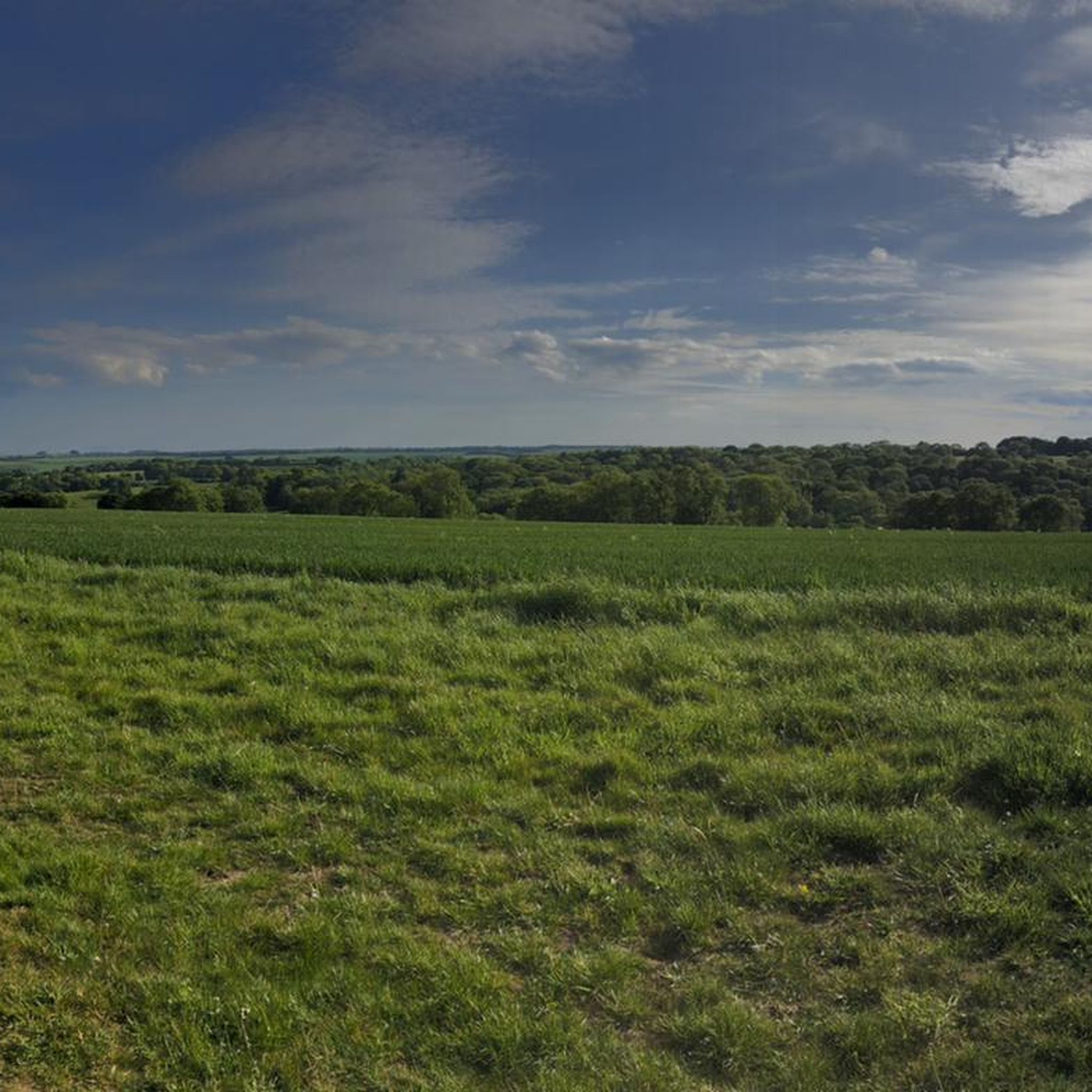
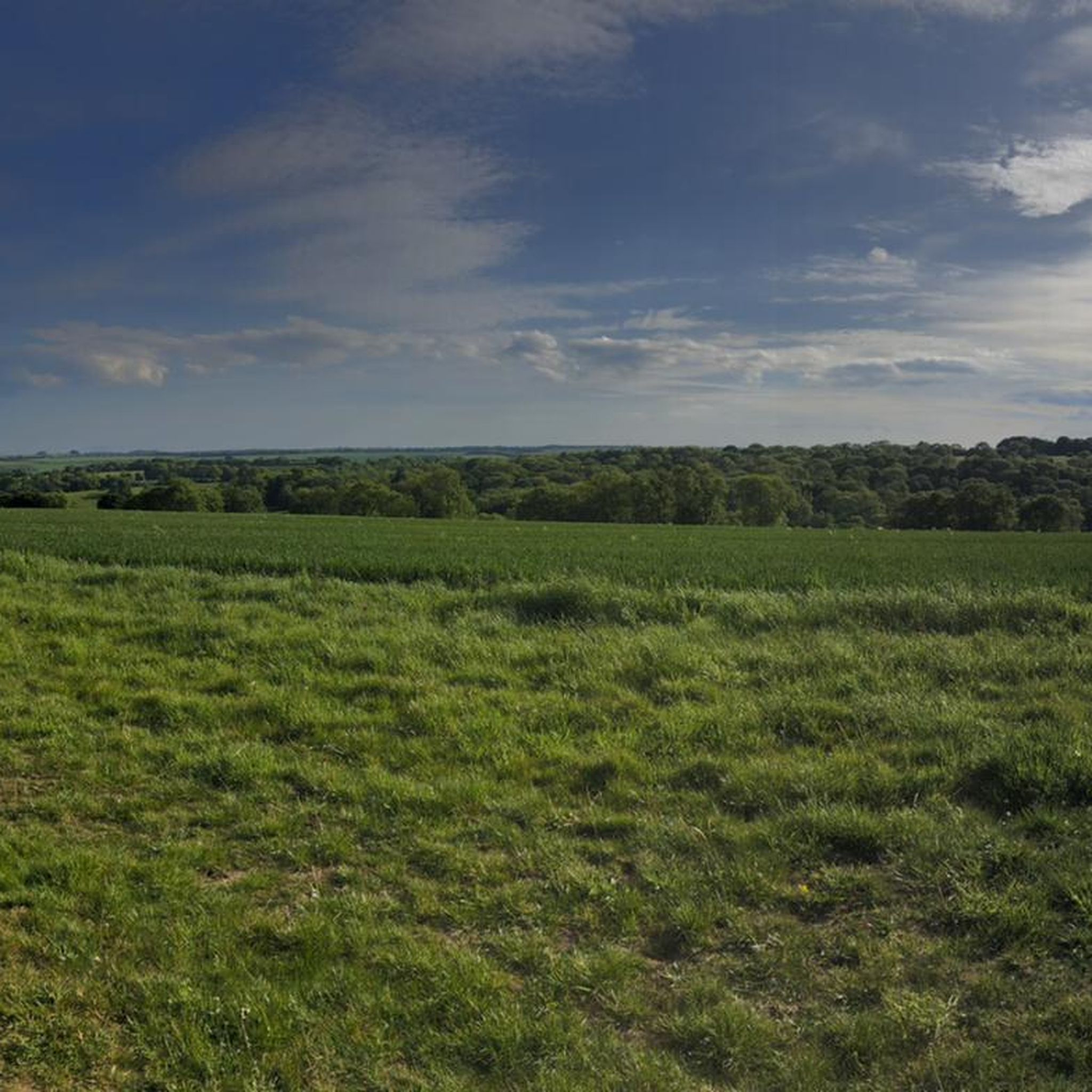
- The most popular mountain peaks is Hambledon Hill Iron Age hill fort, a viewpoint that is one of Britain's best-preserved Iron Age hill forts and a significant Neolithic landscape. It offers expansive views into Wiltshire and Somerset.
- Another must-see spot is Hambledon Hill Ramparts, a historical site where visitors can observe the scale of the three ramparts that formed the hill's fortifications. These steep banks and ditches indicate its past as a formidable defensive fort.
- Visitors also love View from Hambledon Hill, a viewpoint offering extensive views across Dorset from its trig point and path junction. From here, Hod Hill is visible to the south.
- Turnworth is known for its Iron Age hill forts, chalk downs, and viewpoints. These locations provide a variety of elevations to explore, from historical sites to natural monuments.
- The mountain peaks around Turnworth are appreciated by the komoot community, with more than 50 upvotes and 35 photos shared by visitors.
Last updated: November 15, 2026
Hambledon Hill Iron Age hill fort
Highlight • Viewpoint
Tip by

Hambledon Hill Ramparts
Highlight • Historical Site
Tip by

Sign up now to discover places like this
Get recommendations on the best single tracks, peaks, & plenty of other exciting outdoor places.
View from Hambledon Hill
Highlight • Viewpoint
It's a bit of a climb up to hear from any direction but the descents are fun once you make it.
Tip by

View from Bulbarrow Hill
Highlight • Viewpoint
It is one of the highest points in Dorset, with an elevation of around 274 meters (899 feet) above sea level. Due to its height, it provides panoramic views of the surrounding countryside, including the rolling hills, farmland, and picturesque villages that make up the Dorset landscape.
Tip by

View of Blackmore Vale from Bell Hill
Highlight (Segment) • Viewpoint
Tip by
Start today with a free account
Your next adventure awaits.
Tips from the Community

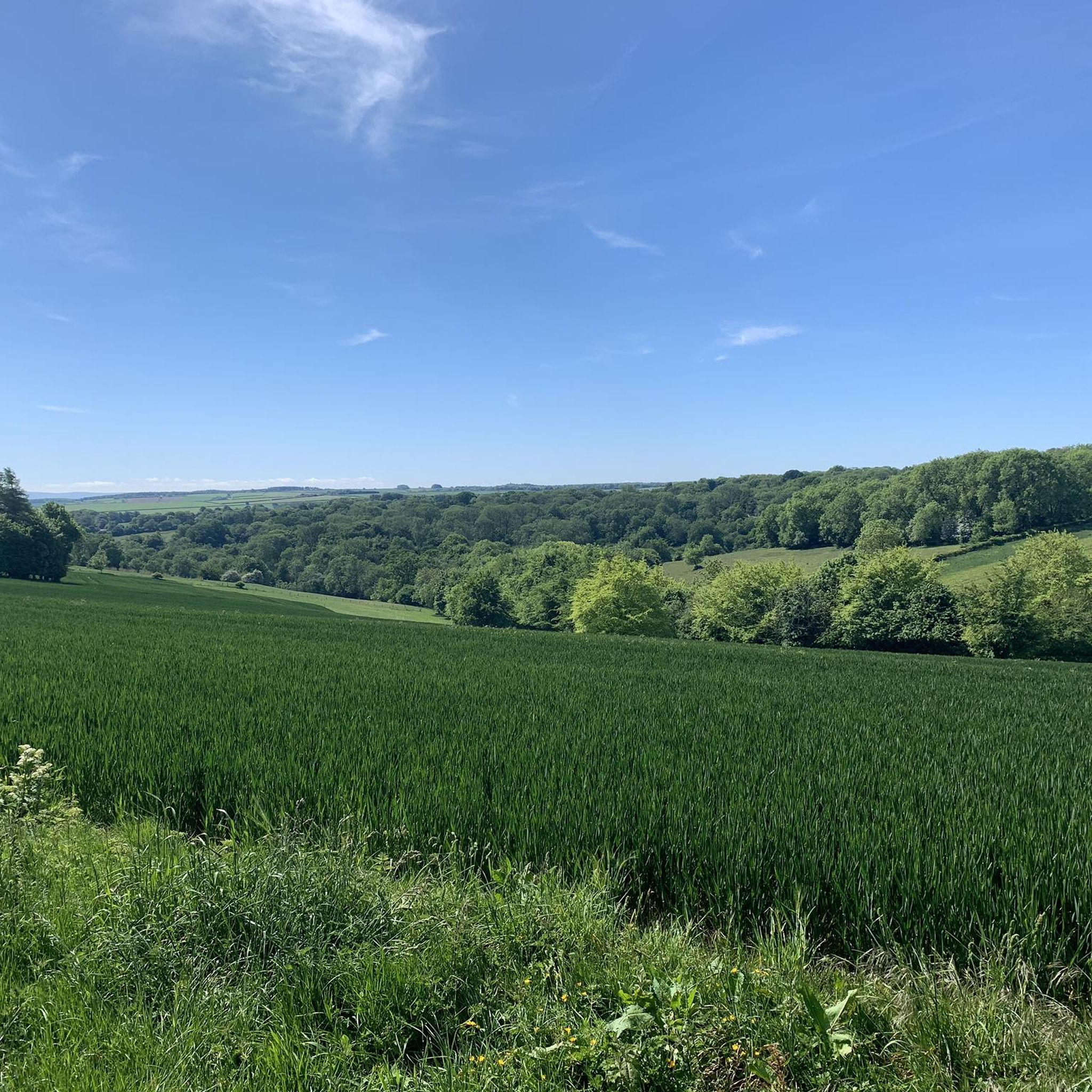
Standing on the summit of Bell Hill (258 meters) offers what many locals and hikers consider the definitive view of the Blackmore Vale. It is a vantage point that explains why Thomas Hardy called this area the "Vale of the Little Dairies."
0
0

Pop into the cricketers pub before or after your hike it’s in the village (shroton)
0
0
The hill is now a National Nature Reserve (NNR) with common plants including milkwort, salad burnet, horseshoe vetch, squinancywort, pyramidal orchid and wild thyme. Rarer species include bastard toadflax, meadow saxifrage, early gentian and dwarf sedge. Butterflies include dingy skipper, grizzled skipper, chalkhill blue and Adonis blue. In August 2014, Hambledon Hill fort was acquired by the National Trust for £450,000. The money to buy the hill had come from a Natural England grant and a legacy gift left to benefit Dorset countryside. The hillfort is a Scheduled Monument, as is the adjacent Neolithic causewayed camp.
2
0
Hambledon Hill is a prehistoric hill fort in Dorset, England, in the Blackmore Vale five miles northwest of Blandford Forum. The hill itself is a chalk outcrop, on the southwestern corner of Cranborne Chase, separated from the Dorset Downs by the River Stour. It is owned by the National Trust. Hambledon Hill is the first in a series of Iron Age earthworks,] which continues with Hod Hill, Spetisbury Rings, Buzbury Rings, Badbury Rings and Dudsbury Camp. The Iron Age port at Hengistbury Head forms a final Iron Age monument in this small chain of sites. The ramparts are a lot longer than you think, amazing fun getting around them all though.
1
0

Bulbarrow Hill is situated within the Dorset Area of Outstanding Natural Beauty, which is known for its scenic landscapes and diverse ecosystems. The hill is part of the Dorset Downs, a range of chalk hills that extend across the county. It is one of the highest points in Dorset, with an elevation of around 274 meters (899 feet) above sea level. Due to its height, it provides panoramic views of the surrounding countryside, including the rolling hills, farmland, and picturesque villages that make up the Dorset landscape.
0
0

From this vantage point you get a good idea of the scale of the three ramparts which formed the fortifications of the hill. The steep banks and ditches would have made it a formidable defensive fort.
1
0
A very impressive Iron Age hill fort.
1
0
Frequently Asked Questions
What are the most notable elevated areas to explore around Turnworth?
While Turnworth is known for rolling hills rather than towering mountains, key elevated areas include Hambledon Hill, a significant Iron Age hill fort with breathtaking views, and Hod Hill, another prominent Iron Age and Roman fort. Other notable spots are Bell Hill, offering views of the Blackmore Vale, and Ringmoor and Turnworth Down, known for its Iron Age hillfort and views stretching to Purbeck and the Isle of Wight. Bulbarrow Hill is also one of the highest points in Dorset, providing panoramic vistas.
Are there any Iron Age hill forts or historical sites among the peaks near Turnworth?
Yes, the region is rich in history. Hambledon Hill Iron Age hill fort is one of Britain's best-preserved Iron Age hill forts and a significant Neolithic landscape. Hod Hill is another prominent Iron Age hillfort, also featuring a Roman fort. Additionally, Ringmoor and Turnworth Down contains an Iron Age hillfort and remains of ancient field boundaries.
What kind of views can I expect from the elevated areas around Turnworth?
The hills around Turnworth offer expansive and picturesque views. From View from Hambledon Hill, you can see across Dorset into Wiltshire and Somerset, with Hod Hill visible to the south. Ringmoor and Turnworth Down provides superb views stretching to Purbeck and the Isle of Wight. View from Bulbarrow Hill, one of Dorset's highest points, offers panoramic views of the surrounding countryside, including rolling hills, farmland, and villages.
What natural features and wildlife can be found on the hills around Turnworth?
The hills are part of the Dorset Downs, characterized by chalk slopes. Hambledon Hill is noted for being one of the finest examples of unimproved calcareous grassland in England, supporting rare plant species like milkwort, salad burnet, and pyramidal orchid, and attracting butterflies such as dingy skipper and chalkhill blue. Turnworth Down is vibrant with wildflowers like bluebells, harebells, and field scabious in spring and summer, attracting various insects and wildlife such as roe deer, hares, and buzzards.
Are there family-friendly trails or activities on the hills near Turnworth?
Yes, many of the trails are suitable for families. For example, a walk to Bell Hill from Turnworth is considered an easy route. The National Trust grants open access to Ringmoor and Turnworth Down, making it a great place for families to wander and explore. For specific easy hiking routes, you can explore options like the "Okeford Hill Bike Park – Okeford Hill Viewpoint loop from Turnworth" or "The Ibberton Pub – View from Bulbarrow Hill loop from Ibberton" found in the Easy hikes around Turnworth guide.
What outdoor activities can I do near these elevated areas?
The region offers diverse outdoor activities. You can enjoy hiking and running on the numerous trails. For mountain biking enthusiasts, there are routes like the "View from Bulbarrow Hill – The View Coffee Shop loop from Shillingstone" detailed in the MTB Trails around Turnworth guide. Running options include the "Millennium Pond loop from Turnworth" from the Running Trails around Turnworth guide. The hills are also excellent for exploring historical sites and enjoying nature.
What is the difficulty level of hiking on the hills around Turnworth?
The difficulty varies. A walk to Bell Hill from Turnworth is considered an easy route, with a maximum height of 850 feet and a total climb of 470 feet. Climbing up to Hambledon Hill or Hod Hill can involve steep sections, but the rewards are extensive views. Many trails are moderate, and there are also specific easy hiking routes available for those seeking a gentler experience.
Are there any specific tips for visiting Hambledon Hill?
Hambledon Hill is managed by the National Trust. It's recommended to visit for its breathtaking views into Wiltshire and Somerset, and to appreciate its status as one of the best examples of unimproved calcareous grassland. You can also observe the scale of the three ramparts that formed its formidable fortifications. The climb can be a bit steep, but the descents are enjoyable. For more information, you can visit the National Trust website for Hambledon Hill.
Where can I find parking for walks around the hills near Turnworth?
For Hod Hill, there is a small car park off the main road, which is free and typically not busy, serving as a good starting point for the walk to the Iron Fort and Roman Camp. For other areas like Hambledon Hill, it's advisable to check local information or National Trust guidelines for designated parking areas.
What is the best time of year to visit the hills around Turnworth?
Spring and summer are particularly vibrant. In spring, Turnworth Down comes alive with wildflowers like bluebells and harebells. During summer, the grassy slopes of Hod Hill are abundant with insects, butterflies, and plant life, including numerous cowslips, making it a visually stunning landscape. These seasons offer the best opportunities to see the diverse flora and fauna.
Can I find pubs or cafes near the mountain trails around Turnworth?
Yes, there are options for refreshments. For instance, if you are visiting Hambledon Hill, you can pop into The Cricketers pub in the village of Shroton before or after your hike. It's always a good idea to check local listings for current opening times and availability of other establishments in nearby villages like Blandford Forum.
What makes the Hambledon Hill Ramparts significant?
The Hambledon Hill Ramparts are a historical site where you can clearly observe the impressive scale of the three ramparts that formed the hill's fortifications. These steep banks and ditches were crucial in making it a formidable defensive fort during the Iron Age, showcasing the ingenuity of ancient inhabitants.
Most popular attractions around Turnworth

Get inspired with the komoot mobile app


Explore more
See even more amazing summits around Turnworth with these guides:
