Top 20 Natural Monuments around Swanage
Best natural monuments around Swanage include dramatic chalk formations and historic quarries along the Jurassic Coast, a UNESCO World Heritage Site. This area in Dorset, England, showcases diverse coastal landscapes, from sea-cliffs and woodlands to unique rock formations. Visitors can explore geological wonders and areas rich in biodiversity, offering varied outdoor experiences.
Best natural monuments around Swanage
- The most popular natural monuments is Old Harry Rocks, a natural monument consisting of iconic chalk formations at Handfast Point. These formations are a prime example of coastal erosion and mark the easternmost point of the Jurassic Coast.
- Another must-see spot is Agglestone Rock, a unique sandstone rock formation nestled in Godlingston Heath. This mysterious 400-tonne rock is shrouded in local myths and legends.
- Visitors also love Dancing Ledge, a flat area of rock at the base of a small cliff, historically used for quarrying Purbeck stone. It is known for its unique geological formation and the way waves appear to "dance" over its surface.
- Swanage is known for its chalk formations, historic quarries, and unique rock outcrops. The area offers a variety of natural monuments to see and explore, each with distinct geological and historical significance.
- The natural monuments around Swanage are appreciated by the komoot community, with more than 600 upvotes and over 390 photos shared by visitors.
Last updated: June 26, 2026
Old Harry Rocks
Highlight • Natural Monument
The chalk formations are popularly known as Old Harry Rocks, but the name Old Harry actually refers to the single chalk rock that stands furthest out to sea. Until 1896 there was another boulder called Old Harry's Wife, but erosion caused it to collapse into the sea, leaving only a stump.
visit-dorset.com/listing/old-harry-rocks/130693301
Translated by Google •
Tip by

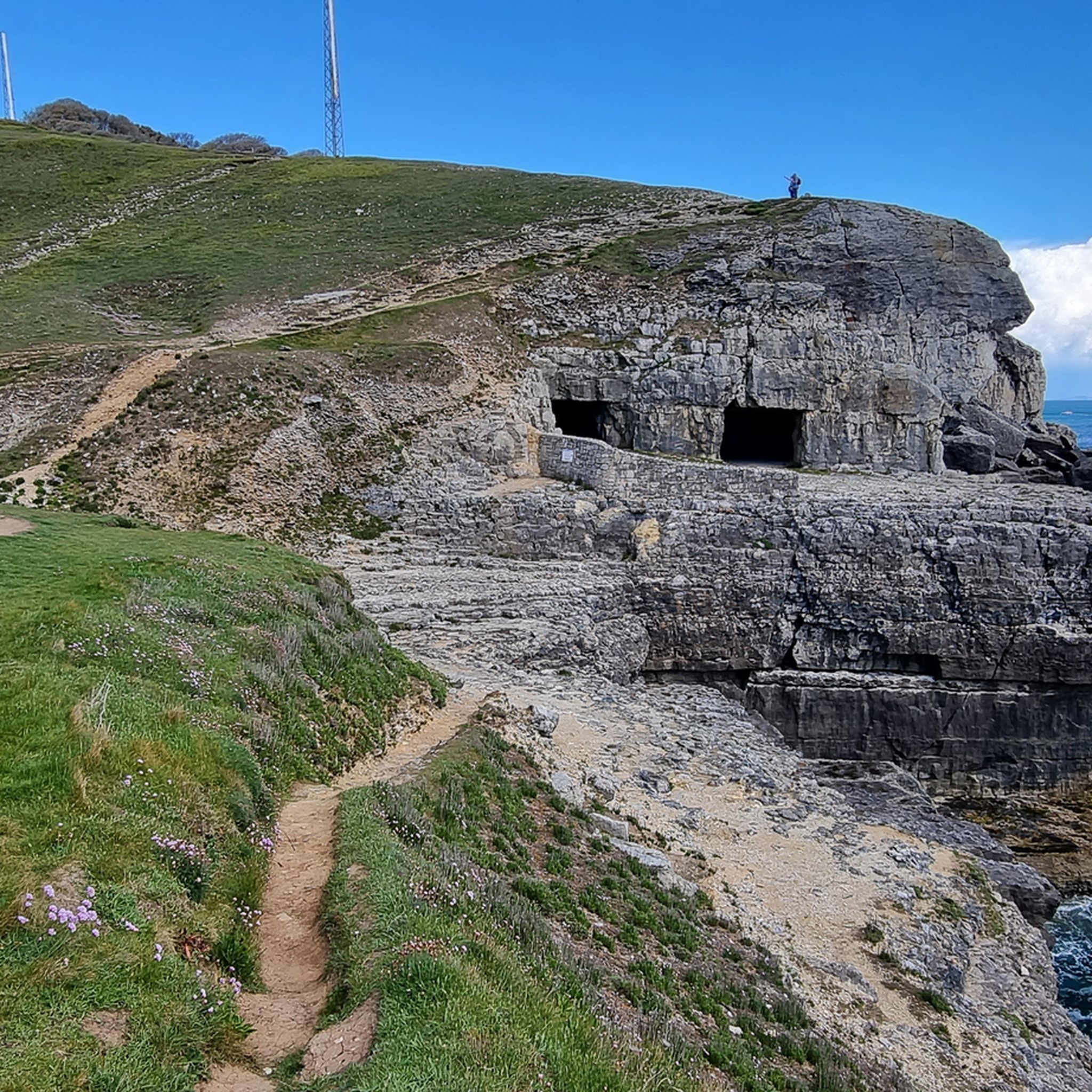
Winspit Quarry Caves
Highlight • Cave
Tip by

Sign up now to discover places like this
Get recommendations on the best single tracks, peaks, & plenty of other exciting outdoor places.
Sign up for free
Dancing Ledge
Highlight • Natural
Tip by
Agglestone Rock
Highlight • Natural Monument
One story goes that it was hurled across from the Isle of Wight's Needles by the Devil. This explains the name Agglestone, which may mean 'Devil's Anvil'. It's also thought to have been a Druid's altar.
Tip by

Ballard Down Obelisk
Highlight • Monument
Fascinatingly, it was taken down during WW2 as it was feared that the landmark might aid enemy aircraft navigate, before being reinstated some years later.
Tip by

Sign up for free to discover even more natural monuments around Swanage.
Sign up for free
Already have an account?
Start today with a free account
Your next adventure awaits.
Login or Signup
Popular around Swanage
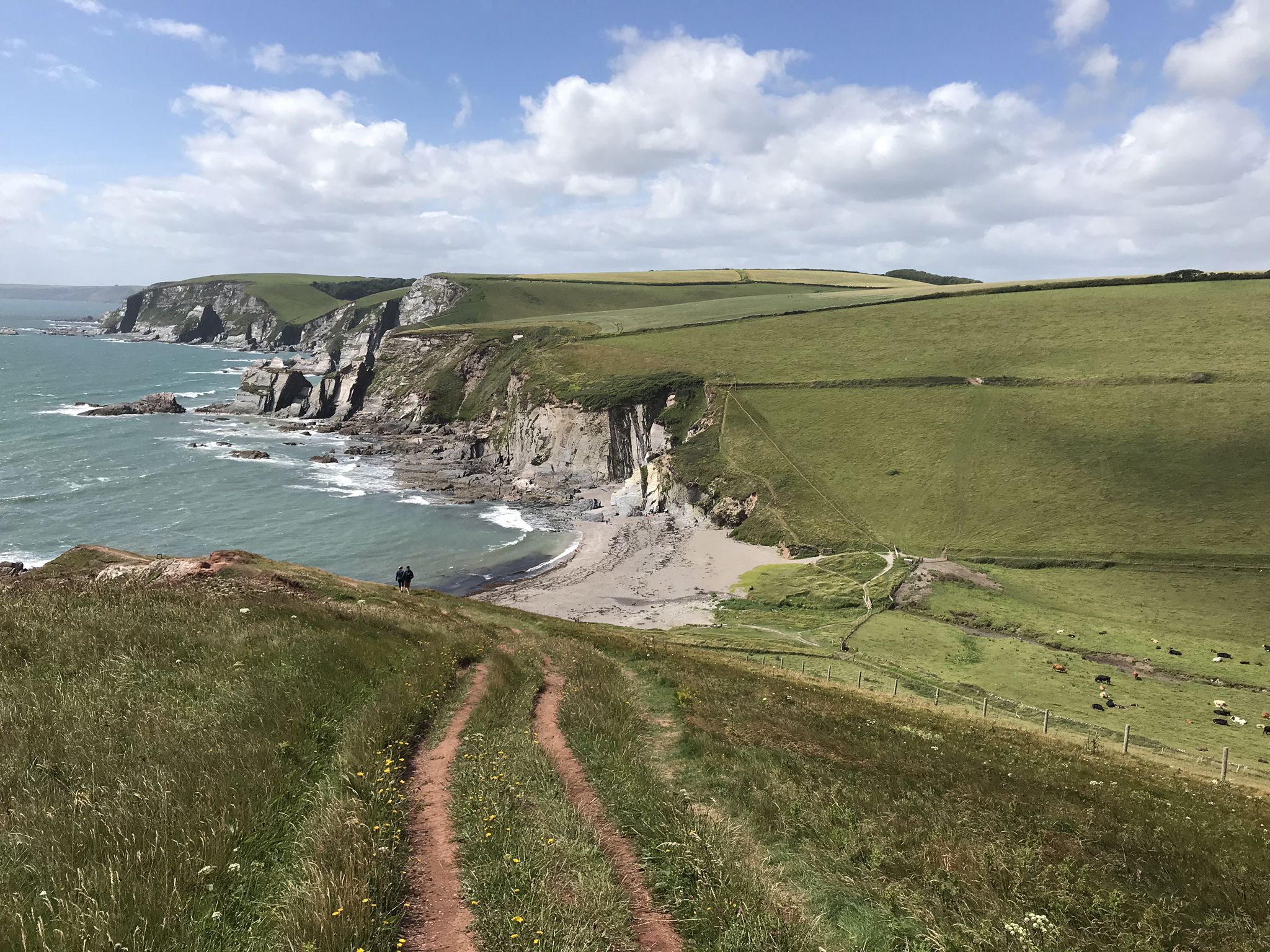
E9 Plymouth to Dover — An epic exploration of England's south coast
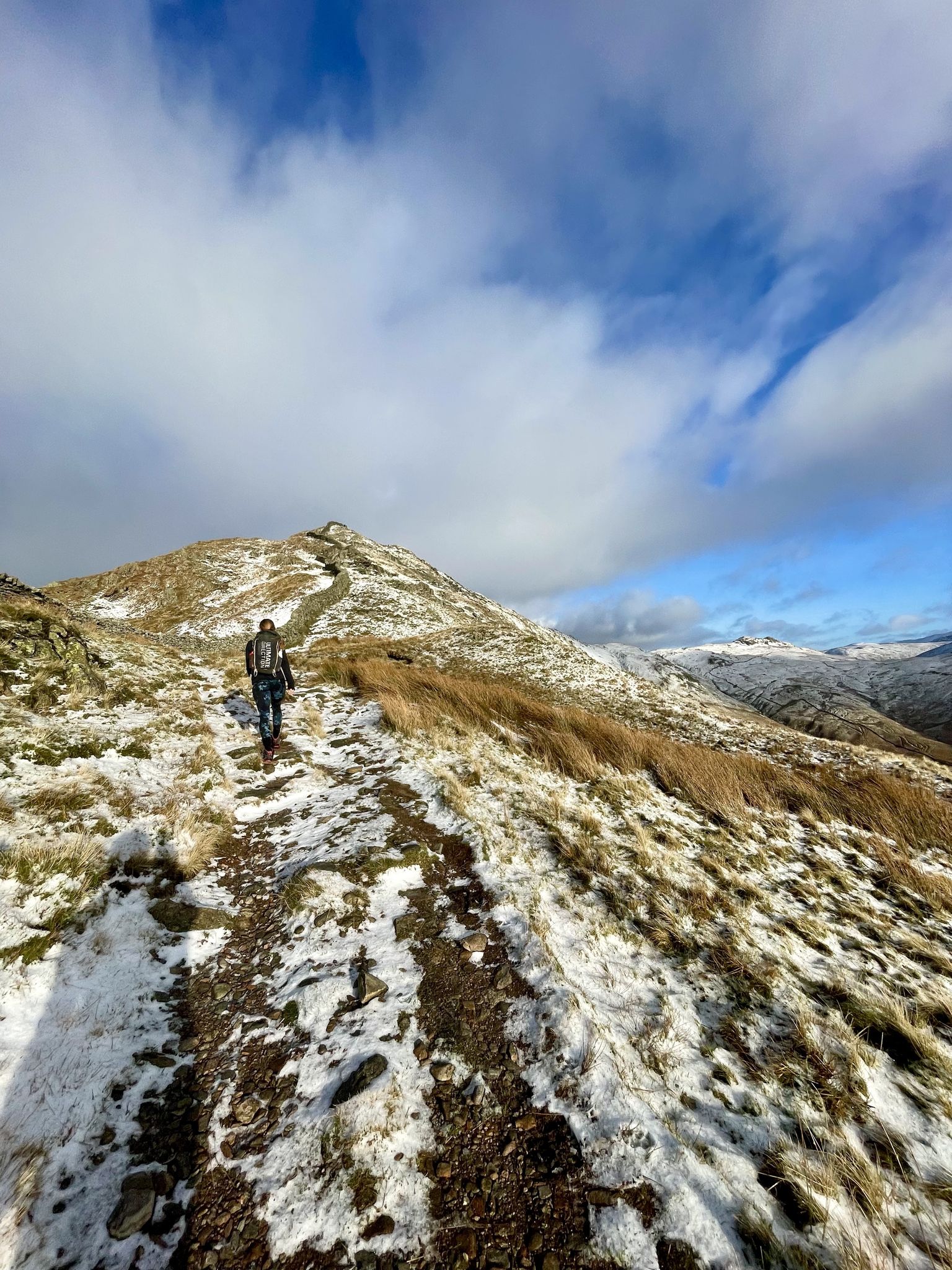
Walk Britain – 90 car-free adventures in England, Wales and Scotland
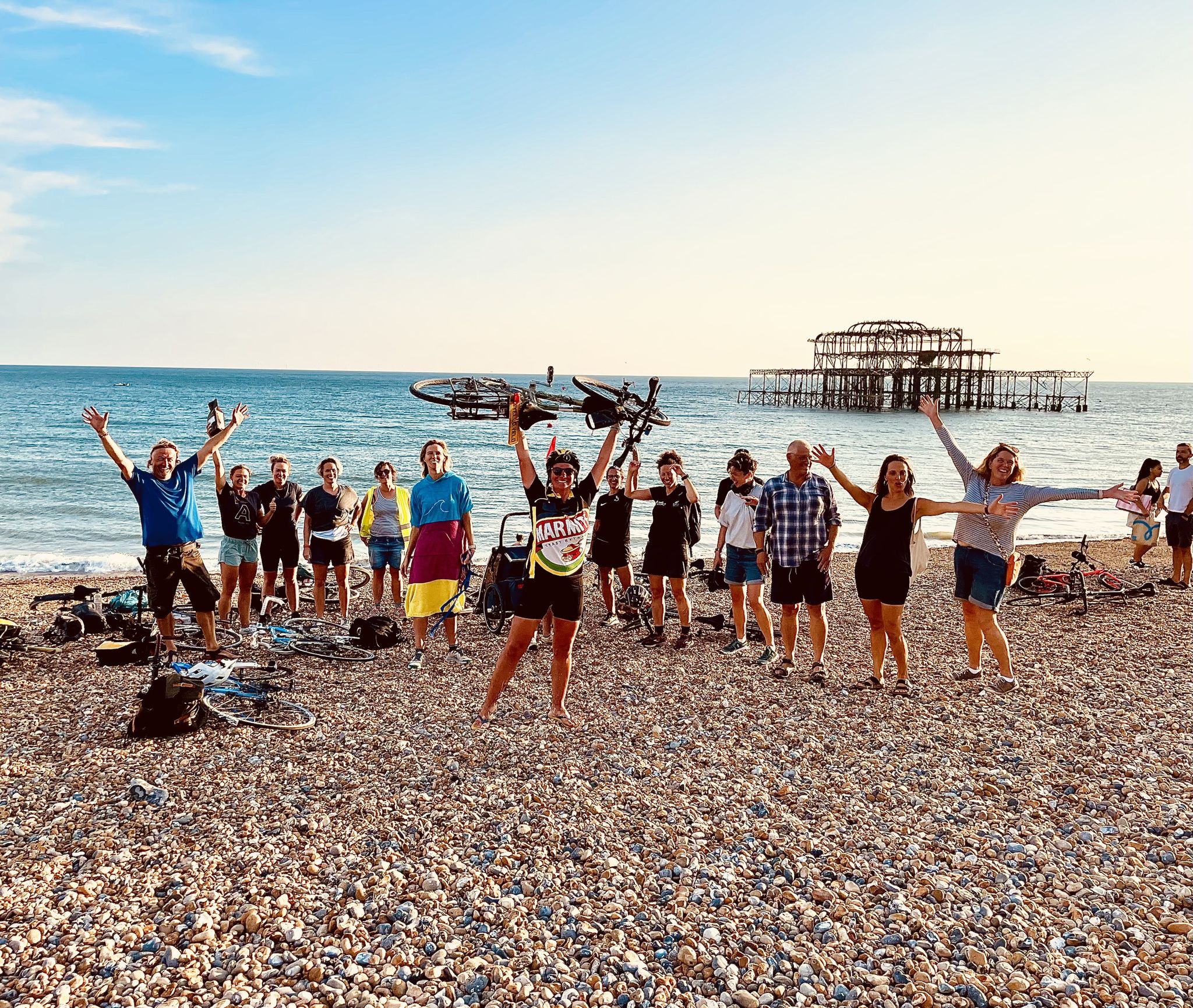
Around the edge in 80 days — cycling the coastline of Britain
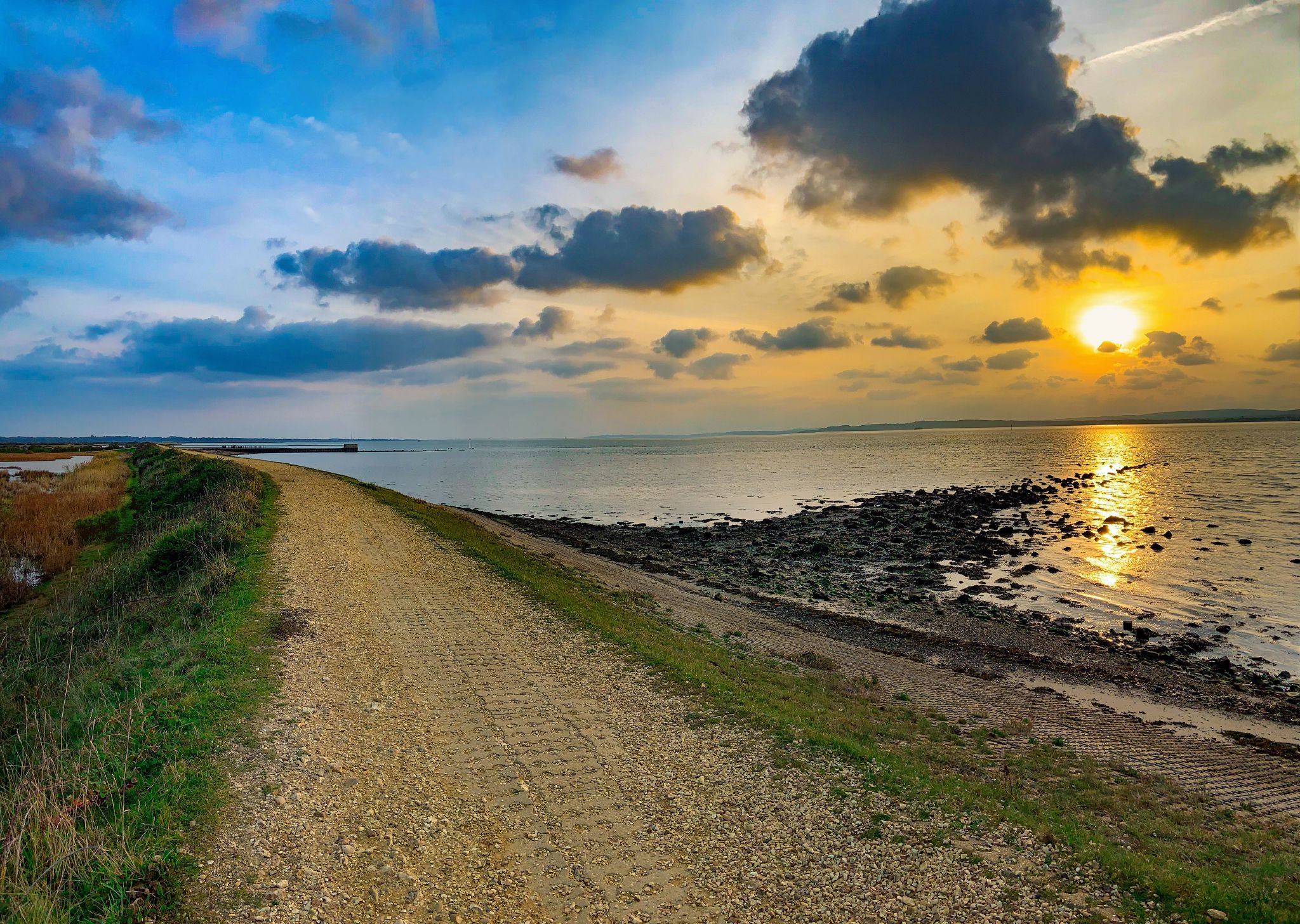
Sandbanks, sea stacks and salt marshes — Bournemouth Coast Path
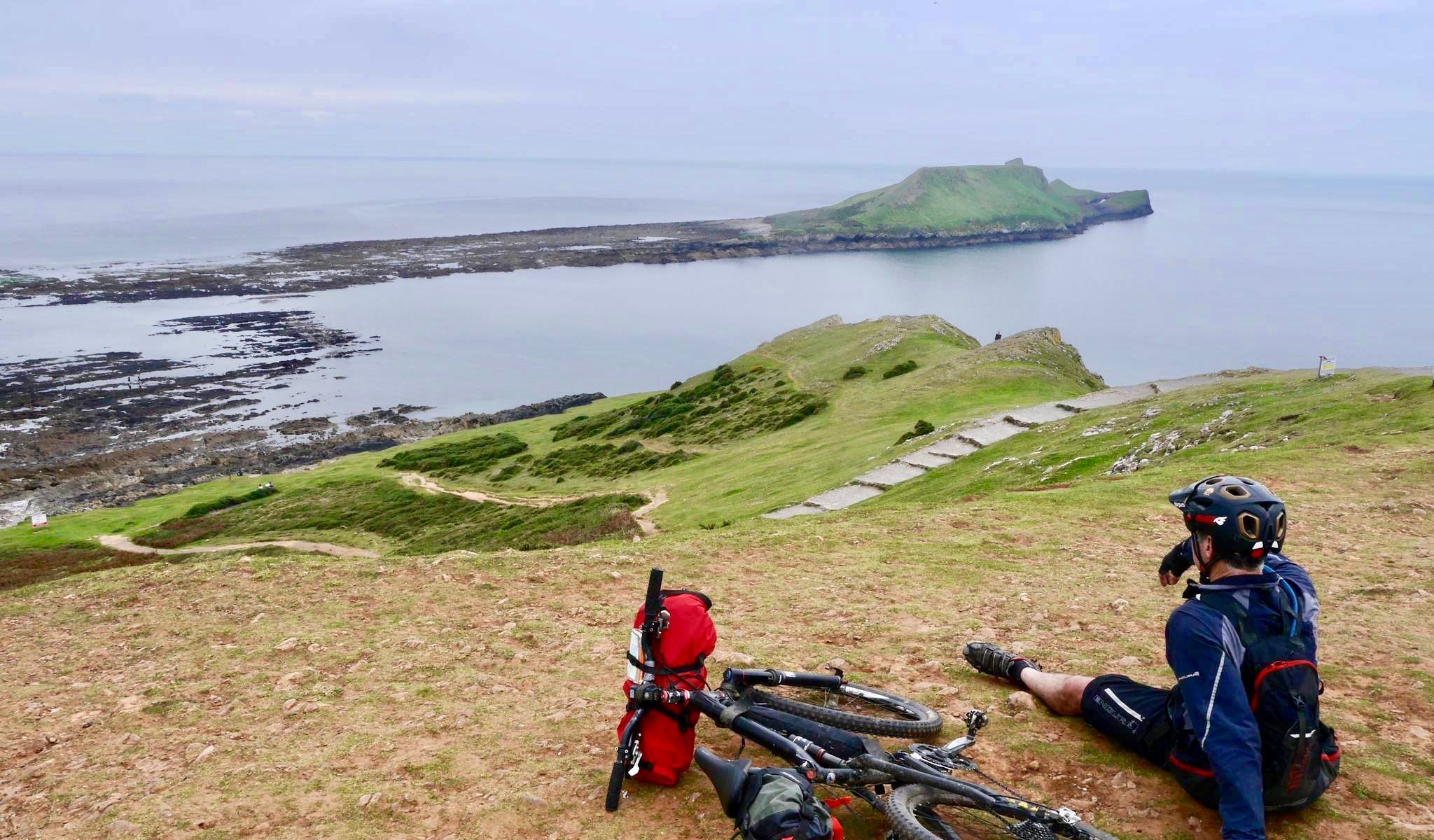
Coastal mountain biking in the South of England and Wales
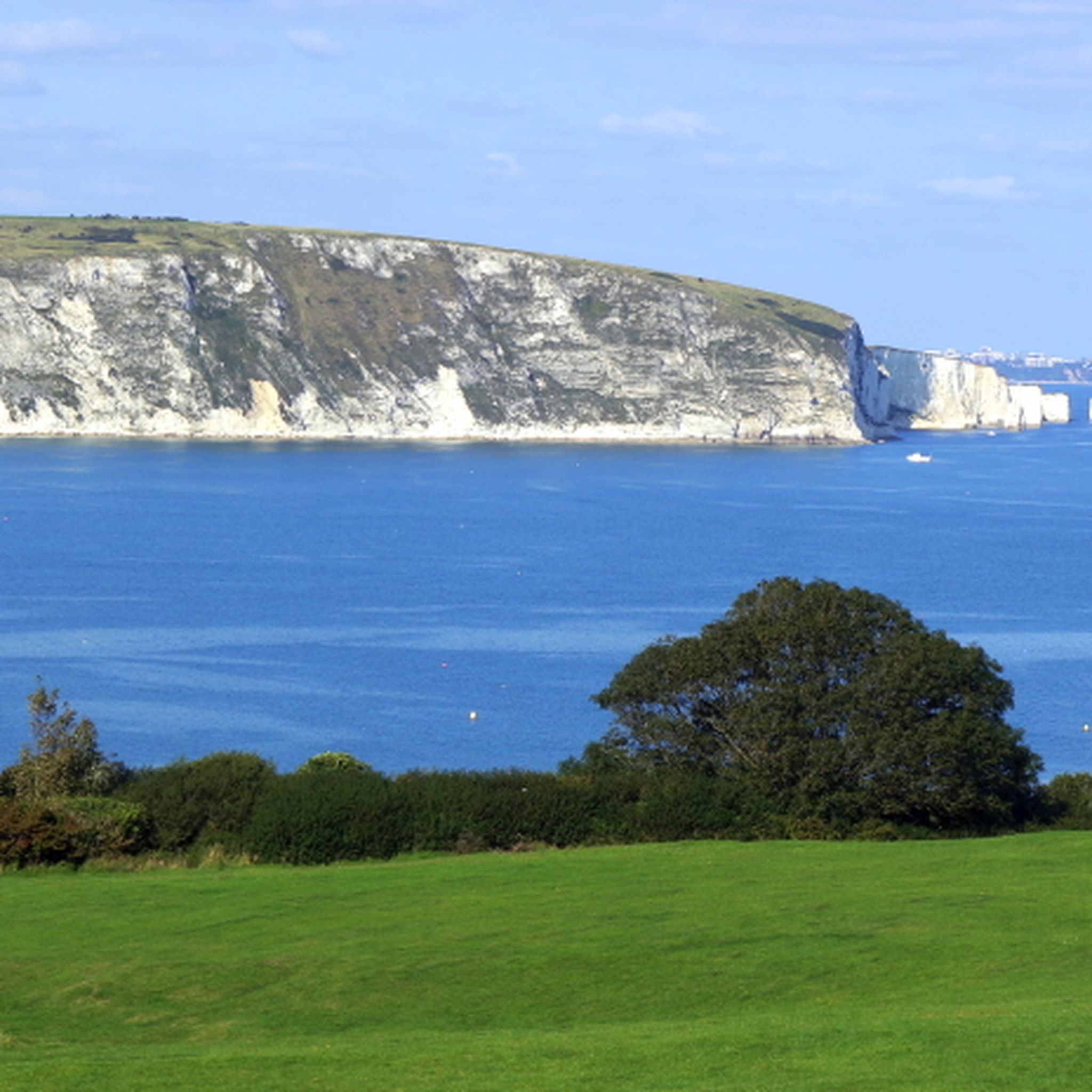
Hiking around Swanage
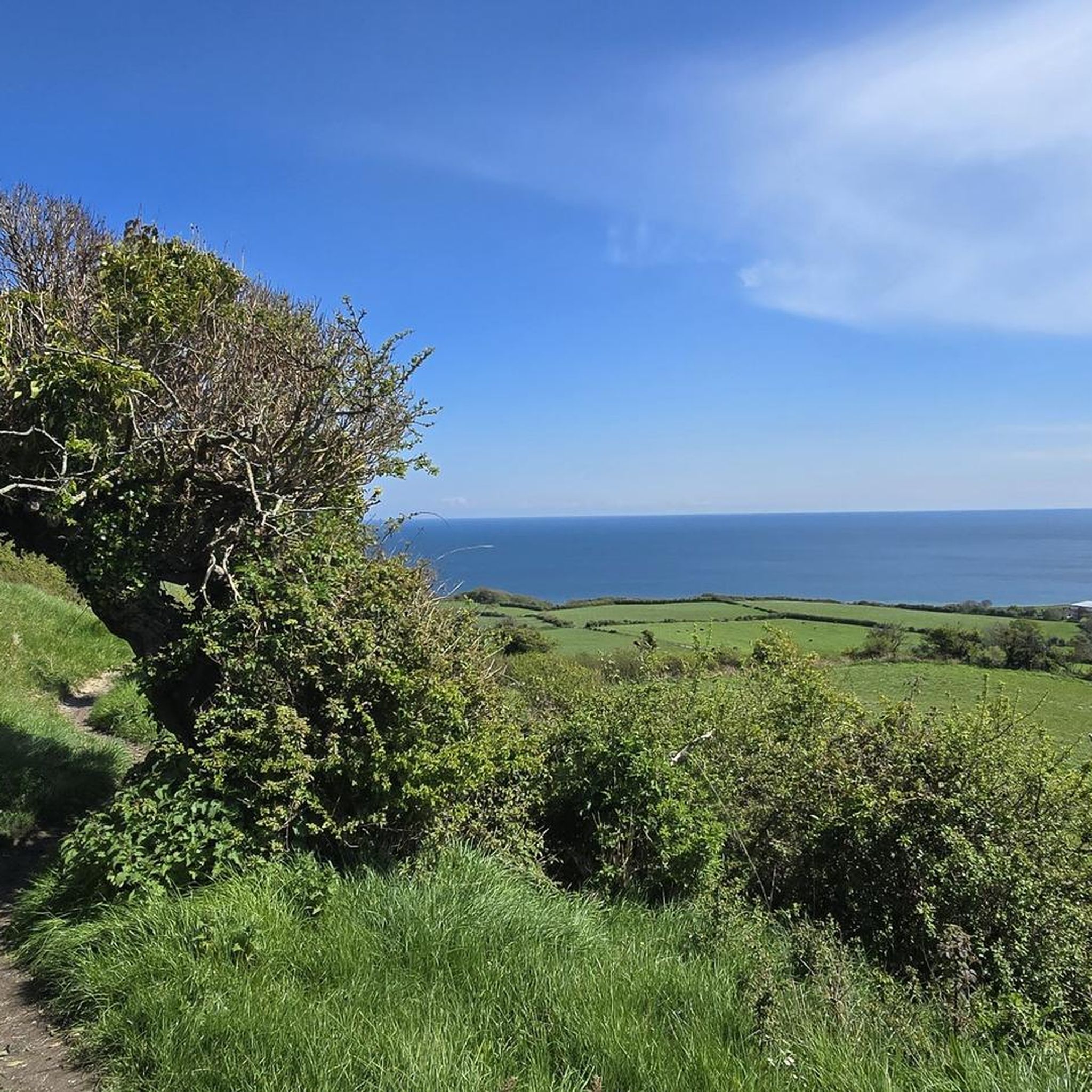
Running Trails around Swanage
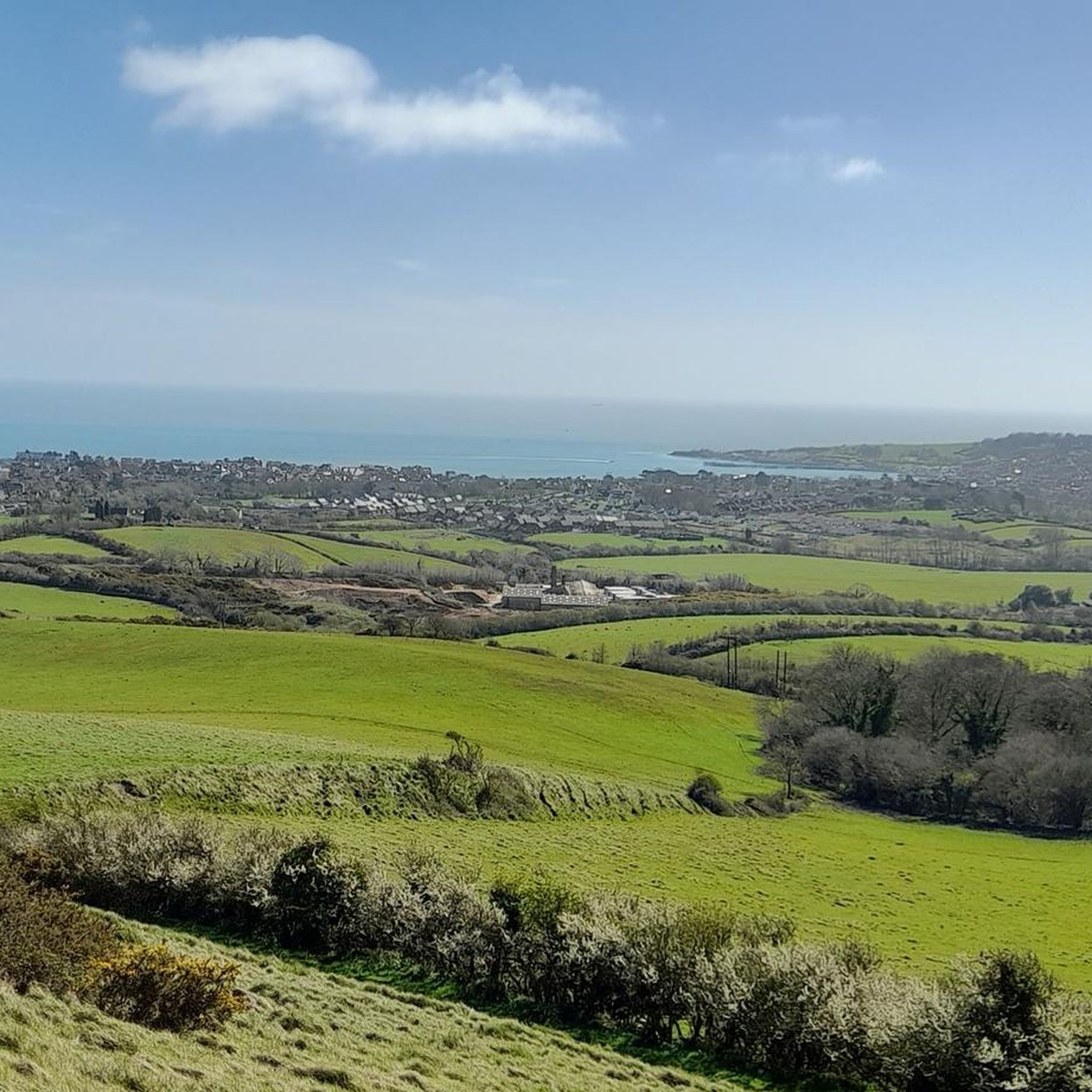
Cycling around Swanage
MTB Trails around Swanage
Road Cycling Routes around Swanage
Other adventures around Swanage


Tips from the Community

A great space for lunch and to explore for heading back up onto the coast path
0
0

The "Why" Behind the Hill Burt didn't just put it there because it looked nice. He dedicated it to his uncle and mentor, John Mowlem (another massive figure in Swanage history). But there was a practical side, too: A Landmark: It served as a waypoint for ships navigating the tricky waters around Old Harry Rocks. The View: Burt was obsessed with showing off the beauty of his hometown. By placing it on the ridge, he essentially gave people a reason to climb the hill and look down at the town he was helping to build. The Great Disappearing Act (WWII) If you look closely at the obelisk today, it looks remarkably "clean." That’s because the one you see now is a reconstruction. During World War II, the original stone obelisk was considered a "navigational hazard." The British military was worried that German pilots would use the tall, white stone pillar as a landmark to help them find their bearings for bombing raids on nearby Bournemouth or Poole. So, in 1941, they knocked it down. For decades, it lay in pieces in the grass. It wasn't until 1973 that the Encombe Estate and local residents gathered the resources to rebuild it (using a mix of the original stone and some fresh Purbeck masonry) to celebrate "Plant a Tree in '73"—though ironic, as there isn't a tree in sight on that windy ridge!
0
0
If you’ve been hiking those ridges, that lone stone pillar standing guard over Swanage has likely caught your eye. It’s officially known as the Ballard Down Obelisk (or the Burt Memorial), and the story behind it is a classic tale of Victorian pride, a bit of eccentricity, and some very literal "re-gifting." The "Stolen" Monument The obelisk wasn't originally built for the Purbeck Hills. It actually started its life in London. In the mid-1800s, it served as a monument to a man named James Thompson, standing near the entrance to the Vauxhall Bridge. However, when the bridge was being rebuilt in the late 19th century, the obelisk became an "obstruction" and was destined for the scrap heap. Enter George Burt: The Man Who Moved London Swanage looks the way it does today largely because of George Burt, a local businessman who ran a massive masonry firm in London. He had a habit of taking "architectural leftovers" from London and shipping them back to Swanage as ballast on his empty stone boats. When he saw the obelisk was going to be demolished in 1892, he stepped in. He didn't just save it; he dismantled it, shipped it down the coast, and hauled it all the way to the top of Ballard Down.
0
0

Formerly an "anvil" shape with a flat top, in 1970 it fell on one end and one side, leaving the top at an angle of about 45°.
0
0
also known as the "Devil's Anvil," is a large, distinctive sandstone block located on a conical hill on Godlingston Heath near the village of Studland in south Dorset, England. This impressive rock, weighing approximately 400 tonnes, is a popular landmark and a local curiosity. Local legends offer a more dramatic explanation for the rock's existence. The most famous myth says the Devil, standing on The Needles on the Isle of Wight, hurled the massive rock with the intention of hitting Corfe Castle, Bindon Abbey, or Salisbury Cathedral. However, his aim was poor, and the rock landed short of its target, where it now sits. Before it toppled over in 1970, the rock had a flat top and an anvil-like shape, which led to its nickname "the Devil's Anvil." Some folklore also suggests that the rock was a holy stone or a Druidical altar.
0
0

There is a slight climb down to the pool but doable, just watch your footing.
0
0

Frequently Asked Questions
What makes the natural monuments around Swanage geologically significant?
The natural monuments near Swanage are part of the Jurassic Coast, a UNESCO World Heritage Site, renowned for its geological importance. Sites like Old Harry Rocks showcase dramatic coastal erosion, with iconic chalk formations demonstrating the formation of caves, arches, and sea stacks. Dancing Ledge highlights both natural formations and historical quarrying of Purbeck stone, used in famous buildings like Westminster Abbey. These sites provide exceptional examples of geological processes and the region's rich history.
Are there family-friendly natural monuments or walks around Swanage?
Yes, several natural monuments around Swanage are suitable for families. Durlston Country Park, for instance, offers diverse habitats, walking trails, and a visitor center at Durlston Castle with educational displays. While some paths to sites like Dancing Ledge might require a bit of scrambling, many areas provide accessible walks with stunning views. For easy hikes, you can explore routes like the 6 km loop from Swanage to Anvil Point Lighthouse and Durlston Castle, which is listed in the Easy hikes around Swanage guide.
Can I bring my dog to the natural monuments near Swanage?
Many natural monuments and trails around Swanage are dog-friendly, especially those along the South West Coast Path. Durlston Country Park welcomes dogs, and the walks to Old Harry Rocks are popular with dog walkers. However, it's always advisable to keep dogs on a lead, especially near cliff edges, livestock, and nesting birds, to protect wildlife and ensure safety. Please check specific site regulations before your visit.
When is the best time of year to visit the natural monuments around Swanage?
The natural monuments around Swanage can be visited year-round, but each season offers a different experience. Spring and summer (April to September) are ideal for wildlife spotting, especially birds and butterflies at Durlston Country Park, and for enjoying longer daylight hours and warmer weather for walks. Autumn provides beautiful coastal colors, while winter offers dramatic, quieter landscapes, though paths can be muddy and weather more unpredictable. Always check local weather forecasts before heading out.
What kind of walking or hiking trails can I find near these natural monuments?
The area around Swanage offers a variety of walking and hiking trails, many of which are part of the South West Coast Path. You can find trails ranging from easy strolls, such as those within Durlston Country Park, to more challenging hikes leading to sites like Dancing Ledge or Old Harry Rocks. For specific routes, the Easy hikes around Swanage guide provides options like the 6 km loop to Anvil Point Lighthouse.
Are there any historical sites or features to explore alongside the natural monuments?
Yes, the natural monuments around Swanage are often intertwined with rich history. Durlston Country Park features the historic Durlston Castle and the Victorian-era Great Globe. Dancing Ledge and Winspit Quarry Caves are former Purbeck stone quarries, with visible evidence of their industrial past, including man-made caves. These sites offer a fascinating blend of natural beauty and human heritage.
What are some unique features of Dancing Ledge?
Dancing Ledge is a flat rock platform at the base of a cliff, historically used for quarrying Purbeck stone. Its name comes from the way waves appear to 'dance' over its surface at certain tide levels. A unique feature is a swimming pool blasted into the rock in the early 20th century, offering a distinctive wild swimming experience at low tide. The cliffs above are also popular for rock climbing.
How difficult is the walk to Old Harry Rocks?
The walk to Old Harry Rocks is generally considered moderate. It forms part of the South West Coast Path and offers breathtaking views along the way. While the path is well-trodden, it involves some undulating terrain along the clifftops. It's accessible for most walkers, but comfortable footwear is recommended.
What other outdoor activities can I do near the natural monuments?
Beyond hiking, the area around Swanage offers various outdoor activities. You can find cycling routes, including touring bicycle options in the Cycling around Swanage guide, and mountain biking trails in the MTB Trails around Swanage guide. Boat trips and kayaking tours are also popular ways to get a closer look at coastal formations like Old Harry Rocks. Wild swimming is possible at Dancing Ledge at low tide, and the cliffs there are a popular spot for rock climbing.
What is Agglestone Rock and its significance?
Agglestone Rock is a unique, iron-rich, 400-tonne sandstone rock formation located in Godlingston Heath. It's shrouded in local myths and legends, with one story suggesting it was hurled from the Isle of Wight by the Devil, which may explain its name, possibly meaning 'Devil's Anvil'. It's also thought to have been a Druid's altar, adding to its mysterious appeal and making it a fascinating natural landmark.
Are there good viewpoints to appreciate the Jurassic Coast scenery?
Absolutely. Many natural monuments double as excellent viewpoints. Durlston Country Park offers stunning panoramic views of the English Channel and the Jurassic Coast from its clifftop walks. The path to Old Harry Rocks provides dramatic vistas of the white chalk formations against the blue sea, and on clear days, you can even see The Needles on the Isle of Wight. Chapman's Pool also offers spectacular, quiet views.
What should I wear for a walk around the natural monuments?
For walks around the natural monuments near Swanage, it's best to wear comfortable, sturdy walking shoes or boots, as paths can be uneven, rocky, or muddy, especially after rain. Layered clothing is advisable to adapt to changing weather conditions, as coastal areas can be windy and temperatures can fluctuate. A waterproof jacket is recommended year-round. Don't forget sun protection, even on cloudy days, and bring water and snacks.
What do visitors enjoy most about the natural monuments around Swanage?
Visitors frequently praise the breathtaking views, the dramatic coastal scenery, and the unique geological formations. The sense of history at sites like the old quarries and the rich biodiversity, particularly at Durlston Country Park, are also highly appreciated. Many enjoy the peaceful escape and the opportunity for invigorating walks along the South West Coast Path, often highlighting the stunning photo opportunities these natural wonders provide.
Most popular routes around Swanage
Most popular attractions around Swanage

Get inspired with the komoot mobile app


Explore more
Extend your search for the best caves by checking out these guides of the top ones around Swanage:
