Top 3 Castles around Langton Matravers
Best castles around Langton Matravers are situated in a region known for its historical significance and natural landscape. The area offers views of the Purbeck Hills and the Jurassic Coast. Langton Matravers itself is a village in the Isle of Purbeck, providing access to coastal paths and historical sites. The local geology features Purbeck limestone, used in many of the area's structures.
Best castles around Langton Matravers
- The most popular castles is Corfe Castle Town Hall, a historical site…
Last updated: July 26, 2026
Corfe Castle Town Hall
Highlight • Historical Site
Tip by

Durlston Castle
Highlight • Viewpoint
Translated by Google •
Tip by

Sign up now to discover places like this
Get recommendations on the best single tracks, peaks, & plenty of other exciting outdoor places.
Sign up for free
Corfe Castle
Highlight • Castle
Tip by

Entrance Road to Corfe Castle
Highlight • Castle
Tip by

Corfe Castle
Highlight • Castle
Tip by

Start today with a free account
Your next adventure awaits.
Login or Signup

Tips from the Community


Nice cafe. Usually art installations downstairs. Walks along coast and not far to Swanage. https://www.durlston.co.uk/
0
0

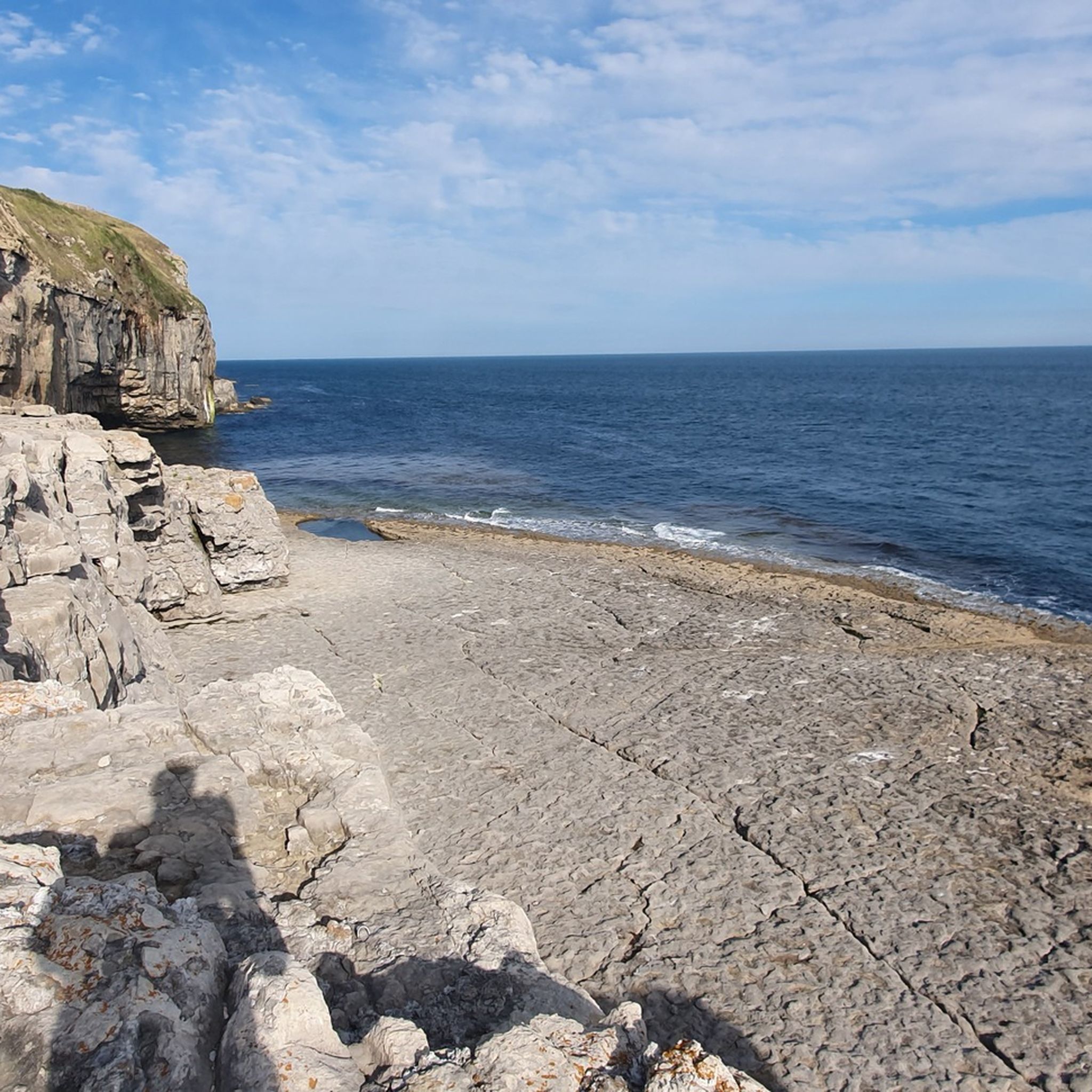
Built by W.M. Hardy in 1886-87 entirely of local stone. The 'castle' was never a real castle: it was purpose-built by Burt as a restaurant for the visitors to his estate. The castle played a part in the evolution of radio and telecommunications. A team of Marconi's engineers used the roof of the castle in the 1890s for some of their early wireless experiments to transmit to the Isle of Wight. The castle passed through the hands of many owners until in 1973 it was bought by Dorset County Council. It was designated as a listed building at Grade II in 1983.
0
0

amazing visitor centre, views, galleries, exhibtions shop etc
0
0

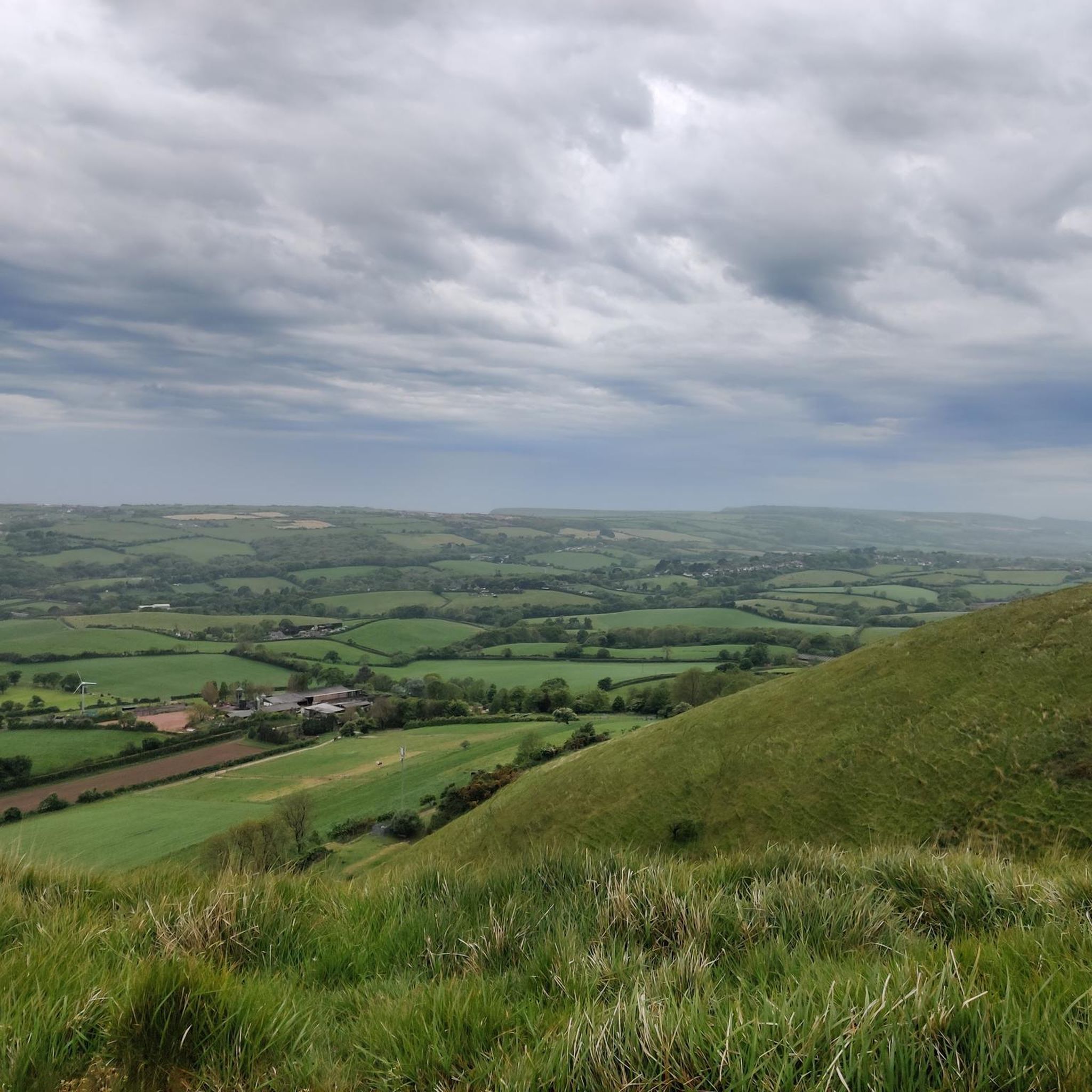
Named after the dramatic castle ruins that sit on the high above the village, Corfe Castle is a delight to explore. Built strategically at a gap in the Purbeck Ridge, the castle dates back to the 10th century and is today owned by the National Trust. The village is built from characteristic grey Purbeck limestone and boasts a wealth of places to eat and drink, as well as many accommodation options. The walking in the region is superb, with the heaths, hills and, of course, the excellent coast path.
2
0
Get here early and on a clear day.... you'll be hard pushed to find a better place to catch a beautiful sunrise. John Mowlem, a Swanage-born man, was a stonemason and builder. He was the founder of the quarrying and construction company Mowlem. He and his nephew and business partner George Burt wanted to give something back to their home town, which was the source of their Portland and Purbeck limestone, popular for building at the time. John Mowlem built the Mowlem Institute, a reading room and public library, in 1862. George Burt purchased an undulating tract of land covering Durlston Head during the same year. This estate, the Durlston Estate, included quarries that supplied their firm with limestone. Burt developed this estate as a tourist attraction. Burt established the Durlston Estate upon the crest of the hill and here he built his folly Durlston Castle. The castle was designed by the Weymouth architect G.R. Crickmay (1830-1907) and built by W.M. Hardy in 1886-87 entirely of local stone. The 'castle' was never a real castle: it was purpose-built by Burt as a restaurant for the visitors to his estate. The castle played a part in the evolution of radio and telecommunications. A team of Marconi's engineers used the roof of the castle in the 1890s for some of their early wireless experiments to transmit to the Isle of Wight. The castle passed through the hands of many owners until in 1973 it was bought by Dorset County Council. It was designated as a listed building at Grade II in 1983.
1
0

At peak or busy times these roads are rammed but worth a visit if you can time it right.
0
0

Unique village with it's own iconic ruin as well as great village shop, bakery and a few pubs.
0
0
Frequently Asked Questions
What are the most significant historical castles to visit near Langton Matravers?
The most prominent historical castle in the vicinity is Corfe Castle Ruins. This 11th-century castle, originally built by William the Conqueror, played a crucial role in the English Civil War and offers a dramatic glimpse into centuries of history. You can also visit the Corfe Castle Town Hall, a historic building in the village below the ruins, known as England's smallest Town Hall.
Are there any castles near Langton Matravers that offer panoramic views?
Yes, both Corfe Castle Ruins and Durlston Castle provide excellent panoramic views. From Corfe Castle, you can enjoy breathtaking vistas of the surrounding Purbeck countryside and hills. Durlston Castle, a Victorian folly, offers stunning views from its Belvedere over Swanage Bay and the Jurassic coastline.
How can I get to Corfe Castle from Langton Matravers?
Corfe Castle is located approximately 5 miles northwest of Langton Matravers. You can reach it by car, bus, or even the Swanage Steam Railway, which offers a unique way to arrive. The village of Corfe Castle is nestled directly beneath the ruins.
What is the best time of year to visit castles in the Dorset area?
The castles in Dorset, particularly Corfe Castle Ruins, are worth visiting year-round. However, for the most pleasant weather and to enjoy the surrounding landscapes, spring and summer are ideal. During these seasons, the National Trust often hosts historical events and re-enactments. Visiting during the shoulder seasons (spring/autumn) might offer fewer crowds.
Are there family-friendly activities at the castles near Langton Matravers?
Yes, Corfe Castle Ruins is very family-friendly. The National Trust, which manages the site, frequently organizes historical events, re-enactments, and outdoor performances, especially during school holidays. The dramatic ruins and the charming village below provide an engaging experience for all ages. Durlston Castle also has a visitor centre and cafe, making it suitable for families.
Can I find hiking or cycling routes that incorporate these castles?
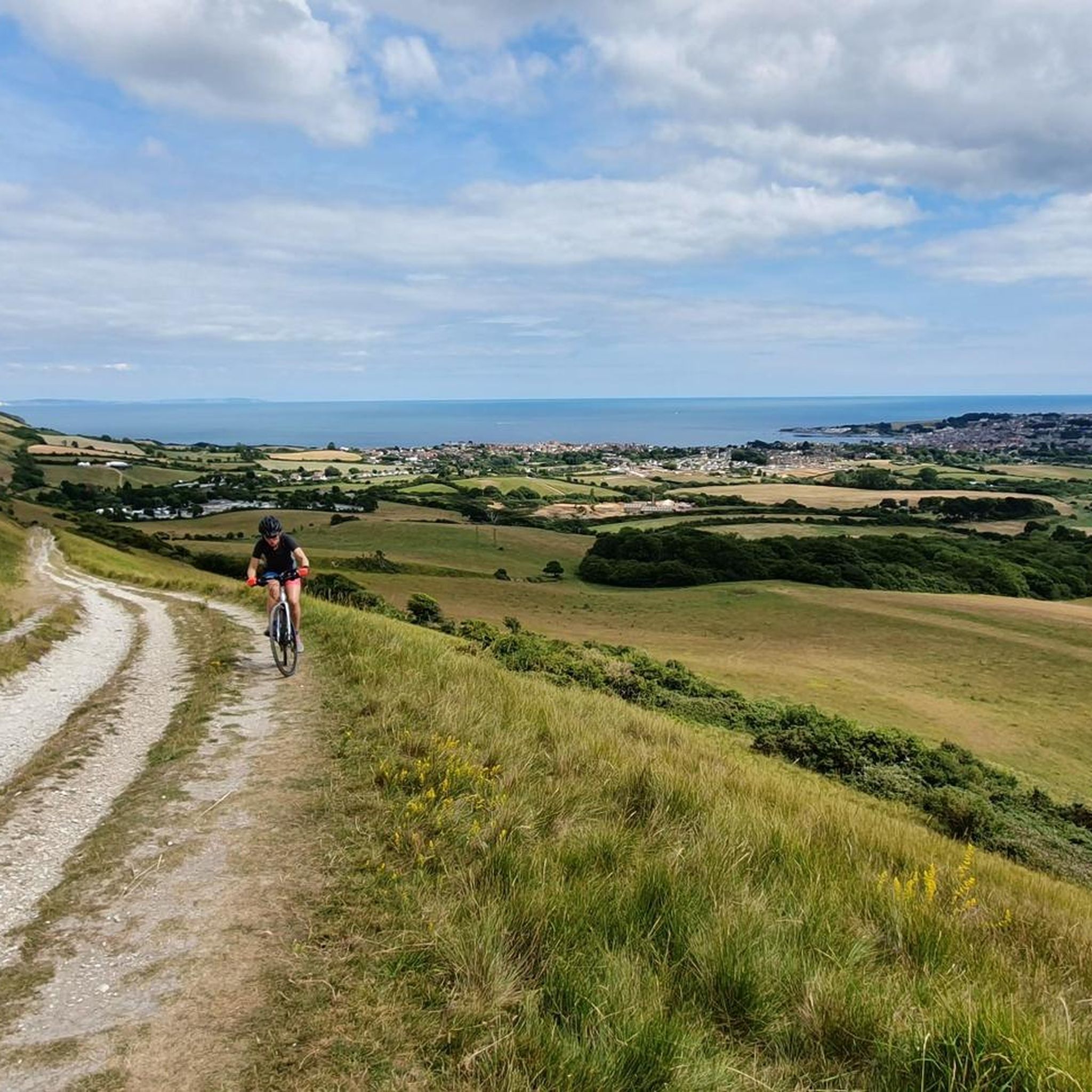
Absolutely. The area around Langton Matravers and Corfe Castle is excellent for outdoor activities. You can find numerous routes, including those that offer views of Corfe Castle. For specific cycling routes, explore the Road Cycling Routes around Langton Matravers guide, or for mountain biking, check out the MTB Trails around Langton Matravers guide. There are also gravel biking options in the Gravel biking around Langton Matravers guide.
What kind of historical significance does Corfe Castle hold?
Corfe Castle boasts over a thousand years of history, dating back to William the Conqueror. It was one of the earliest castles in England to use stone in its construction and served as a royal fortress. Its strategic location in the Purbeck Hills made it vital throughout history, culminating in its dramatic role during the English Civil War, where it was famously defended by Lady Mary Bankes before being 'slighted' (deliberately damaged) by Parliamentarian forces.
Are there places to eat or drink near Corfe Castle?
Yes, the charming village of Corfe Castle, situated directly beneath the ruins, offers a variety of places to eat and drink. You'll find traditional English pubs, tearooms, and shops. Durlston Castle also features a nice cafe with a sun terrace.
What are some natural features or landmarks to see near the castles?
Beyond the castles themselves, the region is known for its stunning natural beauty. From Durlston Castle, you can see the Jurassic coastline, a UNESCO World Heritage site. The Purbeck Hills provide a dramatic backdrop to Corfe Castle, and the area is rich with footpaths for exploring the landscape.
What do visitors particularly enjoy about the castles in this area?
Visitors frequently praise the rich history and dramatic ruins of Corfe Castle, often noting the impressive views and the charming village below. The unique architecture of the Corfe Castle Town Hall is also considered a 'Little Gem'. At Durlston Castle, the panoramic views over Swanage Bay and the Jurassic coastline are a major draw, along with its cafe and visitor centre.
Are the castles near Langton Matravers accessible for visitors with mobility considerations?
While the dramatic ruins of Corfe Castle are on a steep hill and involve uneven terrain, the National Trust provides information on accessibility. The village of Corfe Castle itself is more accessible. Durlston Castle, with its visitor centre and cafe, generally offers better accessibility for those with mobility considerations, providing stunning views from its Belvedere.
Are there any less crowded castles in the Purbeck area?
While Corfe Castle is popular, visiting during off-peak seasons (outside of summer holidays) or on weekdays can help avoid the largest crowds. Durlston Castle, while popular for its views and cafe, might offer a different, potentially less crowded, experience compared to the main historical ruins.
Most popular routes around Langton Matravers
Most popular attractions around Langton Matravers

Get inspired with the komoot mobile app


Explore more
Looking for the best castles somewhere else? Discover other guides around Langton Matravers:
