Top 20 Natural Monuments around Kimmeridge
Best natural monuments around Kimmeridge are primarily located along the Jurassic Coast, a UNESCO World Heritage Site. The region is characterized by significant geological formations, including the Kimmeridge Clay Formation, which dates back to the Late Jurassic period. These natural features offer insights into ancient marine life and geological processes. The area provides opportunities to observe coastal landscapes and unique rock structures.
Best natural monuments around Kimmeridge
- The most popular natural monuments is Lulworth Cove, a viewpoint that features…
Last updated: May 13, 2026
Lulworth Cove
Highlight • Viewpoint
Tip by

Lulworth Cove to Durdle Door Coastal Path
Highlight • Viewpoint
Tip by

Sign up now to discover places like this
Get recommendations on the best single tracks, peaks, & plenty of other exciting outdoor places.
Sign up for free
Stair Hole rock arches
Highlight • Natural Monument
Tip by
Winspit Quarry Caves
Highlight • Cave
Winspit is a disused quarry on the cliffs near Worth Matravers in the Isle of Purbeck, Dorset, England that is no longer in use. To the west and …
Tip by

Dancing Ledge
Highlight • Natural
Sea quarries like Dancing Ledge, Seacombe and Winspit once played a major role in the Purbeck stone industry. Stone quarried from the cliffs was loaded directly onto ships …
Tip by
Sign up for free to discover even more natural monuments around Kimmeridge.
Sign up for free
Already have an account?
Start today with a free account
Your next adventure awaits.
Login or Signup
Tips from the Community

There is a slight climb down to the pool but doable, just watch your footing.
0
0

Stair Hole is a fascinating and impressive place on the Jurassic Coast in southern England that is definitely worth a visit. The cliffs and rocks that jut out into the sea here are breathtakingly beautiful and provide a dramatic backdrop for photographers and nature lovers. Particularly impressive is the natural rock formation that leads into the water like a staircase (hence the name) – a real highlight for any visitor. The area is perfect for coastal walks, where you can enjoy the fresh sea air and admire the impressive natural surroundings. Stair Hole is a place that combines tranquility and beauty and leaves a lasting impression. An absolute must for anyone who wants to experience the wild beauty of the English coast!
1
0


The quarry caves are closed now due to rock falls. And if you weren't aware, there is a bat cave located just off the main path as you go up the steep hill to the east, home to the Greater Horseshoe bat.
0
0

We were there on a sunny Sunday afternoon during the holidays and yes... it was packed 🙈. Nevertheless, the place is well worth seeing and it is quite easy to get around. The daily parking fee for a car is 20 pounds 😳!
7
0
Frequently Asked Questions
What geological features make Kimmeridge Bay unique?
Kimmeridge Bay is renowned for its exceptional geology, particularly the Kimmeridge Clay Formation, a sedimentary deposit from the Late Jurassic period. This formation is globally significant as a source rock for oil and is rich in well-preserved fossils. At low tide, a large wave-cut platform and rocky ledges, formed by harder limestone bands, are exposed, revealing ancient strata and creating numerous rock pools teeming with marine life.
Where can I find fossils around Kimmeridge?
The Kimmeridge Clay Formation at Kimmeridge Bay is an excellent spot for finding fossils, including ammonites, bivalves, belemnites, and occasionally marine reptile remains. For a comprehensive display of local finds, visit the Etches Collection Museum in Kimmeridge village.
Are there family-friendly natural monuments to visit near Kimmeridge?
Yes, Lulworth Cove is a highly recommended family-friendly natural monument. It features a picturesque horseshoe bay with a white pebble beach and numerous rock pools to explore at low tide, offering a great opportunity for children to discover marine life.
What historical landmarks are integrated with the natural landscape around Kimmeridge?
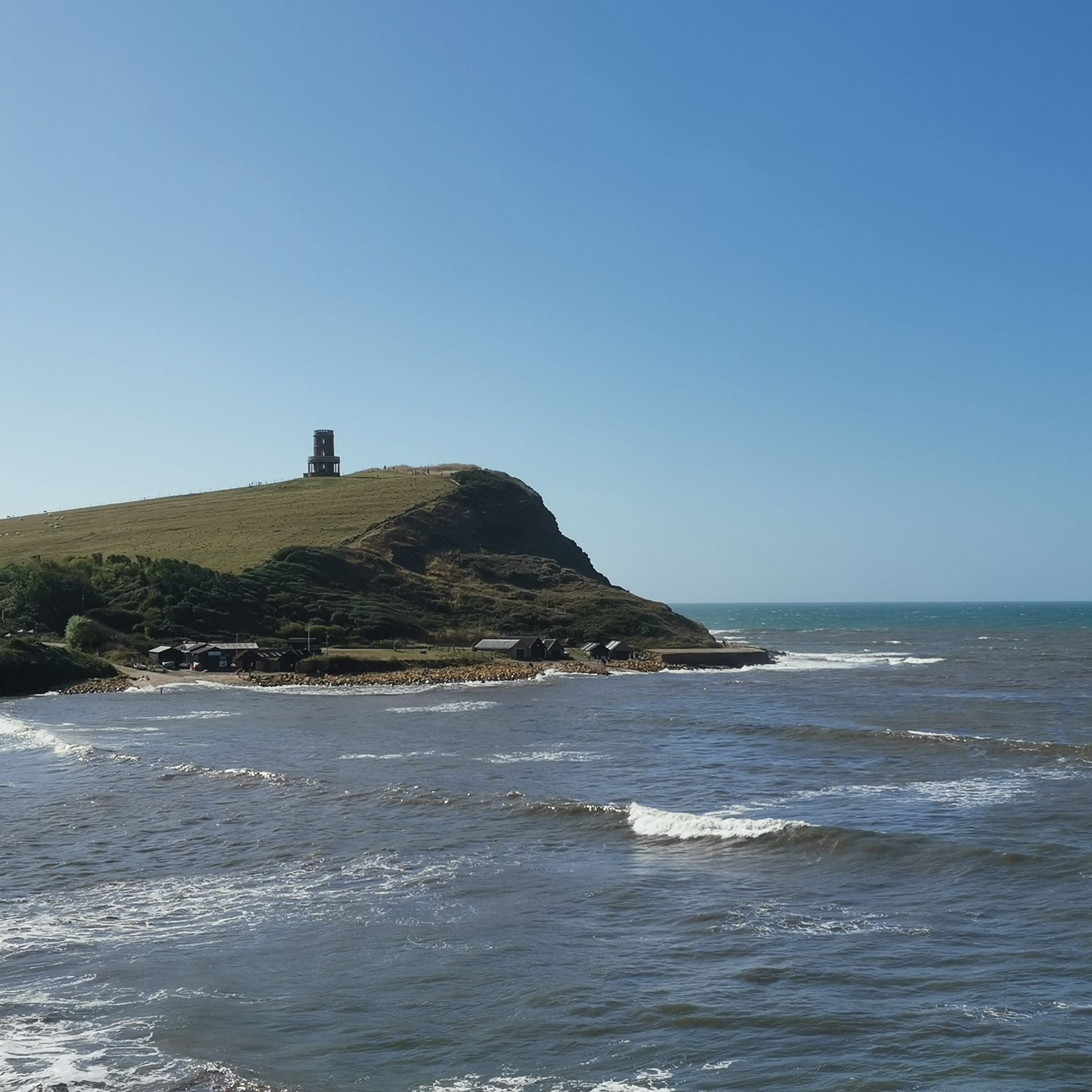
While primarily a natural area, Clavell Tower is an iconic historical landmark dramatically situated atop Hen Cliff overlooking Kimmeridge Bay. This circular, Grade II listed tower, built in 1830, offers breathtaking panoramic views of the Jurassic Coastline and the English Channel. Its history, including its relocation due to coastal erosion, adds a cultural layer to the natural beauty.
What are some notable viewpoints for appreciating the natural beauty of the area?
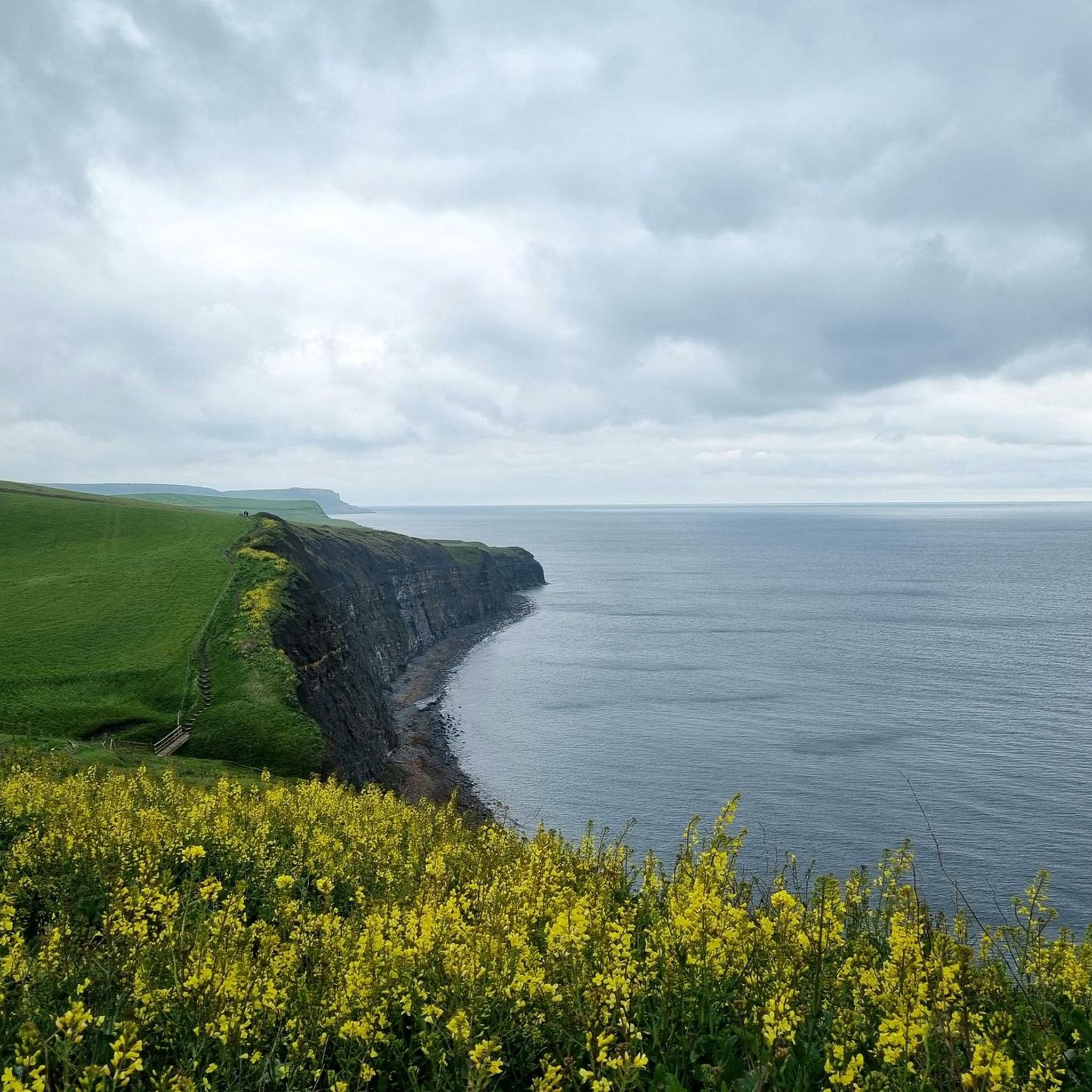
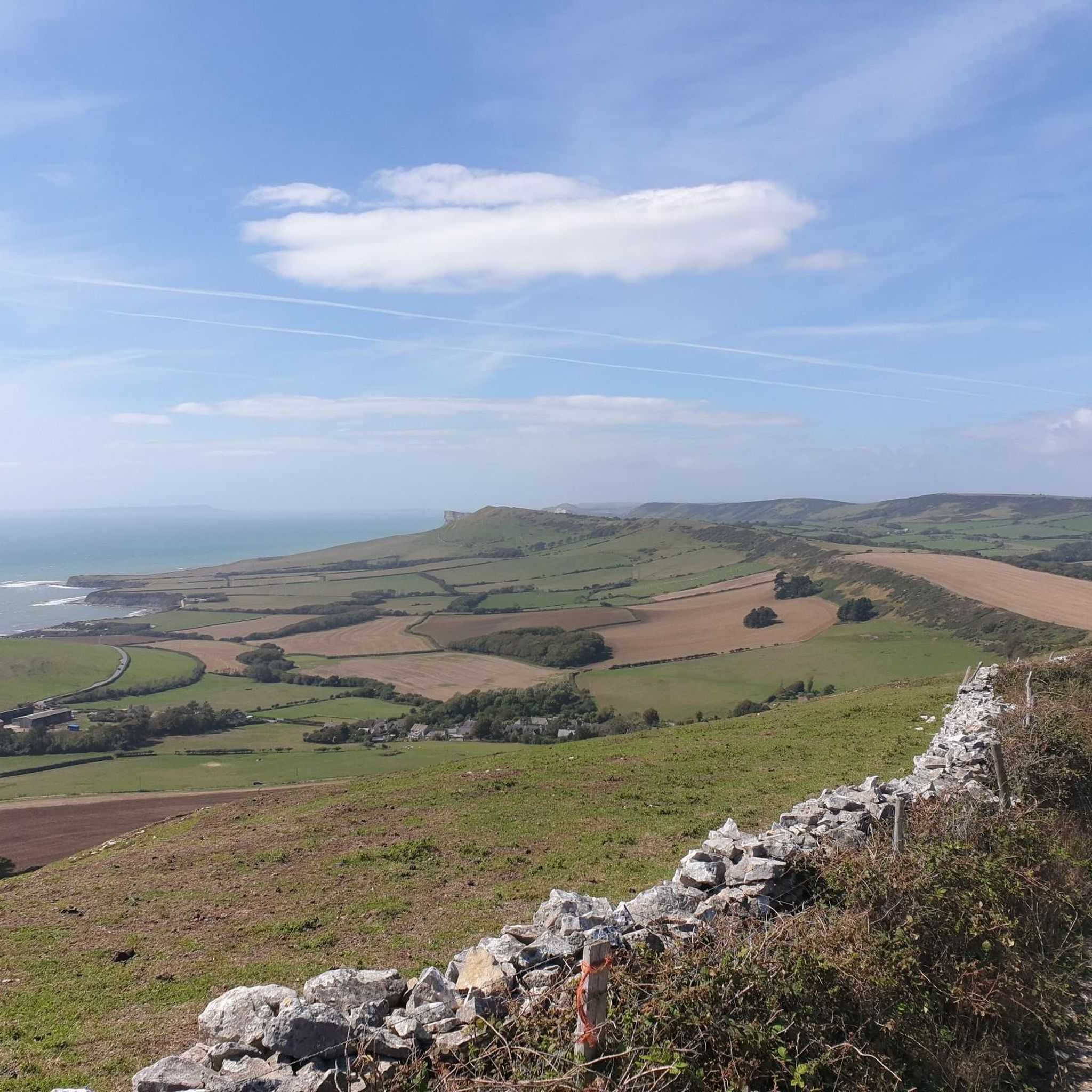
The walk to Clavell Tower provides excellent vantage points for appreciating the vastness and geological splendor of Kimmeridge Bay and the Jurassic Coast. Additionally, the Lulworth Cove to Durdle Door Coastal Path offers stunning views along the cliffs of the Jurassic Coast.
Are there any unique rock formations to see near Kimmeridge?
Yes, Stair Hole rock arches is a small cove where you can observe the extraordinary folds of limestone strata known as the ‘Lulworth Crumple’. This unique rock structure was formed during the Alpine orogeny and exposed by subsequent erosion, making it a fascinating geological sight.
What outdoor activities can I do near the natural monuments around Kimmeridge?
The area around Kimmeridge offers various outdoor activities. You can enjoy easy hikes, such as the 'Clarelli's Restaurant – Clavell Tower loop', or explore more challenging coastal trails. For cycling enthusiasts, there are touring and road cycling routes available. Find more details on routes like 'View of Corfe Castle – Corfe Castle Ruins loop' in the easy hikes around Kimmeridge and cycling around Kimmeridge guides.
Are there accessible routes for visitors with mobility needs?
Some natural monuments offer better accessibility than others. For instance, Stair Hole rock arches is noted as being fairly easy to access via a path suitable for wheelchairs, allowing visitors to appreciate its unique geological features.
What is the best time of year to visit the natural monuments in Kimmeridge?
The Jurassic Coast, including Kimmeridge, is beautiful year-round. However, visiting during spring or autumn can offer milder weather, fewer crowds, and excellent conditions for walking and fossil hunting. Low tide is crucial for exploring Kimmeridge Bay's wave-cut platform and rock pools, so check tide times regardless of the season.
What should I wear when visiting Kimmeridge's natural sites?
Given the coastal and often rugged terrain, it's advisable to wear sturdy walking shoes or boots, especially if you plan to explore the wave-cut platform at Kimmeridge Bay or hike coastal paths. Layered clothing is recommended to adapt to changing weather conditions, and waterproofs are always a good idea for the British coast.
Are there any disused quarries that are now natural attractions?
Yes, Winspit Quarry Caves is a disused quarry near Worth Matravers that has become a natural attraction. Until around 1940, it provided stone for buildings in London. After World War II, the caves were opened to the public and have even been used as filming locations. While some caves are now closed for safety and bat conservation, it remains a fascinating historical and natural site.
What is Dancing Ledge and why is it called that?
Dancing Ledge is a unique flat area of rock at the base of a small cliff, part of the Jurassic Coast. It's called 'Dancing Ledge' because at certain stages of the tide, when waves wash over its horizontal surface, the water's undulations make the ledge appear to dance. This site was historically used for quarrying Purbeck stone, with ships loading directly from the ledge.
Most popular routes around Kimmeridge
Most popular attractions around Kimmeridge

Get inspired with the komoot mobile app


Explore more
Extend your search for the best caves by checking out these guides of the top ones around Kimmeridge:
