The best running trails around Church Knowle
4.6
(68)
5,484
runners
208
runs
Jogging routes around Church Knowle traverse the varied terrain of the Purbeck Hills in Dorset, characterized by rolling chalk hills, verdant meadows, and woodlands. The region offers a network of paths with modest ascents, leading to panoramic viewpoints, including the highest point in Purbeck, Swyre Head. Proximity to the Jurassic Coast provides opportunities for routes with sweeping views across the countryside and sea.
Best jogging routes around Church Knowle
- The most popular jogging route is Old Harry Rocks loop from…
Last updated: October 5, 2026
5.0
(2)
202
runners
23.5km
02:48
450m
450m
Hard run. Very good fitness required. Mostly accessible paths. Some sure footedness required.
107
runners
21.0km
02:36
450m
450m
Hard run. Very good fitness required. Mostly paved surfaces. Suitable for all skill levels.

47
runners
26.7km
03:04
500m
500m
Hard run. Very good fitness required. Mostly paved surfaces. Suitable for all skill levels.
5.0
(1)
41
runners
10.6km
01:20
250m
250m
Moderate run. Good fitness required. Mostly accessible paths. Some sure footedness required.
31
runners
27.5km
03:15
550m
550m
Hard run. Very good fitness required. Mostly accessible paths. Some sure footedness required.
Get access to more routes and recommendations from other explorers.
Already have an account?
Our route recommendations are based on thousands of hikes, rides, and runs completed by other people on komoot.
Start today with a free account
Your next adventure awaits.
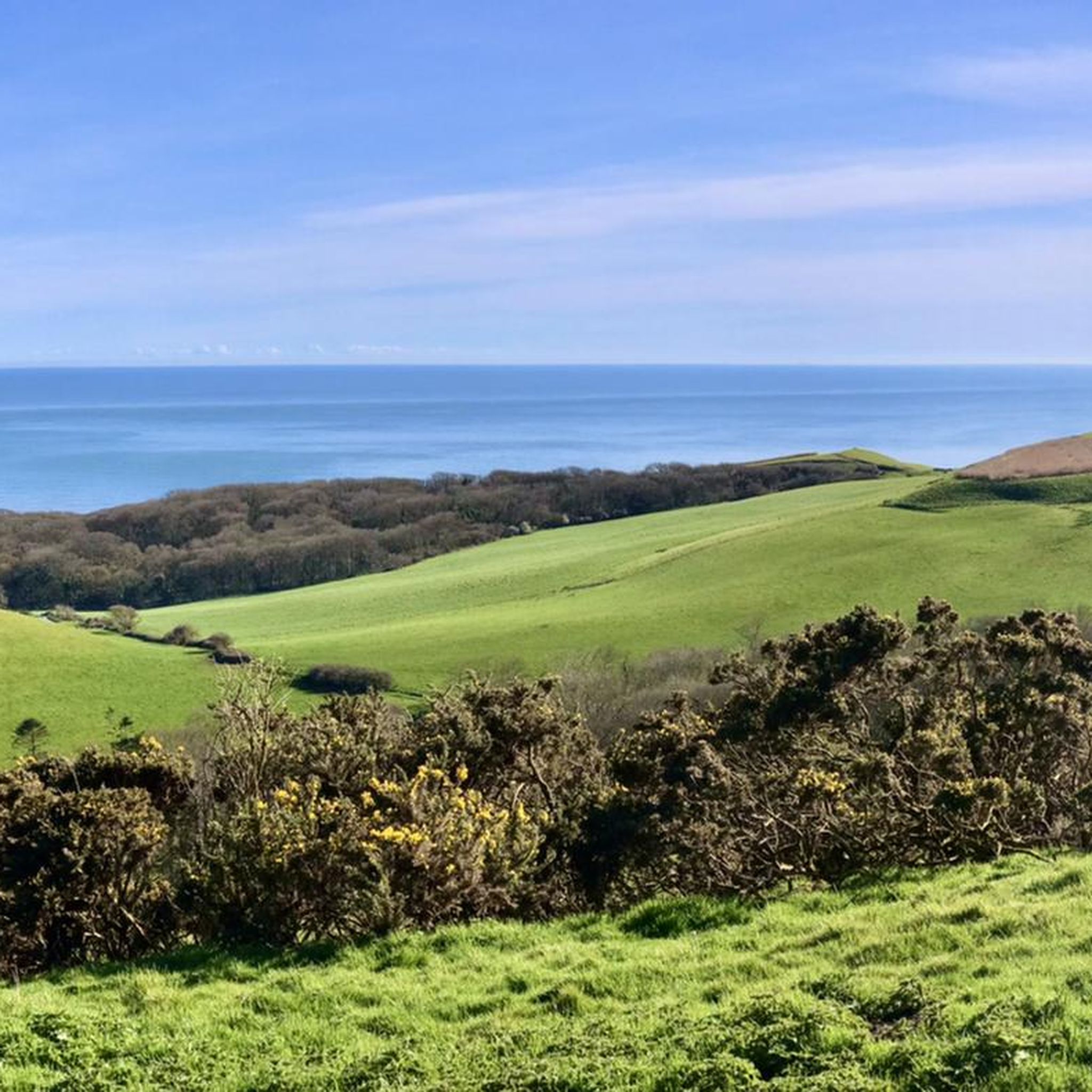
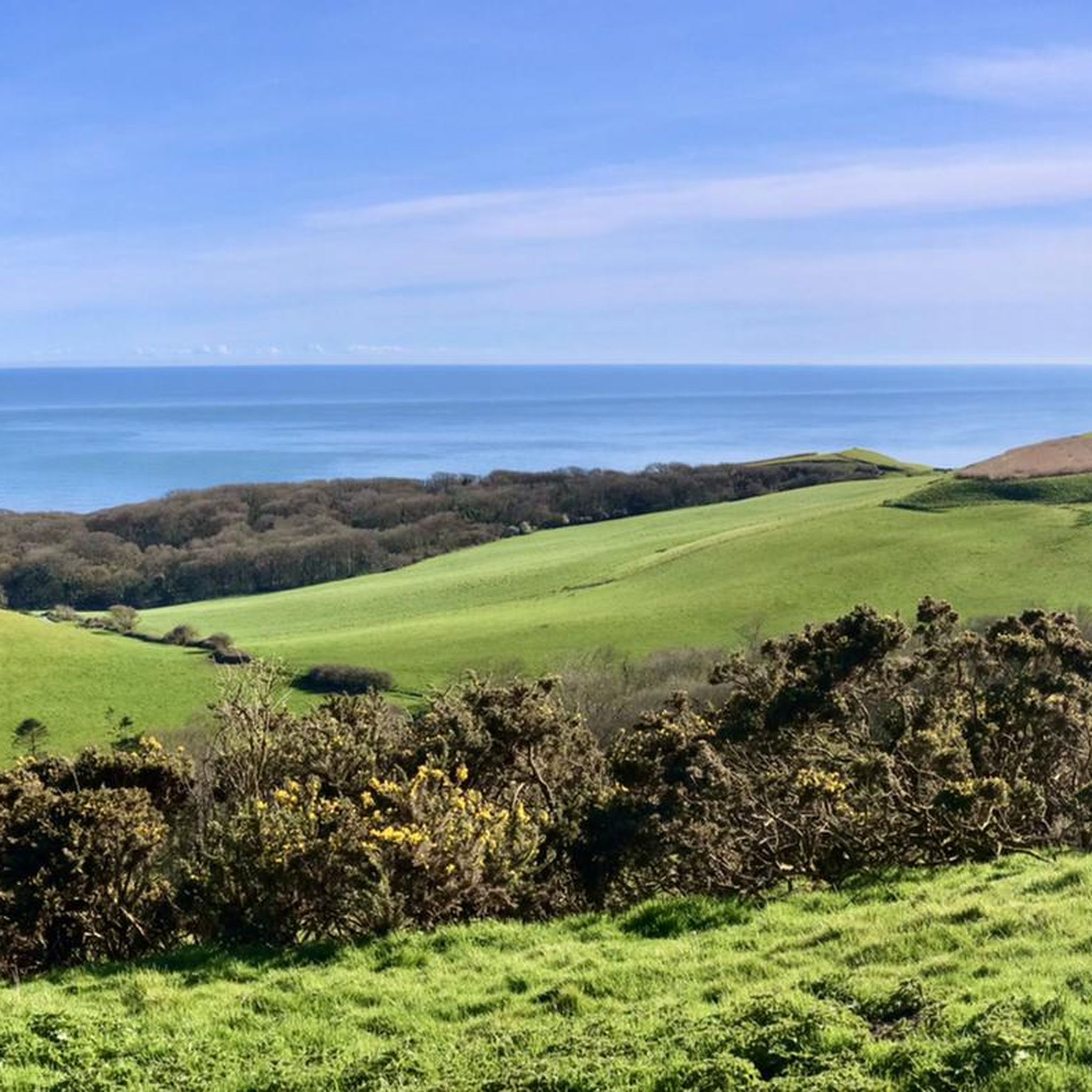
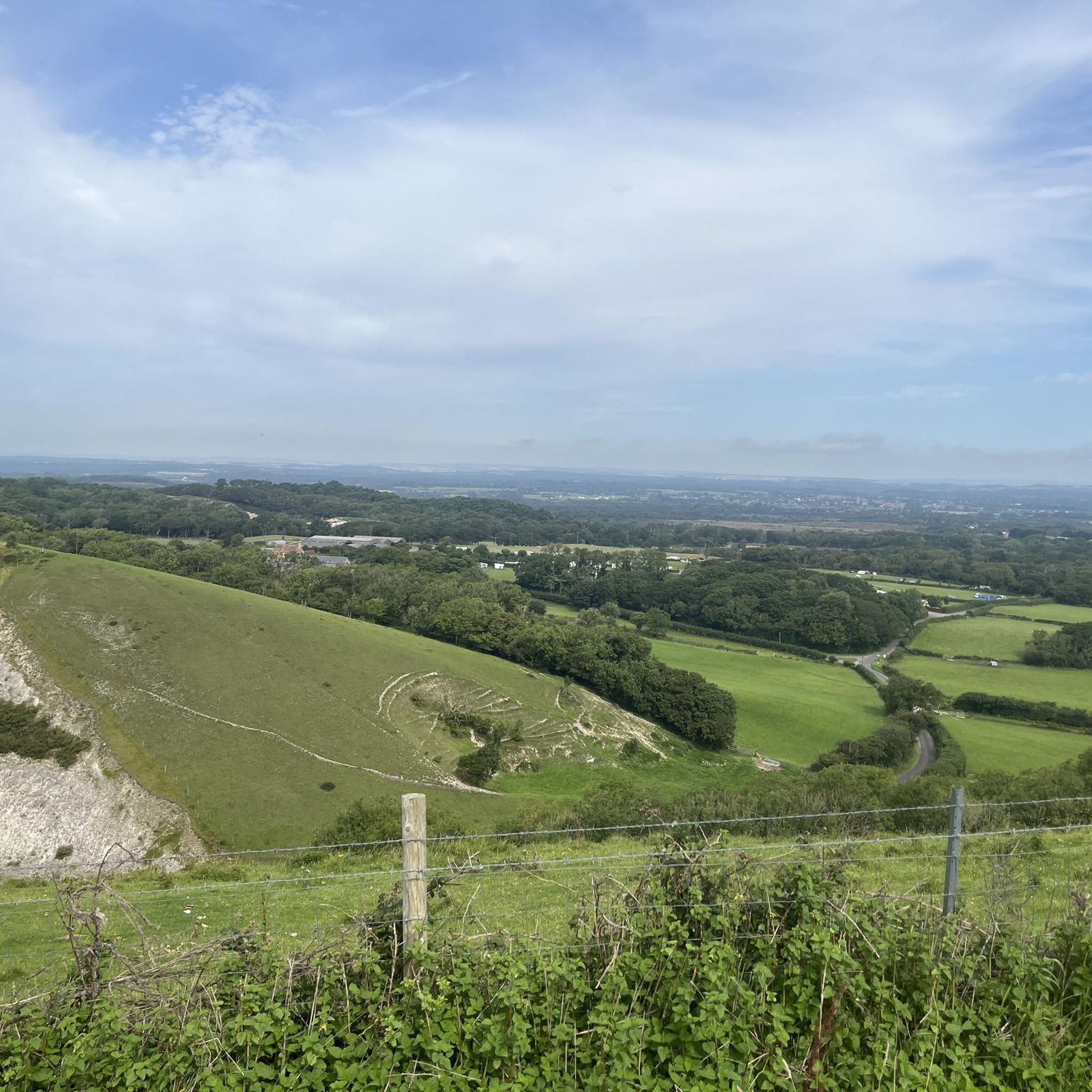
Tips from the Community

The Parish Church of St Edward the Martyr sits prominently in the square at the heart of Corfe Castle village, Dorset. Granted Grade II* listed status, this historic Anglican church is named after the teenage Saxon King, Edward the Martyr, who was murdered nearby in 978 AD on the orders of his stepmother, Queen Alfthryth. Local folklore asserts that the church stands directly on the site of a blind woman's hovel where the king's body was initially concealed, miraculously restoring her sight upon its discovery. While the first stone church on the site was constructed during the 12th century and later expanded in the 13th century, the building has survived immense turmoil. During the English Civil War (1642–1646), Parliamentary troops besieged the nearby royal fortress and used the church to billet men and stable horses. The soldiers caused severe damage, using the masonry for target practice, burning parish records, and stripping lead from the roof to melt into musket balls. Musket shot marks are still visible on the stone walls today. Between 1859 and 1860, architect T.H. Wyatt oversaw a major Victorian reconstruction because the medieval walls were bulging severely. Apart from the majestic 15th-century West Tower built by the Beaufort family, the entire church was pulled down and rebuilt. Notable surviving interior treasures include a 15th-century font carved from local Purbeck Marble and ten intricately carved medieval roof bosses preserved over the sanctuary.
0
0
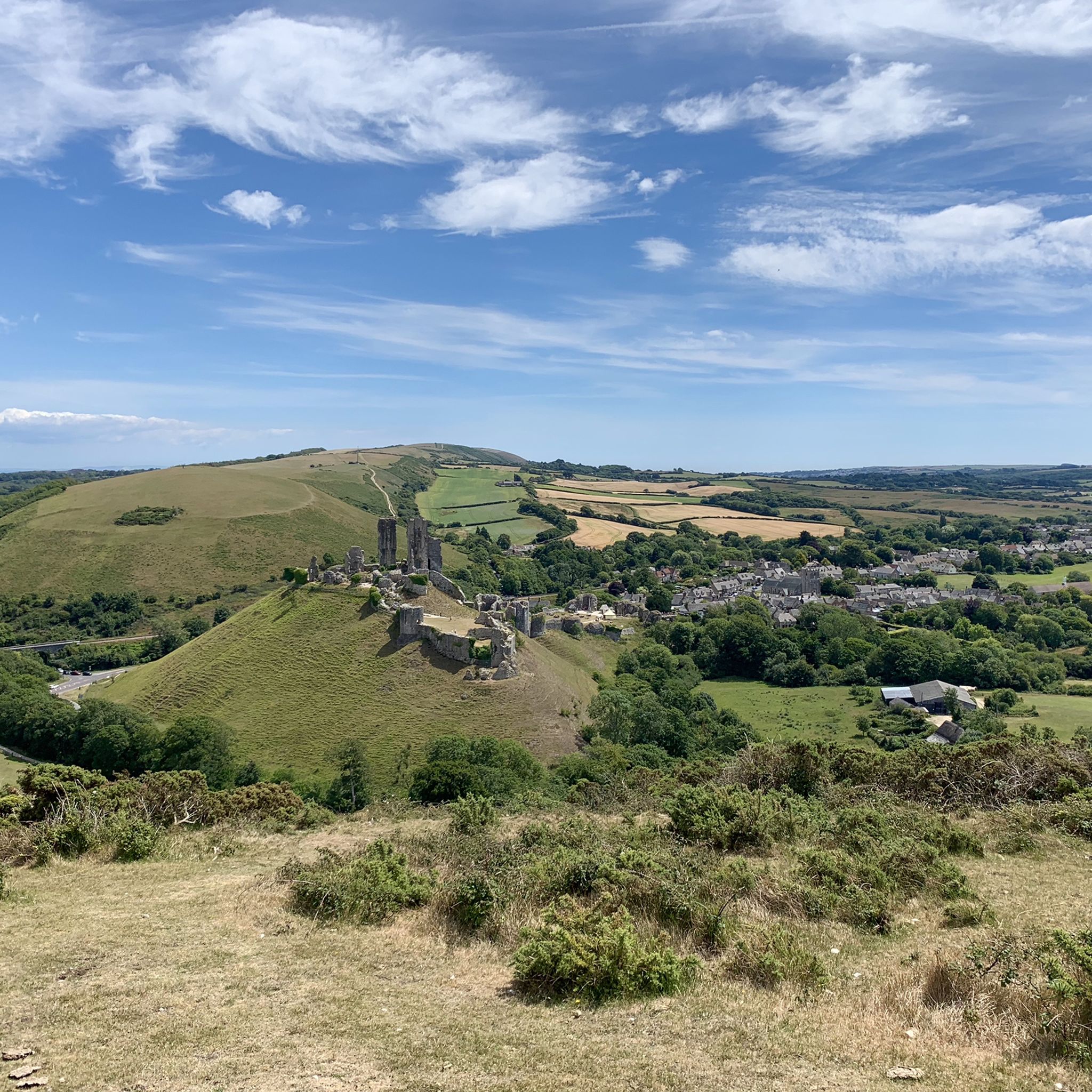
From the rolling hillside of the Purbeck Hills, Corfe Castle emerges like a shattered crown against the Dorset skyline. The elevated vantage point reveals the dramatic scale of the 11th-century fortress, its fractured stone keeps and crumbling ramparts clinging to a steep mound. Below, the historic village wraps neatly around the castle base, its gray limestone roofs smoking gently. Depending on the hour, the view shifts dramatically: morning mist often isolates the ruins above a sea of white, while the setting sun casts long, haunting shadows across the surrounding vibrant green valley.
0
0
Corfe Castle offers breathtaking, panoramic views of the Purbeck Hills and rolling Dorset countryside. From its hilltop ruins, you can see the historic Swanage Railway steam trains passing below. On clear days, the vistas stretch across the vibrant heathlands all the way to Poole Harbour and the distant sea.
0
0

The Experience Today Standing next to it today, you realize it’s more than just a pillar; it’s a monument to the connection between London and the Dorset coast. It’s a bit of a "geographic hug"—on one side you have the sweep of Swanage Bay, and on the other, the massive expanse of Poole Harbour. It’s the perfect place to lean against the cold stone, catch your breath, and realise you’re touching a piece of 19th-century London history that just happened to find a better view in Dorset.
0
0
The "Why" Behind the Hill Burt didn't just put it there because it looked nice. He dedicated it to his uncle and mentor, John Mowlem (another massive figure in Swanage history). But there was a practical side, too: A Landmark: It served as a waypoint for ships navigating the tricky waters around Old Harry Rocks. The View: Burt was obsessed with showing off the beauty of his hometown. By placing it on the ridge, he essentially gave people a reason to climb the hill and look down at the town he was helping to build. The Great Disappearing Act (WWII) If you look closely at the obelisk today, it looks remarkably "clean." That’s because the one you see now is a reconstruction. During World War II, the original stone obelisk was considered a "navigational hazard." The British military was worried that German pilots would use the tall, white stone pillar as a landmark to help them find their bearings for bombing raids on nearby Bournemouth or Poole. So, in 1941, they knocked it down. For decades, it lay in pieces in the grass. It wasn't until 1973 that the Encombe Estate and local residents gathered the resources to rebuild it (using a mix of the original stone and some fresh Purbeck masonry) to celebrate "Plant a Tree in '73"—though ironic, as there isn't a tree in sight on that windy ridge!
0
0
If you’ve been hiking those ridges, that lone stone pillar standing guard over Swanage has likely caught your eye. It’s officially known as the Ballard Down Obelisk (or the Burt Memorial), and the story behind it is a classic tale of Victorian pride, a bit of eccentricity, and some very literal "re-gifting." The "Stolen" Monument The obelisk wasn't originally built for the Purbeck Hills. It actually started its life in London. In the mid-1800s, it served as a monument to a man named James Thompson, standing near the entrance to the Vauxhall Bridge. However, when the bridge was being rebuilt in the late 19th century, the obelisk became an "obstruction" and was destined for the scrap heap. Enter George Burt: The Man Who Moved London Swanage looks the way it does today largely because of George Burt, a local businessman who ran a massive masonry firm in London. He had a habit of taking "architectural leftovers" from London and shipping them back to Swanage as ballast on his empty stone boats. When he saw the obelisk was going to be demolished in 1892, he stepped in. He didn't just save it; he dismantled it, shipped it down the coast, and hauled it all the way to the top of Ballard Down.
0
0
St Nicholas ChurchClick to open side panel for more information is a remarkably well-preserved Norman building, often cited as one of the oldest churches in Dorset. Its sturdy limestone exterior reflects the rugged character of the surrounding Purbeck landscape. Ancient Architecture: Dating back to around 1100, the church features a distinct Norman nave and chancel, with a notable carved doorway and a hauntingly beautiful interior. Unique Details: Inside, you can find a 13th-century font and a stone floor that has been smoothed by centuries of footsteps. Maritime Connection: Given its proximity to the coast, it has long served as a spiritual sanctuary for local fishermen and quarrymen.
0
0
Frequently Asked Questions
How many running routes are available around Church Knowle?
There are over 200 running routes around Church Knowle, offering a wide variety of options for different fitness levels and preferences. The komoot community has highly rated these trails, with an average score of 4.7 stars.
What kind of terrain can I expect on the running trails near Church Knowle?
The running trails around Church Knowle traverse the varied landscape of the Purbeck Hills. You can expect a mix of rolling chalk hills, verdant meadows, and enchanting woodlands. Many paths feature modest ascents, leading to panoramic viewpoints, and some routes offer glimpses of the dramatic Jurassic Coast.
Are there easy running routes suitable for beginners in Church Knowle?
Yes, Church Knowle offers 14 easy running routes perfect for beginners or those looking for a more relaxed jog. These trails often wind through lush meadows and woodlands, providing a gentle introduction to the area's natural beauty.
Can I find routes with scenic viewpoints near Church Knowle?
Absolutely. The Purbeck Hills are renowned for their stunning vistas. Many routes lead to panoramic viewpoints, including the highest point in Purbeck, Swyre Head. You can find specific highlights like the View from the summit of Swyre Head, Povington Hill Viewpoint, and the View of Warbarrow Bay and Tyneham Valley from Rings Hill, offering expansive views of the countryside and coastline.
Are there any interesting landmarks or natural features to see along the running routes?
Yes, the area is rich in natural and historical landmarks. You can run past the magnificent Corfe Castle, explore the dramatic coastline near Kimmeridge Bay, or discover natural features like Lulworth Cove and Stair Hole rock arches. The Kimmeridge Bay and Clavell Tower highlight is also a popular spot.
Are there any circular running routes available in Church Knowle?
Yes, many of the running routes around Church Knowle are circular, allowing you to start and finish in the same location. For example, the View of Swyre Head loop from Kingston is a moderate 10.7 km circular trail that offers diverse landscapes.
What do other runners enjoy most about jogging in Church Knowle?
The komoot community highly rates the running experience in Church Knowle, with an average score of 4.7 stars from over 60 reviews. Runners often praise the diverse landscapes, from rolling hills to tranquil woodlands, and the stunning panoramic views, especially those stretching towards the Jurassic Coast.
Are the running trails around Church Knowle suitable for families?
Many of the trails are suitable for families, particularly the easier routes that wind through meadows and woodlands. While some routes have modest ascents, there are plenty of options that offer a pleasant experience for all ages. Always check the route difficulty and length to ensure it matches your family's capabilities.
Are there dog-friendly running routes in the Church Knowle area?
Yes, Church Knowle is a great place for running with dogs, with many footpaths and bridleways accessible. The varied landscapes of the Purbeck Hills provide plenty of open spaces and shaded woodlands for your canine companion. Always keep dogs under control and be mindful of livestock, especially in agricultural areas.
Where can I find parking for the running routes near Church Knowle?
While specific parking details vary by route, Church Knowle and nearby villages often have designated parking areas or roadside parking available. For routes starting from Corfe Castle or Kimmeridge, there are usually car parks provided. It's advisable to check local signage or route descriptions for the most convenient parking options.
Are there any running routes that pass by pubs or cafes for refreshments?
Yes, the charming village of Church Knowle itself has a traditional pub, The New Inn, which can serve as a welcoming spot for post-run refreshments. Many routes in the wider Purbeck area also pass through or near other villages with pubs and cafes, offering opportunities to refuel during or after your run.
What is the best time of year to go running in Church Knowle?
Church Knowle offers excellent running conditions throughout much of the year. Spring and autumn provide pleasant temperatures and vibrant scenery, with wildflowers in spring and rich colours in autumn. Summer is also popular, though it can be warmer, while winter offers crisp air and quieter trails, though some paths might be muddy.
How long are the running trails near Church Knowle on average?
The running trails around Church Knowle vary significantly in length. While there are shorter, easy routes, many popular trails range from moderate to difficult, covering distances between 10 km and over 25 km. For example, the View of Swyre Head loop from Kimmeridge is 14.3 km, while the View of Corfe Castle – Worth Matravers village loop from Corfe Castle is 26.7 km.
Most popular routes around Church Knowle
Most popular attractions around Church Knowle

Get inspired with the komoot mobile app


Explore more
Browse the best Running Trails & Routes in other regions.
