The best walks and hikes around Bincombe
4.5
(1292)
10,538
hikers
448
hikes
Hiking around Bincombe explores the South Dorset Ridgeway, an ancient ceremonial landscape characterized by a limestone ridge, rolling hills, and chalk escarpments. The region's varied geology creates diverse terrain, offering panoramic views of the Jurassic Coast. Hikers can discover historical features like Iron Age hillforts and Bronze Age burial mounds throughout the area.
Best hiking trails around Bincombe
- The most popular hiking route is Osmington and White Horse Hill loop from Preston — Dorset, a 5.7 miles (9.2 km)…
Last updated: October 26, 2026
4.3
(16)
49
hikers
9.21km
02:36
190m
190m
Moderate hike. Good fitness required. Easily walkable paths.
4.2
(5)
31
hikers
6.41km
01:53
170m
170m
Easy hike. Easily walkable paths.

4.8
(8)
26
hikers
9.96km
02:43
150m
150m
Moderate hike. Good fitness required. Easily walkable paths.
5.0
(2)
16
hikers
8.06km
02:14
150m
140m
Moderate hike. Good fitness required. Easily walkable paths.
31
hikers
Easy hike. Easily walkable paths.
Get access to more routes and recommendations from other explorers.
Already have an account?
Our route recommendations are based on thousands of hikes, rides, and runs completed by other people on komoot.
Start today with a free account
Your next adventure awaits.

Tips from the Community

Cut right into the limestone of Osmington Hill, the Osmington White Horse is a massive, 280-foot-long hill figure that has been watching over the Dorset coast since 1808. Unlike most chalk horses, this one features a rider: King George III on his favorite charger, Adonis. The King loved vacationing in nearby Weymouth, so local residents carved it to honor him. However, local legend says the design backfired. Because the horse is depicted riding away from the town, the King supposedly took it as a passive-aggressive hint that he wasn't welcome and never came back.
0
0
The shut-down property near Bowleaze Cove is the iconic Riviera Hotel, a Grade II listed art deco landmark. Built between 1936 and 1937 by architect Lionel Stewart Smith, its striking white-and-blue modernist design features two long, curved accommodation arcs flanking a central square tower. The 98-room hotel has a rich history, serving as a wartime hospital for US forces in WWII before operating as a popular Pontins holiday camp from 1958 until 2000. After decades of changing ownership, it fell into severe neglect and was added to the Twentieth Century Society’s "Buildings at Risk" register in 2023. The site is currently closed to the public and fenced off. While hit by structural issues—including severe storm damage to its ballroom roof—its current owners, the Diyafa Group, have been undertaking a long-term refurbishment project to rescue the historic coastal venue from decay.
0
0
The Spice Ship is a historic, Grade II listed pub dating back to circa 1840, located in the coastal village of Preston near Osmington. The pub uniquely features a centrally located double-sided bar that creates distinct zones: a casual, dog-friendly front bar area perfect for watching sports, and a separate, family-friendly restaurant to the rear. Known for serving hearty British pub classics—ranging from mixed grills to their highly popular Sunday roasts with homemade Yorkshire puddings—it caters effortlessly to both locals and holidaymakers. Outside, visitors can enjoy a large, sun-trap beer garden complete with a children's play area. Local lore adds to its charm, with the pub famously rumoured to be home to the 200-year-old ghost of a Portuguese sailor. It serves as a fantastic, welcoming stop-off just a 20-minute stroll from Bowleaze Cove.
0
0
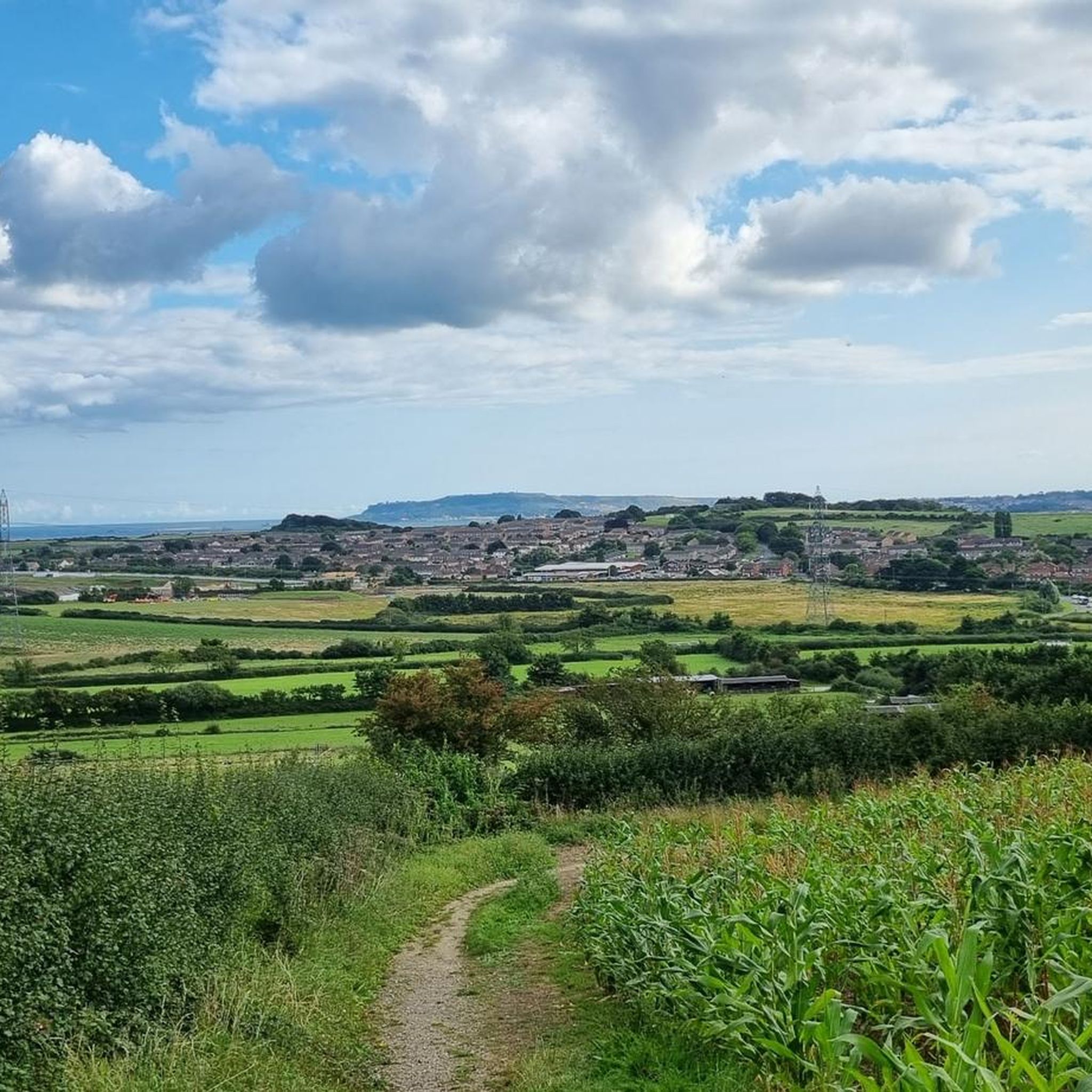
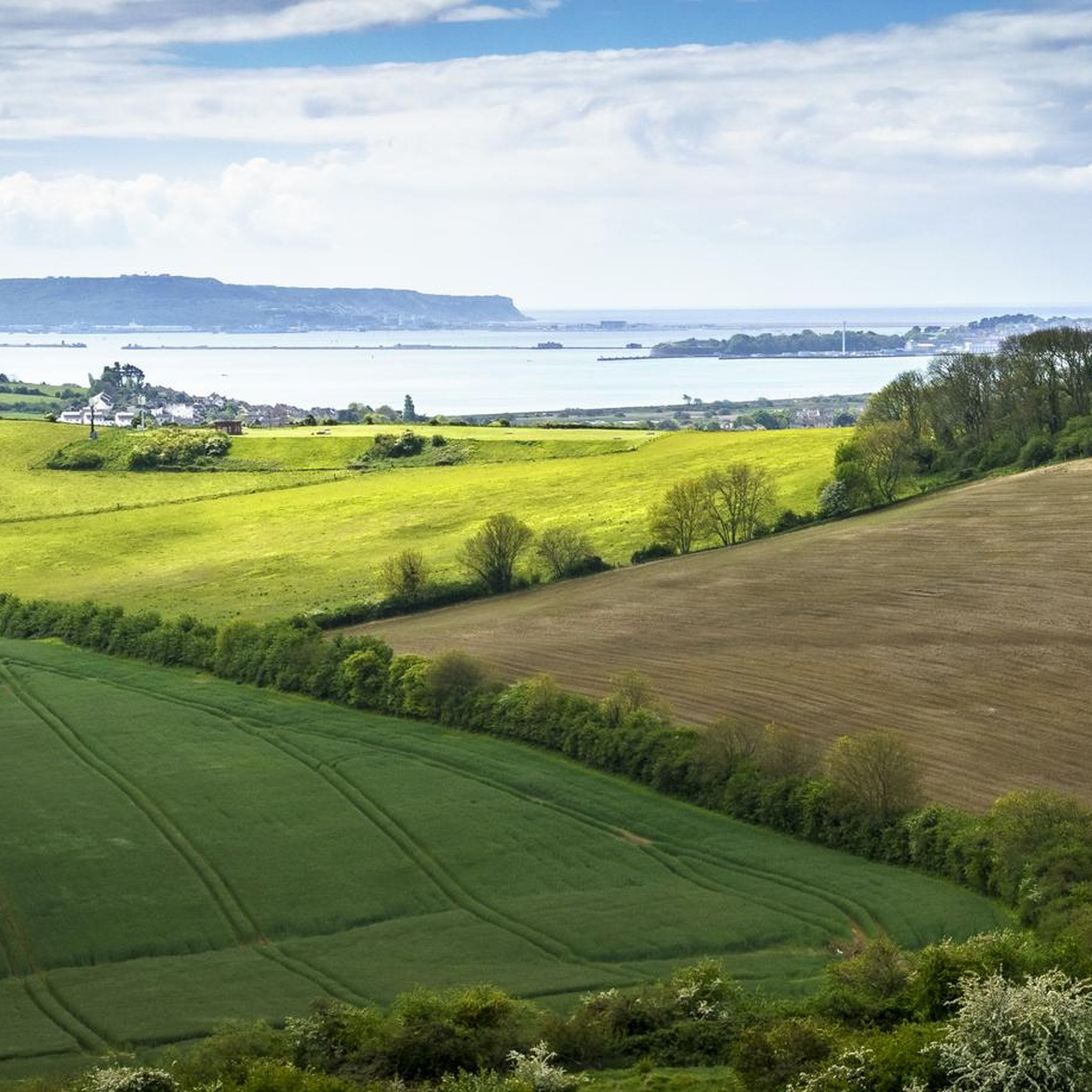
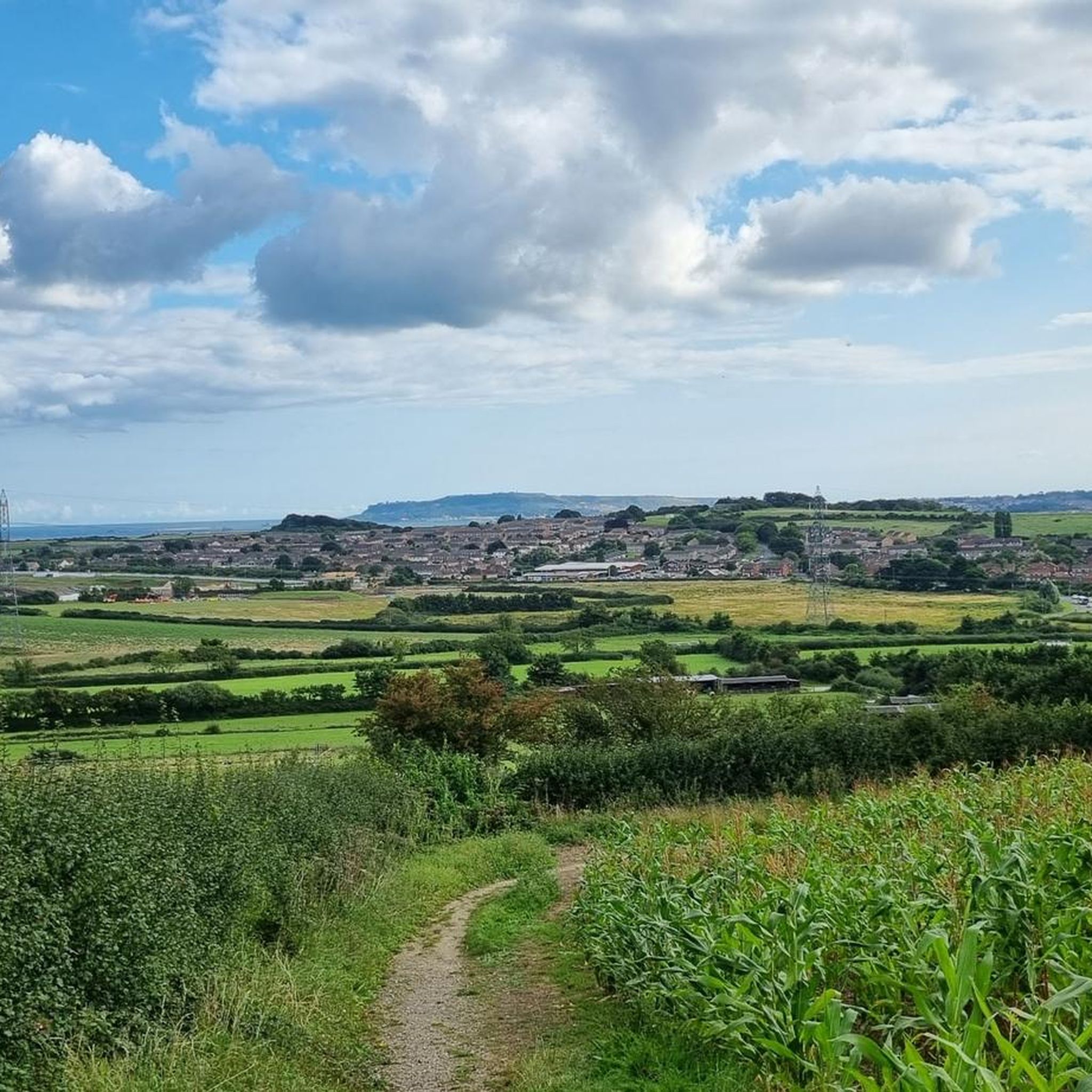
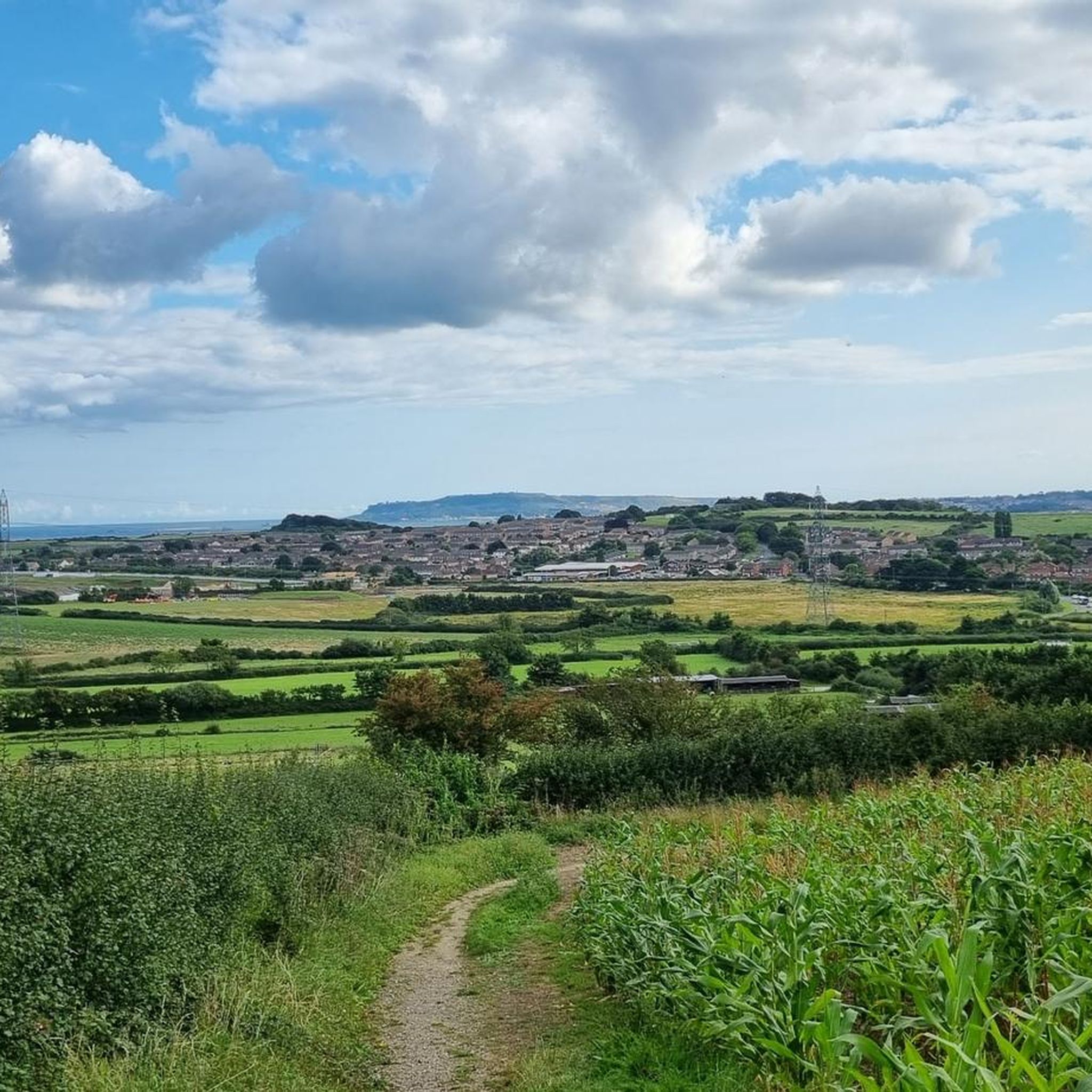
Standing at the top of Osmington Hill, you are treated to breathtaking, panoramic vistas that seamlessly blend rolling English countryside with the dramatic Jurassic Coast. Looking southward toward the coast, the glistening waters of Weymouth Bay and the expansive Portland Harbour dominate the horizon. On clear days, you can spot the distant, rugged silhouette of Portland Bill stretching out into the English Channel, often framed by white yachts or large cruise ships gliding across the water. Turning your gaze inland, the view opens up over the idyllic, patchwork green fields of the Dorset National Landscape. Directly below, the charming thatched roofs of Osmington village come into focus, with the historic tower of St Osmund’s Church peeking through the tree line. It is a spectacular 360-degree vantage point showcasing the very best of Dorset.
0
0
Cut right into the limestone of Osmington Hill, the Osmington White Horse is a massive, 280-foot-long hill figure that has been watching over the Dorset coast since 1808. Unlike most chalk horses, this one features a rider: King George III on his favorite charger, Adonis. The King loved vacationing in nearby Weymouth, so local residents carved it to honor him. However, local legend says the design backfired. Because the horse is depicted riding away from the town, the King supposedly took it as a passive-aggressive hint that he wasn't welcome and never came back. Over the years, it has been a target for playful pranks—even getting a temporary plastic unicorn horn in 2011. It is a fantastic landmark to spot while driving along the A353 road or while enjoying a breezy hike on East Hill.
0
0
East Hill is a prominent chalk ridge rising above Osmington in the Dorset National Landscape. Part of the South Dorset Ridgeway, it sits adjacent to White Horse Hill. Popular with hikers, its elevated trails offer spectacular, panoramic views across the Jurassic Coast and Weymouth Bay.
0
0
This is the Osmington Hill White Horse, not the Cerne Abbas Giant.
0
0
The Victorian Water Pump in Osmington, Dorset, is a charming cast-iron relic that offers a rare glimpse into 19th-century village life. During the mid-1800s, Osmington relied heavily on a localized water network. Fresh water was piped directly into the village from a pumping station located in the nearby neighbouring hamlet of Sutton Poyntz. To serve the local community, three public water pumps were originally erected along the village squares and roadsides. Residents would walk to these communal hubs to fetch their daily supply. Today, this particular structure is the only surviving pump of the original trio, making it a rare and historically significant landmark. Thanks to dedicated local preservation efforts, the historic artefact was beautifully restored by residents. Situated right at the start of a scenic footpath leading toward Sutton Poyntz, it stands as a proud testament to rural Victorian engineering.
0
0
Frequently Asked Questions
Are there many circular walks available around Bincombe?
Yes, the area is excellent for circular hikes. Many trails are designed as loops, starting and ending in convenient locations like villages or car parks. This allows you to explore the South Dorset Ridgeway and its coastal views without needing to retrace your steps. You can find options ranging from short, gentle loops to more challenging all-day treks.
What are the trails like for family or easy walks?
There are plenty of options for families and those seeking a gentler walk. With over 250 easy-rated routes in the region, you can find many shorter paths with minimal climbing. These often explore the river valleys or less strenuous sections of the ridgeway, offering a great way to experience the scenery without a major workout.
Can I bring my dog on the hiking trails?
Most trails in the Bincombe area are dog-friendly, but it's important to be mindful of the landscape. You'll likely cross fields with livestock, so keeping your dog on a lead is essential. Also, be aware of coastal paths with steep drops. For a walk in a managed environment, the highly-regarded Thorncombe Wood Local Nature Reserve is a popular choice among dog walkers for its shaded paths.
Where can I find a good pub on a walking route?
Many routes incorporate a traditional pub stop. A great option for a moderate walk with rewarding views and a pub is the View of Eweleaze Beach – The Springhead Pub loop from Osmington. This trail combines coastal scenery with a visit to a well-known local inn, making it perfect for a post-hike meal or drink.
What historical sites can I see while hiking near Bincombe?
The area is steeped in history. You'll be walking on the South Dorset Ridgeway, a landscape rich with prehistoric monuments. A key feature to look for are the Bincombe Bumps, a prominent group of Bronze Age burial mounds that define the skyline. Many trails pass by or offer views of these and other ancient earthworks.
How can I get to the trailheads using public transport?
While some trailheads are in remote locations, you can access the area via public transport. Buses run between the main towns of Weymouth and Dorchester, with stops in or near villages like Bincombe and Preston. From there, you can connect to the local footpath network to begin your hike. It's best to plan your route from a village with a bus stop.
Is there parking available for the hikes?
Parking options vary. Some popular routes start from villages like Preston or Osmington where you can find on-street parking, but be sure to park considerately. There are also dedicated car parks for specific attractions along the coast, though these can be busy during peak season and may require payment. Arriving early is always a good strategy to secure a spot.
What kind of scenery and views can I expect?
The hiking here offers a fantastic mix of scenery. You'll experience panoramic views from the chalk ridgeway, looking south towards the English Channel and the UNESCO-listed Jurassic Coast. Inland, the views are of rolling green hills, patchwork fields, and quiet river valleys. Many routes, like the View of Eweleaze Beach – The Springhead Pub loop from Preston, are specifically prized for their stunning sea views.
What do other hikers enjoy most about the Bincombe area?
The region is highly rated by the komoot community, with an average score of 4.6 stars. Hikers frequently praise the unique combination of spectacular coastal views and the tangible sense of history from walking along the ancient South Dorset Ridgeway. The variety of trails, from challenging climbs to gentle valley walks, is also a consistently highlighted feature.
How difficult is the hiking terrain around Bincombe?
The terrain is quite varied. You'll find everything from gentle, flat paths through river valleys to challenging climbs up steep escarpments onto the ridgeway. The geology of chalk, limestone, and clay means paths can be uneven and slippery when wet. Overall, there are over 190 moderate and nearly 30 difficult routes, so experienced hikers will find plenty to challenge them.
What is the South Dorset Ridgeway?
The South Dorset Ridgeway is an ancient ridge of high land running between Dorchester and Weymouth. It's considered a ceremonial landscape of historical importance, comparable to Stonehenge, due to its high concentration of Neolithic and Bronze Age monuments. Hiking here means you are literally walking through thousands of years of history. For more detailed information, you can consult the Dorset Council's official page on the ridgeway.
Are there other outdoor activities to do in the area besides hiking?
Yes, the region is a hub for outdoor activities. The quiet country lanes are ideal for cycling, and the proximity to the Jurassic Coast opens up opportunities for watersports like kayaking and paddleboarding. For wildlife lovers, the chalk downlands are a haven for butterflies and wildflowers, while nature reserves like Tadnoll Nature Reserve offer excellent birdwatching.
Most popular attractions around Bincombe

Get inspired with the komoot mobile app


Explore more
Browse the best Hikes in other regions.
