Top 20 Natural Monuments around Dunford
Natural monuments around Dunford offer a landscape characterized by high summits, distinctive rock formations, and expansive moorland. This area, often associated with the Peak District, features numerous trig points that mark significant elevations and provide far-reaching views. The terrain includes gritstone outcrops and peat bogs, contributing to a rugged natural environment. Exploring these natural features provides insight into the region's unique geology and scenic beauty.
Best natural monuments around Dunford
- The most popular natural monuments is Back Tor Trig Point…
Last updated: May 13, 2026
Higher Shelf Stones Summit and Trig Point
Highlight • Viewpoint
Tip by

Back Tor Trig Point
Highlight • Summit
Tip by

Sign up now to discover places like this
Get recommendations on the best single tracks, peaks, & plenty of other exciting outdoor places.
Sign up for free
Black Hill Trig Point
Highlight • Natural Monument
Tip by
Bleaklow Head
Highlight • Natural Monument
Tip by
Black Chew Head Summit Cairn
Highlight • Natural Monument
Tip by
Sign up for free to discover even more natural monuments around Dunford.
Sign up for free
Already have an account?
Start today with a free account
Your next adventure awaits.
Login or Signup
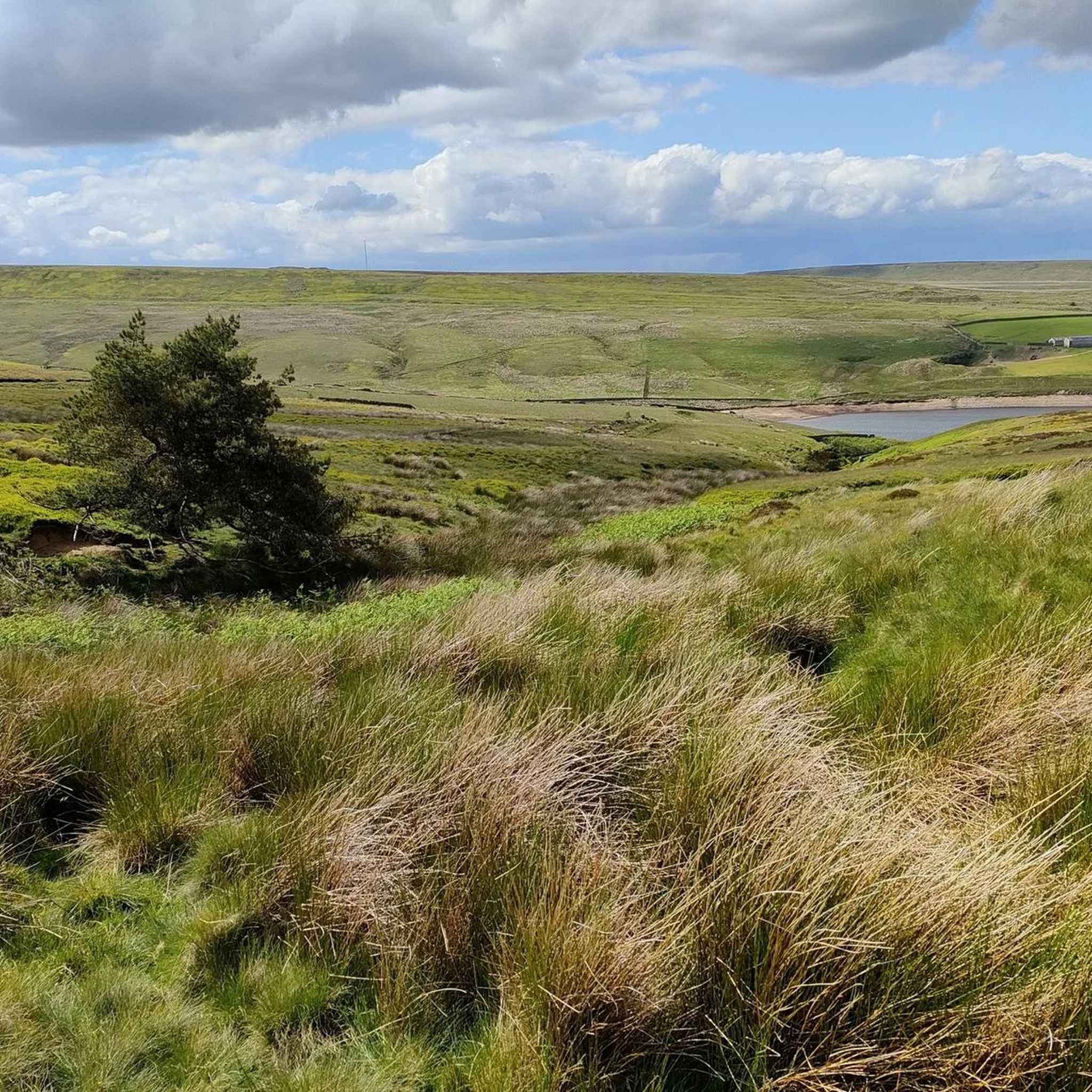
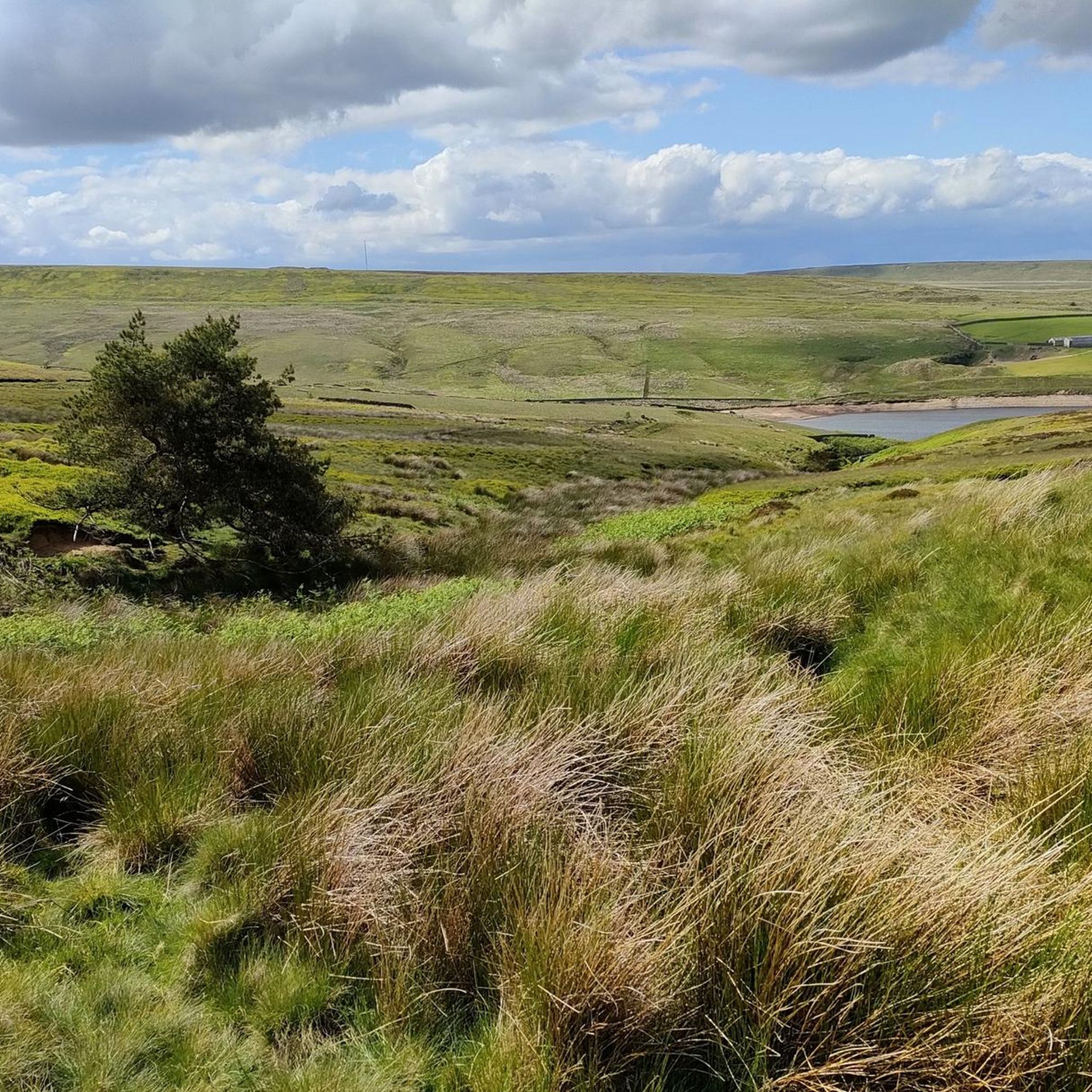
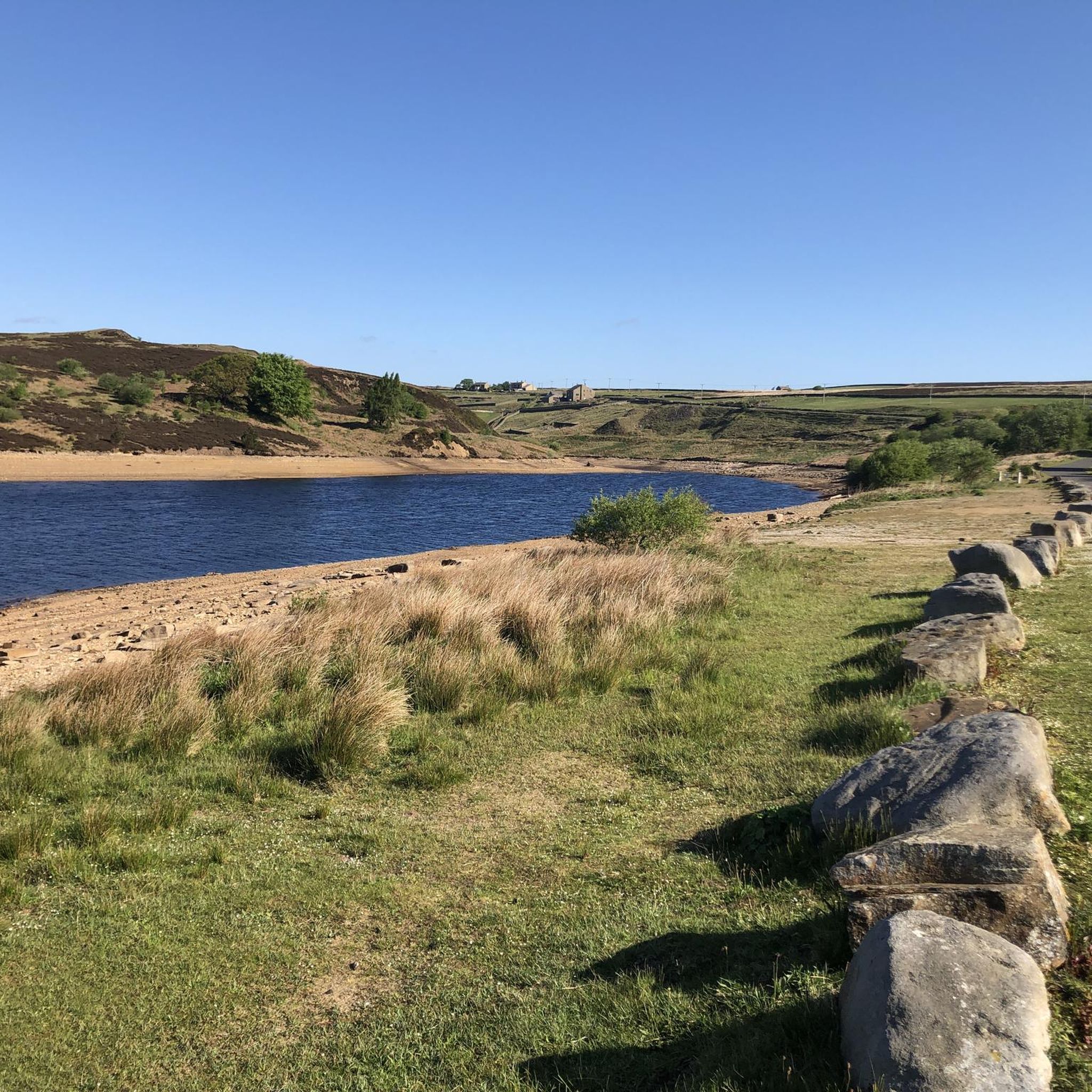
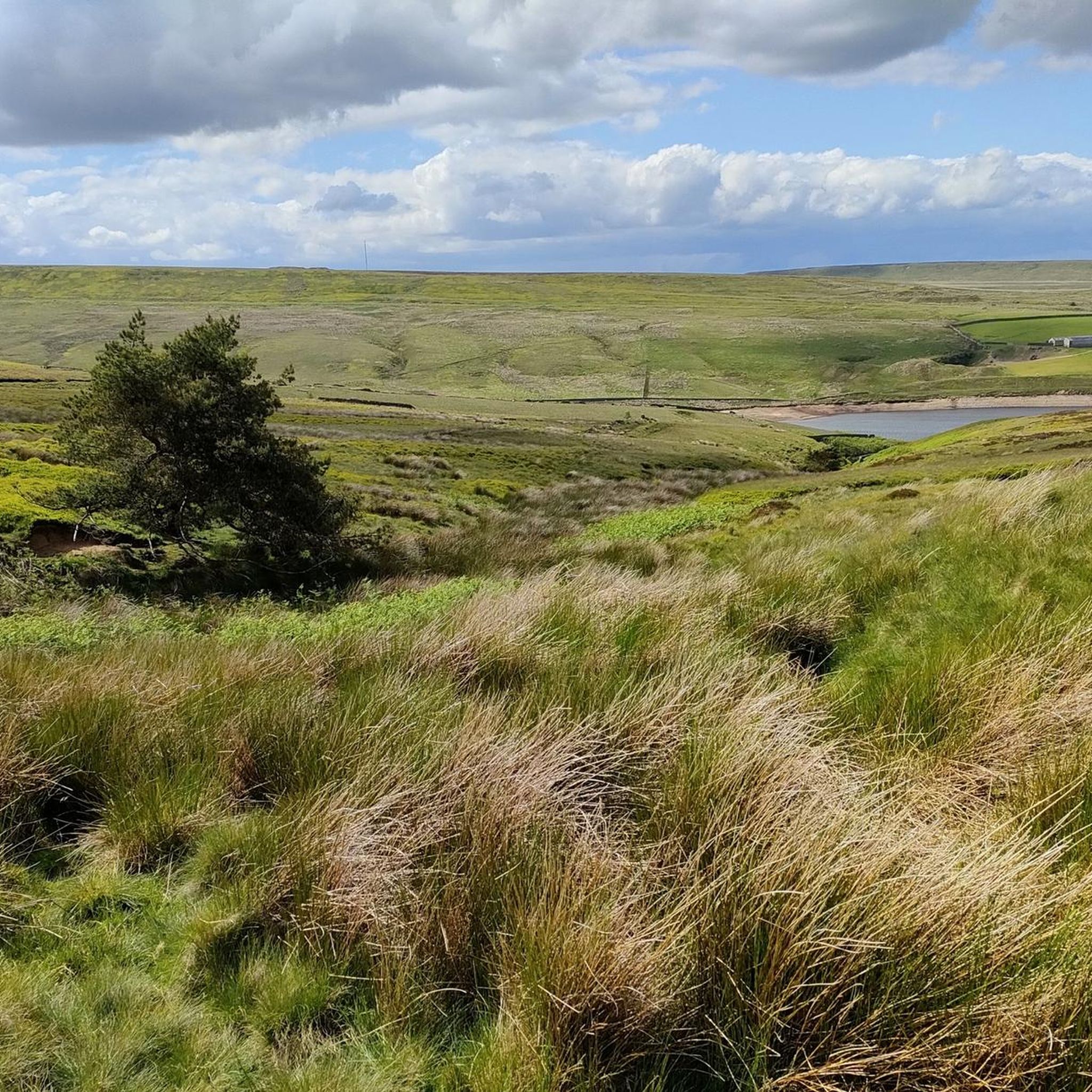

Tips from the Community


A bit of a scramble up the rocks to reach the trigger but worth it for the views
0
0

Views for days! But extremely bleak when it wants to be. Nice early tickbox when walking the Pennine Way
0
0


If you follow the trail down from the trig point back to snake pass summit you pass a couple of surprise waterfalls.
3
0

Set high up on the gritstone outcrop, this trig point has stunning views on a clear day.
0
0

I found the hike great.but was boggy in loads of places..very slippery..narrow paths on some parts
0
0
There are amazing views from here down over to Glossop. Also worth a visit is nearby Lower Shelf Stones - there won't be anyone else there!
0
0
Frequently Asked Questions
What types of natural monuments can I expect to see around Dunford?
The natural monuments around Dunford are characterized by high summits, distinctive gritstone rock formations, and expansive moorland. You'll find numerous trig points marking significant elevations, offering far-reaching views, and areas with peat bogs that contribute to a rugged natural environment.
What are some of the highest natural monuments in the Dunford area?
Among the highest natural monuments, you'll find Bleaklow Head, standing at 2,077 feet (633 m) high, marked by a huge cairn. Another significant summit is Back Tor Trig Point, which reaches 1,765 feet (538 m) and offers breathtaking views over the Peak District.
Are there any unique geological features to observe near Dunford's natural monuments?
Yes, the area is known for its gritstone outcrops and formations. For instance, Higher Shelf Stones Summit and Trig Point features quirky stones, and the area around Margery Hill Trig Point is surrounded by gritstone, including the nearby Margery Rocks.
What kind of views can I expect from the natural monuments around Dunford?
Many natural monuments in Dunford offer extensive and panoramic views. From Back Tor Trig Point, you can see over the Peak District. Black Hill Trig Point provides views for miles around in clear conditions, and Bleaklow Head offers breathtaking panoramic views over the peat bog and gritstone landscape.
What outdoor activities can I do near the natural monuments around Dunford?
The Dunford area is excellent for various outdoor activities. You can find numerous running trails, such as the 'Snailsden Trig Point – Snailsden Reservoir loop', or explore MTB trails like the 'Langsett Reservoir, Cut Gate and Ladybower Reservoir loop'. Cycling routes are also available, including the 'Holme Moss Summit loop'. For more details, you can explore the dedicated guides for Running Trails around Dunford, MTB Trails around Dunford, and Cycling around Dunford.
Is it possible to visit Dunford's natural monuments with family?
While many natural monuments in Dunford involve rugged terrain, some areas might be suitable for families depending on their experience and the specific route chosen. For example, the quirky stones and views at Higher Shelf Stones Summit and Trig Point could be an interesting destination. Always check route difficulty and conditions before heading out with children.
Are the natural monuments around Dunford suitable for dog walking?
Many of the natural monuments and surrounding moorland areas are popular for dog walking. However, be aware that the terrain can be boggy, especially around Black Hill Trig Point and Margery Hill Trig Point. Always keep dogs under control, especially near livestock or ground-nesting birds, and be prepared for varied ground conditions.
What is the best time of year to visit the natural monuments around Dunford?
The best time to visit often depends on your preference for weather and terrain. While clear conditions offer the best views, the moorland can be very exposed and boggy, even in summer. Spring and autumn can provide pleasant temperatures and beautiful scenery, but be prepared for changeable weather and potential bogs. Winter visits are possible but require appropriate gear for cold, wet, and potentially snowy conditions.
What should I know about accessibility and terrain when visiting Dunford's natural monuments?
The terrain around Dunford's natural monuments is generally rugged, featuring high moorland plateaus, gritstone outcrops, and peat bogs. Areas like Black Hill Trig Point and Margery Hill Trig Point are known to be particularly boggy, even in dry weather. Sturdy waterproof footwear is highly recommended. Wheelchair access is generally not available due to the natural and challenging nature of the terrain.
How long does it typically take to explore some of the natural monuments around Dunford?
The time required to explore depends on the specific monument and your chosen route. Visiting a single trig point like Back Tor Trig Point might be part of a half-day hike, while combining several summits or exploring larger areas like Bleaklow Head could easily take a full day, especially given the challenging terrain.
Are there any hidden natural gems around Dunford that are less known?
While the main highlights are well-documented, the expansive moorland and numerous gritstone formations mean there are always less-trodden paths and quiet spots to discover. Exploring the areas between the major trig points, such as the remote charm of Black Hill Trig Point, can offer a sense of solitude and unique natural beauty away from more popular trails.
What kind of wildlife can I expect to see in the natural areas around Dunford?
The moorland environment around Dunford is home to various types of wildlife, particularly birds. You might spot grouse, curlews, and other ground-nesting birds. Keep an eye out for birds of prey soaring overhead. Mammals like mountain hares can also be found in these rugged landscapes.
Most popular routes around Dunford
Most popular attractions around Dunford

Get inspired with the komoot mobile app


Explore more
Extend your search for the best caves by checking out these guides of the top ones around Dunford:
