Top 20 Natural Monuments around Holme Valley
Best natural monuments around Holme Valley are found within West Yorkshire, a region characterized by its geology and biodiversity. The area features a landscape shaped by Millstone Grit escarpments and numerous reservoirs. These sites offer opportunities for observing local wildlife and understanding the region's natural history. The Holme Valley provides a variety of natural features for exploration.
Best natural monuments around Holme Valley
- The most popular natural monuments is Dovestone Reservoir, a lake situated where the Greenfield and Chew…
Last updated: May 13, 2026
Higher Shelf Stones Summit and Trig Point
Highlight • Viewpoint
Tip by

Black Hill Trig Point
Highlight • Natural Monument
Tip by

Sign up now to discover places like this
Get recommendations on the best single tracks, peaks, & plenty of other exciting outdoor places.
Sign up for free
Bleaklow Head
Highlight • Natural Monument
Tip by
Dovestone Reservoir
Highlight • Lake
The reservoir is located at the gateway to the …
Tip by

Black Chew Head Summit Cairn
Highlight • Natural Monument
Tip by
Sign up for free to discover even more natural monuments around Holme Valley.
Sign up for free
Already have an account?
Start today with a free account
Your next adventure awaits.
Login or Signup
Popular around Holme Valley
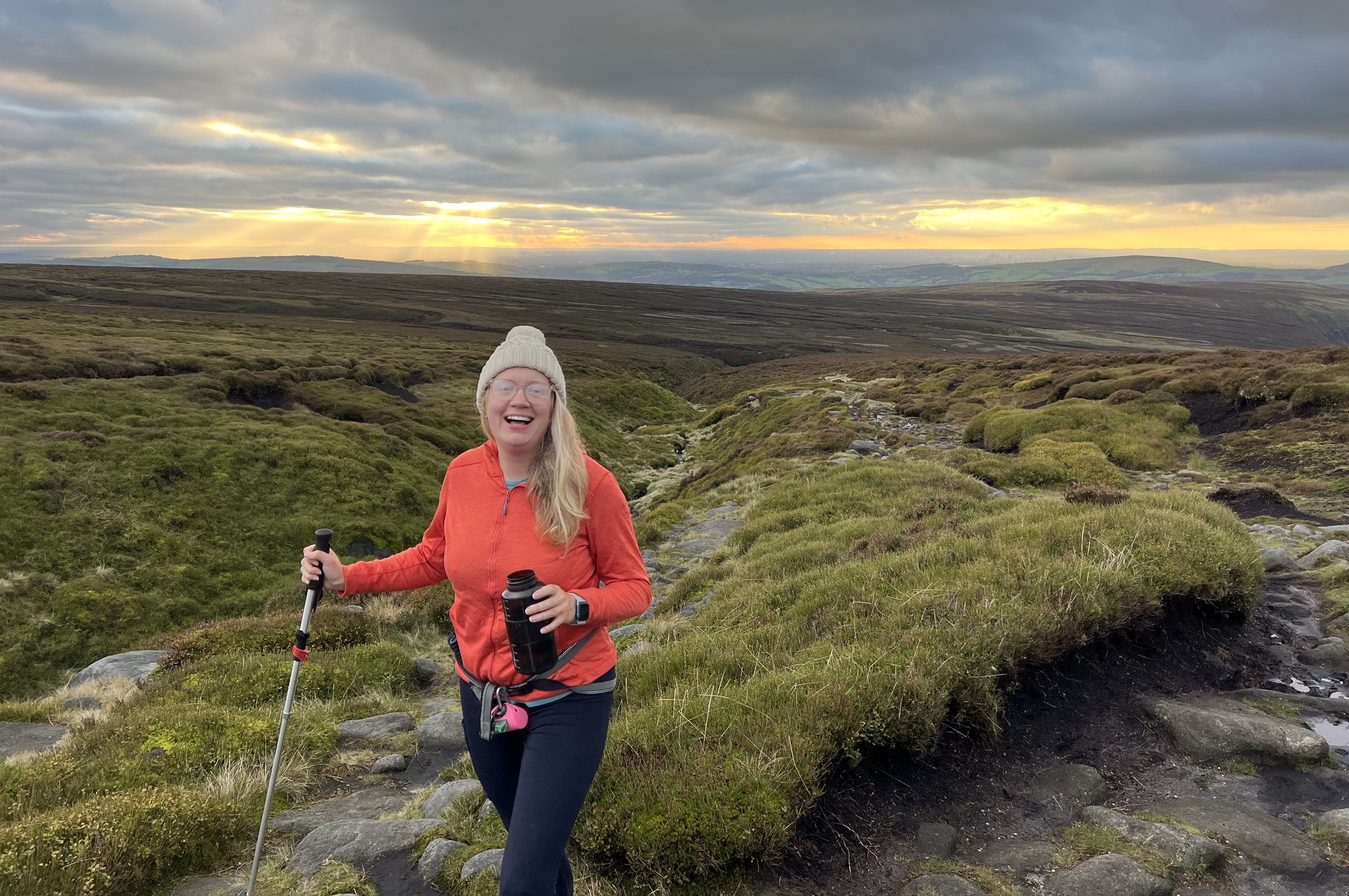
Peak District National Park – A Walk in the Parks
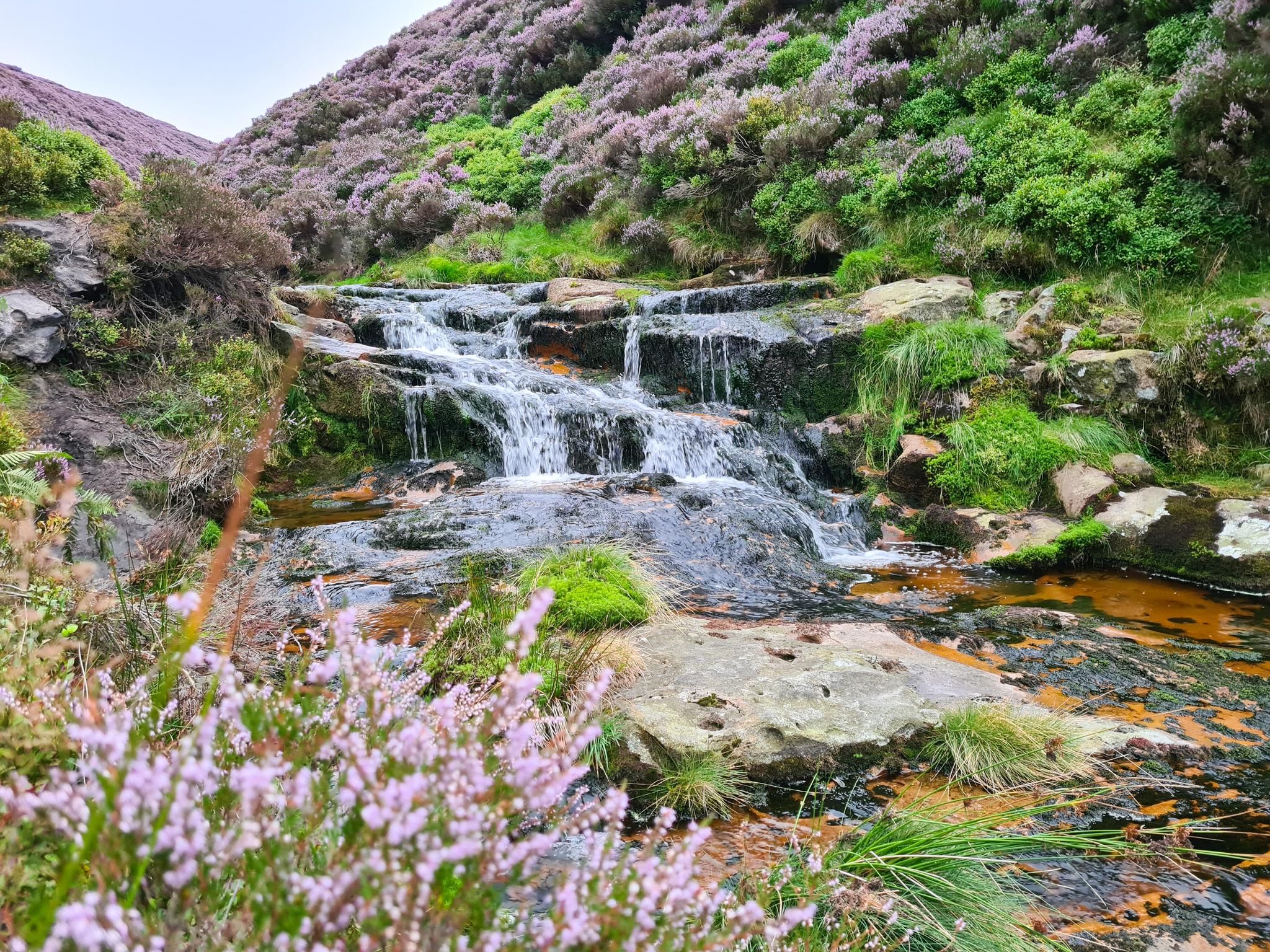
Exploring dramatic Peak District waterfalls on foot
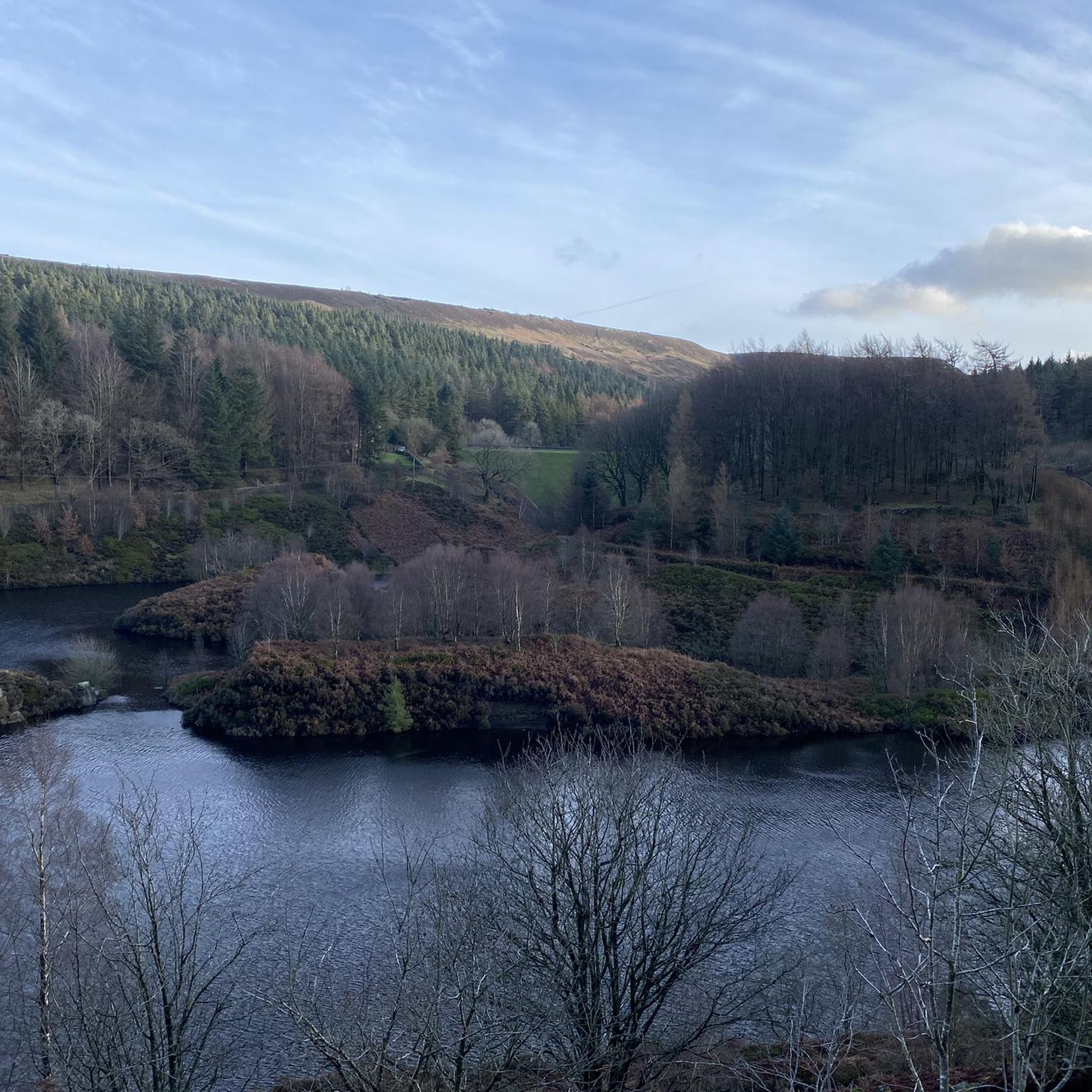
Hiking around Holme Valley
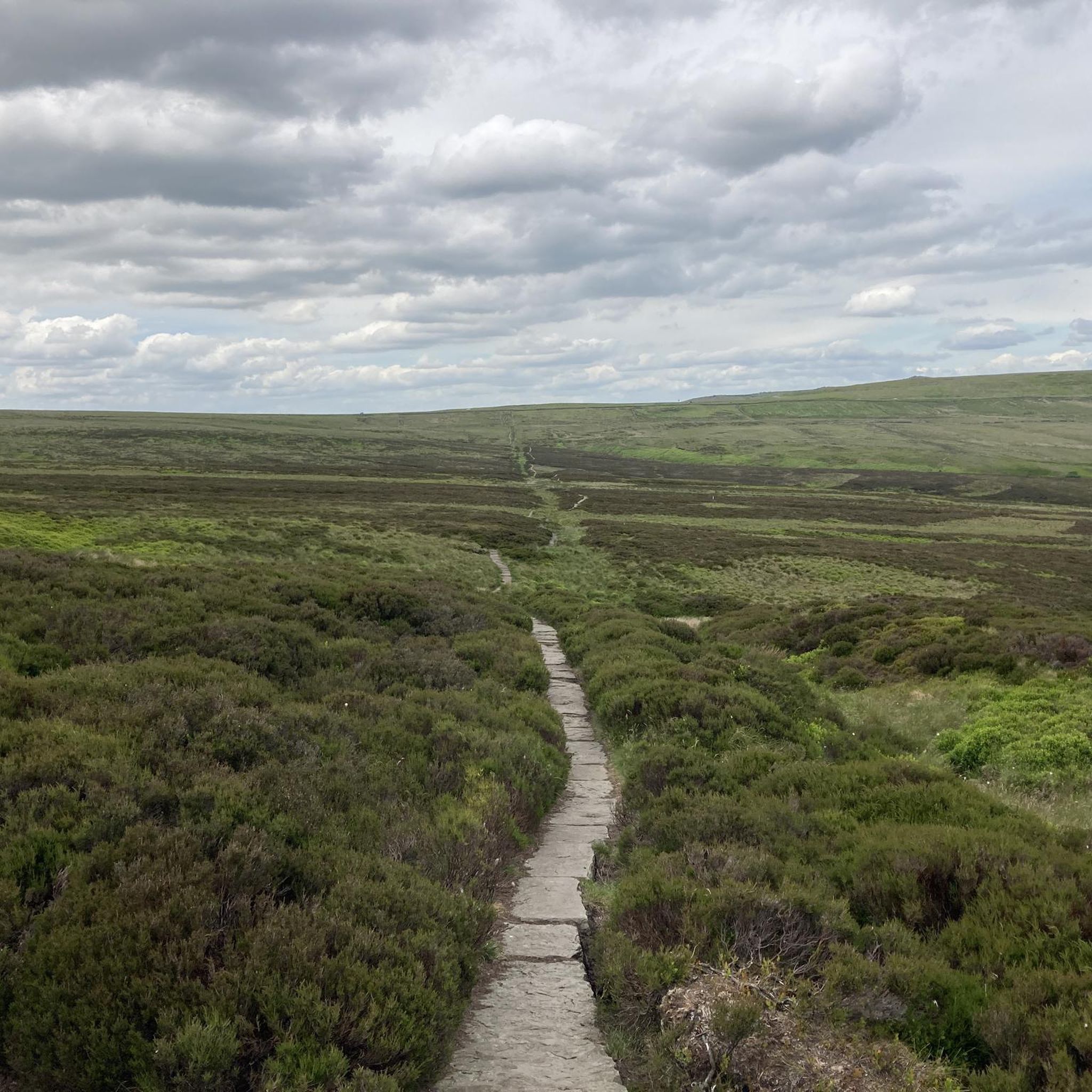
Running Trails around Holme Valley
Road Cycling Routes around Holme Valley
Cycling around Holme Valley
MTB Trails around Holme Valley

Gravel biking around Holme Valley
Mountain Hikes around Holme Valley


Tips from the Community

Nice and easy walk around the reservoir. Great to stretch your legs. Plenty of options to make it harder or longer by climbing up the hills.
0
0

Views for days! But extremely bleak when it wants to be. Nice early tickbox when walking the Pennine Way
0
0


If you follow the trail down from the trig point back to snake pass summit you pass a couple of surprise waterfalls.
3
0

Dovestone Reservoir is situated where the Greenfield and Chew Brooks valleys come together above the village of Greenfield on Saddleworth Moor. The reservoir is located at the gateway to the iconic Peak District National Park and is a truly breathtaking location, oozing peace and serenity.
2
0

I found the hike great.but was boggy in loads of places..very slippery..narrow paths on some parts
0
0
Frequently Asked Questions
What are some popular natural monuments to explore in the Holme Valley?
Beyond the most popular, the Holme Valley offers a variety of natural monuments. You can visit Higher Shelf Stones Summit and Trig Point for quirky rock formations and expansive views, or the remote Black Hill Trig Point, known for its rugged charm and far-reaching vistas on clear days. Another significant site is Bleaklow Head, a moorland plateau offering a true sense of solitude and breathtaking panoramas.
What kind of natural features can I expect to see in the Holme Valley?
The Holme Valley is characterized by its diverse natural features. You'll find picturesque reservoirs like Dovestone Reservoir, as well as Digley, Bilberry, and Holme Styes Reservoirs, which offer serene waterside trails. The landscape also features dramatic Millstone Grit escarpments, such as Pule Hill and Standedge, and extensive moorlands with summits like Margery Hill, providing rugged beauty and panoramic viewpoints.
Are there family-friendly natural monuments around Holme Valley?
Yes, several natural monuments in the Holme Valley are suitable for families. Dovestone Reservoir is particularly family-friendly, offering popular walking trails around the lake. The Holme Valley Reservoirs, in general, provide accessible paths and beautiful scenery for all ages to enjoy.
Are there accessible natural monuments for visitors with mobility needs?
Yes, Dovestone Reservoir features wheelchair-accessible paths, making it a great option for visitors with mobility needs. Additionally, Blackmoorfoot Reservoir, while not listed in the highlights, is known to be fully wheelchair accessible and popular with birdwatchers, offering ecological value.
What outdoor activities can I do near the natural monuments in Holme Valley?
The Holme Valley offers a range of outdoor activities. You can enjoy easy hikes around Digley Reservoir or Netherley Brow. For mountain biking, trails around Dunford Bridge and Winscar Reservoir are popular. More challenging mountain hikes include routes around Wilderness Gully and Black Hill. You can find more details on these activities in the easy hikes, MTB trails, and mountain hikes guides for the Holme Valley.
Can I bring my dog to the natural monuments in Holme Valley?
Many natural monuments and trails in the Holme Valley are dog-friendly, especially the reservoir walks and moorland paths. However, it's always recommended to keep dogs on a lead, particularly in areas with livestock or ground-nesting birds, and to follow the Countryside Code.
What is the best time to visit the natural monuments in Holme Valley?
The best time to visit depends on your preferences. Spring (March to May) is beautiful, especially in places like Upper Park Wood Nature Reserve, where bluebells are in bloom. Summer offers pleasant weather for longer walks. Autumn brings vibrant colours to the landscape. While winter can be bleak on the exposed moorlands, it offers a unique, rugged charm, though conditions can be boggy or icy, especially at higher elevations like Black Hill.
Are there any hidden natural gems in the Holme Valley?
Beyond the well-known spots, the Holme Valley is rich in smaller, less-frequented natural areas. Upper Park Wood Nature Reserve, with its oak woodland and diverse habitats, offers fantastic panoramic views and a rich ground flora. Exploring the various smaller reservoirs and the less-trodden paths through the Millstone Grit escarpments can also reveal secluded natural beauty.
What wildlife can I observe at the natural monuments?
The natural monuments in the Holme Valley support a variety of wildlife. Upper Park Wood Nature Reserve, for instance, features diverse habitats including woodland edges, fields, a pond, and wet areas, supporting various species. Blackmoorfoot Reservoir is particularly popular with birdwatchers due to its ecological value for birdlife. The moorlands and woodlands are home to various birds, insects, and small mammals.
Where can I find cafes or pubs near the natural monuments?
The Holme Valley has several villages and towns, such as Holmfirth, where you can find cafes and pubs. Many walking routes, especially those around the reservoirs, often pass close to or through these settlements, providing opportunities for refreshments. For specific locations, it's best to check local listings or maps for options along your chosen route.
What are the parking options at Holme Valley natural monuments?
Parking is generally available at or near the main natural monuments and trailheads, especially around the larger reservoirs like Dovestone and Digley. These often have dedicated car parks. For more remote locations like the moorland summits, parking might be limited to roadside spots or smaller, informal areas. Always check local signage for any parking restrictions or fees.
How long does it typically take to explore the natural monuments?
The time required to explore varies greatly depending on the monument and your chosen activity. A circular walk around Dovestone Reservoir might take a couple of hours, while a hike to a summit like Black Hill Trig Point or Higher Shelf Stones could be a half-day or full-day excursion, especially if combined with other trails. Many visitors spend several hours enjoying the scenery and walking.
What are the geological highlights of the Holme Valley's natural monuments?
The Holme Valley's geology is dominated by Millstone Grit escarpments, which are prominent west of Castle Hill, including Pule Hill and Standedge. These dramatic formations showcase alternating layers of hard sandstones and softer shales, creating distinct landforms and rugged beauty. Upper Park Wood Nature Reserve is also of geological interest, contributing to the region's natural history.
Most popular routes around Holme Valley
Most popular attractions around Holme Valley

Get inspired with the komoot mobile app


Explore more
Extend your search for the best caves by checking out these guides of the top ones around Holme Valley:
