Attractions and Places To See around Covehithe - Top 20
Best attractions and places to see around Covehithe include its dramatic coastal landscape and historical sites. This small village on the Suffolk coast is characterized by significant coastal erosion and a remote, wild sandy beach. The area features notable landmarks like St Andrew's Church ruins and is part of the Suffolk Coast & Heaths Area of Outstanding Natural Beauty. Visitors can explore natural features and historical remains that reflect its unique character.
Best attractions and places to see around Covehithe
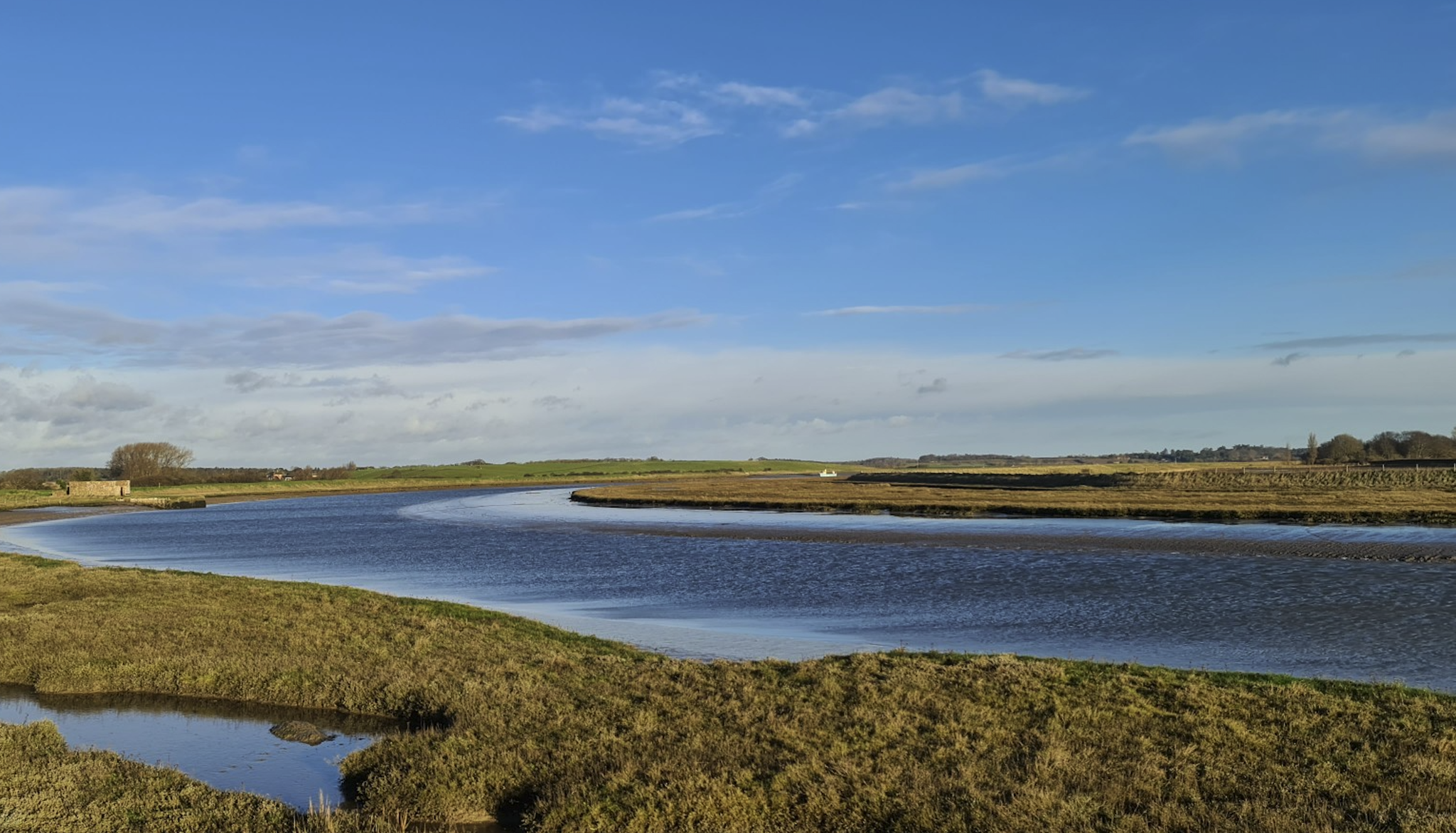
- The most popular attractions is Walberswick Village Green, a village center with a dune-backed beach. It is a picturesque village located on the tidal estuary of the River Blyth, featuring a cafe and a pub.
- Another must-see spot is Southwold Harbour, a river area south of Southwold town. It is populated with fisherman’s huts and offers outdoor dining options.
- Visitors also love Dunwich Beach, a beach with historical significance. It offers parking and is known for its fish and chip restaurant.
- Covehithe is known for its historical sites, natural features, and beaches. The area offers a variety of attractions to see and explore, from ancient ruins to coastal landscapes.
- The attractions around Covehithe are appreciated by the komoot community, with 78 upvotes and 7 photos shared.
Last updated: May 5, 2026
Southwold Harbour
Highlight • River
Tip by

Walberswick Village Green
Highlight • Beach
During the summer months there is a ferry across the river which links Walberswick with Southwold.
Tip by

Sign up now to discover places like this
Get recommendations on the best single tracks, peaks, & plenty of other exciting outdoor places.
Sign up for free
Dunwich Beach
Highlight • Beach
Tip by
Greyfriars Medieval Friary Ruins
Highlight • Religious Site
Tip by
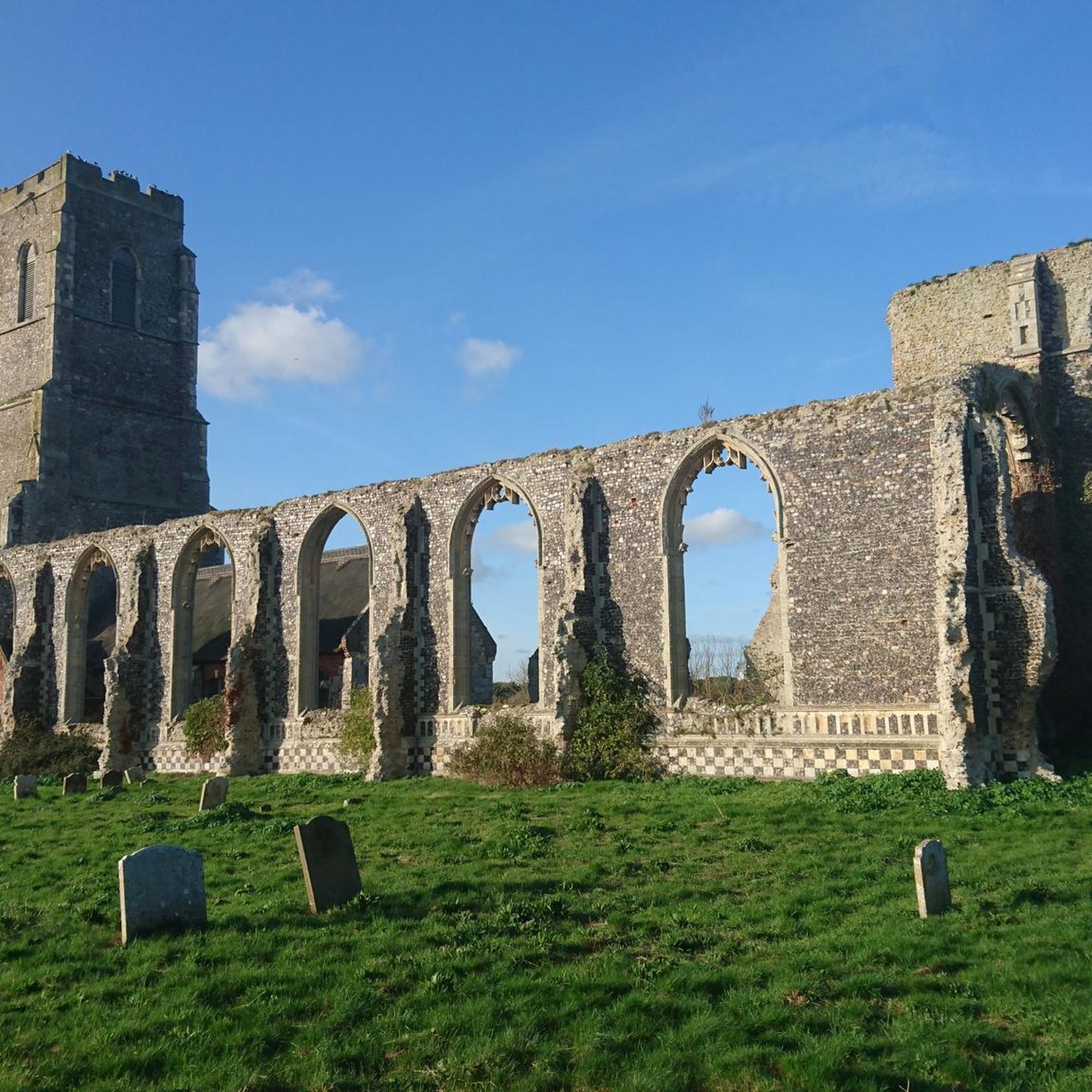
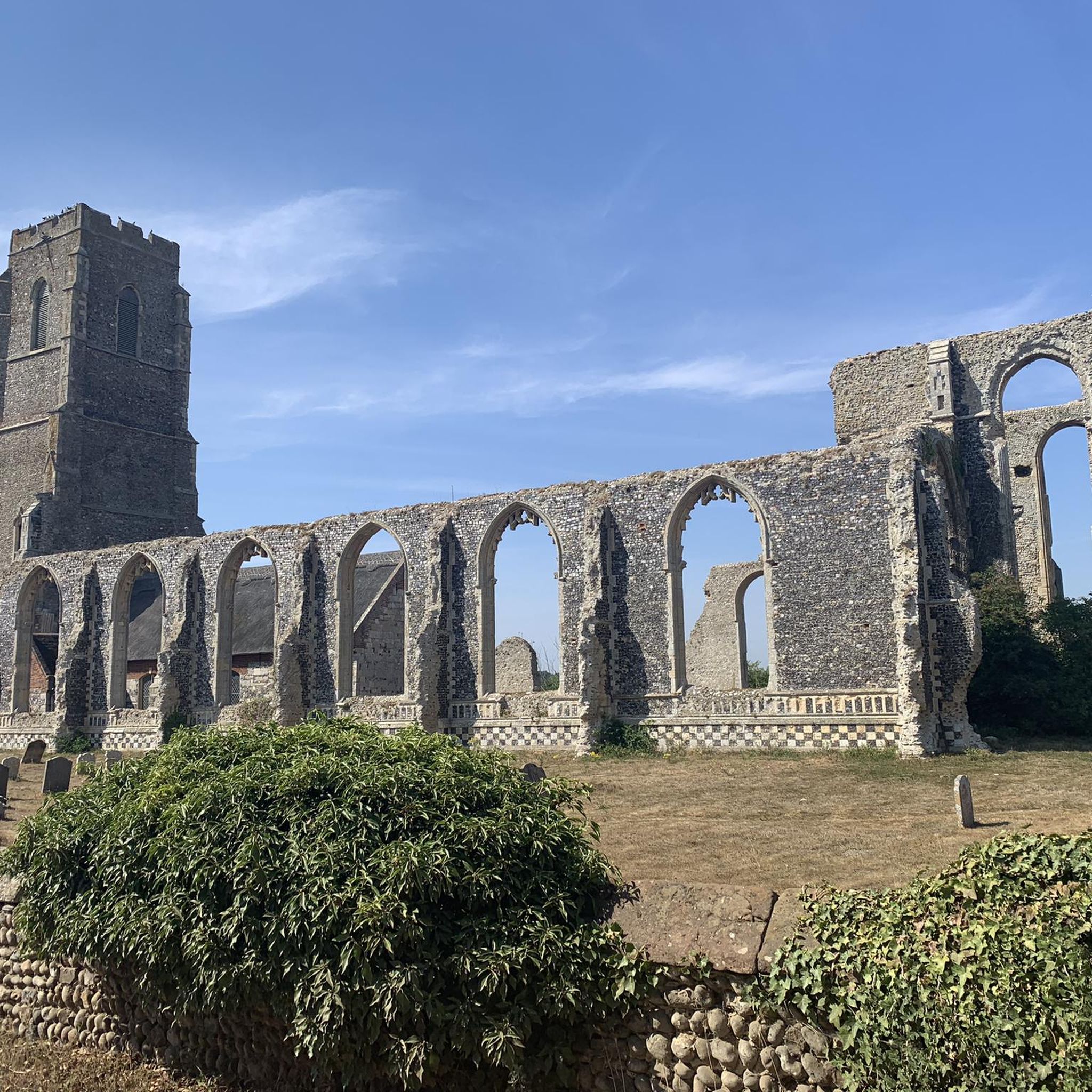
St Andrew's Church Ruins, Covehithe
Highlight • Historical Site
In the 17th century, a smaller, cheaper-to-maintain church was built against the original tower, and this church is still in use today.
Tip by

Sign up for free to discover even more attractions around Covehithe.
Sign up for free
Already have an account?
Start today with a free account
Your next adventure awaits.
Login or Signup



Other adventures around Covehithe

Tips from the Community

Ruins of a friary in Dunwich. Shows how much land is lost to erosion
0
0

Beautiful area of the country, quite flat so great for getting in a rhythm.
0
0


Southwold Harbour sits on the River Blythe with a path running along both sides of the water which forms part of the Suffolk Coast Path. There is a ferry connecting Southwold and Walberswick in the summer months and the Harbour Inn is a great place to stop for a bite to eat or a drink if you are finishing your run nearby.
0
0

An often overlooked area, Southwold Harbour lies south of the town on the River Blyth. It is populated with quirky fisherman’s huts and offers simple outdoor dining.
0
0
On the tidal estuary of the River Blyth, Walberswick is a picturesque village. The centre is set around a village green with a dune backed beach, a cafe and a pub. The interesting village church, St Andrew's, was built in the ruins of its much grander predecessor in the 18th century. Although popular, it is much quieter than neighbouring Southwold. During the summer months there is a ferry across the river which links Walberswick with Southwold.
0
0

St Andrews is a partially ruined church by the sea in the hamlet of Covehithe. An Anglican church, its ruins are grand and well worth seeking out – it mostly dates from the 15th century although there are older sections. In the 17th century, a smaller, cheaper-to-maintain church was built against the original tower, and this church is still in use today.
0
0

Historic part of the coastline with beautiful roads
0
0
Frequently Asked Questions
What natural features define the landscape around Covehithe?
Covehithe is characterized by its dramatic coastal erosion, which is among the highest in the UK. This process has created a unique landscape featuring crumbling cliffs and 'dead trees'—salt-blasted tree trunks protruding from the sands. The area is also part of the Suffolk Coast & Heaths Area of Outstanding Natural Beauty and borders the Benacre National Nature Reserve, which includes Benacre Broad, Covehithe Broad, and Easton Broad, providing vital habitats for various bird species.
What historical sites can I visit near Covehithe?
The most iconic historical site is the partially ruined St Andrew's Church Ruins, Covehithe. This medieval structure stands as a testament to coastal erosion, with a smaller, thatched church still in active use within its grand walls. Further south, you can explore the Greyfriars Medieval Friary Ruins near Dunwich, which offers a glimpse into the area's monastic past.
Are there walking or hiking trails around Covehithe?
Yes, there are several walking and hiking opportunities in the area. You can find various routes, including coastal paths and trails through nature reserves. For detailed hiking routes, explore the Hiking around Covehithe guide, which features options like the 'Nettle Path Footpath – Benacre Pillbox loop from Covehithe'.
What is Covehithe Beach like, and how do I access it?
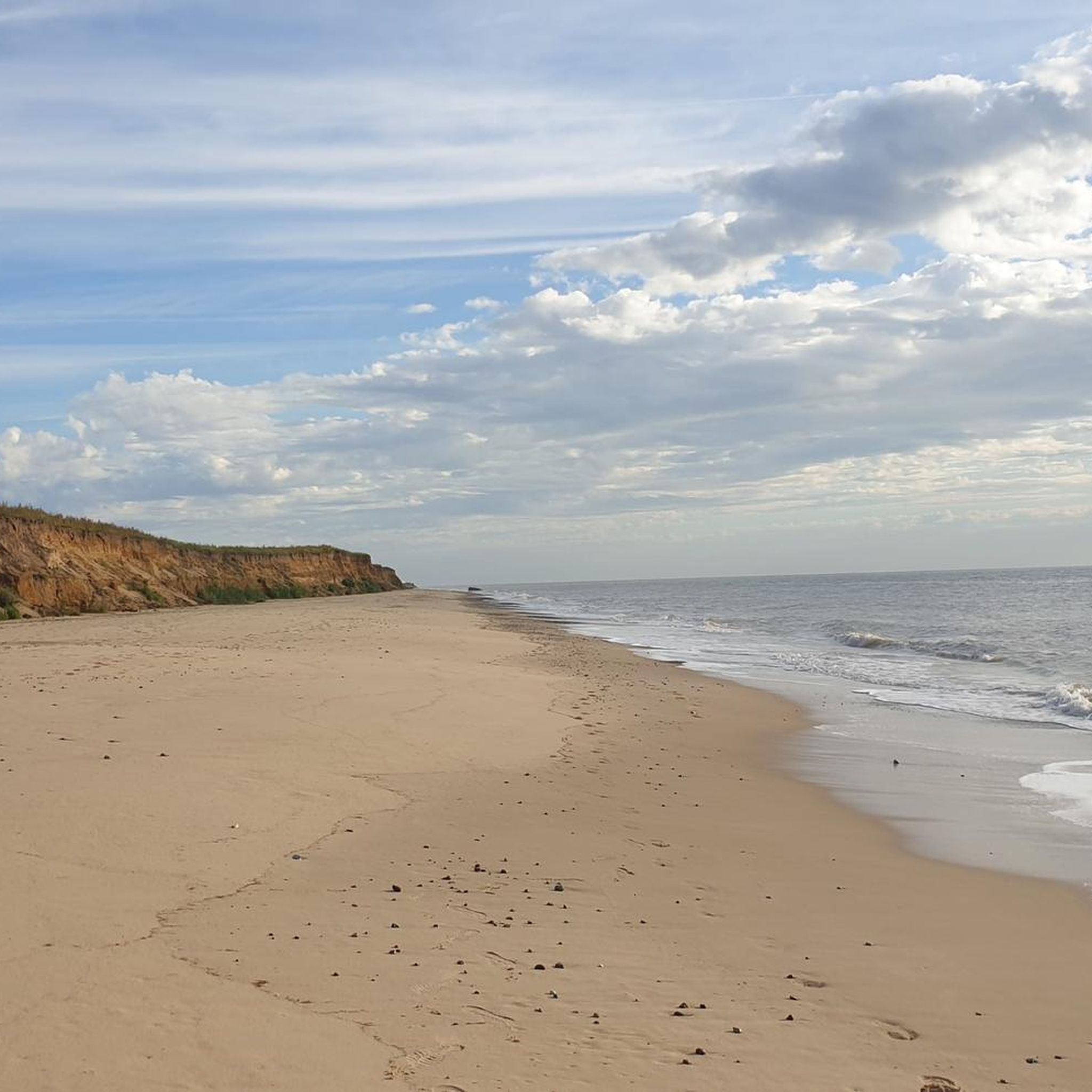
Covehithe Beach is a remote and wild sandy beach known for its tranquil atmosphere and dramatic, rapidly eroding cliffs. It is accessible only on foot via a single track through fields from the village. Visitors should be aware that there are no public facilities, kiosks, or dedicated car parks directly at the beach or in the village itself, with only on-road parking available.
Can I go fossil hunting at Covehithe?
Yes, the crumbling cliffs and beach at Covehithe are excellent sites for fossil hunting. After storms, visitors may discover bivalves, shark's teeth, and even flint axe heads, thanks to the area's intricate geology, including the Norwich Crag Formation.
What kind of wildlife can I spot in the Covehithe area?
The Benacre National Nature Reserve, which includes the beach, provides vital habitats for various bird species. You might spot marsh harriers, bearded reedlings, water rails, and bitterns in the open water lagoons, reed beds, and woodlands.
Are there family-friendly attractions or activities near Covehithe?
Beyond exploring the unique beach and historical ruins, families can enjoy the picturesque Walberswick Village Green, which has a dune-backed beach, cafe, and pub. Dunwich Beach is also family-friendly, offering parking and a fish and chip restaurant. During summer, a ferry links Walberswick with Southwold, adding to the adventure.
What do visitors enjoy most about the attractions near Covehithe?
Visitors particularly appreciate the unique blend of natural beauty and historical significance. The dramatic coastal erosion and the 'dead trees' on Covehithe Beach offer a poignant and photogenic experience. The partially ruined St Andrew's Church Ruins are also highly valued for their ancient architecture and peaceful atmosphere, with many recommending seeing it before it's further claimed by the sea.
Are there cycling routes available near Covehithe?
Yes, the area offers various cycling routes for different skill levels. You can find detailed options in the Cycling around Covehithe guide, including easy loops like 'Walberswick Ferry Crossing – Southwold Harbour loop from Southwold' and more moderate rides such as the 'Leiston Abbey Ruins – Dunwich Beach loop from Southwold'.
Where can I find food and drink options near Covehithe?
While Covehithe village itself has no public facilities, nearby villages offer options. Walberswick Village Green features a cafe and a pub. Southwold Harbour is known for its quirky fisherman’s huts and simple outdoor dining, including fish and chips. Dunwich Beach also has a fish and chip restaurant and a hut selling ice cream.
What is the best time to visit Covehithe?
The best time to visit Covehithe largely depends on your interests. For walking and exploring the coast, spring and autumn offer milder weather and fewer crowds. Summer provides warmer temperatures for beach visits, but the area can be busier. Birdwatching is particularly rewarding during migration seasons in spring and autumn, or in winter when many species arrive.
Is there anything unique about the coastal erosion at Covehithe?
Covehithe's coastline experiences the highest rate of erosion in the UK, making it a dynamic and ever-changing landscape. This rapid land loss means that the main settlement is predicted to be lost to the sea within decades, offering a poignant reminder of nature's power. The visible 'dead trees' on the beach are a direct result of this ongoing process.

Get inspired with the komoot mobile app


Explore more
Still not found the Highlight you’re looking for? See guides of the top attractions in other regions:
