The best walks and hikes around Towednack
4.5
(2226)
16,097
hikers
12
hikes
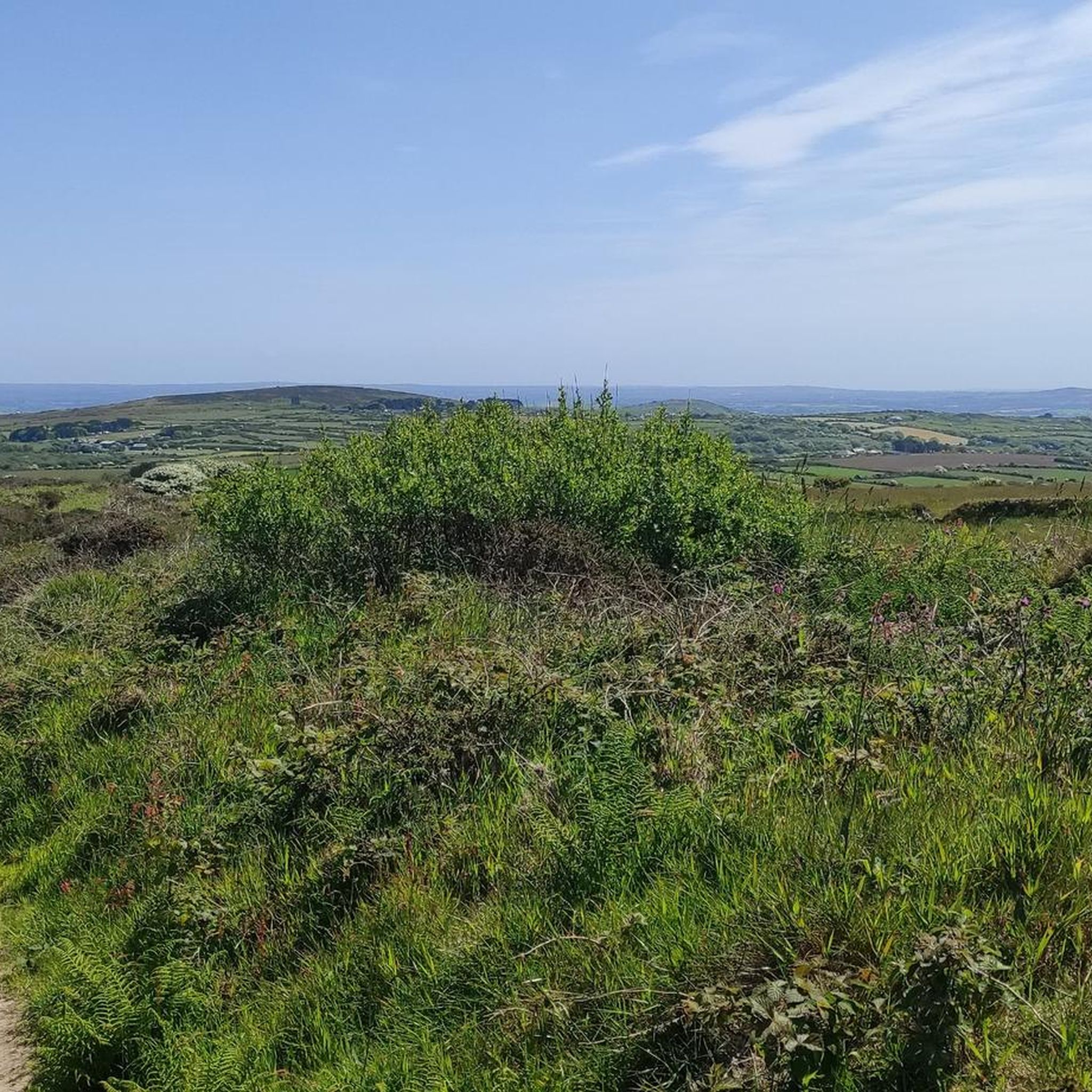
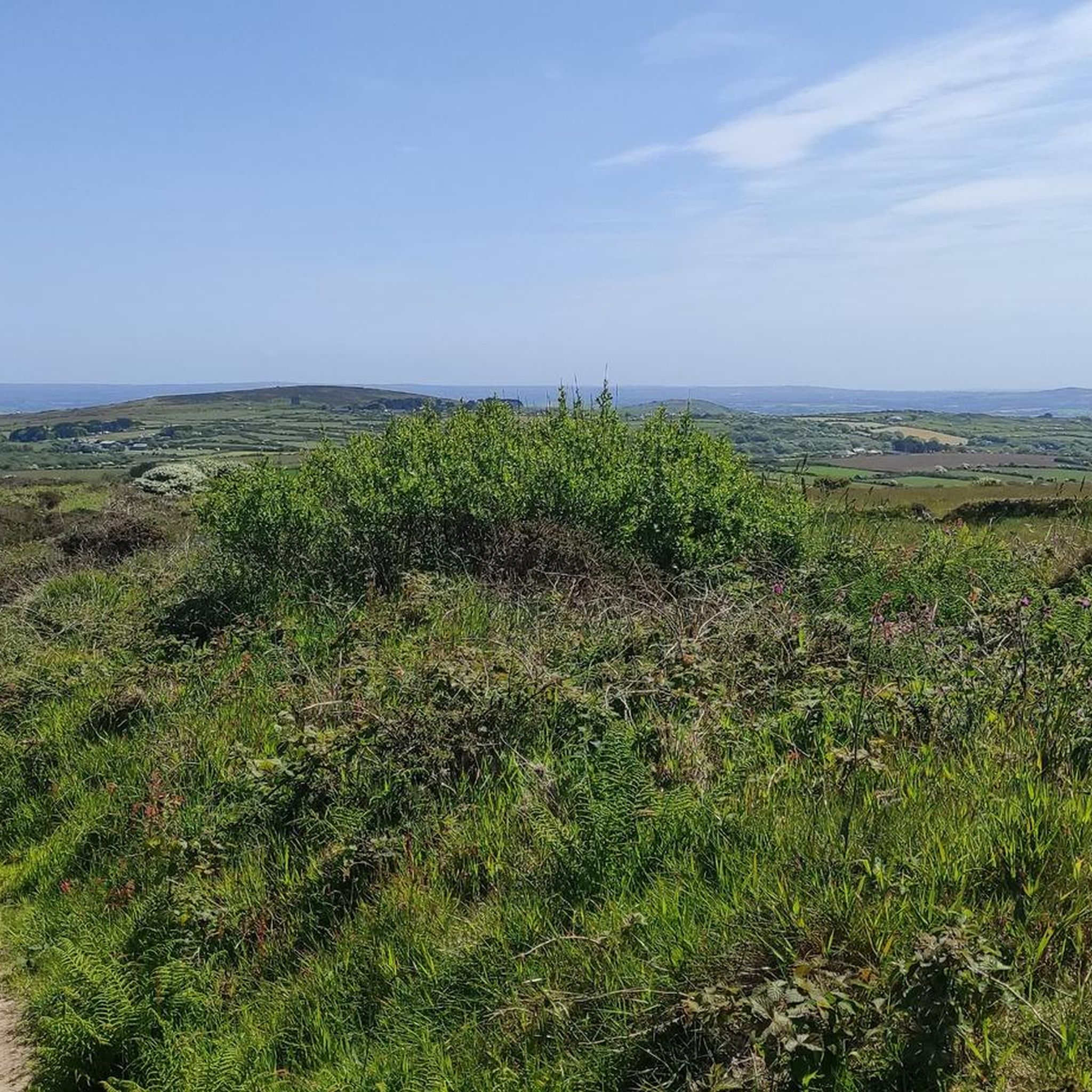
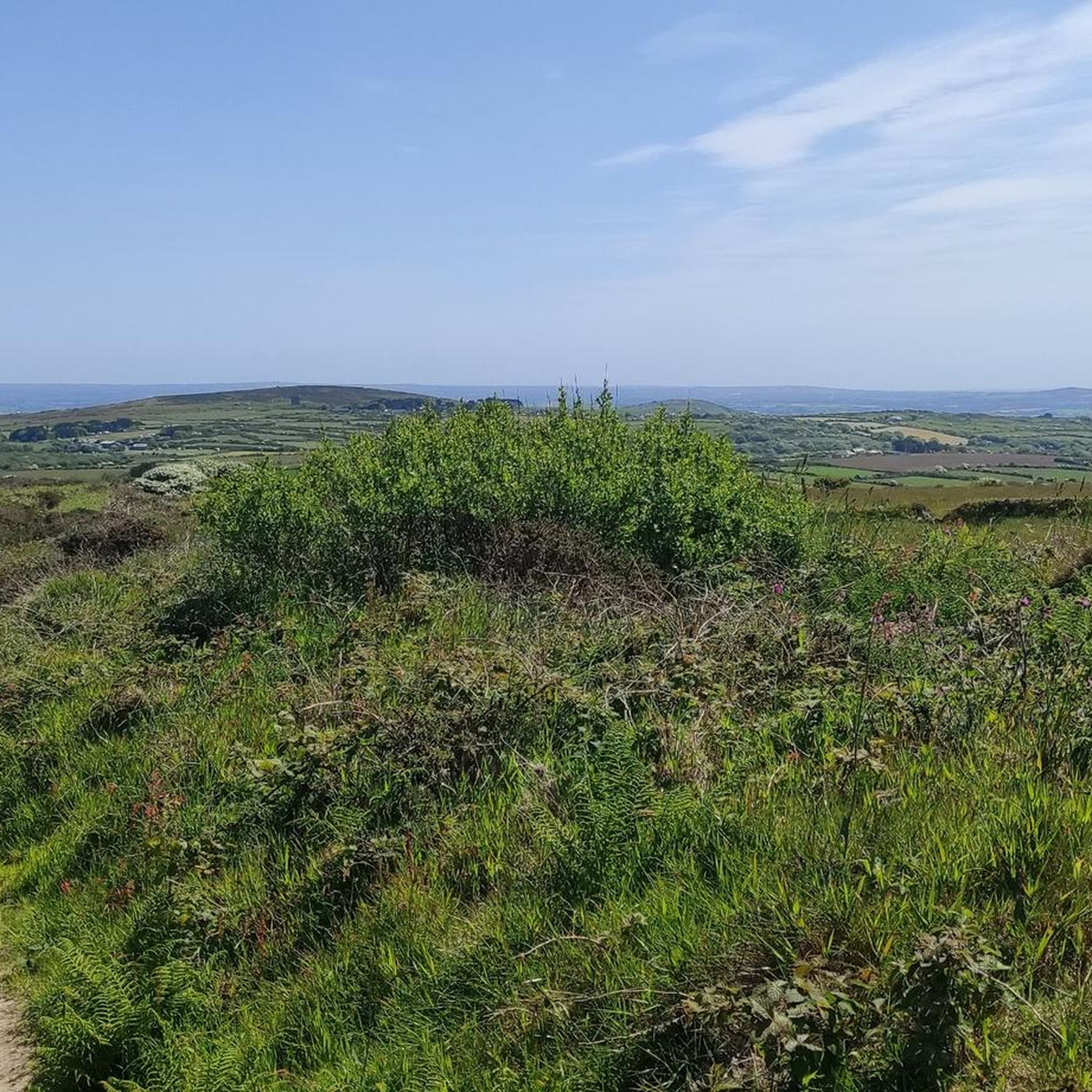
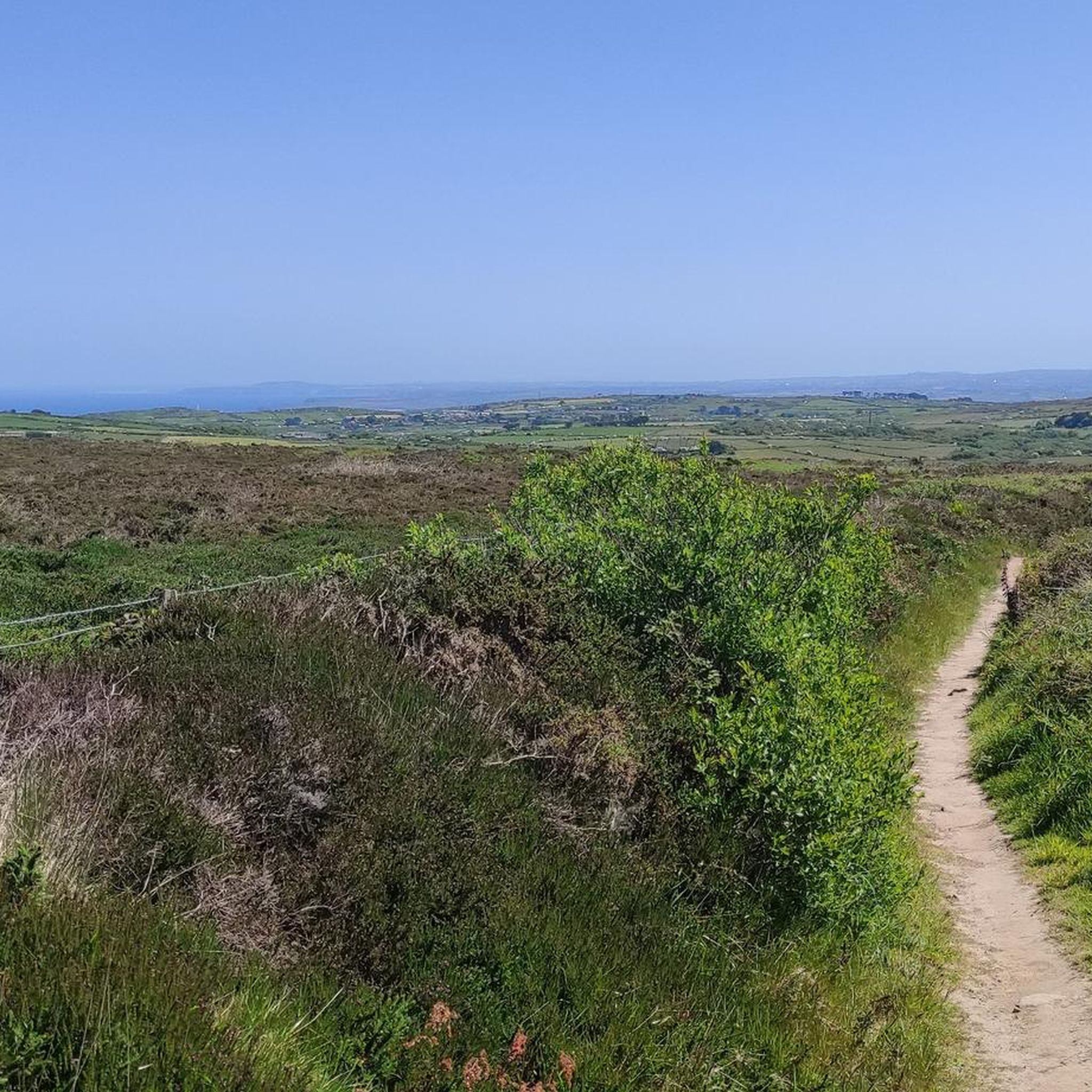
Hikes around Towednack explore a landscape of rolling hills, ancient moorland, and rugged coastal paths in West Cornwall. The region is characterized by its proximity to the Atlantic, offering routes that combine inland scenery with views of the sea. Many trails pass remnants of the area's mining history and provide access to notable headlands and coves.
Best hiking trails around Towednack
- The most popular hiking route is Clodgy Point – View of Pendour Cove loop from Towednack, a 10.5…
Last updated: July 21, 2026
4.5
(6)
15
hikers
2.90km
00:47
40m
30m
Hike the easy Rosewall Hill Circular Trail for 1.8 miles (2.9 km) to enjoy panoramic views of Cornwall's coasts and historical mining sites.
4.8
(190)
1,050
hikers
16.9km
04:46
350m
350m
Moderate hike. Good fitness required. Mostly accessible paths. Sure-footedness required.

Sign up for free
4.5
(10)
40
hikers
9.06km
02:32
180m
180m
Moderate hike. Good fitness required. Easily-accessible paths. Suitable for all skill levels.
4.5
(2)
22
hikers
16.1km
04:25
260m
260m
Moderate hike. Good fitness required. Easily-accessible paths. Suitable for all skill levels.
5.0
(5)
14
hikers
14.0km
04:00
320m
330m
Moderate hike. Good fitness required. Easily-accessible paths. Suitable for all skill levels.
Get access to more routes and recommendations from other explorers.
Sign up for free
Already have an account?
Our route recommendations are based on thousands of hikes, rides, and runs completed by other people on komoot.
Start today with a free account
Your next adventure awaits.
Login or Signup
Tips from the Community

In contrast to the harbor, here you also have waves for boogie boarding
0
0
glorious colors of the boats in contrast to the water & sky
0
0


"If you seek me, then seek me in your hearts. If I have found a home there, I will live on in you." Text: Rainer Maria Rilke (1875 to 1926)
0
0

The great view over Porthmeor Beach can be enjoyed in peace on many benches
0
0

This is a secluded and picturesque cove steeped in local legend. It’s famously associated with the tale of the Mermaid of Zennor, said to have lured a young man into the sea. It features crystal clear waters, steep cliffs and stunning views and is best admired from this high up vantage point.
1
0

Clodgy Point is a dramatic, rocky promontory with steep cliffs that extends out into the sea between St. Ives Bay and Porthmeor Beach. Great for exploring and taking in the views over the bay.
0
0
Frequently Asked Questions
Are there any circular walks near Towednack?
Yes, the area is well-suited for circular hikes. Many trails are designed as loops, allowing you to start and finish in the same spot without retracing your steps. A great example is the View of the Cornish Coastline loop from Towednack, which offers a comprehensive experience of the region's inland and coastal scenery.
What are the trails like for families with children?
You'll find several shorter, less strenuous options perfect for a family outing. For an accessible adventure, consider the Trevegan and Rosewall Hill loop. It's a relatively short and easy walk that still provides a great sense of the local landscape.
Can I bring my dog on the trails?
Dogs are generally welcome on the public footpaths around Towednack. However, you will be walking through areas with livestock, so it's essential to keep your dog on a lead, especially when near farm animals. Also be mindful of cliff edges on coastal sections.
Where is the best place to park for a hike?
Parking can be found at various points depending on your chosen trail. For walks around Rosewall Hill, the Rosewall Hill Carpark is a convenient starting point. For other routes, on-street parking may be available in villages, but it can be limited, particularly during peak season. Arriving early is always a good strategy.
What is the terrain like on the hikes around Towednack?
The terrain is varied. Expect a mix of rolling inland hills, open moorland, and rugged, sometimes steep, coastal paths. Footwear with good grip is recommended as trails can be uneven and muddy, especially after rain.
Are there any pubs or cafes on the walking routes?
While Towednack itself is a small parish, nearby towns like St. Ives and Zennor offer traditional pubs and cafes that are popular with walkers. Some longer routes, such as the loop to St Ives Harbour, will take you directly into town where you can find refreshments.
Can I see any ancient or historical sites on my walk?
Absolutely. The landscape is rich with history. Many trails pass by remnants of Cornwall's tin mining past, and the surrounding moors feature ancient sites like megalithic tombs and stone circles. The Tinners' Way, an ancient trackway, also crosses through the region.
Is it possible to see waterfalls on a hike here?
While the immediate Towednack area isn't known for large waterfalls, the nearby coastline has some hidden gems. A hike towards the coast can lead you to places like Nanjizal Bay, a remote and highly-regarded spot featuring a sea cave, rock arch, and a small waterfall cascading onto the beach.
What do other hikers think of the trails around Towednack?
The trails are very well-regarded by the komoot community, with an average rating of 4.6 stars. Hikers often praise the stunning coastal views, the sense of history from the ancient sites, and the variety of walks available, from gentle strolls to more challenging coastal treks.
How many hiking trails are there around Towednack?
There are over a dozen curated hiking routes available to explore around Towednack, ranging from easy strolls to moderate all-day hikes. This selection provides plenty of options to experience the region's unique mix of moorland and coastal scenery.
What kind of wildlife might I see?
The varied habitats support diverse wildlife. On the moors, you might spot birds of prey like buzzards. Along the coast, keep an eye out for seabirds such as fulmars and cormorants. If you're lucky, you may even see seals from the coastal paths or on a boat trip from St. Ives.
Is there a coastal path from Towednack to St. Ives?
There isn't a direct coastal path starting from inland Towednack, but you can easily hike there. Trails like the Man's Head Rock Formation loop will guide you towards the coast and offer fantastic views over Porthmeor Beach as you approach the St. Ives area.
Most popular attractions around Towednack

Get inspired with the komoot mobile app


Explore more
Browse the best Hikes in other regions.
