Attractions and Places To See around Burmington - Top 20
Best attractions and places to see around Burmington include historical sites and natural features. This village, located on the southern border of Warwickshire and near the Cotswolds, offers insights into ancient times and traditional English village life. The area features the River Stour and various landmarks that reflect its rich history. Visitors can explore a range of historical and natural points of interest.
Best attractions and places to see around Burmington
- The most popular attractions is The King Stone,…
Last updated: August 12, 2026
The King Stone
Highlight • Monument
Tip by

Moreton-in-Marsh — Market town
Highlight • Settlement
Tip by

Sign up now to discover places like this
Get recommendations on the best single tracks, peaks, & plenty of other exciting outdoor places.
Sign up for free
The Rollright Stones Stone Circle
Highlight • Historical Site
Tip by

St Lawrence's Church, Bourton-on-the-Hill
Highlight • Historical Site
Tip by

St Peter and St Paul Church, Blockley
Highlight • Historical Site
Tip by

Sign up for free to discover even more attractions around Burmington.
Sign up for free
Already have an account?
Start today with a free account
Your next adventure awaits.
Login or Signup
Tips from the Community

The church in Blockley was dedicated to the two Saints PETER & PAUL, also known as the "Prince of the Apostles". Their common feast day in the calendar of saints is June 29th for all major denominations. * Simon, nicknamed Peter (Rock), was a fisherman on Lake Genesareth when he was called by Jesus Christ to be a "fisher of men" together with his brother Andrew. In works of fine art, Peter is almost always depicted with two keys in his hand; this attribute refers to the Bible verse in Matthew: "I will give you the keys of the kingdom of heaven; whatever you bind on earth will be bound in heaven, and whatever you loose on earth will be loosed in heaven." (Chapter 16, Verse 19). * Paul was initially an opponent of the Christian movement and was not called to the apostleship by Jesus Christ during his lifetime like the other apostles, but was only converted later with the famous "Damascus experience". His attribute is the sword with which he was executed. According to the Roman law of the time, such a sentence was a "privilege" (quick death and not, like other forms of execution, a long, painful death struggle) that was reserved for the citizens of Rome.
1
0
On the patron saint of this church dedicated to "Saint Lawrence": Saint Laurentius is one of the early Christian martyrs from the third century, a time when Christianity was still forbidden. He was Archdeacon of Pope Sixtus II and, after his martyrdom, asked by the pagan Emperor Valerian to hand over the Church's treasure. Laurentius asked for three days' time, in the meantime he distributed the church property among the poor inhabitants of Rome and, after the agreed time, came with the poor to the emperor in order to present them to him as the church's treasure. He was then martyred to death, legend has it that he was alive on a grate - this attribute can be seen in many depictions of Saint Laurentius - roasted over coals. He is said to have been in good spirits and told his executioner on the one hand he was ready, whether he didn't want to turn him over.
2
0

The Church of St Peter and St Paul in Blockley is Norman, built in around 1180. The church was extended on the north side towards the end of the 13th century. Several other additions have been made over the last few hundred years and now only one of the original Norman Lancet windows remain.
1
0

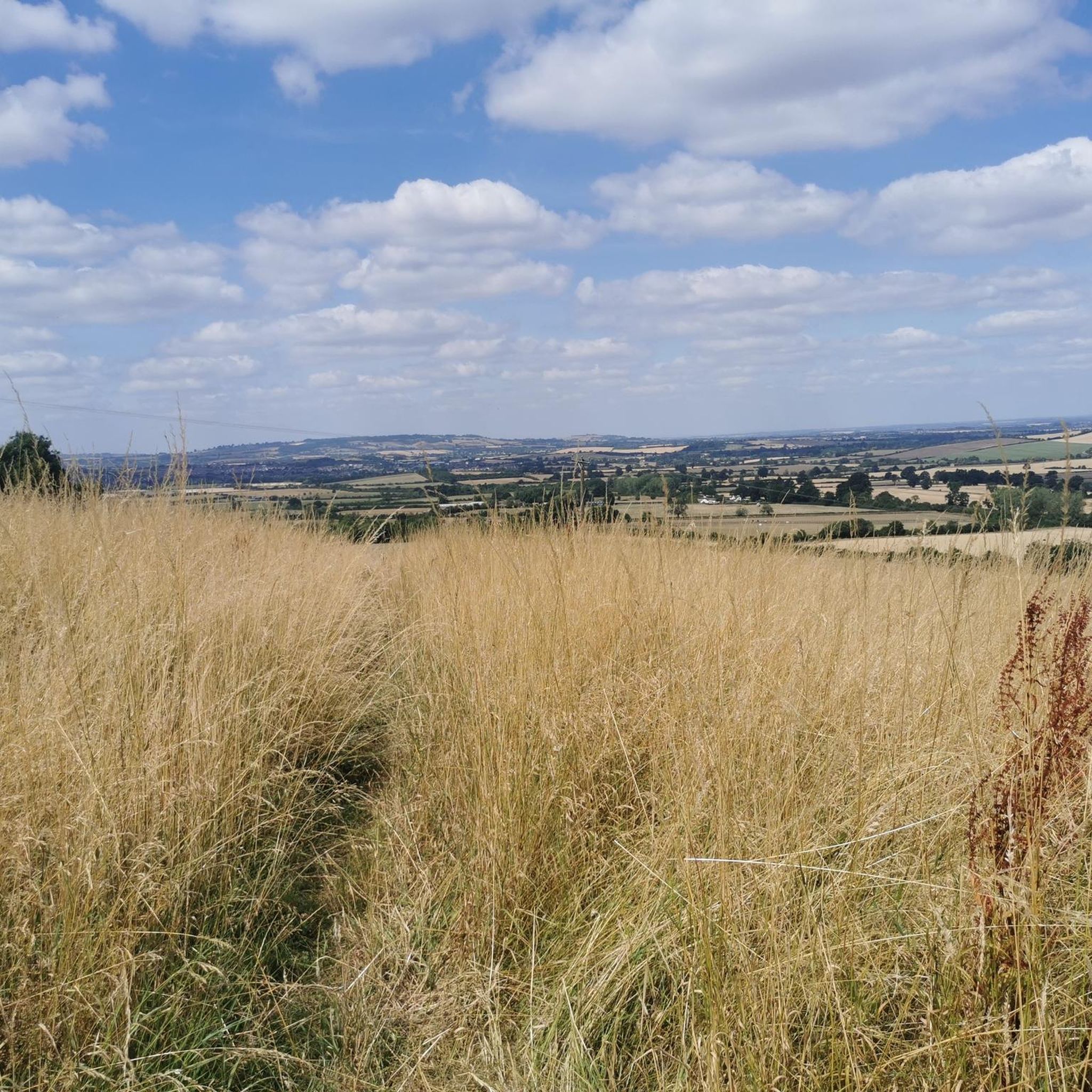
A beautiful Cotswolds Village and a joining point for the Heart of England Way to Sezincote House.
2
0

The King Stone is a standing stone in the Cotswolds, England, which dates back to the Bronze Age. It is believed to have been a marker for ancient trade routes or a ceremonial site.
1
0

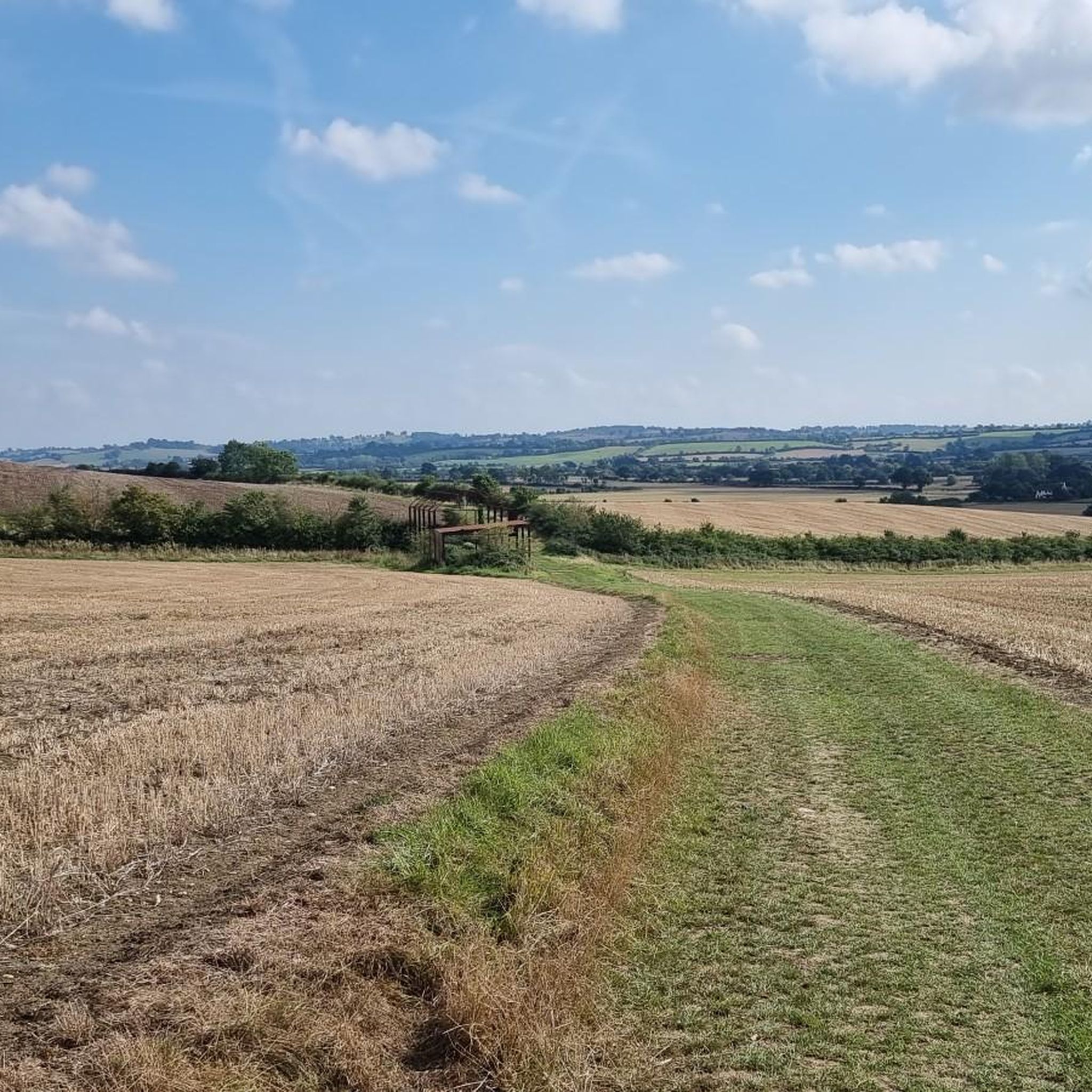
Remember to always keep a pace when going up a big hill
0
0

Moreton-in-marsh was a lovely Victorian coaching town that is now a car park. Where once a wide open high street allowed cafes, pubs, and shops to spill out onto the street, now residents line up their rangerovers side-by-side, flanking either side of an extremely busy road that disects the town.
2
0

Beautiful Cotswolds village. Worth a short detour into the dead-end road that leads through the village. For refuelling, Blockley Cafe has an excellent choice of food and drink!
0
0
Frequently Asked Questions
What historical sites can I explore around Burmington?
Burmington is rich in history, offering several notable sites. You can visit The King Stone, a Bronze Age standing stone, and The Rollright Stones Stone Circle, an ancient ceremonial site dating back to 2,500 BC. Another significant historical attraction is Chastleton House, a Jacobean country house built between 1607 and 1612. Additionally, the 12th-century St Lawrence's Church at Bourton-on-the-Hill is a Grade I listed building with medieval features.
Are there any natural features or scenic spots near Burmington?
Yes, the area around Burmington boasts natural beauty. The River Stour runs along the south and west of the village, contributing to the scenic landscape. While not purely natural, both The King Stone and The Rollright Stones Stone Circle are set in picturesque natural surroundings, offering great views and a sense of ancient history intertwined with the landscape.
What kind of outdoor activities can I do near Burmington's attractions?
The region around Burmington is excellent for outdoor activities, particularly hiking and road cycling. You can find various routes, including easy and moderate options. For hiking, explore trails like the 'St Martin's Church, Barcheston – Shipston Cemetery Chapel loop' or the 'Ramblers Rest loop'. If you prefer road cycling, consider routes such as the 'Edge Hill Climb from Kineton' or the 'Moreton-in-Marsh — Market town – Long Compton Village loop'. You can find more details on these and other routes in the Hiking around Burmington and Road Cycling Routes around Burmington guides.
Are there family-friendly attractions in the Burmington area?
Many attractions around Burmington are suitable for families. Both The King Stone and The Rollright Stones Stone Circle are considered family-friendly, offering open spaces for exploration and a chance to learn about ancient history. Chastleton House also welcomes families, providing an engaging historical experience. Additionally, the market town of Moreton-in-Marsh is a pleasant place for families to visit, with its market and historic atmosphere.
What is Moreton-in-Marsh and what can I do there?
Moreton-in-Marsh is a vibrant market town in the Cotswolds, known for its golden Cotswold stone buildings and historic inns. It hosts a market every Tuesday. The town has a rich history, including connections to King Charles I and J. R. R. Tolkien, whose Bell Inn supposedly inspired Middle Earth's Prancing Pony. It's a great place to browse shops, enjoy a meal, and soak in the traditional English market town atmosphere.
What do visitors enjoy most about the attractions near Burmington?
Visitors frequently appreciate the historical depth and natural beauty of the area. For instance, The Rollright Stones Stone Circle is often praised for its great views and as a nice spot for a picnic. Chastleton House is admired for its beautiful architecture and the enchanting stories it tells. The overall sentiment highlights the unique blend of ancient history and picturesque landscapes.
Are there any easy walking trails around Burmington?
Yes, there are several easy walking trails suitable for a relaxed outing. Examples include the 'St Martin's Church, Barcheston – Shipston Cemetery Chapel loop' and the 'Ramblers Rest loop'. These trails offer a gentle way to experience the local scenery. You can find more details and other easy options in the Easy hikes around Burmington guide.
Can I find any ancient monuments or archaeological sites?
Absolutely. The area is home to significant ancient monuments. The King Stone is a Bronze Age standing stone, believed to be a marker for ancient trade routes. Nearby, The Rollright Stones Stone Circle is an impressive ceremonial site from around 2,500 BC, consisting of weathered oolitic limestone. These sites offer a direct connection to the region's prehistoric past.
Is there a historic church to visit in the vicinity?
Yes, the Anglican Church of St Lawrence at Bourton-on-the-Hill is a notable historic church. Built in the 12th century with additions in the 14th, it is a Grade I listed building. It features medieval masonry, a 14th-century piscina, and a 15th-century octagonal font, offering a glimpse into centuries of religious history and architecture.
Are there any attractions that are wheelchair accessible?
While specific accessibility details for all sites vary, the market town of Moreton-in-Marsh is noted as being wheelchair accessible. Its wide high street and general layout make it more navigable for visitors with mobility needs. For other attractions, it's advisable to check their individual accessibility information before visiting.
What is the significance of the River Stour in Burmington?
The River Stour plays a significant role in defining Burmington's natural landscape. It flows along the southern and western borders of the village, contributing to the area's scenic beauty and providing a tranquil backdrop for walks and contemplation. While not an attraction in itself, its presence is integral to the village's charm and environment.
Most popular attractions around Burmington

Get inspired with the komoot mobile app


Explore more
Still not found the Highlight you’re looking for? See guides of the top attractions in other regions:
