Attractions and Places To See around Valdeltormo - Top 20
Best attractions and places to see around Valdeltormo include a mix of historical landmarks, natural features, and cultural sites within the Matarraña region of Teruel. The town is situated near the Matarraña River, which contributes to its scenic landscape. Visitors can explore ancient Iberian settlements, historical buildings, and natural springs. The area offers diverse opportunities for outdoor activities, including routes along a greenway.
Best attractions and places to see around Valdeltormo
- The most popular attractions is Valderrobres Stone Bridge,…
Last updated: July 20, 2026
Valderrobres Stone Bridge
Highlight • Bridge
Translated by Google •
Tip by

Valdealgorfa
Highlight • Trail
40.2 kilometers. 320 positive meters.
The end of the bikepacking trip has a magnificent closure. The route leaves the Horta de Sant Joan station, …
Translated by Google •
Tip by

Sign up now to discover places like this
Get recommendations on the best single tracks, peaks, & plenty of other exciting outdoor places.
Sign up for free
Torre del Compte Bell Tower
Highlight • Monument
Translated by Google •
Tip by

Equinox Tunnel
Highlight (Segment) • Structure
Translated by Google •
Tip by

Railway Tunnel
Highlight • Structure
Translated by Google •
Tip by

Sign up for free to discover even more attractions around Valdeltormo.
Sign up for free
Already have an account?
Start today with a free account
Your next adventure awaits.
Login or Signup

Tips from the Community

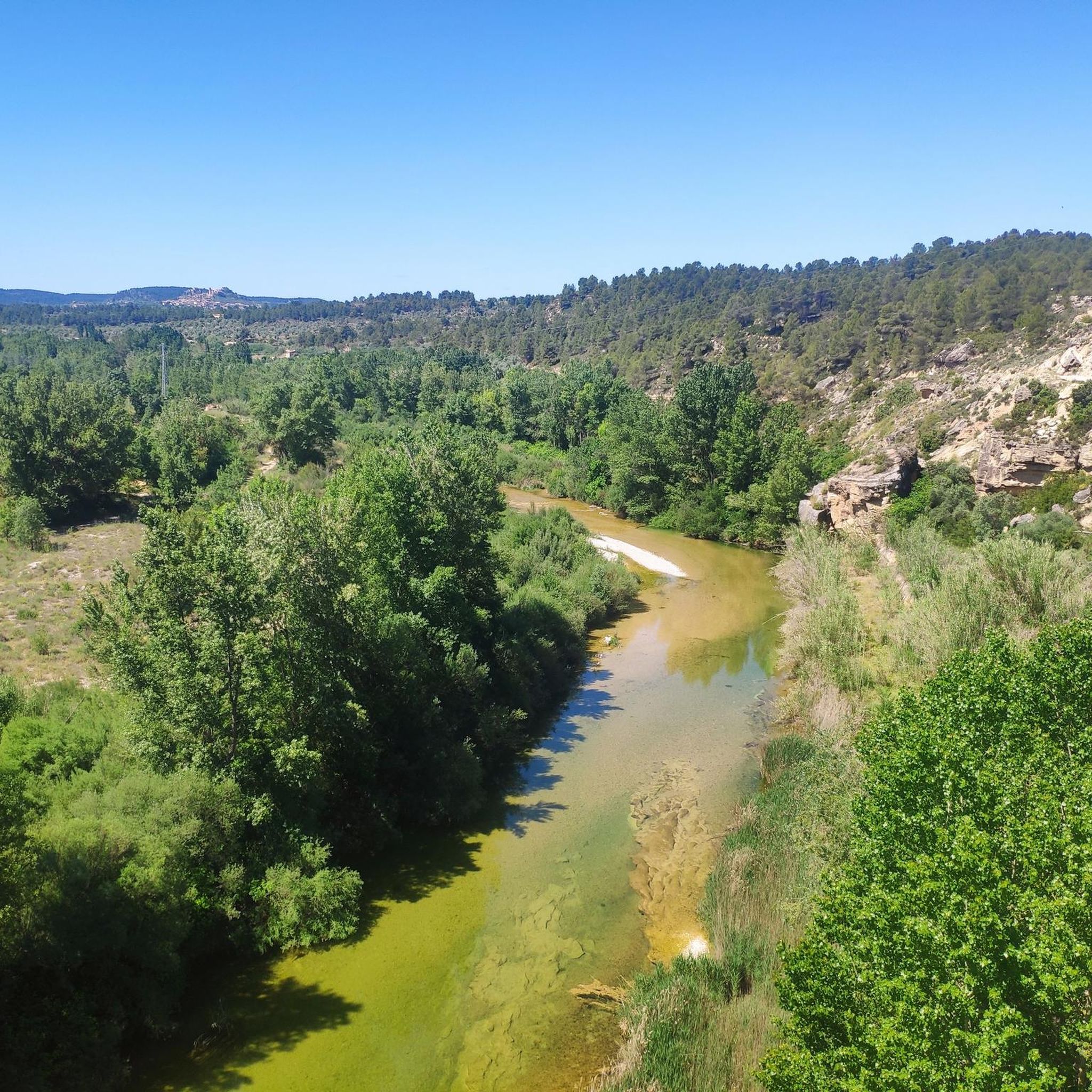
The town consists of a relatively new section south of the Matarrana River and the original historic town on the other bank. The old city is built on a relatively steep hill. At the top is the beautiful Castillo (castle) de Valderrobres.
0
0


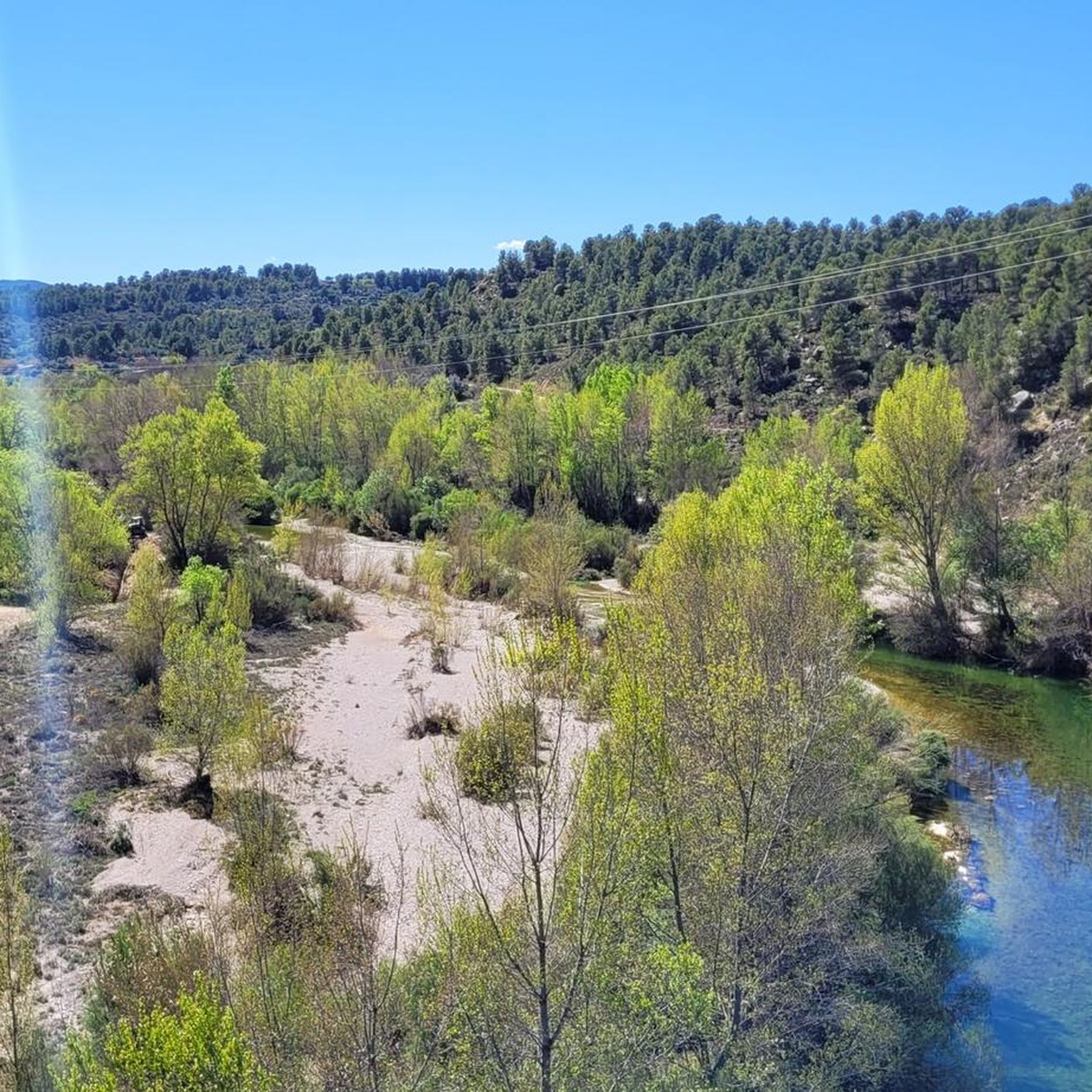
Stage 4. Horta de Sant Joan/Valdealgorfa 40.2 kilometers. 320 positive meters. The end of the bikepacking trip has a magnificent closure. The route leaves the Horta de Sant Joan station, passes through one of the last tunnels on the way and the Algars River Viaduct appears, impressive, 170 meters long and four large arches 20 meters high. At the bridge you cross the Matarraña-Algars Natural Trail. The path advances through a landscape of crops, vines and scrubland until the Cretas station. The town leaves the mountains on the right and the route runs along the highest section of the old railway route, at the old Valderrobres station. The descent through the Canaleta valley is fantastic, the bikes launch at full speed towards the plain of the Matarraña river. On some hills to the left, the silhouette of the Torre del Compte houses appears attached to the crest of a lookout hill, like most of the towns in the region. The path passes through the old station, converted into a rural hotel, and crosses the Matarraña viaduct, 275 meters long, one of the great works of the railway. The meadow is a beautiful agricultural area of impeccable crops, adapted to the soil and relief of the valley. The Matarraña River marks the end of the mountain landscapes. The road passes through a new curved tunnel and immediately the Valdeltorno station appears, where the detour to the Matarraña Natural Path that we used three days before in the first stage towards Fayón departs. Now the route continues straight on through familiar terrain, it crosses the straight that goes up to the attractive Valjunquera station and shortly after the decisive moment of the stage arrives. On the first day of the trip we leave the Equinox Tunnel for the return and it is time to face the experience. The milestones of the Natural Trail indicate the route outside the tunnel for safety, since it is not conditioned or maintained, landslides and waterlogged sections may appear, the ground is stony and it is easy to suffer incidents, it is a 2.4 kilometer journey of darkness and It is the responsibility of each person to make the decision to travel through the old railway tunnel. In our case we asked in the town and at that time it was in acceptable condition. And we chose the direction from east to west so that it was downhill because there is a 60 meter difference in altitude. The surface has sections with quite a few stones and you have to hone in on the gravel to avoid skidding, it is a matter of patience, good light and skill. The exit hole grows little by little and finally the fence installed at the mouth of the tunnel appears to control the passage and a few meters later the Valdealgorfa station, the end of a new and intense bikepacking adventure.
0
0

It is mandatory to use lights inside the tunnel. Not only to see the way, but also to be seen. It's exciting to think that these structures were built for train use only.
0
0
Beautiful typical Spanish town with that striking tower. Note that this town is also on a top, so climb up quite a bit before you get there and once you're there you'll quickly be on the via Verde. Various MTB routes are well signposted around the town. The routes can be quite long.
3
0

Torre del Compte is a town in the province of Teruel located in the Matarraña region with exceptional views of the nearby Matarraña river. The name of this town refers to Alfons el Casto, Count of Barcelona who gave this rock to the Cathedral of Salvador in Zaragoza.
2
0
At this point in the town of Valderrobres we find this beautiful medieval bridge. It is not allowed to cross it by bicycle, so we will have to push it a few meters but we can take the opportunity to take a picture.
1
0

It is essential to bring light, it is totally dark. It has some doors, it may be closed at some point.
1
1
Frequently Asked Questions
What historical sites can I explore in Valdeltormo?
Valdeltormo is rich in history. You can visit the New Town Hall, housed in the Renaissance-style 'La casa del Negre or del Queretà', which also contains a museum. Other notable sites include the 18th-century San Roque, the ancient El Pozo (The Well) of Arab origin, and the 17th-century Baroque Parish Church. Don't miss Calle Mayor – La Lonja, one of the oldest streets with its covered passage 'el Cobertet'.
Are there any ancient Iberian settlements to visit near Valdeltormo?
Yes, the area is home to significant Iberian sites. You can explore the Torre del Compte Bell Tower, which is near the Matarraña river and part of the Iberian Route in Bajo Aragón. Additionally, the Torre Cremada Iberian Site and the Tossal Montañés Iberian Site offer insights into Ibero-Roman settlements and fortified house-towers.
What natural attractions are there in and around Valdeltormo?
Valdeltormo is surrounded by natural beauty. The town gets its name from the gigantic Roca del Tormo, located at the confluence of the Vall del Riu and the Matarraña River. You can also explore the scenic Matarraña River itself, and discover numerous natural springs like Font del Molí and Font Nova. The Tossal de Santa Bàrbara also features a prehistoric settlement amidst nature.
Can I find family-friendly activities in Valdeltormo?
Absolutely. The Valderrobres Stone Bridge is a beautiful medieval structure that families can enjoy exploring, offering views of the castle. The Val de Zafán Greenway is also an excellent option for families, providing a safe and scenic route for walking and cycling through nature. Many of the historical sites are also suitable for family visits.
What kind of outdoor activities, like cycling or hiking, are available?
The Valdeltormo area is perfect for outdoor enthusiasts. The Val de Zafán Greenway, an old railway line, is popular for both walking and cycling. For more specific routes, you can find numerous MTB Trails, Road Cycling Routes, and Touring Cycling routes that explore the natural environment, including riverine forests and Iberian towers.
Is the Val de Zafán Greenway suitable for cycling?
Yes, the Val de Zafán Greenway is a highly recommended route for cycling. It's an old railway line transformed into a popular path. Be aware that some sections, like the Railway Tunnel, are 2 kilometers long and require lights. While generally safe and accessible, some visitors have noted occasional rocks on the path, so it's good to be prepared.
Where can I learn about the local history and culture?
You can delve into the local history and culture at the Museum of Iberian Culture, located in the basement of the New Town Hall. Additionally, the Visitor Center on Iberian Aristocracy and Architecture, also beneath the Town Hall, provides detailed explanations of the relationship between singular buildings and Iberian aristocratic elites in Bajo Aragón, including a life-size recreation of a house-tower.
Are there any easy walking routes or trails around Valdeltormo?
Yes, the Val de Zafán Greenway offers an accessible and relatively easy option for walking, following the old railway line through scenic landscapes. The municipal area also features numerous other routes for hiking that allow visitors to explore the natural environment and historical sites at varying difficulty levels.
What is the best time of year to visit Valdeltormo for outdoor activities?
While specific weather data isn't provided, generally, spring and autumn offer the most pleasant temperatures for outdoor activities like hiking and cycling in the Matarraña region, avoiding the intense heat of summer and potential chill of winter. The area's natural beauty is vibrant during these seasons.
What do visitors particularly enjoy about the attractions near Valdeltormo?
Visitors frequently praise the historical charm and scenic beauty. The Valderrobres Stone Bridge is loved for its medieval beauty and views. The Torre del Compte Bell Tower is noted for its striking presence and exceptional views of the Matarraña river. The unique experience of traversing the long Railway Tunnel on the Val de Zafán Greenway is also a memorable highlight for many.
Can I explore any traditional architecture in Valdeltormo?
Certainly. Valdeltormo showcases traditional architecture, particularly along Calle Mayor – La Lonja, one of the town's oldest streets. Here you'll find traditional three-story houses and a distinctive covered passage known as 'el Cobertet'. The New Town Hall itself is a fine example of Renaissance style, and the 17th-century Baroque Parish Church also features a simple yet elegant facade.
Are there any specific natural features that give Valdeltormo its name?
Yes, the town of Valdeltormo derives its name from the impressive natural feature known as Roca del Tormo. This gigantic rock is prominently situated at the confluence of the Vall del Riu and the Matarraña River, making it a defining landmark for the area.
What are some of the historical religious structures in Valdeltormo?
Valdeltormo features several historical religious structures. The Parish Church, a Baroque construction from the 17th century, is a central religious landmark. Additionally, you can find the Capilla de Santa Bárbara, built in 2007, and the ancient stone pillar of La Piedad, dated 1690, which features an image of the Pietà. The site of La Creveta, meaning 'small cross', also holds historical religious significance.
Most popular routes around Valdeltormo

Get inspired with the komoot mobile app


Explore more
Still not found the Highlight you’re looking for? See guides of the top attractions in other regions:
