Attractions and Places To See around Santa María De Los Caballeros - Top 15
Best attractions and places to see around Santa María De Los Caballeros include historical sites, natural features, and traditional architecture. This municipality in Ávila, Spain, is situated in the valley of the Caballeruelos stream, a tributary of the Tormes River, nestled between the Sierra de Piedrahíta and river valleys. The area features holm oak and oak forests, streams, and gorges, alongside traditional structures built with local dark stone.
Best attractions and places to see around Santa María De Los Caballeros
…Last updated: May 17, 2026
Valdecorneja Castle
Highlight • Castle
Translated by Google •
Tip by

El Barco de Ávila
Highlight • Settlement
Translated by Google •
Tip by
Sign up now to discover places like this
Get recommendations on the best single tracks, peaks, & plenty of other exciting outdoor places.
Sign up for free
Castle of El Barco de Ávila
Highlight • Castle
Translated by Google •
Tip by
Ponseca Bridge
Highlight • Bridge
Translated by Google •
Tip by

Tormes Bridge
Highlight • Bridge
Translated by Google •
Tip by

Sign up for free to discover even more attractions around Santa María De Los Caballeros.
Sign up for free
Already have an account?
Start today with a free account
Your next adventure awaits.
Login or Signup


Tips from the Community

The Old Bridge of El Barco de Ávila, also known as the Medieval Bridge, is one of the most representative symbols of this town in Ávila. It crosses the Tormes River and connects the historic center with the old communication route to Castile and León. Although its current structure is medieval (12th–13th centuries), it is believed to have been built on Roman foundations.
1
0
Valdecorneja Castle, located in El Barco de Ávila, is a medieval gem that dominates the Tormes River valley from a strategic, elevated position. It is one of the most emblematic monuments in the province of Ávila and a must-see for history and architecture lovers.
2
0
Visiting El Barco de Ávila is an excellent option for a cultural and natural getaway at any time of year. This medieval town, located in the Alto Tormes region and at the gateway to the Sierra de Gredos, combines history, architecture, landscapes, and gastronomy in a charming way.
2
0

Built on a Vettonian fort that was destroyed by the Romans, it was built in the 12th century and rebuilt in the 14th century. After being conquered from the Arabs, King Alfonso VI donated the Lordship of Valdecorneja to his daughter and son-in-law, Ramon de Borgoña, for repopulation. At the beginning of the 14th century, Henry II of Trastamara donated these lands to the House of Alba in the person of Don García Álvarez de Toledo. The House of Alba was responsible for building the castle. Grand Duke Don Fernando Álvarez de Toledo had his second residence here. During the Peninsular War, it suffered significant deterioration, not only due to the war itself but also because its stones were used to build private homes. The old interior arcade (which apparently formed a double gallery on the inside of the tower) was dismantled and rebuilt to provide arcades for the town hall building, located in the Plaza Mayor. Between 1851 and 1904, the interior of the castle grounds was used as a municipal cemetery, which further deteriorated its condition. Today, the exterior is in perfect condition after restorations carried out in 1985 and 2004, preserving its original perimeter. The pavement and part of the keep were repaired. Access to the monument is free, and visitors can see the well located in the center of the courtyard, a vaulted cistern excavated in the subsoil rock, and the ancient windows and oriel windows with double pointed arches. The courtyard is used for certain cultural events held in this town.
1
0
Old bridge, currently misnamed La Fonseca, its real historical name is La Ponseca. It belongs to the municipality of La Horcajada, which has also recently been rehabilitated because its rock was detaching and its stability was beginning to be endangered. It crosses the river Corneja and as a curiosity, Emperor Carlos V passed over this bridge on his retirement journey to the Yuste monastery.
2
0

Beautiful castle that is located at the top of the town of El Barco de Ávila and that shows us the history that the town had in ancient times. Even running its walls are beautiful!
0
1
Bridge that crosses the Río Tormes and which is a famous bridge in the town together with the Castillo de Tormes. Bridge made of stones, of Romanesque origin.
0
1

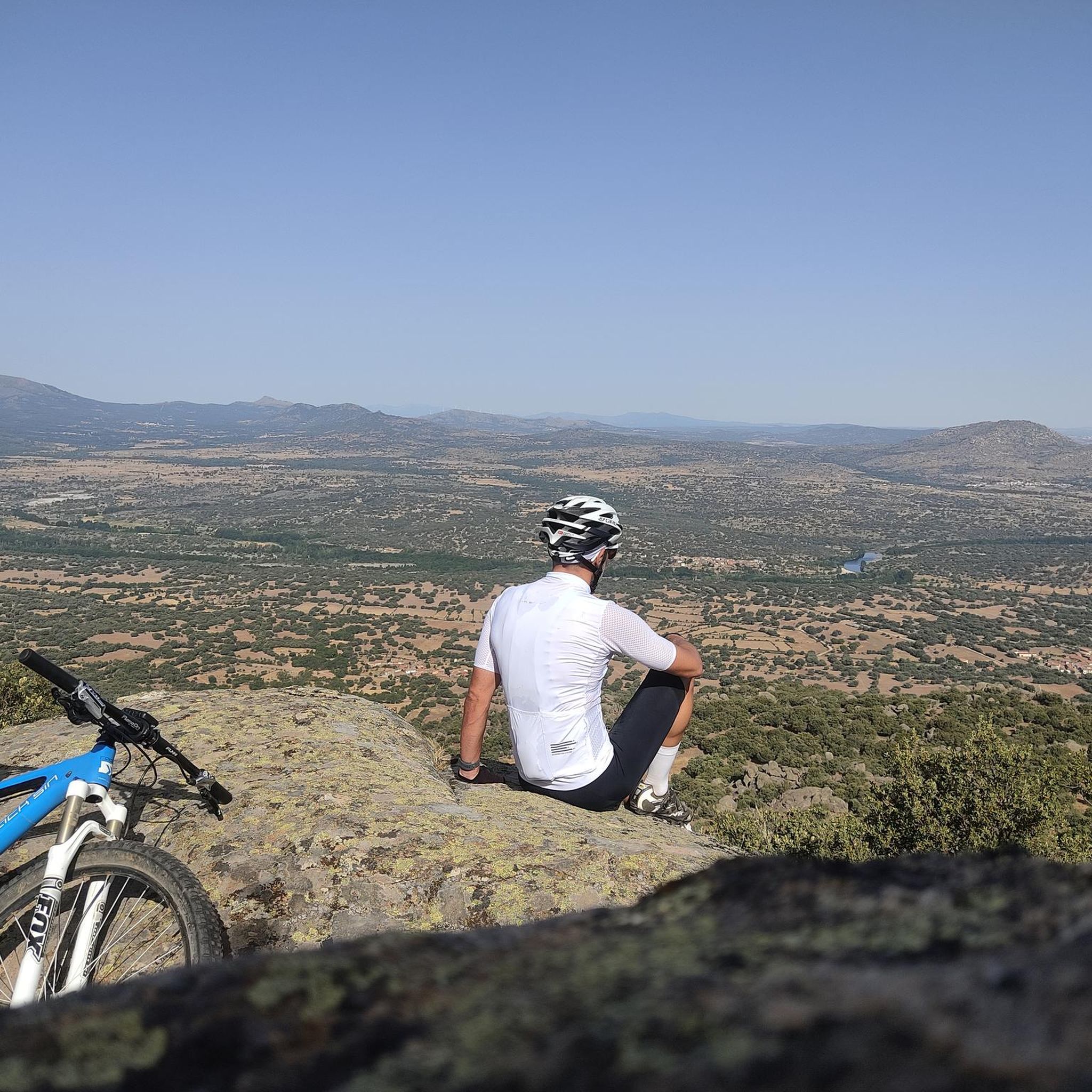
While riding my bike near Villar de Corneja, I come across this beautiful medieval bridge that allows us to cross the Corneja river. This river was really useful for irrigating the orchards and using the mills.
1
0
Frequently Asked Questions
What historical sites can I visit in and around Santa María De Los Caballeros?
The region offers a rich history. Within Santa María De Los Caballeros, you can explore the 16th-century Iglesia de Nuestra Señora de la Concepción, known for its Mudejar coffered ceilings and distinctive bell tower. Nearby, in El Barco de Ávila, you'll find the medieval town itself, a Historic-Artistic Site, featuring the 12th-century Valdecorneja Castle and a Romanesque-style bridge over the Tormes River. Another historical point of interest is Ponseca Bridge, an old bridge over the Corneja river, famously crossed by Emperor Carlos V.
Where can I find natural swimming spots near Santa María De Los Caballeros?
The Garganta de Santa María, which runs through the urban area, features several natural pools perfect for swimming, such as Charco El Carreras, Charco El Palomas, and El Redondo. Additionally, the Piscina Natural Río Tormes Puente del Congosto offers another natural swimming area on the Tormes River, approximately 12.1 km away.
What natural landscapes and features are characteristic of the area around Santa María De Los Caballeros?
Santa María De Los Caballeros is nestled in the valley of the Caballeruelos stream, between the Sierra de Piedrahíta and river valleys. The landscape is characterized by holm oak and oak forests, various streams, and gorges like Avellaneda. You'll also find pine forests and meadows, showcasing a diverse natural environment.
Are there opportunities for hiking near Santa María De Los Caballeros?
Yes, the area is excellent for hiking. You can explore routes like the challenging Garganta de Bohoyo Trail or the Navamediana Gorge Trail. For an easier option, consider the Ruta de la Ribera del Tormes. Many trails offer stunning views of the Sierra de Gredos. You can find more details and routes on the Hiking around Santa María De Los Caballeros guide page.
What kind of cycling routes are available around Santa María De Los Caballeros?
The region provides various cycling opportunities, including road cycling. Routes like the 'Valle Río Tormes por la Sierra de Castillejos' or the 'Charles V Route - Puente del Congosto Loop' offer scenic rides. You can find more information and specific routes on the Road Cycling Routes around Santa María De Los Caballeros guide page.
Can I go running near Santa María De Los Caballeros?
Absolutely! There are several running routes available, ranging from easy to difficult. Options include a circular route around the Valdecorneja Castle in El Barco de Ávila or loops starting from Bohoyo and San Lorenzo de Tormes. Discover more routes on the Running Trails around Santa María De Los Caballeros guide page.
What is the Sierra de Gredos and how can I access it from Santa María De Los Caballeros?
The Sierra de Gredos is an immense natural park offering diverse scenery and outdoor activities, located approximately 23.7 km from Santa María De Los Caballeros. It's an excellent destination for hiking and exploring. While there's no direct public transport from Santa María De Los Caballeros to specific trailheads, you can drive to various access points, such as those near Bohoyo, which is mentioned in some nearby routes.
Are there family-friendly attractions or activities in Santa María De Los Caballeros?
Yes, the area caters to families. The Paseo de la Garganta de Santa María, running parallel to the natural gorge, includes recreational areas and playgrounds. Many historical sites like Valdecorneja Castle and Tormes Bridge are also considered family-friendly, offering engaging historical exploration.
What is the best time to visit Santa María De Los Caballeros for outdoor activities?
The region is generally pleasant for outdoor activities during spring and autumn when temperatures are milder. Summer can be warm, ideal for enjoying the natural swimming pools. Winter offers opportunities for snow sports in nearby areas like Ski Sierra Bejar Covatilla, approximately 21.1 km away.
Are there any unique cultural events or festivities in Santa María De Los Caballeros?
Santa María De Los Caballeros is known for its cultural events and traditional festivities throughout the year. These events offer visitors a chance to experience the lively local atmosphere and immerse themselves in the region's traditions.
Where can I find accommodation in or near Santa María De Los Caballeros?
While specific accommodation options are not detailed in the guide, Santa María De Los Caballeros and nearby towns like El Barco de Ávila offer various rural houses, guesthouses, and small hotels. It's advisable to check local listings for availability.
What traditional architecture can I expect to see in the region?
The region showcases traditional architecture linked to livestock farming, featuring structures built with local dark stone. This style is evident in many rural buildings and contributes to the area's authentic charm.
Are there any mountain shelters available for hikers in the area?
Yes, for those venturing into the Sierra de Gredos, there are shelters available. For example, La Redonda Shelter is a free, small stone shelter located in the Bohoyo Gorge, offering basic amenities like a fireplace and sleeping platforms. It's advisable to check its capacity and condition if planning an overnight stay.
Most popular routes around Santa María De Los Caballeros

Get inspired with the komoot mobile app


Explore more
Still not found the Highlight you’re looking for? See guides of the top attractions in other regions:
