Attractions and Places To See around Valle De Santibáñez - Top 20
Best attractions and places to see around Valle De Santibáñez are found in this municipality located in the province of Burgos, Spain. The region is characterized by the fertile Úrbel river valley, offering a blend of historical landmarks and natural beauty. Visitors can explore cultural sites, traditional rural heritage, and landscapes shaped by the river and surrounding fields. The area serves as a historical route within the Alfoz de Burgos, showcasing Castilian heritage.
Best attractions and places to see around…
Last updated: May 20, 2026
Monument to El Cid
Highlight • Monument
Translated by Google •
Tip by

Camino de Santiago Monument in Tardajos
Highlight • Monument
Translated by Google •
Tip by

Sign up now to discover places like this
Get recommendations on the best single tracks, peaks, & plenty of other exciting outdoor places.
Sign up for free
Mile 0 of the Camino del Cid
Highlight • Monument
Translated by Google •
Tip by
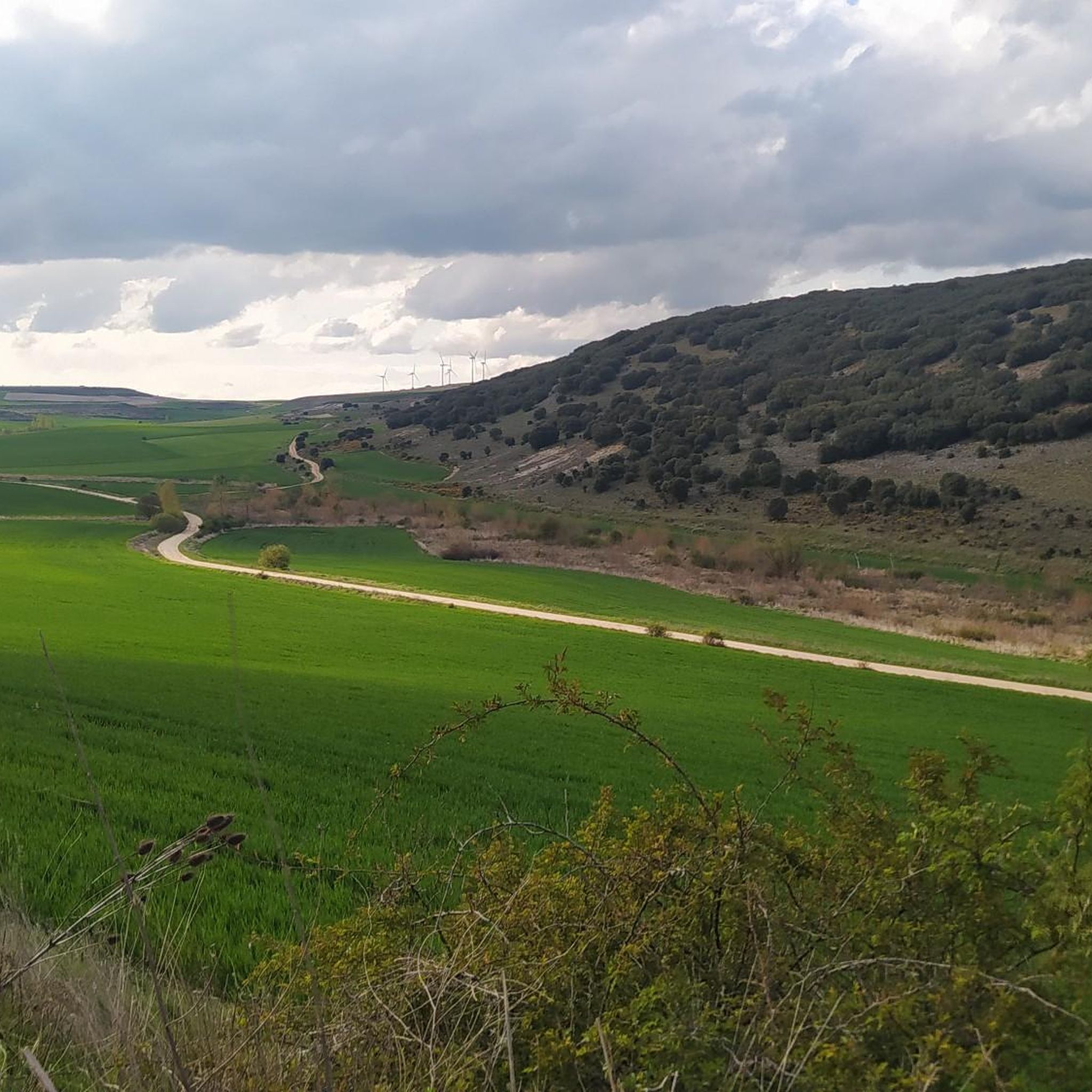
Long Gravel Descent on the Camino de Santiago
Highlight • Trail
Translated by Google •
Tip by

Hermitage of San Juan de Ortega in Villalbilla de Burgos
Highlight • Religious Site
Translated by Google •
Tip by

Sign up for free to discover even more attractions around Valle De Santibáñez.
Sign up for free
Already have an account?
Start today with a free account
Your next adventure awaits.
Login or Signup
Tips from the Community

It is a tall stone cross, recently restored, that represents the area's Jacobean tradition. It is located in a small garden square, visible from the French Way, and serves as a visual reference for pilgrims arriving from Burgos. Although it is not a monolith in the strictest sense (like the granite cairns with the shell), it serves a similar function: marking the passage of the Way and welcoming walkers.
1
0
The Camino de Santiago monolith in Tardajos is actually a stone cross that stands as a symbolic landmark at the entrance to the town, just to the left of the road that connects to Burgos.
1
0

Molino del Cid, league 0, beginning of the Camino del Cid.
0
0

Ideal places for mountain biking and hiking routes
0
0
starting point of the Camino del Cid
1
0

Despite the gravel, it's a good route to ride.
2
0

A durable clear card
3
0

A monument to the infamous El Cid who influenced much of the area's history, architecture and culture. Great place to rest in the shade of the trees.
1
1
Frequently Asked Questions
What historical landmarks can I explore in Valle de Santibáñez?
The region is rich in history. You can visit the impressive Iglesia de San Nicolás de Bari in Santibáñez-Zarzaguda, known for its Gothic chancel and Herrerian-style tower. Other notable historical sites include the 15th-century Castillo de Zumel and the primitive Romanesque Iglesia de San Martín in Mansilla de Burgos. Don't miss the Monument to El Cid and the Mile 0 of the Camino del Cid, both significant to the legendary knight.
Are there any significant religious sites or hermitages in the area?
Yes, Valle de Santibáñez features several religious sites. Besides the churches, you can find the urban Ermita de la Virgen de las Eras and the Ermita del Humilladero, both in Santibáñez-Zarzaguda. The Romanesque Ermita de la Virgen de Cuadra is also a significant site, located near Mansilla, Zumel, and La Nuez de Abajo. The Hermitage of San Juan de Ortega in Villalbilla de Burgos is another historical religious building nearby.
What natural features define the landscape of Valle de Santibáñez?
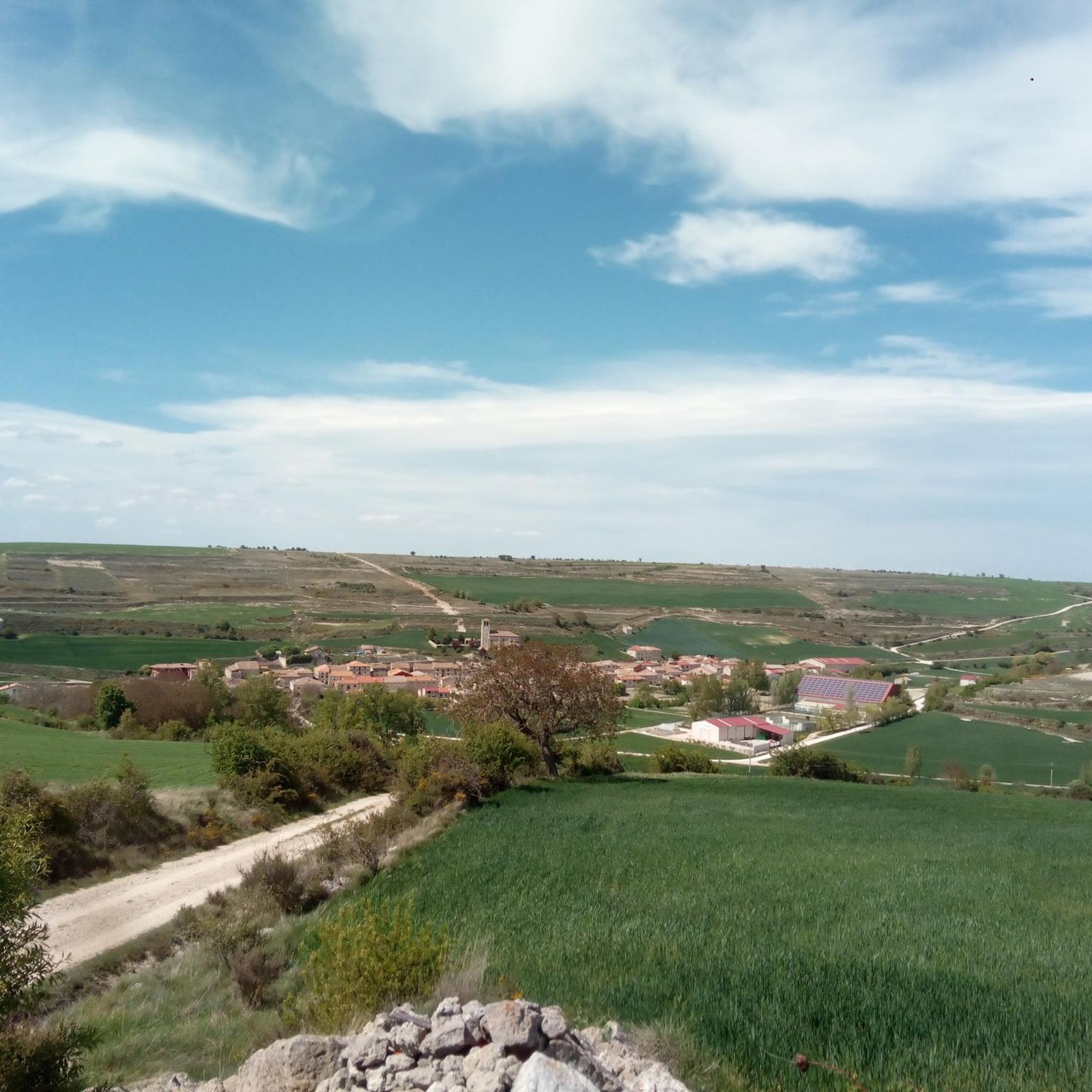
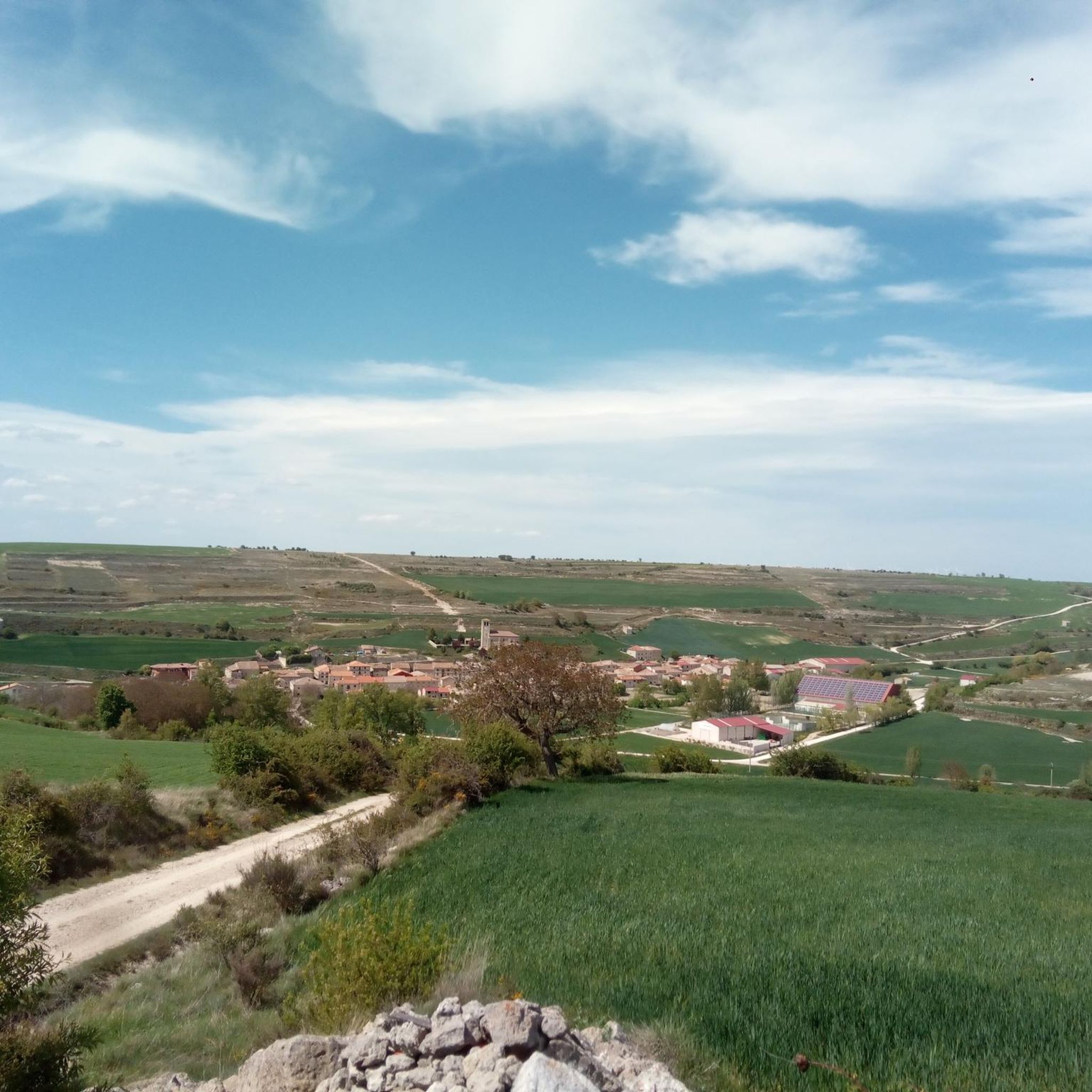
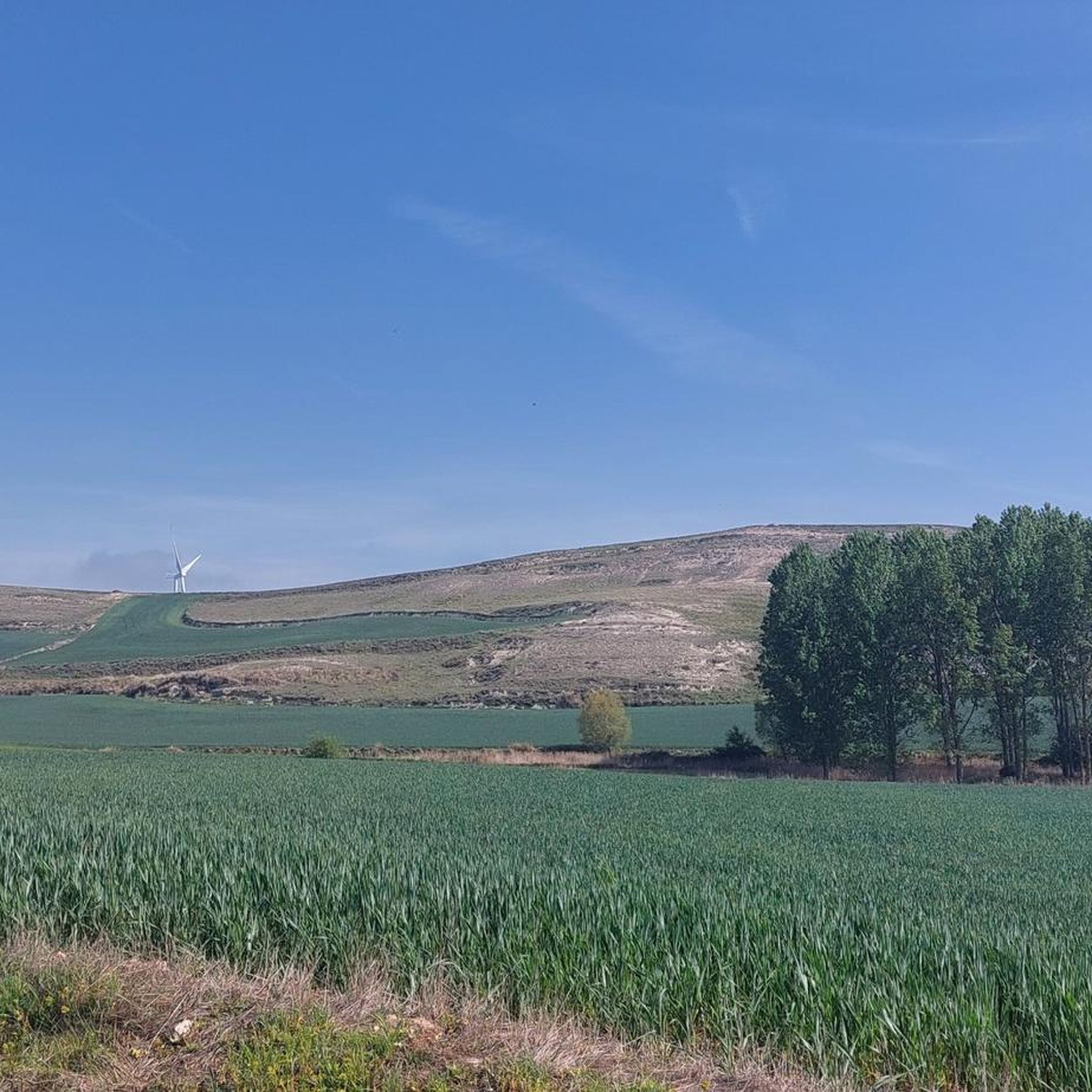
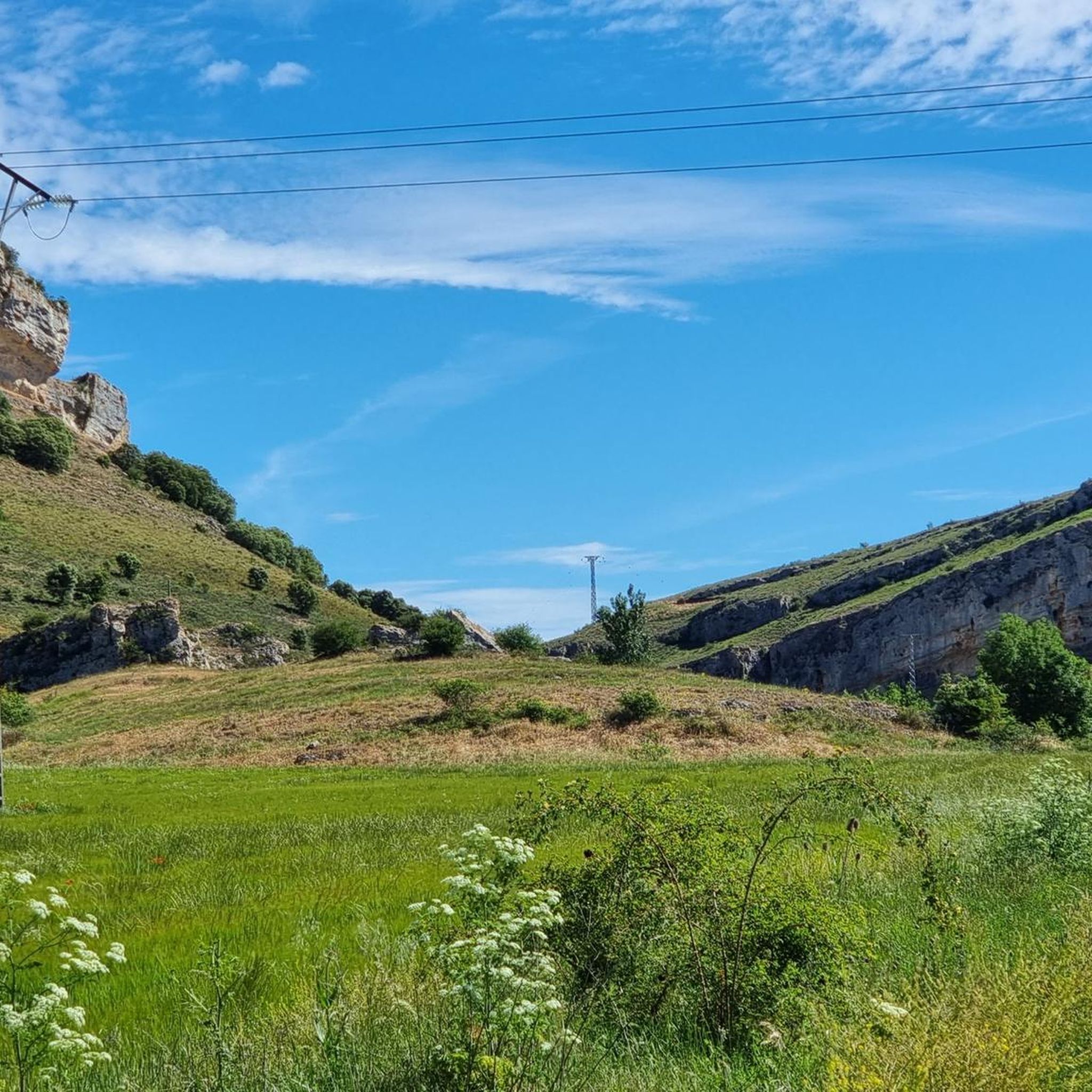
The landscape is primarily shaped by the fertile Valle del Río Úrbel, with the river and its tributaries like the Antearroyo and Rebolledas streams traversing the municipality. You'll encounter varied scenery, from vast cereal fields to the high 'páramos' of Las Loras, offering a pleasant contrast to the river valleys.
What outdoor activities, like hiking, can I do near these attractions?
The area offers various outdoor activities. For hiking, you can explore routes like 'From Rabé de la Calzada along the Camino de Santiago' or 'The sun always at your back loop from Villalbilla de Burgos'. You can find more details and routes in the Hiking around Valle De Santibáñez guide.
Are there cycling routes available around Valle de Santibáñez?
Absolutely! Road cycling enthusiasts can enjoy routes such as the 'Sotopalacios Loop: Muro de Marmellar' or 'Pedrosa de río Urbel from Santibáñez-Zarzaguda'. For more options, check out the Road Cycling Routes around Valle De Santibáñez guide.
Are there any trails suitable for running in the area?
Yes, there are several running trails. Popular options include the 'Camino de Santiago — circular by Rabé de la Calzada' and the 'Río Arlanzón loop from Villalbilla de Burgos'. Discover more routes in the Running Trails around Valle De Santibáñez guide.
Are there family-friendly activities or attractions in Valle de Santibáñez?
Many of the historical monuments and natural areas are suitable for families. Exploring the Monument to El Cid or the Mile 0 of the Camino del Cid can be an engaging way to introduce children to local history. Gentle walks along the Úrbel river valley also offer pleasant family outings.
When is the best time to visit Valle de Santibáñez for outdoor activities?
The best time for outdoor activities in Valle de Santibáñez is generally during spring (April to June) and autumn (September to October). During these seasons, the weather is typically mild and pleasant, ideal for hiking, cycling, and exploring the historical sites without the intense heat of summer or the colder temperatures of winter.
Are there dog-friendly trails in Valle de Santibáñez?
While specific dog-friendly designations aren't always marked, many of the natural trails and rural paths throughout the Úrbel river valley are suitable for walking with dogs. Always ensure your dog is on a leash and respect local regulations, especially near agricultural areas or livestock.
Can I see examples of traditional rural life or heritage in Valle de Santibáñez?
Yes, the municipality preserves elements of its rural heritage. You can visit the Potro de Herrar de Santibáñez-Zarzaguda, an old horseshoeing stock, and the historic Molino de Villaniego, a flour mill, both offering glimpses into traditional rural life and practices.
What is the significance of the Camino de Santiago in this region?
Valle de Santibáñez is part of the broader region influenced by the Camino de Santiago. The Camino de Santiago Monument in Tardajos, a stone cross, serves as a symbolic landmark representing the area's Jacobean tradition for pilgrims. The Camino del Cid also begins nearby, further highlighting the region's historical routes.
What kind of unique historical structures, beyond churches, can I find?
Beyond the churches and hermitages, the region features several unique historical structures. The 15th-century Castillo de Zumel, a stately tower on the banks of the Úrbel river, is a declared Monument. Another privately owned Torreón Señorial del siglo XV also stands as a testament to the area's medieval past.
Most popular routes around Valle De Santibáñez

Get inspired with the komoot mobile app


Explore more
Still not found the Highlight you’re looking for? See guides of the top attractions in other regions:
