Attractions and Places To See around Cabezón De Liébana - Top 20
Best attractions and places to see around Cabezón De Liébana offers a captivating blend of natural beauty, historical sites, and cultural heritage within Cantabria's Liébana region. This area is characterized by lush forests, mountain landscapes, and traditional villages. Visitors can explore ancient churches, significant pilgrimage sites, and numerous viewpoints offering panoramic vistas of the Picos de Europa and surrounding valleys. The region provides a setting for those seeking tranquility and a connection with rural history and nature.
Best attractions and…
Last updated: September 26, 2026
Historic center of Potes
Highlight • Settlement
Translated by Google •
Tip by

Mogrovejo Village
Highlight • Settlement
It …
Translated by Google •
Tip by

Sign up now to discover places like this
Get recommendations on the best single tracks, peaks, & plenty of other exciting outdoor places.
La Viorna Cross
Highlight • Summit
Translated by Google •
Tip by

Jano Peak
Highlight • Summit
Translated by Google •
Tip by

Monastery of Saint Toribio of Liébana
Highlight • Religious Site
Translated by Google •
Tip by

Sign up for free to discover even more attractions around Cabezón De Liébana.
Already have an account?
Start today with a free account
Your next adventure awaits.
Other adventures around Cabezón De Liébana

Tips from the Community

Beautiful village between mountains
0
0

A town with a lively and very pleasant atmosphere, where you can feel both peace and adventure.
0
0

In front of this summit cross crowning the heights of La Viorna, the following thoughts from Pope Francis – who died on Easter Monday this year – may be helpful to those who linger on the summit after the climb: "In the Resurrection of Christ, each of our destinies finds its place in the infinite horizon of eternity. Only from his death and resurrection does the certainty arise that nothing will be able to separate us from the love of God [as the Apostle Paul writes in his Letter to the Romans, chapter 8]. From this great hope comes every other glimmer of light with which we can overcome life's trials and obstacles. And not only that: the Risen One also walks with us and becomes our companion, as with the disciples on the road to Emmaus."
0
0

Fantastic place and a must-see.
0
0

Cross of Viorna. From the summit, situated at an altitude of 1,151 metres, you can see the eastern massif of the Picos de Europa, the villages of Mieses, Argüébanes, San Pelayo, Brez; some houses in Tanarrio, Mogrovejo and, travelling along the summit, you can also see the monastery of Santo Toribio de Liébana, the roofs of Congarna, Beares, Redo and Bodia, in the municipality of Camaleño.
1
0

A varied tour with a box seat view of the southern Picos in Spain: This circular hike does not run through the Picos de Europa itself, but it has everything that makes a hiker's heart beat faster in Cantabria: Comfortable, wide paths alternate with short, steep climbs on narrow paths, sometimes it goes through sparse forests, sometimes the eye can hardly get enough of the views. The whole thing is spiced up with two small ponds that invite you to have a picnic along the way, a small, Stone Age megalithic tomb and the (albeit barely visible) remains of an Iron Age settlement. The brilliant highlight of the tour is the Pico Jano. From the almost 1,500 m high summit and the subsequent short ridge hike, you can look out over the entire south side of the Picos de Europa, the Liébana valley and to the south over the Cantabrian divide as if from a box seat.
2
0
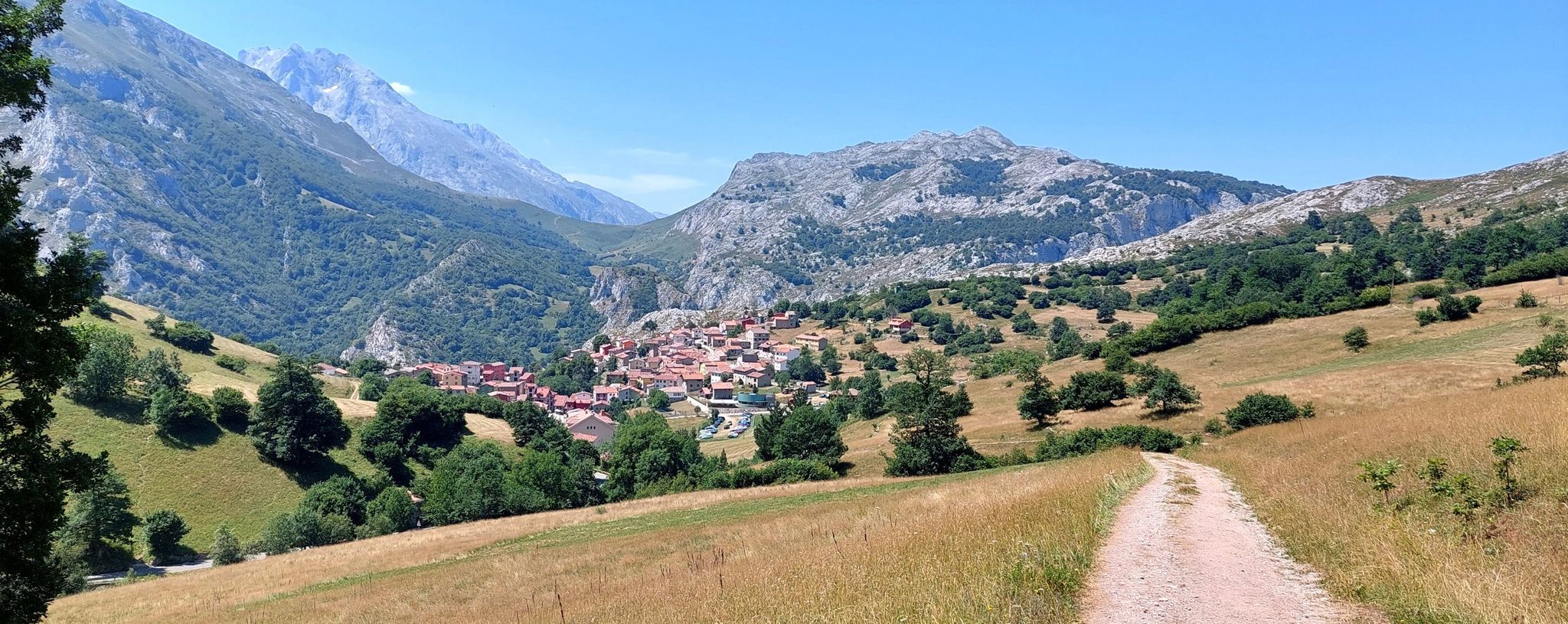
Mogrovejo is a small village located in the municipality of Camaleño, on a very dominant hill. It preserves an important group of popular houses from Liébana and some unique buildings, among which the medieval tower stands out. The medieval tower is from the end of the 13th century, has a square plan, and is topped by square battlements.
0
0

Beautiful little town. Try Restaurante La Barrica, unbelievable food.
0
1
Frequently Asked Questions
What natural attractions and viewpoints can I explore around Cabezón de Liébana?
The region offers stunning natural beauty and numerous viewpoints. You can visit Piedrasluengas Viewpoint, situated over 1,300 meters above sea level, offering panoramic views of the Picos de Europa and the Liébana Valley. Another excellent spot is Jano Peak, the highest peak of the Sierra de Collaín, providing a 360-degree panorama of the entire Liébana region. Don't miss the Mirador de Cahecho, known as the 'balcony of Liébana', for clear views of the Picos de Europa, or the dramatic Desfiladero de La Hermida (La Hermida Gorge).
Are there good hiking opportunities near Cabezón de Liébana?
Yes, the area is ideal for hiking. You can find various trails, from moderate to difficult. For example, the Alcornocal de Tolibes Trail is a moderate option. The region's proximity to the Picos de Europa National Park makes it a great starting point for excursions. You can find more hiking routes in the area by visiting the Hiking around Cabezón De Liébana guide.
What historical and cultural sites are there to visit in the region?
The Liébana region is rich in history and culture. A significant site is the Monastery of Saint Toribio of Liébana, one of the oldest monasteries in Spain and a major pilgrimage destination housing a piece of the True Cross. Other notable religious buildings include the 12th-century Romanesque Church of Santa María de Piasca and Iglesia de Luriezo, which preserves a large Cantabrian-Roman stele.
Where can I learn about the local traditions and heritage?
To delve into local heritage, visit the Museo de los Telares (Textile Museum) located in the Cabezón de Liébana Town Hall, which showcases traditional looms. You can also see La Fragua de Cabezón de Liébana, a restored forge offering a glimpse into ancient blacksmithing. The 'Pisa de Madera' of Aniezo, a wooden fulling mill, provides insight into rural Cantabrian customs.
Is there a significant pilgrimage site nearby?
Absolutely. The Monastery of Saint Toribio of Liébana is a highly significant pilgrimage site, being one of only a few places in the world that can grant perpetual jubilee. It is believed to house the largest preserved piece of the True Cross, known as the *Lignum Crucis*.
Are there family-friendly attractions or activities around Cabezón de Liébana?
Many attractions in the area are suitable for families. The Historic center of Potes is a charming town to explore with its medieval streets and bridges. Viewpoints like Piedrasluengas Viewpoint and La Viorna Cross offer accessible scenic spots. Gentle walks and exploring traditional villages can also be enjoyable for families.
When is the best time to visit Cabezón de Liébana?
The Liébana region is beautiful year-round, but for outdoor activities like hiking and cycling, spring (April-June) and autumn (September-October) offer pleasant temperatures and vibrant landscapes. Summer (July-August) is also popular, though it can be warmer and more crowded. Winter brings snow to the higher peaks, offering a different kind of beauty.
What charming villages can I visit in the Liébana Valley?
The Liébana Valley is dotted with picturesque villages. The Historic center of Potes is a must-see, known for its medieval old town and lively atmosphere. Other charming villages include Luriezo, Aniezo, and Combarco, all featuring well-preserved rural architecture and traditional character.
Besides hiking, what other outdoor activities are available?
The diverse terrain around Cabezón de Liébana supports various outdoor activities. You can find excellent routes for cycling, including challenging road cycling tours like the Piedrasluengas from Potes Loop. Mountain biking is also popular, with trails such as the Ándara Massif Loop. Explore more options in the Cycling around Cabezón De Liébana and MTB Trails around Cabezón De Liébana guides.
What do visitors enjoy most about the attractions around Cabezón de Liébana?
Visitors frequently praise the breathtaking panoramic views from summits like Jano Peak and La Viorna Cross. The charm of the Historic center of Potes, with its medieval ambiance and gastronomy, is also a highlight. The spiritual significance of the Monastery of Saint Toribio of Liébana is deeply appreciated by many.
Are there any local culinary experiences to try?
Yes, the Liébana Valley is known for its gastronomy. While in the region, you should try the 'cocido lebaniego', a traditional stew. For those interested in local beverages, a visit to Bodega Picos de Cabariezo is recommended to sample local wines. The lively atmosphere and restaurants in the Historic center of Potes are perfect for experiencing local flavors.
Most popular attractions around Cabezón De Liébana

Get inspired with the komoot mobile app


Explore more
Still not found the Highlight you’re looking for? See guides of the top attractions in other regions:
