The best road cycling routes around Rubiá
4.7
(7)
719
riders
49
rides
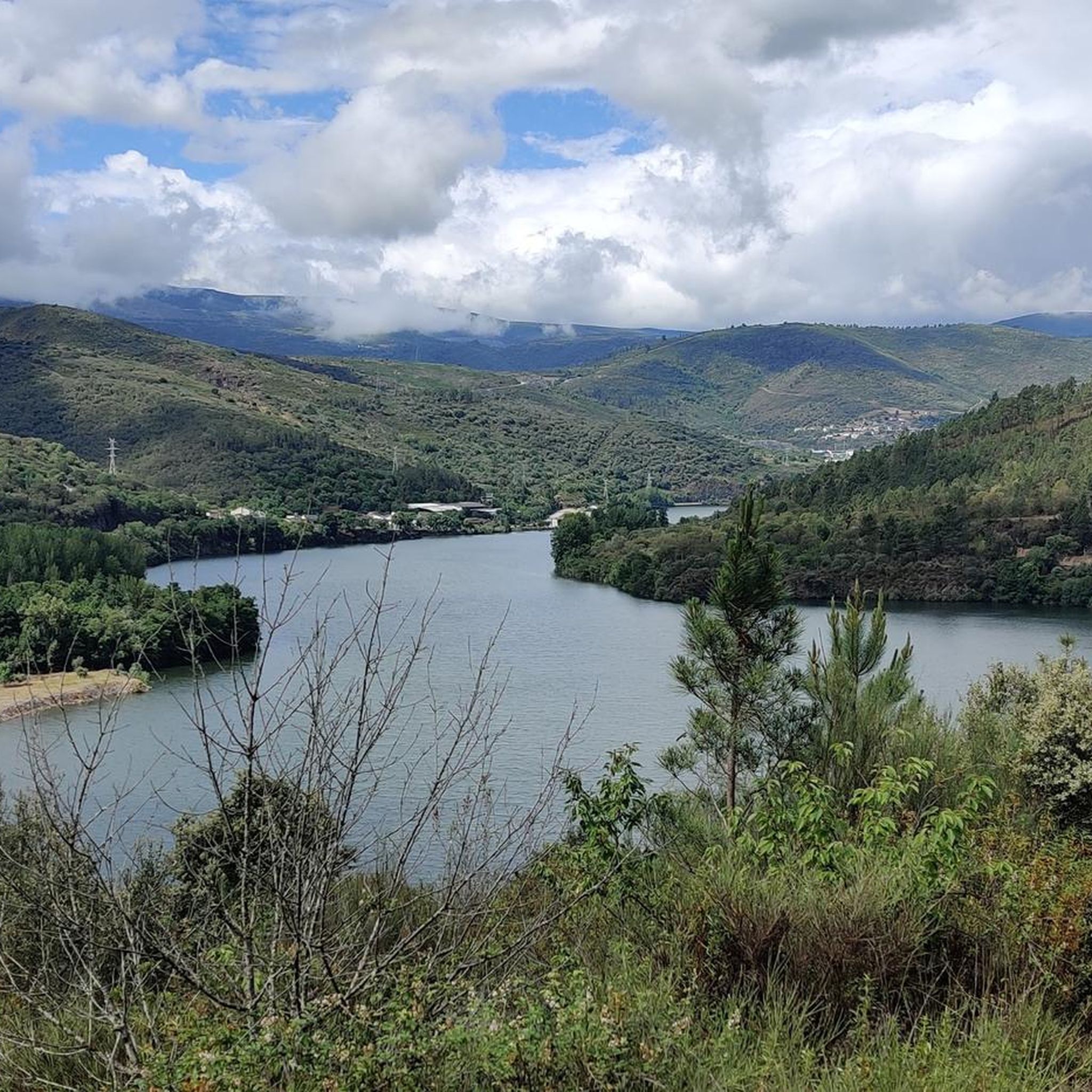
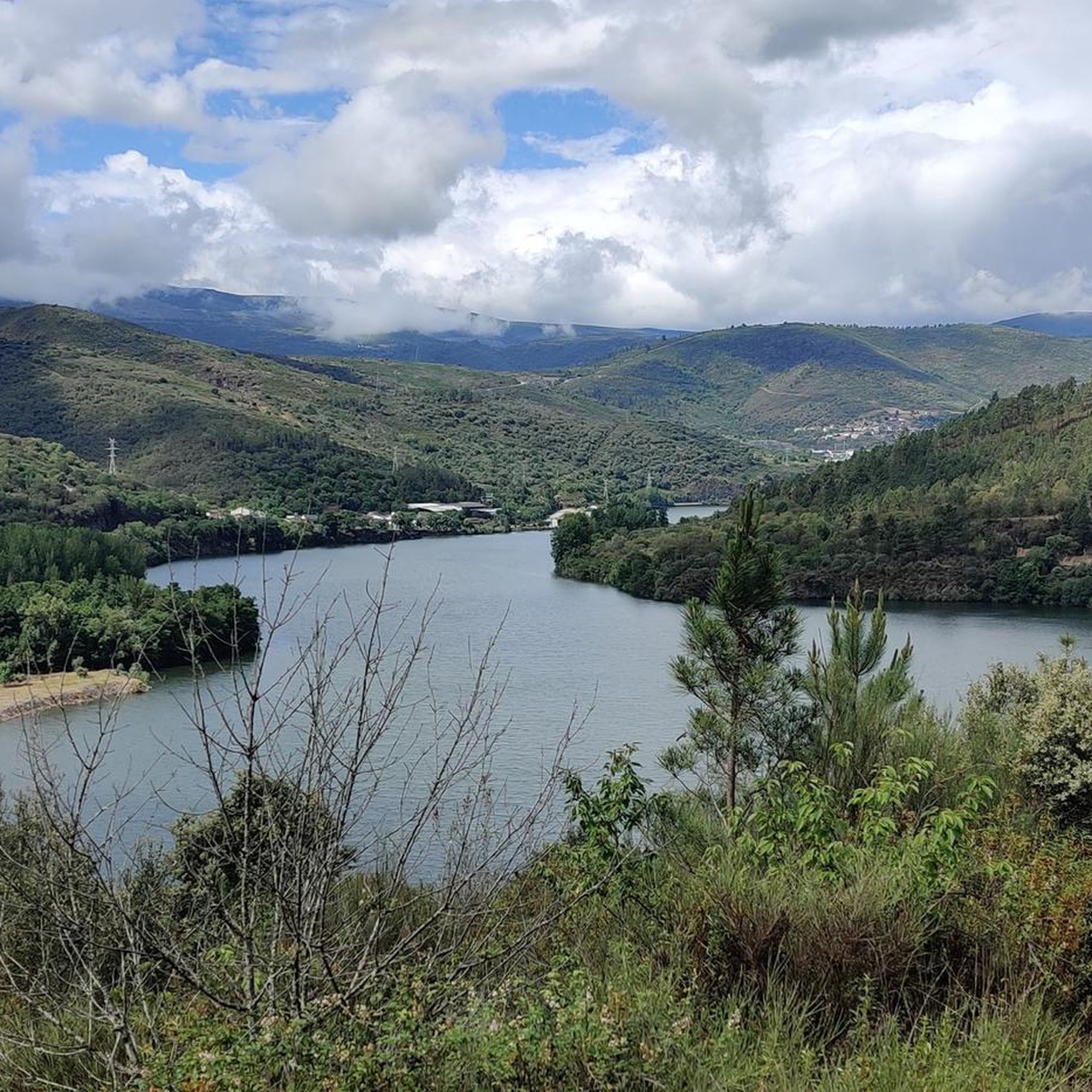
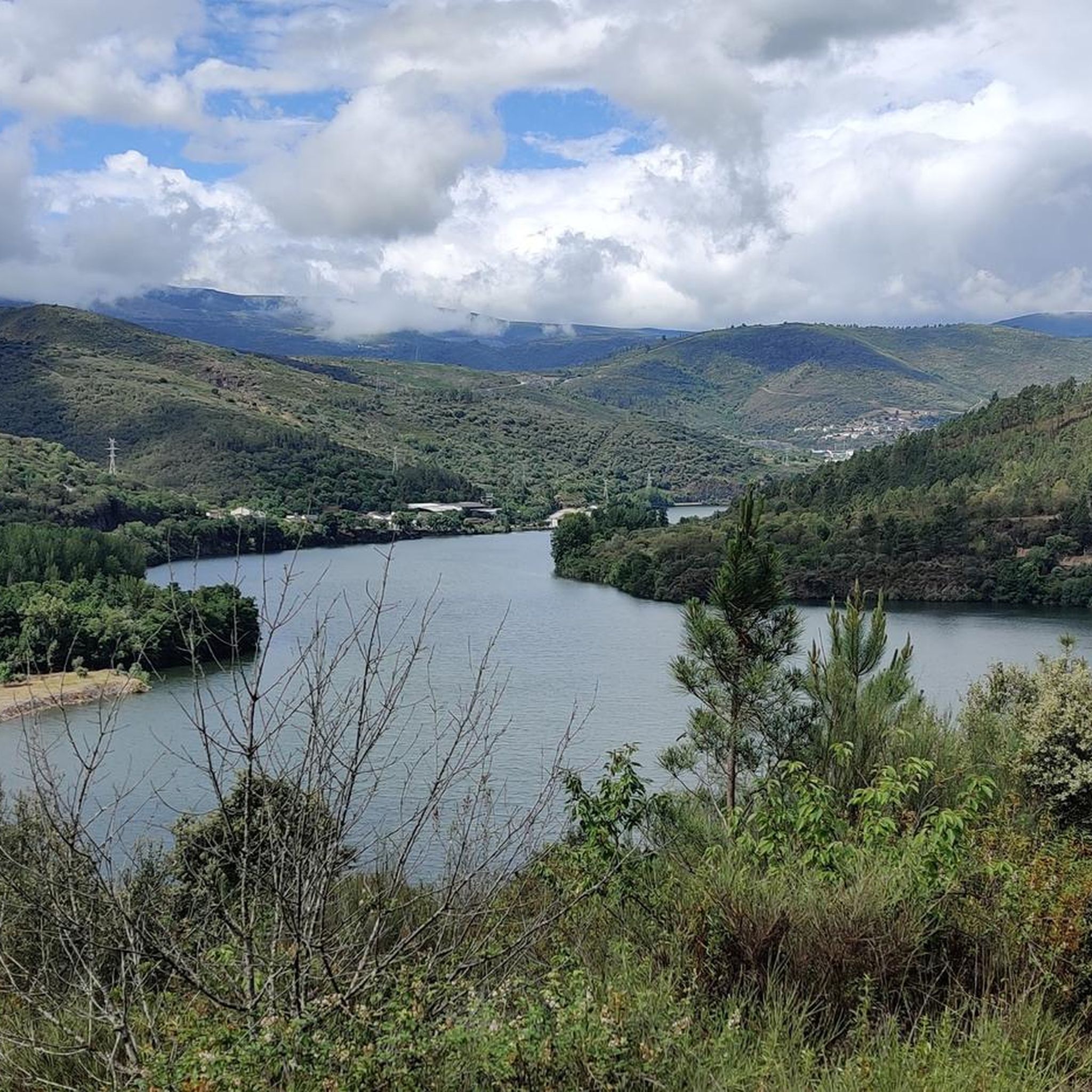
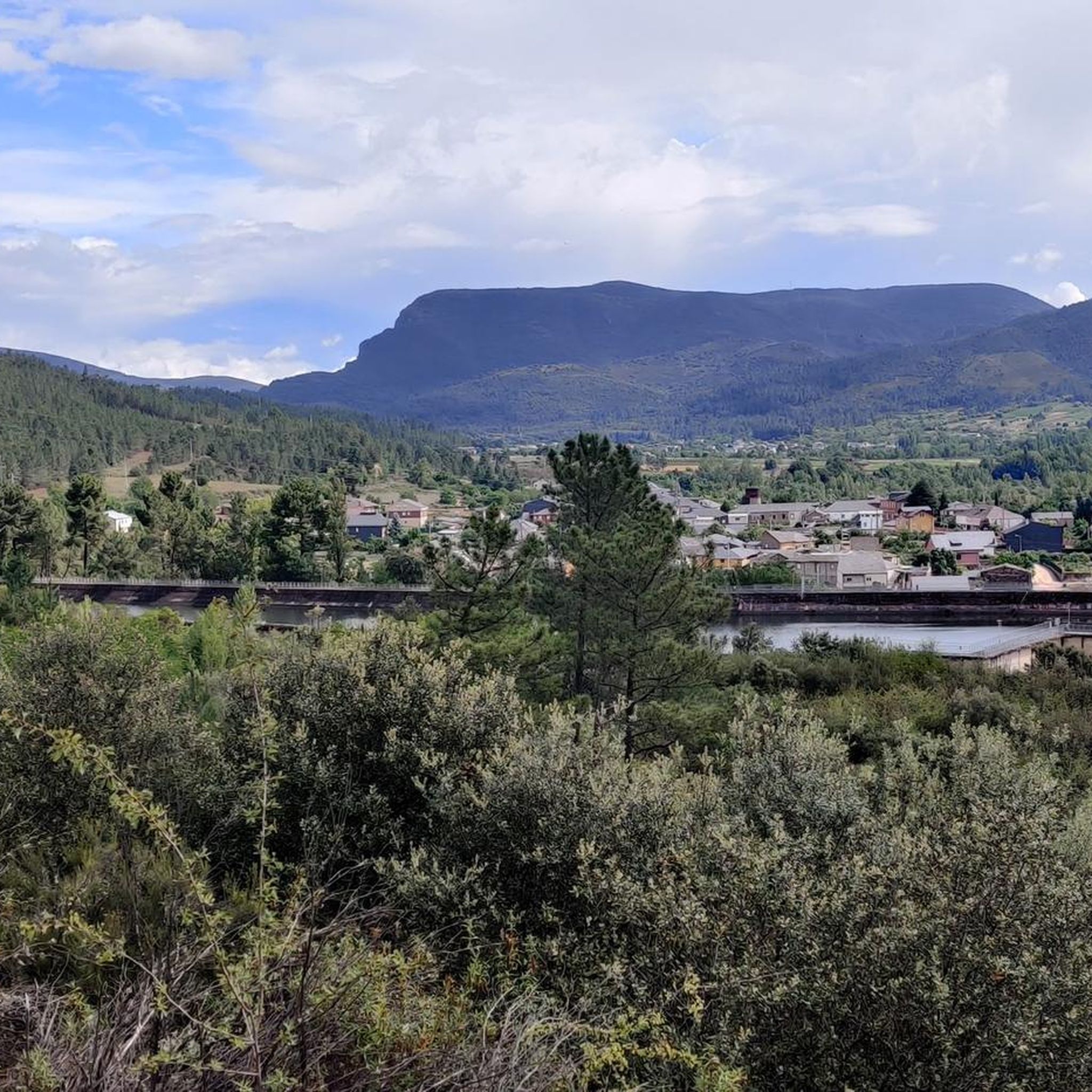
Road cycling routes around Rubiá traverse a mountainous terrain characterized by limestone valleys and the dramatic gorges carved by the Sil River. The region's diverse landscape includes Mediterranean forests, chestnut groves, and vineyards, offering varied ascents and descents. Cyclists can expect routes with significant elevation changes, providing a challenging experience amidst natural beauty. This area, part of the Serra da Enciña da Lastra Natural Park, presents a rich environment for road cycling.
Best road cycling routes around Rubiá
- The most…
Last updated: May 23, 2026
38
riders
80.4km
05:04
2,280m
2,280m
Hard road ride. Very good fitness required. Mostly well-paved surfaces and easy to ride.
10
riders
145km
08:33
3,620m
3,620m
Hard road ride. Very good fitness required. Some segments of this route may be unpaved and difficult to ride.

Sign up for free
5
riders
65.0km
03:32
1,270m
1,270m
Hard road ride. Very good fitness required. Mostly well-paved surfaces and easy to ride.
14
riders
101km
06:00
2,490m
2,490m
Hard road ride. Very good fitness required. Mostly well-paved surfaces and easy to ride.
7
riders
63.2km
03:28
1,340m
1,340m
Hard road ride. Very good fitness required. Mostly well-paved surfaces and easy to ride.
Get access to more routes and recommendations from other explorers.
Sign up for free
Already have an account?
Our route recommendations are based on thousands of hikes, rides, and runs completed by other people on komoot.
Start today with a free account
Your next adventure awaits.
Login or Signup
Tips from the Community

The Mirador de Orellán is a spectacular observation point located in the town of Orellán, in the municipality of Borrenes, León. This viewpoint offers stunning panoramic views of the cultural landscape of Las Médulas, an ancient Roman gold mining complex declared a World Heritage Site by UNESCO. Near the viewpoint, you can visit the underground galleries that were part of the Roman gold mining system. Entry costs €3 and a helmet with headlamp is provided for the visit.
7
0

Long and hard climb. I recommend going up the Peñalba slope, the approach and the passage through the village are very pretty. One of the most beautiful in Spain.
0
0

At the end of the 11th century, Osmundo, Bishop of Astorga, ordered the construction of a bridge (partly made of iron = pons ferrata) over the Sil for the pilgrims on the Way of St. James, near which a settlement was built. At the "pons ferrata", the iron bridge, the Knights Templar built a huge castle on a surface area of 160 x 90 m to protect the pilgrims on the Way of St. James. The medieval castle complex was inhabited by the Knights Templar from 1178 to 1312. Source: Wikipedia
5
0

The Templars' heyday from the 12th to 14th centuries led to the construction of this mighty fortress, among other things to protect the pilgrims on the Way of St. James. The rampart on the city hill stands out impressively against the mountain backdrop and absolutely conforms to the stereotypical image of a knight's castle. It is sensationally well maintained and a feast for the eyes.
6
0

The order, often referred to simply as the "Order of the Knights Templar," whose full name is "Poor Knights of Christ and of Solomon's Temple in Jerusalem," takes us mentally back to the 13th century. Founded in the Holy Land, it spread surprisingly quickly to many countries in Central Europe, and this castle complex in Ponferrada, northern Spain, was one of its numerous branches. The order gained notoriety through its dissolution in 1312 by the French king and the pope, and many of its members were burned at the stake as alleged heretics. The main reason for the dissolution, however, was not the members' human and religious misconduct (heresy), which was merely a pretext, but the legendary wealth of this order. King Philip IV of France primarily wanted to secure the treasures to bolster his coffers.
6
0
This bridge, which connects the neighborhoods of Toral and Merayo, is built over the Oza River and combines traditional architecture with the natural beauty of the area. Its slate and limestone masonry structure evokes a sense of historical authenticity. Although it is not as famous as other medieval bridges, its uniqueness and location make it an interesting place to visit. 😊
19
0

The Templar Castle of Ponferrada is a superb building. It houses the Templar Library and the Ponferrada Center for Research and Historical Studies, with over 1,400 books, including facsimiles of works by Leonardo da Vinci. It was originally a Roman camp and later a citadel. In the early 12th century, the Templars took possession of the fortress, strengthening and expanding it to serve as a residential palace and as a protection for pilgrims on their way to Santiago de Compostela. The building has an irregular square plan, and its most notable entrance is reached by crossing the moat over a drawbridge and, further on, two large crenellated towers joined by an arch. Its twelve original towers depicted the constellations.
5
0

A medieval stone bridge over the River Oza in the village of Toral de Merayo on the outskirts of Ponferrada. Crossing the river will take you to Plaza Nogalego, where you can eat something.
5
0
Frequently Asked Questions
How many road cycling routes are available in Rubiá?
Rubiá offers a diverse network of nearly 50 road cycling routes. These routes cater to various skill levels, ranging from moderate to very difficult, ensuring there's a suitable option for most cyclists.
What kind of terrain should I expect when road cycling in Rubiá?
Road cycling in Rubiá features a mountainous terrain with significant elevation changes. You'll encounter limestone valleys, dramatic gorges carved by the Sil River, and scenic areas with Mediterranean forests, chestnut groves, and vineyards. The varied landscape provides both challenging ascents and rewarding descents.
Are there road cycling routes suitable for beginners in Rubiá?
While many routes in Rubiá are challenging, there are a few options suitable for beginners. Approximately 4 routes are classified as easy, offering a gentler introduction to the region's beautiful scenery without overly demanding climbs.
What are some challenging road cycling routes in Rubiá?
For experienced cyclists seeking a challenge, Rubiá offers numerous difficult routes. A notable option is Puerto Fonte da Cova from Puente de Domingo Flórez – circular by La Baña, a 80.4 km trail with substantial elevation gain. Another demanding route is El Morredero and Las Médulas Loop, which covers 145.1 km and includes significant climbing through the unique landscape of Las Médulas.
Are there circular road cycling routes around Rubiá?
Yes, many of the road cycling routes in Rubiá are designed as circular loops, allowing you to start and finish at the same point. For example, the Cosmo from La Barosa - circular by the Burbia and Sil rivers is a 65.0 km loop that takes you through picturesque river valleys.
What historical sites can I visit along road cycling routes in Rubiá?
The region around Rubiá is rich in history. You can cycle near ancient Roman sites like the Orellán Galleries, part of the *Ruinae Montium* mining system, or the spectacular Las Médulas, a UNESCO World Heritage site formed by Roman gold mining. Remnants of the historic Via Nova Romana can also be found in the area.
Are there any natural landmarks or viewpoints to see while cycling?
Absolutely. The Serra da Enciña da Lastra Natural Park is a highlight, offering dramatic limestone valleys and the Sil River canyons. You can also find numerous 'miradores' (viewpoints) providing panoramic vistas. The Pico de Placias is another natural landmark offering impressive views.
What do other road cyclists say about the routes in Rubiá?
The road cycling routes in Rubiá are highly regarded by the komoot community, boasting an average rating of 4.7 stars from over 7 reviews. More than 700 road cyclists have explored the varied terrain, often praising the challenging climbs and the stunning natural beauty of the region.
Can I find routes that pass through vineyards or scenic river valleys?
Yes, the landscape around Rubiá includes picturesque mountainsides dotted with vineyards and chestnut trees. Routes often follow the course of the Sil River, offering scenic rides through its valleys. The Cosmo from La Barosa - circular by the Burbia and Sil rivers is a great example of a route that takes you through beautiful riverine landscapes.
What is the best season for road cycling in Rubiá?
The diverse topography of Rubiá makes it suitable for road cycling across various seasons, though spring and autumn generally offer the most pleasant temperatures and vibrant scenery. Summers can be warm, especially in the valleys, while winters might present cooler conditions in the mountainous areas.
Are there any routes that offer unique geological features?
Yes, the region is known for its unique geological formations. The Serra da Enciña da Lastra Natural Park features steep limestone valleys and over 200 underground caves, such as La Encantada Cave and La Cuevona. The ancient Roman gold mines of Las Médulas Roman Gold Mines also present a spectacular, eroded landscape of historical and geological interest.
Are there any long-distance road cycling routes available in Rubiá?
Rubiá offers several long-distance road cycling routes for those looking for extended rides. The El Morredero and Las Médulas Loop, for instance, spans over 145 kilometers, providing a full day of challenging cycling through varied landscapes.
Most popular attractions around Rubiá

Get inspired with the komoot mobile app


Explore more
Browse the best Road cycling routes in other regions.
