Attractions and Places To See around Azofra - Top 20
Best attractions and places to see around Azofra are located in the fertile Tuerto River valley in La Rioja, Spain. This village is a significant historical and cultural stop on the Camino de Santiago. The area features a blend of historical sites, religious buildings, and natural attractions. Visitors can explore landmarks and natural features that reflect the region's heritage and landscape.
Best attractions and places to see around Azofra
- The most popular attractions is Poyo de Roldán Stone Hut, a historical site that is associated with a legend of Roland and a giant. This location offers views of the surrounding area and features a traditional stone vineyard shelter.
- Another must-see spot is Park on the riverbank (Nájera), a facility with green areas along the Najerilla River. This park provides benches and space for relaxation, and pilgrims often use the river for tired feet.
- Visitors also love Monastery of Santa María de San Salvador, a religious building whose construction began in the 12th century. This monastery showcases Romanesque, Gothic, and Neoclassical architectural styles, reflecting its long history.
- Azofra is known for its historical sites, religious buildings, and natural features. The region offers a variety of attractions, including ancient monuments and riverine parks, for exploration.
- The attractions around Azofra are appreciated by the komoot community, with 151 upvotes and 33 photos shared by visitors.
Last updated: July 21, 2026
Poyo de Roldán Stone Hut
Highlight • Structure
Translated by Google •
Tip by

Monastery of Santa María de San Salvador
Highlight • Religious Site
It is located a short distance from San Millán de la Cogolla and framed in what is now known as the route of the monasteries in La Rioja.
Translated by Google •
Tip by

Sign up now to discover places like this
Get recommendations on the best single tracks, peaks, & plenty of other exciting outdoor places.
Sign up for free
Park on the riverbank (Nájera)
Highlight • Rest Area
There is a lawn, areas with benches, and the pilgrims do not hesitate to put their tired feet in the cold water.
If you need to make a stop in Nájera, this is a good place. In addition, in the town you will find shops, pharmacies and restaurants.
Translated by Google •
Tip by

Bridge over the Yalde River
Highlight • Bridge
Translated by Google •
Tip by
Rollo de Azofra
Highlight • Monument
The roll of Azofra was granted by Carlos V, so that the inhabitants of Azofra had to be judged in Azofra itself.
Translated by Google •
Tip by

Sign up for free to discover even more attractions around Azofra.
Sign up for free
Already have an account?
Start today with a free account
Your next adventure awaits.
Login or Signup

Tips from the Community

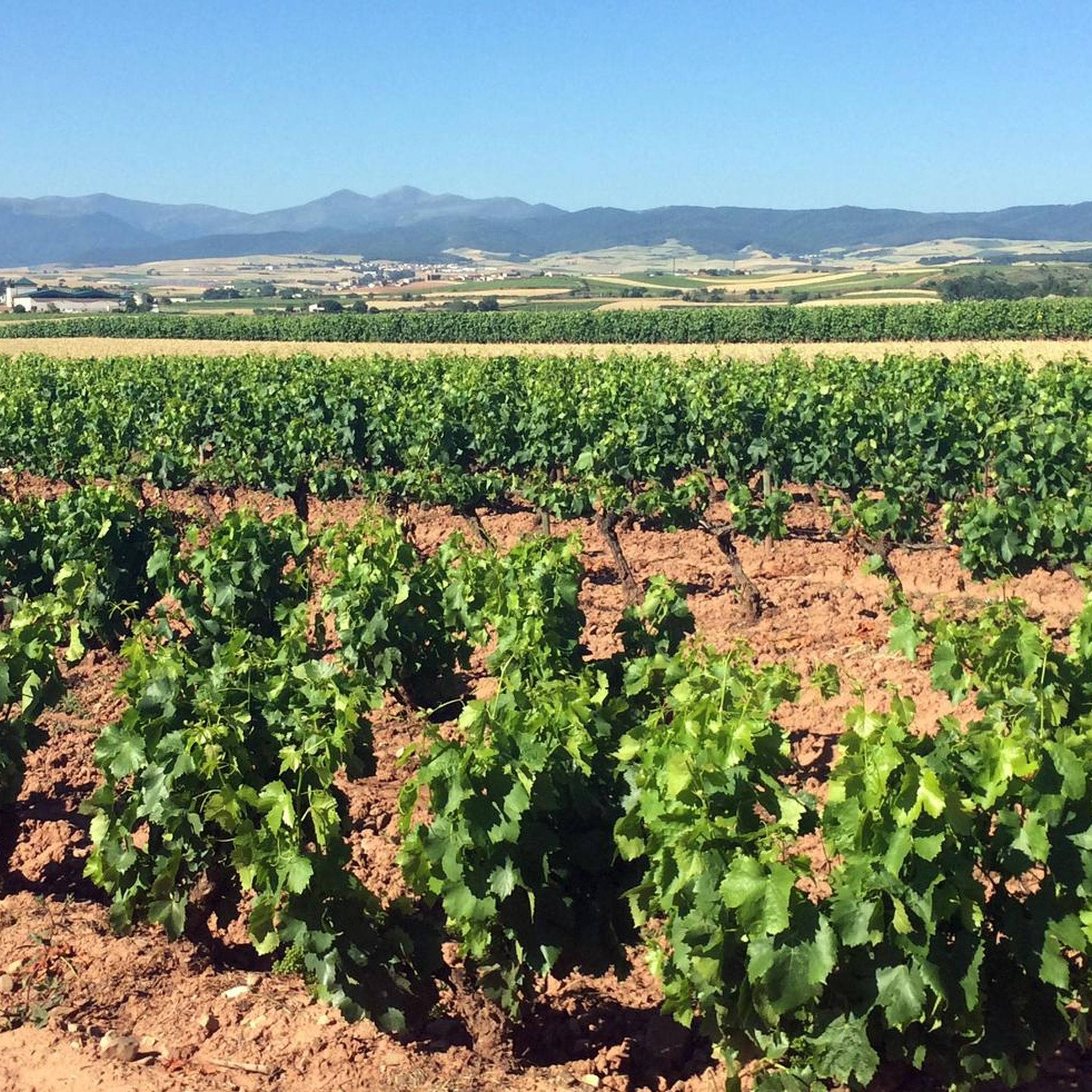
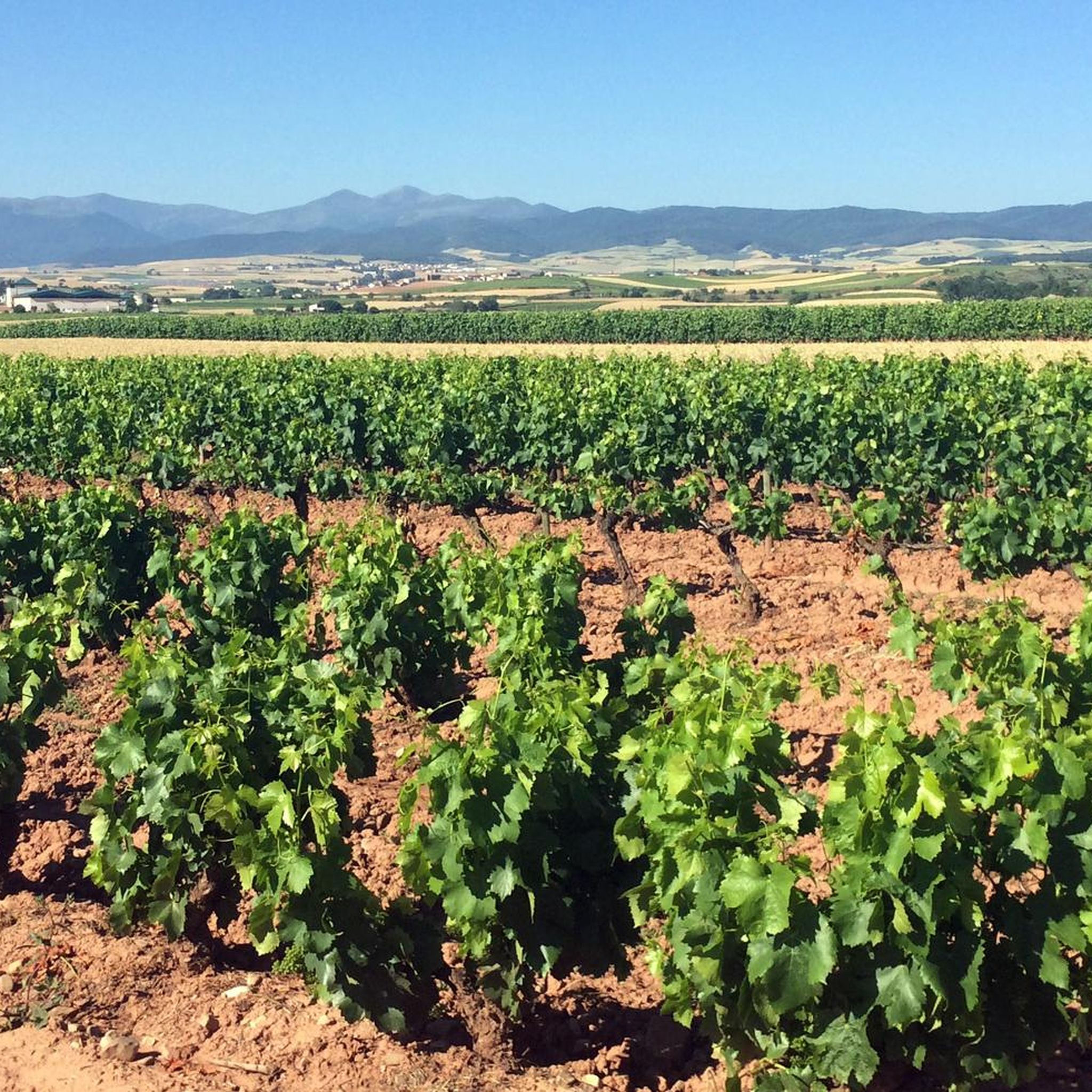
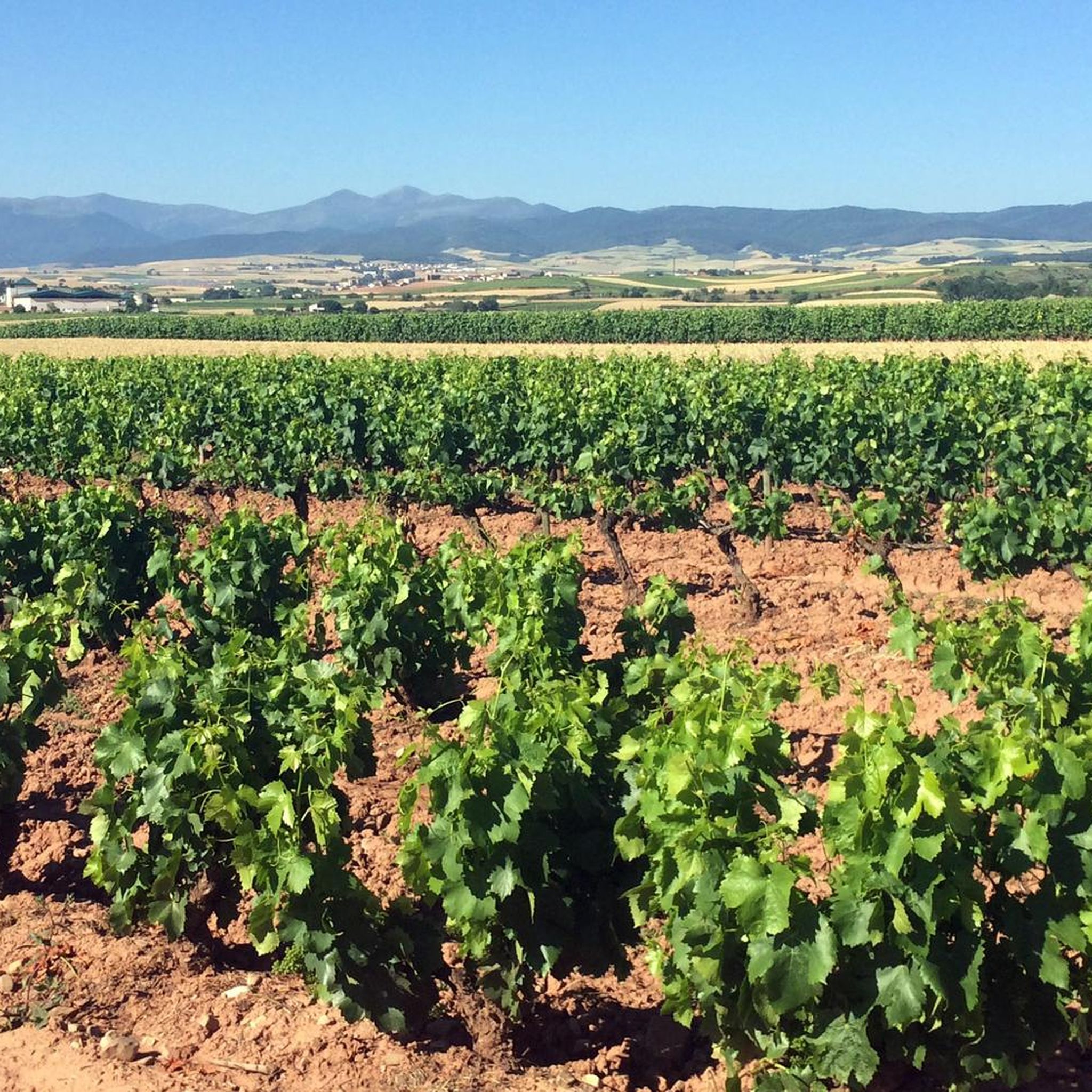
A hill that has its own legend: in the castle of Nájera lived Farragut or Ferragut, a Syrian giant descended from Goliath and stronger than him, who fought and defeated the best warriors of Charlemagne except Roldán, who one day from the poyo spotted the giant sitting at the door of his castle. Roldán picked up a round stone weighing two arrobas (~22kg) and threw it in the direction of the giant, whom he hit in the forehead, knocking him down. Since then the hill has been called Poyo de Roldán.The stone hut is likely a traditional stone vineyard shelter.
2
0

On the 8th stage of the Camino Francés from Logroño to Najéra, the Camino crosses this wooden bridge about 3 km before Najéra.
0
0

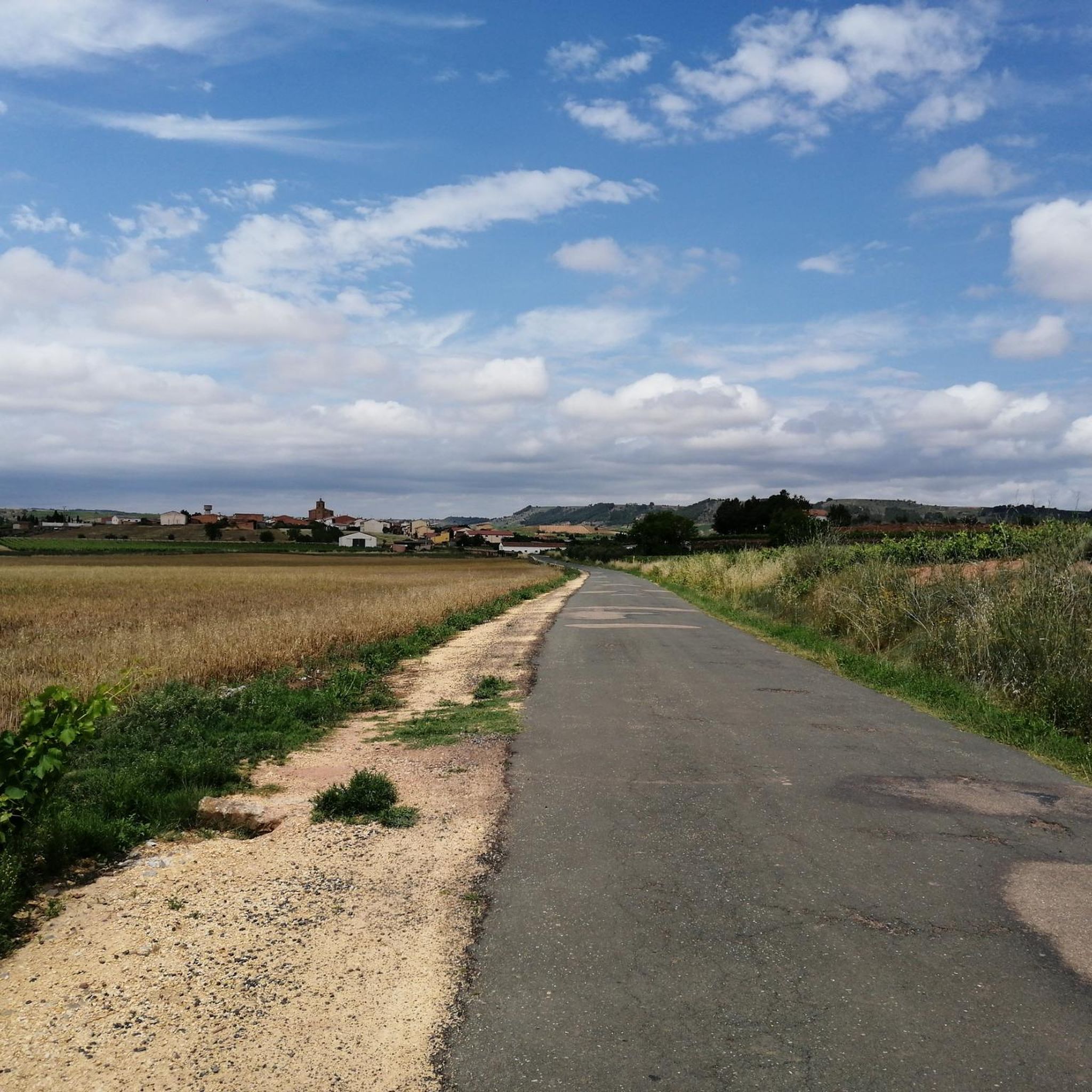
Beautiful view of the surroundings
2
0


The rolls are stone columns, usually topped with a cross, which served as the insignia of a town's jurisdiction. They also served as a pillory, that is, it was the place where the severed heads of the executed were placed. The roll of Azofra was granted by Carlos V, so that the inhabitants of Azofra had to be judged in Azofra itself.
2
0

Over the Yalde river we find a small wooden bridge surrounded by trees. The Camino de Santiago crosses it between the towns of Nájera and Ventosa.
0
0
In Nájera they have known how to take advantage of the banks of the Najerilla river to make large green areas that cross the town and fill with life in good weather. There is grass, areas with benches, and pilgrims do not hesitate to put their tired feet in the cold water. If you need to make a stop in Nájera, this is a good place. In addition, in the town you will find shops, pharmacies and restaurants.
0
0
Frequently Asked Questions
What historical landmarks can I explore in Azofra?
Azofra offers several historical landmarks. You can visit the 16th-century Rollo de Azofra, a monumental stone column that symbolized the town's jurisdiction. The village also features the Parish Church of Our Lady de Los Ángeles, dating back to the 16th century, and several blazoned mansions along Calle Mayor. A unique curiosity is a stone from Cologne Cathedral embedded in a parish hostel facade. Additionally, the Poyo de Roldán Stone Hut and a traditional Vineyard hut offer insights into local history and traditional architecture.
Are there significant religious sites near Azofra?
Yes, Azofra and its surroundings are rich in religious heritage. The village itself hosts the Parish Church of Our Lady de Los Ángeles. Nearby, you can find the historically significant Monastery of Santa María de San Salvador, a Cistercian monastery showcasing Romanesque, Gothic, and Neoclassical styles. Other notable sites include the Monastery of Santa María la Real in Nájera and the renowned Monasteries of Suso and Yuso in San Millán de la Cogolla, which are significant cultural sites in La Rioja.
What natural attractions can I find around Azofra?
Beyond its historical sites, Azofra is nestled in the fertile Valley of Cañas, also known as the Tuerto River valley, offering picturesque agricultural landscapes. A significant natural attraction nearby is the Jardín Botánico de La Rioja, covering approximately 40,000 square meters with a diverse collection of flora. For relaxation amidst nature, the Park on the riverbank (Nájera) provides green areas along the Najerilla River, popular for resting and enjoying the outdoors.
What outdoor activities can I do near Azofra's attractions?
The area around Azofra is excellent for outdoor activities. You can explore various running trails, such as the 'Park on the riverbank (Nájera) loop from Nájera' or 'Running loop from Alesanco'. For cycling enthusiasts, there are routes like the 'Camino Francés - Nájera Loop' or more challenging options like 'La Grajera Park – La Grajera Reservoir loop'. Gravel biking is also popular, with routes like 'Castillo de Briones loop from Briones'. You can find more details on these activities in the Running Trails around Azofra, Cycling around Azofra, and Gravel biking around Azofra guides.
Are there family-friendly attractions around Azofra?
Yes, Azofra offers options suitable for families. The Park on the riverbank (Nájera) is a great spot with green areas and benches for relaxation, where children can play. Historical sites like the Rollo de Azofra and the traditional Vineyard hut can also be interesting for families, offering a glimpse into the region's past.
What is the best time to visit Azofra for outdoor activities?
The best time to visit Azofra for outdoor activities is generally during the spring (April to June) and autumn (September to October) months. During these periods, the weather is typically mild and pleasant, ideal for exploring historical sites, walking the Camino de Santiago, or enjoying cycling and running routes without the extreme heat of summer or the colder, wetter conditions of winter.
What is the Camino de Santiago's connection to Azofra?
Azofra is an integral and unavoidable stop for pilgrims on the French Way of the Camino de Santiago. Its location on the old medieval road between Nájera and Santo Domingo de La Calzada means many pilgrims pass through the village. Azofra benefits from this, offering two hostels for pilgrims and a small, somewhat hidden Pilgrims' Fountain as they exit the village, providing a practical and symbolic stop on their journey.
What do visitors enjoy most about the attractions around Azofra?
Visitors particularly enjoy the blend of historical significance and natural beauty. The Poyo de Roldán Stone Hut is appreciated for its historical legend and beautiful views of the surroundings. The Park on the riverbank (Nájera) is loved for its green spaces and the opportunity for pilgrims to rest their tired feet in the cold river water. The architectural evolution and historical depth of sites like the Monastery of Santa María de San Salvador also receive high praise.
Are there any unique or hidden gems to discover in Azofra?
Beyond the main attractions, Azofra holds a few unique elements. The stone from Cologne Cathedral embedded in a local parish hostel facade is a curious and unexpected find. Observing the distinctive adobe houses and blazoned mansions along Calle Mayor and Calle del Sol offers a glimpse into the village's historical architecture. The somewhat hidden Pilgrims' Fountain, though practical, also serves as a symbolic and charming stop for those on the Camino.
Where can I find places to eat or stay in Azofra?
As a stop on the Camino de Santiago, Azofra provides basic amenities for visitors and pilgrims. You can find local restaurants and cafes within the village. For accommodation, there are pilgrim hostels available. For a wider selection of shops, pharmacies, and restaurants, the nearby town of Nájera, particularly around the Park on the riverbank, offers more options.
What is the significance of the Poyo de Roldán Stone Hut?
The Poyo de Roldán Stone Hut is associated with a local legend involving Roland, Charlemagne's warrior, and a giant named Ferragut. The legend states that Roland defeated the giant by throwing a large stone from this hill. The site offers beautiful views of the surrounding area and features a traditional stone vineyard shelter, reflecting the agricultural heritage of the region.
Are there any viewpoints around Azofra offering scenic vistas?
Yes, several locations around Azofra offer scenic views. The Poyo de Roldán Stone Hut is known for providing beautiful panoramic views of the surrounding landscape. Additionally, the fertile valley of the Tuerto River itself, where Azofra is situated, offers picturesque agricultural vistas, especially during the growing seasons.

Get inspired with the komoot mobile app


Explore more
Still not found the Highlight you’re looking for? See guides of the top attractions in other regions:
