Attractions and Places To See around Perilla De Castro - Top 18
Best attractions and places to see around Perilla De Castro include a blend of natural features, historical sites, and cultural heritage. Situated in the Tierra de Alba region of Zamora, the town is located near the Esla River reservoir and the Moratones stream valley, offering diverse landscapes. The area features historical landmarks such as the Parish Church of San Martín and traditional architecture, alongside natural heritage sites like La Encomienda. Perilla De Castro provides opportunities to explore the region's history…
Last updated: October 5, 2026
Junction of Camino Sanabrés and Via de la Plata
Highlight • Trail
Translated by Google •
Tip by

San Juan Church and Pilgrim Hostel, Granja de Moreruela
Highlight • Religious Site
Granja …
Translated by Google •
Tip by

Sign up now to discover places like this
Get recommendations on the best single tracks, peaks, & plenty of other exciting outdoor places.
Hermitage of the Virgin of the Castle
Highlight • Religious Site
Translated by Google •
Tip by
Camino de la Plata
Highlight • Trail
Translated by Google •
Tip by
Cistercian Monastery of Santa María de Moreruela
Highlight • Religious Site
The monastery …
Translated by Google •
Tip by
Sign up for free to discover even more attractions around Perilla De Castro.
Already have an account?
Start today with a free account
Your next adventure awaits.
Popular around Perilla De Castro
Tips from the Community

This monastery complex, where Cistercians once prayed and worked day after day, even as a ruin still provides impressive evidence of the magnificent architecture. This monastic order (the order's Latin name is "Ordo Cisterciensis") takes its name from the French town of Citeaux in Burgundy, where the first monastery was founded in 1098. It is a reform branch of the Benedictines.
3
1
Even if we always use the term “St. James Way” in the singular in the German language, there is no such thing as “one”. Rather, it is a network of many Ways of St. James that runs through several European countries and then concentrates on a few main routes in Spain (the most famous is the "Camino Frances", which leads from the Pyrenees through the north of Spain). However, in order to get from the south of Spain to Santiago de Compostela in Galicia, a different route is required, which JavierCR and DennisKe have already described briefly.
2
0

Important historical monument built in the 12th century monastery at the request of Emperor Alfonso VII. The monastery is located on the Vía de la Plata. Over the years, the monastery suffered weather damage and has been preserved as such ever since.
1
1
Large 12th century monastery built at the request of Emperor Alfonso VII located on the Jacobean route of the Vía de la Plata. The monastery suffered weather damage in the 19th century and has been preserved as such ever since.
1
1

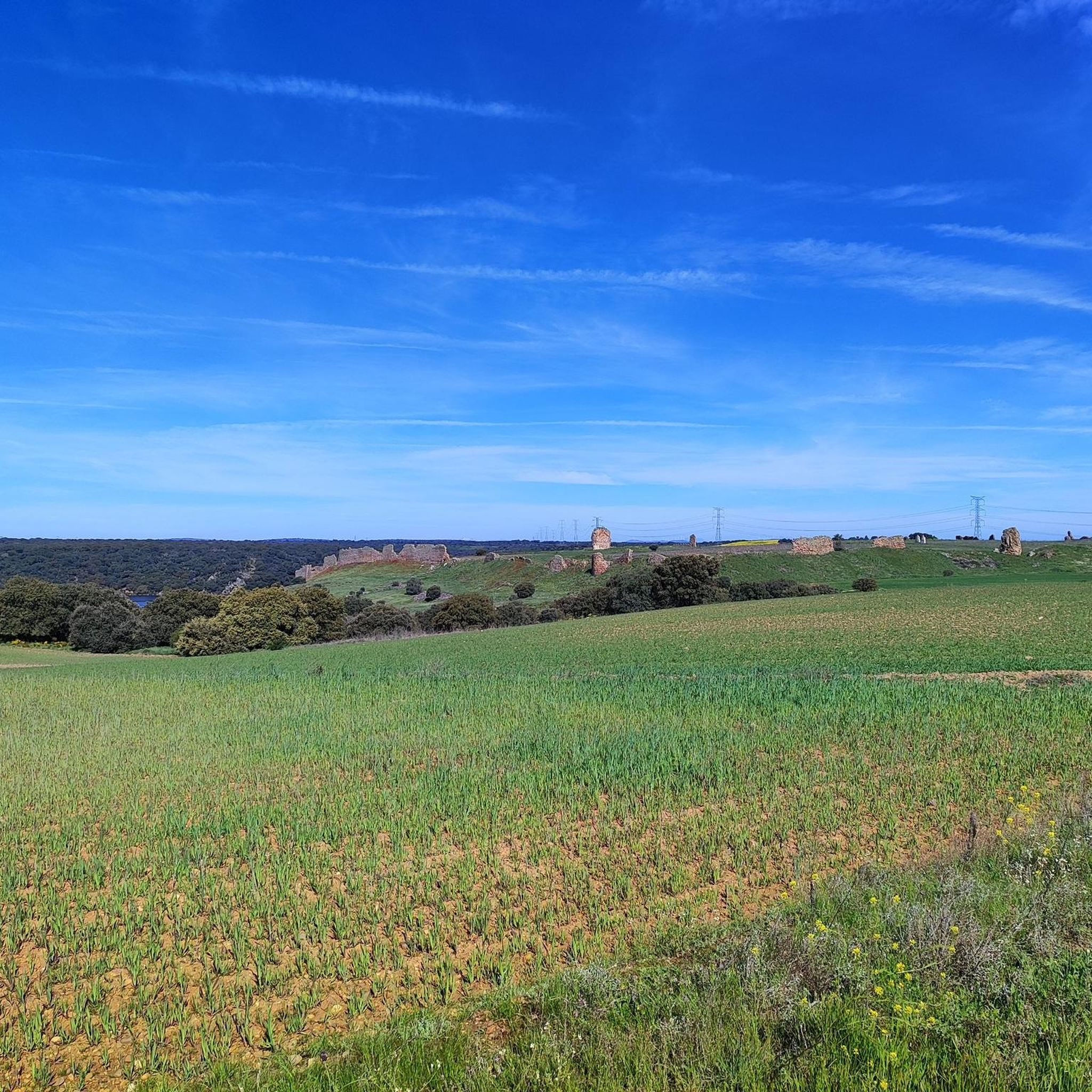
A beautiful picture as we pass along the Camino de la Plata, near the Castillo de Castrotorafe. Typical and endless roads of the Tierra del Pan region.
2
0
The population of Granja de Moreruel was born by the impulse of the Monastery of Santa María, raised by the eagerness of the Leonese monarchs to colonize extensive wastelands. Granja de Moreruela also has a church built in the mid-19th century, the Church of San Juan. Its term is crossed by the old Vía de la Plata, the Camino de Santiago de la Vía de la Plata and its variant, the Camino Mozárabe or Sanabrés. There is a Pilgrims Hostel.
3
0
One of the most beautiful and magnificent Cistercian monasteries in the province of Zamora is the Cistercian Monastery of Santa Maria, in the municipality of Granja de Moreruela. The monastery preserves the size of the imposing Cistercian abbey ordered to be built by Alfonso VII. Built at the end of the 12th century, it is in the Romanesque style with elements of transition to Gothic. The chancel is the largest part of the complex, formed by a superposition of levels: apses, a polygonal ambulatory and the central apse. The walls of the Monastery are used by white storks to breed
7
0
Beautiful picture rolling near the Castillo de Castrotorafe through the endless roads of the Tierra del Pan region
3
0
Frequently Asked Questions
What historical and cultural sites can I explore around Perilla De Castro?
The region is rich in history. You can visit the Hermitage of the Virgin of the Castle, a Renaissance-style religious building housing a 16th-century Flemish panel. Another significant site is the San Juan Church and Pilgrim Hostel in Granja de Moreruela, an important stop on the Vía de la Plata. Additionally, the Cistercian Monastery of Santa María de Moreruela offers a glimpse into magnificent Romanesque and Gothic architecture from the 12th century.
Are there any natural attractions or scenic viewpoints near Perilla De Castro?
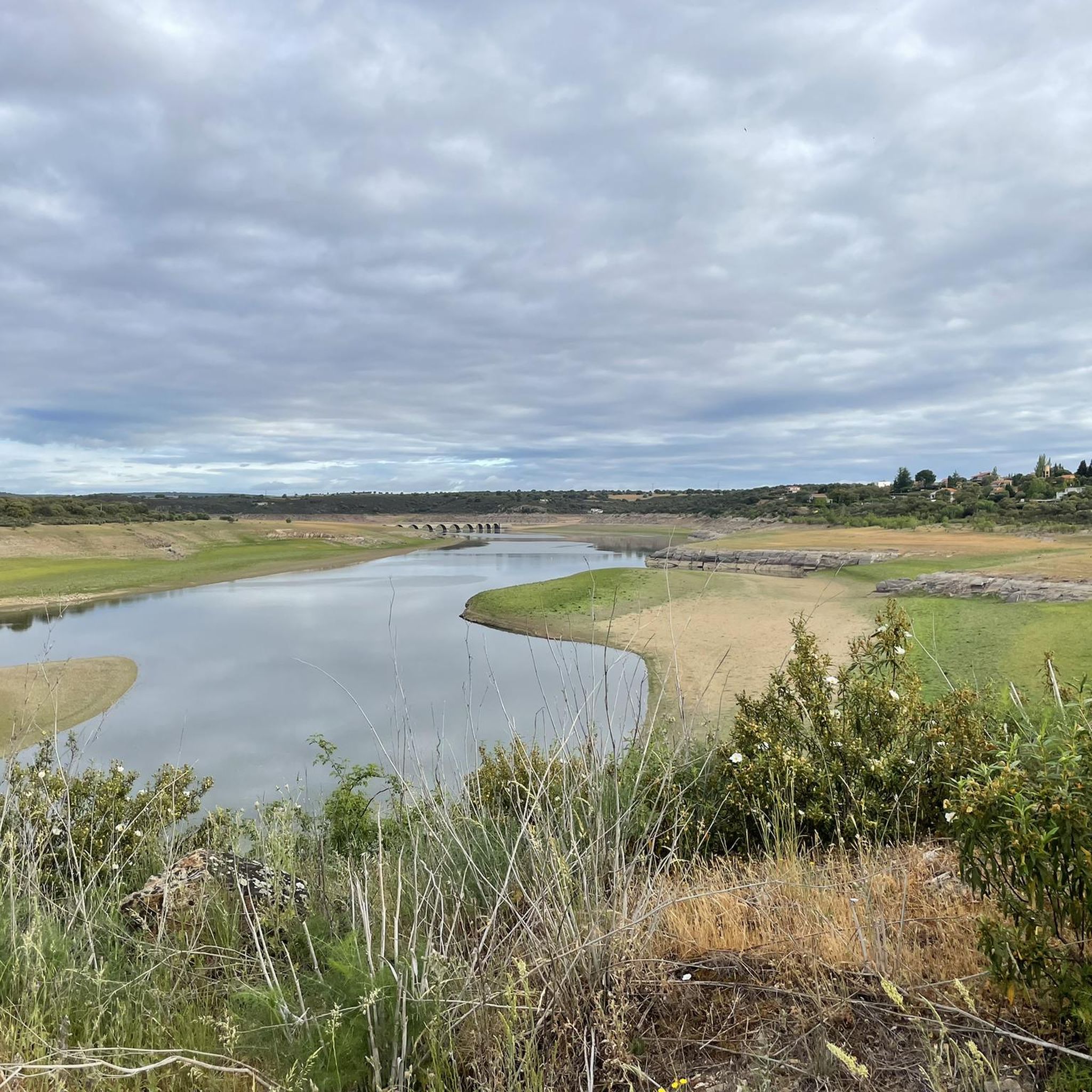
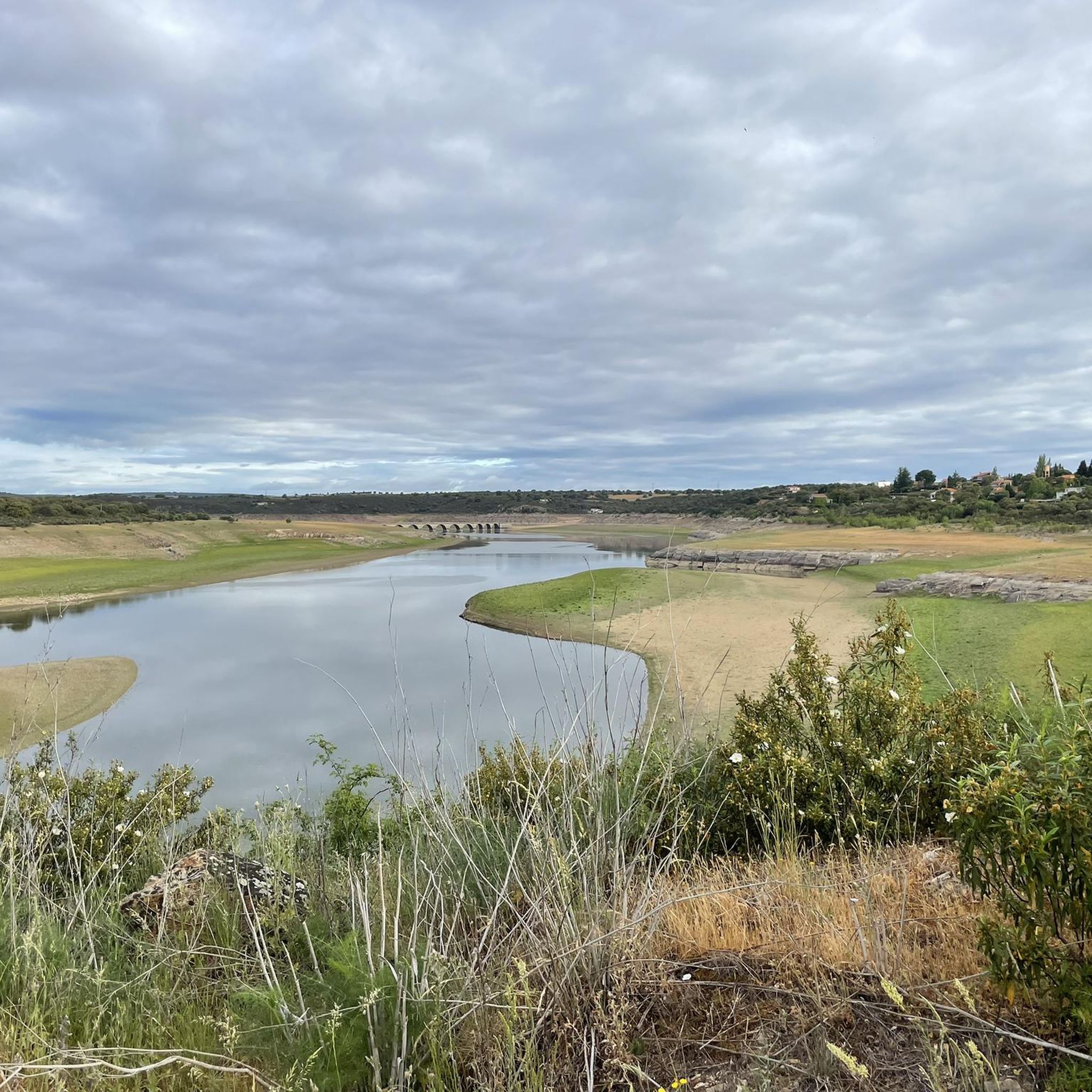
Yes, Perilla de Castro is nestled in the scenic valley of the Moratones stream and close to the Esla River reservoir, offering picturesque landscapes. The area features natural heritage sites like La Encomienda, a dehesa historically linked to the Order of Santiago. You can also find beautiful rolling scenery along the Camino de la Plata near Castillo de Castrotorafe.
What outdoor activities are available around Perilla De Castro?
The proximity to the Esla River reservoir makes the area suitable for water sports. For land-based activities, you can explore various routes for cycling and mountain biking. There are numerous road cycling routes, general cycling tours, and MTB trails, including options around the Ricobayo Reservoir and the Moreruela Monastery.
Can I find hiking or walking trails in the area?
Absolutely. The Tierra de Alba region offers numerous routes for exploring local flora and fauna. A significant trail is the Junction of Camino Sanabrés and Via de la Plata, where pilgrims choose between routes leading to Astorga or Ourense and Santiago de Compostela. This historical trail provides a unique walking experience.
What is the significance of the Camino de Santiago in this region?
Perilla de Castro is located near important pilgrimage routes. The Junction of Camino Sanabrés and Via de la Plata is a key point where these historic paths diverge. The Camino Sanabrés, also known as Camino Mozárabe, was a shortcut for pilgrims from the south of Spain heading to Santiago de Compostela. The Vía de la Plata continues towards Astorga.
Are there any family-friendly activities or attractions?
While specific family-friendly attractions aren't detailed, the natural environment of the Tierra de Alba comarca provides opportunities for family walks and exploring local flora and fauna. The Esla River reservoir also offers a setting for various nature-based activities that families might enjoy.
What kind of traditional architecture can be seen in Perilla de Castro?
The urban center of Perilla de Castro preserves traditional houses built with local materials such as stone, slate, wood, and adobe. You can also observe several historic dovecotes throughout the town, which are characteristic of the region's architectural heritage.
What do visitors particularly enjoy about the attractions around Perilla De Castro?
Visitors appreciate the blend of historical trails, religious buildings, and natural landscapes. The area is known for its ancient pilgrimage routes, architectural heritage, and scenic viewpoints, offering a diverse experience for those interested in history and nature.
Is Perilla de Castro known for any specific local wildlife or natural features?
The broader natural environment of the Tierra de Alba comarca is known for its diverse ecosystems and abundant hunting opportunities for both small and big game. Occasional sightings of wolves have also been reported in the area, highlighting its wild natural character.
What is the Parish Church of San Martín?
The Parish Church of San Martín is the most significant cultural landmark within Perilla de Castro itself. It features a distinctive portico with grilles, and inside, visitors can admire a Gothic Christ and a 14th-century image of the Virgen de Roaces, which presides over a notable altarpiece.
Are there any facilities for pilgrims in the area?
Yes, the San Juan Church and Pilgrim Hostel in Granja de Moreruela is a key facility for pilgrims. Located in a town crossed by the Vía de la Plata and its variant, the Camino Mozárabe or Sanabrés, it provides accommodation for those undertaking the pilgrimage.
Most popular routes around Perilla De Castro

Get inspired with the komoot mobile app


Explore more
Still not found the Highlight you’re looking for? See guides of the top attractions in other regions:
