The best cycling routes around Ślężański Park Krajobrazowy
4.2
(49)
668
riders
64
rides
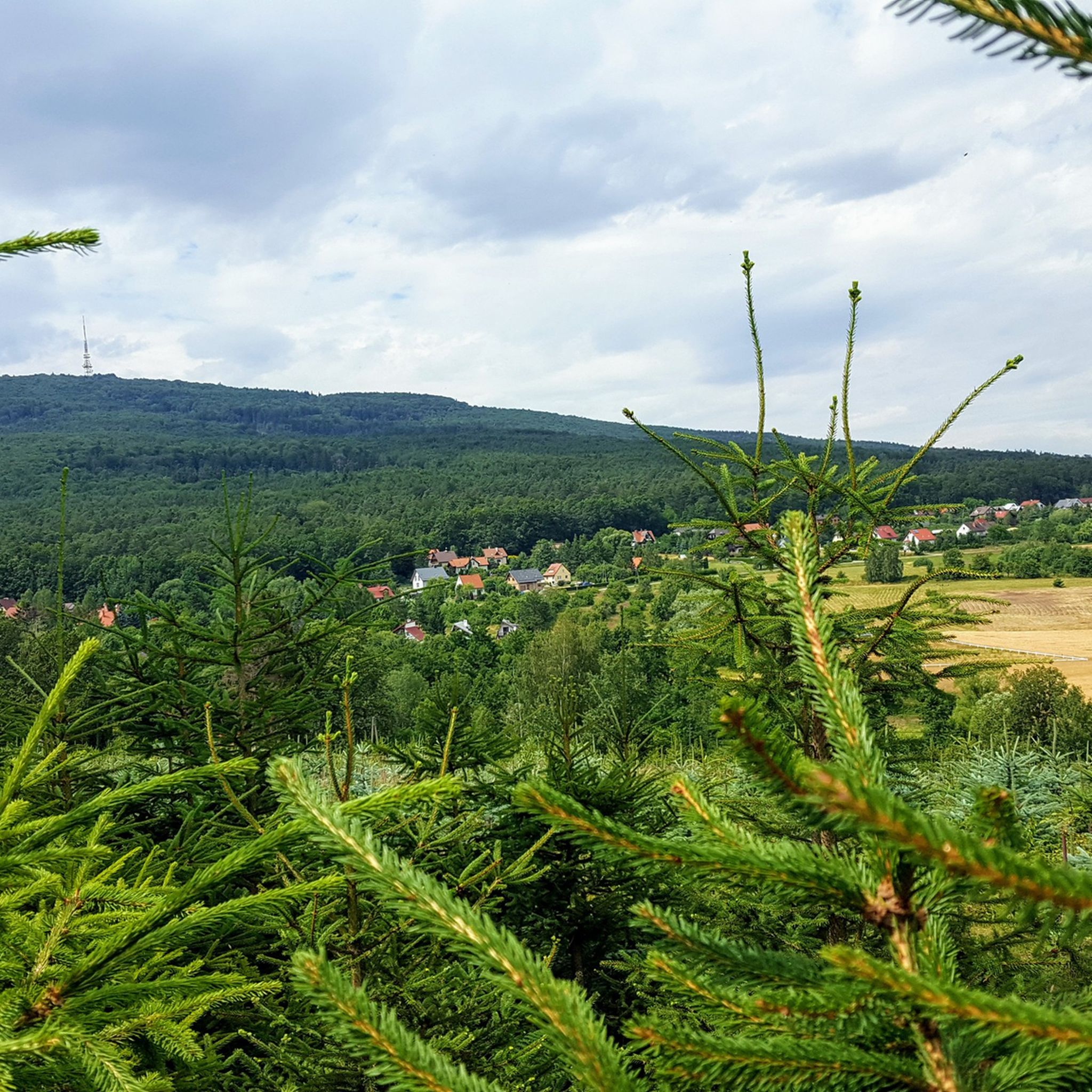
Touring cycling around Ślężański Park Krajobrazowy offers diverse landscapes centered around the prominent Ślęża Massif, which includes Mount Ślęża (718 meters) and Mount Radunia (573 meters). The region features significant elevation changes and varied geological structures, characterized by granite and gabbro. Extensive mixed forests cover nearly 60% of the park, providing scenic and varied terrain for cyclists. This area is part of the Sudety Foothills, offering a network of routes across different terrains.
Best touring cycling routes around Ślężański Park…
Last updated: May 20, 2026
4.4
(16)
106
riders
26.6km
01:43
350m
350m
Moderate bike ride. Good fitness required. Mostly paved surfaces. Suitable for all skill levels.
5.0
(1)
42
riders
19.4km
02:06
620m
620m
Hard bike ride. Very good fitness required. You may need to push your bike for some segments of this route.

Sign up for free
5.0
(1)
32
riders
Moderate bike ride. Good fitness required. Mostly paved surfaces. Suitable for all skill levels.
3.0
(1)
28
riders
21.2km
02:11
410m
410m
Moderate bike ride. Good fitness required. Mostly paved surfaces. Suitable for all skill levels.
5.0
(1)
22
riders
20.5km
01:58
520m
520m
Hard bike ride. Very good fitness required. Mostly paved surfaces. Suitable for all skill levels.
Get access to more routes and recommendations from other explorers.
Sign up for free
Already have an account?
Our route recommendations are based on thousands of hikes, rides, and runs completed by other people on komoot.
Start today with a free account
Your next adventure awaits.
Login or Signup
Popular around Ślężański Park Krajobrazowy

Tips from the Community

The yellow trail, for everyone :)
0
0

A historic tourist facility located at the summit of Mount Ślęża at 718 meters above sea level, named after Roman Zmorski and listed as a historical monument since 1988. The current stone building was constructed in 1907-1908 under the patronage of the Zobten Mountain Society, replacing earlier wooden structures that had served hikers since 1837. Originally featuring a richly decorated "Zobten Hermitage" hall where mountain society members gathered among hunting trophies, the building now operates as a tourist house providing only catering services due to water supply issues that prevent overnight accommodation!!!
1
0
built on the ruins of a medieval Piast castle whose fragments can still be seen in the church's underground crypt. Originally founded in the 12th century by Palatine Piotr Włostowic who brought Augustinian canons from Flanders, the current neo-Romanesque structure dates from 1852 after the previous chapel was destroyed by lightning in 1834.
1
0
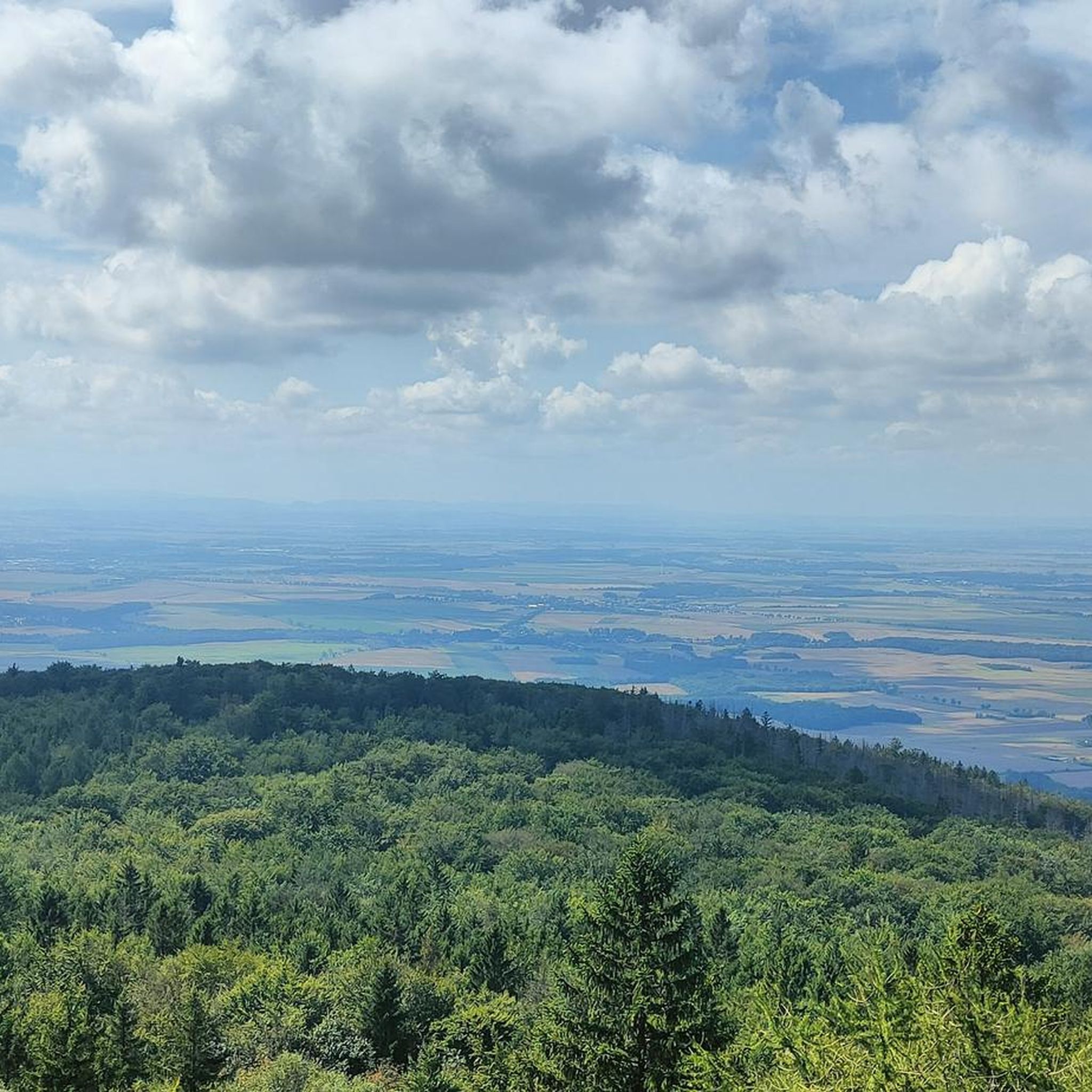
The mountain has two archaeological trails marked with the symbol of the Ślęża bear, allowing visitors to discover the ancient stone sculptures while trekking. Despite its relatively modest elevation, Ślęża offers impressive views due to its prominent rise of over 500 meters above the surrounding lowlands.
1
0
Mount Ślęża is the highest peak of the Sudeten Foothills at 717.5 meters above sea level, located near the town of Sobótka in southwestern Poland. The mountain served as a pagan solar worship center from the Bronze Age until Christianization in the 10th-11th centuries, with ancient stone sculptures including "the maiden with fish," "the monk," and "the bear" still visible today. A 12th-century church now stands on the summit alongside a concrete observation tower, while the PTTK tourist shelter provides accommodation for hikers exploring the well-marked trail network.
1
0
Quite a large, roofed tourist shelter. Beeds and tables inside. It protects against the sun (checked!) And against rain (presumably)
1
0

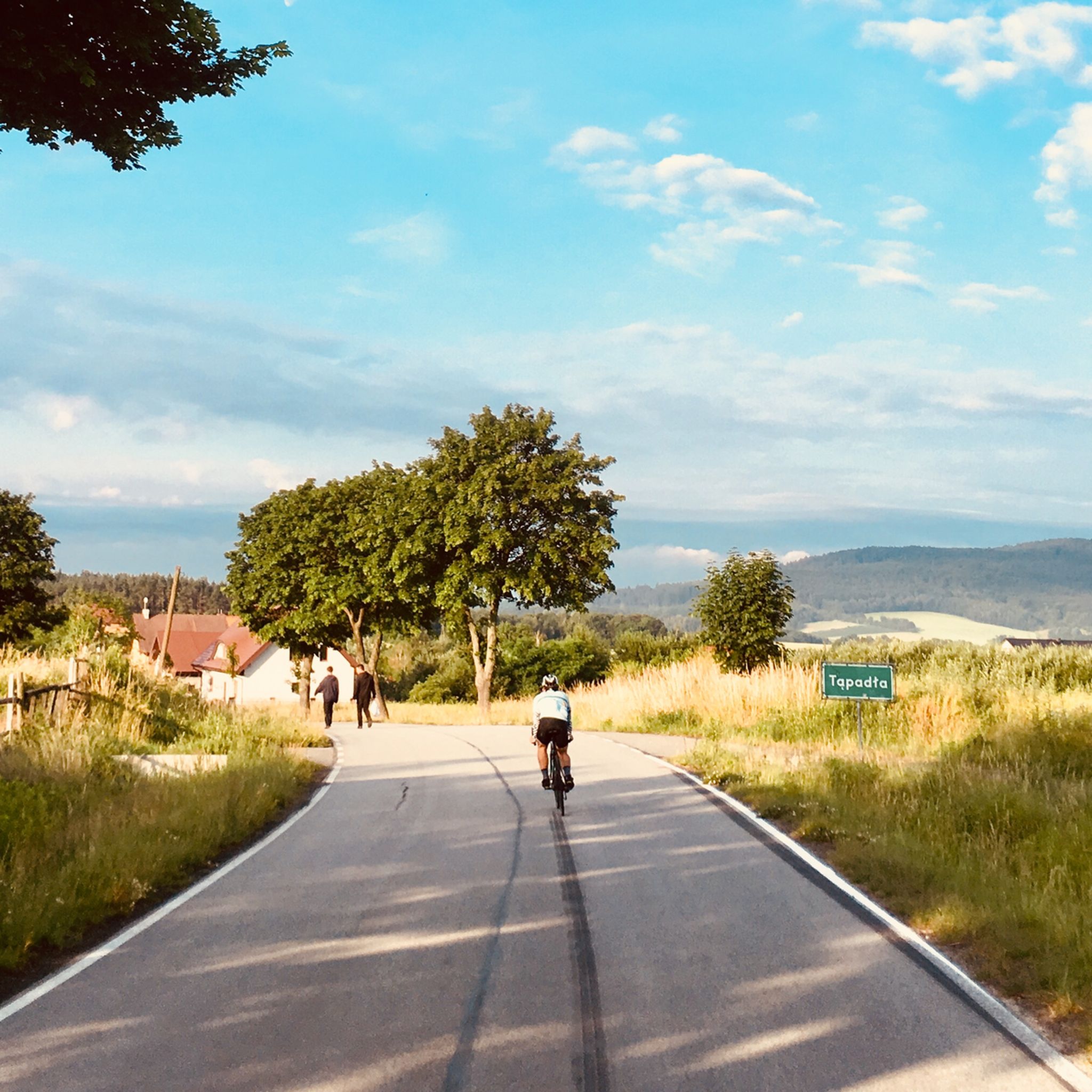
a further section of a supposedly good road, but intersected every now and then by culverts, which have to be overcome at almost zero speed to avoid a flat.
0
0

A cool piece of Polish cycling history and worth seeing if anyone is interested in the topic.
0
0
Frequently Asked Questions
How many touring cycling routes are available in Ślężański Park Krajobrazowy?
There are over 50 touring cycling routes in Ślężański Park Krajobrazowy, offering a wide range of options for different skill levels and preferences. These routes cover diverse landscapes, from paved roads to forest tracks.
What kind of terrain can I expect when touring cycling in Ślężański Park Krajobrazowy?
The park offers a varied terrain, including paved roads, gravel paths, and narrower forest tracks. The prominent Ślęża Massif means you'll encounter significant elevation changes, with some routes featuring over 500 meters of ascent. The geological structure is diverse, with rocks like gabbro and granite, and nearly 60% of the park is covered by mixed forests.
What is the overall difficulty level for touring cycling in the park?
Ślężański Park Krajobrazowy caters to various skill levels. You'll find 14 easy routes, 20 moderate routes, and 20 difficult routes. Some challenging expeditions may involve significant elevation gains and technical sections, occasionally requiring you to dismount and push your bike.
Are there any easy or family-friendly touring cycling routes in Ślężański Park Krajobrazowy?
Yes, the park offers 14 easy and 20 moderate touring cycling routes suitable for families or those seeking a less strenuous ride. These routes often feature less demanding terrain and elevation, allowing for a more relaxed experience amidst the scenic landscapes.
What interesting landmarks or natural features can I see along the touring cycling routes?
You can discover a rich history and natural beauty. Routes often pass by ancient cult sites with mysterious stone sculptures like the "Bear" and "Monk." You might also encounter the Mount Ślęża summit, the Bismarck Tower on Wieżyca Hill offering panoramic views, or the Radunia Summit. The park also features three nature reserves: Góra Ślęża, Góra Radunia, and Łąka Sulistrowicka.
Are there any routes that offer panoramic viewpoints?
Absolutely. Many routes provide stunning views, especially those ascending the Ślęża Massif. The View from Ślęża Summit – Tąpadła Pass loop from Sulistrowiczki is known for its panoramic vistas. The Bismarck Tower on Mount Ślęża is another excellent spot for expansive views of the Silesian landscape.
Are there any circular touring cycling routes in the park?
Yes, many routes in Ślężański Park Krajobrazowy are designed as loops, allowing you to start and end in the same location. Examples include the popular Tąpadła Pass – Radunia Summit loop from Ślężański Park Krajobrazowy and the Tąpadła Pass loop from Sulistrowiczki.
What is the best time of year to go touring cycling in Ślężański Park Krajobrazowy?
The park is beautiful throughout the warmer months. Spring offers blooming meadows, summer provides cool shade in dense forests, and autumn brings vibrant colors. These seasons generally offer the most pleasant weather conditions for touring cycling.
What do other touring cyclists enjoy the most about touring cycling in Ślężański Park Krajobrazowy?
The area is highly rated by the komoot community, with an average score of 4.2 stars from over 28 reviews. Cyclists often praise the diverse landscapes, the challenging yet rewarding climbs, and the extensive network of well-marked trails. The region's strong cycling culture, centered around Sobótka, is also a highlight.
Is there public transport access to the touring cycling routes in Ślężański Park Krajobrazowy?
Sobótka, often called the 'capital of Polish cycling' and located within the park, serves as a good starting point and is accessible by public transport. From there, you can easily access many of the park's cycling routes.
Are there any specific cycling routes that highlight the region's cycling culture?
Sobótka is home to the "Aleja Sław Kolarstwa" (Cycling Hall of Fame), celebrating Polish cycling figures. While not a route itself, it's a significant attraction for cyclists. Many routes start or pass through Sobótka, allowing you to experience the vibrant cycling community firsthand, especially during events like the "Ślężański Mnich" amateur races.
Can I find cafes or places to rest along the touring cycling routes?
Yes, towns and villages within and around the park, such as Sobótka and Sulistrowiczki, offer cafes and other establishments where you can rest and refuel. The PTTK Tourist House on Mount Ślęża also provides a place for a break near the summit.
Most popular routes around Ślężański Park Krajobrazowy
Most popular attractions around Ślężański Park Krajobrazowy

Get inspired with the komoot mobile app


Explore more
Browse the best Cycling routes in other regions.
