Attractions and Places To See around Caparroso - Top 20
Best attractions and places to see around Caparroso include historical landmarks and unique natural features. Situated in the fertile plains of Navarra, Spain, the region offers a blend of historical sites and natural beauty. Caparroso is located near the confluence of the Aragón and Cidacos rivers, contributing to its fertile landscape. The area is also close to the Bardenas Reales Natural Park, a UNESCO World Biosphere Reserve known for its distinct geological formations.
Best attractions and places to see around Caparroso
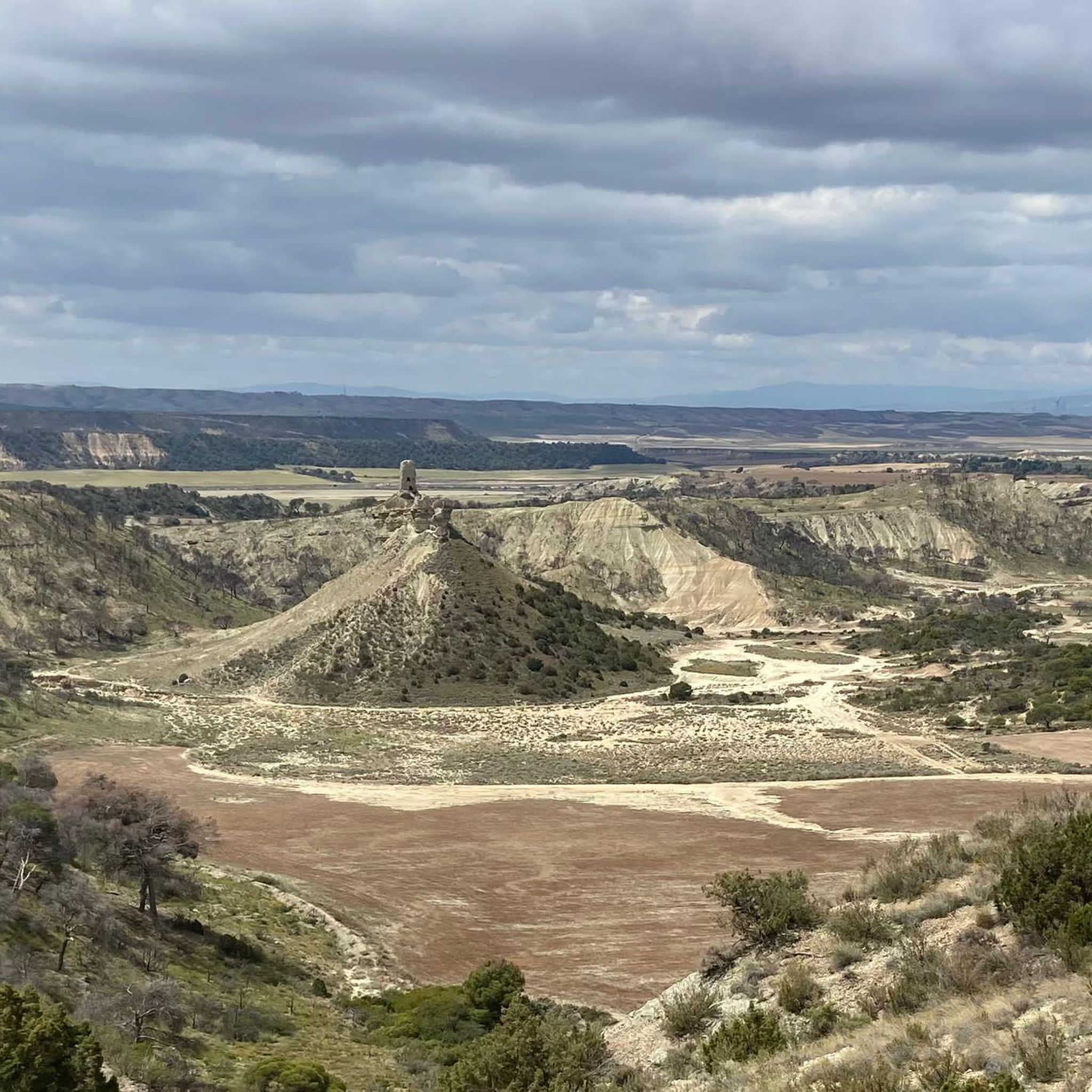
- The most popular attractions is Castildetierra, a natural monument that resembles an earthen castle. It is an iconic "cabezo" within the Bardenas Reales park, guarding the surrounding landscape.
- Another must-see spot is Peñaflor Castle (also known as Doña Blanca Castle), a 13th-century castle. The ruins of this tower, eroded by weather, are a symbol of the region and were originally built to protect the border between Navarre and Aragon.
- Visitors also love Royal Palace of Olite, a castle-palace in the nearby town of Olite. This site was a significant seat of the Court of the Kingdom of Navarre from the 13th century.
- Caparroso is known for its historical sites, natural monuments, and castles. The region offers a variety of attractions to see and explore, from ancient ruins to grand palaces and unique geological formations.
- The attractions around Caparroso are appreciated by the komoot community. With more than 270 upvotes and over 110 photos, these spots are popular among explorers.
Last updated: May 26, 2026
Castildetierra
Highlight • Natural Monument
Translated by Google •
Tip by

Peñaflor Castle (also known as Doña Blanca Castle)
Highlight • Castle
Translated by Google •
Tip by

Sign up now to discover places like this
Get recommendations on the best single tracks, peaks, & plenty of other exciting outdoor places.
Sign up for free
Royal Palace of Olite
Highlight • Castle
Tip by

Church of Santa María la Real
Highlight • Religious Site
Showing Translation
Tip by

Marcilla Castle
Highlight • Castle
This 15th-century Gothic fortress was built of brick on a stone foundation by Mosén Pierres de Peralta, with material and financial support from Charles III the Noble.
It served both as a defensive stronghold and as a palatial residence for the Marquesses of Falces, descendants of Peralta.
In 1516, the Marchioness Ana de Velasco saved the castle from being demolished by order of Cardinal Cisneros.
Translated by Google •
Tip by

Sign up for free to discover even more attractions around Caparroso.
Sign up for free
Already have an account?
Start today with a free account
Your next adventure awaits.
Login or Signup

Tips from the Community

Unfortunately, the Romanesque church cannot be visited.
2
0

It is located at Plaza de la Cava, 1, in the town center of Marcilla (Navarra), easily accessible and surrounded by bars and a children's playground. This 15th-century Gothic fortress was built of brick on a stone foundation by Mosén Pierres de Peralta, with material and financial support from Charles III the Noble. It served both as a defensive stronghold and as a palatial residence for the Marquesses of Falces, descendants of Peralta. In 1516, the Marchioness Ana de Velasco saved the castle from being demolished by order of Cardinal Cisneros.
5
0

The west façade of the Church of Santa María de Olite was restored between 2015 and 2017. The project, funded by the Government of Navarre and the Gondra Barandiarán Foundation, was ambitious and complex. It focused on its spectacular painted portal, built alongside the façade during the first third of the 14th century. The successive layers of polychromy had been preserved thanks to a large portico, removed at the end of the 19th century. It was necessary to clean all the elements, determine the causes of alteration, stabilize the existing damage, and protect the result to ensure its proper preservation. The work garnered the dedication and interest of specialists in architecture, restoration, archaeology, history, art, and viticulture. Thus, this necessarily multidisciplinary book was born. The portal of Santa María de Olite, in its most striking uniqueness, unites Christian iconography, art, and viticulture on a single plane, in a journey "from vine to stone," which is still understandable and coherent today. Information taken from https://www.culturanavarra.es/es/la-portada-de-santa-maria-de-olite-de-la-vid-a-la-piedra
0
0

The ruins consist of a small central tower that served as a watchtower and accommodation for a small garrison and a walled area around it. Today only the ruins of the tower remain.
0
0
Originally a Roman fortress in a strategic location, the fortress is both a castle and a palace, although it was originally built as a court building to fulfil a military function. Since the 13th century, the Castle of Olite has been called the Palace of the King of Navarre.
2
0
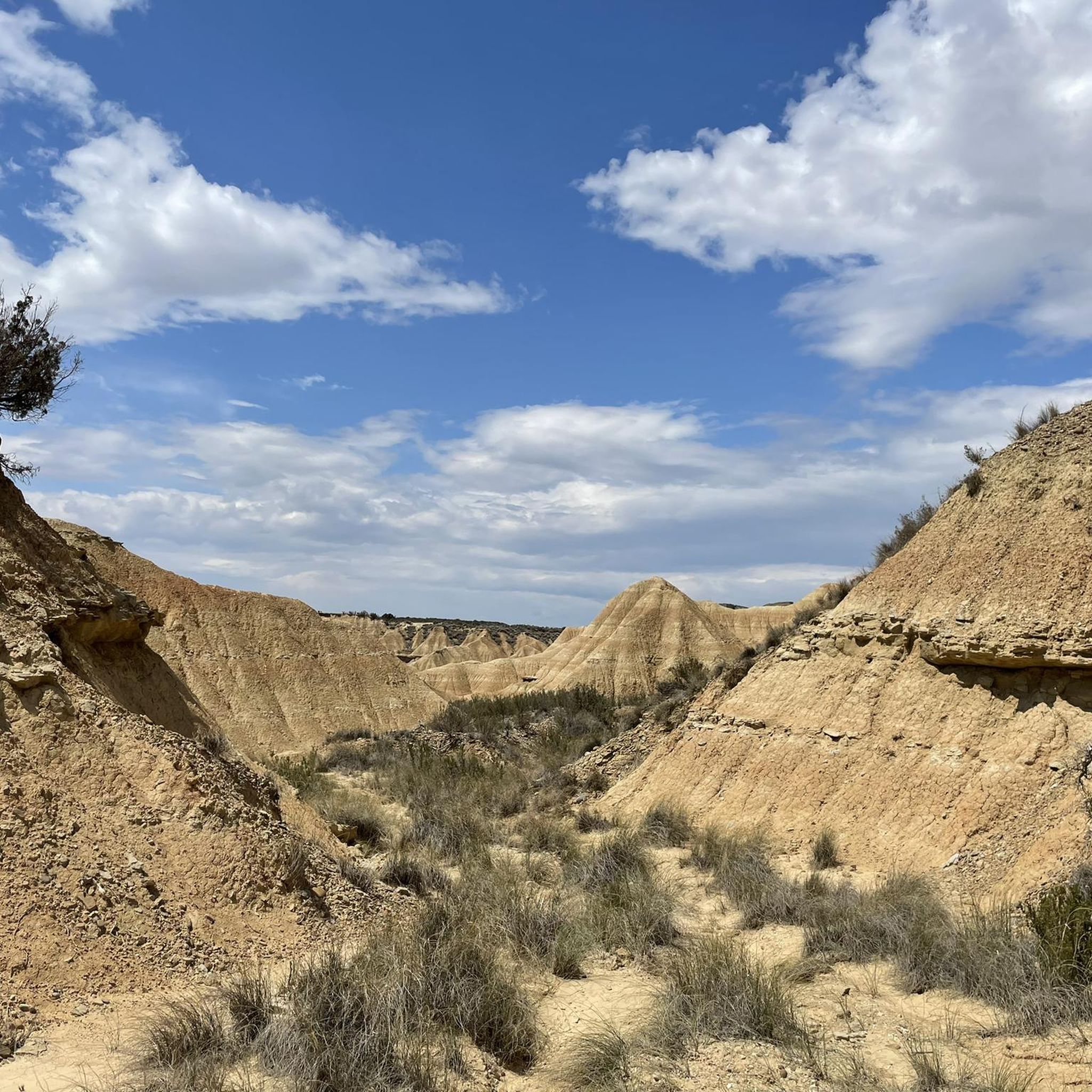
The Castilla de Tierra, the castle of earth, the brightly colored mountain of sand with a few stones on top is the iconic centerpiece of this impressive park.
4
0
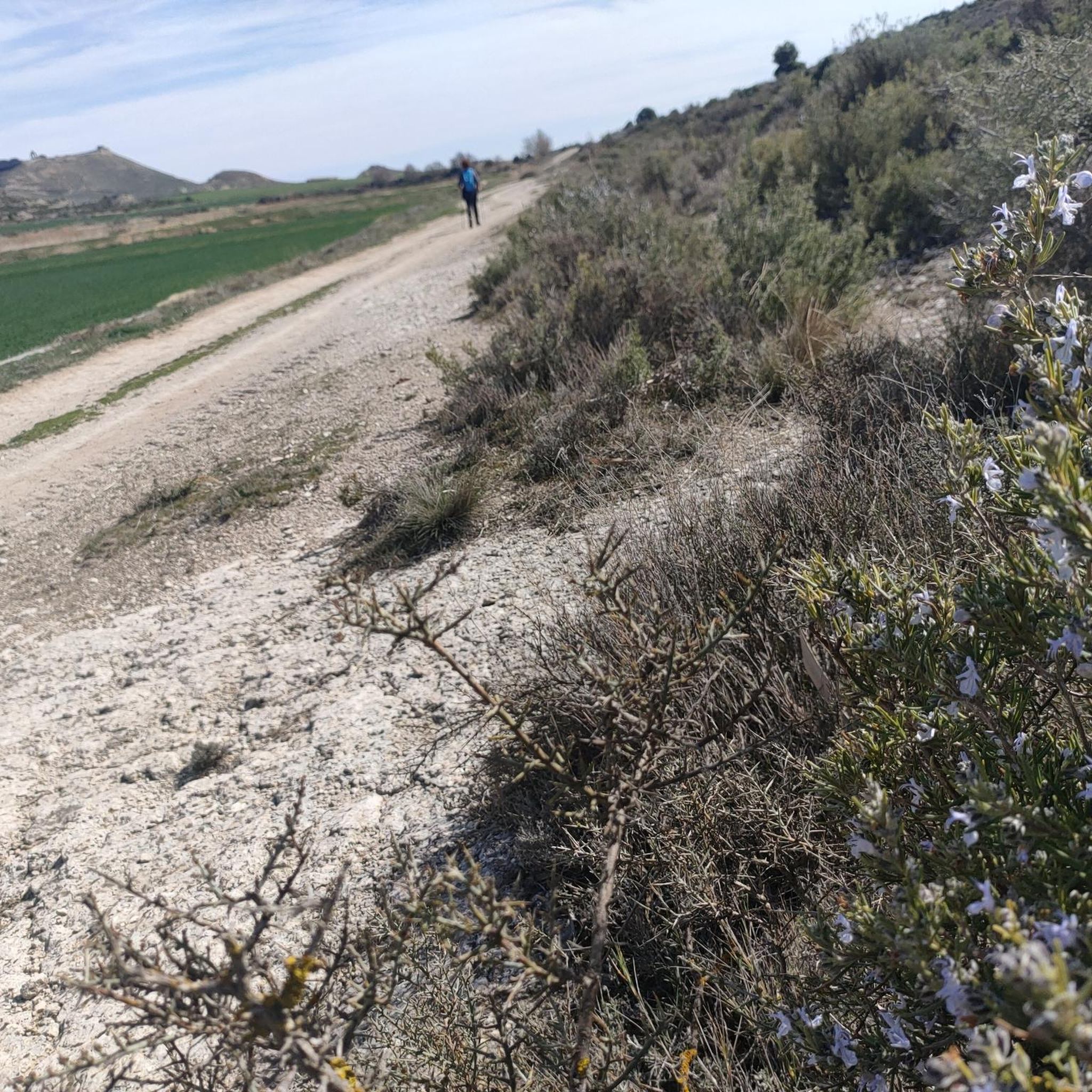
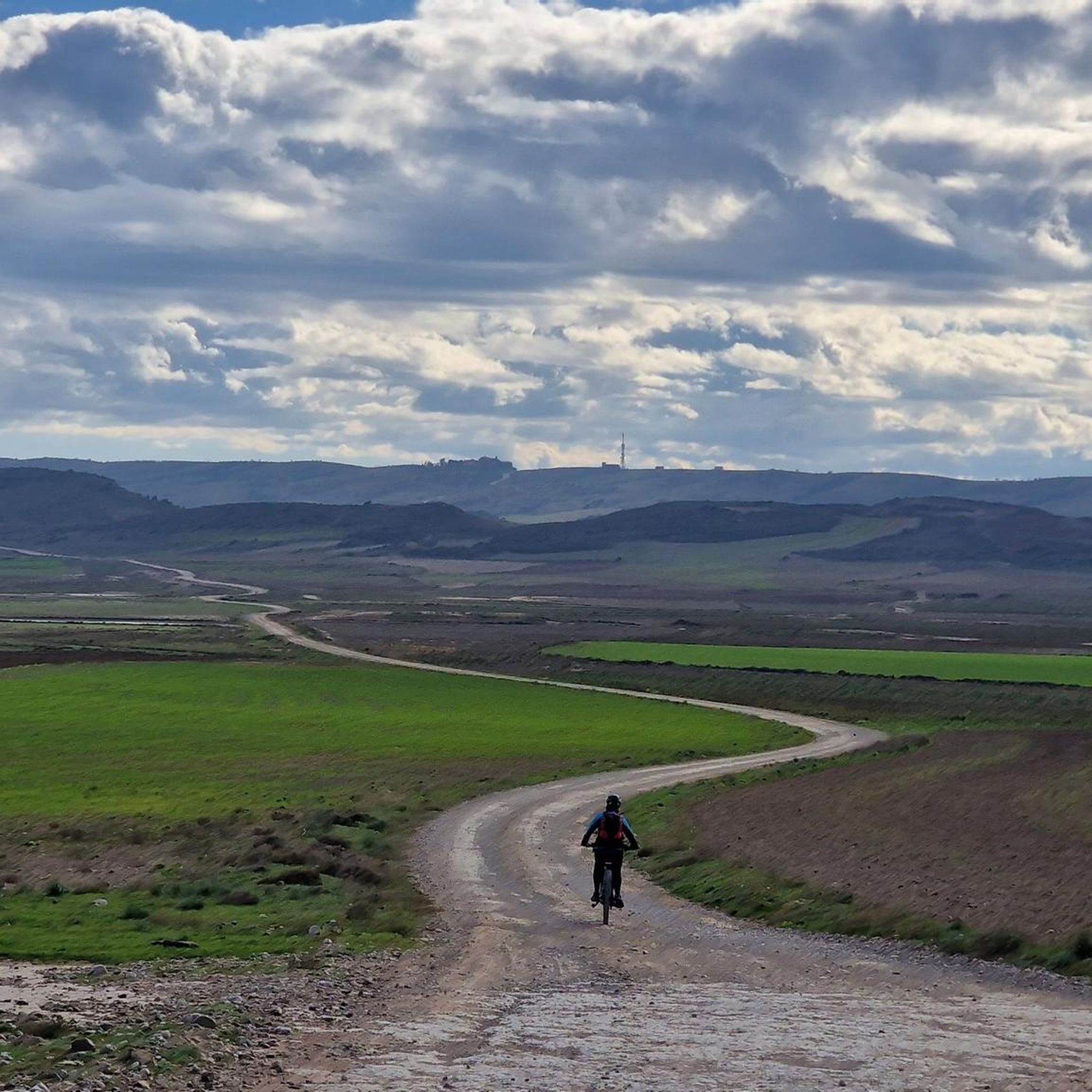
You can explore the Bardenas on foot, by bike, by Segway, on horseback, or by 4x4 or your own car. There are many well-signposted routes. Of course, the inner part is closed to cars and the experience is much more beautiful by bike.
6
0

The church is attached to the Royal Palace and was used by the Navarrese monarchs for major festivals and ceremonial events. The palace had its own chapel dedicated to Saint George and a private, gated gallery dedicated to Saint Mary. Kingdom courts, baptisms, weddings and royal funerals took place here.
1
0
Frequently Asked Questions
What natural features can I explore near Caparroso?
Caparroso is ideally located for exploring the unique semi-desert landscape of the Bardenas Reales Natural Park, a UNESCO World Biosphere Reserve. Here, you can witness striking gypsum and clay formations, vast plains, and iconic 'cabezos' like Castildetierra. The town also sits at the confluence of the Río Aragón and Río Cidacos, offering fertile plains and picturesque riverine landscapes.
Are there opportunities for outdoor activities like cycling or hiking around Caparroso?
Yes, the region around Caparroso offers various outdoor activities. You can find numerous routes for cycling, mountain biking, and running. For example, there are cycling routes like the 'Marcilla, Peralta, San Adrián, Calahorra, Funes – Circular Route' and MTB trails such as the 'Caparroso and Peñaflor Castle Loop'. Running enthusiasts can explore routes like the 'Iglesia del Cristo (Ruinas) loop from Caparroso'. You can find more details on these activities in the dedicated komoot guides for Cycling around Caparroso, MTB Trails around Caparroso, and Running Trails around Caparroso.
What historical landmarks can I visit within Caparroso itself?
Within Caparroso, you can explore the ruins of the Antigua Parroquia de Santa Fe, locally known as "El Cristo," which dates back to the 14th century and offers panoramic views. The Iglesia Parroquial de Santa Fe, built between the 17th and 18th centuries, showcases Gothic-Renaissance architecture. On the outskirts, the 18th-century Ermita de la Virgen del Soto is also a significant local site.
Are there any significant castles or palaces in the vicinity of Caparroso?
Absolutely. A must-see is the Royal Palace of Olite, a grand castle-palace that served as a seat for the Kingdom of Navarre. Also nearby is Marcilla Castle, a 15th-century Gothic fortress. Within the Bardenas Reales park, you can find the evocative ruins of Peñaflor Castle (also known as Doña Blanca Castle), a 13th-century tower with a rich history.
What is the historical significance of Caparroso?
Caparroso boasts a deep historical past, with evidence of ancient life including flint deposits and Roman-era artifacts. Its first documented mention as "Qabarrus" appears in 9th-century Arab chronicles, highlighting its defensive importance with remnants of a castle and medieval walls. The old town's narrow, winding streets reflect its medieval heritage.
Where can I find panoramic views of the Caparroso region?
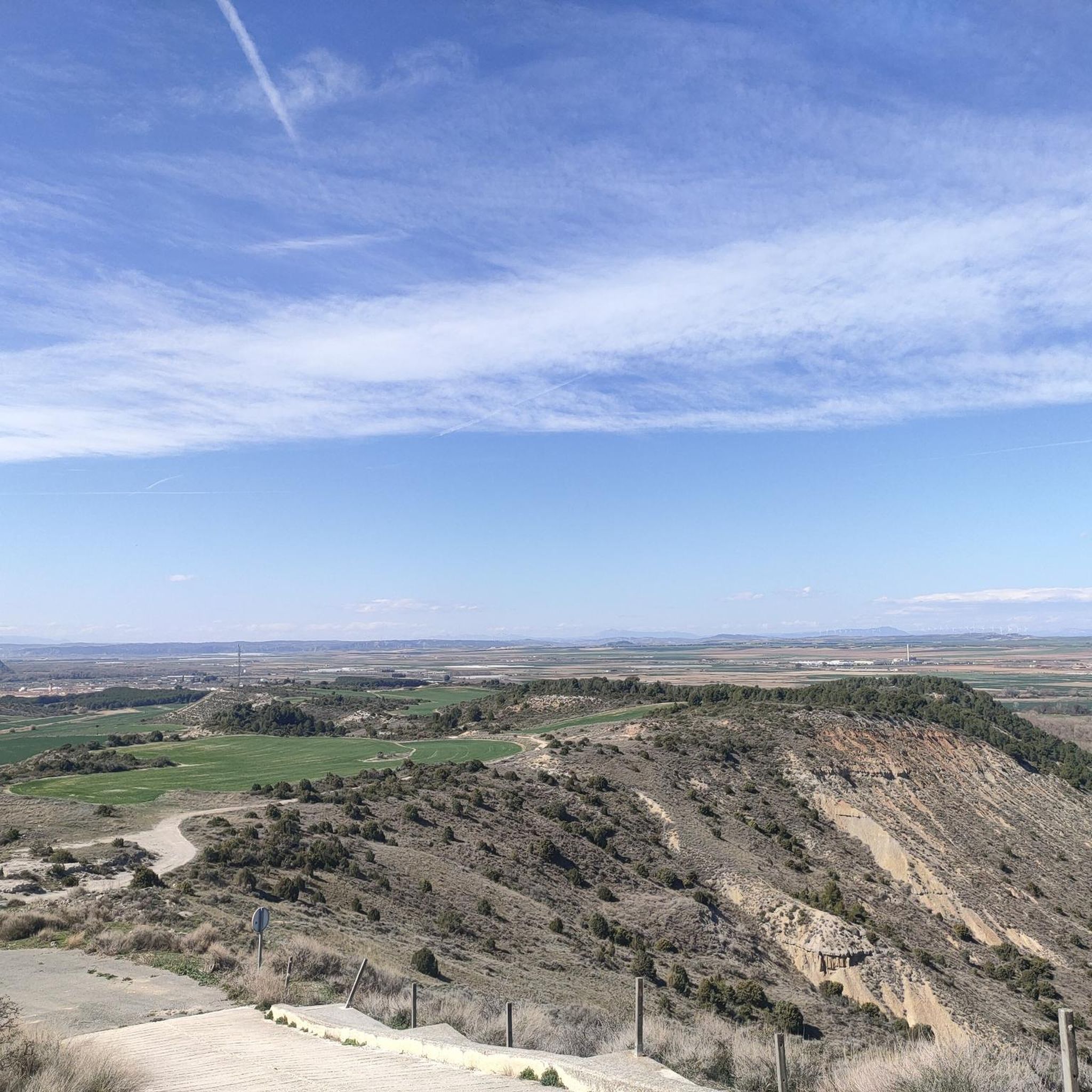
For stunning panoramic views, head to the site of the Antigua Parroquia de Santa Fe ("El Cristo"). Perched on a hill, it offers expansive vistas over Caparroso and the surrounding Navarra Media region. Additionally, the ruins of Peñaflor Castle within the Bardenas Reales also provide a unique perspective of the natural park's dramatic landscape.
Are there family-friendly attractions around Caparroso?
Yes, several attractions are suitable for families. The iconic Castildetierra in Bardenas Reales is a fascinating natural monument for all ages. The Royal Palace of Olite is also considered family-friendly, offering an engaging historical experience. Marcilla Castle, located in the town center of Marcilla, is easily accessible and surrounded by amenities like a children's playground.
What kind of local cuisine or gastronomy can I expect in Caparroso?
Caparroso is known for its culinary delights, benefiting from the fertile plains. Local orchards produce excellent asparagus, artichokes, peppers, and tomatoes. You can savor seasonal vegetable stews, lamb al chilindrón, grilled ribs, snails, and hunting calderetes, which are highly appreciated regional dishes.
What do visitors enjoy the most about the attractions near Caparroso?
Visitors frequently praise the unique natural beauty of the Bardenas Reales, especially the iconic Castildetierra, often described as an 'extraterrestrial territory.' The historical depth of sites like the Royal Palace of Olite is also a major draw, with many considering it one of Spain's most imposing and wonderful castles. The blend of history and nature, along with the panoramic views, consistently receives high appreciation.
Can I spot any wildlife in the Caparroso region?
Yes, the natural areas around Caparroso are home to diverse fauna. Common species include rabbit, wild boar, hare, dove, partridge, quail, and woodcock. The region is also important for protected species like the great bustard, particularly in the open plains and natural park areas.
Are there any guided tours or specific experiences available for visitors?
While specific tours for Caparroso attractions are not detailed, the Royal Palace of Olite offers guided visits, which are highly recommended to fully appreciate its history and architecture. Additionally, a guided visit to the Molino de Caparroso a Corralillos can provide insight into local history and traditional industries.
What is the best time to visit Caparroso and its attractions?
The best time to visit Caparroso generally depends on your preferred activities. Spring (April-May) and Autumn (September-October) offer pleasant temperatures for exploring the outdoor natural features like Bardenas Reales and for hiking or cycling. These seasons also avoid the intense summer heat, making historical site visits more comfortable. During these periods, the local gastronomy also thrives with seasonal produce.
Most popular routes around Caparroso
Most popular attractions around Caparroso

Get inspired with the komoot mobile app


Explore more
Still not found the Highlight you’re looking for? See guides of the top attractions in other regions:
