The best walks and hikes around Cavia
3.9
(14)
67
hikers
8
hikes
Hiking around Cavia, a location in the Burgos province of Spain, offers routes through rural landscapes and historical paths. The terrain typically features rolling hills and agricultural areas, with moderate elevation changes. Trails often connect small villages and historical sites, providing a blend of natural scenery and cultural interest. The region's hiking opportunities are characterized by open vistas and well-established routes, including sections of the Camino de Santiago.
Best hiking trails around Cavia
- The most popular hiking route is From…
Last updated: August 8, 2026
4.0
(1)
2
hikers
Moderate hike. Good fitness required. Mostly accessible paths. Sure-footedness required.
3.0
(1)
1
hikers
Moderate hike. Great for any fitness level. Mostly accessible paths. Sure-footedness required.

Sign up for free
4.5
(10)
41
hikers
18.4km
04:56
220m
220m
Moderate hike. Good fitness required. Easily-accessible paths. Suitable for all skill levels.
4
hikers
10.1km
02:41
110m
110m
Moderate hike. Good fitness required. Easily-accessible paths. Suitable for all skill levels.
4
hikers
6.19km
01:34
10m
10m
Easy hike. Great for any fitness level. Easily-accessible paths. Suitable for all skill levels.
Get access to more routes and recommendations from other explorers.
Sign up for free
Already have an account?
Our route recommendations are based on thousands of hikes, rides, and runs completed by other people on komoot.
Start today with a free account
Your next adventure awaits.
Login or Signup
Tips from the Community

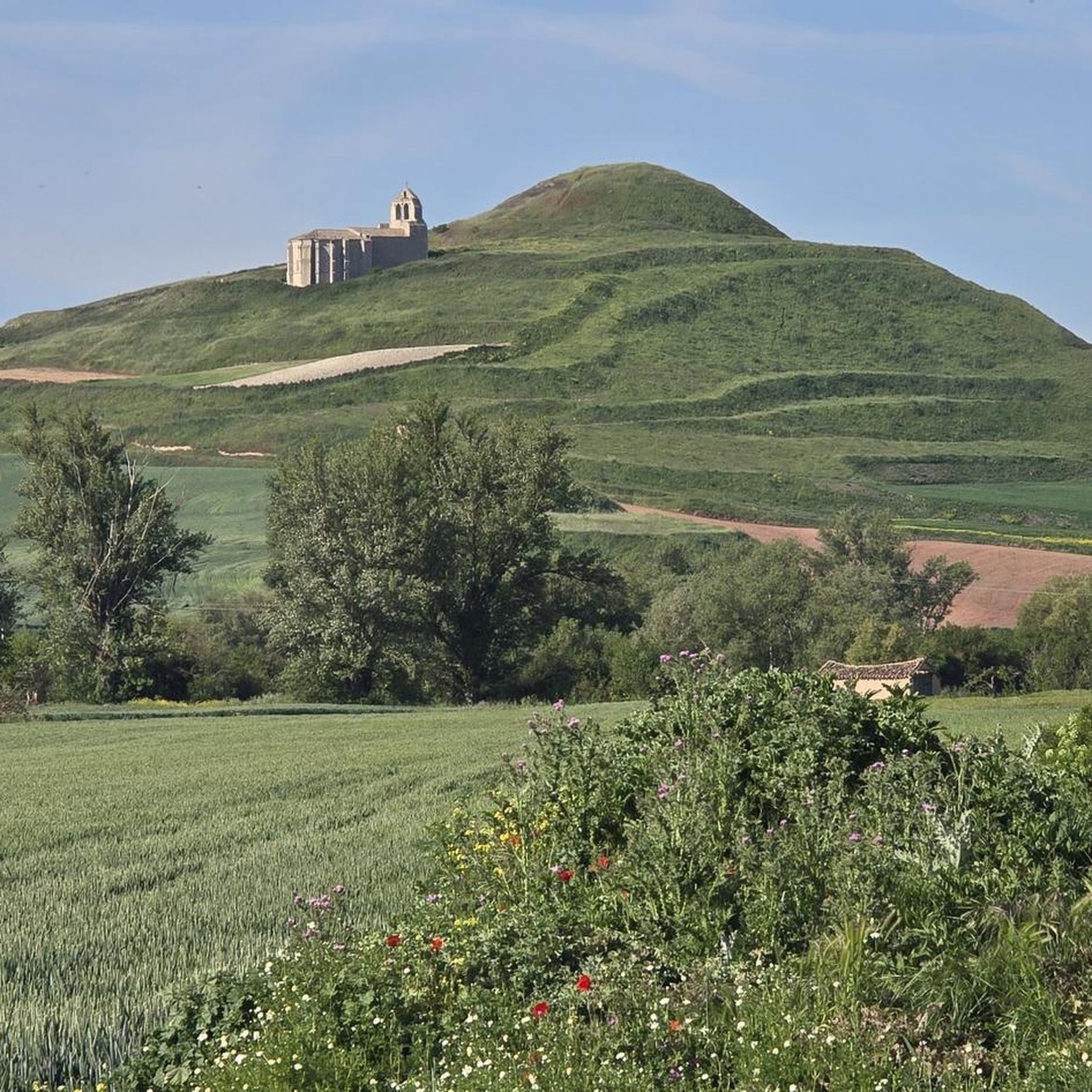
The chapel is very beautiful, the sisters unfortunately partly intrusive. You are touched without asking. A Catholic nun should actually know that only a priest has the authority to bless by laying on hands (except one's own parents) and even if she doesn't know that, there's still the normal human decency of asking strangers if they want to be touched.
0
0

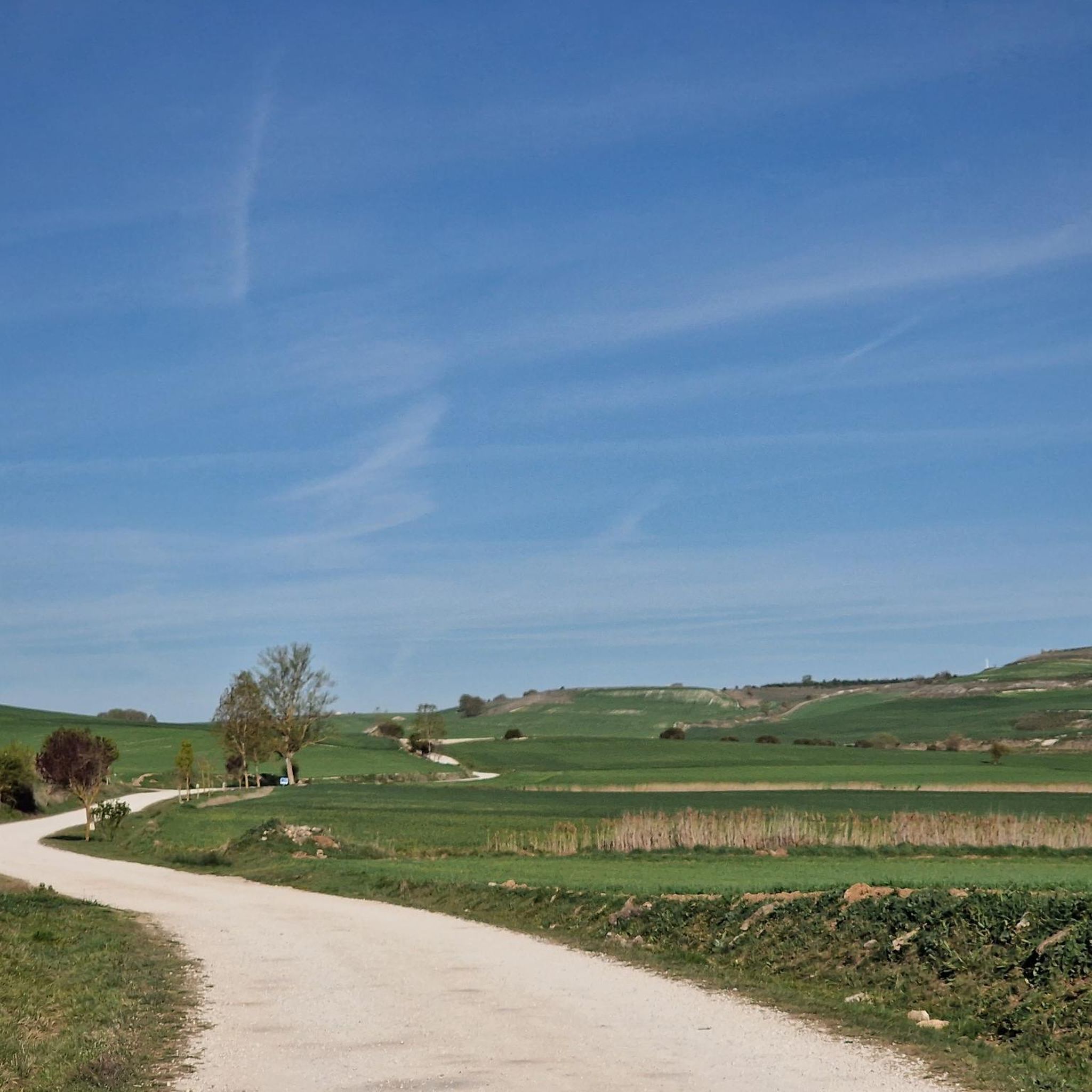
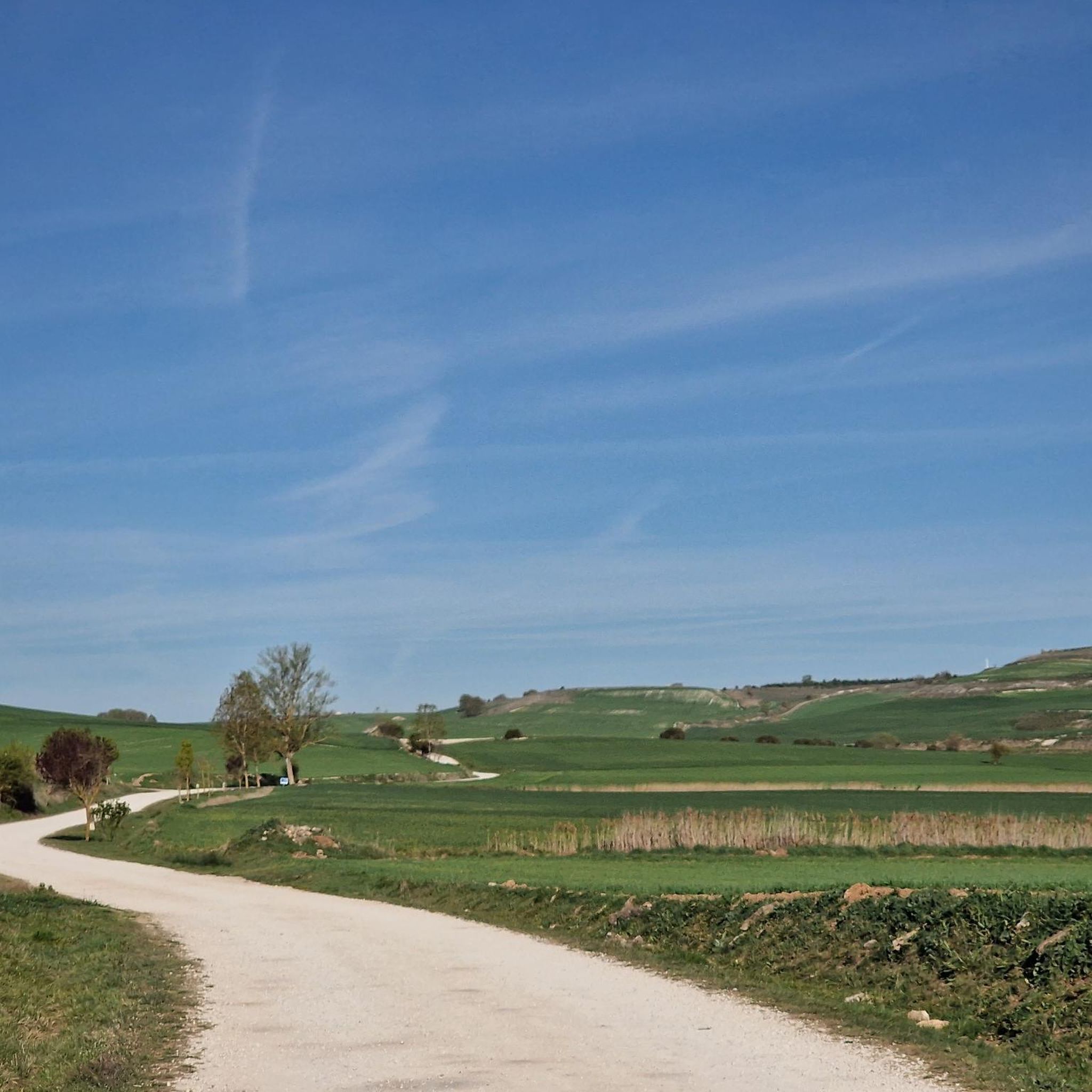
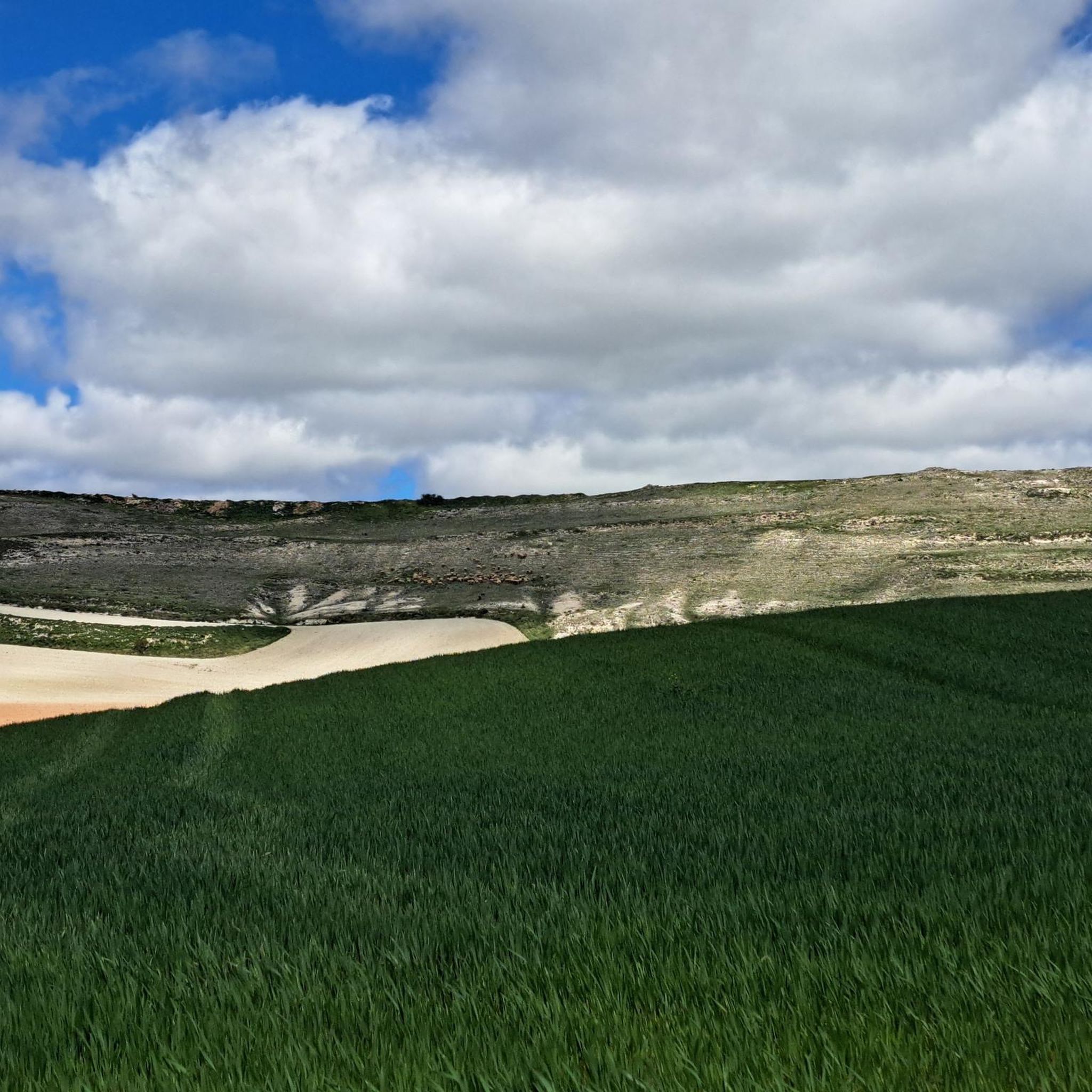
A view of infinity! Rolling hills, I feel like I'm walking through a beautiful landscape.
0
0

It is a tall stone cross, recently restored, that represents the area's Jacobean tradition. It is located in a small garden square, visible from the French Way, and serves as a visual reference for pilgrims arriving from Burgos. Although it is not a monolith in the strictest sense (like the granite cairns with the shell), it serves a similar function: marking the passage of the Way and welcoming walkers.
1
0
The Camino de Santiago monolith in Tardajos is actually a stone cross that stands as a symbolic landmark at the entrance to the town, just to the left of the road that connects to Burgos.
1
0
It represents the faces of Albert Einstein, Nelson Mandela, and Mahatma Gandhi, three universal figures of peace, science, and human rights. It is accompanied by the yellow arrow, the symbol of the Camino de Santiago, making it a visual reference point for walkers. It is located at the edge of the town, heading toward Hornillos del Camino, on a wall visible from the official Camino route.
1
0
The mural of Einstein, Mandela, and Gandhi in Rabé de las Calzadas (Burgos) is a well-known work among pilgrims on the French Way of St. James, especially for its symbolic location.
1
0
The Church of Santa Marina in Rabé de las Calzadas (Burgos) is the town's main parish church and is dedicated to its patron saint, Saint Marina. The original church was demolished in 1877 due to its poor condition, and work on the new church began that same year. It was built with deeper foundations and ashlar stone to reinforce the structure. The oldest preserved element is its 13th-century Cistercian doorway.
1
0
Hornillos del Camino, in the province of Burgos, is an emblematic town on the French Way of St. James, with an urban structure that reflects its Jacobean vocation: a single street, Calle Real, runs through the town from east to west.
1
0
Frequently Asked Questions
Where is Cavia located?
Cavia is situated in the Burgos province of Spain. It's known for its rural landscapes and historical paths, including sections of the famous Camino de Santiago.
What kind of terrain can I expect on hiking trails around Cavia?
The terrain around Cavia typically features rolling hills and agricultural areas with moderate elevation changes. Trails often connect small villages and historical sites, offering open vistas and a blend of natural scenery and cultural interest.
Are there any circular hiking routes in Cavia?
Yes, Cavia offers several circular routes. A popular option is From Rabé de la Calzada along the Camino de Santiago — circular from Tardajos, which is 11.2 miles (18.1 km) long. Another is The two towers: Torre de Mazuelo and de Arenillas de Muñó — circular from Mazuelo de Muñó, a moderate 4.4 miles (7.1 km) path.
What are the difficulty levels of hiking trails in Cavia?
Hiking routes in Cavia primarily focus on moderate day hikes. Out of the 7 available tours, 2 are easy, 4 are moderate, and 1 is considered difficult, providing options for various ability levels.
What are some interesting landmarks or attractions to see while hiking near Cavia?
While hiking, you can explore several points of interest. Consider visiting the historic settlement of Hornillos del Camino, or the Hermitage of Our Lady of the Monastery. You might also encounter the Statue of the Seated Pilgrim along the Camino de Santiago sections.
Are there any family-friendly hiking options in Cavia?
Yes, Cavia offers routes suitable for families. The trails generally feature rolling hills and moderate elevation changes, making many of them accessible. For example, the 4.4-mile The two towers: Torre de Mazuelo and de Arenillas de Muñó — circular from Mazuelo de Muñó is a moderate option that explores historical sites.
What do other hikers say about the trails in Cavia?
The trails in Cavia are highly rated by the komoot community, with an average score of 3.8 stars from over 18 reviews. Hikers often appreciate the blend of natural scenery and cultural interest found along the well-established routes, particularly those following sections of the Camino de Santiago.
How long do hikes around Cavia typically take?
Hikes around Cavia vary in length and duration. For instance, the popular From Rabé de la Calzada along the Camino de Santiago — circular from Tardajos is 11.2 miles (18.1 km) and takes approximately 4 hours 47 minutes. Shorter options like The two towers: Torre de Mazuelo and de Arenillas de Muñó — circular from Mazuelo de Muñó can be completed in about 1 hour 54 minutes.
Are there any difficult hiking routes for experienced hikers?
Yes, for experienced hikers seeking a challenge, there is a difficult route available. The Matamulos Cross – View of Hornillos del Camino loop from Hornillos del Camino is a 12.1-mile (19.5 km) trail with significant elevation changes, offering a more strenuous experience.
Can I find routes that offer views of specific villages or landmarks?
Absolutely. The View of Hornillos del Camino – Hornillos del Camino loop from Rabé de las Calzadas is an 11.4-mile (18.4 km) trail that leads through open countryside and provides excellent views of the village of Hornillos del Camino.
How many hikers have explored Cavia using komoot?
More than 79 hikers have used komoot to explore Cavia's varied terrain, indicating a growing interest in the region's hiking opportunities.
Most popular attractions around Cavia

Get inspired with the komoot mobile app


Explore more
Browse the best Hikes in other regions.
