Attractions and Places To See around Torquemada - Top 19
Best attractions and places to see around Torquemada include historical landmarks, cultural sites, and natural features. This town in Palencia, Spain, is situated at the confluence of the Pisuerga and Arlanza Rivers, contributing to its natural landscape. Torquemada preserves its medieval layout and is known for its traditional underground wineries. The region offers a mix of historical architecture and unique cultural experiences.
Best attractions and places to see around Torquemada
- The most popular attractions is Torquemada Bridge over the Pisuerga…
Last updated: May 17, 2026
Church of Santa María, Soto de Cerrato
Highlight • Religious Site
Translated by Google •
Tip by

Baltanás Underground Wine Cellars
Highlight • Structure
Translated by Google •
Tip by

Sign up now to discover places like this
Get recommendations on the best single tracks, peaks, & plenty of other exciting outdoor places.
Sign up for free
Torquemada Bridge over the Pisuerga River
Highlight • Bridge
Translated by Google •
Tip by
Castillo de Hornillos de Cerrato
Highlight • Castle
Translated by Google •
Tip by
Jurisdictional Pillory of the Town Hall Square
Highlight • Monument
This one rises on two square steps and has a polygonal shaft topped by a coat of arms.
Translated by Google •
Tip by

Sign up for free to discover even more attractions around Torquemada.
Sign up for free
Already have an account?
Start today with a free account
Your next adventure awaits.
Login or Signup
Popular around Torquemada
Tips from the Community

This 14th-century jurisdictional roll, located in the Plaza Mayor, is known as the Town Hall Justice Roll. There is another jurisdictional roll in the Town Hall Square. Description It rises on a circular platform of four steps. The base is simple, the shaft cylindrical, smooth, with four drums and a type of capital with four modillions. It is topped by a pillory, crowned with a ball.
0
0
This jurisdictional scroll in the Town Hall Square dates from the 14th century. There is another jurisdictional scroll in the Plaza Mayor. This one rises on two square steps and has a polygonal shaft topped by a coat of arms. It is considered one of the most slender scrolls in Palencia and was moved from the former Monastery of San Salvador del Moral to the nearby Town Hall Square.
0
0

The agricultural lands surrounding the town are mostly dedicated to the cultivation of vines, which means that there are several wineries in the area. An interesting place to visit is the church dedicated to Saint Mary which has undergone several restructurings in the 16th and 17th centuries.
1
0

Soto de Cerrato, a town located in the Cerrato region of Palencia, is believed to have emerged as a vacation retreat for the local ecclesiastical curia due to its proximity to Palencia. Over time, it became a settlement known as "El Soto del Cerrato". The agricultural nature of the land led the town to specialize in the cultivation of the vine, giving rise to numerous wineries. The town has two neighborhoods dedicated to the production of wine: Las Bodegas de Arriba and Las Bodegas de Abajo. In the High Middle Ages, the original parish church dedicated to Santa María was built, which has undergone several restructurings in the 16th and 17th centuries, preserving the shields of various military orders.
2
0

Baltanás is a small town famous for the underground wine storage cellars that can be found scattered up a hill in the town.
1
0
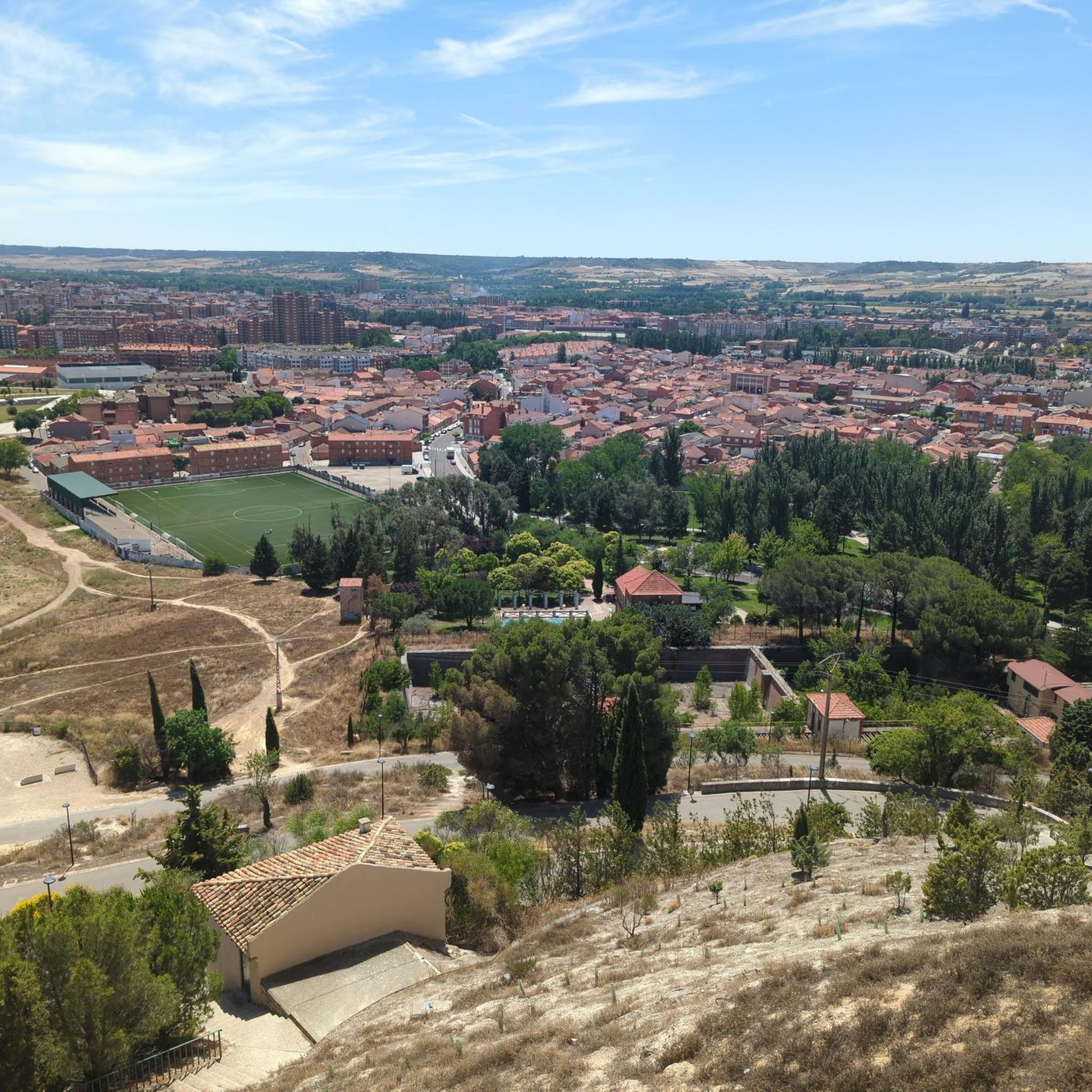
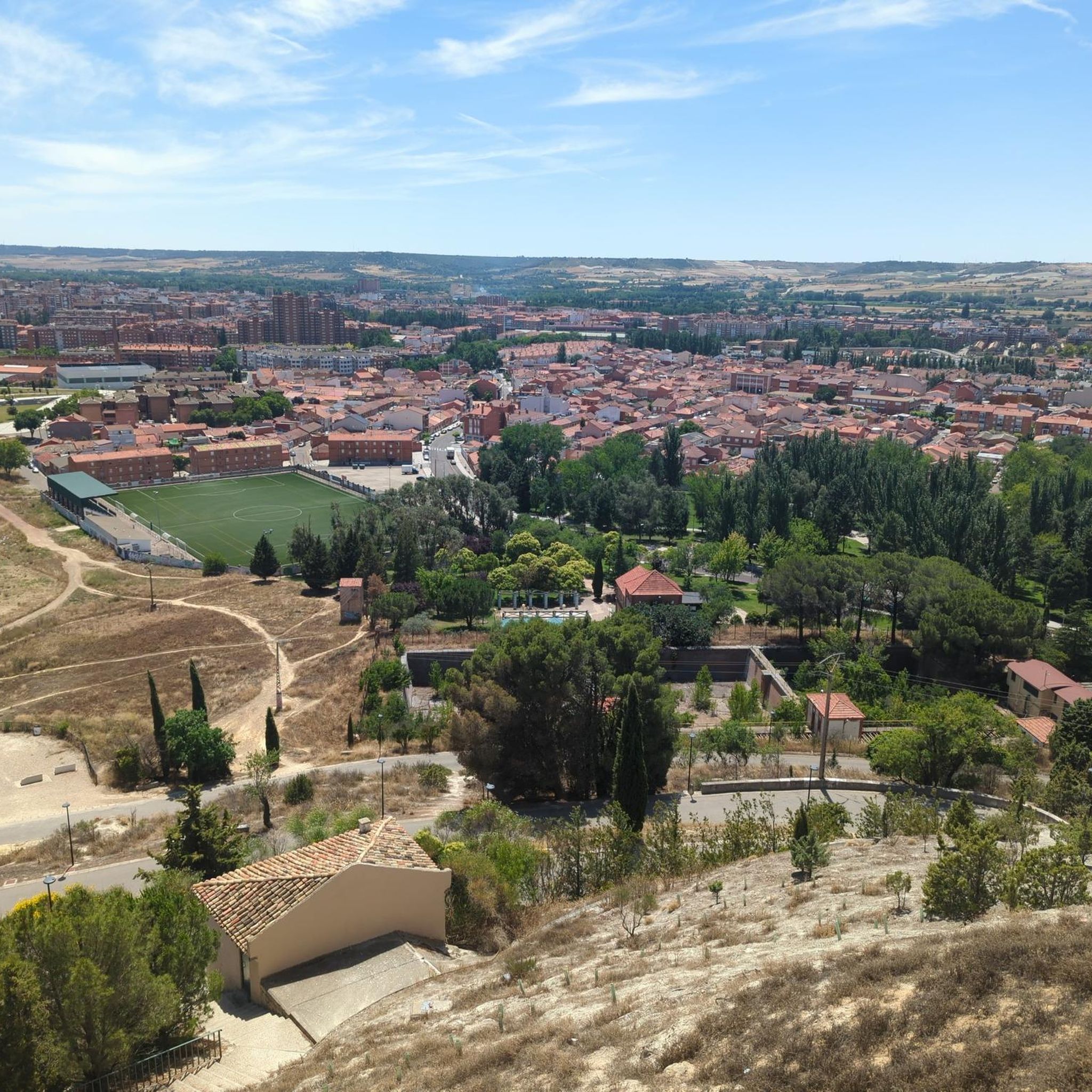
At the top of a hill that dominates the city and the surrounding landscape, is the Castle of Hornillos de Cerrato, from the 16th century.
1
0
An important town on the trade route between Burgos and Palencia and Valladolid, Torquemada sits at a crossing of the Pisuerga River. The view of the church from the bridge is inspiring.
1
0
Frequently Asked Questions
What historical landmarks can I visit in Torquemada?
Torquemada is rich in history. You can explore the impressive medieval Torquemada Bridge over the Pisuerga River, known for its 25 arches and zigzag design. The 16th-century Parish Church of Santa Eulalia is another key site, notable for its architecture and as the baptismal place of Catalina of Austria. Don't miss the 16th-century Castillo de Hornillos de Cerrato, which dominates the surrounding landscape from its hilltop position.
Are there any cultural sites or museums in Torquemada?
Yes, Torquemada offers several cultural insights. The Bustos Museum provides a glimpse into local life in the 1960s and 70s. You can also visit the Casa de José Zorrilla, the family home of the renowned poet. The town also hosts historical reenactments, particularly in mid-July for the birth of Catalina of Austria, often accompanied by a Medieval Market.
Can I explore traditional wineries in Torquemada?
Absolutely. Torquemada is famous for its traditional underground wineries, declared an Asset of Cultural Interest. There are approximately 500 of these unique cellars, clustered in five neighborhoods. You can explore some of these, including those involved in the Arlanza Designation of Origin wine route. The Baltanás Underground Wine Cellars are a significant ethnological site worth visiting.
What natural features are there to see around Torquemada?
Torquemada is situated at the confluence of the Pisuerga and Arlanza Rivers, offering picturesque riverine landscapes. The town is part of the Cerrato Palentino region, characterized by calcareous plateaus. Several smaller streams like Arroyo del Castillo and natural springs further enrich the natural environment, providing pleasant areas for walks and views.
Are there opportunities for outdoor activities like cycling or mountain biking near Torquemada?
Yes, the region around Torquemada is excellent for outdoor activities. You can find various cycling routes, including road cycling and mountain biking trails. For example, there are routes like the 'Montes del Cerrato Loop' for touring bicycles, or the 'Baltanás a Hornillos de Cerrato — circular por las Minas de Yeso' for mountain biking. You can find more details on routes in the Cycling around Torquemada and MTB Trails around Torquemada guides.
Are there hiking trails near Torquemada?
While specific hiking trails are not detailed in the provided data, the natural landscape with rivers, streams, and plateaus suggests opportunities for walking and exploring. The nearby cycling and MTB routes, such as 'Villaviudas - Monte Reinoso Loop' (easy MTB), could also be adapted for walking or provide scenic paths for hikers. For more detailed route information, refer to the outdoor activity guides for the area.
Are there family-friendly attractions in Torquemada?
The Torquemada Bridge over the Pisuerga River is considered family-friendly, offering scenic views and a historical experience. Exploring the traditional architecture along Calle Mayor and visiting the unique underground wineries can also be an engaging experience for families. The historical reenactments and Medieval Market in July could also be fun for all ages.
Are there any wheelchair-accessible attractions in Torquemada?
Yes, the Jurisdictional Pillory of the Town Hall Square is noted as wheelchair-accessible. This 14th-century monument is located in the Town Hall Square and offers a glimpse into the town's historical legal practices.
What is the best time of year to visit Torquemada?
Mid-July can be a vibrant time to visit due to the historical reenactments of Catalina of Austria's birth, often accompanied by a Medieval Market and the Noche de los Vinos de Arlanza. September is also notable for the town's pepper fair, celebrating its local gastronomy. Generally, spring and autumn offer pleasant weather for exploring the historical sites and natural beauty.
What local specialties or gastronomy should I try in Torquemada?
Torquemada is known for its local gastronomy, particularly the pimiento de 4 morros (four-sided pepper). You should also sample the wines under the Arlanza Designation of Origin, which are produced in the region's unique underground wineries. Don't miss the pepper fair in September if you visit at that time.
What makes Torquemada's underground wineries unique?
Torquemada's underground wineries are unique because they are developed on flat terrain, rather than hillsides. They achieve optimal temperature and humidity for winemaking by creating a large unevenness underground. This distinctive construction method has earned them recognition as an Asset of Cultural Interest and makes them a fascinating ethnological site to explore.
What do visitors appreciate most about the attractions around Torquemada?
Visitors often appreciate the blend of historical significance and natural beauty. The Torquemada Bridge over the Pisuerga River is particularly admired for its inspiring views of the town and its church. The traditional underground wine cellars, like those in Baltanás, are also highly regarded for their cultural and historical value, offering a unique insight into local traditions.

Get inspired with the komoot mobile app


Explore more
Still not found the Highlight you’re looking for? See guides of the top attractions in other regions:
