Attractions and Places To See around Lamasón - Top 20
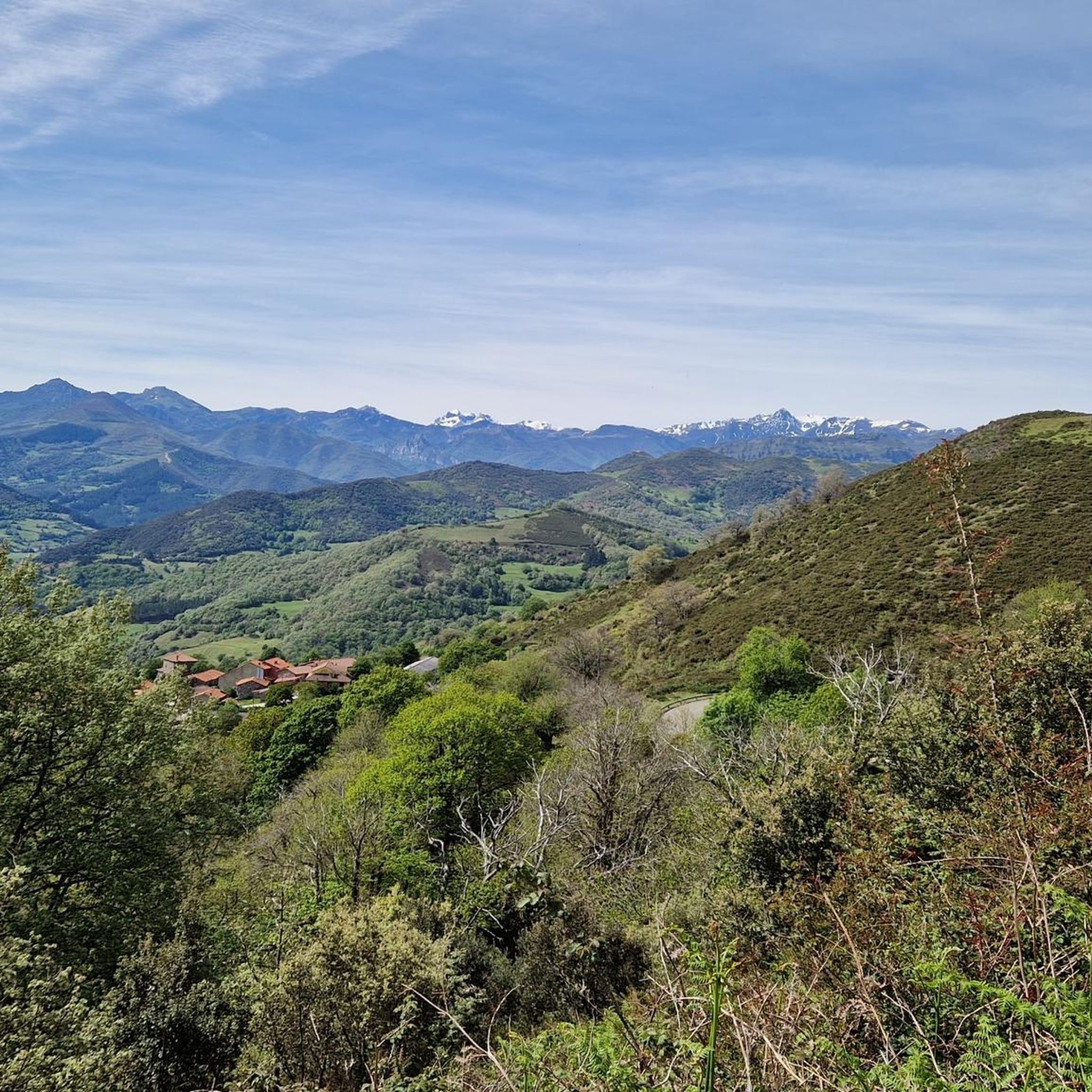
Best attractions and places to see around Lamasón include a blend of historical landmarks, cultural heritage, and natural landscapes. The municipality is situated within a deep valley, bordered by the Picos de Europa to the west and the Sierra de Peña Sagra to the south. It features traditional architecture, ancient mills, and significant religious buildings. The area also offers extensive forests and viewpoints, providing panoramic views of the surrounding mountains and valleys.
Best attractions and places to see around Lamasón
- The most popular attractions is Historic center of Potes, a settlement known for its position near the Picos de Europa. It features narrow streets, historical mansions, and is recognized for its local gastronomy.
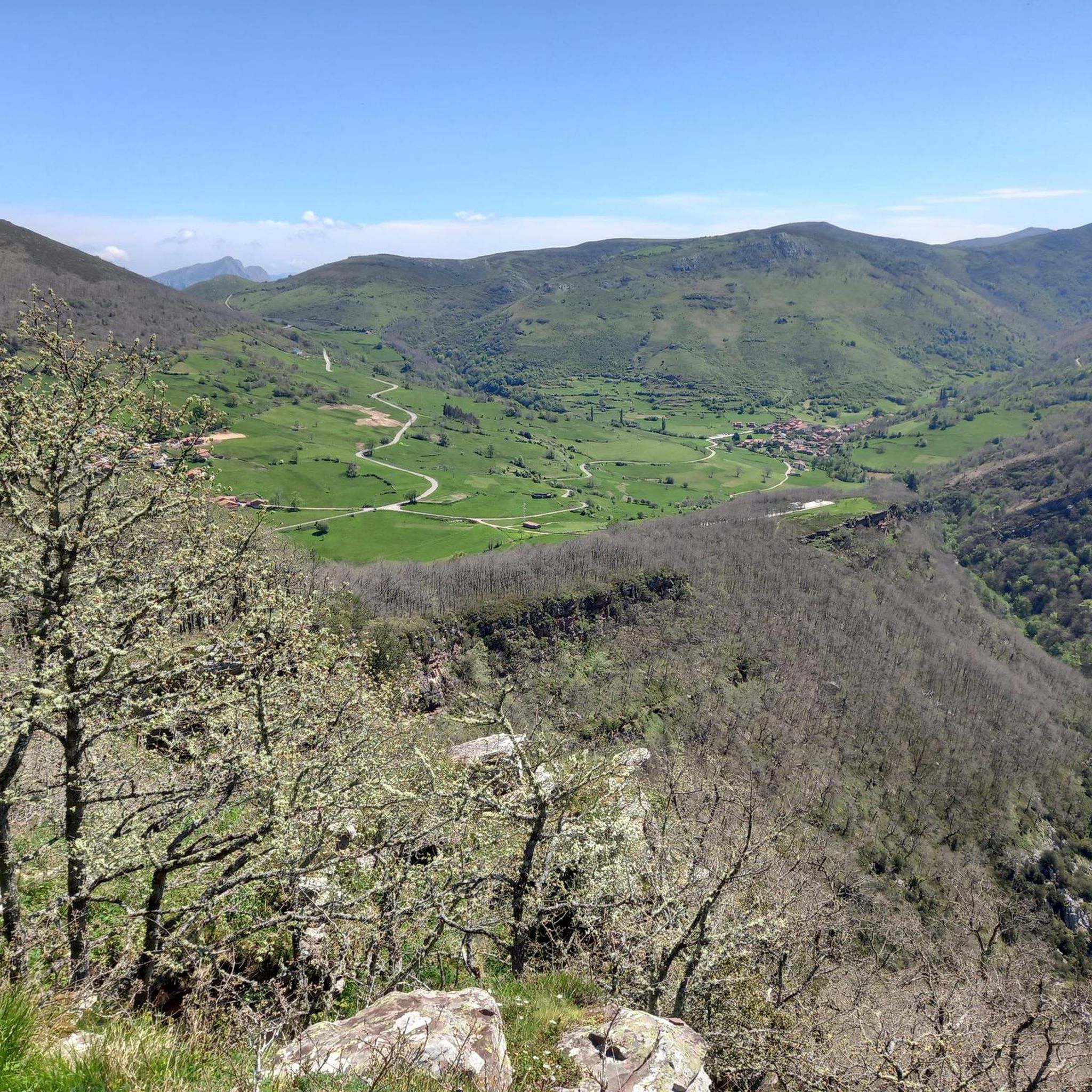
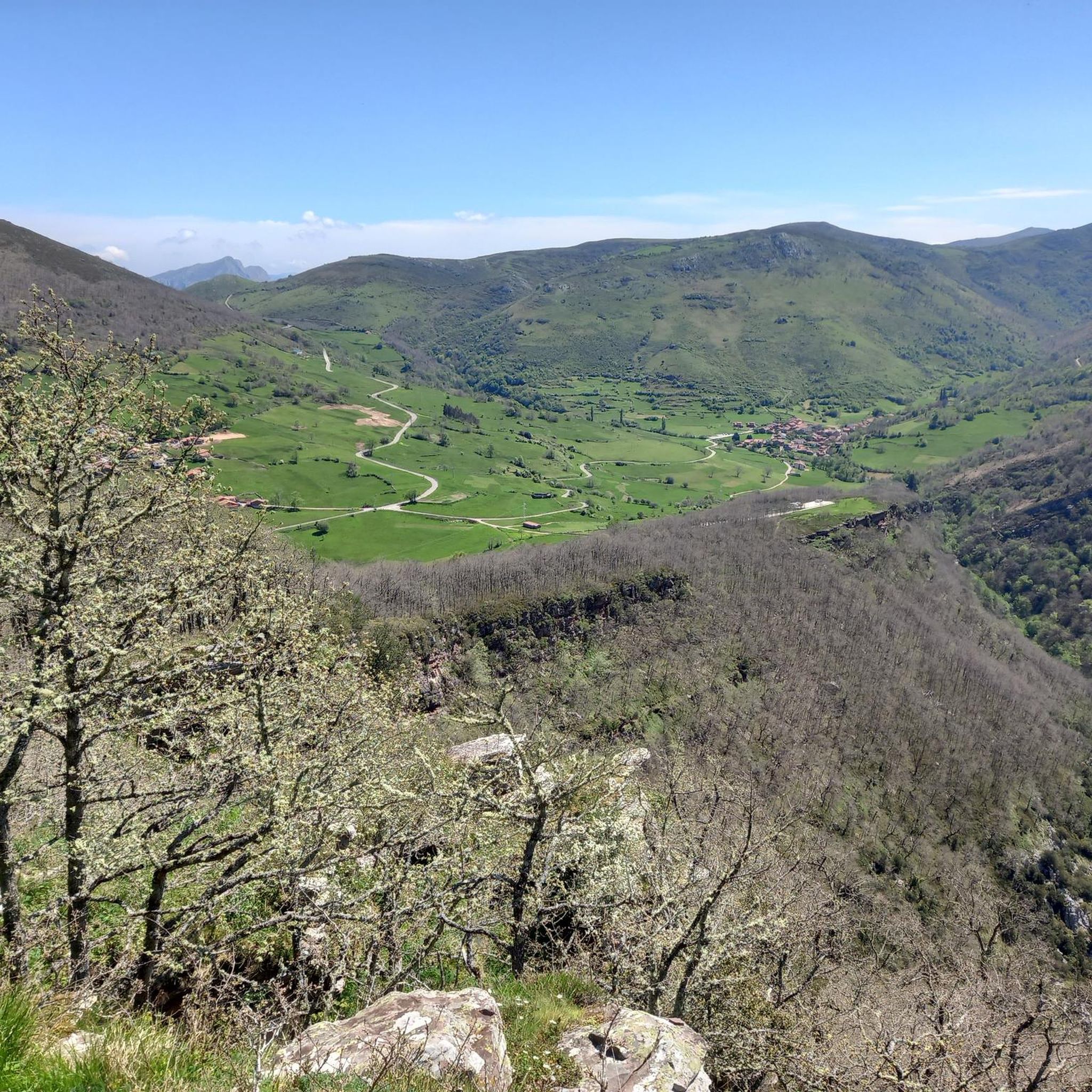
- Another must-see spot is Hermitage of the Virgin of Valmayor, a religious building located on a small hill. This site offers a viewpoint with a picnic area and views of the Cantabrian mountain range.
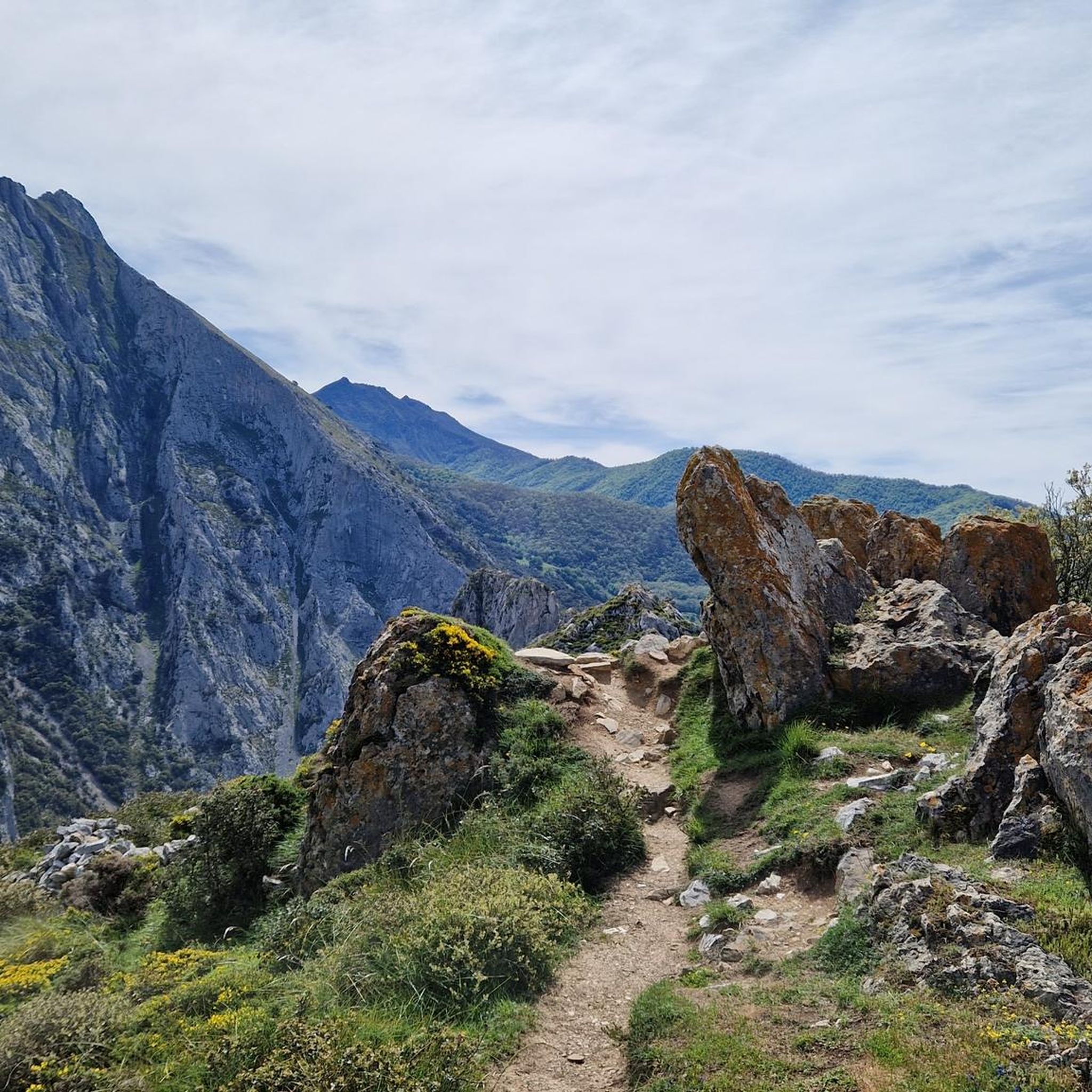
- Visitors also love Urdón to Tresviso Trail, a challenging trail through a gorge. This route involves significant elevation gain and provides scenic ascensions.
- Lamasón is known for its historical sites, religious buildings, and natural trails. The region offers a variety of attractions to see and explore, from ancient churches to panoramic viewpoints.
- The attractions around Lamasón are appreciated by the komoot community, with 221 upvotes and 54 photos shared by visitors.
Last updated: May 26, 2026
Historic center of Potes
Highlight • Settlement
Translated by Google •
Tip by

Hermitage of the Virgin of Valmayor
Highlight • Religious Site
Translated by Google •
Tip by

Sign up now to discover places like this
Get recommendations on the best single tracks, peaks, & plenty of other exciting outdoor places.
Sign up for free
Urdón to Tresviso Trail
Highlight • Trail
Translated by Google •
Tip by

Santa Juliana Church
Highlight • Religious Site
Near it, you will find a hostel for pilgrims.
Translated by Google •
Tip by
Santa María de Lebeña Church
Highlight • Religious Site
Translated by Google •
Tip by
Sign up for free to discover even more attractions around Lamasón.
Sign up for free
Already have an account?
Start today with a free account
Your next adventure awaits.
Login or Signup
Tips from the Community

A town with a lively and very pleasant atmosphere, where you can feel both peace and adventure.
0
0
I went first thing in the morning and loved watching the sunrise. The route is manageable, although the descent is a bit long due to the curves and loose stones.
0
0

Beautiful little town. Try Restaurante La Barrica, unbelievable food.
0
1

It is located on top of a small hill at the foot of Pico Pumar. The hermitage dates from the year 990, every year on August 6 there is a big party and the holy image is carried around.
12
0
One of the most beautiful towns in Cantabria, with the Torre del Infantado, the narrow alleys, the river through the city, with the Museo de la Sidra and of course as a gateway to the Picos.
1
0

The small church of Santa Juliana is located right at the entrance to the town of Lafuente, on the road that goes up from Puentenansa to La Hermida in Peñarrubia. It was declared an Asset of Cultural Interest in 1983. Although it is a very simple and rough rural Romanesque work, its chronology has been between the end of the 12th century and the beginning of the 13th.
1
0
Surrounded by a spectacular landscape and located at the confluence of the four valleys of the Region, Potes is known as the town of bridges (hence its name) and towers. Its narrow streets and mansions (most with coats of arms) help to imagine past times full of history. One of the most relevant aspects of Potes is gastronomy and the cocido lebaniego is one of its culinary stars.
1
0

The hermitage is located a few kilometers from Potes and even if you are not one to visit these sites, it is worth doing so because there is a viewpoint with a picnic area that offers wonderful views of the Cantabrian mountain range.
4
1
Frequently Asked Questions
What historical and cultural sites can I explore in the Lamasón area?
The region is rich in history. You can visit the 12th-13th century Santa Juliana Church in Lafuente, a fine example of Romanesque art. Also, the Santa María de Lebeña Church, a significant pre-Romanesque monument from the 10th century, is worth seeing. Don't miss the Historic center of Potes, known for its narrow streets, historical mansions, and traditional architecture.
Are there any notable viewpoints or natural features to visit in Lamasón?
Yes, Lamasón offers stunning natural beauty. The Mirador de La Píquere provides spectacular panoramic views of the Lamasón valley, the Picos de Europa, and surrounding mountain ranges. The area is also characterized by deep valleys, extensive forests of oak and beech, and rivers like the Lamasón and Lafuente stream.
What kind of outdoor activities are available around Lamasón?
Lamasón is excellent for outdoor enthusiasts. You can find numerous routes for road cycling, mountain biking, and general cycling. For example, explore challenging road cycling routes like the Collado de Hoz Loop or the Historic center of Potes – San Glorio Pass loop. Mountain bikers can tackle trails such as the Peña Ventosa - Transcantábrica Loop. Discover more options on the Road Cycling Routes around Lamasón, MTB Trails around Lamasón, and Cycling around Lamasón guide pages.
Are there hiking trails near the attractions in Lamasón?
Absolutely. The region is ideal for hiking. A notable challenging trail is the Urdón to Tresviso Trail, which takes you through a gorge with significant elevation gain and scenic ascensions. Many paths connect the various villages and mountains, offering diverse hiking experiences.
What is the best time of year to visit Lamasón for outdoor activities?
The spring and summer months are generally ideal for outdoor activities in Lamasón, offering pleasant weather for hiking and cycling. If you're interested in trout fishing, the Río Tanea is a good spot between April and July. The region's forests and viewpoints are beautiful year-round, but warmer months allow for more extensive exploration.
Are there any family-friendly attractions or activities in the area?
While specific family-focused activities aren't detailed, the Historic center of Potes is considered family-friendly, offering charming streets and local gastronomy. Exploring the traditional architecture in villages like Sobrelapeña and Lafuente, or enjoying a picnic at the viewpoint near the Hermitage of the Virgin of Valmayor, can also be enjoyable for families.
What is the Camino Lebaniego and how does it relate to Lamasón?
Lamasón is an important historical passage on the Camino Lebaniego, a pilgrimage route leading to the Monastery of Santo Toribio de Liébana. The path traverses through villages such as Sobrelapeña and Lafuente within the municipality, making it a significant stop for pilgrims and those interested in historical routes.
Where can I find traditional Cantabrian architecture in Lamasón?
You can admire traditional Cantabrian architecture throughout the municipality. Villages like Sobrelapeña and Lafuente feature well-preserved rows of stone houses, often aligned along old paths. In Quintanilla, look for notable mansions, including one with the coats of arms of Agüero and Dosal, and the Casona El Arco. The 'Casa de la corralada' in Sobrelapeña also has a historic inscription from 1625.
What is the Hermitage of the Virgin of Valmayor and what does it offer?
The Hermitage of the Virgin of Valmayor is a religious building located on a small hill. Dating back to the year 990, it offers a viewpoint with a picnic area, providing wonderful views of the Cantabrian mountain range. It's a peaceful spot for reflection and enjoying the scenery.
Are there any ancient industrial sites or historical structures related to local life?
Historically, Lamasón was home to nearly 30 mills for grinding grain, though none are still in operation today. Additionally, you can find 'invernales' scattered across the landscape, such as in Cotero Moso and Monegrillo. These traditional cattle shelters are a testament to the region's historical reliance on livestock farming, particularly with the native Tudanca cows.
What do visitors enjoy most about the attractions around Lamasón?
Visitors frequently praise the spectacular landscapes and the historical charm of the area. The Historic center of Potes is often highlighted for its beauty, gastronomy, and as a gateway to the Picos de Europa. The scenic ascensions and challenging routes like the Urdón to Tresviso Trail are also popular among those seeking adventure and stunning views.
Most popular attractions around Lamasón

Get inspired with the komoot mobile app


Explore more
Still not found the Highlight you’re looking for? See guides of the top attractions in other regions:
