Attractions and Places To See around San Andrés Del Congosto - Top 20
Best attractions and places to see around San Andrés Del Congosto include a variety of historical sites and natural landscapes. Located in the Guadalajara province, the region features the Henares river plain and surrounding mountains. Visitors can explore a mix of man-made monuments, settlements, and reservoirs, offering diverse points of interest.
Best attractions and places to see around San Andrés Del Congosto
- The most popular attractions is Cañamares River Reservoir, a lake that offers pleasant views, especially on warm…
Last updated: June 4, 2026
Jadraque Castle
Highlight • Castle
Translated by Google •
Tip by

Hiendelaencina
Highlight • Settlement
Its origins are medieval, possibly predating the Bronze Age. The name derives from the Arabic …
Translated by Google •
Tip by

Sign up now to discover places like this
Get recommendations on the best single tracks, peaks, & plenty of other exciting outdoor places.
Sign up for free
Hiendelaencina Silver Mines
Highlight • Historical Site
Translated by Google •
Tip by

View of Cogolludo
Highlight • Viewpoint
Translated by Google •
Tip by

Jadraque
Highlight • Castle
Translated by Google •
Tip by

Sign up for free to discover even more attractions around San Andrés Del Congosto.
Sign up for free
Already have an account?
Start today with a free account
Your next adventure awaits.
Login or Signup


Tips from the Community

What to see 🧭 “El País de la Plata” Interpretation Center Interactive museum about local mining, open Saturdays and Sundays from 12:00 to 14:00. General admission approx. €2, free for residents and children under 14. ⛪ Santa Cecilia Parish Church 19th-century building constructed during the mining boom, with a single nave and a simple transept. 🏗️ Mining and Industrial Heritage More than 200 shafts/mines, such as Santa Catalina, Santa Teresa, Mala Noche, Fuerza, etc. Remains of ore-washing facilities like San Carlos, ruined industrial sites, and power plants.
4
0
A village in the Sierra Norte of Guadalajara, at an altitude of approximately 1,084 meters. Its origins are medieval, possibly predating the Bronze Age. The name derives from the Arabic Hisn al-Ancina (“castle of the holm oak”). In 1844, the discovery of silver triggered a “silver rush,” transforming Hiendelaencina into a major 19th-century mining district, with up to 200 mines and a population that reached 5,000. A parish church dedicated to Saint Cecilia was built between 1848 and 1851, financed with funds from the mining town.
4
0

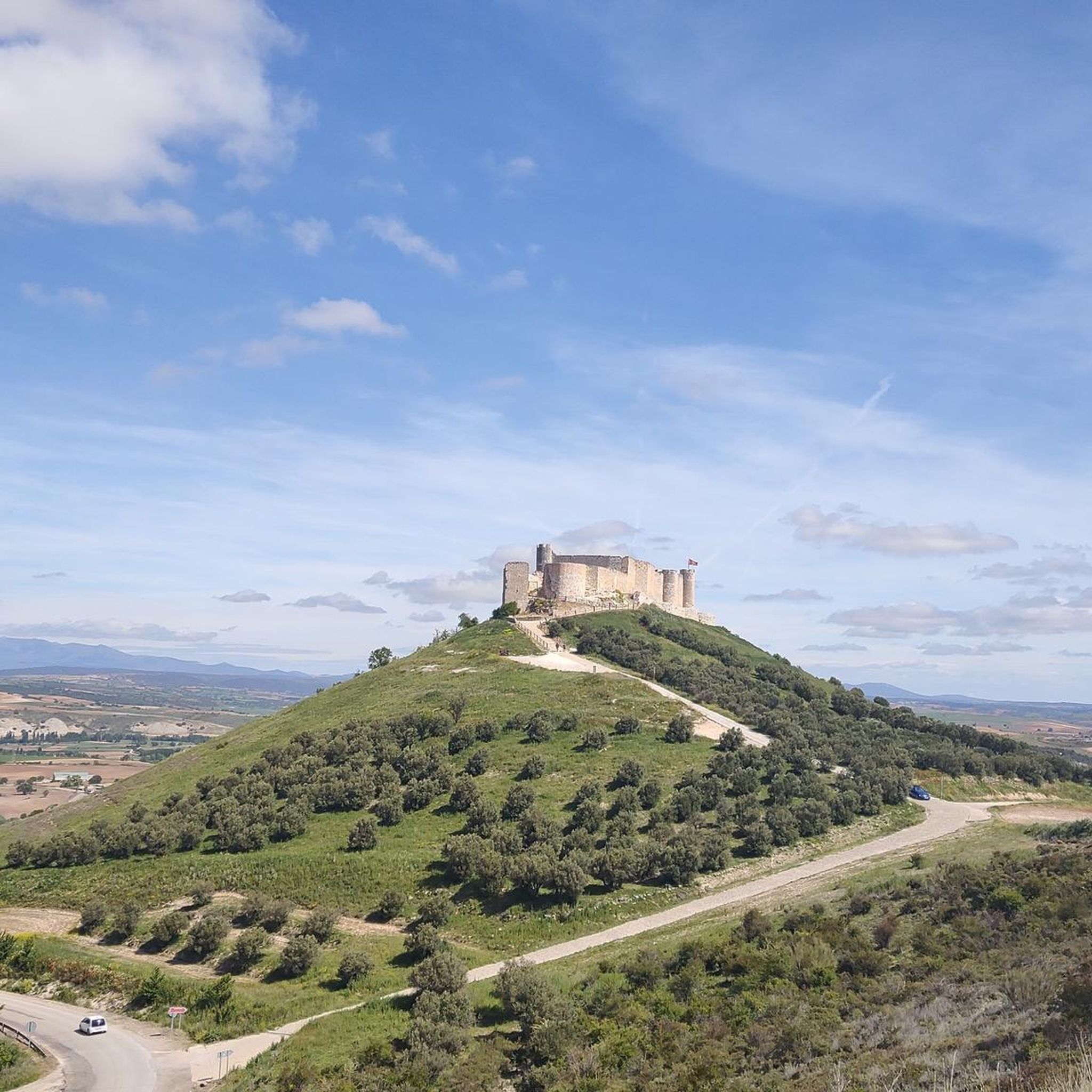
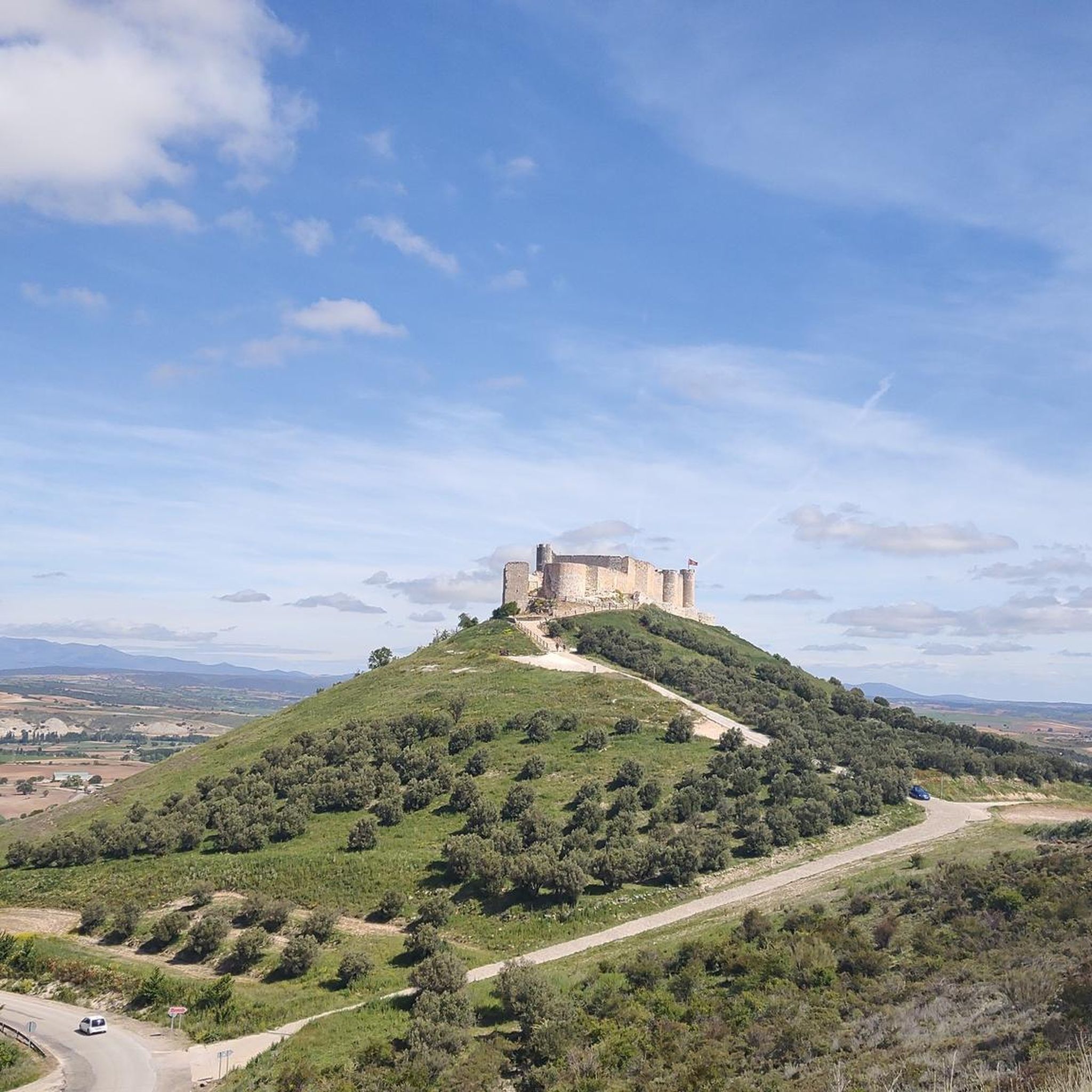
Although it is associated with El Cid, it was never related to the mercenary knight, but rather to the first Count of El Cid, Rodrigo Días de Vivar y Mendoza, a noble title granted by the Catholic Monarchs in 1492. This fortress, dating back to the High Middle Ages, watches over the Henares valley at the foot of the Alcarria Mountains. A natural paradise with a variety of altitudes.
0
0

imposing castle, called del Cid, although Rodrigo Díaz never lived there. The current Jadraque castle is almost entirely the work of the last third of the 15th century, that is, from the last group of medieval castle-palaces, already on the verge of disappearance at this time. Its reform in the 15th century was due to the master builder Alberto de Caravajal, helped by stonemasons from Northern Spain. This master builder also directed the renovation of the castle of Puebla de Almenara (Cuenca). It is likely that the outlines of the reform were given by the architect Juan Guas, although his intervention is not documented. The renovation work greatly affected almost everything that had previously existed there, as the natural terrain of the hill was even lowered. Only what was a large pentagonal tower in the bow was used in the construction of the new late medieval castle (probably towards the middle of the 20th century, almost the entire tower was dismantled to serve as a quarry). One of its panels is fallen today and the castle is closed to visitors.
0
0

Beautiful Castle of Muslim origin, later rebuilt by the Mendoza family from Guadalajara.
1
0
It is a very interesting town, with a large number of silver mines in its surroundings. In the La Plata museum everything related to the exploitation of these mines is explained. Very close is the Bornova River, whose canyon can be visited in some sections, with a beautiful landscape. There are also good bar and restaurant services.
2
0

Incredibly beautiful remote village that rose to prominence thanks to the silver mines.
1
0

Known as El Cid's castle, this incredible 15th century castle was the last of its kind to be erected in Spain. With majestic towers and a long protective wall, Jadraque Castle is a must-see.
1
0
Frequently Asked Questions
Are there family-friendly attractions around San Andrés Del Congosto?
Yes, several attractions are suitable for families. The Cañamares River Reservoir and Alcorlo Reservoir offer pleasant views and natural settings. The village of Hiendelaencina, with its mining history and interpretation center, is also considered family-friendly, as is the View of Cogolludo.
What historical sites can I visit in the area?
The region is rich in history. You can explore Jadraque Castle, a 15th-century Spanish fortress offering panoramic views. The village of Hiendelaencina also boasts a significant past, particularly its 19th-century silver mining heritage, with an interpretation center and remains of industrial sites.
Where can I find the best viewpoints around San Andrés Del Congosto?
For expansive vistas, visit the View of Cogolludo, which provides a comprehensive perspective of the town and its surroundings. Both the Cañamares River Reservoir and Alcorlo Reservoir offer scenic viewpoints, especially from their dams. Additionally, Jadraque Castle provides elevated views over the Henares river plain.
Are there hiking trails near these attractions?
Yes, there are numerous hiking opportunities. You can find trails ranging from easy to difficult, including circular routes. For example, there's an easy 5 km loop from Cogolludo and moderate trails exploring the Hiendelaencina Silver Mines. You can find detailed routes in the Hiking around San Andrés Del Congosto guide.
What kind of outdoor activities can I do besides hiking?
Beyond hiking, the area is excellent for cycling. You can explore various routes for mountain biking, such as the Embalse de Beleña circular route, or road cycling, including the challenging Black Villages of Guadalajara Route. Discover more options in the MTB Trails around San Andrés Del Congosto and Road Cycling Routes around San Andrés Del Congosto guides.
Can I spot wildlife, especially birds, near the reservoirs?
Yes, the reservoirs are good spots for wildlife observation. The Cañamares River Reservoir is particularly noted for observing various bird species in its waters, offering a contrast to the generally arid landscape.
What is the best time of year to visit San Andrés Del Congosto?
The region experiences a continental Mediterranean climate. Spring and autumn generally offer the most pleasant weather for exploring, with milder temperatures ideal for outdoor activities and sightseeing. Summers can be hot, while winters are cooler.
Are there any hidden gems or lesser-known spots worth visiting?
While not strictly hidden, the historical significance of Hiendelaencina as a former silver mining hub is a unique aspect of the region. Its medieval origins and the remnants of its industrial past offer a fascinating glimpse into local history beyond the more prominent landmarks.
Is there public transport available to reach attractions?
Public transport options to individual attractions in this rural area can be limited. It is generally recommended to use a private vehicle to access most sites around San Andrés Del Congosto, allowing for greater flexibility in exploring the various historical sites and natural landscapes.
What do visitors enjoy most about the attractions in this region?
Visitors often appreciate the blend of historical sites and natural beauty. The panoramic views from places like Jadraque Castle and the tranquility of the reservoirs, such as Cañamares River Reservoir, are frequently highlighted. The rich history of villages like Hiendelaencina also captivates many.
Are there any easy hiking trails suitable for beginners?
Yes, beginners can find suitable trails. For instance, there is an easy 5 km loop route starting from Cogolludo, which takes you past the Plaza Duques de Medinaceli and the Ducal Palace. More options for various skill levels are detailed in the Hiking around San Andrés Del Congosto guide.

Get inspired with the komoot mobile app


Explore more
Still not found the Highlight you’re looking for? See guides of the top attractions in other regions:
