Attractions and Places To See around Vilallonga Del Camp - Top 20
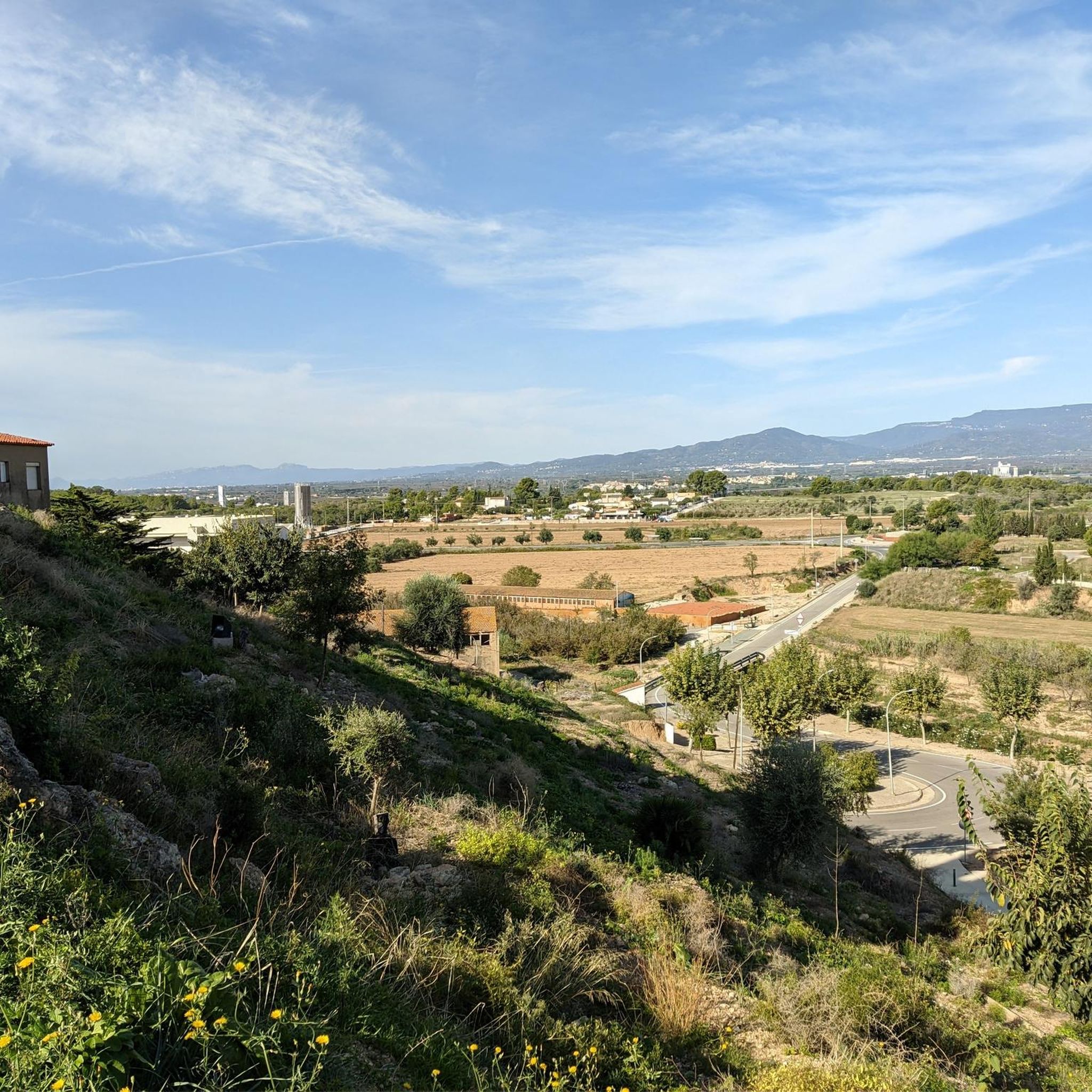
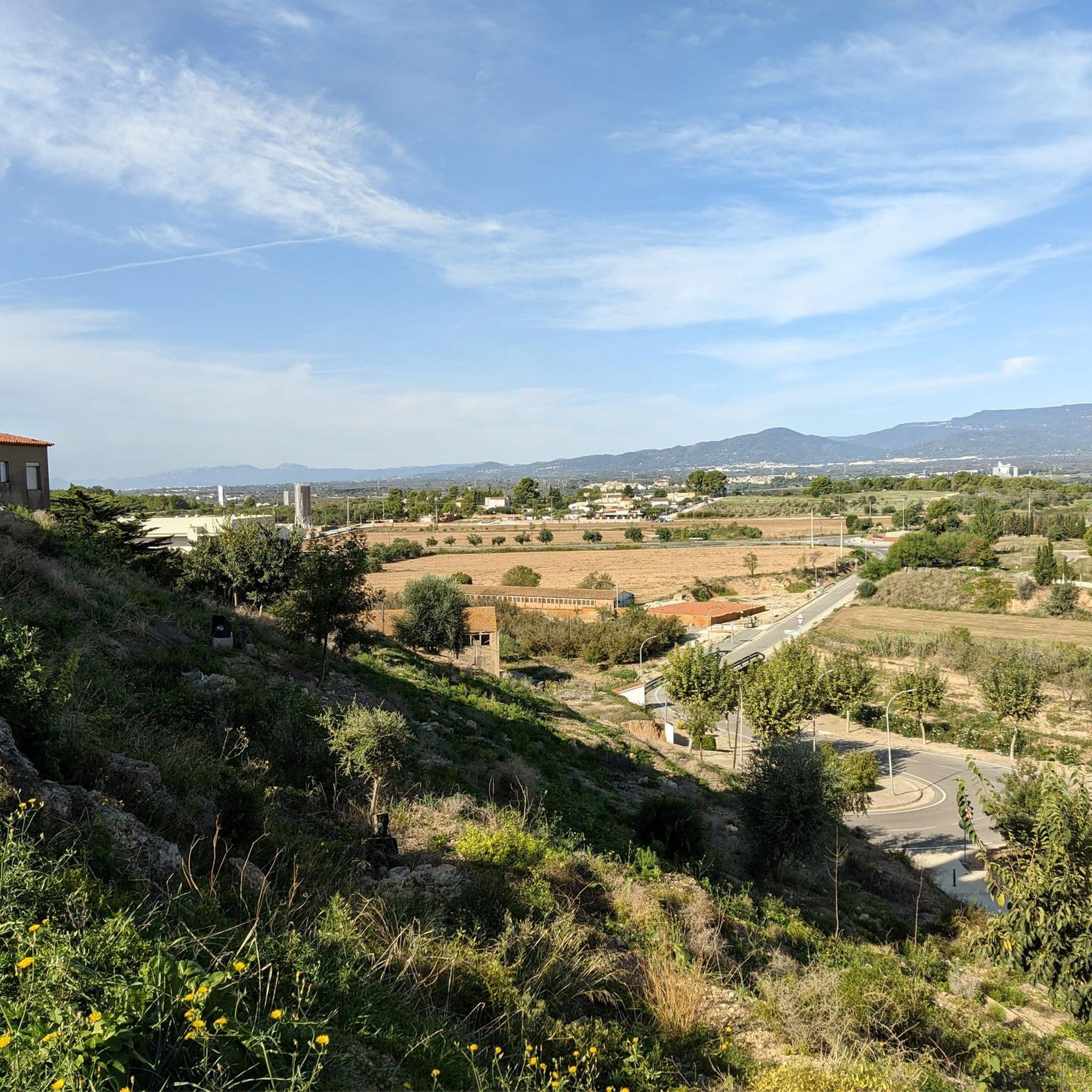
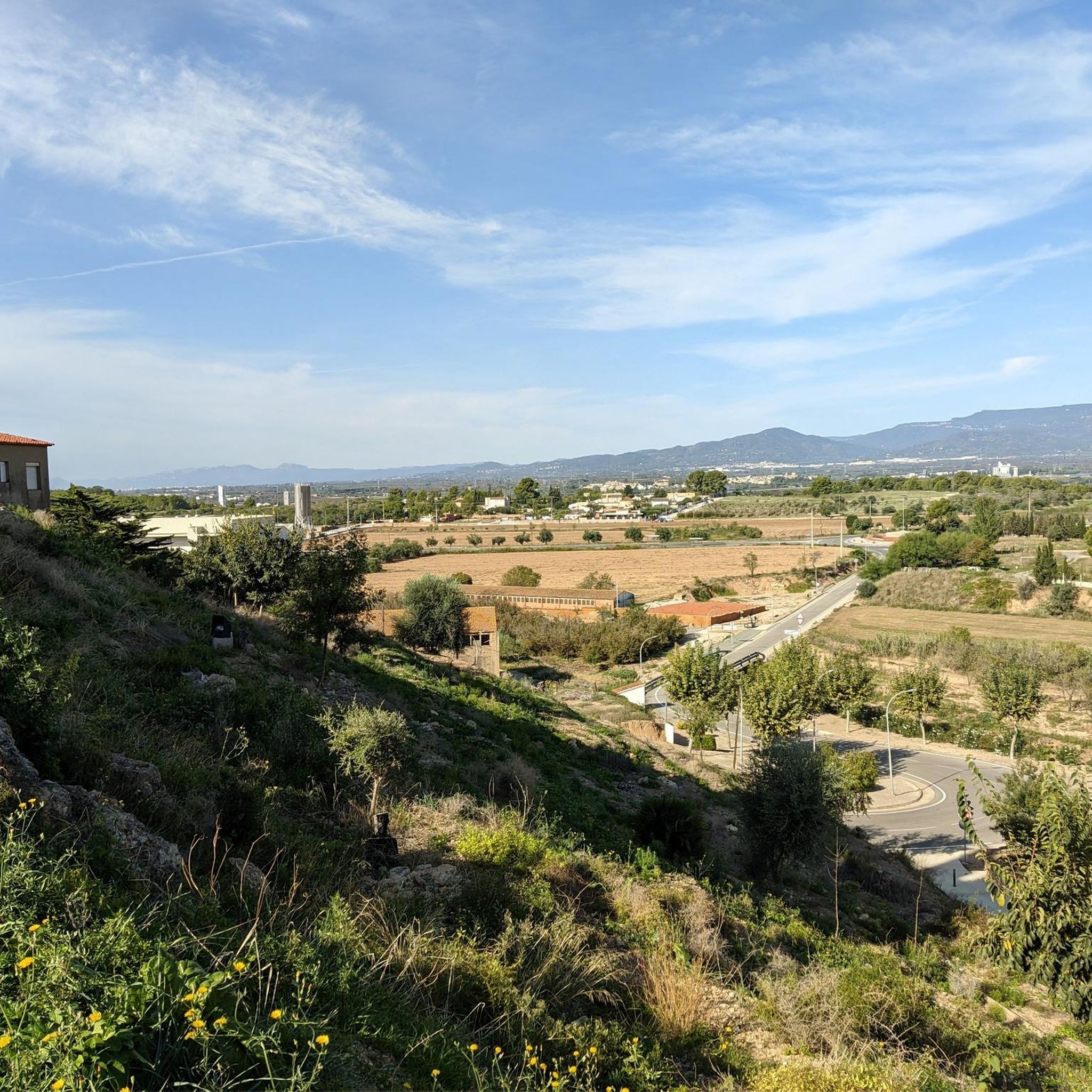
Best attractions and places to see around Vilallonga Del Camp include historical sites, cultural insights, and natural surroundings. This municipality in the Tarragonès region of Catalonia, Spain, is situated on the right bank of the Glorieta river. The area is characterized by extensive agricultural fields and offers a blend of historical charm and natural features.
Best attractions and places to see around Vilallonga Del Camp
- The most popular attractions is Les Ferreres Aqueduct (Devil's Bridge), a bridge that is…
Last updated: October 9, 2026
Les Ferreres Aqueduct (Devil's Bridge)
Highlight • Bridge
Translated by Google •
Tip by

Cathedral of Tarragona
Highlight • Religious Site
Translated by Google •
Tip by

Sign up now to discover places like this
Get recommendations on the best single tracks, peaks, & plenty of other exciting outdoor places.
Puig d'en Cama (717 m)
Highlight • Summit
Translated by Google •
Tip by

Casa Navàs
Highlight • Monument
Translated by Google •
Tip by

Hermitage of Sant Pere del Puig
Highlight • Religious Site
Translated by Google •
Tip by
Sign up for free to discover even more attractions around Vilallonga Del Camp.
Already have an account?
Start today with a free account
Your next adventure awaits.

Tips from the Community

Casa Navàs is one of the most important Modernisme buildings in the Catalan city of Reus, designed by the Barcelona-born architect Lluís Domènech i Montaner. It was built between 1901 and 1908 for Joaquim Navàs Padró and Josepa Blasco Roura, a Reus couple who ran a textile business. The building involved some of the best artists of the era, who were regular collaborators on Domènech i Montaner's projects, such as the cabinetmaker Gaspar Homar, the sculptor Alfons Juyol i Bach, the glass artist Antoni Rigalt i Blanch, and the mosaicist Lluís Bru i Salelles. (Wikipedia)
0
0

Good ramps with good pavement. It climbs well and is worth it.
1
0

Great building, very well preserved. You can cross it at the top. It's definitely worth a visit 🤩
2
1
Super beautiful building. Very well preserved. Definitely worth a visit 🤩
2
0

The hermitage of Sant Pere has been redone on several occasions due to its poor state of preservation. The original hermitage dates from the middle of the 13th century, it was of Romanesque style and of larger dimensions. In addition, it was accompanied by an annexed house where the hermits and the donated lived, who were responsible for the maintenance of the cult and the lands attached to the hermitage. One of the most important reforms was that of 1588, under the supervision of Pere Blai (1553-1620) and which, according to some authors, would follow the Renaissance traces typical of the time. Finally, the last intervention took place throughout the 19th century and ended in the 1870s. The privileged position of the hermitage as a viewpoint of the Camp and first bastion of the mountains of the Sierra de la Mussara has been a determining factor for some military campaigns. During the French War (1808-1814), the Napoleons occupied the hermitage and adapted it to wartime needs. They had loopholes and parapets built there in order to defend themselves from attacks. However, the French were not the only ones to occupy the chapel militarily. During the First Carline War (1833-1840), clashes continued to occur between the supporters of Isabel II (1830-1904) and Charles V (1788-1855)
1
0
El Puig d'en Cama is a hill located in the Selva del Camp area, the entire summit is above Almoster, Baix Camp region, approximately north of Reus, Castellvell del Camp and Almoster, west of the Selva del Camp and east of Aleixar. It is part of the first stirrups of the Prades mountains. It is 717 meters high. At the top we can find a geodesic vertex (reference 263134001). This peak is included in the Challenge of 100 peaks of the Federation of Excursionist Organizations of Catalonia. Until recently there was a watchtower, now gone.
0
0

Beautiful, old building inspired by Gaudi, who was born here in the city and spent his first 16 years of life
2
0

House designed and built by architect Gaudi. Originally preserved and great to look at. Own pictures only possible from the stairwell
1
0
Frequently Asked Questions
What historical sites can I visit around Vilallonga del Camp?
The region offers a rich history. You can explore the ancient Roman construction of Les Ferreres Aqueduct (Devil's Bridge), known for its historical significance and surrounding hiking trails. Also, visit the Cathedral of Tarragona, a religious building showcasing Romanesque and Gothic styles. Within Vilallonga del Camp itself, the 18th-century neoclassical Iglesia Parroquial de Sant Martí and the preserved sections of the Antigua Muralla (Old Wall) offer glimpses into the town's past.
Are there any museums in Vilallonga del Camp?
Yes, Vilallonga del Camp has a couple of interesting museums. The Museo-Archivo Doctor Pere Virgili is dedicated to Pere Virgili, a native of the town and considered the father of surgery in Spain, offering insights into 18th and 19th-century medical practices. Additionally, the Museo del Cine, opened in 2018, features a collection of antique projectors, movie posters, and other cinematic artifacts for film enthusiasts.
What natural features can I explore near Vilallonga del Camp?
You can enjoy the natural surroundings of Vilallonga del Camp, which is situated on the right bank of the Glorieta river. The area is characterized by extensive agricultural fields, cultivating hazelnuts, grapes, almonds, and olives. For panoramic views, consider a visit to Puig d'en Cama (717 m), a significant natural monument in the vicinity of La Selva del Camp, offering spectacular 360-degree views.
Are there opportunities for hiking near Vilallonga del Camp?
Absolutely. The area around Vilallonga del Camp is excellent for hiking. The Les Ferreres Aqueduct (Devil's Bridge) is popular for its idyllic hiking trails. You can find various routes, including those around the Glorieta river and the Aqueduct of Les Bruixes Ravine. For more detailed routes, explore the MTB Trails around Vilallonga Del Camp guide, which also includes paths suitable for walking.
Can I go cycling around Vilallonga del Camp?
Yes, the region offers diverse cycling opportunities. You can find routes for different types of cycling. For gravel biking, check out the Gravel biking around Vilallonga Del Camp guide. If you prefer road cycling, the Road Cycling Routes around Vilallonga Del Camp guide provides options for exploring the scenic landscapes on two wheels.
Are there family-friendly attractions in Vilallonga del Camp?
Many attractions around Vilallonga del Camp are suitable for families. The Les Ferreres Aqueduct (Devil's Bridge) offers easy paths for exploration and picnic spots. The Cathedral of Tarragona and the Hermitage of Sant Pere del Puig are also listed as family-friendly, providing historical and scenic interest for all ages.
What cultural monuments can I see that represent local traditions?
You can visit the Monument to the Castellers. This bronze sculpture in Tarragona is dedicated to the human towers, a traditional Catalan cultural phenomenon where groups build intricate human structures. It's a powerful representation of community and tradition in the region.
Where can I find local products in Vilallonga del Camp?
For those interested in local produce, Ca Rosset offers an opportunity to learn about and acquire regional products directly from producers. You can find items such as olive oil, hazelnuts, and mandarins, reflecting the area's rich agricultural heritage.
Are there any religious buildings or hermitages worth visiting?
Beyond the prominent Cathedral of Tarragona, Vilallonga del Camp features the 18th-century Iglesia Parroquial de Sant Martí. On the outskirts of the village, the Ermita de la Mare de Déu del Roser is a popular gothic-style hermitage with restored Gothic paintings. Additionally, the Hermitage of Sant Pere del Puig, located on a hill near La Selva del Camp, offers historical significance and good views.
What is the best time of year to visit Vilallonga del Camp?
Vilallonga del Camp, with its agricultural landscape, is pleasant throughout much of the year. Spring and autumn offer mild temperatures ideal for exploring historical sites and engaging in outdoor activities like hiking and cycling. The region's traditional Castellers events often take place in October, offering a unique cultural experience.
Are there any wheelchair accessible attractions?
Yes, the Monument to the Castellers is listed as wheelchair accessible, allowing visitors to appreciate this significant cultural sculpture.
What are some lesser-known historical or architectural gems in the town?
Beyond the main landmarks, the old quarter of Vilallonga del Camp features several architecturally significant historic houses, including Casa Virgili (birthplace of Pere Virgili), Casa Albinyana, Ca Mestres, and the Reig, Serra, and Sol houses. These offer a glimpse into the town's traditional architecture and history.
Most popular routes around Vilallonga Del Camp
Most popular attractions around Vilallonga Del Camp

Get inspired with the komoot mobile app


Explore more
Still not found the Highlight you’re looking for? See guides of the top attractions in other regions:
