The best running trails around Kazimierski Park Krajobrazowy
4.5
(11)
672
runners
65
runs
Jogging around Kazimierski Park Krajobrazowy offers a unique experience through its distinctive and varied natural landscape. The region is characterized by an extensive network of loess ravines, some of the highest concentrations in Europe, providing dynamic and visually engaging running terrain. The park also encompasses the picturesque Małopolska Gorge of the Vistula River, featuring natural riverbanks ideal for scenic routes. This diverse topography, shaped by limestone rocks and thick layers of loess, ensures a range of paths from undulating areas…
Last updated: August 17, 2026
3
runners
5.54km
00:38
100m
90m
Moderate run. Good fitness required. Mostly accessible paths. Some sure footedness required.
5.0
(1)
88
runners
Moderate run. Good fitness required. Mostly accessible paths. Some sure footedness required.

Sign up for free
23
runners
22.4km
02:49
380m
380m
Hard run. Very good fitness required. Mostly paved surfaces. Suitable for all skill levels.
4.0
(1)
27
runners
7.41km
00:57
150m
150m
Moderate run. Good fitness required. Mostly paved surfaces. Suitable for all skill levels.
14
runners
68.1km
08:09
1,050m
1,050m
Hard run. Very good fitness required. Mostly accessible paths. Some sure footedness required.
Get access to more routes and recommendations from other explorers.
Sign up for free
Already have an account?
Our route recommendations are based on thousands of hikes, rides, and runs completed by other people on komoot.
Start today with a free account
Your next adventure awaits.
Login or Signup
Popular around Kazimierski Park Krajobrazowy
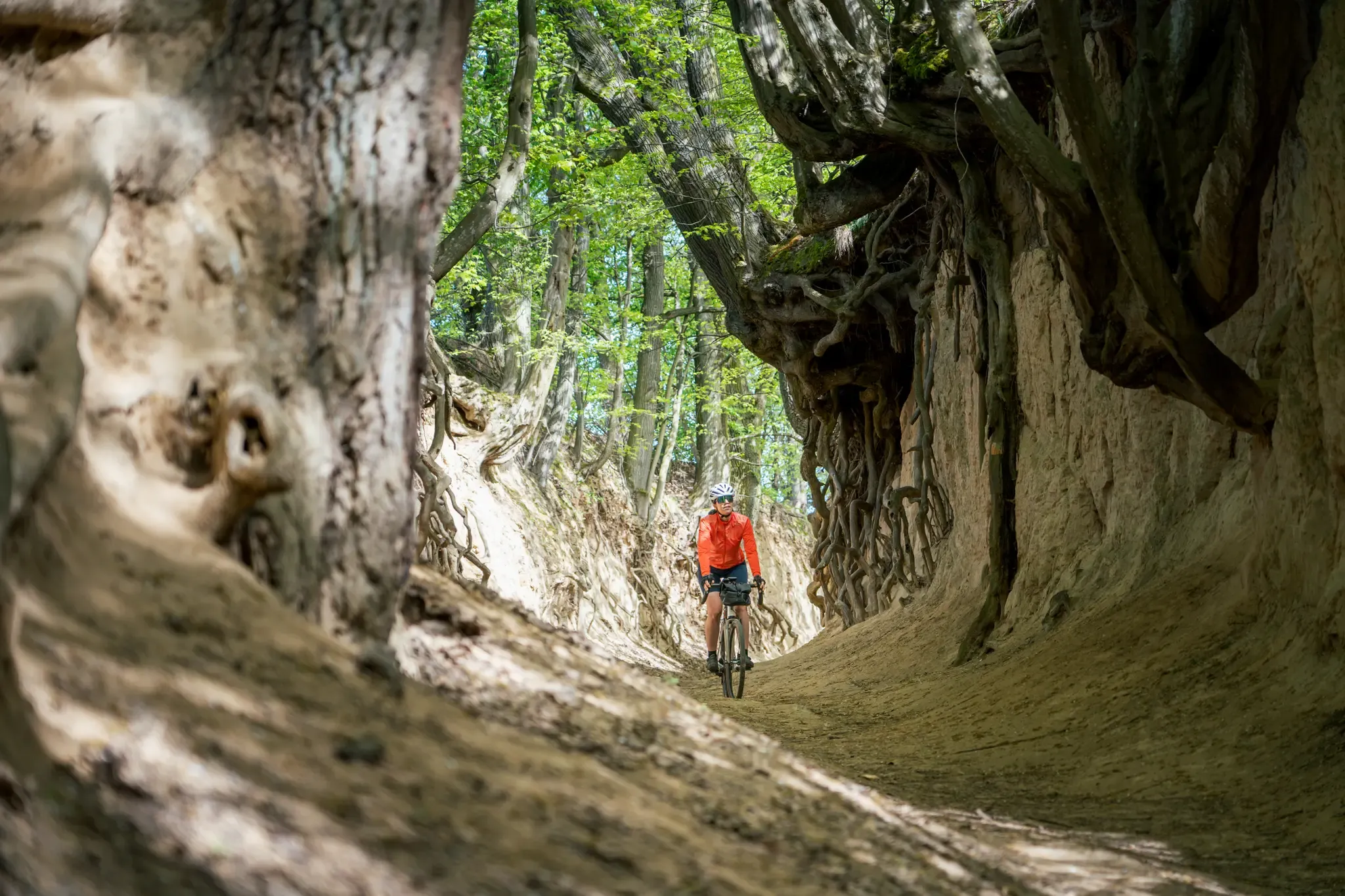
Ancient trees & historic cities – gravel biking in south-eastern Poland
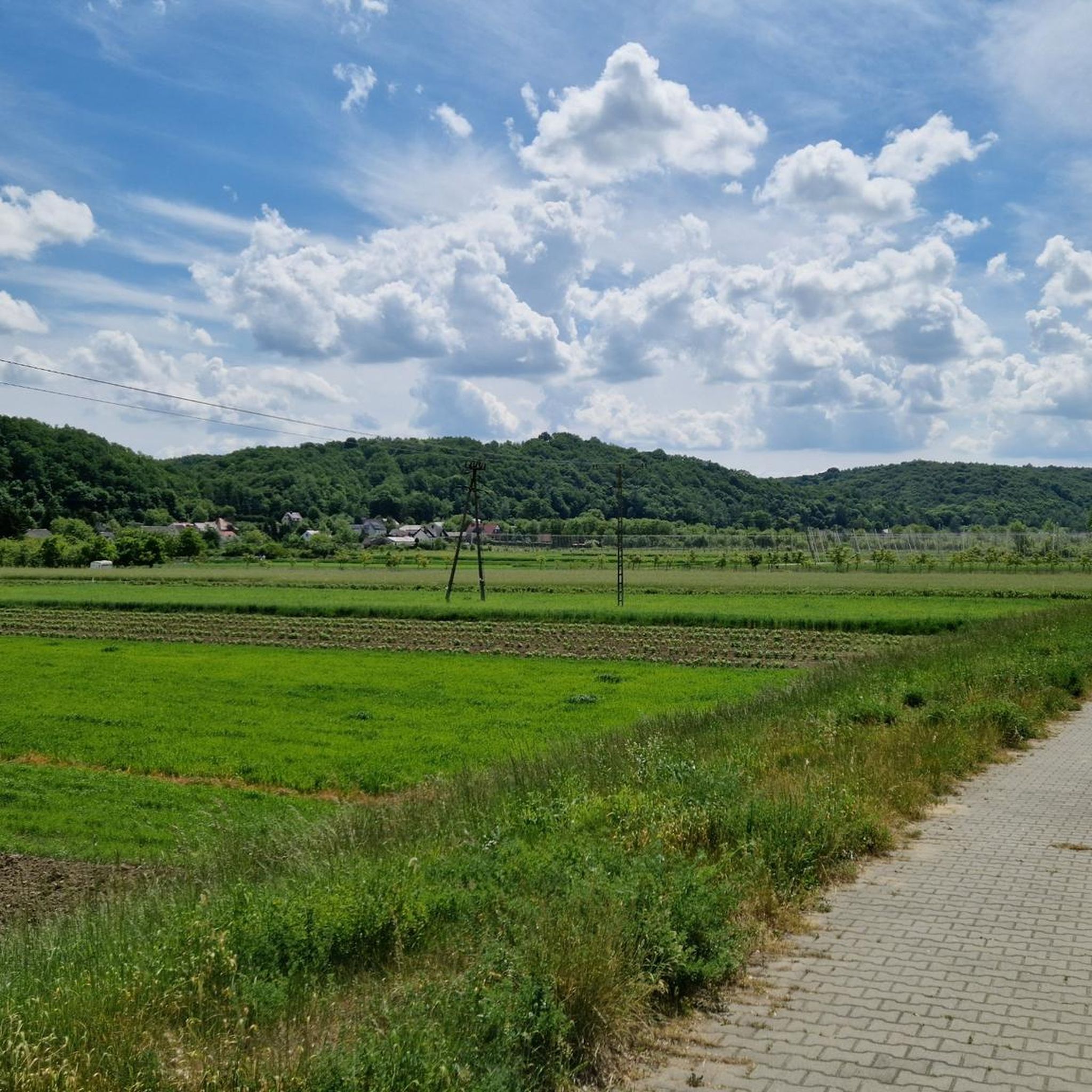
Hiking around Kazimierski Park Krajobrazowy
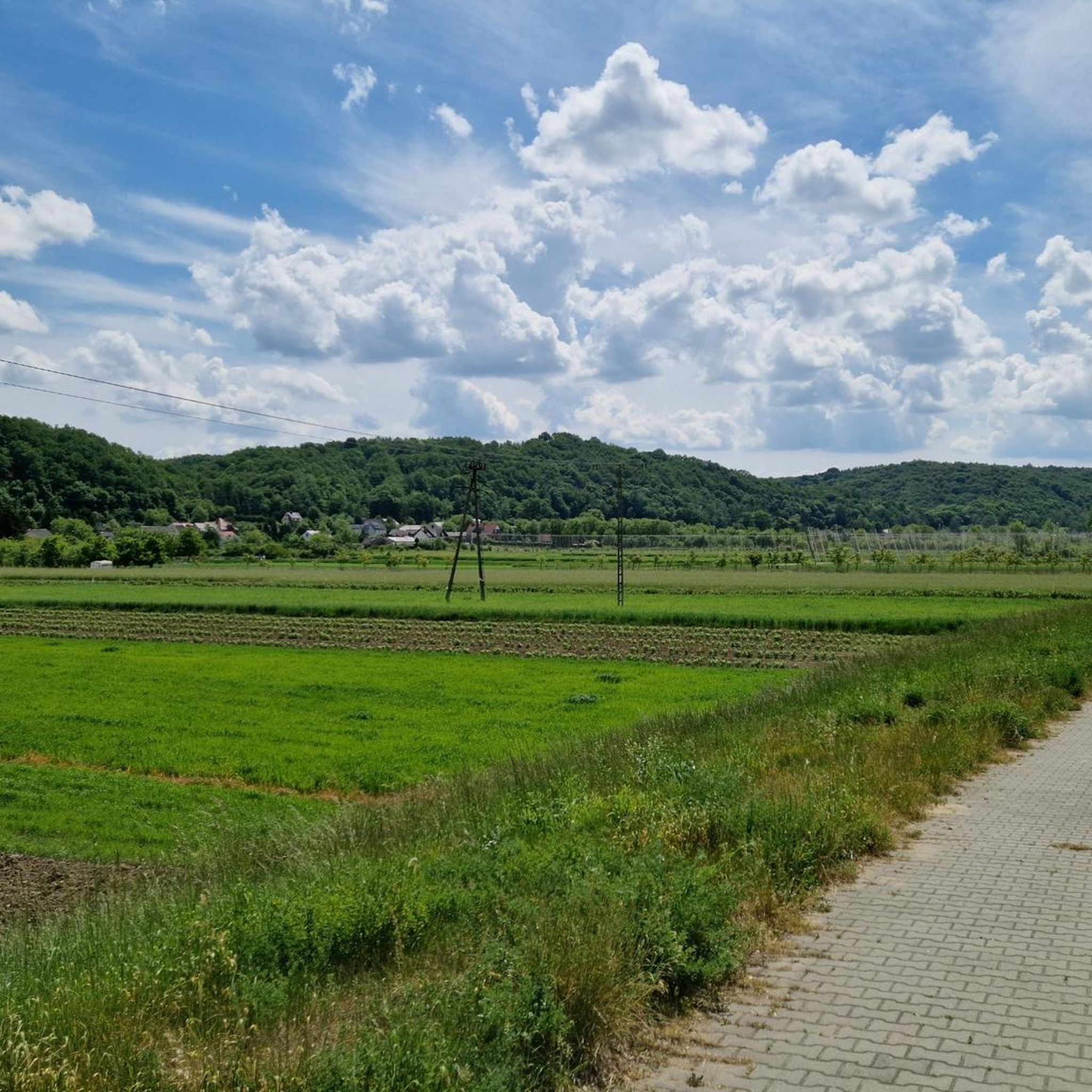
Cycling around Kazimierski Park Krajobrazowy
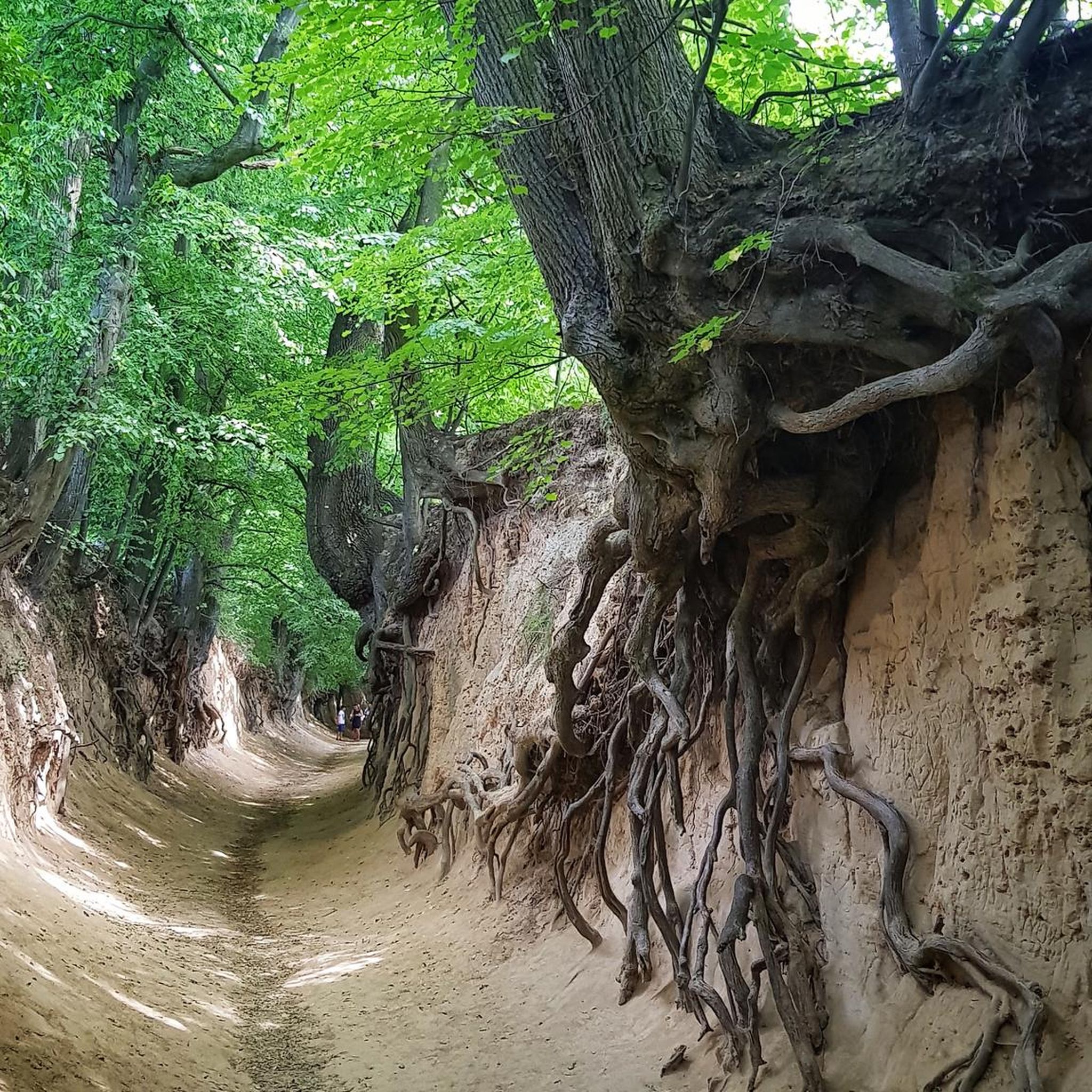
MTB Trails around Kazimierski Park Krajobrazowy
Road Cycling Routes around Kazimierski Park Krajobrazowy

Gravel biking around Kazimierski Park Krajobrazowy
Other adventures around Kazimierski Park Krajobrazowy

Tips from the Community

The castle in Kazimierz Dolny is a complex of defensive fortifications from the 13th and 14th centuries, located on Castle Hill. The castle consists of two main parts: the upper castle (also known as the "Baszta" or Łokietek's Tower) and the lower castle. The upper castle is a defensive bergfried tower from the turn of the 13th and 14th centuries, erected at the height of the Vistula River crossing. The tower, with a height of up to 20 meters, originally served as a guardhouse, providing control over the crossing and the collection of customs duties. In later years, it served as a navigation beacon. The entrance to the tower is located six meters above ground level, and its lower storey housed a dungeon. The lower castle was built on the orders of Casimir the Great in the 1340s and was part of a larger defensive complex. Initially built in the Gothic style, built of limestone, it had thick walls and wooden internal buildings. In the 15th century, during the time of the Grot family, the castle was expanded, including a two-storey residential wing and a defensive tower. In the 16th century, the castle underwent another reconstruction in the Renaissance style, thanks to the Firlej family, who added an attic and built the southern wing. During the Swedish Deluge (1655) and a fire in 1663, the castle was seriously damaged. In the 18th century, during the reign of August II the Strong, plans for reconstruction in the palace style were not realized due to the civil war. As a result of further destruction and destruction by the Austrian authorities in 1806, the castle fell into ruin. The castle witnessed historical events, including the Battle of Kazimierz Dolny in 1831 during the November Uprising. In the years 1958-1960, archaeological research was carried out, and the castle was secured and made available to tourists. Today, it is a tourist attraction, preserving the form of a permanent ruin.
1
0
The lower castle in Kazimierz Dolny was built in the mid-14th century on the initiative of Casimir the Great as a Gothic structure. Built of local limestone, it was originally an oval in shape surrounded by massive perimeter walls. It mainly served an administrative function and supported the development of trade on the Vistula. In the 15th century, expanded by the Grot family, it gained new residential wings, a tower and a moat. In the 16th century, during the Firlejs' times, the castle was rebuilt in the Renaissance style according to the design of Santi Gucci, adding, among other things, attics. Destroyed by the Swedes and Rákóczi's troops in the 17th century, it eventually fell into ruin. In the 18th century, there were plans to rebuild it in the palace style, but this did not happen. In the 19th century, it was the site of uprisings, and in the 20th century it was secured as a permanent ruin and opened to the public.
2
0
A passenger shipping port on the Vistula boulevard. Cruise ships depart from here.
3
0
The Museum of Natural History is located in a historic granary from the 17th century at ul. Puławska 54. It presents the nature of the Małopolska Vistula Gorge and the Kazimierz Landscape Park through permanent and temporary exhibitions of an educational and scientific nature. The exhibits include fossils from 66 million years ago, a collection of insects, plants and animals of the region, as well as living exhibitions: a beehive, an anthill and an aquarium. The museum also offers an observation point with a view of the Vistula.
2
0

The castle was initially built for administrative purposes under the Piast dynasty, with a defensive role that was more symbolic than actual. The castle suffered significant damage during the 17th century wars, including the Potop and the conflict between August II Mocny and Stanisław Leszczyński.
3
0

Castle in Kazimierz Dolny - a complex of defensive fortifications from the 13th and 14th centuries located in Kazimierz Dolny (Lublin Voivodeship) on Góra Zamkowa.
2
0


One of the numerous, beautiful gorges near Kazimierz Dolny in the so-called The Land of Loess Gorges. It is full of exposed, high loess slopes, where we can admire these interesting formations, and is a link between Kazimierz Dolny and the Jeziorszczyzna region. A marked Nordic walking trail runs through the gorge.
1
0
Frequently Asked Questions
How many running routes are available in Kazimierski Park Krajobrazowy?
There are over 35 running routes in Kazimierski Park Krajobrazowy, offering a wide range of experiences for different fitness levels. These routes are highly rated by the komoot community, with an average score of 3.8 stars from more than 5 reviews.
What kind of terrain can I expect on the jogging trails in Kazimierski Park Krajobrazowy?
The park is renowned for its unique and varied terrain. You'll encounter deep loess ravines, picturesque sections along the Vistula River valley, and undulating areas on the Nałęczów Plateau. This diverse landscape, shaped by limestone rocks and thick loess layers, provides a dynamic and engaging experience, from challenging climbs to more level paths.
Are there any easy or beginner-friendly running paths in the park?
While many routes are classified as moderate, the park offers paths suitable for various fitness levels. For a relatively gentle experience, consider routes that stick closer to the Vistula River, which tend to have less elevation gain. Always check the route details on komoot for specific difficulty ratings and elevation profiles.
What are some notable natural features or landmarks I might see while jogging?
Kazimierski Park Krajobrazowy is rich in natural beauty and historical sites. You can explore the famous loess ravines like Korzeniowy Dół Ravine or Plebanka Gorge. Scenic viewpoints such as Three Crosses Hill offer panoramic vistas of Kazimierz Dolny and the Vistula valley. You might also pass historical attractions like the Lower castle or the Janowiec Castle.
Are there any circular running routes available?
Yes, many of the running routes in Kazimierski Park Krajobrazowy are designed as loops, allowing you to start and finish in the same location. An example is the Kwaskowa Góra Ravine Loop from Kazimierz Dolny, which offers a dynamic experience through the park's renowned loess ravines.
Can I bring my dog on the running trails?
Generally, dogs are welcome on trails in Kazimierski Park Krajobrazowy, but it's always best to keep them on a leash, especially in more populated areas or near wildlife reserves. Be mindful of other trail users and local regulations. Some routes might involve passing through towns or private land where specific rules may apply.
Are there family-friendly running options in the park?
Many routes are suitable for families, especially those with older children who enjoy active outings. Paths along the Vistula River tend to be flatter and more accessible. For a moderate walk that can be adapted for a family run, consider the 7.5 km educational trail called "Olszowy Dół" through loess ravines, as mentioned in regional information.
What is the best time of year for running in Kazimierski Park Krajobrazowy?
The park is beautiful year-round, but spring and autumn offer particularly pleasant conditions for running, with mild temperatures and vibrant scenery. Spring brings blooming flora, while autumn showcases stunning fall colors in the ravines and forests. Summer can be warm, so early morning or late afternoon runs are recommended. Winter running is possible, but trails may be icy or muddy, especially in the ravines.
Where can I find parking for the running trails?
Parking is generally available in and around the main towns like Kazimierz Dolny, which serve as popular starting points for many routes. Look for designated parking areas near trailheads or in town centers. Specific parking information can often be found in the details of individual komoot routes.
Are there any less crowded running routes for a quieter experience?
To avoid crowds, especially during peak tourist seasons, consider exploring routes that venture further from the immediate vicinity of Kazimierz Dolny or run during off-peak hours (early mornings or weekdays). The extensive network of trails means you can often find quieter paths by exploring different sections of the park. For example, the Pod Winnicą 189 loop from Parchatka might offer a more secluded experience.
What do other runners enjoy most about jogging in Kazimierski Park Krajobrazowy?
The area is highly rated by the komoot community, with an average score of 3.8 stars. Runners often praise the unique loess ravines for their dynamic and visually engaging experience, the scenic views along the Vistula River, and the diverse terrain that offers options for various fitness levels. The blend of natural beauty and historical charm is frequently highlighted.
Are there any longer running routes for endurance training?
Yes, the park offers several longer routes suitable for endurance training. For example, the Climb along Krakowska Street – Passenger Shipping Marina loop from Bochotnica is a 7.0-mile (11.3 km) trail. You can also combine shorter loops or sections of marked hiking trails to create longer, customized runs.
Most popular routes around Kazimierski Park Krajobrazowy
Most popular attractions around Kazimierski Park Krajobrazowy

Get inspired with the komoot mobile app


Explore more
Browse the best Running Trails & Routes in other regions.
