The best running trails around Villamayor De Calatrava
3.7
(4)
348
runners
69
runs
Jogging routes around Villamayor De Calatrava traverse a landscape shaped by unique geological features, including ancient volcanic formations and low mountain ranges. The region features an alternation of sierras and broad valleys, offering varied elevations for running. Additionally, numerous wetlands and riverine environments provide tranquil paths amidst rich biodiversity. This diverse terrain makes Villamayor De Calatrava an appealing destination for outdoor activities.
Best jogging routes around Villamayor De Calatrava
- The most popular jogging route is Cerro de San Agustín by…
Last updated: October 1, 2026
Moderate run. Good fitness required. Mostly paved surfaces. Suitable for all skill levels.
15
runners
18.7km
02:20
320m
320m
Hard run. Very good fitness required. Mostly paved surfaces. Suitable for all skill levels.

6
runners
Moderate run. Good fitness required. Mostly paved surfaces. Suitable for all skill levels.
8
runners
10.3km
01:05
80m
80m
Moderate run. Good fitness required. Mostly paved surfaces. Suitable for all skill levels.
4
runners
9.73km
01:03
40m
40m
Moderate run. Good fitness required. Mostly paved surfaces. Suitable for all skill levels.
Get access to more routes and recommendations from other explorers.
Already have an account?
Our route recommendations are based on thousands of hikes, rides, and runs completed by other people on komoot.
Start today with a free account
Your next adventure awaits.

Tips from the Community

The Stone Bridge over the Jabalón River in Corral de Calatrava is a historic structure that is part of several hiking and cycling routes in the region.
13
0

Today we even find a puddle under his eyes.
2
0

Puertollano is a Spanish town in the province of Ciudad Real, in the autonomous community of Castilla-La Mancha. Traditionally, it has been associated with oil shale and coal mining and industry. The area in which Puertollano is located has been inhabited since prehistory, with archaeological remains found that correspond to Homo heidelbergensis and Homo antecessor. During the Middle Ages the city was born, linked to the repopulation process of Castile during the 13th century. In the 16th century, Puertollano received the rank of town, a privilege granted by Philip II. At that time Puertollano was an important agricultural and livestock center. The demographic consolidation of the city occurred at the end of the 19th century, with the development of coal mining and the inauguration of the train line between Madrid and Badajoz. Its cultural heritage It corresponds mainly to religious buildings, such as the church of Nuestra Señora de la Soledad (14th century), the church of the Virgen de Gracia (15th century) and the church of the Asunción (16th century). There is also a mining museum, and an old medicinal sour water spa, known as the Bath House, which today is a municipal service to citizens.
1
0
Corral de Calatrava is a municipality located in the heart of Campo de Calatrava and the Guadiana River and its tributary, the Jabalón River, speak its name. In addition, at the limit of its territory, the emblematic Castle of Caracuel stands out, which has a very remote historical background.
7
0

Small town located in the old middle of what is called Campo de Calatrava and north of the Sierra de las Cabrerizas.
1
0
Before the junction of the Río Guadiana with the Río Jabalón, we find this beautiful Roman bridge that crosses the course of the last river, the Jabalón. The area is beautiful but with little shade in the summer.
1
1
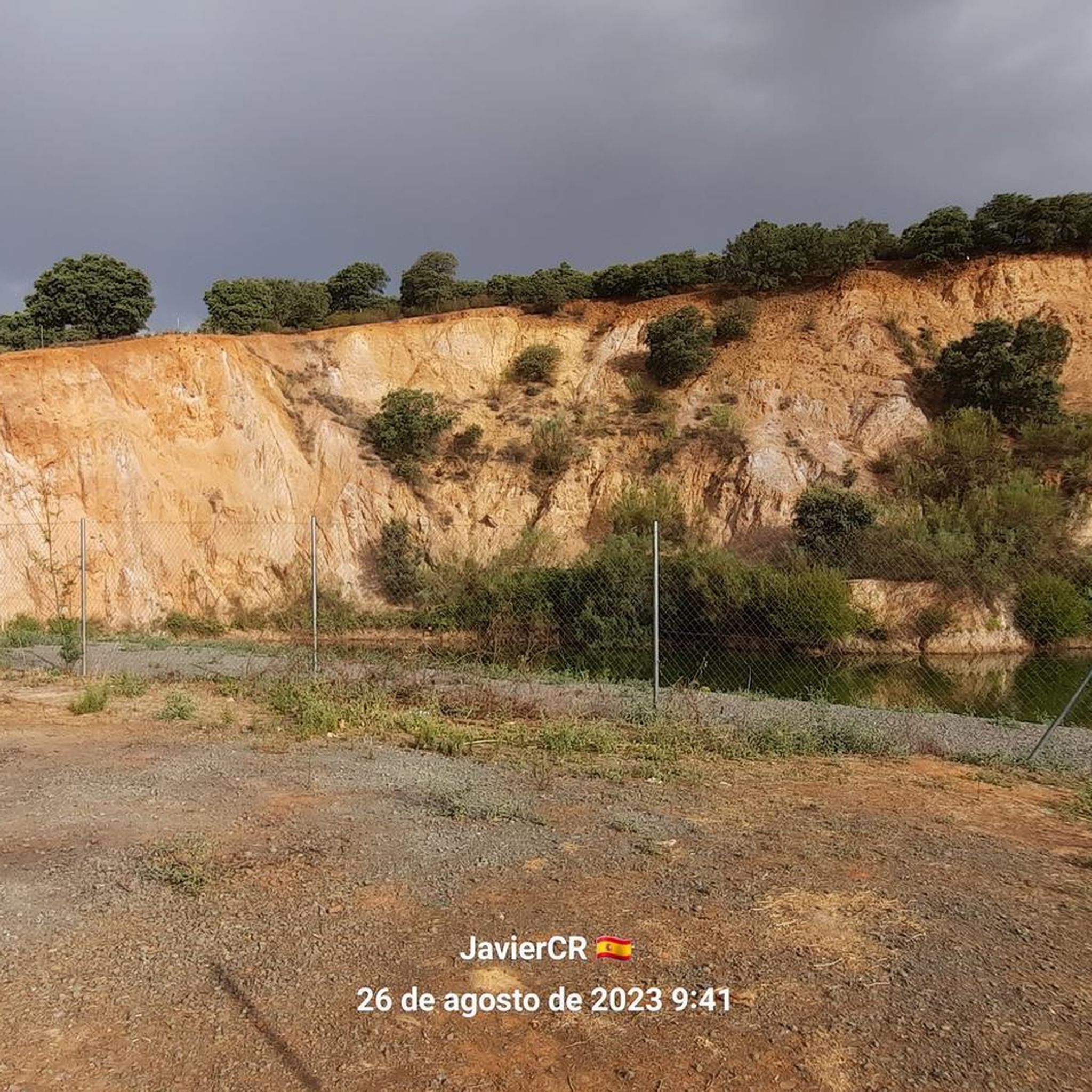
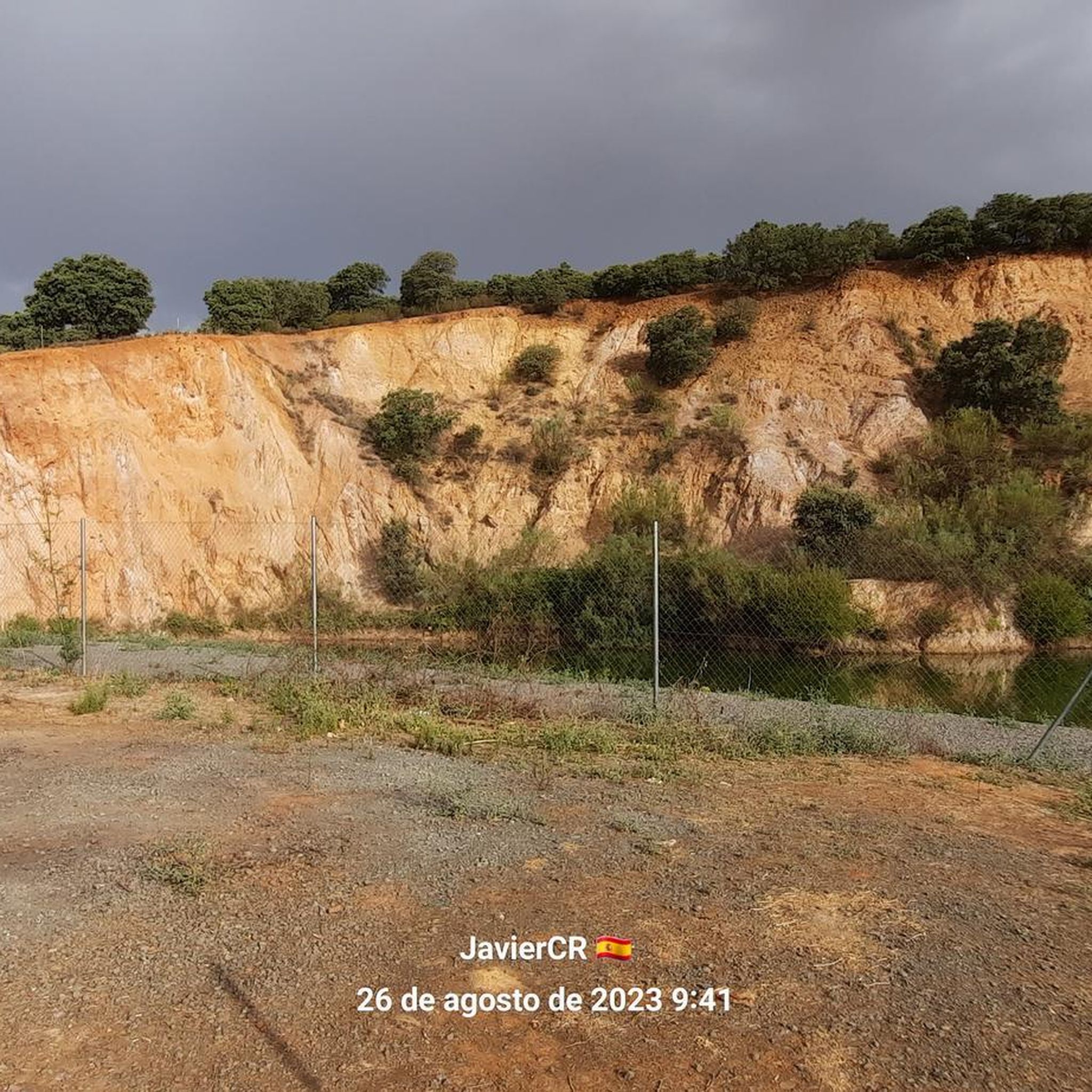
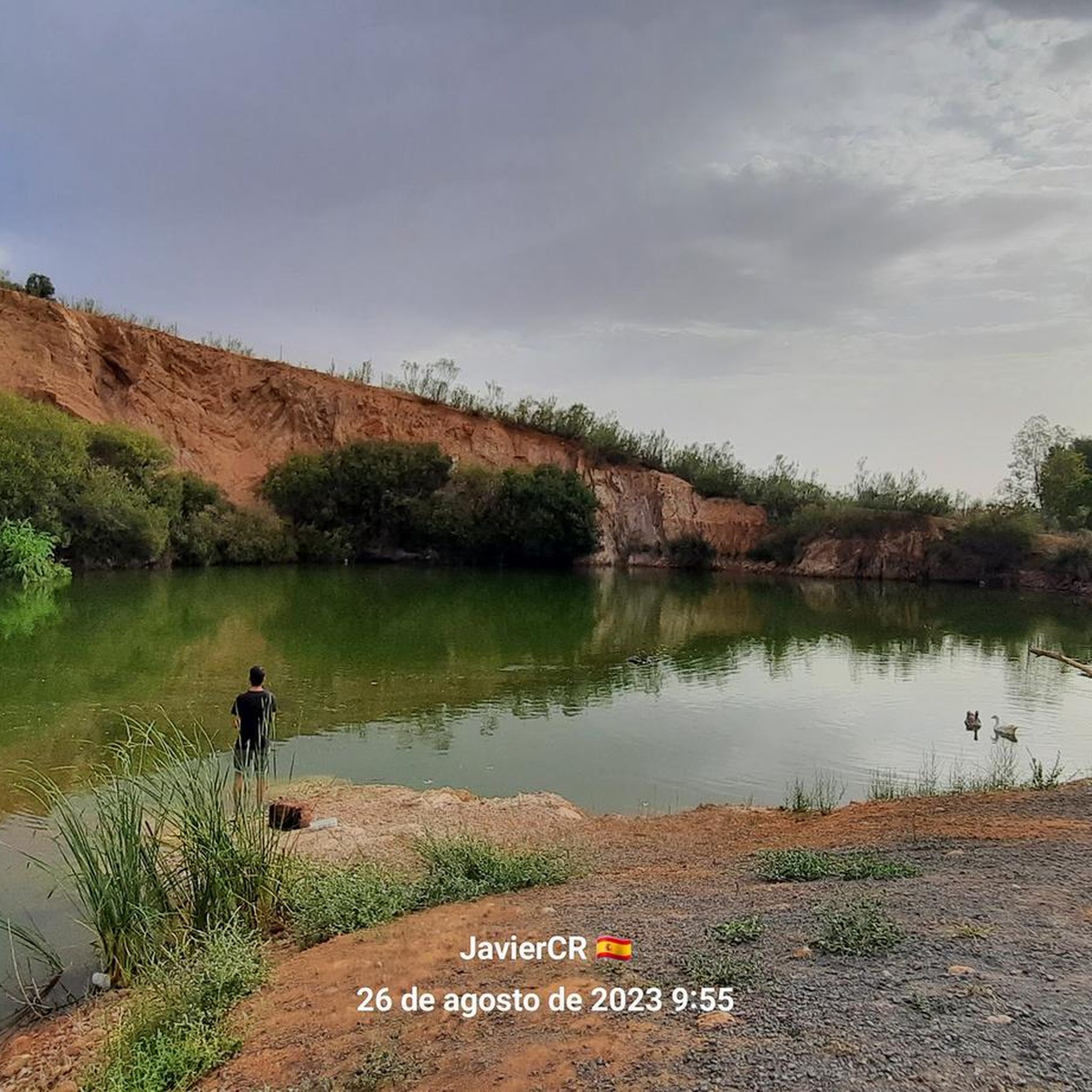
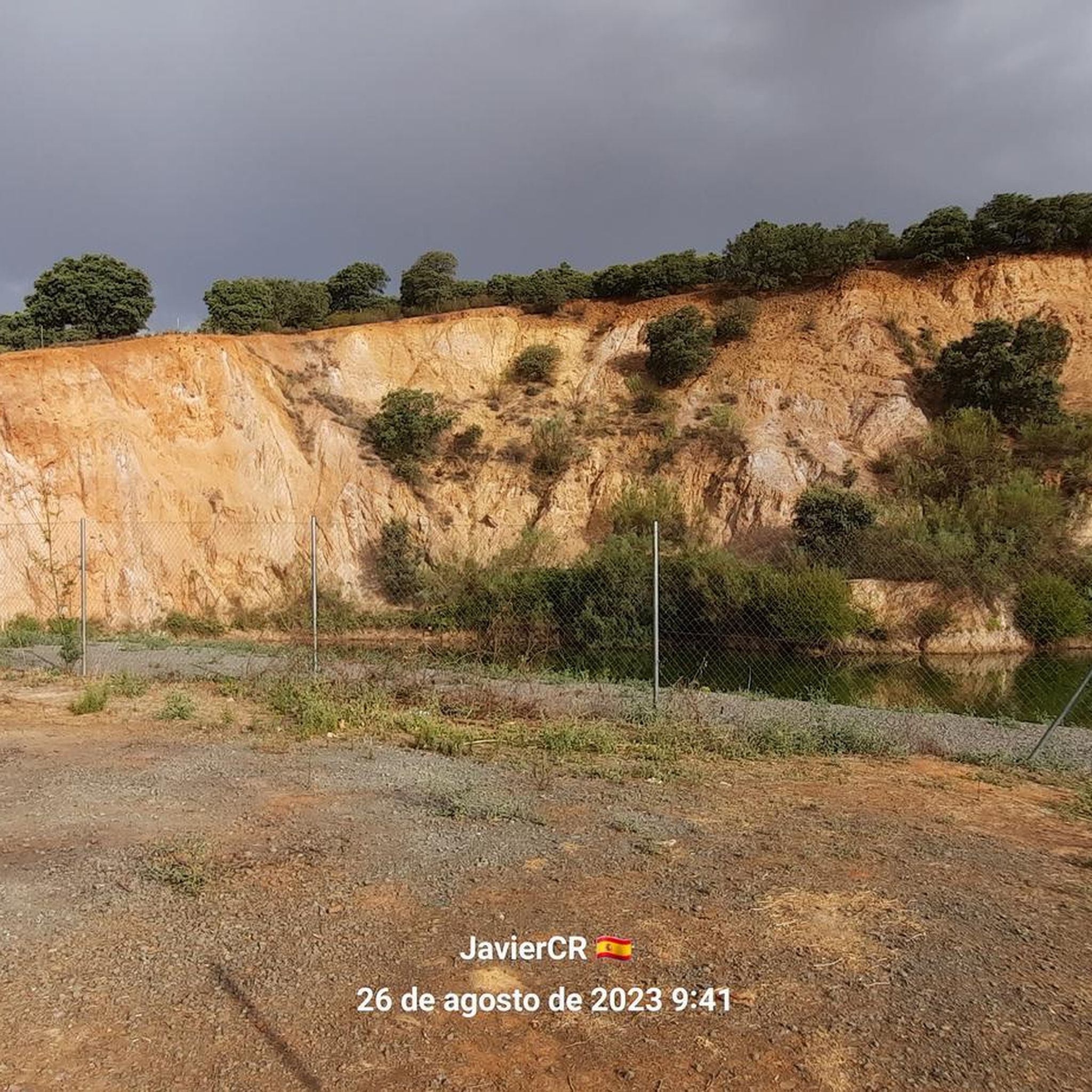
The path that passes by the Río Guadiana lets us see this area where a dam has been built and which can be a good time to take a short break!
1
1
The castle is privately owned and, given its ruinous situation, with the dangers that its visit entails, its access is prohibited without permission from the property.
34
0
Frequently Asked Questions
How many running routes are available around Villamayor de Calatrava?
There are over 45 dedicated running routes around Villamayor de Calatrava, offering a diverse range of experiences for all levels. These routes traverse unique landscapes, including volcanic formations, low mountain ranges, and serene wetlands.
What kind of terrain can I expect on the jogging trails in Villamayor de Calatrava?
The region offers a varied terrain for running. You'll find routes that wind through volcanic outcrops like El Morrón and Cabezaparda, offering rugged paths and undulating experiences. There are also paths through low mountain ranges (sierras) with more demanding inclines, and tranquil routes along riverine environments and wetlands such as Las Cucharas and El Prado.
Are there any easy running routes suitable for beginners in the area?
Yes, while many routes are moderate to difficult, there is at least one easy running route available. The area's diverse landscape also includes flatter stretches in valleys and along riverbanks, which can be suitable for less experienced runners or those looking for a more relaxed pace.
Can I find circular running routes around Villamayor de Calatrava?
Absolutely. Many of the running paths in the region are circular, allowing you to start and finish at the same point. For example, the Cerro de San Agustín by the Laguna de Almodóvar — circular from Puertollano offers a challenging loop with scenic views, and the Río Guadiana and Puente del Río Jabalón — circular from Corral de Calatrava provides a moderate riverine experience.
What natural features or landmarks can I see while running in Villamayor de Calatrava?
The region is rich in natural beauty and historical points of interest. You can encounter volcanic formations like El Morrón, which is a Natural Monument, and Cabezaparda. Routes often pass by wetlands, rivers like the Tirteafuera, and traditional paths. Notable highlights include the Old dam of the Guadiana River and the Bridge over the Jabalón River.
Are there any family-friendly running paths in Villamayor de Calatrava?
While specific 'family-friendly' routes are not explicitly categorized, the presence of numerous traditional paths, riverine environments, and flatter valley sections suggests that some routes could be suitable for families. Look for routes marked as 'easy' or 'moderate' with minimal elevation gain for a more comfortable family outing.
Can I bring my dog on the running trails?
Many outdoor trails in Spain, especially in natural and rural areas, are generally dog-friendly, provided dogs are kept under control, often on a leash, and owners clean up after them. It's always advisable to check local regulations or signage at trailheads, especially in protected natural areas or near wetlands, to ensure dogs are permitted.
What is the best time of year to go jogging in Villamayor de Calatrava?
The region's climate suggests that spring and autumn would be ideal for jogging, offering milder temperatures. Summers can be hot, especially in inland Spain, so early mornings or late evenings would be preferable. Winters are generally mild, making running possible year-round, though some higher elevation paths might be cooler.
Is parking available near the running trailheads?
Given the rural nature of Villamayor de Calatrava and its surrounding areas, parking is generally available in or near the starting points of many routes, particularly in villages or designated recreational areas. However, specific parking information for each individual trailhead may vary, so it's recommended to check route details on komoot for precise locations.
What do other runners say about the jogging experience in Villamayor de Calatrava?
The running routes around Villamayor de Calatrava are highly rated by the komoot community, with an average score of 3.0 stars. Over 260 runners have explored the varied terrain, often praising the unique geological features, the tranquility of the wetlands, and the diverse challenges offered by the low mountain ranges.
Are there any routes that offer views of volcanic landscapes?
Yes, the region is known for its volcanic origins. Routes often pass through areas with volcanic outcrops, including the Natural Monument 'El Morrón' and 'Cabezaparda'. These areas provide rugged and interesting paths with dramatic backdrops, offering a unique running experience.
Are there any running routes that follow traditional paths or historical trails?
The area is crisscrossed by 'cañadas, cordeles, veredas y caminos' (traditional livestock routes, trails, and roads), which form an extensive network ideal for jogging. Some routes might even follow ancient Roman roads, like the 'Camino de la Plata', offering a blend of natural beauty and historical significance.
Most popular routes around Villamayor De Calatrava
Most popular attractions around Villamayor De Calatrava

Get inspired with the komoot mobile app


Explore more
Browse the best Running Trails & Routes in other regions.
