The best road cycling routes around Muñomer Del Peco
10
riders
5
rides
Road cycling routes around Muñomer Del Peco traverse the extensive plains of La Moraña, a region characterized by its flat to gently rolling terrain. The landscape primarily consists of cereal and forage fields, interspersed with scattered trees, offering a consistent visual backdrop for long-distance rides. Cyclists can expect routes with minimal significant climbs, making the area suitable for training, speed cycling, or relaxed scenic excursions. The Merdero River's meadows provide some greener sections, contrasting with the agricultural fields.
Best road…
Last updated: May 16, 2026
Moderate road ride. Good fitness required. Mostly well-paved surfaces and easy to ride.
Easy road ride. Great for any fitness level. Mostly well-paved surfaces and easy to ride.

Sign up for free
4
riders
42.0km
01:48
320m
330m
Moderate road ride. Good fitness required. Mostly well-paved surfaces and easy to ride.
3
riders
92.3km
04:12
1,050m
1,050m
Hard road ride. Very good fitness required. Mostly well-paved surfaces and easy to ride.
3
riders
21.3km
00:50
60m
60m
Easy road ride. Great for any fitness level. Mostly well-paved surfaces and easy to ride.
Our route recommendations are based on thousands of hikes, rides, and runs completed by other people on komoot.
Start today with a free account
Your next adventure awaits.
Login or Signup
Popular around Muñomer Del Peco
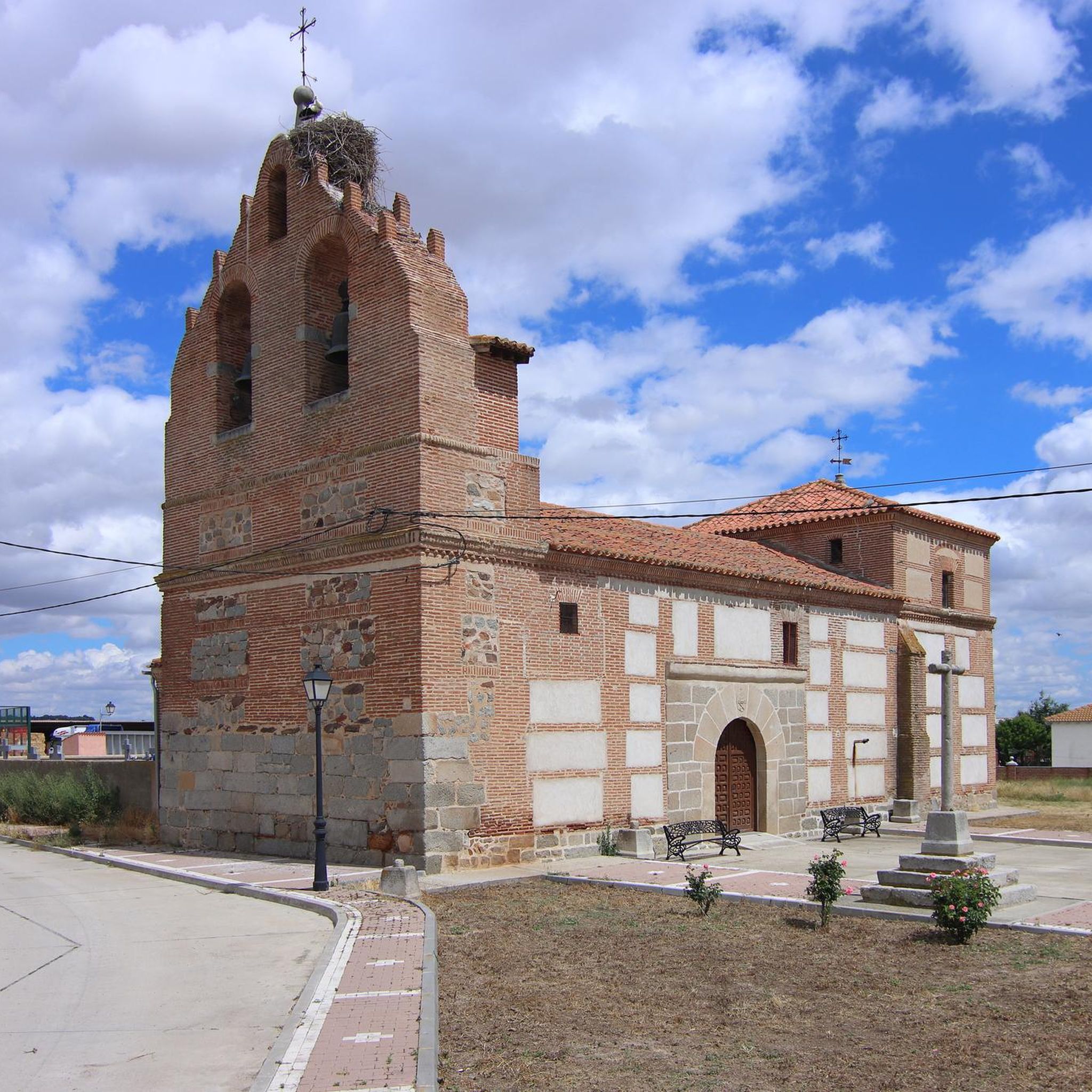
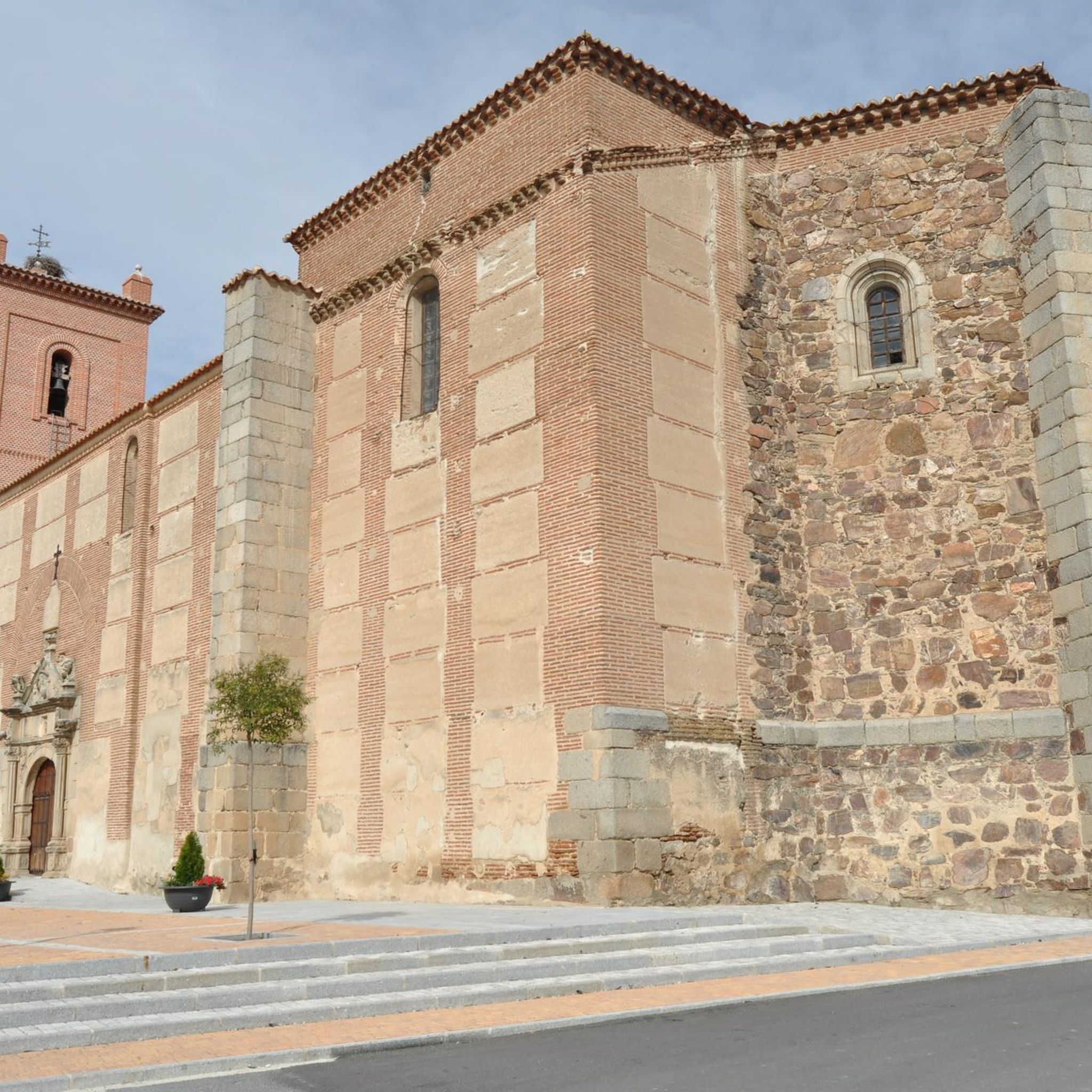
Tips from the Community

Narros de Saldueña Castle, also known as the Castle of the Duke of Montellano, is one of the best-preserved fortresses in the province of Ávila. It is located in the town of Narros de Saldueña, within the town limits. Construction: Late 15th century, attributed to Rodrigo de Valderrábanos, Lord of the Saldueña Estate. Expansions: It was renovated and enlarged at the beginning of the 16th century by his successors.
4
0
Arévalo Castle, located in the town of Arévalo (province of Ávila, Castile and León), is one of the most representative examples of Castilian Mudéjar architecture. Its origins date back to the 14th century, although it was built upon earlier fortifications. It was expanded between the 15th and 16th centuries, especially during the reign of the Catholic Monarchs. It played an important role as a noble and military castle, but also as an administrative building. In the 20th century, it fell into near ruin until its restoration, beginning in 1952, by the Ministry of Agriculture, which uses it as the headquarters of a research center.
5
0
Arévalo Castle, located in the town of Arévalo (province of Ávila, Castile and León), is one of the most representative examples of Castilian Mudéjar architecture. Its origins date back to the 14th century, although it was built upon earlier fortifications. It was expanded between the 15th and 16th centuries, especially during the reign of the Catholic Monarchs. It played an important role as a noble and military castle, but also as an administrative building. In the 20th century, it fell into near ruin until it was restored starting in 1952 by the Ministry of Agriculture, which uses it as the headquarters of a research center.
5
0

Castle fortress located at the most extreme part of the triangle formed by the confluence of the Adaja and Arevalillo rivers, which serve as defensive ditches. It was rebuilt in the second half of the 15th century by order of Álvaro de Zúñiga, Duke of Béjar, although it subsequently underwent important reforms at the beginning of the 16th century, when the fortress was in the hands of the Catholic Monarchs. The Castle is worth visiting for its good condition, and it also has a very interesting exhibition.
1
0

In addition to the imposing Castle where Isabel la Católica resided, in the town we have all the services: Shops, restaurants and accommodation.
1
0
The Castle of the Duke of Montellano, also known as Castle of Narros de Saldueña, is located at the end of the town of Narros de Saldueña, in the heart of the La Moraña plain, in the province of Ávila, autonomous community of Castilla y León. This castle, tracing its origins to the 15th century, is a good example of a castle-palace built with brick and mud (mortar), which relates it to Mudejar architecture.
6
0
The church dates back to the time of the Catholic Monarchs, specifically the 16th century. Its main entrance presents a spectacular doorway attributed to the sculptor and architect Juan Rodríguez. This doorway follows the classic scheme, with a semicircular arch flanked by two columns with Corinthian capitals. On the entablature and triangular pediment, you will find granite sculptures representing mythological beings and gargoyles.
3
0
In the 11th century, during the reign of Alfonso VI, a charter was granted to the town of Arévalo. From then on, documentary references abound about this place. Although it had periods of lordly rule, it generally depended on the Crown (being a royal estate), which explains the presence of members of the royal family in the town.
6
0
Frequently Asked Questions
What kind of terrain can I expect when road cycling around Muñomer Del Peco?
The region of La Moraña, where Muñomer Del Peco is located, is characterized by extensive plains. You'll find mostly flat to gently rolling terrain, primarily consisting of cereal and forage fields, with scattered trees. The meadows along the Merdero River offer some greener sections, providing a consistent visual backdrop for your rides.
Are there road cycling routes suitable for beginners or those looking for an easy ride?
Yes, there are several easy routes perfect for beginners or a relaxed ride. For instance, the Llanura de la Moraña y Castillo del Duque de Montellano — circular desde San Pedro del Arroyo is an easy 23.5-mile (37.8 km) path featuring open fields and gentle gradients. Another easy option is the Castle of Narros de Saldueña loop from San Pedro del Arroyo, which is 13.9 miles (22.3 km) long.
What are some longer road cycling routes available in the area?
For those seeking longer distances, the Pueblos de la Morana y Castillo del Duque de Montellano — circular desde Arévalo is a moderate 60.8-mile (97.9 km) route. Another substantial option is the Las Fuentes Pass – Mancera de Arriba loop from Crespos, which covers 57.4 miles (92.3 km) and is considered difficult.
Are there any challenging road cycling routes for experienced cyclists?
Yes, experienced cyclists looking for a challenge can take on the Las Fuentes Pass – Mancera de Arriba loop from Crespos. This route spans 57.4 miles (92.3 km) and features over 1000 meters of elevation gain, making it the most difficult option in the area.
What historical or cultural landmarks can I see while cycling around Muñomer Del Peco?
While cycling, you can encounter several interesting landmarks. The Castle of Narros de Saldueña is a notable historical site. You might also pass by the Castronuevo Castle-Palace or the Ruins of Castronuevo. The Parish Church of Fontiveros is another cultural point of interest in the vicinity.
Are there any circular road cycling routes in the Muñomer Del Peco area?
Yes, many of the routes around Muñomer Del Peco are circular, allowing you to start and end in the same location. Examples include the popular Pueblos de la Morana y Castillo del Duque de Montellano — circular desde Arévalo and the Castillo de Bebán loop from Collado de Contreras.
What is the best season for road cycling in Muñomer Del Peco?
Given the agricultural landscape where cereal and forage fields quickly yellow in warmer weather, spring and early summer would likely offer the most visually appealing rides with greener fields. Autumn could also be pleasant with milder temperatures. Summers can be hot, making early mornings or late afternoons preferable.
How many road cycling routes are available around Muñomer Del Peco?
There are 5 distinct road cycling routes available around Muñomer Del Peco, catering to various difficulty levels from easy to difficult.
What do other road cyclists enjoy most about cycling in Muñomer Del Peco?
Road cyclists often appreciate the extensive plains and the consistent visual backdrop of agricultural fields, which are ideal for long-distance rides, training for speed, or relaxed scenic excursions without significant climbs. The quiet nature of the rural roads is also a highlight.
Are there any specific viewpoints or natural features to look out for?
The primary natural features are the vast agricultural plains themselves, which offer expansive views. The meadows along the Merdero River provide a contrast with their greenery, especially in spring. While there aren't dramatic mountain viewpoints, the open landscape allows for broad vistas of the changing seasonal scenery.
Can I find routes that pass by castles or historical sites?
Yes, several routes incorporate historical sites. For example, the Pueblos de la Morana y Castillo del Duque de Montellano — circular desde Arévalo and Llanura de la Moraña y Castillo del Duque de Montellano — circular desde San Pedro del Arroyo routes both pass by the Castillo del Duque de Montellano. The Castillo de Bebán loop from Collado de Contreras also features a castle.
What are the typical distances of road cycling routes in this area?
Route distances vary to suit different preferences. You can find shorter rides like the Castle of Narros de Saldueña loop from San Pedro del Arroyo at 13.9 miles (22.3 km), moderate options such as the Castillo de Bebán loop from Collado de Contreras at 26.1 miles (42.0 km), and longer routes up to 60.8 miles (97.9 km) like the Pueblos de la Morana y Castillo del Duque de Montellano — circular desde Arévalo.
Most popular routes around Muñomer Del Peco
Most popular attractions around Muñomer Del Peco

Get inspired with the komoot mobile app


Explore more
Browse the best Road cycling routes in other regions.
