Attractions and Places To See around Barajas De Melo - Top 20
Best attractions and places to see around Barajas De Melo include a blend of historical landmarks, cultural sites, and natural features within the province of Cuenca, Spain. The village is situated in the heart of the La Alcarria region, offering traditional architecture and cobblestone streets. Visitors can explore sites reflecting its history and enjoy the natural beauty of the surrounding area. The region provides opportunities for exploring trails and historical monuments.
Best attractions and places to see around Barajas De…
Last updated: July 20, 2026
Uclés Trail
Highlight • Trail
Translated by Google •
Tip by

Iron Bridge of Fuentidueña de Tajo
Highlight • Bridge
Translated by Google •
Tip by

Sign up now to discover places like this
Get recommendations on the best single tracks, peaks, & plenty of other exciting outdoor places.
Sign up for free
Cross of the Order of Santiago – Gabriela and Lorenzo Rest Area
Highlight • Monument
Translated by Google •
Tip by
Estremera Tunnels
Highlight • Structure
Translated by Google •
Tip by

Calle del Ladrón, Estremera
Highlight • Settlement
Translated by Google •
Tip by

Sign up for free to discover even more attractions around Barajas De Melo.
Sign up for free
Already have an account?
Start today with a free account
Your next adventure awaits.
Login or Signup

Tips from the Community

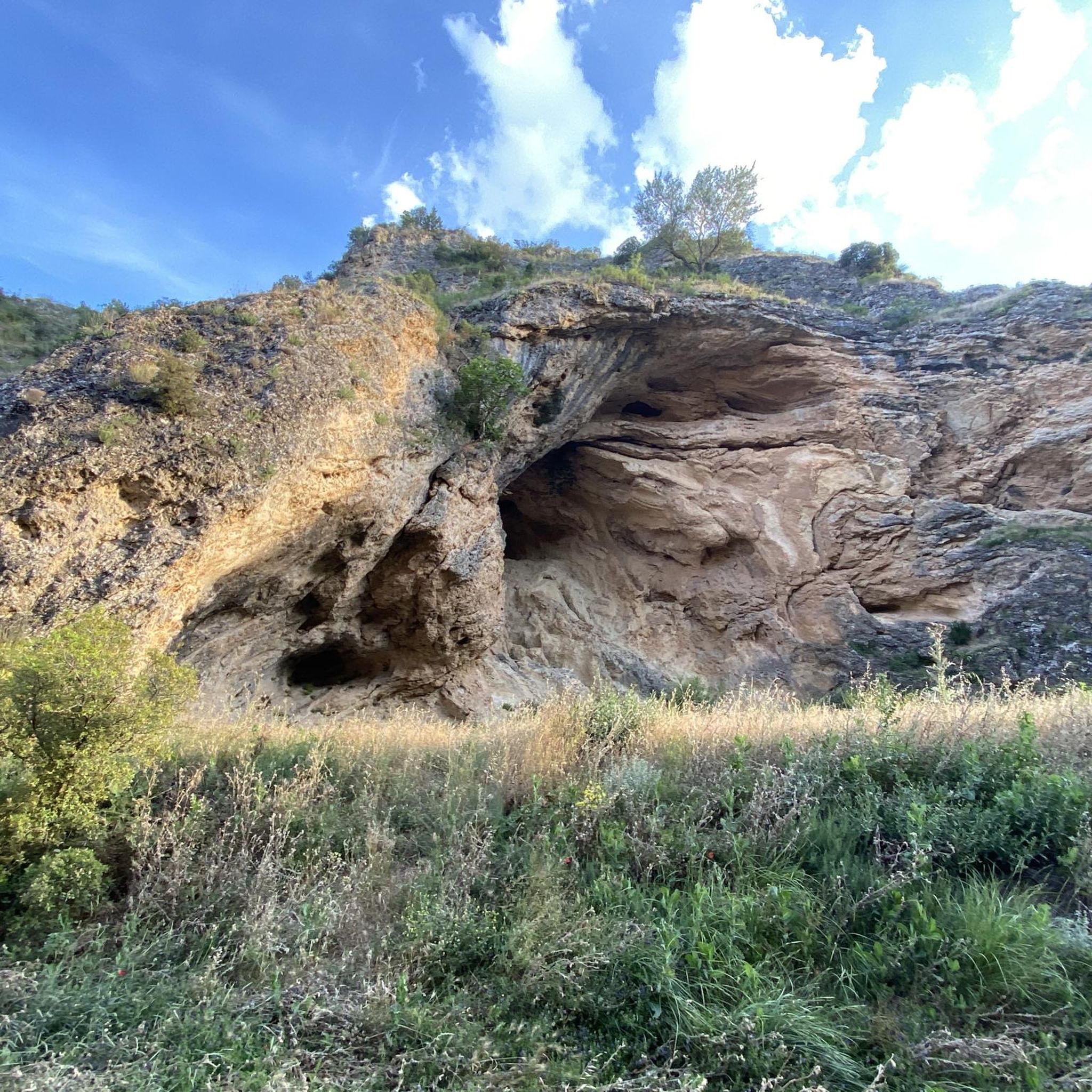
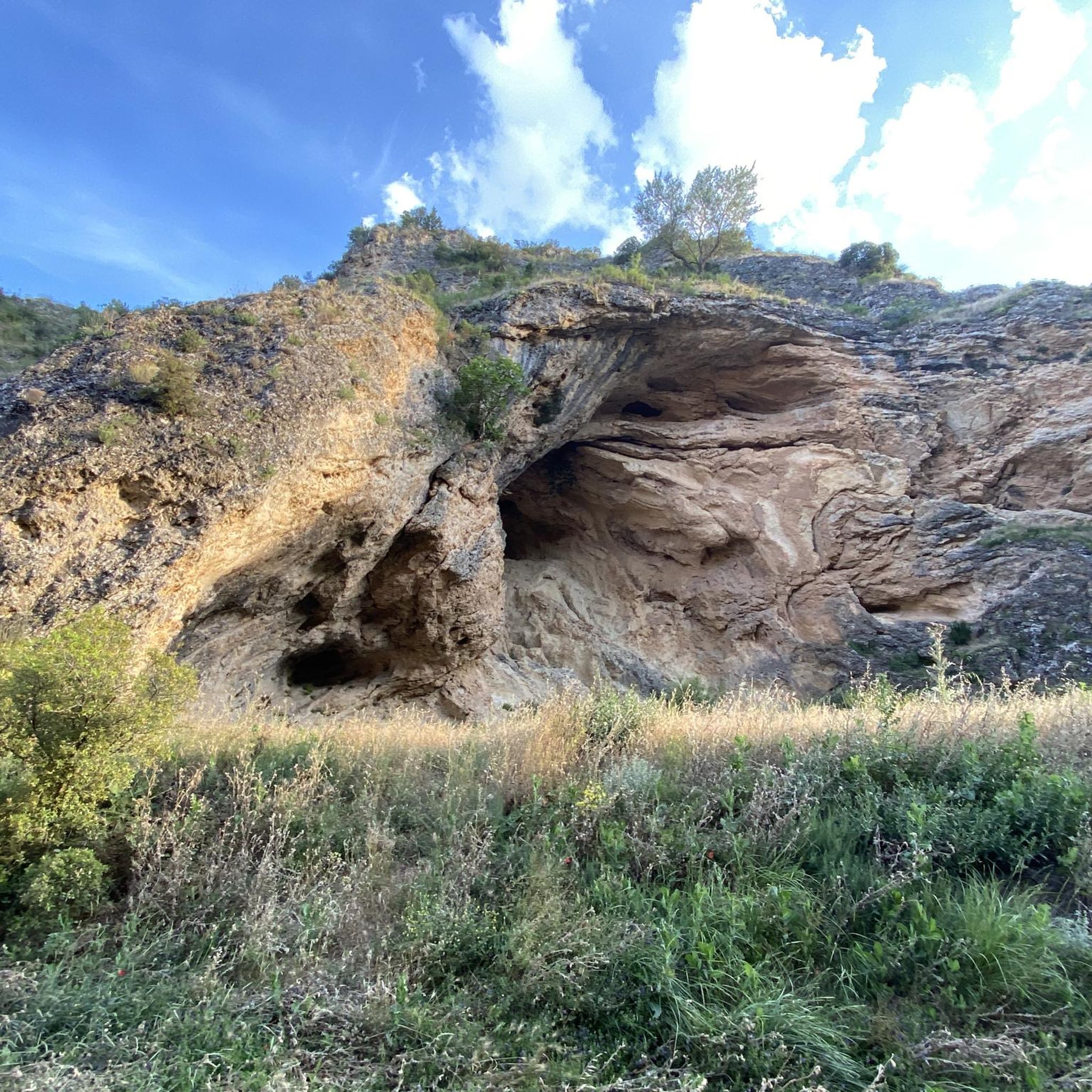
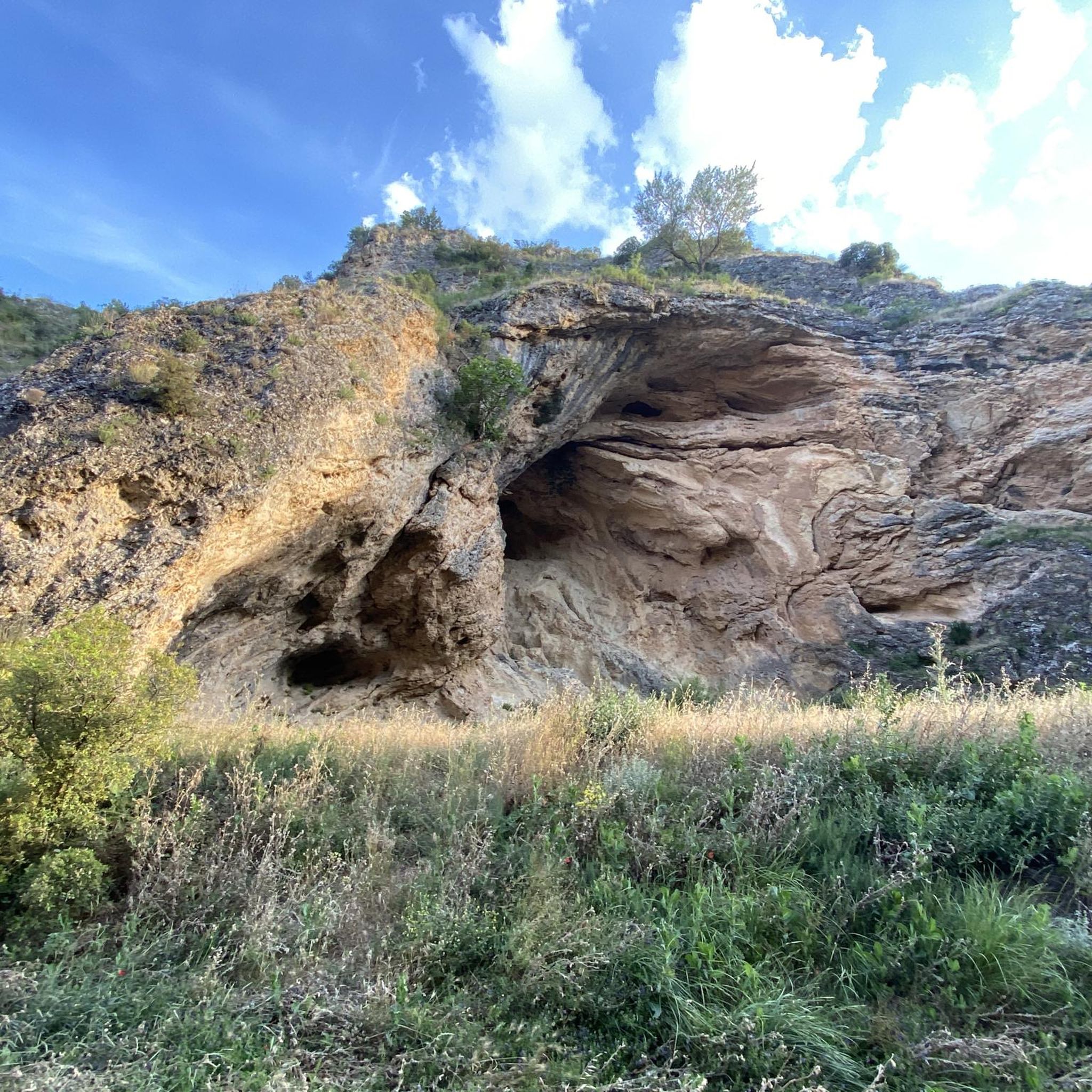
This section is popular with cyclists due to the allure of the tunnels and the gorge carved by the old railway line through the gypsum and esparto grass hillsides and ravines. The railway tunnels and cuttings are impressive constructions, both for their design and their railway efficiency. They facilitate the passage of trains across steep terrain and maintain a gentle, accessible gradient in challenging areas, with raised sections of the ground to reduce noise and visual impact in environmentally sensitive locations.
0
0

The white and blue signs of the Camino de Uclés are paired with the yellow arrows of the Camino de Santiago de Uclés, one of the variants of the Jacobean routes that leaves for Santiago de Compostela from the Monastery of Uclés, one of the heads (Caput Ordinis) of the Order of Santiago from the 13th century.
0
0

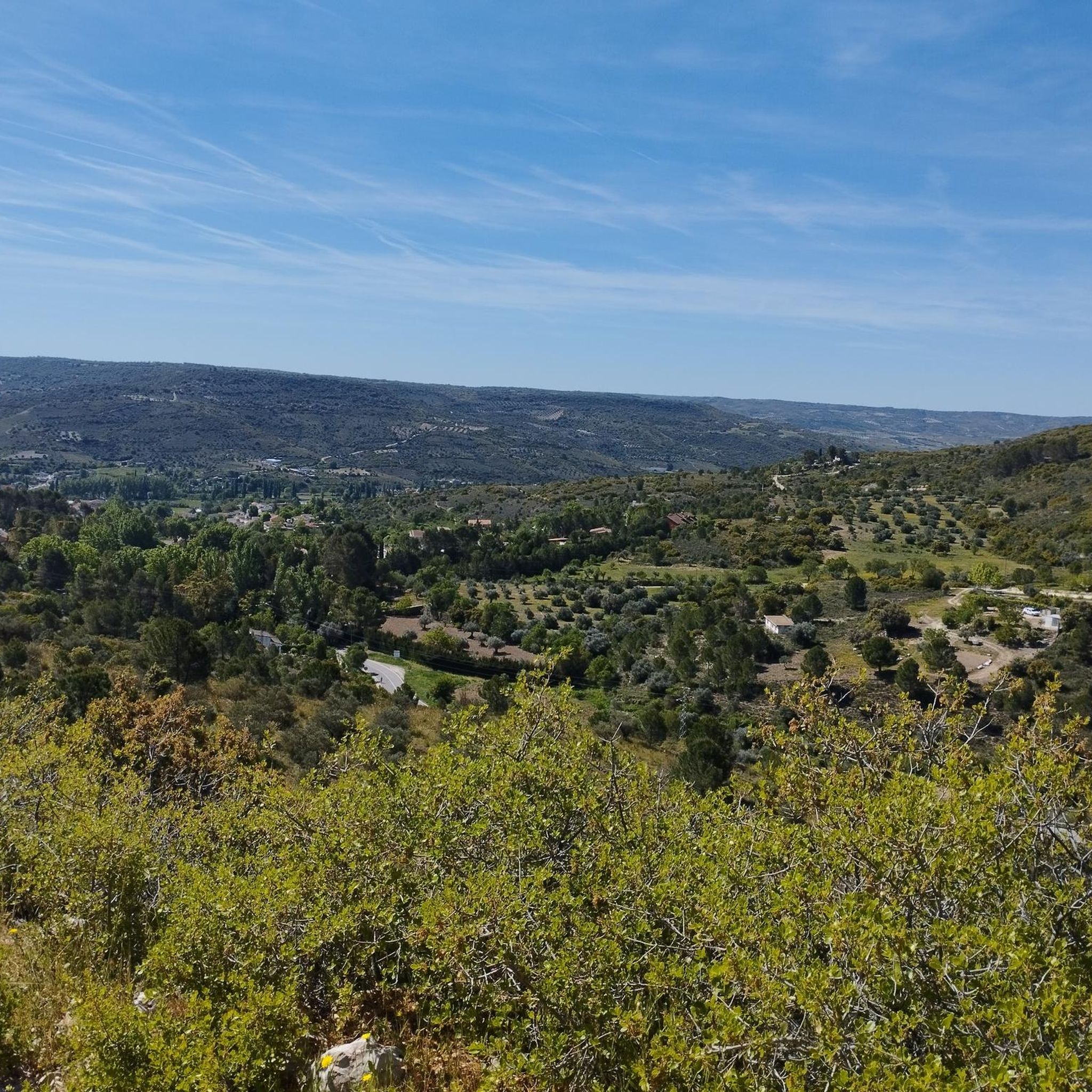
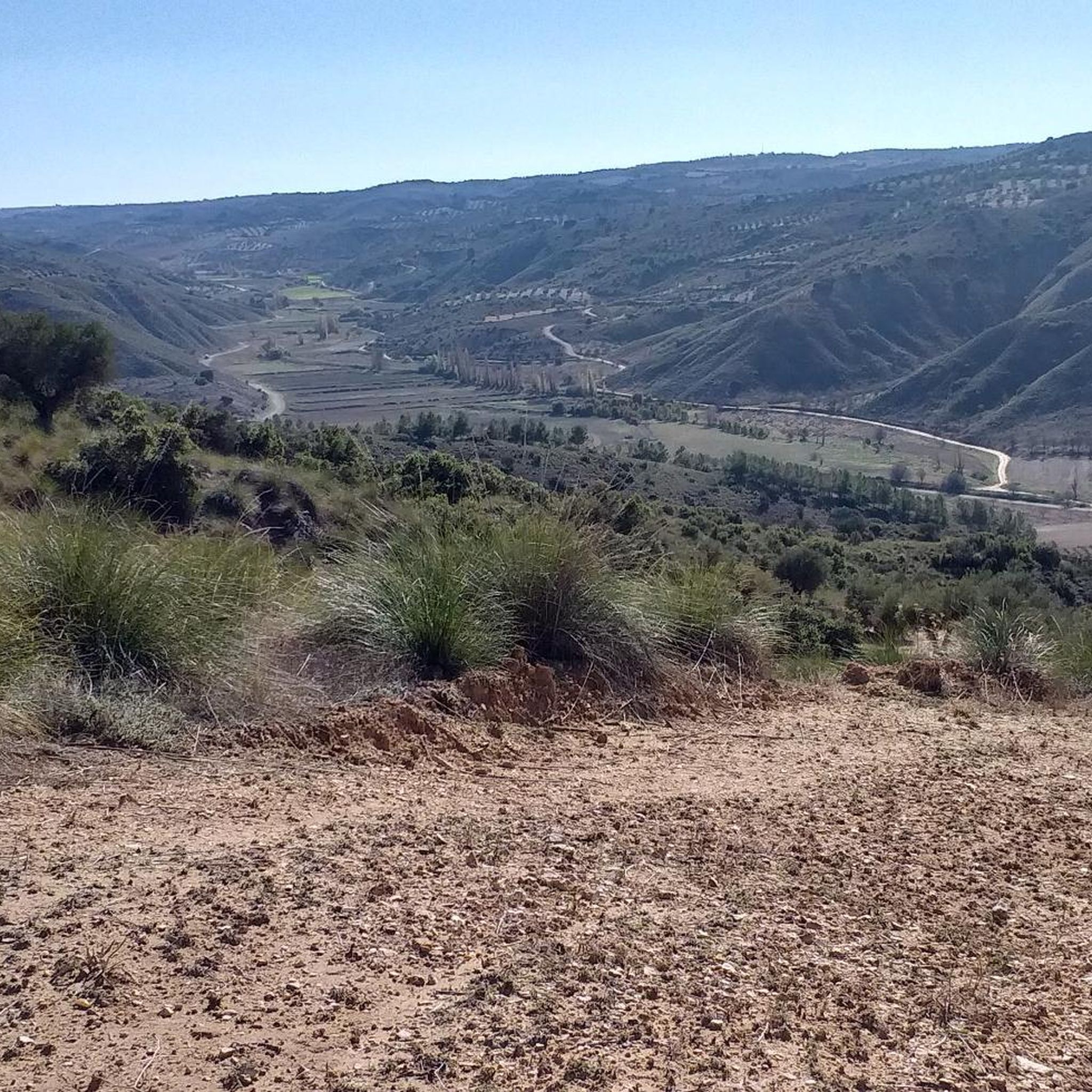
In the agricultural wastelands of Valdaracete, a striking journey towards the Tagus River begins through a curious landscape of clay hills and whitish marls in a desert and steppe environment, especially in the hard slides of Cerro de la Muela, a desert in Las Vegas, where the gypsum gullies that can become hell for pedaling on rainy days. The sensation of navigating a bicycle through distant and exotic latitudes ends when the road leaves the valley of the Valle stream, passes through the A-3 tunnel and ends in Fuentidueña de Tajo.
1
0

The Fuentidueña de Tajo bridge is an engineering work from the mid-19th century that restored the passage through this river on the way to Cuenca. It is the oldest large metal bridge in Madrid. This work allowed communications to be modernized at the time of its execution.
2
0
The Uclés path is marked by the particularity of its signage full of messages to pilgrims and with rest areas with the cross of the order of Santiago. This point has two cement blocks as benches and motivational messages.
1
0
The livestock route crosses the Tagus Natural Trail, crosses the town to the shore of the Tagus and passes the river over a historic iron bridge from the 19th century. The Tagus Bridge is a magnificent work of civil engineering inaugurated in 1867. The designer of the project was the architect José de Echevarría, who sought collaborators in France within the Eiffel team and chose iron to build a solid bridge in a fundamental passage of the Tagus plain. In the transit of the eastern Soriana Royal Canyon and the Camino Real de Valencia, an old Post Road and route of peasants and merchants since the Early Middle Ages. The first mechanical means to cross the Tagus riverbed was a rope boat, replaced by a rope bridge that could withstand unforeseen floods, but it was destroyed by General Prim's troops in the mid-19th century. In the vicinity of the bridge is the recreational area of La Tejera, with riverside trees and river beaches.
1
1

Famous for its jail, the church of Nuestra Señora de los Remedios stands out. There are bars, fountains and shops available
0
0
Frequently Asked Questions
What historical and cultural sites can I visit in Barajas de Melo?
Barajas de Melo offers several historical and cultural sites. You can explore the 15th-century Church of San Juan Bautista with its impressive Plateresque Gothic doorway, or visit the House of Fermín Caballero, now a cultural center dedicated to the important journalist and politician. The Town Hall in Plaza de la Constitución also reflects the village's rich past. Nearby, you can also find the Iron Bridge of Fuentidueña de Tajo, a significant 19th-century engineering work.
Are there any unique natural features or viewpoints to discover around Barajas de Melo?
Yes, the area boasts natural beauty. You can visit the Birthplace of the Calvache River in Donace, known for its well-preserved riverbanks and ancient trees. The Sierra de Altomira provides opportunities for enjoying local flora and fauna. For a tranquil experience, the Buendía Reservoir is a short distance away, offering serene waters and natural surroundings.
What kind of outdoor activities, like hiking or cycling, are available near Barajas de Melo?
The region around Barajas de Melo is excellent for outdoor activities. You can find various hiking trails, including the Uclés Trail, which journeys through unique clay hills. For more options, explore the hiking routes around Barajas De Melo, or discover MTB trails and road cycling routes in the area.
Are there family-friendly attractions or activities in Barajas de Melo?
Several attractions are suitable for families. The Jardín del Cerro, with its house-palace, chapel, artificial lake, and gardens, offers a pleasant environment for all ages. The Cross of the Order of Santiago – Gabriela and Lorenzo Rest Area is part of the Camino de Uclés and features motivational messages, making it an interesting stop during a family walk. The Paseo del Río Calvache also provides a pleasant natural experience for walks.
What is the best time of year to visit Barajas de Melo for outdoor activities?
The best time to visit Barajas de Melo for outdoor activities like hiking and cycling is generally during spring (April to June) and autumn (September to October). During these seasons, the weather is typically mild and pleasant, making it ideal for exploring the natural landscapes and historical sites without the intense heat of summer.
Where can I find unique monuments or landmarks related to historical routes?
You can find the Cross of the Order of Santiago – Gabriela and Lorenzo Rest Area, which marks the Uclés path with motivational messages and benches. This monument is part of the historic Camino de Uclés, a variant of the Jacobean routes.
Are there any specific trails that offer a unique landscape experience?
Yes, the Uclés Trail offers a striking journey through a landscape of clay hills and whitish marls, providing a desert and steppe-like environment, especially around the Cerro de la Muela. It's a unique experience for those looking for distinct scenery.
What kind of architecture can I expect to see in Barajas de Melo?
Barajas de Melo is characterized by its traditional architecture and cobblestone streets, reflecting its long history. Notable examples include the 15th-century Church of San Juan Bautista with its Plateresque Gothic doorway and the stately Palacete de Fuente Alcázar known for its balconies.
Can I find places for relaxation and recreation near the water?
Absolutely. The Buendía Reservoir, located a short distance from Barajas de Melo, is an excellent spot for relaxation by its tranquil waters and offers opportunities for water activities. Additionally, the Birthplace of the Calvache River and the Paseo del Río Calvache provide recreational areas and pleasant walks along the riverbanks.
What do visitors particularly appreciate about the attractions around Barajas de Melo?
Visitors appreciate the blend of historical landmarks, cultural sites, and natural beauty. The attractions, such as the Iron Bridge of Fuentidueña de Tajo and the Uclés Trail, are valued for their historical significance, unique landscapes, and the opportunities they provide for exploration and outdoor activities.
Are there any attractions that highlight the region's past as a center for trade?
The Town Hall, located in the Plaza de la Constitución, stands as a reminder of the village's past importance as a center for trade and livestock during the Middle Ages. The square itself is a great starting point to explore the historical streets.
Most popular routes around Barajas De Melo
Most popular attractions around Barajas De Melo

Get inspired with the komoot mobile app


Explore more
Still not found the Highlight you’re looking for? See guides of the top attractions in other regions:
