Attractions and Places To See around Arroyo Del Ojanco - Top 8
Best attractions and places to see around Arroyo Del Ojanco include a blend of natural beauty, historical sites, and cultural richness in the province of Jaén, Spain. The municipality is characterized by its olive groves, riverine landscapes, and proximity to natural parks. Visitors can explore ancient landmarks, Roman heritage, and scenic viewpoints. The area offers diverse attractions for those interested in history, nature, and local culture.
Best attractions and places to see around Arroyo Del Ojanco
- The most popular attractions…
Last updated: October 2, 2026
La Puerta de Segura
Highlight • Settlement
Translated by Google •
Tip by

Forest track through wild scenery
Highlight • Trail
Translated by Google •
Tip by

Sign up now to discover places like this
Get recommendations on the best single tracks, peaks, & plenty of other exciting outdoor places.
Arroyo del Ojanco Village and Olive Groves
Highlight • Settlement
Tip by

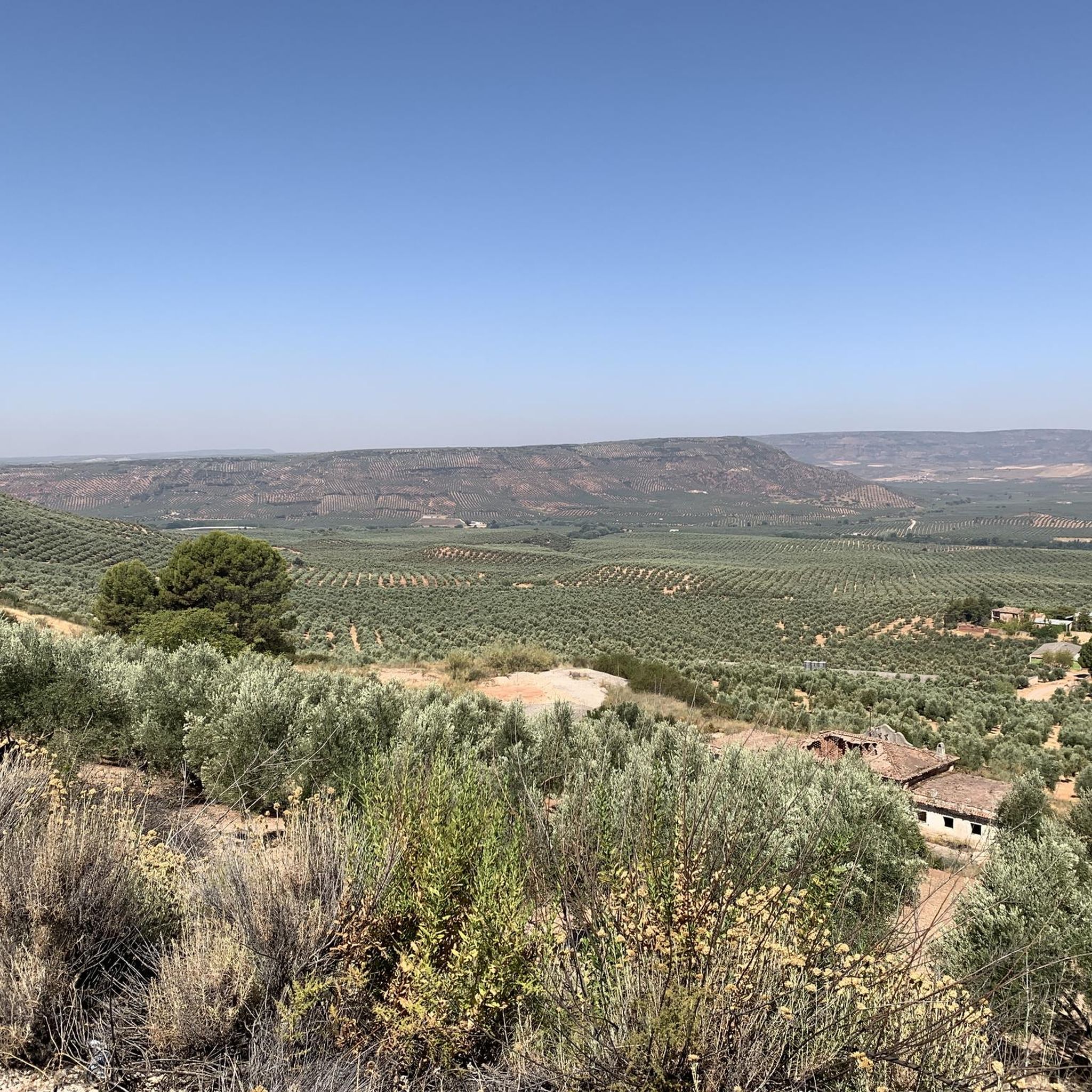
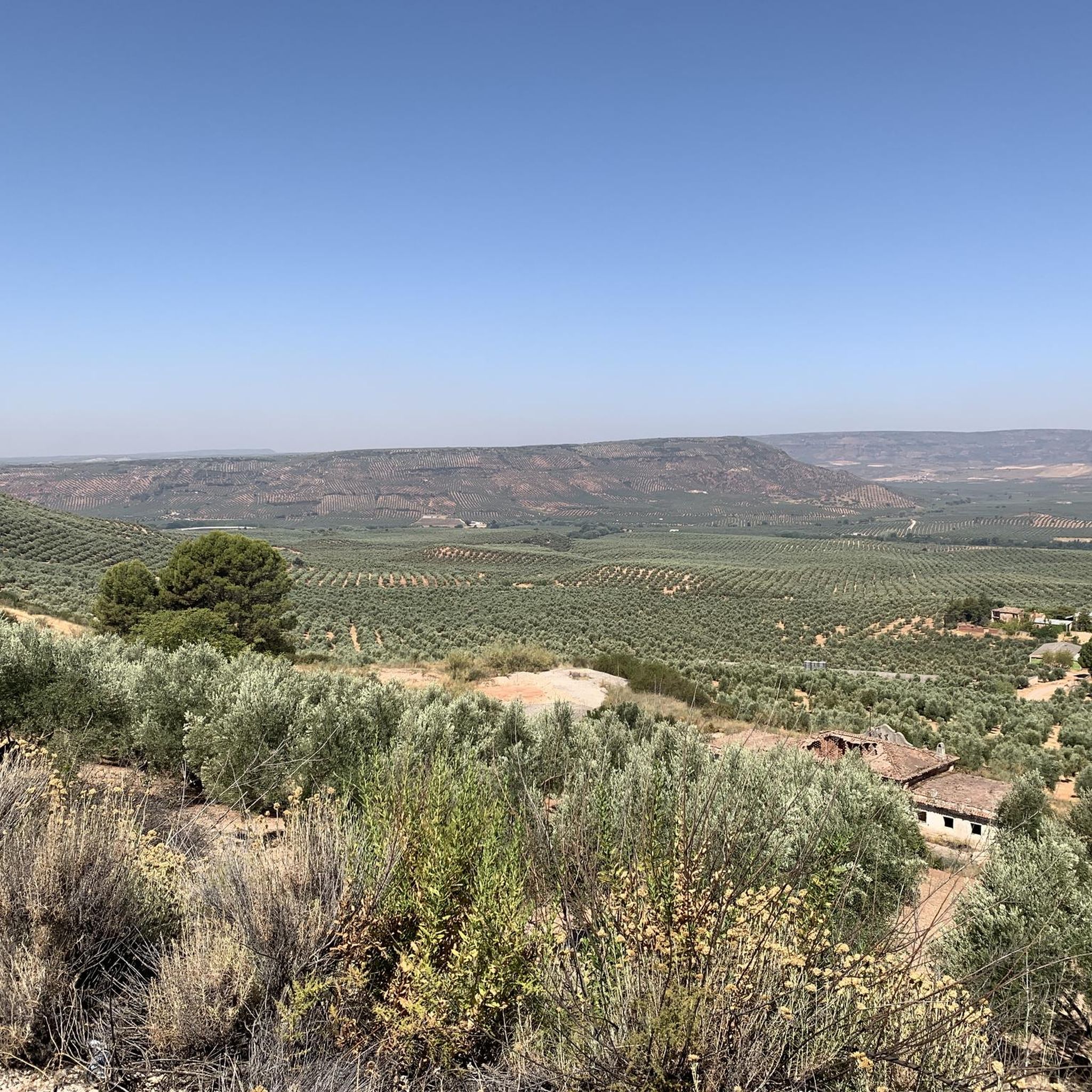
View of the wide valley
Highlight • Viewpoint
Translated by Google •
Tip by

Cerro Buitrera (1,245 m)
Highlight • Summit
With its 1245m high, it provides a panoramic view of the neighboring towns such as Orcera, Rihornos, …
Translated by Google •
Tip by
Sign up for free to discover even more attractions around Arroyo Del Ojanco.
Already have an account?
Start today with a free account
Your next adventure awaits.

Tips from the Community

The trail (PR) leading there is very poorly maintained and frankly difficult to follow in places. I also saw no markings (apart from two old wooden signs). A shame.
0
0

Small town surrounded by olive trees, Arroyo del Ojanco sits in the vega del Guadalimar, on the N-322 road.
1
0

Spanish town and municipality in the province of Jaén, in the autonomous community of Andalusia. According to the last available census (INE 2019), it had a population of 2,268 inhabitants.
1
0
Summit of 1245m in the municipality of Puerta de Segura, province of Jaén. With its 1245m high, it provides a panoramic view of the neighboring towns such as Orcera, Rihornos, Cañada Catena or its homonymous city, Puerta de Segura. At its top there is a geodesic vertex.
1
0

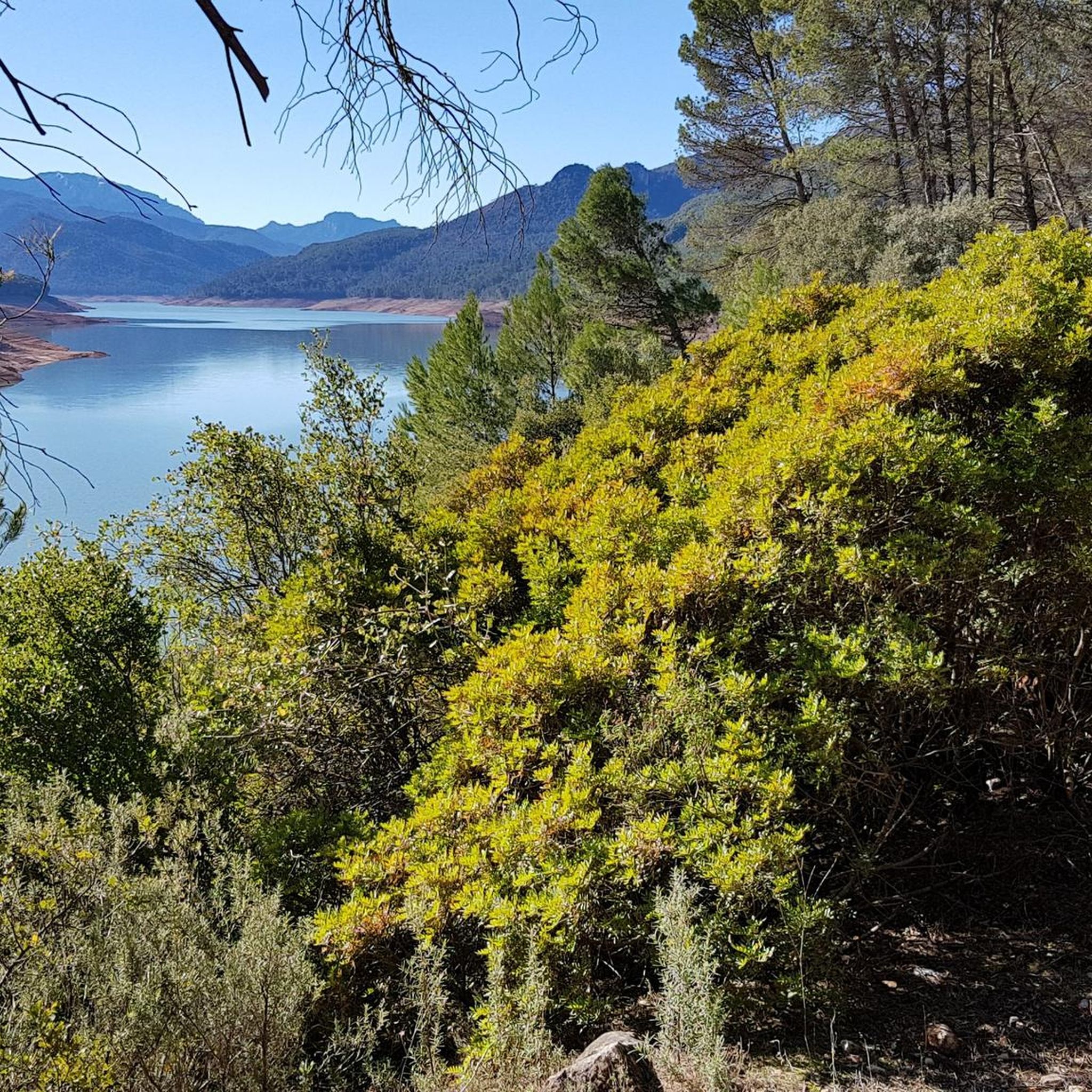
The road between the hills becomes more and more interesting, offering different textures in the landscape where the reddish color of the earth and the green of the vegetation predominate.
5
0

As soon as you are off the main road, you find yourself in a wonderful, wild area. Good gravel roads - also good for touring bikes.
4
0
A wonderful view of the valley just after Villanueva del Arzobispo (on the N-322 road towards Albacete). Unfortunately, the road is very busy and not very pleasant to drive on.
1
0

Frequently Asked Questions
What historical sites can I explore around Arroyo del Ojanco?
You can visit the ancient Puente Mocho, a Roman bridge spanning the Guadalimar river with six semi-circular arches. Additionally, the area boasts a significant Roman legacy, including the archaeological site of the Villa Romana de Los Baños and the Centro de Interpretación de la Cultura Romana, which showcases Roman culture and artifacts.
Are there any unique natural landmarks in the region?
Yes, a truly remarkable natural landmark is the Olivo Milenario de Fuentebuena, an ancient olive tree declared a Natural Monument and listed in the Guinness Book of World Records for its age and size. You can also explore the Charco del Aceite, a natural spot in the Sierra de las Villas known for its crystal-clear waters and the Guadalquivir river carving through mountains.
What kind of outdoor activities can I do near Arroyo del Ojanco?
The region offers various outdoor activities. For mountain biking, you can explore routes like the 'Arroyo del Ojanco Olive Groves Loop' or the 'Eagle Rock loop'. Cyclists can enjoy tours such as 'The olive groves of La Puerta de Segura' or 'Charming picnic area – Drinking water source loop'. For more details on these and other routes, check the MTB Trails, Cycling, and Road Cycling Routes guides.
Where can I find scenic viewpoints around Arroyo del Ojanco?
For stunning panoramic views, visit the View of the wide valley, located just after Villanueva del Arzobispo. Other notable viewpoints include Mirador El Vadillo and Mirador Collado del Serval, both offering spectacular vistas of the Sierra de Cazorla Natural Park and its peaks.
Are there family-friendly attractions or places to visit?
Absolutely. The Arroyo del Ojanco Village and Olive Groves offers a pleasant setting for families to explore. The Pantano de Guadalmena, while not within the municipal limits, is a popular spot for locals to enjoy nature. Additionally, the El Tranco leisure center provides various activities like solar boat trips, canoeing, and paddleboarding, suitable for all ages.
What are some of the natural features that define the landscape of Arroyo del Ojanco?
The landscape is characterized by the Arroyo del Ojanco stream itself, which gives the town its name. The Guadalimar and Guadalmena rivers flow through the municipality, creating fertile riverine plains. The Zona de alto valor ecológico de Albadalejo (Paraje del río Guadalmena) is another area of exceptional natural beauty, ideal for ecology enthusiasts.
What is the Iglesia de la Inmaculada Concepción?
The Iglesia de la Inmaculada Concepción is a central religious and social landmark in Arroyo del Ojanco. Dating back to the early 20th century and restored in the mid-1950s, its main altar features the town's patron saints, San Francisco and La Inmaculada, and a ceramic altarpiece adorns its facade.
Can I find places for relaxation and enjoying nature near the town?
Yes, the Fuente de Ventarique, a nearly century-old pillar fountain, offers a tranquil spot south of the urban center. The Charco del Aceite in the Sierra de las Villas is also perfect for relaxation with its clear waters and idyllic surroundings. The Parque de San Francisco within the urban area provides a pleasant leisure space.
What is La Puerta de Segura?
La Puerta de Segura is a Spanish town and municipality in the province of Jaén, known as a popular settlement in the region. It is appreciated by visitors for its local charm and accessibility.
Are there any interesting hamlets or villages to visit nearby?
Yes, you can explore charming hamlets like Cañada Morales, which serves as a good base for excursions into the Natural Park of Cazorla, Segura, and Las Villas. Other points of interest include Aldea Cañada Arada, Aldea Las Motas, Aldea Los Guijalbas, Aldea Los Panochos, and Aldea Ventarique, each offering a glimpse into local agricultural life.
What is the best time to visit Arroyo del Ojanco for outdoor activities?
While specific seasonal data isn't provided, the region's natural features like Charco del Aceite, known for its crystal-clear waters, suggest that warmer months could be ideal for enjoying water-related activities and relaxation. For hiking and cycling, spring and autumn generally offer more comfortable temperatures.
What is the 'Forest track through wild scenery' highlight?
The Forest track through wild scenery is a trail that quickly takes you into a wonderful, wild area. It features good gravel roads suitable for touring bikes, with the landscape offering a mix of reddish earth and green vegetation as you venture off the main road.

Get inspired with the komoot mobile app


Explore more
Still not found the Highlight you’re looking for? See guides of the top attractions in other regions:
