Attractions and Places To See around Arce/Artzi - Top 20
Best attractions and places to see around Arce/Artzi are found in the Navarrese Pyrenees, a region known for its historical significance as a key point on the Camino de Santiago. This area offers a blend of cultural landmarks and natural features, including mountain passes and historical bridges. Visitors can explore sites central to the pilgrimage route, set within a mountainous landscape.
Best attractions and places to see around Arce/Artzi
- The most popular attractions is Rabies Bridge, a bridge that…
Last updated: May 9, 2026
Rabies Bridge
Highlight • Bridge
Translated by Google •
Tip by

Roncesvalles Collegiate Church
Highlight • Religious Site
Translated by Google •
Tip by

Sign up now to discover places like this
Get recommendations on the best single tracks, peaks, & plenty of other exciting outdoor places.
Sign up for free
Collegiate Church and Monastery of Roncesvalles
Highlight • Religious Site
Translated by Google •
Tip by

Ibañeta Pass and the Roland Monument
Highlight • Mountain Pass
Translated by Google •
Tip by

Ibañeta Pass
Highlight • Mountain Pass
Tip by

Sign up for free to discover even more attractions around Arce/Artzi.
Sign up for free
Already have an account?
Start today with a free account
Your next adventure awaits.
Login or Signup
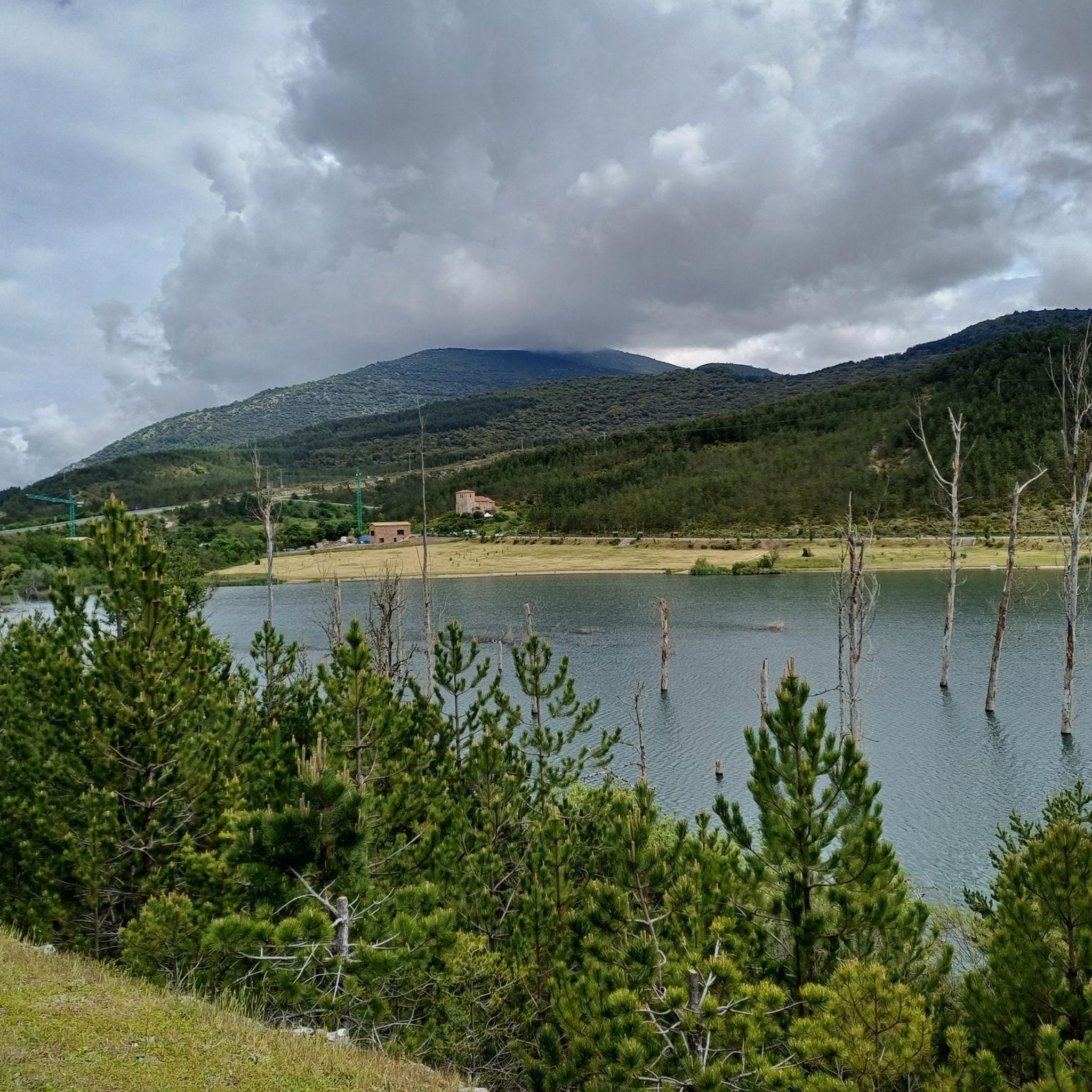
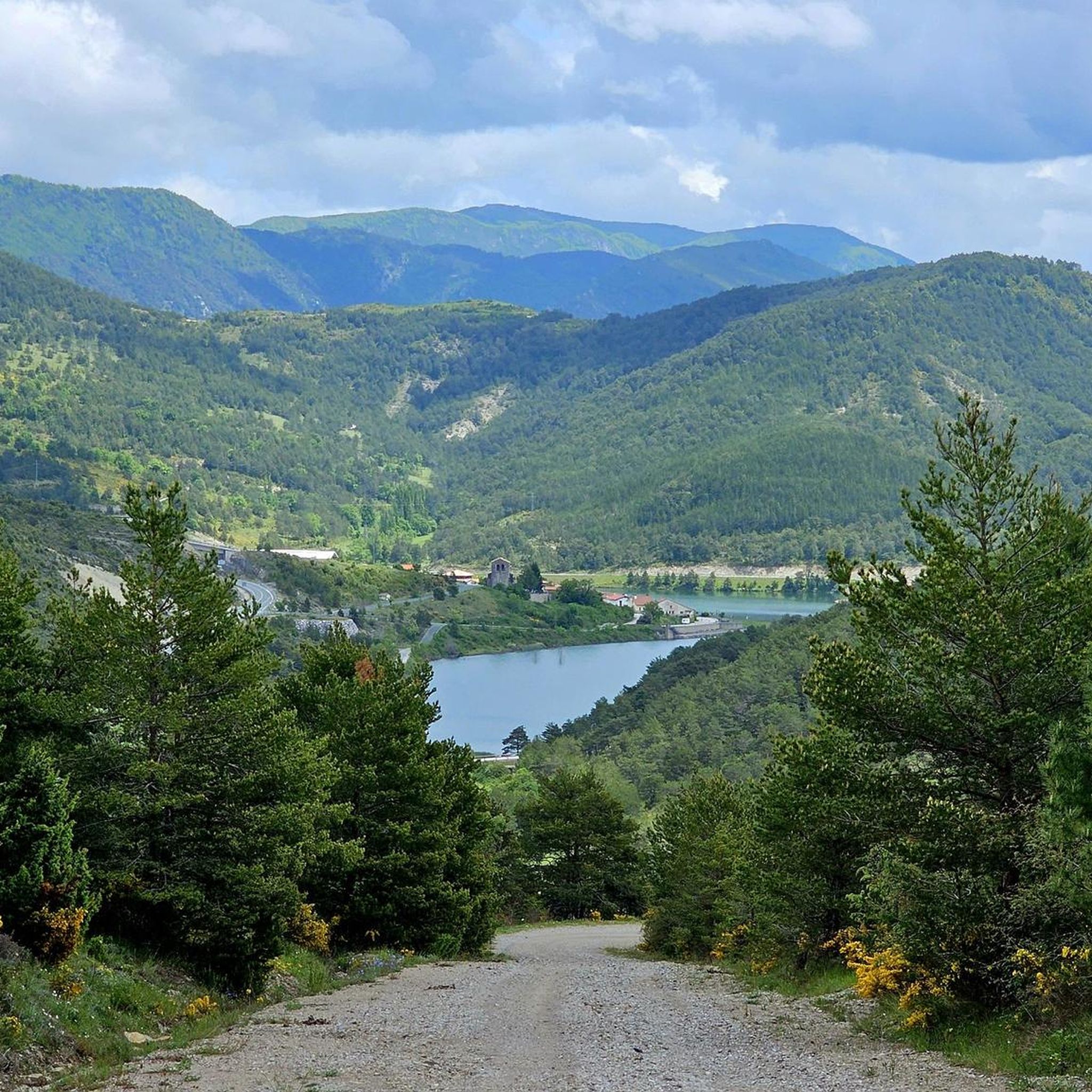
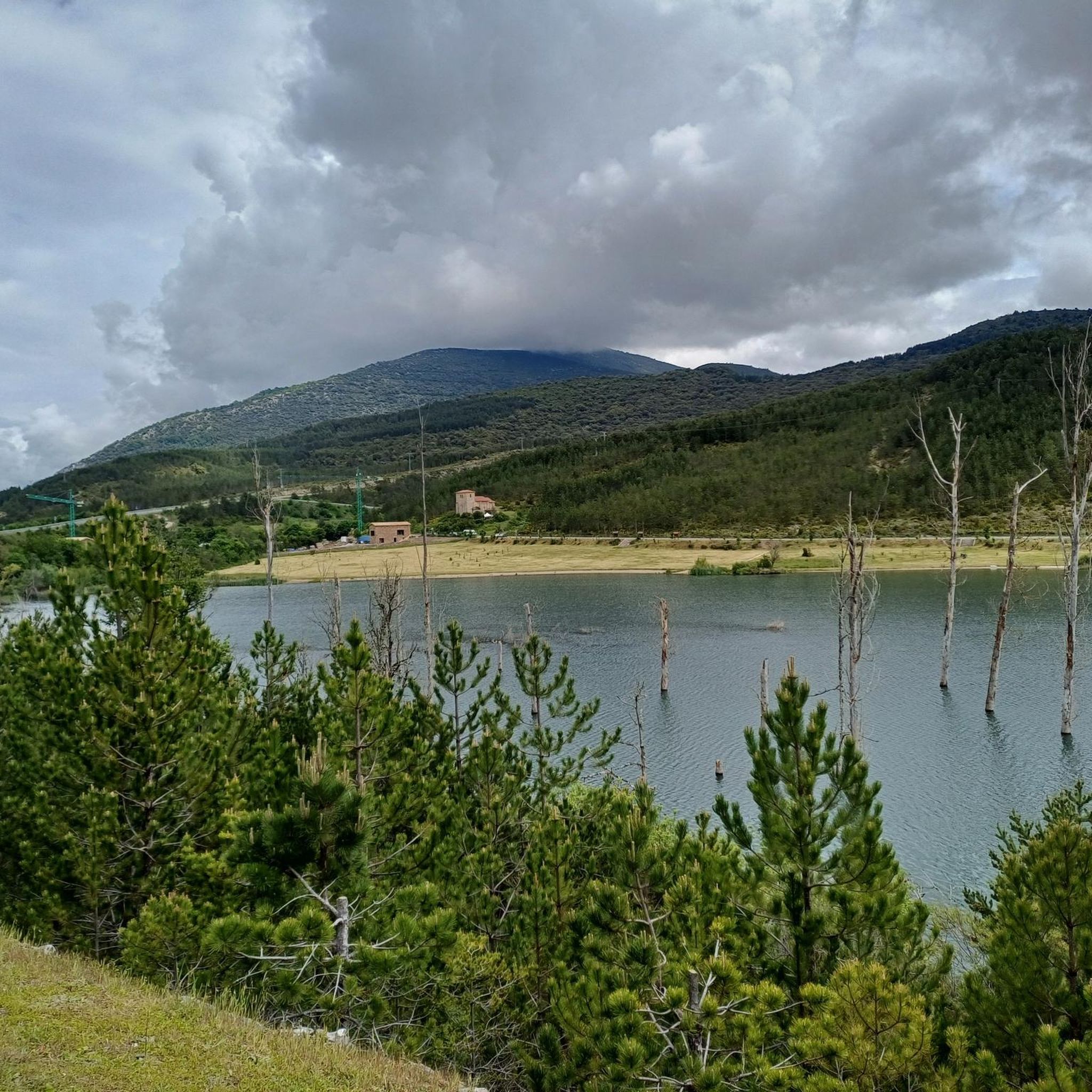
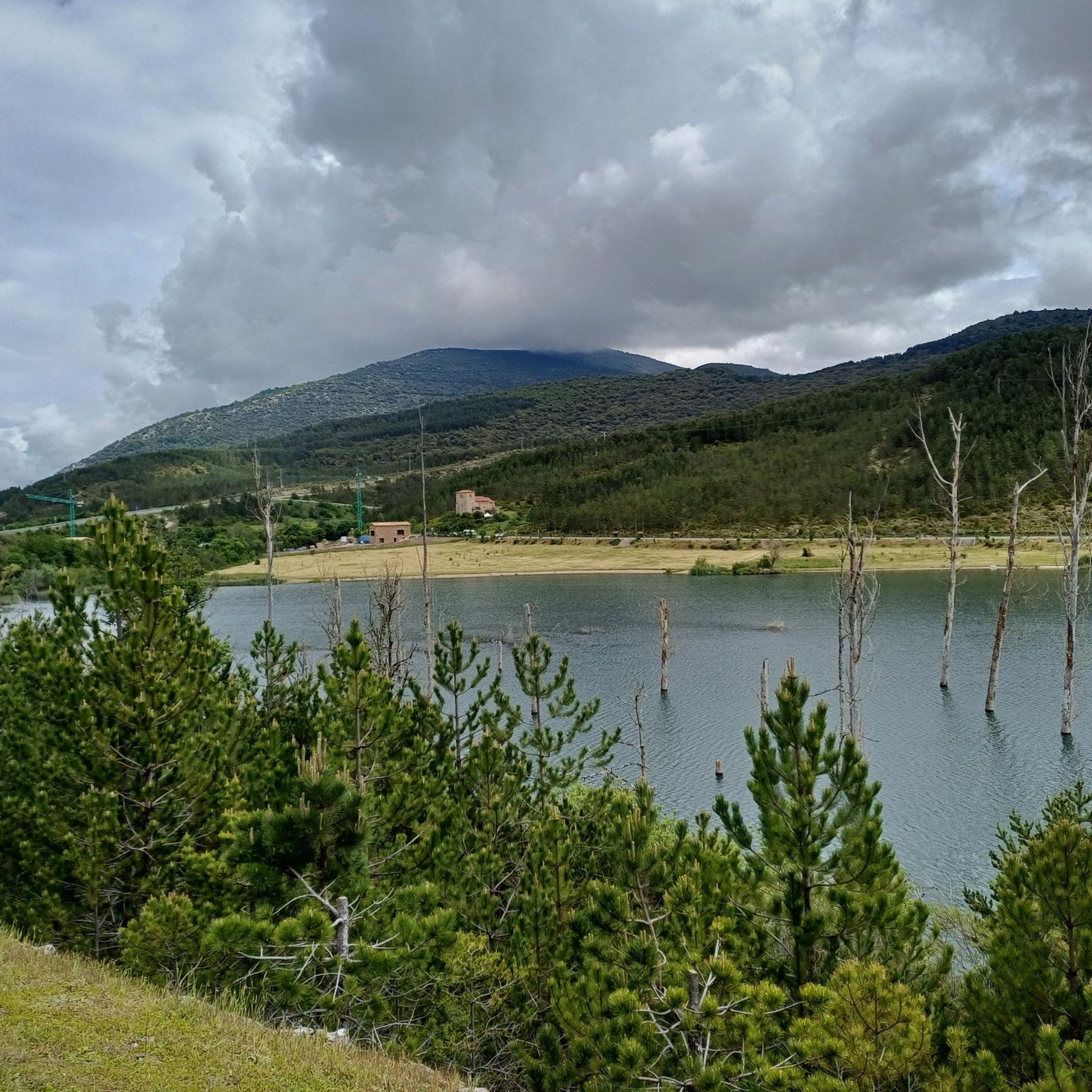

Tips from the Community

It is a beautiful border pass between Spain and France, well known for being part of the most traditional route of the Camino de Santiago. Sportingly, the climb on both sides is easy, although on the French side it is much longer as it starts at a lower altitude. The Spanish side is just 6 km from Burguete, the last being the most difficult with an average gradient of 7%. On this side you pass the famous and well-known monastery of Roncesvalles. The French side is 18 km from Arnegui and an average gradient of 4%. The hardest part is 5 km from the summit, with one kilometre at 7%. The landscape on this side is of lush vegetation going up a very closed valley that hardly leaves room for views of the surrounding mountains. The road is very twisty. It is a port with very good asphalt and a lot of traffic in general... so, be careful!
1
0

Roncesvalles, also known as Orreaga in Basque, is a small town in the region of Navarra, northern Spain. It is best known for the legendary Battle of Roncesvalles in 778, where Charlemagne's rearguard was defeated. This historical and spiritual site is also an important starting point for the Camino de Santiago, the famous pilgrimage route to the tomb of Saint James in Galicia. In Roncesvalles you can admire the impressive Gothic collegiate church of Santa María de Roncesvalles, where the image of the Virgin of Orreaga is venerated. Other places of interest include the Church of Santiago, the Chapel of the Holy Spirit and the Museum-Treasury, where you can see relics, paintings and sculptures from different periods.
3
1
The Ibañeta Pass, also known as the Roncesvalles Pass, is a scenic mountain pass in the Pyrenees, near the border between France and Spain. At an altitude of 1,057 metres, it offers breathtaking views and a rich historical background. The pass is best known for the Battle of Roncevaux in 778, a legendary event sung about in the epic poem “The Song of Roland”. A menhir marks the traditional site of this battle, emphasising the historical significance of the location.
2
0

The monastery complex is an impressive building and worth a visit. There are also two cafés, a hotel and the pilgrims' hostel.
1
0
A great climb up to the pass. Once you reach the top you get a great view. There is a small church at the top and also a monument. There has always been a hospital up here. However, only the foundations of it remain
2
0

Roland, who is commemorated here, died in 778 as part of the rear guard of Charlemagne's Frankish army. He himself was Margrave of Brittany and was the victim of a Basque revenge campaign against the Frankish conquerors who were retreating from a failed Saracen campaign. Those were complicated times, but things were not to become any less complicated in the Basque Country in the centuries that followed. An epic/song was later sung about Roland, which is part of world literature. The monument itself is simple and rough, exposed up here in the wind of the weather, and can therefore have an immediate effect, without pomp and splendor. Great! https://de.wikipedia.org/wiki/Schlacht_von_Roncesvalles
2
0
A wonderful place where you should definitely spend the night to have time to absorb the atmosphere and experience the pilgrim mass. Time stands still here, one of the spiritual hotspots of the Camino.
3
0

Completion of the 2nd stage on the Camino Francés
0
0
Frequently Asked Questions
What historical sites can I visit around Arce/Artzi?
The region is rich in history, particularly along the Camino de Santiago. You can explore the medieval Rabies Bridge in Zubiri, a significant stop for pilgrims. Also, the Roncesvalles Collegiate Church is an important Augustinian monastery and pilgrimage station. Further historical context is found at the Ibañeta Pass, which marks a historical point on the Camino Francés.
Are there any religious landmarks in the area?
Yes, the Roncesvalles Collegiate Church is a prominent religious building and an important pilgrimage station on the Way of St. James. It offers accommodation and features a richly furnished church. The Collegiate Church and Monastery of Roncesvalles is another significant site, known for its monastic atmosphere and as a gateway to Spain's Way of Saint James.
What natural features and viewpoints are there to explore near Arce/Artzi?
The area is characterized by its mountainous landscape. The Ibañeta Pass, at 1057 meters above sea level, offers breathtaking panoramic views. While the provided data focuses on the Camino de Santiago, the broader region of Navarre is known for its Pyrenean natural beauty.
What outdoor activities, like hiking or cycling, can I do around Arce/Artzi?
Arce/Artzi is an excellent base for outdoor activities. For hiking, you can find routes like the 'Baigura (1,474 m) – Baigura loop from Azparren' or the 'Nagore Reservoir Dam loop from Itoizko urtegia'. Cyclists can explore routes such as 'Aurizberri, Bizkarreta, Erro, Zilbeti – Circular Route' or 'Erro Village Church – Erro Pass loop from Aurizberri'. For more details and routes, visit the Hiking around Arce/Artzi or Cycling around Arce/Artzi guides.
Are there family-friendly attractions around Arce/Artzi?
Yes, the Rabies Bridge is considered family-friendly, offering a historical experience that is part of the Camino Frances. The Collegiate Church and Monastery of Roncesvalles is also listed as family-friendly, providing a cultural experience in a unique setting.
What is the best time of year to visit Arce/Artzi for outdoor activities?
While specific weather data isn't provided, the region's mountainous terrain suggests that spring and autumn would be ideal for hiking and cycling, offering milder temperatures and pleasant scenery. Summer can also be suitable, especially at higher elevations, but may be warmer. Winter walks are possible, but some routes might be challenging due to snow or ice, particularly in the Pyrenees.
What do visitors enjoy most about the attractions around Arce/Artzi?
Visitors appreciate the historical significance and the natural beauty of the area. The Rabies Bridge is noted for its medieval charm and its role on the Camino. The Roncesvalles Collegiate Church is valued for its spiritual importance and the accommodation it offers pilgrims. The panoramic views from the Ibañeta Pass are also a highlight for many.
Are there any gravel biking routes near Arce/Artzi?
Yes, there are several gravel biking opportunities. You can find routes like 'Forest Path Near Roncesvalles – Roncesvalles loop from Aurizberri' or 'Urrobi Valley – Foz de Iñarbe loop from Aurizberri'. These routes offer a mix of terrain suitable for gravel bikes. For more options, check the Gravel biking around Arce/Artzi guide.
What is the significance of the Camino de Santiago in this region?
The region around Arce/Artzi is a crucial part of the Camino de Santiago, particularly the Camino Francés. Landmarks like the Rabies Bridge and the Roncesvalles Collegiate Church are mandatory stops and important pilgrimage stations. The Ibañeta Pass marks the end of a steep ascent for pilgrims crossing the Pyrenees, signifying the start of the Spanish section of the Camino.
Are there any specific challenges or difficulties for outdoor activities in the Arce/Artzi area?
The mountainous terrain, especially around the Pyrenees, means that many routes involve significant elevation changes. For example, the ascent to Ibañeta Pass from Arneguy is 18 km long with an average gradient of 4.5%. Some hiking and cycling routes are rated as 'difficult', so it's advisable to check the difficulty grade before embarking on a tour. In case of bad weather, some footpaths can be bumpy and challenging, making asphalt routes a safer alternative.
Can I find information about parking or public transport to these attractions?
While specific parking details for each attraction are not provided, towns like Zubiri and Roncesvalles, which are key points on the Camino de Santiago, typically have facilities for visitors. For public transport, services often connect larger towns in the Navarre region. It's recommended to check local transport schedules for specific routes to nature spots or historical sites.
Are there any hidden gems or lesser-known spots worth visiting?
While the main highlights are well-known due to their connection to the Camino, the region's charm often lies in its smaller villages and natural landscapes. Exploring the various hiking and cycling routes can lead you to serene spots and picturesque views away from the main pilgrimage path. The tips from the komoot community often highlight the beauty of the Navarrese Pyrenees and the sense of peace found in its natural settings.
Most popular routes around Arce/Artzi
Most popular attractions around Arce/Artzi

Get inspired with the komoot mobile app


Explore more
Still not found the Highlight you’re looking for? See guides of the top attractions in other regions:
