Top 7 Castles around Camponaraya
Best castles around Camponaraya are found within the El Bierzo region, characterized by its strategic location at the confluence of the Boeza and Sil rivers. This area features a rich historical landscape, with structures dating back to Roman and Visigoth times. The region's terrain, often hilly, provided natural defensive positions for medieval fortresses. Visitors can explore a blend of historical significance and architectural complexity in the castles here.
Best castles around Camponaraya
- The most popular castles is Ponferrada Castle,…
Last updated: August 9, 2026
Ponferrada Castle
Highlight • Castle
Translated by Google •
Tip by

Villafranca del Bierzo Castle
Highlight • Castle
Translated by Google •
Tip by

Sign up now to discover places like this
Get recommendations on the best single tracks, peaks, & plenty of other exciting outdoor places.
Sign up for free
Statue of Nazareno Lambrion Chupacandiles
Highlight • Monument
Translated by Google •
Tip by
Corullón Castle and Church of St. Stephen
Highlight • Castle
Translated by Google •
Tip by

Castillo de Corullón
Highlight • Castle
Translated by Google •
Tip by
Sign up for free to discover even more castles around Camponaraya.
Sign up for free
Already have an account?
Start today with a free account
Your next adventure awaits.
Login or Signup

Tips from the Community

The Lambrión Chupacandiles statue in Ponferrada is a bronze tribute to one of the most iconic figures of the local Semana Santa tradition. Installed in 2024 at the Church of San Andrés, the statue depicts a Nazareno in a black hooded robe, holding a bell—just as he parades through the city each year to announce the arrival of Holy Week. The figure, which originated in the 17th century, is linked to the Hermandad de Jesús Nazareno and takes its name from a legend that says he tasted wine and even oil from candlesticks along the way. Designed by Tomás Bañuelos and Soraya Triana, the sculpture has become a recognizable symbol of Ponferrada's religious heritage.
3
0

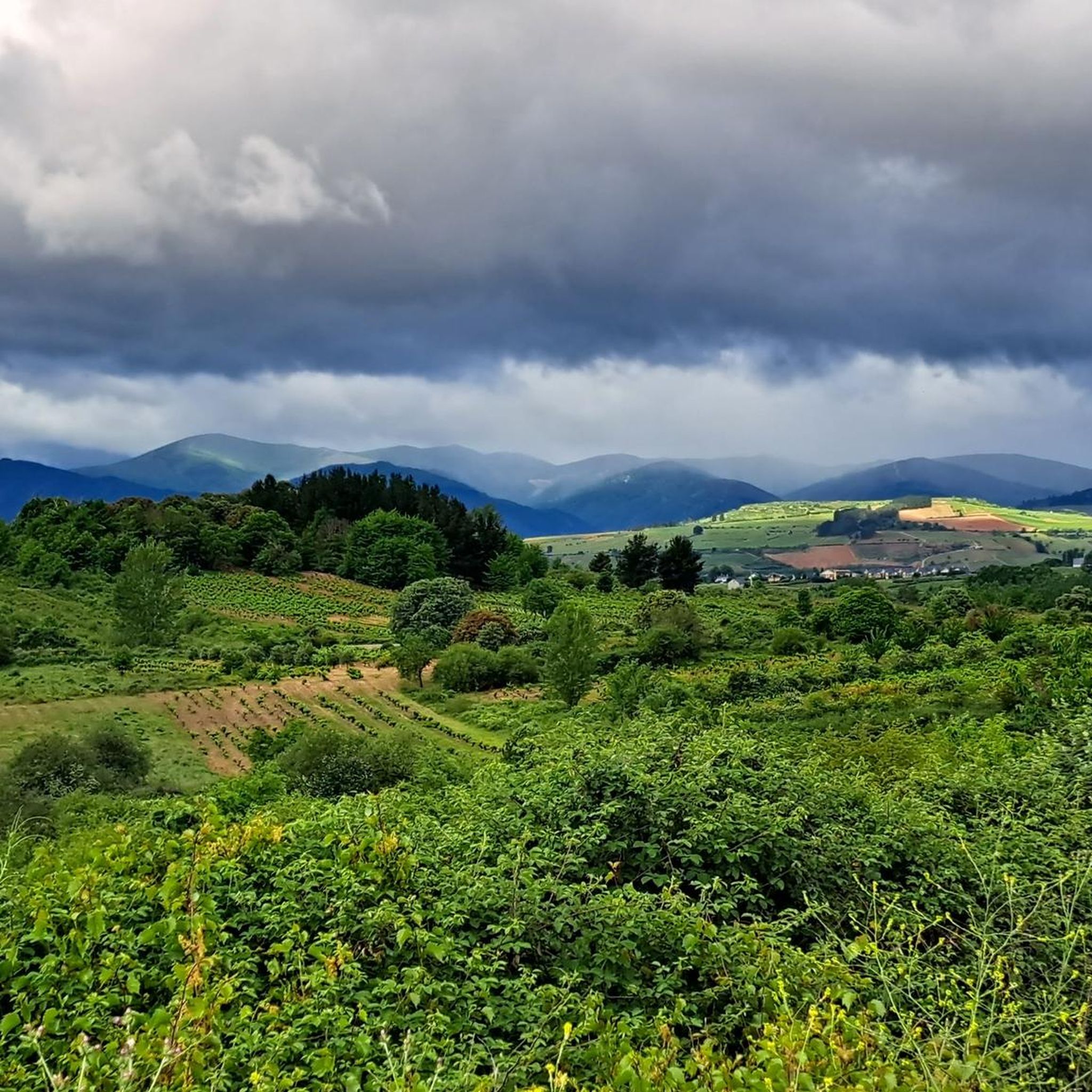
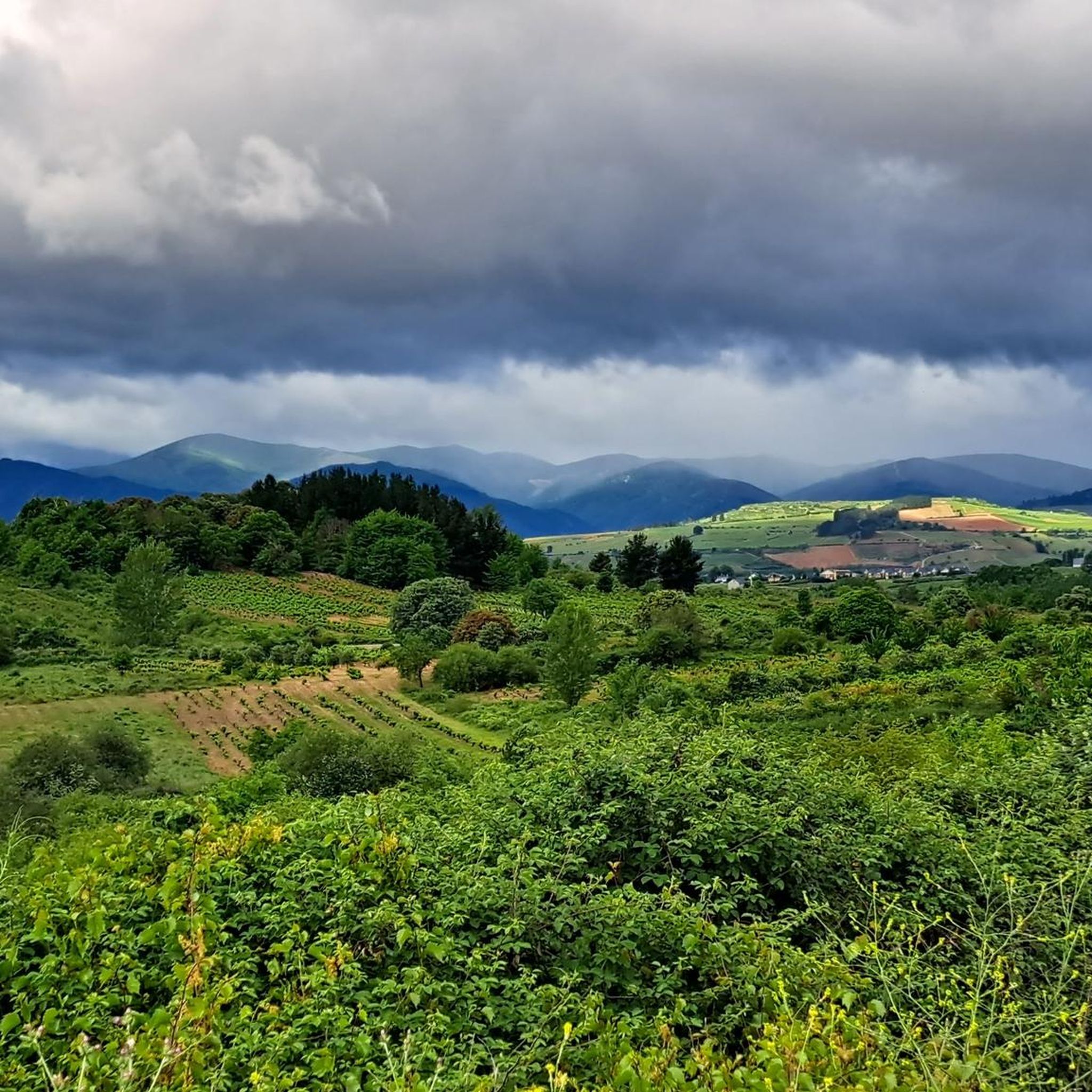
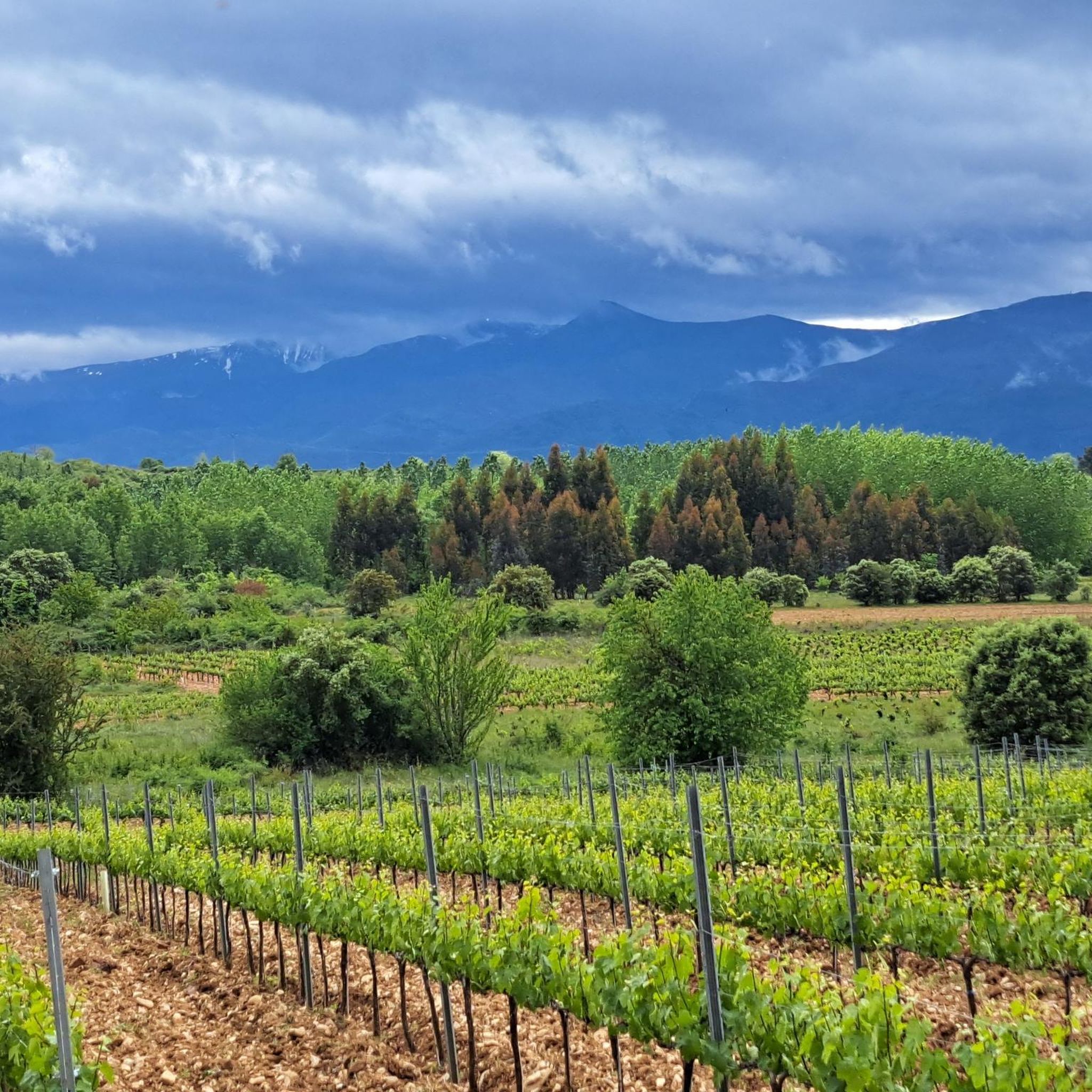
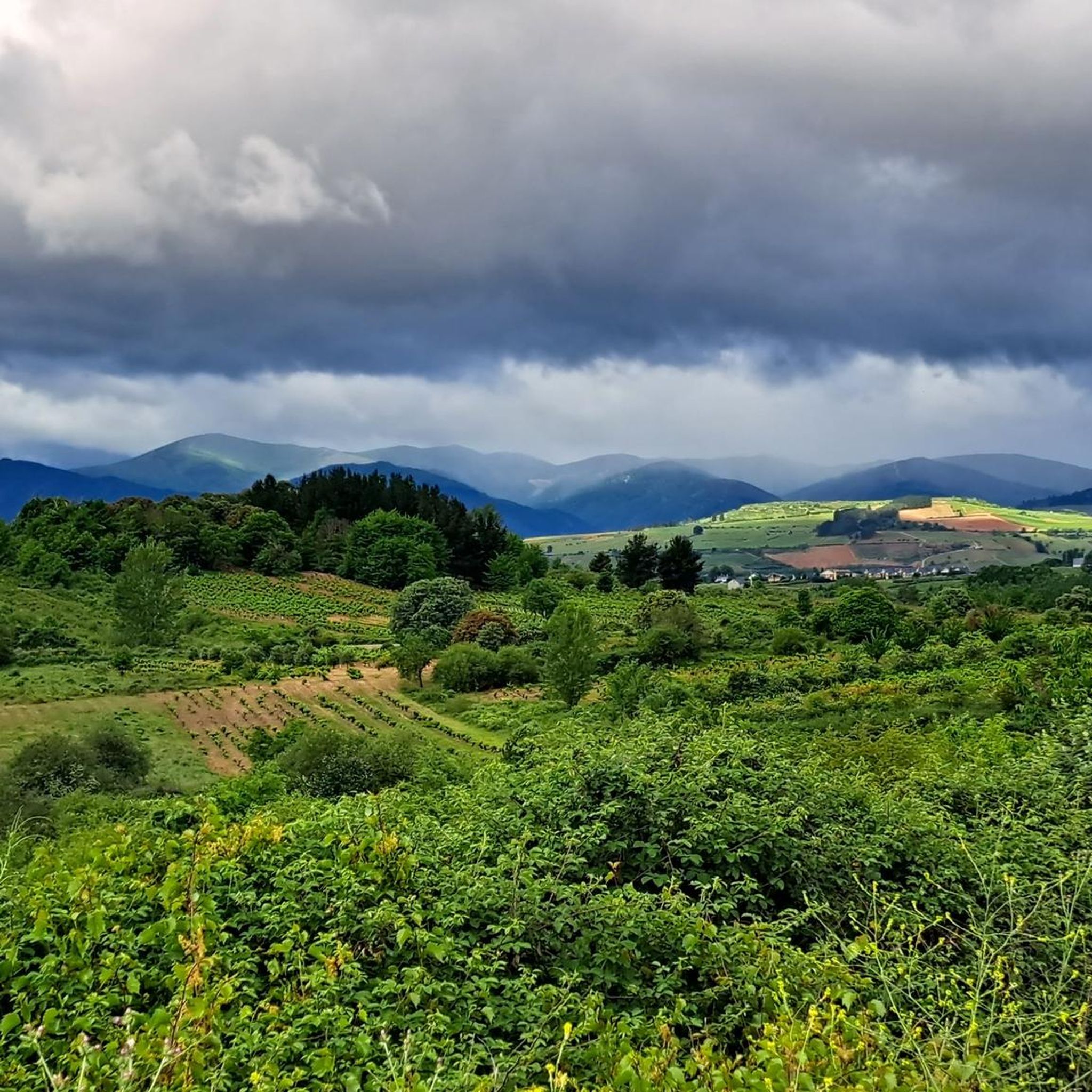
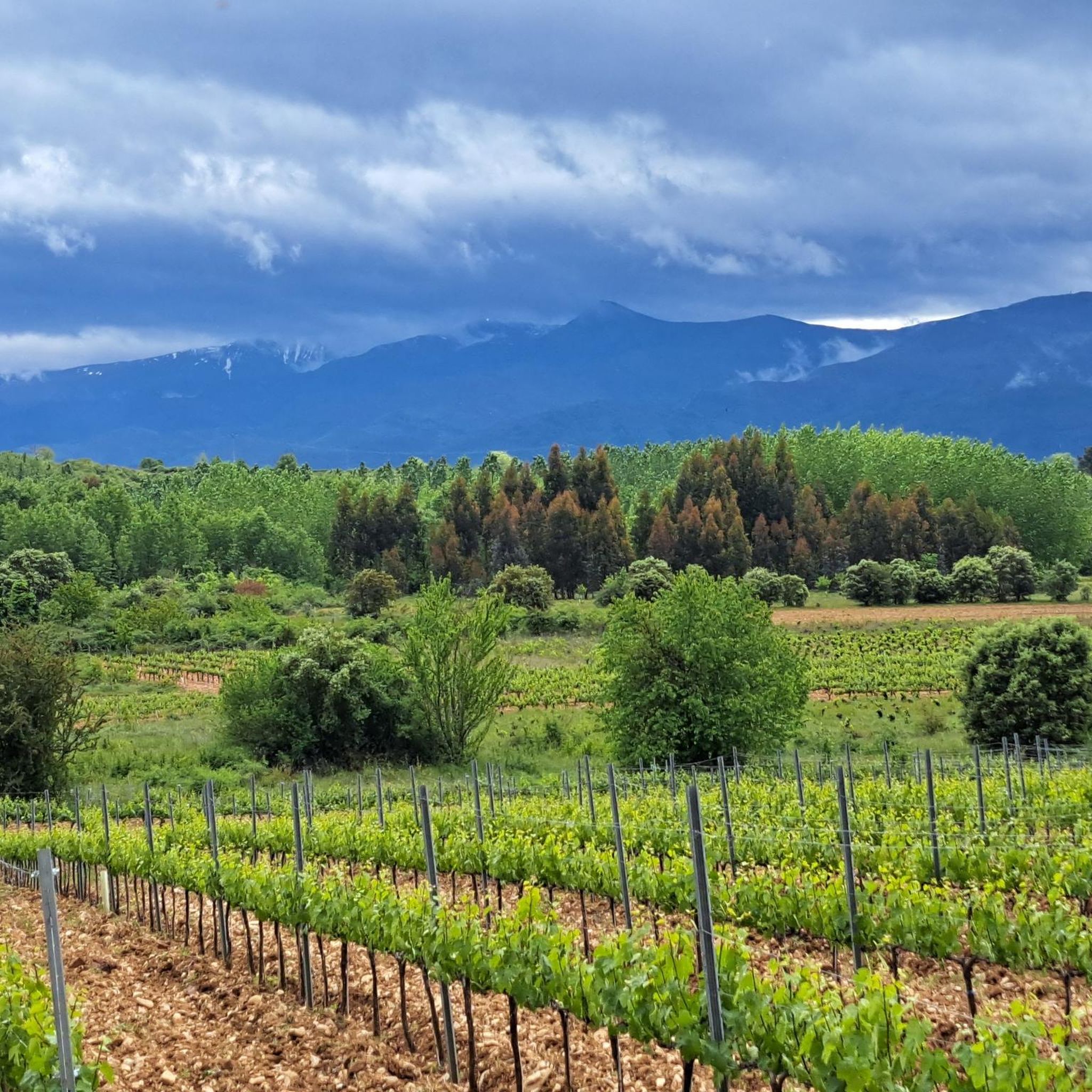
Stage of the Camino de Santiago. It goes from the vineyards of Bierzo to the green mountains of the mythical O Cebreiro pass
5
0

At the end of the 11th century, Osmundo, Bishop of Astorga, ordered the construction of a bridge (partly made of iron = pons ferrata) over the Sil for the pilgrims on the Way of St. James, near which a settlement was built. At the "pons ferrata", the iron bridge, the Knights Templar built a huge castle on a surface area of 160 x 90 m to protect the pilgrims on the Way of St. James. The medieval castle complex was inhabited by the Knights Templar from 1178 to 1312. Source: Wikipedia
5
0

The Templars' heyday from the 12th to 14th centuries led to the construction of this mighty fortress, among other things to protect the pilgrims on the Way of St. James. The rampart on the city hill stands out impressively against the mountain backdrop and absolutely conforms to the stereotypical image of a knight's castle. It is sensationally well maintained and a feast for the eyes.
6
0

The order, often referred to simply as the "Order of the Knights Templar," whose full name is "Poor Knights of Christ and of Solomon's Temple in Jerusalem," takes us mentally back to the 13th century. Founded in the Holy Land, it spread surprisingly quickly to many countries in Central Europe, and this castle complex in Ponferrada, northern Spain, was one of its numerous branches. The order gained notoriety through its dissolution in 1312 by the French king and the pope, and many of its members were burned at the stake as alleged heretics. The main reason for the dissolution, however, was not the members' human and religious misconduct (heresy), which was merely a pretext, but the legendary wealth of this order. King Philip IV of France primarily wanted to secure the treasures to bolster his coffers.
6
0

Corullón Castle is located in the El Bierzo region. It was built as a mansion and recreation by the Rodríguez de Valcarce family in the 14th century. The castle stands on a Roman fort and a medieval tower. Throughout its history, it belonged to various families, including the Álvarez Osorio and the Álvarez de Toledo. Currently, it is owned by the descendants of the Marquises of Villafranca. Although it cannot be visited, its history and architecture make it a historical and artistic monument of the region. 🏰🌟
5
0

The Templar Castle of Ponferrada is a superb building. It houses the Templar Library and the Ponferrada Center for Research and Historical Studies, with over 1,400 books, including facsimiles of works by Leonardo da Vinci. It was originally a Roman camp and later a citadel. In the early 12th century, the Templars took possession of the fortress, strengthening and expanding it to serve as a residential palace and as a protection for pilgrims on their way to Santiago de Compostela. The building has an irregular square plan, and its most notable entrance is reached by crossing the moat over a drawbridge and, further on, two large crenellated towers joined by an arch. Its twelve original towers depicted the constellations.
5
0

Corullón is a small town on top of a hill near the Burbia River. The most outstanding monuments are the castle of Corullón from the 15th century and the Church of San Esteban.
1
0
Frequently Asked Questions
What are the most historically significant castles near Camponaraya?
The most historically significant castle in the region is undoubtedly Ponferrada Castle. It has strong connections to the Knights Templar, who fortified it in the 12th and 13th centuries. Its history spans from pre-Romanesque origins to its pivotal role on the Camino de Santiago. Another notable site is Villafranca del Bierzo Castle, a 16th-century fortress with a rich past.
Which castles offer the best architectural insights?
Ponferrada Castle is an excellent example of medieval military architecture, featuring an irregular polygonal shape, triple defenses, and numerous crenellated towers. It covers over 8,000 square meters and showcases various extensions from the 12th to 15th centuries. Villafranca del Bierzo Castle also presents a distinctive large square building with circular towers at its corners and palatial rooms.
Are there any castles with unique legends or stories?
Yes, Ponferrada Castle is famously associated with the Knights Templar. A fascinating legend suggests its twelve original towers replicated the forms of the constellations, giving it the nickname 'Castle of the Twelve Constellations' and connecting it to celestial symbolism.
What do visitors particularly enjoy about the castles in this region?
Visitors appreciate the deep historical significance, especially the Templar connections of Ponferrada Castle. The imposing architecture, strategic locations, and the sense of stepping back in time are frequently highlighted. The region's castles have garnered over 360 upvotes and 320 photos from the komoot community, indicating their popularity and visual appeal.
Are there family-friendly castles to visit near Camponaraya?
Yes, both Ponferrada Castle and Villafranca del Bierzo Castle are considered family-friendly. Their large grounds and historical exhibits offer engaging experiences for all ages, allowing families to explore medieval history together.
How long should I plan for a visit to a castle like Ponferrada?
For a comprehensive visit to Ponferrada Castle, which covers over 8,000 square meters and includes multiple defenses, towers, and courtyards, you should plan for at least 2-3 hours. This allows ample time to explore its various sections and appreciate its historical depth.
What is the best time of year to visit the castles around Camponaraya?
The El Bierzo region, where these castles are located, is beautiful in autumn, with pleasant temperatures and vibrant scenery. Spring and early summer also offer good weather for exploring. Visiting outside of peak summer months can provide a more comfortable experience with fewer crowds.
Can I combine a castle visit with outdoor activities like hiking or cycling?
Absolutely! The region around Camponaraya offers various outdoor activities. For example, you can find several running, cycling, and MTB trails that pass near or lead to the castles. Check out the Running Trails around Camponaraya, Cycling around Camponaraya, or MTB Trails around Camponaraya guides for routes that incorporate these historical sites.
Are there viewpoints near the castles offering scenic views?
Many castles, such as Ponferrada Castle and Corullón Castle and Church of St. Stephen, are strategically located on hills or elevated positions. This provides excellent viewpoints from within the castle walls or from nearby areas, offering panoramic vistas of the surrounding El Bierzo landscape.
Are there any castles that are not open to the public?
Yes, Castillo de Corullón, while historically significant, is privately owned by the descendants of the Marquises of Villafranca and is not open for public visits. However, its exterior can still be admired from the road, particularly when approaching from Corullón.
Is there public transport available to reach the castles?
While Camponaraya itself is a smaller town, the larger municipality of Ponferrada, home to Ponferrada Castle, is well-connected by public transport, including bus services. For other castles in more rural settings, public transport options might be limited, and a car would offer more flexibility.
Are there cafes or pubs near the castles for refreshments?
In larger towns like Ponferrada and Villafranca del Bierzo, you will find a variety of cafes, restaurants, and pubs within walking distance of their respective castles. For castles in smaller villages like Corullón, options might be more limited, so it's advisable to check local amenities beforehand.
Most popular routes around Camponaraya
Most popular attractions around Camponaraya

Get inspired with the komoot mobile app


Explore more
Looking for the best castles somewhere else? Discover other guides around Camponaraya:
